

A carport a frame structure represents one of the most reliable and cost-effective solutions for protecting vehicles from harsh weather conditions. This distinctive roof design features two sloped sides that meet at a central ridge, creating a triangular profile that efficiently sheds water, snow, and debris. Homeowners and property managers across America have embraced the carport a frame configuration for its proven durability, straightforward installation process, and ability to withstand various climate challenges while maintaining an attractive appearance that complements residential and commercial properties.
Understanding Carport A Frame Architecture
The carport a frame design derives its name from the distinctive A-shaped profile visible when viewing the structure from its end. This architectural approach creates a simple yet effective roofing system where two panels slope downward from a central peak at equal angles.
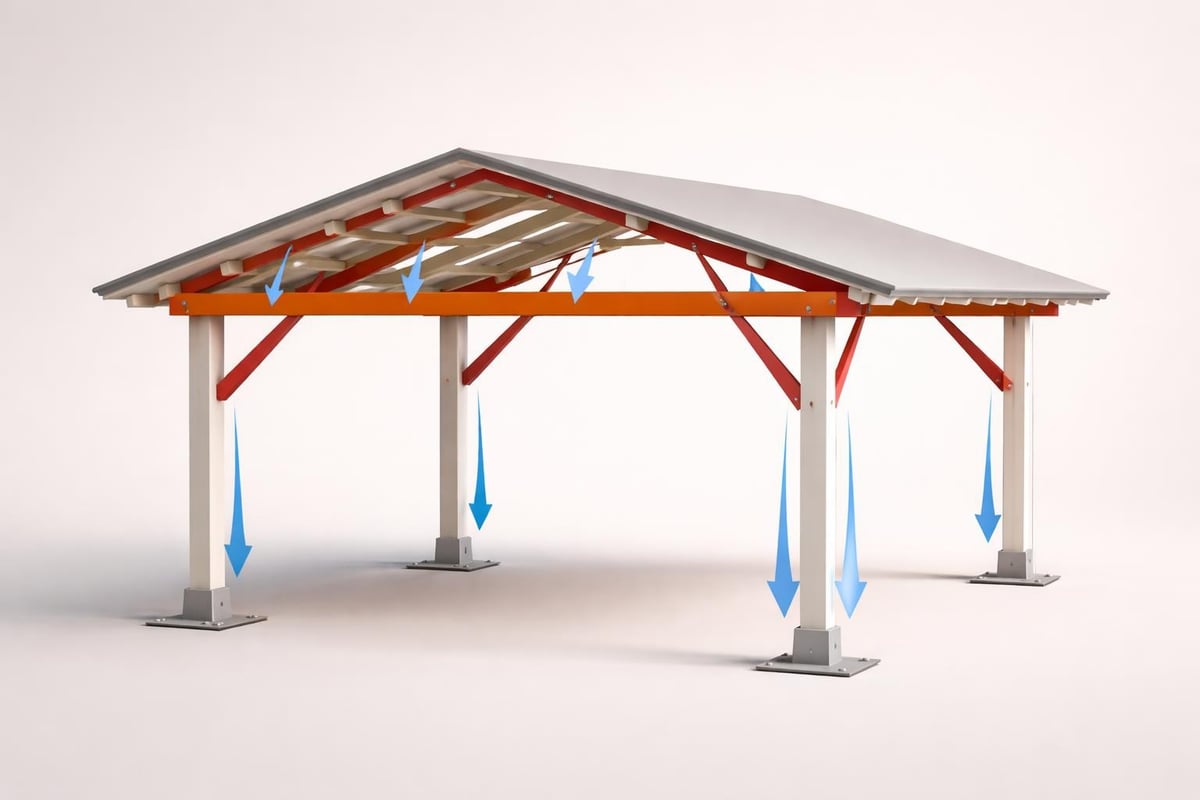
Structural Components and Engineering
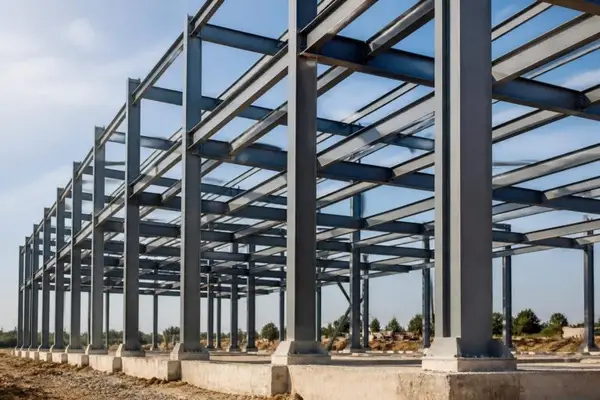
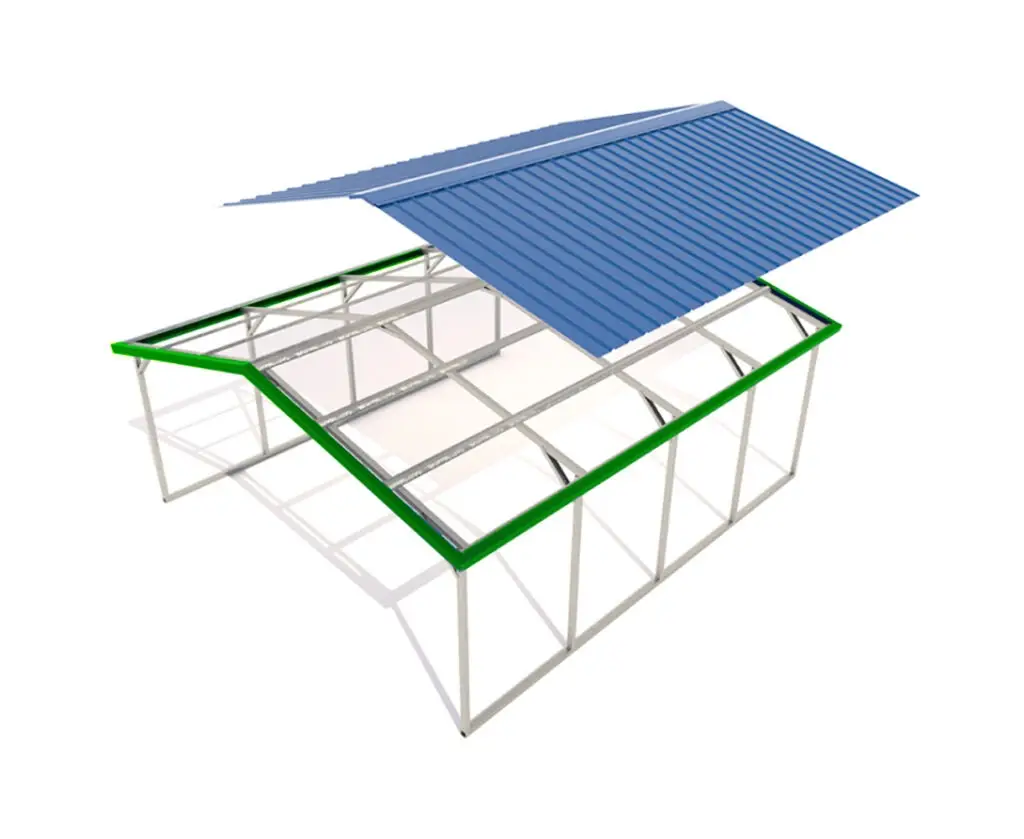
The fundamental structure consists of vertical support posts, horizontal beams, and roof purlins that create the framework for metal panels. Steel tubing typically ranges from 12-gauge to 14-gauge thickness, providing the necessary strength to support roof loads and resist wind forces. The framing system for metal carports requires precise measurements and proper anchoring to ensure long-term stability.
Key structural elements include:
- Vertical columns that transfer loads from the roof to the foundation
- Horizontal beams connecting posts and distributing lateral forces
- Roof purlins running perpendicular to the slope, supporting metal panels
- Bracing components that enhance overall rigidity and wind resistance
- Anchoring systems securing the structure to concrete pads or ground anchors
The slope angle in a carport a frame typically ranges from 3:12 to 5:12 pitch, meaning the roof rises three to five inches for every twelve inches of horizontal distance. This pitch provides adequate drainage while maintaining reasonable height requirements.
Material Specifications and Durability
Metal carport a frame structures predominantly utilize galvanized steel or aluminum components. Galvanized steel offers exceptional strength-to-weight ratios and resists corrosion through a protective zinc coating. The gauge measurement inversely relates to thickness, with lower numbers indicating thicker, stronger metal. A 14-gauge versus 12-gauge frame comparison reveals significant differences in load-bearing capacity and longevity.
| Frame Gauge | Thickness | Typical Use | Snow Load Capacity |
|---|---|---|---|
| 14-gauge | 0.0747 inches | Light-duty applications | Up to 20 psf |
| 12-gauge | 0.1046 inches | Heavy-duty applications | Up to 35 psf |
Panel materials for carport a frame roofs include 29-gauge and 26-gauge steel sheeting. The thicker 26-gauge option provides enhanced impact resistance and extended lifespan, particularly in regions experiencing hail or falling branches.
Design Variations and Customization Options
The carport a frame configuration accommodates numerous modifications to meet specific requirements and aesthetic preferences. Understanding available variations helps property owners select the optimal design for their situation.
Width and Length Configurations
Standard carport a frame widths begin at twelve feet for single-vehicle coverage and extend to twenty-four feet for double-vehicle protection. Custom dimensions accommodate larger vehicles, equipment storage, or multiple parking spaces. Length measurements typically start at twenty feet and can extend to forty feet or more without requiring internal support columns.
Single-vehicle specifications:
- Width: 12-14 feet
- Length: 20-24 feet
- Height: 6-8 feet to eave
Double-vehicle specifications:
- Width: 18-24 feet
- Length: 20-30 feet
- Height: 7-9 feet to eave
The different carport styles and configurations demonstrate how dimensional flexibility allows structures to fit various property layouts and vehicle sizes. RV owners often require extended height and length dimensions, with clearances reaching twelve to fourteen feet and lengths extending beyond thirty-five feet.
Roof Panel Orientation Options
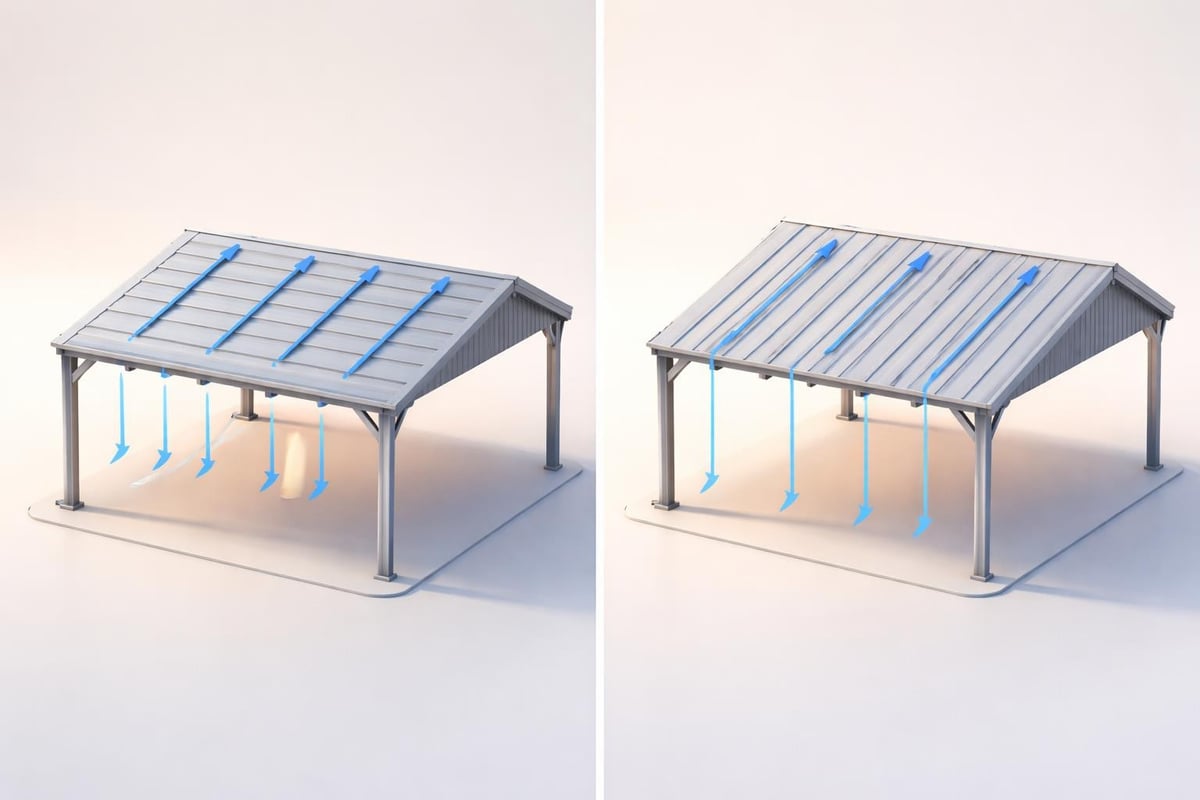
Carport a frame structures offer two primary panel orientation choices that affect both appearance and performance. Horizontal paneling runs perpendicular to the roof slope, creating visible ridges across the width of the structure. This traditional approach provides reliable weather protection and straightforward installation.
Vertical paneling aligns parallel to the roof slope, allowing water and debris to flow directly downward along continuous channels. This orientation typically offers superior drainage and reduced leak potential at panel seams. Many property owners prefer the clean, modern aesthetic of vertical panels on their carport a frame installations.
Installation Process and Site Preparation
Proper installation ensures that a carport a frame structure performs reliably throughout its service life. The process requires careful planning, precise measurements, and adherence to manufacturer specifications.
Foundation and Anchoring Requirements
Site preparation begins with ground leveling and foundation selection. Concrete pad foundations provide the most stable base, consisting of four-inch thick slabs with adequate compressive strength. Each support post location requires either direct embedment in the concrete or attachment points using certified anchor bolts.
Alternative anchoring methods include:
- Mobile home anchors driven into the ground at specified depths
- Asphalt anchors for installations over existing paved surfaces
- Rebar anchors embedded in poured concrete footings
- Auger anchors for soft soil conditions requiring deep penetration
The detailed installation procedures outline specific torque requirements, spacing dimensions, and inspection checkpoints throughout the assembly process. Local building codes may mandate professional engineering certification for areas subject to high wind speeds or significant snow accumulation.
Assembly Sequence and Timeline
Professional installation teams typically complete a standard carport a frame structure within one to two days, depending on size and complexity. The systematic approach follows this general sequence:
Day One:
- Site verification and layout marking
- Foundation installation or anchor placement
- Vertical post positioning and alignment
- Base rail attachment and leveling checks
Day Two:
- Roof beam installation and connection
- Purlin placement and spacing verification
- Panel attachment beginning at lower edge
- Trim installation and final adjustments
DIY installations require additional time and careful attention to proper framing techniques to ensure structural integrity. Manufacturers provide detailed assembly instructions, hardware kits, and technical support to assist self-installers throughout the process.
Performance Benefits and Weather Resistance
The carport a frame design delivers multiple functional advantages that make it a preferred choice for vehicle protection across diverse climate zones. Understanding these benefits helps property owners appreciate the value proposition.
Water and Snow Management
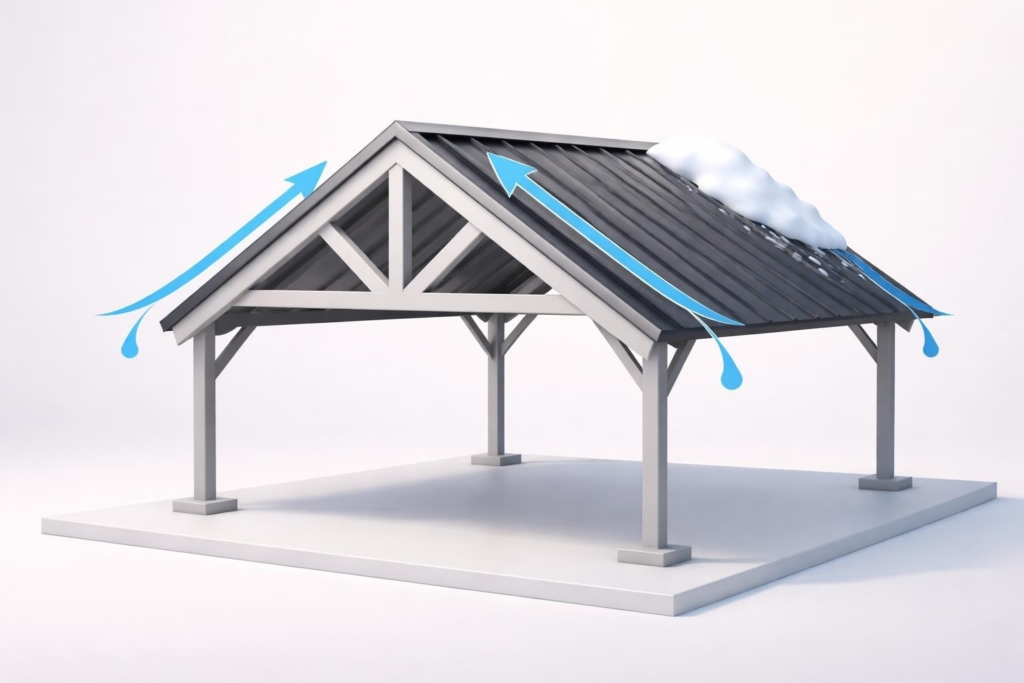
The sloped roof configuration naturally channels precipitation away from the protected area. Water drainage occurs along the entire length of each roof panel, preventing pooling that could stress the structure or create ice dams during winter months. The central ridge peak sheds water equally to both sides, distributing runoff and minimizing erosion concerns at any single location.
Snow load performance depends on both roof pitch and structural gauge. Steeper slopes facilitate snow shedding, while robust framing supports accumulated weight during extended winter storms. The certified metal building standards specify engineering requirements for regions experiencing significant snow loads, ensuring structures meet or exceed local building codes.
| Climate Zone | Recommended Pitch | Frame Gauge | Panel Gauge |
|---|---|---|---|
| Light snow (0-20 psf) | 3:12 | 14-gauge | 29-gauge |
| Moderate snow (20-35 psf) | 4:12 | 12-gauge | 26-gauge |
| Heavy snow (35+ psf) | 5:12 | 12-gauge | 26-gauge |
Wind Resistance and Stability
The low-profile nature of a carport a frame structure reduces wind loading compared to taller barn-style or vertical roof designs. The triangular cross-section inherently resists lateral forces, with wind pressure distributed across the sloped surfaces rather than concentrated on vertical faces.
Engineered certification addresses specific wind speed requirements based on geographic location. Coastal regions subject to hurricane-force winds require enhanced anchoring systems, heavier gauge materials, and additional bracing components. The symmetrical design of the carport a frame configuration provides balanced resistance to wind approaching from any direction.
Comparative Analysis with Other Roof Styles
Property owners evaluating shelter options benefit from understanding how the carport a frame compares to alternative roof configurations. Each style offers distinct characteristics suited to different priorities and conditions.
A-Frame Versus Vertical Roof
Vertical roof carports feature panels running from peak to eave in continuous lengths, providing superior water shedding and modern aesthetics. However, these structures typically cost fifteen to twenty percent more than comparable carport a frame designs due to additional materials and labor requirements.
The vertical roof option excels in regions with heavy snowfall, as the steeper pitch and continuous panel runs minimize accumulation. For budget-conscious buyers seeking reliable protection without premium pricing, the carport a frame delivers excellent value.
A-Frame Versus Regular Roof
Regular roof (also called flat roof) carports feature a slight slope from front to back, creating the most economical structure option. While less expensive initially, regular roofs provide reduced clearance at the rear and may experience drainage issues compared to the carport a frame's superior water management.
The choice between these styles often depends on height requirements and aesthetic preferences. The carport a frame maintains consistent peak height along its entire length, accommodating taller vehicles throughout the covered space.
Cost Considerations and Value Proposition
Understanding the financial aspects of carport a frame ownership helps buyers make informed decisions aligned with their budgets and long-term needs. Multiple factors influence total investment requirements.
Pricing Variables and Customization Impact
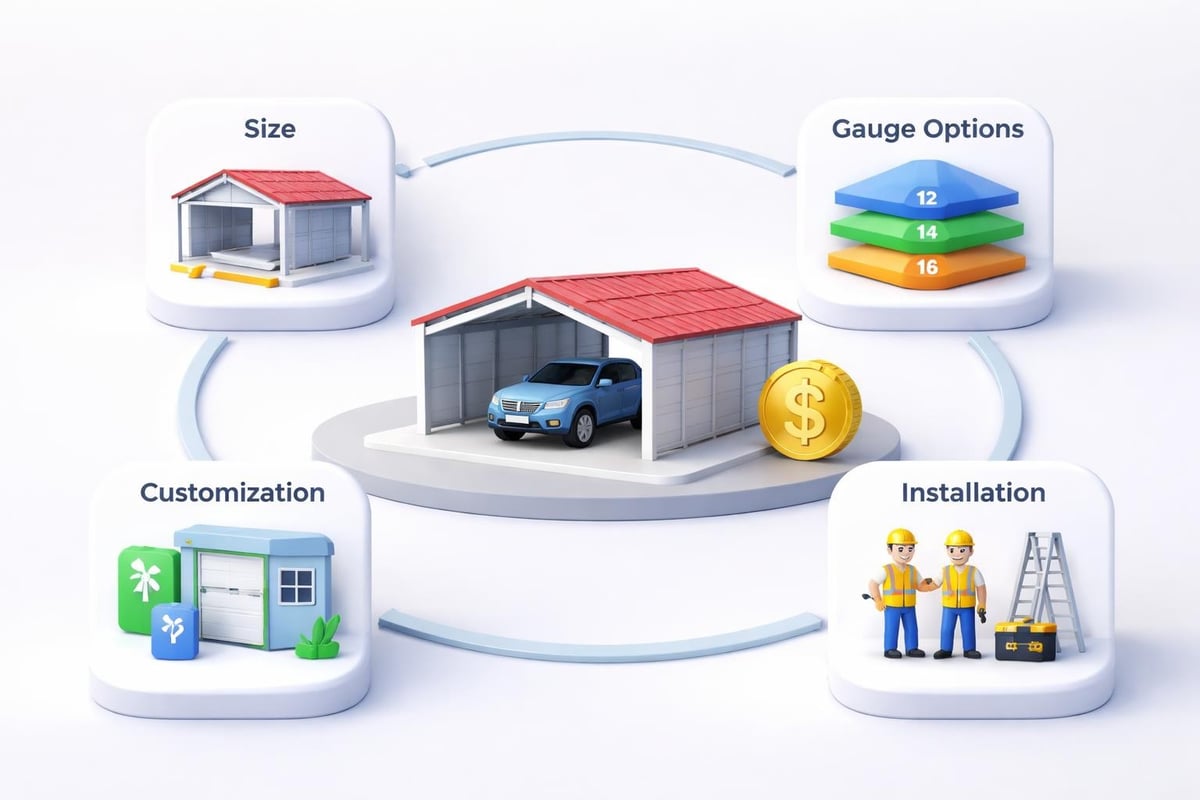
Base pricing for a standard carport a frame structure begins around fifteen hundred dollars for compact single-vehicle models and scales upward based on dimensions, materials, and features. Customization options that affect cost include:
- Increased width beyond standard sizes
- Extended length for additional storage
- Upgraded frame gauge for enhanced strength
- Premium panel gauge for superior durability
- Additional height clearance
- Enclosed end panels or side walls
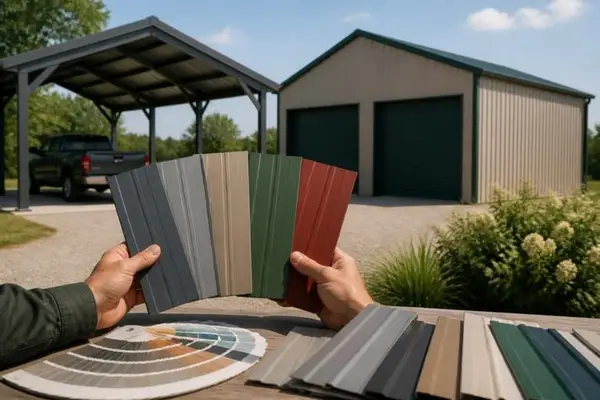
- Upgraded color selections beyond standard options
When exploring affordable metal carport options, buyers should evaluate total ownership costs rather than focusing solely on initial purchase price. Higher-quality materials and professional installation may increase upfront investment but reduce maintenance expenses and extend service life.
Long-Term Value and Return on Investment
Metal carport a frame structures provide tangible financial benefits beyond immediate vehicle protection. Property value enhancement represents a significant advantage, with quality shelter installations potentially increasing resale appeal and marketability. Protecting vehicles from UV damage, hail, and weather exposure extends automotive lifespan and maintains higher resale values.
Additional value factors include:
- Reduced insurance premiums for covered vehicles in some markets
- Lower maintenance costs compared to traditional garage construction
- Minimal upkeep requirements with powder-coated finishes
- Versatile functionality accommodating changing needs over time
- Transferable investment that remains with the property
The durability of quality metal construction means a properly installed carport a frame can serve reliably for twenty to thirty years with minimal intervention, delivering exceptional return on the initial investment.
Customization for Specific Applications
The adaptable carport a frame platform supports modifications tailored to diverse uses beyond basic vehicle coverage. Understanding specialty applications expands the potential value these structures provide.
RV and Oversized Vehicle Protection
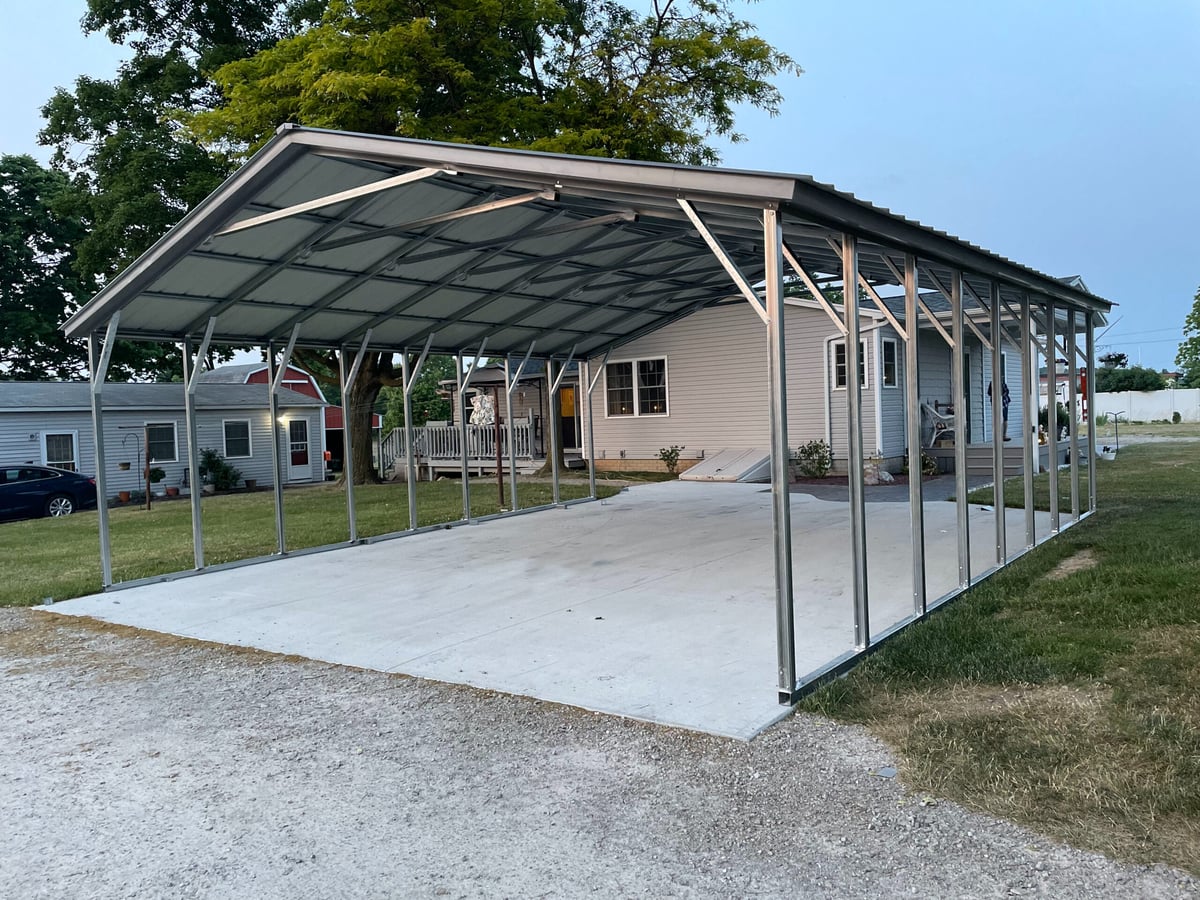
Recreational vehicle owners require specialized dimensions to accommodate vehicles reaching twelve feet in width and fourteen feet in height. The carport a frame scales effectively to these requirements, with manufacturers offering units up to sixteen feet tall and thirty feet wide.
Critical RV specifications include adequate entry height, sufficient length for slide-outs, and optional end panels to protect against directional weather. Many RV owners invest in vertical panel orientation for their carport a frame to maximize water shedding along the extended roof length. Metal Structure Sales LLC offers customizable Metal Carport solutions through their user-friendly 3D design center, allowing you to configure dimensions, features, and specifications that perfectly match your vehicle protection requirements with delivery and installation included in transparent pricing.
Agricultural and Equipment Storage
Farm and ranch operations utilize carport a frame structures to protect tractors, implements, hay storage, and livestock feeding areas. The open-sided configuration facilitates equipment maneuvering while providing overhead protection from sun and precipitation.
Agricultural applications often incorporate:
- Extended width for multiple equipment storage
- Reinforced framing to support heavier snow loads
- Earth anchoring suitable for field installations
- Panel gauge upgrades resisting impact from equipment contact
- Partial enclosures creating secure storage for valuable implements
Regulatory Compliance and Permit Requirements
Navigating local building regulations ensures that carport a frame installations meet community standards and avoid potential enforcement issues. Requirements vary significantly by jurisdiction, making research essential before project commencement.
Building Codes and Engineering Certification
Many municipalities require building permits for carport installations exceeding certain sizes or located in specific zoning districts. Permit applications typically mandate engineered drawings stamped by licensed professionals, verifying that the structure meets wind and snow load requirements for the geographic area.
Certification levels address specific weather parameters:
- Wind certification rated for sustained speeds (90, 100, 120, 130, 140+ mph)
- Snow load certification calculated in pounds per square foot (20, 30, 40+ psf)
- Seismic certification for regions with earthquake activity
Understanding factors affecting metal carport installations includes regulatory compliance costs and timeline considerations. Working with manufacturers experienced in multi-state operations ensures structures meet applicable codes.
Homeowner Association and Deed Restrictions
Properties governed by homeowner associations or restrictive covenants may limit carport a frame installations through architectural guidelines. Common restrictions address:
- Setback requirements from property lines and structures
- Color limitations matching community aesthetic standards
- Size restrictions based on lot dimensions or home square footage
- Placement requirements limiting front-yard installations
- Approval processes requiring committee review and consent
Reviewing governing documents before ordering prevents costly conflicts and ensures compliance with community standards. Many associations approve carport a frame structures that match home colors and meet professional appearance standards.
Maintenance and Longevity Optimization
While metal carport a frame structures require minimal maintenance compared to wood alternatives, periodic attention ensures optimal performance and appearance throughout the service life. Implementing basic care practices protects the investment.
Routine Inspection and Cleaning
Annual inspections identify potential issues before they develop into serious problems. Visual checks should examine:
- Fastener tightness at panel connections and structural joints
- Anchor bolt security and concrete pad integrity
- Panel condition checking for dents, scratches, or coating damage
- Gutter and drainage areas for debris accumulation
- Framework alignment and any shifting indicators
Cleaning involves removing accumulated dirt, pollen, and organic material that can retain moisture against metal surfaces. Mild detergent solution applied with soft brushes or pressure washing at appropriate settings maintains appearance without damaging protective coatings.
Addressing Minor Repairs Promptly
Small maintenance issues addressed quickly prevent escalation into major structural concerns. Common repairs include:
- Touch-up paint for minor scratches preventing rust development
- Fastener replacement for missing or damaged screws
- Panel resealing at joints showing potential leak development
- Anchor tightening if settling causes connection looseness
The corrosion-resistant properties of galvanized steel and powder-coated finishes provide inherent protection, but maintaining these barriers ensures maximum longevity. Understanding proper carport maintenance techniques extends structure lifespan while preserving aesthetic appeal.
Environmental Considerations and Sustainability
Modern metal carport a frame construction aligns with environmental responsibility through material choices, manufacturing processes, and lifecycle performance. These structures offer several sustainability advantages worth considering.
Recyclability and Material Efficiency
Steel ranks among the most recycled materials globally, with carport a frame components containing significant recycled content during manufacturing. At end-of-life, metal structures can be dismantled and recycled again, creating a closed-loop material cycle that minimizes environmental impact.
Manufacturing efficiency in modern steel production reduces energy consumption and emissions compared to historical processes. Precision engineering minimizes material waste during fabrication, with offcuts and scrap immediately recycled rather than discarded.
Energy Efficiency and Carbon Footprint
The open design of most carport a frame installations eliminates the energy consumption associated with climate-controlled garage spaces. Vehicles protected from direct sunlight experience reduced interior temperatures, potentially lowering air conditioning demands during initial operation.
Reflective roof coatings available on premium panels reduce heat absorption, contributing to lower ambient temperatures in surrounding areas. This passive cooling effect provides environmental benefits while protecting vehicles from excessive heat exposure.
The carport a frame design continues proving its worth as a practical, durable, and cost-effective vehicle protection solution that adapts to diverse applications and climates. Whether you need coverage for personal vehicles, recreational equipment, or commercial fleet assets, Metal Structure Sales LLC provides high-quality metal carports with complete customization options, professional installation, and transparent pricing to meet your specific requirements and deliver lasting value for your property investment.