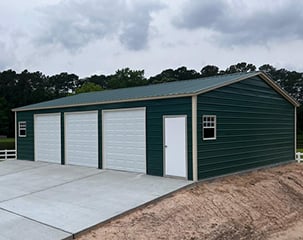


Custom steel buildings have revolutionized how property owners approach construction projects, offering unmatched flexibility, durability, and cost-effectiveness. Whether you need protected storage for vehicles, equipment, livestock, or workspace, steel structures deliver solutions that traditional construction methods struggle to match. The modern metal building industry provides sophisticated design options that accommodate virtually any requirement, from basic shelter to complex multi-purpose facilities. Understanding the possibilities, specifications, and investment factors helps ensure your steel building project meets both immediate needs and long-term expectations.
Understanding Custom Steel Building Construction
The foundation of any quality steel structure lies in its engineering and materials. Modern custom steel buildings utilize advanced manufacturing techniques that produce precise components in controlled factory environments, ensuring consistent quality across every element. This prefabrication approach differs significantly from traditional stick-built construction, where weather conditions and on-site variables can impact the final product.
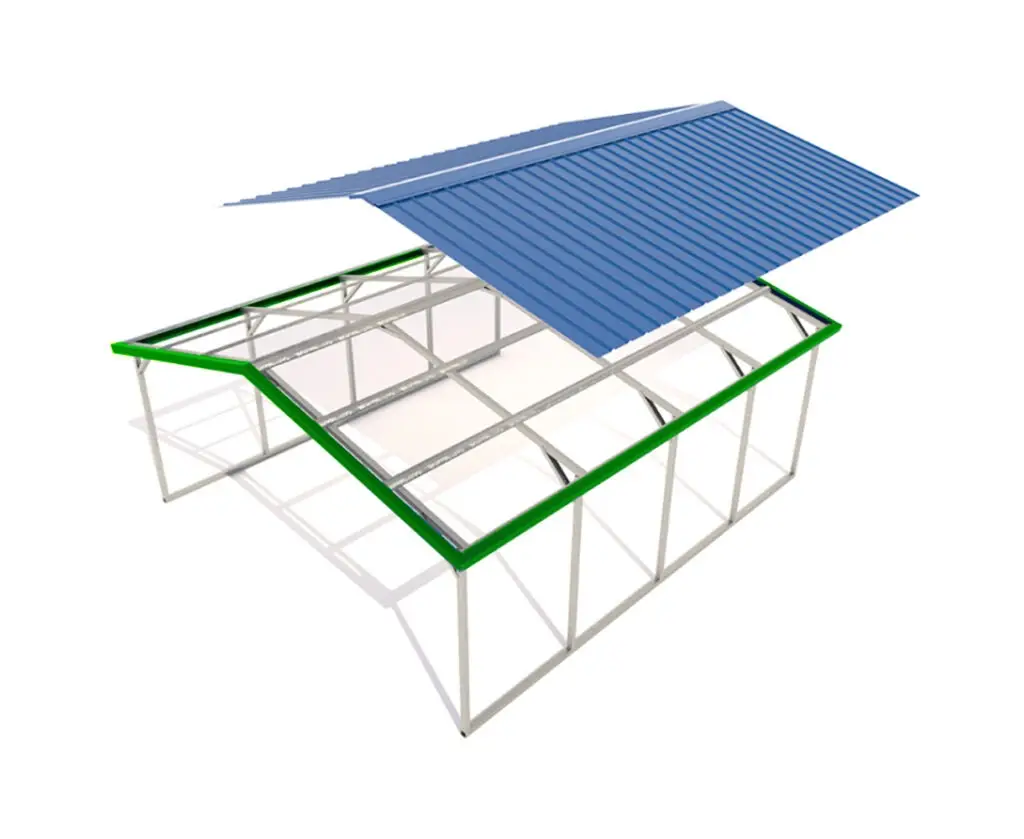
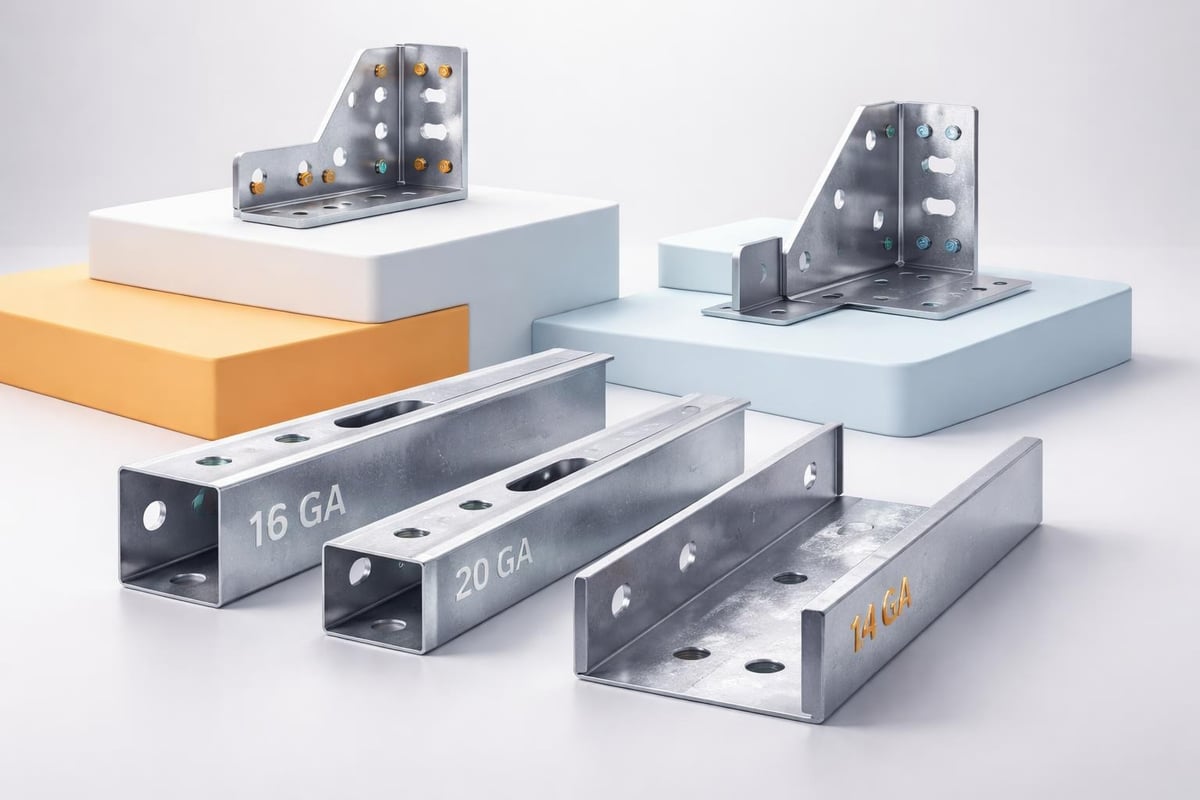
Steel framing systems form the structural skeleton of these buildings, with gauge thickness determining load-bearing capacity. Common frame options include:
- 12-gauge steel for heavy-duty applications requiring maximum strength
- 14-gauge steel for standard commercial and residential structures
- Galvanized coating to prevent rust and extend structural life
- Engineered connections designed for specific wind and snow loads
The sheet metal panels that cover these frames typically range from 26-gauge to 29-gauge, with thicker materials providing enhanced impact resistance and longevity. These panels interlock to create weather-tight barriers that protect contents from precipitation, wind, and sun exposure.
Design Flexibility and Customization Options
One significant advantage of custom steel buildings involves the extensive personalization available during the planning phase. Modern manufacturers offer configurators that let customers visualize their projects before committing to purchase. Width dimensions commonly range from 12 feet to over 60 feet, accommodating everything from single-vehicle carports to multi-bay workshops.
| Design Element | Standard Options | Custom Possibilities |
|---|---|---|
| Width | 12' to 60'+ | Any increment available |
| Length | 20' to unlimited | Extended in 5' sections |
| Height | 6' to 16'+ legs | Custom clearances for RVs, boats, equipment |
| Roof Style | Regular, Boxed Eave, Vertical | Architectural modifications |
Length extends in manageable increments, typically five-foot sections, allowing precise sizing for available space. Leg height represents another critical specification, particularly for customers storing recreational vehicles, boats, or tall equipment. Standard configurations begin around six feet, with options extending to sixteen feet or higher for specialized applications.
Roof styles impact both aesthetics and functionality. Regular roof designs feature rounded horizontal panels that channel water to the sides. Boxed eave roofs add horizontal framing for a more finished appearance. Vertical roof systems position panels perpendicular to the ground, allowing precipitation and debris to slide off more effectively. This vertical orientation performs best in regions experiencing heavy snow loads or severe weather conditions.
Key Benefits Driving Steel Building Popularity
The construction industry has witnessed remarkable growth in steel building adoption, driven by measurable advantages over conventional materials. Property owners appreciate the transparent value proposition that custom steel buildings deliver throughout their service life.
Durability and Weather Resistance
Steel structures engineered to modern specifications withstand environmental challenges that compromise wood, vinyl, and other traditional materials. Galvanized steel resists corrosion, maintaining structural integrity for decades without the rot, warping, or insect damage that affects organic materials. Properly installed buildings endure wind speeds exceeding 150 mph and support substantial snow accumulations when engineered for regional climate conditions.
The fire-resistant properties of steel provide additional protection for valuable contents. Unlike combustible materials, steel will not ignite or fuel fires, potentially reducing insurance premiums for commercial applications. This characteristic proves particularly valuable for storing vehicles, equipment, or flammable materials.
Cost Effectiveness Across the Project Lifecycle
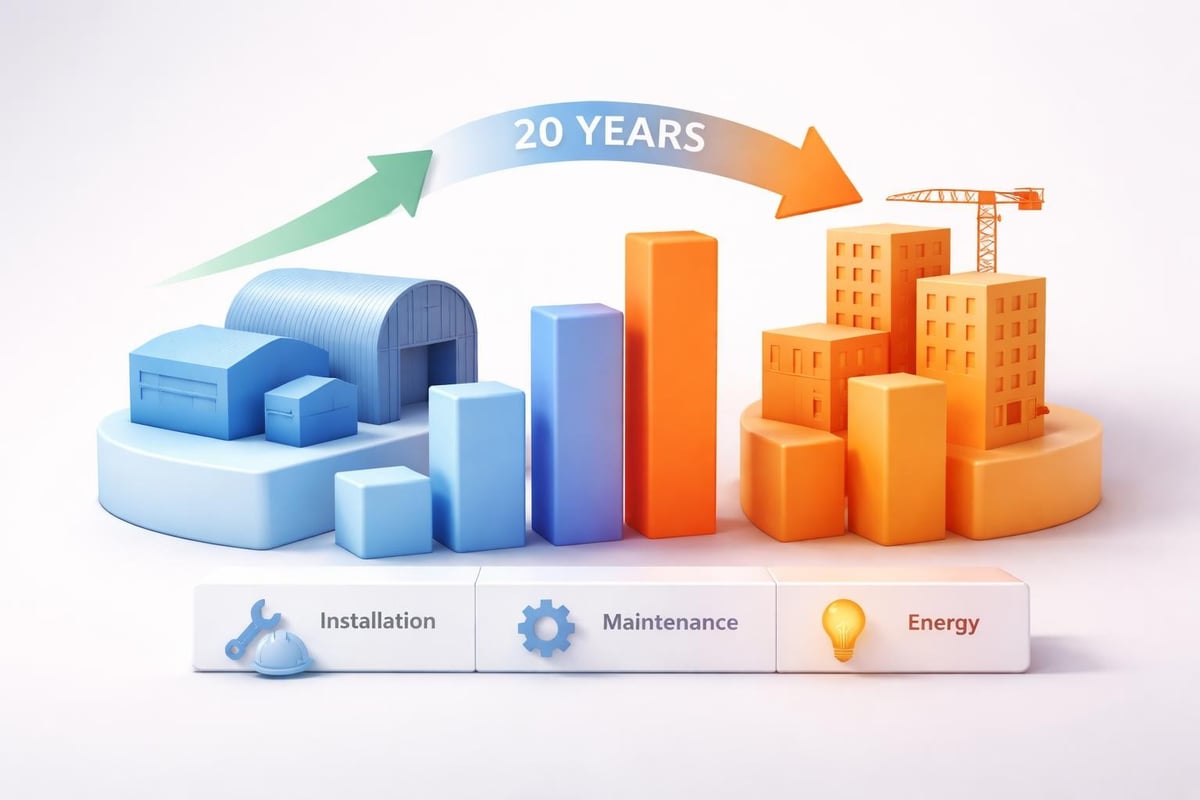
Initial investment represents just one component of total ownership costs. Custom steel buildings deliver financial advantages through multiple channels:
- Lower installation costs due to prefabricated components and simplified assembly
- Reduced foundation requirements compared to heavy masonry structures
- Minimal maintenance needs eliminating regular painting, sealing, or treatment
- Energy efficiency when properly insulated, reducing climate control expenses
- Higher resale value as permanent improvements to property
The speed of installation further reduces project costs by minimizing labor hours and site disruption. Many steel buildings reach completion within days rather than weeks or months required for conventional construction.
Versatility for Multiple Applications
The adaptability of steel construction supports diverse purposes across residential, agricultural, and commercial sectors. Single structures often serve multiple functions simultaneously, maximizing return on investment. Metal Structure Sales LLC customers frequently configure buildings for combined use, such as vehicle protection with attached workshop space or equipment storage paired with livestock shelter.
Common applications include:
- Vehicle protection for cars, trucks, RVs, boats, and motorcycles
- Equipment storage for tractors, tools, and machinery
- Workshop space for hobbies, repairs, or small business operations
- Agricultural buildings for livestock, feed, and farming equipment
- Commercial facilities for warehouses, retail, or industrial use
This versatility extends through simple modifications like adding walls, doors, windows, or partitions. Open structures easily convert to fully enclosed buildings as needs evolve, protecting the initial investment while accommodating changing requirements.
Critical Specifications and Design Considerations
Successful custom steel building projects begin with thorough planning that addresses technical requirements and local regulations. Several factors influence the final specifications and overall project success.
Building Codes and Engineering Standards
Municipal and county regulations govern construction standards to ensure public safety and structural adequacy. Most jurisdictions require permits for permanent structures, including steel buildings. The codes and standards established by industry organizations provide framework for safe construction practices.
Professional engineers certify building designs to meet regional wind and snow load requirements. These certifications verify that the structure can withstand expected environmental stresses throughout its service life. Wind ratings typically range from 90 mph to 170 mph, while snow loads may specify anywhere from 20 pounds per square foot to over 100 pounds in mountainous regions.
Understanding self-framing metal buildings helps explain how modern structures integrate panels as structural components rather than mere covering. This approach optimizes material usage while maintaining strength.
Site Preparation and Foundation Requirements
Proper ground preparation ensures stable, level support for the building framework. Site work typically involves:
- Ground leveling to create uniform support surfaces
- Drainage planning to direct water away from the structure
- Foundation selection based on soil conditions and building specifications
- Utility access if electrical, plumbing, or climate control systems are planned
Foundation options range from mobile home anchors for non-permanent installations to concrete piers, runners, or full slabs for permanent structures. Soil composition, frost depth, and local regulations influence the appropriate foundation type. Clay soils may require different approaches than sandy or rocky terrain.
Roof Pitch and Orientation
The roof angle affects water drainage, snow shedding, and interior clearance. Standard pitches work well for most applications, but custom steel buildings can accommodate steeper angles for improved performance in harsh climates. Orientation relative to prevailing winds impacts structural loading and precipitation management.
| Roof Style | Primary Advantage | Best Applications |
|---|---|---|
| Regular | Economical | Light climate zones, budget projects |
| Boxed Eave | Aesthetic appeal | Residential settings, visible locations |
| Vertical | Maximum strength | Heavy snow/wind areas, premium protection |
Building placement on the property should consider sun exposure, access routes, and proximity to utilities. Strategic orientation maximizes natural light while minimizing direct sun exposure that accelerates heat buildup during summer months.
Customization Features That Add Functionality
Beyond basic dimensions and roof styles, numerous enhancements transform standard structures into specialized facilities. These customization options address specific functional needs while increasing the building's utility and value.
Enclosure and Access Options
Converting an open carport into a fully enclosed building provides maximum protection from weather, theft, and wildlife. Wall panels match roof materials, creating cohesive weather barriers. Fully enclosed metal carports transform basic shelter into secure storage or workspace suitable for tools, equipment, or temperature-sensitive items.
Entry configuration choices include:
- Walk-in doors for personnel access
- Roll-up doors sized for vehicles or equipment
- Frame-outs for standard residential garage doors
- Multiple entry points for workflow optimization
- Windows for natural light and ventilation
Door placement should align with traffic patterns and operational requirements. Workshop buildings benefit from multiple access points, while simple storage facilities may need only basic entry.
Interior Modifications and Partitions
Interior space division creates dedicated zones within single structures. Partition walls separate vehicle parking from workshop areas, or divide storage sections by content type. This flexibility allows the building to evolve with changing needs without exterior modifications.
Insulation packages regulate interior temperatures, protecting contents from extreme heat and cold while improving energy efficiency for climate-controlled spaces. Insulation thickness varies based on regional climate and intended use, with options ranging from basic thermal barriers to commercial-grade systems.
Aesthetic Enhancements
While functionality drives most decisions, appearance matters for structures visible from homes or public areas. Color selection for roof and trim panels allows coordination with existing buildings or personal preferences. Many manufacturers offer extensive color palettes spanning neutral tones to bold accent colors.
Architectural details like gables, cupolas, or extended eaves add visual interest while serving practical purposes. Gable ends improve ventilation and weather protection, while extended rooflines create covered work zones outside the main structure.
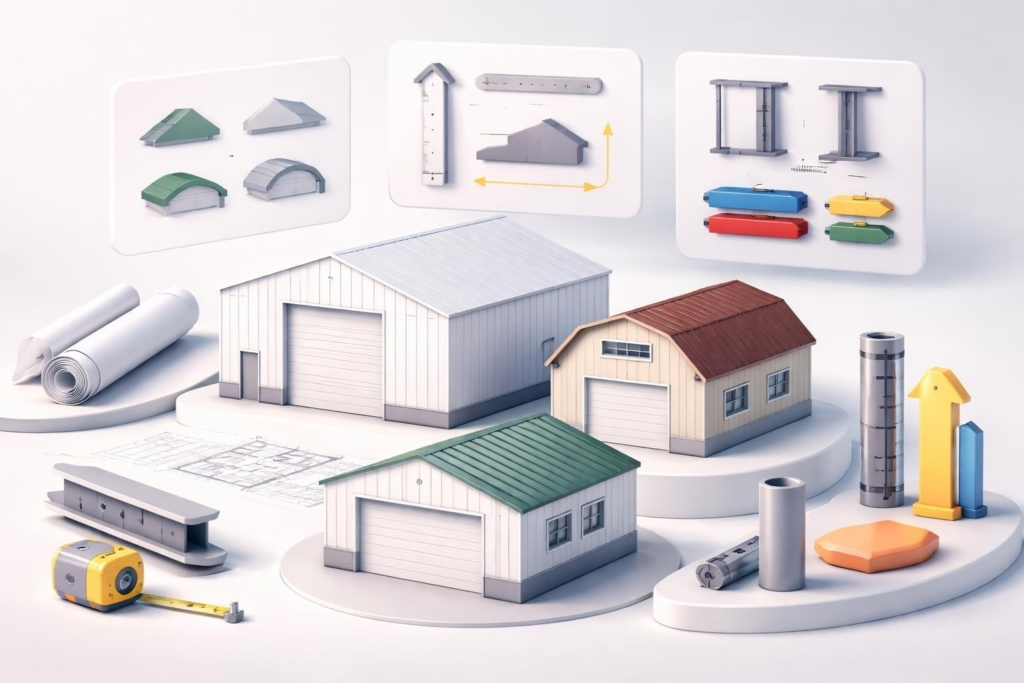
Configuration matrix showing enclosure options, door placements, insulation packages, and aesthetic choices for steel building customization
Purchasing Process and Investment Factors
Understanding how custom steel buildings are priced and purchased helps set realistic expectations and budget parameters. The process typically follows a structured path from initial inquiry through final installation.
Price Determinants and Budget Planning
Multiple variables influence final project costs, with some offering more flexibility than others. Base pricing starts with physical dimensions, then adjusts for:
- Roof style (vertical systems cost more than regular roofs)
- Gauge thickness for frame and panels
- Certification requirements for engineered drawings
- Customization features like doors, windows, or partitions
- Geographic location affecting delivery and installation
Regional pricing variations reflect transportation costs, local labor rates, and market competition. Customers in remote areas may encounter higher delivery fees, while those near manufacturing facilities often enjoy reduced shipping expenses.
When evaluating carports for sale cheap, focus on total value rather than lowest initial price. Quality materials, proper engineering, and professional installation deliver better long-term returns than budget options that require frequent repairs or premature replacement.
Ordering and Configuration Tools
Modern manufacturers provide online design centers that simplify the selection process. These digital tools allow customers to:
- Select base dimensions and roof style
- Add height, length, or width specifications
- Choose colors for roof, trim, and sides
- Configure doors, windows, and accessories
- Review 3D visualizations of the completed design
- Receive instant pricing or request detailed quotes
The ability to save designs enables comparison shopping and consultation with family members or business partners before finalizing decisions. Some systems generate pricing immediately for standard configurations in specific service areas, while custom designs may require human review for accurate quotations.
Delivery and Installation Considerations
Turnkey pricing that includes delivery and installation eliminates surprise costs and coordination challenges. Professional installation crews ensure proper assembly according to engineering specifications and manufacturer guidelines. This professional service typically completes standard projects within one to three days, depending on size and complexity.
Site accessibility impacts installation logistics. Crews require clear approach routes for delivery trucks and equipment, plus adequate working space around the building footprint. Overhead obstacles like power lines or tree branches may necessitate trimming or temporary service interruption coordination.
Regional Variations and Service Availability
Geographic factors influence both product specifications and purchasing processes. Understanding regional considerations helps set appropriate expectations and avoid potential complications.
Climate-Specific Engineering
Engineers modify structural specifications based on local weather patterns and historical data. Coastal regions prone to hurricanes require higher wind ratings than inland locations. Mountain communities need enhanced snow load capacity. These adjustments ensure structures perform reliably in their specific environments.
The design of steel structures follows established engineering principles that account for environmental loading. Professional certification verifies compliance with both universal standards and jurisdiction-specific requirements.
State and Local Regulations
Building codes vary significantly across different states and municipalities. Some regions impose minimal restrictions on accessory structures, while others enforce stringent permitting processes. Researching local requirements early prevents project delays or costly modifications.
Oklahoma and South Carolina represent examples of states with distinct regulatory environments. Working with suppliers familiar with regional requirements streamlines the approval process and ensures compliant installations.
Installation Service Areas
Not all manufacturers serve all locations. Service area boundaries typically reflect logistical considerations like travel distance, local partnership networks, and market demand. Verifying service availability before investing time in design prevents disappointment when discovering your location falls outside coverage zones.
Some suppliers maintain networks of authorized installers across wide geographic territories, while others focus on specific regional markets. National providers may offer broader coverage but potentially less personalized service than local specialists.
Maintenance and Long-Term Performance
Proper care extends the functional life of custom steel buildings while preserving their appearance and value. Fortunately, steel structures require minimal ongoing maintenance compared to other construction types.
Routine Inspection and Care
Annual inspections identify minor issues before they escalate into expensive repairs. Key checkpoints include:
- Panel connections for loose fasteners or gaps
- Drainage paths to ensure water flows away from the structure
- Foundation anchors for stability and proper tension
- Door and window operation for smooth function
- Interior conditions checking for leaks or moisture accumulation
Most issues stem from anchor displacement, debris accumulation, or impact damage rather than material deterioration. Addressing problems promptly prevents secondary damage and maintains warranty coverage.
Cleaning and Appearance Maintenance
Periodic cleaning removes accumulated dirt, pollen, and organic material that can trap moisture against metal surfaces. Simple soap and water application followed by rinsing typically suffices for routine cleaning. Avoid abrasive cleaners or tools that might scratch protective coatings.
Touch-up paint for minor scratches or chips prevents corrosion from developing at damaged points. Manufacturers often provide matching paint for warranty-covered repairs or routine maintenance.
Modification and Expansion Opportunities
The modular nature of steel construction facilitates future modifications. Adding length, enclosing open sides, or installing additional doors requires less effort than similar modifications to conventional buildings. This adaptability protects your investment by allowing the structure to grow with changing needs rather than requiring complete replacement.
Industry resources like those from the Steel Framing Industry Association provide technical guidance for modifications, ensuring changes maintain structural integrity and code compliance.
Comparing Steel to Alternative Building Materials
Understanding how custom steel buildings stack up against wood, pole barn, and other construction methods helps validate investment decisions. Each material offers distinct advantages and limitations depending on specific project requirements.
Steel Versus Wood Frame Construction
Traditional wood framing dominates residential construction but faces challenges in accessory building applications. Wood requires extensive on-site labor, skilled carpentry, and substantial time investment. Moisture exposure causes warping, rotting, and dimensional changes that affect structural stability and appearance.
| Consideration | Custom Steel Buildings | Wood Frame Buildings |
|---|---|---|
| Installation Time | 1-3 days | 2-4 weeks |
| Maintenance Needs | Minimal | Regular painting, sealing |
| Fire Resistance | Non-combustible | Combustible |
| Insect Damage | Immune | Vulnerable |
| Expected Lifespan | 30-50+ years | 15-30 years |
Steel's predictable performance and lower maintenance requirements offset higher initial material costs through reduced lifecycle expenses. The speed of installation further reduces project costs while minimizing disruption to property use.
Steel Versus Pole Barn Structures
Pole barns utilize pressure-treated posts set directly in the ground to support roof structures. This approach offers quick construction but faces limitations in longevity and modification potential. Ground contact promotes wood deterioration even with chemical treatment. Expanding or relocating pole barns proves difficult since posts form integral structural components.
Custom steel buildings separate foundation systems from superstructures, allowing relocation or modification without complete reconstruction. The engineered connections and standardized components ensure consistent quality across installations.
Standards and Quality Assurance
Established industry standards govern steel building manufacturing and installation, providing customers with quality assurance unavailable in many alternative construction methods. Organizations like Team Stainless maintain comprehensive resources addressing codes and standards for metal construction.
European standards like EN 1090 demonstrate the international recognition of steel construction quality frameworks, though North American projects follow domestic specifications. These standardized approaches ensure reliable performance regardless of manufacturer or installation crew.
Custom steel buildings deliver exceptional value through durability, versatility, and cost-effectiveness that traditional construction methods struggle to match. Whether you need vehicle protection, equipment storage, workspace, or specialized facilities, steel structures adapt to your specific requirements while providing decades of reliable service. Metal Structure Sales LLC specializes in helping customers design and install quality metal buildings tailored to individual needs, with comprehensive service that includes delivery and professional installation. Contact their team today to explore how a custom steel building can enhance your property's functionality and value.