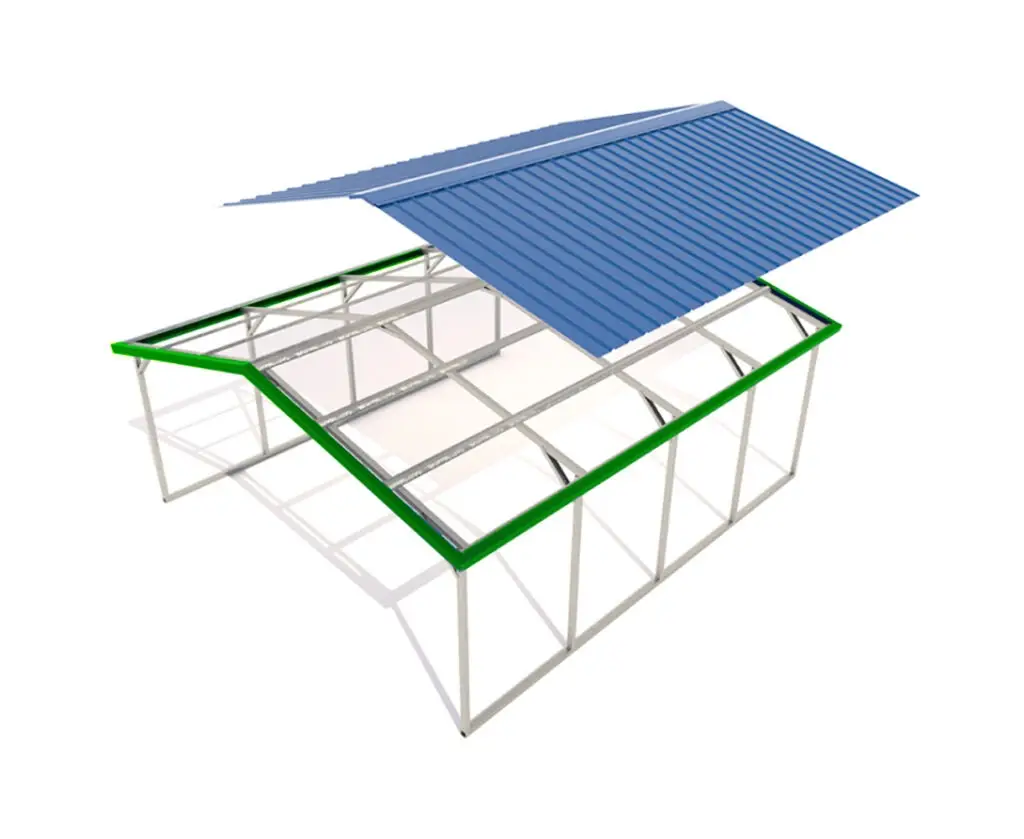


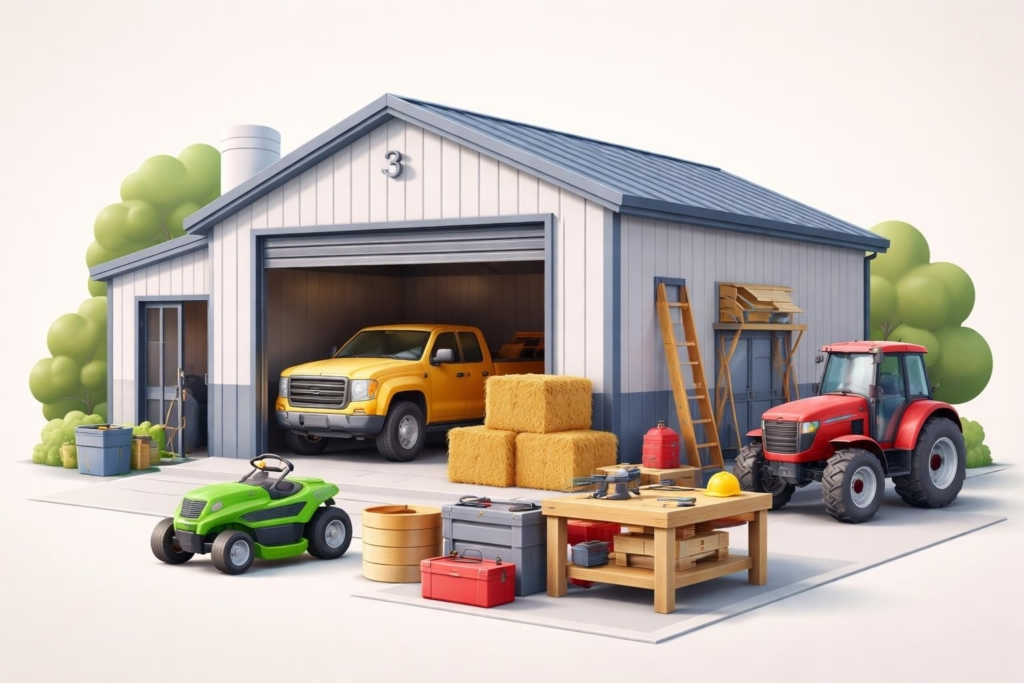
A metal outbuilding represents a significant investment for property owners seeking durable, versatile, and cost-effective storage solutions. Whether you need protection for vehicles, equipment, livestock, or workspace, these steel structures have evolved far beyond basic storage sheds to become sophisticated, customizable buildings that enhance property value and functionality. Understanding the options, benefits, and maintenance requirements helps you make informed decisions that serve your needs for decades to come.
Understanding Metal Outbuilding Options and Applications
The term "metal outbuilding" encompasses a diverse range of structures designed for specific purposes. From simple open-sided carports to fully enclosed workshops, these buildings utilize steel framing and metal panels to create weather-resistant spaces.
Common Types and Their Primary Uses
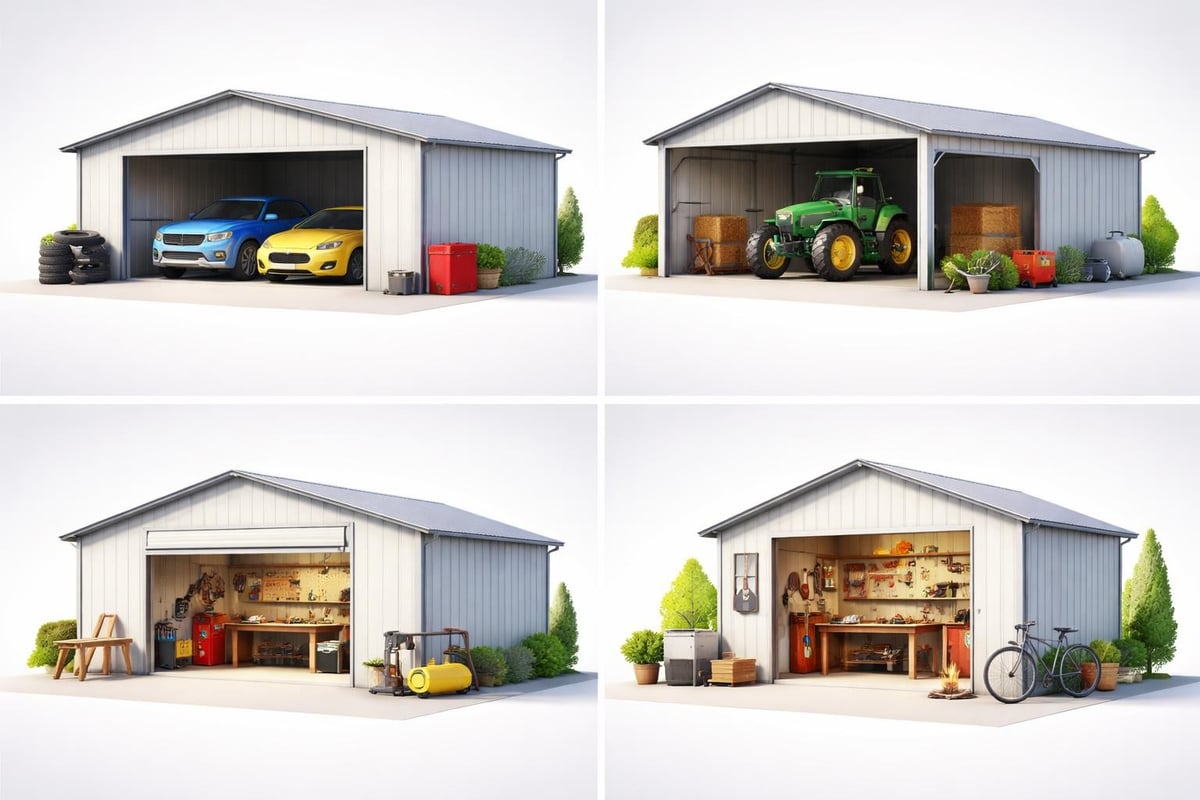
Modern metal outbuildings serve numerous functions across residential, agricultural, and commercial properties. Vehicle protection remains the most popular application, with structures ranging from single-car carports to multi-bay garages. Agricultural operations benefit from barn-style buildings that house livestock, store feed, and protect farm equipment from the elements.
Workshop and hobby spaces represent another growing category. Enthusiasts and professionals alike choose metal outbuildings for:
- Woodworking and metalworking shops
- Auto repair and restoration facilities
- Art studios and creative spaces
- Home-based business operations
- General storage for seasonal items and equipment
The versatility of steel construction allows for wide span configurations that create column-free interior spaces, maximizing usable area for whatever purpose you envision.
Key Advantages of Choosing Steel Construction
Metal outbuildings offer compelling benefits that make them increasingly popular compared to traditional wood construction. Understanding these advantages helps justify the investment and guides your decision-making process.
Durability and Weather Resistance
Steel structures withstand extreme weather conditions that damage or destroy wood buildings. High wind resistance makes metal outbuildings ideal for regions prone to hurricanes and tornadoes, with properly engineered frames resisting winds exceeding 140 mph in many cases.
Fire resistance provides peace of mind that wood structures cannot match. Steel framing doesn't burn, significantly reducing fire risk and potentially lowering insurance premiums. This characteristic proves especially valuable for storing vehicles, equipment, or flammable materials.
Pest resistance eliminates concerns about termites, carpenter ants, and other wood-destroying insects. Unlike wood that requires chemical treatments and regular inspection, steel remains impervious to insect damage throughout its lifespan.
| Advantage | Metal Outbuilding | Wood Structure |
|---|---|---|
| Fire Resistance | Excellent | Poor |
| Pest Damage | None | High Risk |
| Weather Durability | 40+ years | 15-25 years |
| Maintenance Frequency | Low | High |
| Wind Resistance | Up to 170 mph | Up to 100 mph |
Cost Efficiency and Construction Speed
Initial construction costs for a metal outbuilding typically run lower than comparable wood structures. Material costs remain relatively stable and predictable, while lumber prices fluctuate dramatically based on market conditions. The simplified construction process reduces labor expenses significantly.
Installation timelines represent another major advantage. Professional crews can erect a metal outbuilding in days rather than weeks, minimizing site disruption and getting your structure operational quickly. Pre-engineered components arrive ready for assembly, eliminating extensive on-site fabrication.
Long-term maintenance costs favor steel construction substantially. According to comprehensive metal building resources, properly maintained metal structures require minimal upkeep compared to wood buildings that need regular painting, sealing, and component replacement.
Critical Factors for Selecting Your Metal Outbuilding
Choosing the right metal outbuilding requires careful consideration of current needs and future plans. Several key factors influence which structure best serves your purposes and property.
Size and Dimensional Planning
Width, length, and height determinations start with understanding what you'll store or do inside the building. Vehicle storage requires measurements that account for door clearances, maneuvering space, and potential future vehicle changes. Equipment storage demands consideration of item dimensions plus access paths.
Many property owners underestimate their space needs, leading to cramped conditions and reduced functionality. Consider these planning guidelines:
- Measure your largest items with clearance added
- Account for walking paths and work areas
- Plan for future acquisitions and changing needs
- Consider seasonal storage fluctuations
- Calculate vertical space for tall equipment or overhead storage
Ceiling height becomes particularly important for RV storage applications where clearance requirements exceed standard vehicle heights. Adding extra leg height during initial construction costs far less than modifying a completed structure.
Roof Style and Structural Design
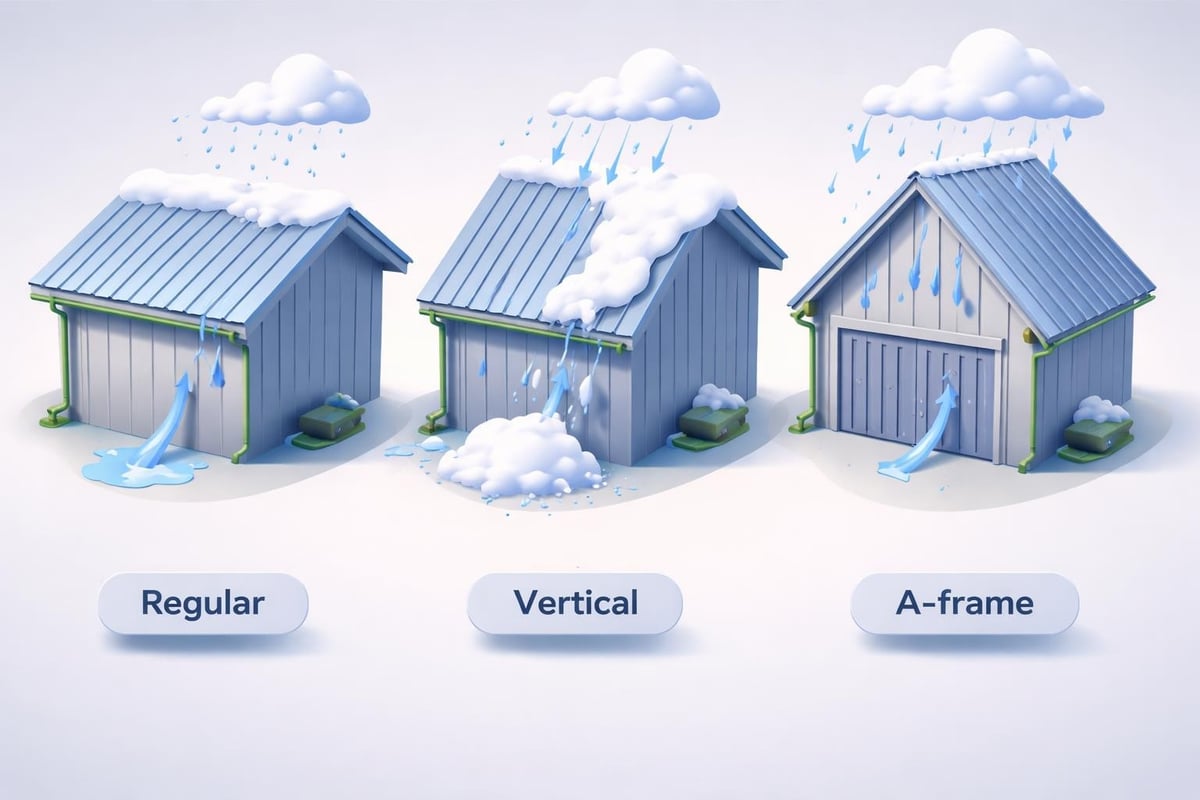
The metal outbuilding roof configuration affects both aesthetics and functionality. Regular roof style features rounded eaves and horizontal roof panels, offering economical protection suitable for many applications. This design works well in moderate climate zones with reasonable snow loads.
Vertical roof style incorporates panels running from peak to eave, allowing precipitation to slide off efficiently. This superior design handles heavy snow loads and severe weather better than horizontal configurations. The vertical orientation prevents water pooling and reduces maintenance requirements.
A-frame or horizontal roof designs provide the most economical option for regions with minimal snow accumulation and moderate weather conditions. Understanding your local climate patterns helps determine which roof style provides appropriate protection.
Customization Options That Enhance Functionality
Modern metal outbuildings offer extensive customization possibilities that tailor structures to specific requirements. These modifications transform basic buildings into highly functional spaces optimized for their intended purposes.
Wall Configuration and Enclosure Levels
Open-sided designs provide the most economical weather protection while maintaining easy access from multiple directions. These work well for equipment that requires frequent access or temporary vehicle parking where complete enclosure isn't necessary.
Partially enclosed configurations add walls to one, two, or three sides, creating wind breaks and enhanced security while maintaining open access. This middle-ground approach suits workshops where ventilation matters or agricultural applications requiring partial protection.
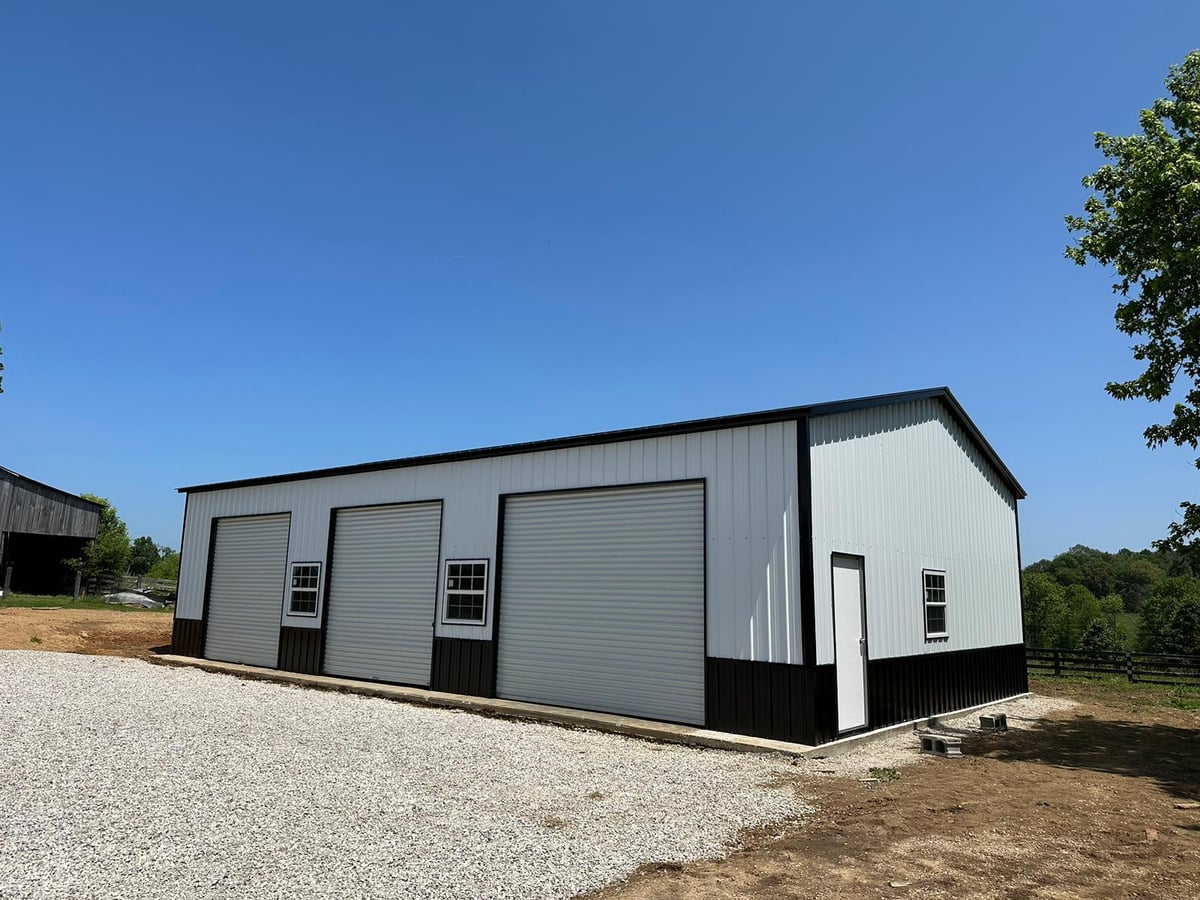
If you need complete security and weather protection, fully enclosed metal buildings provide walls on all sides with entry doors and windows positioned as needed. These structures function like permanent buildings, suitable for valuable equipment storage, climate-controlled workshops, or business operations.
Doors, Windows, and Access Points
Strategic placement of entry points maximizes convenience and workflow efficiency. Walk-in doors come in various sizes and styles, from standard residential dimensions to commercial-grade steel doors. Position these for optimal access to your home or primary work area.
Roll-up doors accommodate vehicles and large equipment, available in sizes from standard garage dimensions to massive commercial openings. Consider how many vehicles or pieces of equipment need simultaneous access when determining door quantity and placement.
Windows provide natural lighting that reduces electricity costs and creates more pleasant interior environments. However, balance lighting benefits against security concerns and exposure to severe weather in your region. Some property owners exploring customization options choose windows only on protected elevations.
Essential Maintenance Practices for Longevity
While metal outbuildings require less maintenance than wood structures, regular attention ensures maximum lifespan and preserves your investment. Developing consistent maintenance habits prevents minor issues from becoming expensive repairs.
Inspection and Cleaning Routines
Monthly visual inspections help identify developing problems before they cause damage. Walk around your metal outbuilding checking for:
- Loose or missing fasteners
- Panel damage or deformation
- Accumulation of debris or vegetation
- Standing water or drainage issues
- Rust spots or paint damage
Seasonal deep cleaning maintains appearance and prevents corrosion. According to professional maintenance guidelines, gentle washing with mild soap and water removes accumulated dirt, pollen, and pollutants that accelerate deterioration. Avoid pressure washing at high settings, which can damage protective coatings.
Addressing Rust and Corrosion Promptly
Despite protective coatings, metal outbuildings may develop rust in damaged areas or fastener locations. Early intervention prevents small rust spots from spreading and compromising structural integrity.
When you notice rust formation:
- Clean the affected area thoroughly
- Remove loose rust with wire brush or sandpaper
- Apply rust converter or primer designed for metal
- Finish with matching paint to restore protection
- Monitor the repair area during subsequent inspections
Effective maintenance strategies emphasize that addressing corrosion immediately costs far less than replacing deteriorated panels or structural components.
Drainage and Foundation Maintenance
Proper water management protects both the metal outbuilding and its contents. Ensure gutters and downspouts remain clear of debris, directing water away from the foundation. Check that ground grading slopes away from the structure, preventing water accumulation around the base.
Foundation stability requires periodic inspection for settling, cracking, or shifting. Most metal outbuildings use concrete pier, runner, or slab foundations. Address any movement issues promptly, as foundation problems cause structural stress that damages framing and panels.
Permit Requirements and Installation Considerations
Successfully installing a metal outbuilding involves navigating local regulations and preparing your site appropriately. Understanding these requirements prevents costly delays and ensures compliance with building codes.
Local Codes and Permit Processes
Building permits requirements vary significantly by location. Most jurisdictions require permits for permanent structures exceeding specific size thresholds, typically 120 to 200 square feet. Contact your local building department early in the planning process to understand:
- Size limitations and setback requirements
- Foundation specifications
- Wind and snow load calculations
- Electrical and plumbing permits if applicable
- Homeowner association restrictions
Service area information often provides region-specific guidance about local requirements, though you should always verify current regulations with your local authorities. Some areas impose restrictions on metal outbuilding placement, height, or appearance that affect your design choices.
Site Preparation and Foundation Selection
Level ground provides the ideal foundation base, though professional installers can work with moderate slopes. Site preparation typically involves:
- Clearing vegetation and debris
- Establishing proper drainage patterns
- Compacting soil to prevent settling
- Creating level pad for foundation placement
Foundation types depend on soil conditions, local codes, and structure size. Concrete runners or piers work well for most applications, providing stable support while allowing some ground movement. Full concrete slabs offer maximum stability and create finished floors suitable for workshop activities, though they cost more than pier foundations.
According to maintenance experts, proper initial installation significantly impacts long-term durability. Choose experienced installers who understand local conditions and follow manufacturer specifications precisely.
Enhancing Energy Efficiency and Comfort
Modern metal outbuildings can incorporate features that improve comfort, reduce energy costs, and expand their usable seasons. These enhancements transform basic storage structures into comfortable workspaces suitable for year-round use.
Insulation Options and Benefits
Insulation installation dramatically affects interior temperature stability and condensation control. Metal panels conduct heat readily, creating hot interiors in summer and cold conditions in winter without insulation. Several insulation approaches suit different budgets and performance requirements:
| Insulation Type | R-Value Range | Cost Level | Best Application |
|---|---|---|---|
| Fiberglass Batts | R-13 to R-30 | Low | Basic temperature control |
| Spray Foam | R-18 to R-35 | High | Maximum efficiency |
| Rigid Foam Panels | R-10 to R-20 | Medium | Walls and ceilings |
| Reflective Barriers | R-3 to R-6 | Very Low | Radiant heat reduction |
Condensation control represents another critical benefit of insulation. Temperature differences between interior and exterior surfaces cause moisture condensation on metal panels. This moisture promotes rust, damages stored items, and creates uncomfortable conditions. Proper insulation and vapor barriers prevent condensation formation.
Ventilation and Climate Control
Natural ventilation through ridge vents, soffit vents, and windows maintains air circulation without electricity costs. This passive approach works well for storage applications where precise temperature control isn't necessary. Position vents to create cross-breezes that remove hot air and reduce humidity.
Mechanical climate control becomes necessary for workshops, hobby spaces, or climate-sensitive storage. Consider these factors when planning HVAC systems:
- Heating capacity based on volume and insulation
- Cooling requirements for your climate zone
- Electrical service capacity for equipment
- Ductwork placement and efficiency
- Energy costs for ongoing operation
Resources like comprehensive care guides emphasize that well-designed ventilation extends metal outbuilding lifespan by controlling moisture and preventing excessive heat buildup.
Maximizing Your Metal Outbuilding Investment
Getting maximum value from your metal outbuilding involves strategic planning, quality construction, and ongoing care. These structures should serve your needs reliably for decades when properly selected and maintained.
Design Features That Add Long-Term Value
Future-proofing your metal outbuilding means anticipating changing needs and incorporating flexibility. Consider designs that allow:
- Easy addition of enclosed bays to open structures
- Electrical service capacity exceeding current needs
- Door sizes accommodating larger vehicles
- Interior layouts supporting multiple uses
- Foundation strength for future expansion
Quality materials justify slightly higher initial costs through extended lifespan and reduced maintenance. Heavier gauge steel framing, thicker panels, and premium coating systems resist wear and weather better than economy-grade options. Many suppliers offer different quality tiers; understanding these differences helps you choose appropriately.
Professional Installation vs. DIY Considerations
Professional installation ensures proper assembly, appropriate anchoring, and compliance with engineering specifications. Experienced crews complete installations quickly and correctly, avoiding common mistakes that compromise structural integrity or void warranties. Most reputable suppliers include professional installation in their pricing, eliminating guesswork about total project costs.
DIY installation appeals to skilled individuals seeking cost savings, though metal outbuildings present unique challenges. Pre-engineered buildings include detailed instructions, but assembly requires multiple people, specialized tools, and understanding of structural principles. Consider your skill level, available help, and time constraints realistically.
Warranty coverage often depends on professional installation. Review warranty terms carefully before deciding whether DIY installation makes sense for your situation. Resources at Metal Structure Sales LLC can help you understand options available in your area.
Financial Considerations and Payment Options
Upfront costs for metal outbuildings vary based on size, features, and quality levels. While these structures generally cost less than comparable wood construction, significant investment remains necessary for larger or fully-featured buildings.
Financing programs make metal outbuildings accessible to more property owners through manageable monthly payments. Some suppliers offer specialized financing with competitive rates and flexible terms. Rent-to-own programs provide alternatives for buyers who don't qualify for traditional financing.
Return on investment comes through multiple channels. Property value increases, reduced insurance costs due to fire resistance, and avoided rental fees for off-site storage all contribute to financial benefits. Workshop spaces enable home-based businesses that generate income while eliminating commute costs and commercial rent.
Regional Considerations and Climate Adaptation
Metal outbuilding performance depends partly on designing for your specific climate and environmental conditions. Regional factors influence material selection, structural specifications, and feature priorities.
Snow Load and Wind Rating Requirements
Engineering certifications specify the snow and wind loads your metal outbuilding can withstand. Building codes establish minimum requirements based on regional weather history. Ensure your structure meets or exceeds these standards to avoid damage during severe weather events.
Snow load capacity becomes critical in northern regions where heavy accumulation occurs. Vertical roof designs shed snow more effectively than horizontal configurations, reducing load stress. Heavier gauge framing and closer spacing of structural members increase snow load capacity.
Wind ratings matter most in coastal areas, plains regions, and tornado-prone zones. Proper anchoring systems and structural engineering prevent uplift and lateral movement during high winds. According to professional maintenance resources, regular fastener inspection and prompt repair of damage maintains wind resistance over time.
Coastal and High-Humidity Environments
Corrosion protection requires special attention in coastal areas where salt air accelerates rust formation. Premium coating systems and marine-grade treatments extend lifespan significantly in these challenging environments. Regular washing removes salt deposits before they compromise protective layers.
Humidity management through ventilation and insulation prevents moisture-related problems in humid climates. Condensation forms readily on metal surfaces when warm, moist air contacts cooler panels. Proper insulation with vapor barriers and adequate air circulation maintain dry conditions that protect both structure and contents.
Planning for Specific Applications and Uses
Different metal outbuilding uses require specific design considerations and features. Tailoring your structure to its primary purpose maximizes functionality and satisfaction.
Vehicle and Equipment Storage Solutions
Clear span width eliminates interior posts that restrict vehicle maneuvering and equipment placement. Modern engineering allows spans exceeding 30 feet, creating entirely open interiors perfect for parking multiple vehicles or storing large implements.
Door height and width must accommodate your largest vehicle with clearance for loading cargo or accessories. Horse barn designs demonstrate how specialized applications drive dimensional requirements, with taller clearances and wider aisles supporting specific activities.
Interior organization through shelving, workbenches, and storage systems maximizes usable space. Plan electrical outlets, lighting, and utility connections during initial construction rather than retrofitting later. Think through workflow patterns and access requirements before finalizing layout decisions.
Agricultural and Livestock Applications
Ventilation requirements for livestock housing exceed storage applications significantly. Animals generate heat, moisture, and odors requiring continuous air exchange. Ridge vents, sidewall openings, and mechanical ventilation systems maintain healthy conditions.
Feed and bedding storage areas benefit from enclosed bays that keep materials dry and protected from pests. Separate these spaces from livestock areas while maintaining convenient access for daily feeding routines. Consider future herd expansion when sizing animal housing areas.
Drainage and sanitation features include sloped floors directing waste to collection areas, wash stations for cleaning, and access to water supplies. These specialized features transform basic metal outbuildings into functional agricultural facilities.
Guidance from steel building maintenance experts emphasizes that agricultural applications require more frequent cleaning and inspection due to moisture and organic material exposure.
A well-chosen metal outbuilding provides decades of reliable service when you select appropriate size, features, and quality for your specific needs. Whether protecting vehicles, housing equipment, supporting agricultural operations, or creating workspace, these versatile structures deliver outstanding value through durability, low maintenance, and adaptability. Metal Structure Sales LLC specializes in helping property owners design and install customized metal structures perfectly suited to their requirements, with comprehensive service including delivery and professional installation across their service areas.