

A metal covered carport represents one of the most practical investments for vehicle protection in 2026. These structures combine durability, affordability, and versatility to shield cars, trucks, RVs, and equipment from harsh weather conditions. Unlike traditional wooden alternatives, metal carports offer superior resistance to rot, pest damage, and environmental wear while requiring minimal maintenance over their lifespan. Whether you need basic vehicle shelter or a fully customized structure with enclosed sides, understanding the options available helps you make an informed decision that protects your assets for decades.
Understanding Metal Covered Carport Construction
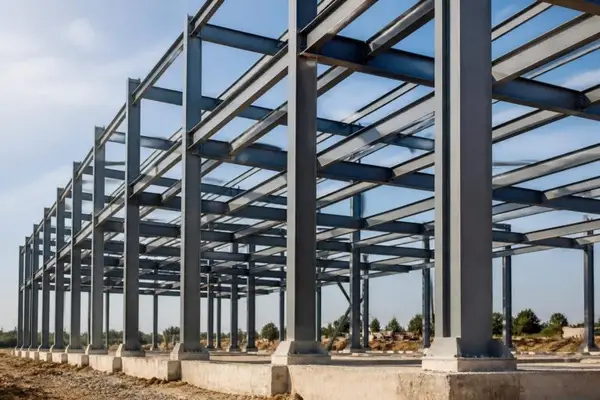
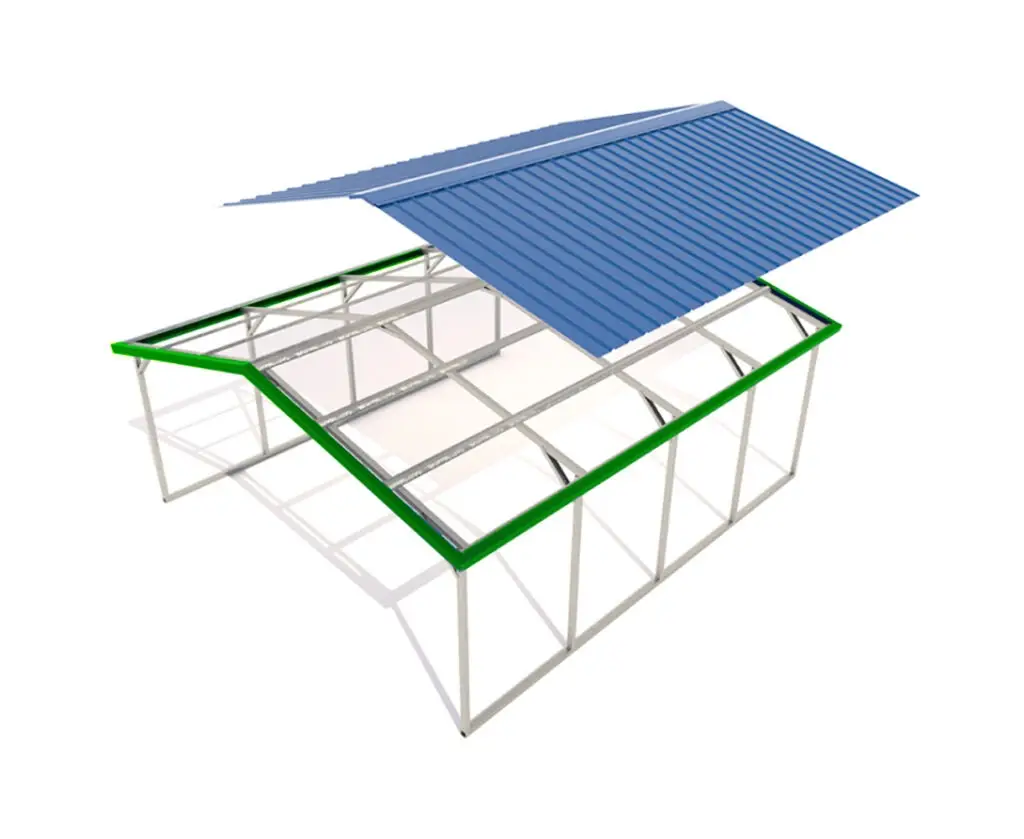
The foundation of any quality metal covered carport starts with the frame material and engineering. Most modern structures utilize galvanized steel or aluminum framing systems designed to withstand significant wind loads and snow accumulation. The metal framework provides exceptional strength-to-weight ratios, allowing for wide spans without requiring interior support columns that would limit usable space.
Frame Materials and Gauges
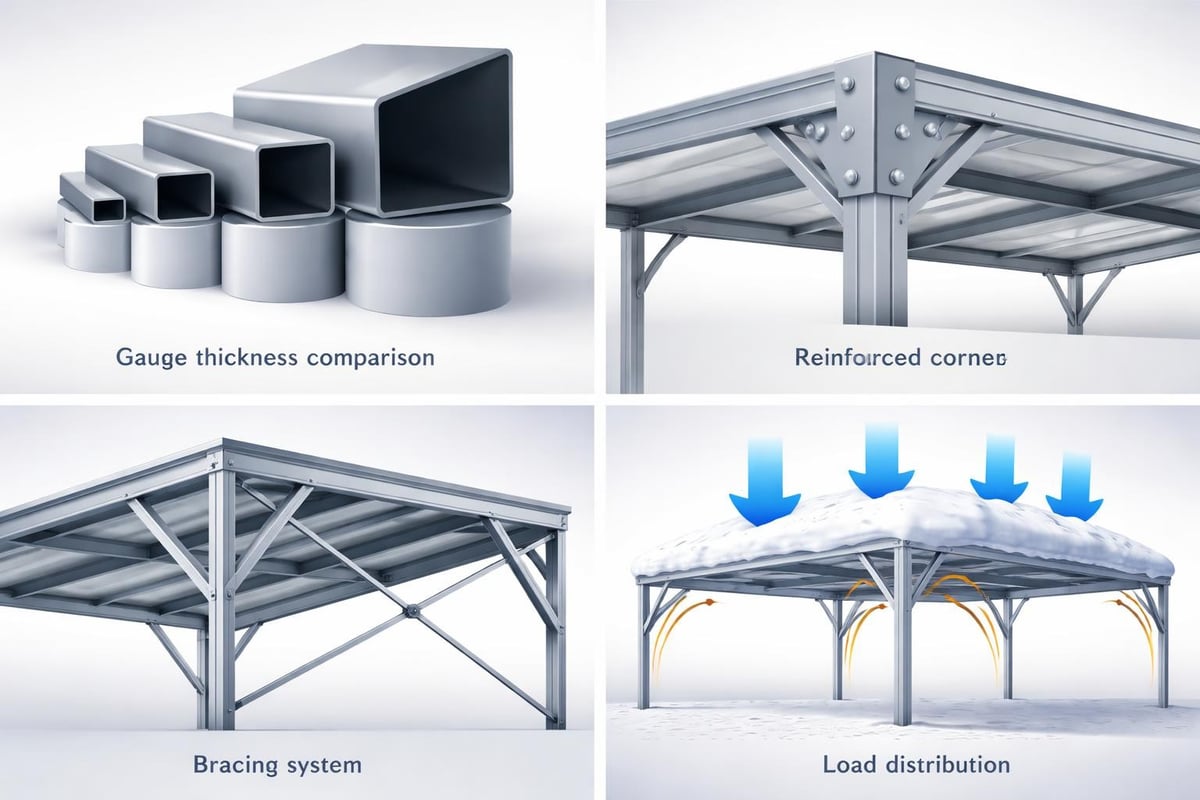
Steel carport frames typically use 12-gauge or 14-gauge tubing, with lower gauge numbers indicating thicker, stronger metal. The choice between these options depends on local weather conditions and the structure's intended size.
| Frame Gauge | Wall Thickness | Best Applications | Wind Rating |
|---|---|---|---|
| 12-gauge | 0.105 inches | Large structures, high-wind areas | Up to 140 mph |
| 14-gauge | 0.083 inches | Standard residential, moderate climates | Up to 120 mph |
Premium metal covered carport designs incorporate reinforced corners, braced legs, and engineered trusses that distribute weight evenly across the structure. These engineering features become especially important in regions experiencing heavy snowfall or frequent severe storms.
The roof panels themselves commonly feature 29-gauge or 26-gauge metal sheeting. The 26-gauge option provides enhanced durability and noise reduction during rain events, making it a worthwhile upgrade for many property owners.
Types of Metal Covered Carports
Different roof styles serve distinct functional and aesthetic purposes. Selecting the right configuration affects water drainage, snow shedding, and overall visual appeal.
Regular Roof Style
The most economical option features horizontal roof panels with rounded edges. Water runs along the panels perpendicular to the structure's length. This design works well in areas with minimal snowfall and moderate precipitation.
Boxed Eave Roof Style
An intermediate option incorporates an A-frame horizontal roof with boxed eaves, providing better water runoff than regular roofs. The ridged design helps prevent water pooling and extends panel longevity through improved drainage patterns.
Vertical Roof Style
The premium choice features vertically oriented panels running from ridge to eave. This configuration offers superior performance in several critical areas:
- Snow shedding: Vertical ridges prevent accumulation and facilitate rapid snow removal
- Debris clearance: Leaves, pine needles, and dirt slide off more easily
- Weather resistance: Better sealing against wind-driven rain
- Longevity: Extended panel life through optimized water management
Property owners in northern climates or areas with significant annual precipitation should strongly consider vertical roof metal covered carport designs for maximum protection and minimal maintenance requirements.
Customization Options and Configurations
Modern metal covered carports offer extensive customization possibilities beyond basic vehicle shelter. These options allow structures to match specific property needs and aesthetic preferences.
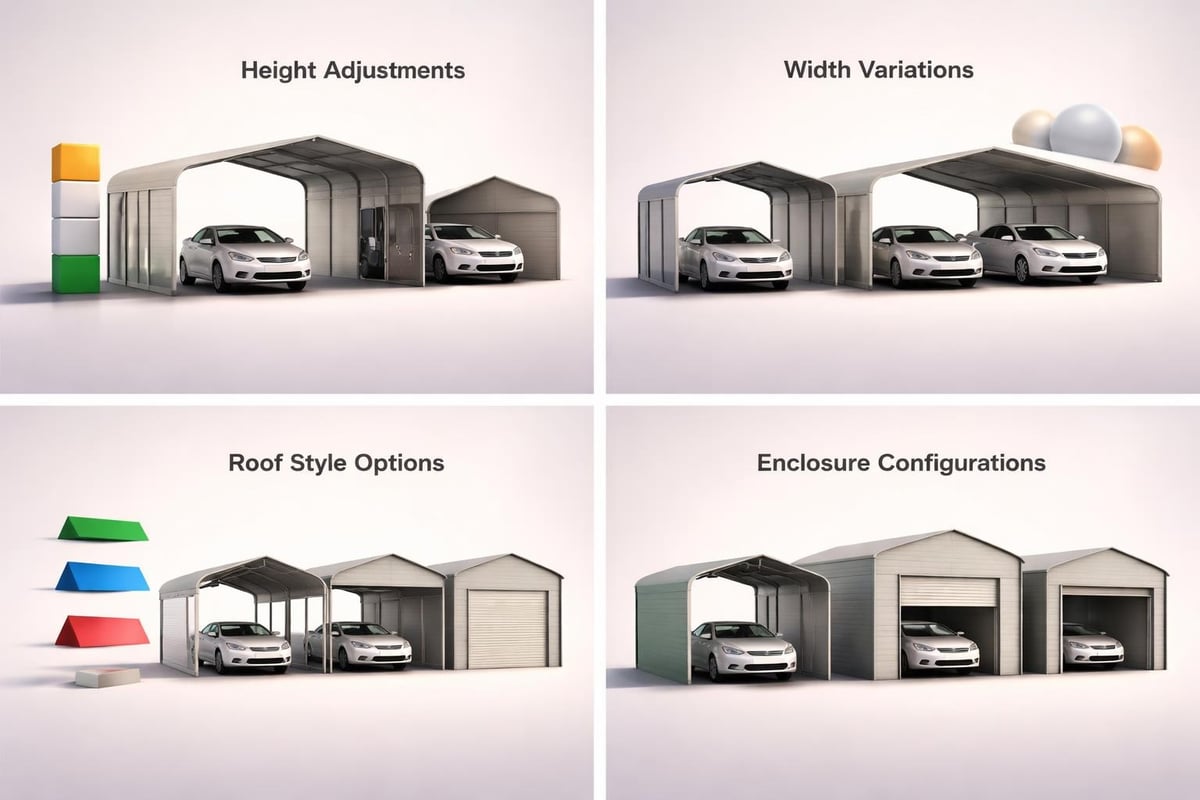
Height adjustments represent one of the most requested modifications. Standard leg heights typically start at 6 feet for the sides, but many applications require additional clearance. RVs, boats on trailers, and commercial vehicles often need 10 to 16 feet of clearance, which most manufacturers accommodate through extended leg options.
Width and Length Variations
Single-car units typically measure 12 feet wide and 20 feet long, providing adequate coverage for standard vehicles. However, customization extends far beyond these basic dimensions:
- Double-wide structures: 18 to 24 feet wide for two vehicles
- Triple-wide configurations: 26 to 30 feet wide for multiple vehicles or workspace
- Extended lengths: From 20 feet up to 40 feet or more for RVs and boats
- Wide-span designs: Structures exceeding 30 feet wide for commercial applications
The ability to add enclosed sides, gable ends, or full walls transforms a basic metal covered carport into a partially or fully enclosed building. This flexibility allows the structure to evolve with changing needs over time.
Installation and Site Preparation
Proper site preparation ensures structural integrity and longevity. The installation process begins weeks before the actual carport arrives, with critical groundwork that affects long-term performance.
Foundation Requirements
Metal covered carports require level, stable foundations. Three primary options accommodate different soil conditions and local building requirements:
- Concrete slab: Most permanent and stable option, ideal for enclosed structures
- Gravel base: Cost-effective alternative providing adequate drainage and stability
- Asphalt foundation: Suitable for existing paved areas requiring vehicle protection
- Ground anchors: Mobile home anchors or concrete footings for leg attachment
The site should have proper drainage to prevent water pooling around the foundation. A slight grade away from the structure prevents erosion and moisture accumulation that could compromise anchor points.
Most reputable suppliers include delivery and installation in their pricing, eliminating the complexity of coordinating separate contractors. Professional installation teams typically complete standard residential metal covered carport projects within one to two days, depending on size and customization level.
Maintenance and Longevity
One of the primary advantages of metal covered carports involves their minimal maintenance requirements compared to wooden alternatives. However, periodic inspections and basic care extend service life and maintain appearance.
Regular inspections should occur at least twice annually, ideally in spring and fall. These checkups identify potential issues before they escalate into costly repairs.
Seasonal Maintenance Tasks
Spring maintenance focuses on winter damage assessment. Check for loose panels, inspect seals around fasteners, and remove any accumulated debris from roof valleys or gutters if installed. Cleaning galvanized and powder-coated steel prevents corrosion and maintains the protective finish.
Summer tasks include washing the structure with mild detergent and water to remove pollen, dust, and organic material. This simple cleaning prevents staining and identifies any areas where the protective coating may have been compromised.
Fall preparation involves clearing gutters if present, trimming nearby tree branches that could cause damage during winter storms, and inspecting the foundation for settling or erosion. Treating metal surfaces with appropriate rust-inhibiting products protects vulnerable areas.
Winter care requires prompt snow removal from roof surfaces when accumulation exceeds design specifications. Soft power washing techniques help remove road salt and de-icing chemicals that accelerate corrosion.
| Season | Primary Tasks | Frequency | Time Required |
|---|---|---|---|
| Spring | Inspection, debris removal, panel check | Annual | 2-3 hours |
| Summer | Washing, touch-up painting | Annual | 1-2 hours |
| Fall | Gutter cleaning, trimming, sealing | Annual | 2-3 hours |
| Winter | Snow removal, salt washing | As needed | Variable |
Most metal covered carport structures last 20 to 30 years with proper maintenance, with vertical roof designs often exceeding these expectations in challenging climates. The galvanized coating on quality steel framing provides corrosion resistance that wooden structures cannot match.
Cost Considerations and Value
Understanding the full cost picture helps property owners make informed decisions about metal covered carport investments. Initial purchase price represents only one component of long-term ownership expenses.
Initial Investment Factors
Several variables influence upfront costs:
- Size and dimensions: Larger structures require more material and labor
- Roof style: Vertical roofs cost more than regular or boxed eave designs
- Gauge thickness: Heavier-gauge metal increases material costs
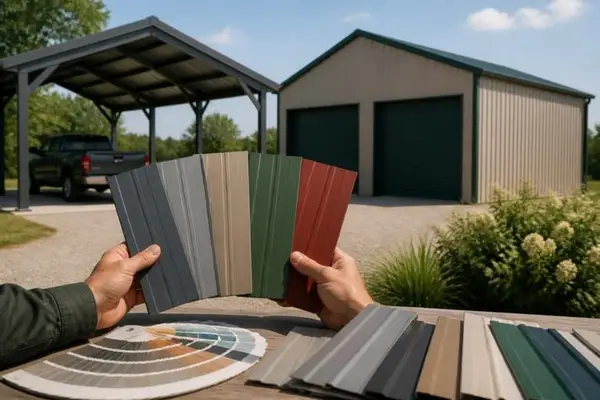
- Customization level: Enclosures, additional height, and custom colors add expenses
- Location: Delivery distances and local building code requirements affect pricing
Metal Structure Sales LLC provides comprehensive pricing that includes delivery and installation, eliminating surprise costs common with other suppliers. Their customizable metal carports allow customers to design structures meeting specific requirements while viewing real-time pricing adjustments.
Long-Term Value Analysis
When comparing metal covered carports to alternative vehicle protection methods, consider these long-term factors:
The minimal maintenance requirements translate to lower annual ownership costs. Unlike wooden carports requiring regular staining, sealing, and potential board replacement, metal structures need only periodic cleaning and inspection. This difference saves hundreds of dollars annually over the structure's lifetime.
Insurance benefits may apply when installing permanent vehicle protection. Some carriers offer premium reductions for vehicles stored under covered structures, particularly in hail-prone regions. Contact your insurance provider to explore potential savings.
Property value enhancement occurs when quality metal covered carports complement existing structures and landscaping. Well-designed installations improve curb appeal and functionality, factors that resonate with future buyers should you sell your property.
Practical Applications Beyond Vehicle Storage
While vehicle protection remains the primary purpose, metal covered carports serve numerous secondary functions that maximize return on investment.
Multi-Purpose Usage
The covered space provides ideal settings for outdoor gatherings, protecting guests from sun and precipitation. Many homeowners position metal covered carports adjacent to patios, creating seamless indoor-outdoor entertaining areas.
Hobby and workshop activities benefit from weather-protected space with natural ventilation. Woodworking, automotive maintenance, and craft projects proceed regardless of weather conditions when conducted under a sturdy metal roof.
Seasonal storage needs find perfect accommodation under metal covered carports. Lawn equipment, patio furniture during winter months, and recreational vehicles remain accessible yet protected from degrading UV exposure and moisture.
Agricultural applications extend to equipment storage, livestock shelter, and hay protection. The versatility of metal covered carport designs adapts to farming and ranching requirements across diverse climates.
Climate-Specific Considerations
Regional weather patterns should influence metal covered carport specifications to ensure optimal performance and longevity.
Snow Load Requirements
Northern climates demand vertical roof designs with appropriate snow load ratings. Building codes specify minimum requirements based on historical snowfall data, typically measured in pounds per square foot. Quality manufacturers engineer structures exceeding these minimums for safety margins.
Properties in regions like Pennsylvania or Michigan require robust snow load specifications, often necessitating 12-gauge framing and vertical roof configurations. These upgrades prevent structural damage during heavy winter weather events.
Wind Rating Specifications
Coastal areas and tornado-prone regions need enhanced wind ratings. Certified wind ratings indicate the maximum sustained wind speeds structures withstand without failure. Look for certifications meeting or exceeding local building code requirements.
States like Texas and Louisiana experience severe weather including hurricanes and tornadoes, making wind ratings critical safety considerations. Ground anchor systems in these regions often require concrete footings rather than standard mobile home anchors.
Heat and UV Considerations
Southern climates benefit from reflective roof coatings that reduce heat absorption. Light-colored metal panels reflect solar radiation more effectively than dark colors, keeping covered areas cooler and protecting vehicle paint from UV damage.
Areas like Arizona and New Mexico experience intense sun exposure year-round. UV-resistant coatings on metal panels prevent fading and chalking, maintaining appearance and protective qualities over decades of service.
Permit and Zoning Requirements
Local regulations govern metal covered carport installations in most jurisdictions. Understanding these requirements before purchasing prevents costly delays and potential legal complications.
Building Permits
Most municipalities require building permits for permanent structures, including metal covered carports. The permitting process typically involves:
- Submitting engineering drawings and specifications
- Paying permit fees based on structure value
- Scheduling inspections during and after installation
- Obtaining final approval before use
Reputable manufacturers provide certified engineering drawings that meet most building department requirements, simplifying the permit application process.
Setback and Property Line Restrictions
Zoning ordinances specify minimum distances structures must maintain from property lines, roads, and existing buildings. These setbacks vary by jurisdiction and property zoning classification.
Residential properties typically allow closer placement than commercial or agricultural zones. Verify local requirements before finalizing placement locations to avoid conflicts with neighbors or municipal authorities.
Homeowner Association Rules
Properties within HOA communities face additional restrictions governing structure appearance, placement, and specifications. Review association covenants before ordering to ensure compliance with architectural guidelines.
Some associations prohibit certain roof colors, require enclosed sides, or mandate specific setbacks beyond municipal requirements. Securing HOA approval before installation prevents expensive modifications or potential removal orders.
Environmental Benefits and Sustainability
Metal covered carports offer several environmental advantages over alternative construction methods. The sustainability profile of steel structures appeals to environmentally conscious property owners.
Steel ranks among the most recycled materials globally, with recycling rates exceeding 90% in North America. Metal carport components contain significant recycled content, reducing environmental impact compared to virgin material production.
The longevity of metal structures minimizes replacement frequency, reducing long-term resource consumption. A metal covered carport lasting 25 to 30 years prevents multiple replacement cycles required for less durable alternatives.
Energy efficiency benefits emerge when metal carports shade windows or outdoor living spaces. Strategic placement reduces cooling costs during summer months by blocking direct solar radiation on home exteriors.
Selecting the Right Supplier
Supplier selection significantly impacts satisfaction with your metal covered carport investment. Several factors distinguish quality providers from budget-focused competitors.
Quality Indicators
Look for suppliers offering comprehensive warranties covering frame integrity, panel performance, and coating durability. Warranty terms ranging from 10 to 20 years indicate manufacturer confidence in product longevity.
Certified engineering and compliance with local building codes demonstrate professional standards. Suppliers providing stamped engineering drawings simplify permit processes and ensure structures meet safety requirements.
Customer service responsiveness before and after purchase separates exceptional suppliers from adequate ones. Companies offering design assistance, installation support, and post-installation service provide superior value beyond initial pricing considerations.
Delivery and Installation Services
Comprehensive packages including delivery and professional installation eliminate coordination headaches common with separate contractor arrangements. This integrated approach ensures proper assembly and full warranty coverage.
Installation teams should carry appropriate insurance protecting property owners from liability during construction. Verify coverage before allowing work to commence on your property.
Investing in a metal covered carport provides decades of reliable vehicle protection with minimal maintenance requirements. The combination of customization options, durability, and cost-effectiveness makes these structures ideal solutions for residential and commercial applications across diverse climates. Metal Structure Sales LLC offers high-quality metal carports with comprehensive customization options, professional installation, and delivery included in transparent pricing, helping you protect your vehicles and equipment with confidence.