

Selecting the right metal building color represents one of the most important decisions you'll make when planning your structure. The color you choose affects not only the visual appeal of your investment but also its energy efficiency, resale value, and long-term performance. With dozens of color options available in 2026, understanding how to make the best choice requires considering multiple factors, from local climate conditions to architectural trends. Whether you're planning a carport, garage, or enclosed building, the color selection process deserves careful attention and strategic planning.
Understanding Metal Building Color Options
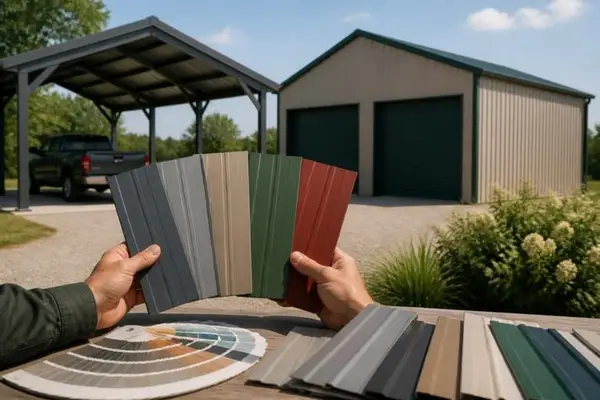
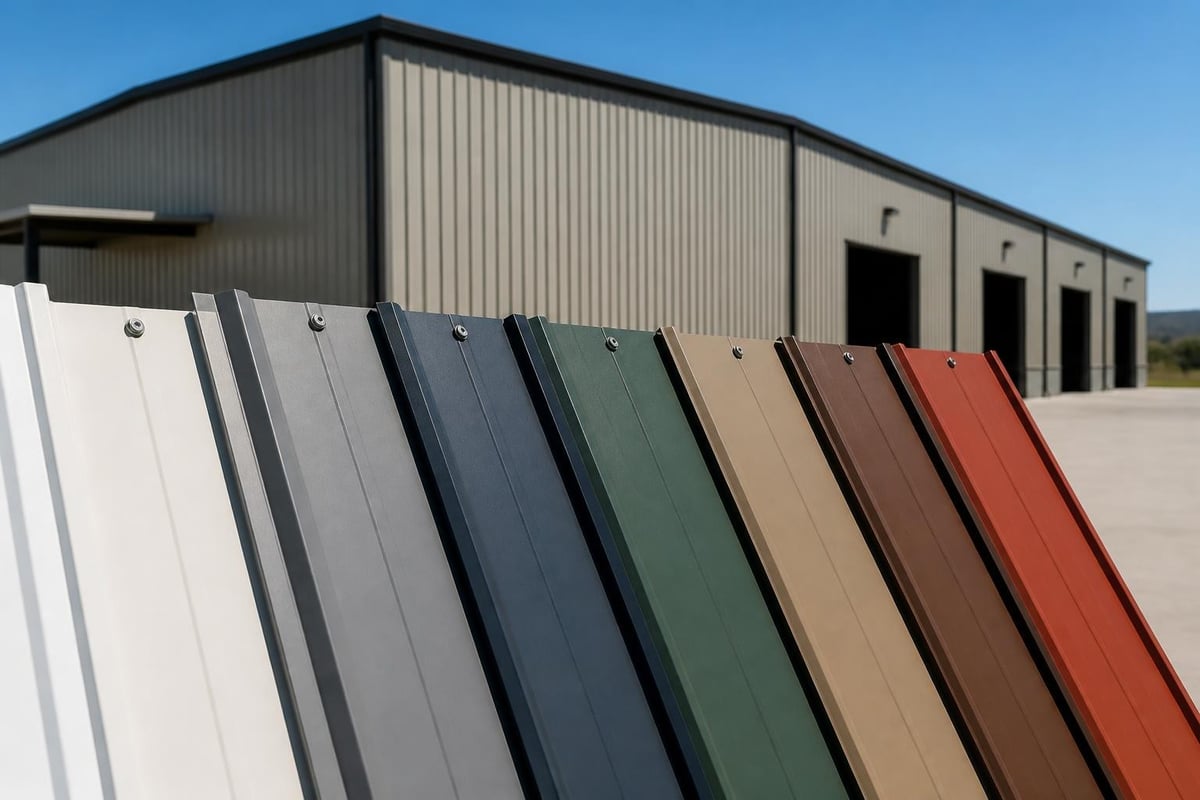
Modern metal buildings offer an impressive range of color choices that extend far beyond basic neutrals. Manufacturers typically provide 15 to 20 standard colors, with premium options available for those seeking distinctive appearances. These colors come from specialized coating systems designed specifically for metal structures.
The most common coating systems include Sherwin-Williams® WeatherXL™ and Fluropon®, both of which deliver exceptional durability and fade resistance. These industrial-grade finishes maintain their appearance for decades, even when exposed to harsh weather conditions. Energy Star© certified colors reflect more sunlight, reducing heat absorption and lowering cooling costs in warmer climates.
Standard metal building color palettes typically include:
- Classic neutrals (white, gray, beige, tan)
- Earth tones (brown, terracotta, sandstone)
- Bold colors (red, blue, green, black)
- Metallic finishes (silver, galvalume, copper)
Premium Color Selections
Premium colors expand your design possibilities but typically carry additional costs. These specialty finishes include deep burgundies, forest greens, custom metallics, and two-tone combinations. The investment in premium colors often pays dividends through enhanced curb appeal and property value. Metal building colors significantly influence both aesthetic appeal and practical performance.
When evaluating premium options, consider the long-term value proposition. While standard colors might cost less initially, premium selections can differentiate your property and create stronger visual impact. Many property owners find that the modest price increase justifies the improved appearance and uniqueness.
Climate Considerations for Color Selection
Your local climate should heavily influence metal building color decisions. Different colors perform dramatically differently based on regional weather patterns, temperature ranges, and sunlight exposure. Understanding these performance characteristics helps you make informed choices that enhance comfort and efficiency.
Light-colored buildings reflect more solar radiation, keeping interiors cooler in hot climates. White, light gray, and tan options can reduce cooling costs by 10-15% compared to darker alternatives. This makes them ideal for southern states where summer temperatures regularly exceed 90 degrees Fahrenheit.
Dark-colored buildings absorb more heat, which can benefit colder regions. Charcoal, black, and deep brown options help structures stay warmer during winter months, potentially reducing heating costs. However, these same colors can create uncomfortable conditions in warmer seasons.
| Climate Type | Recommended Colors | Energy Impact | Maintenance Level |
|---|---|---|---|
| Hot/Sunny | White, Tan, Light Gray | 10-15% cooling savings | Low |
| Cold/Northern | Charcoal, Brown, Dark Blue | 5-8% heating savings | Medium |
| Moderate | Any color | Neutral | Low to Medium |
| Coastal | Light colors, Galvalume | 8-12% cooling savings | High |
Regional Weather Patterns
Different weather patterns create unique challenges for metal building color. Coastal areas with high humidity and salt exposure require corrosion-resistant coatings regardless of color choice. The color options available at most manufacturers include specialized marine-grade finishes for these environments.
Areas with intense UV exposure need fade-resistant colors backed by robust coating systems. Desert environments particularly demand premium paint systems that maintain appearance despite relentless sun exposure. Researching how different colors perform in your specific region provides valuable insight before making final decisions.
Architectural Harmony and Design Principles
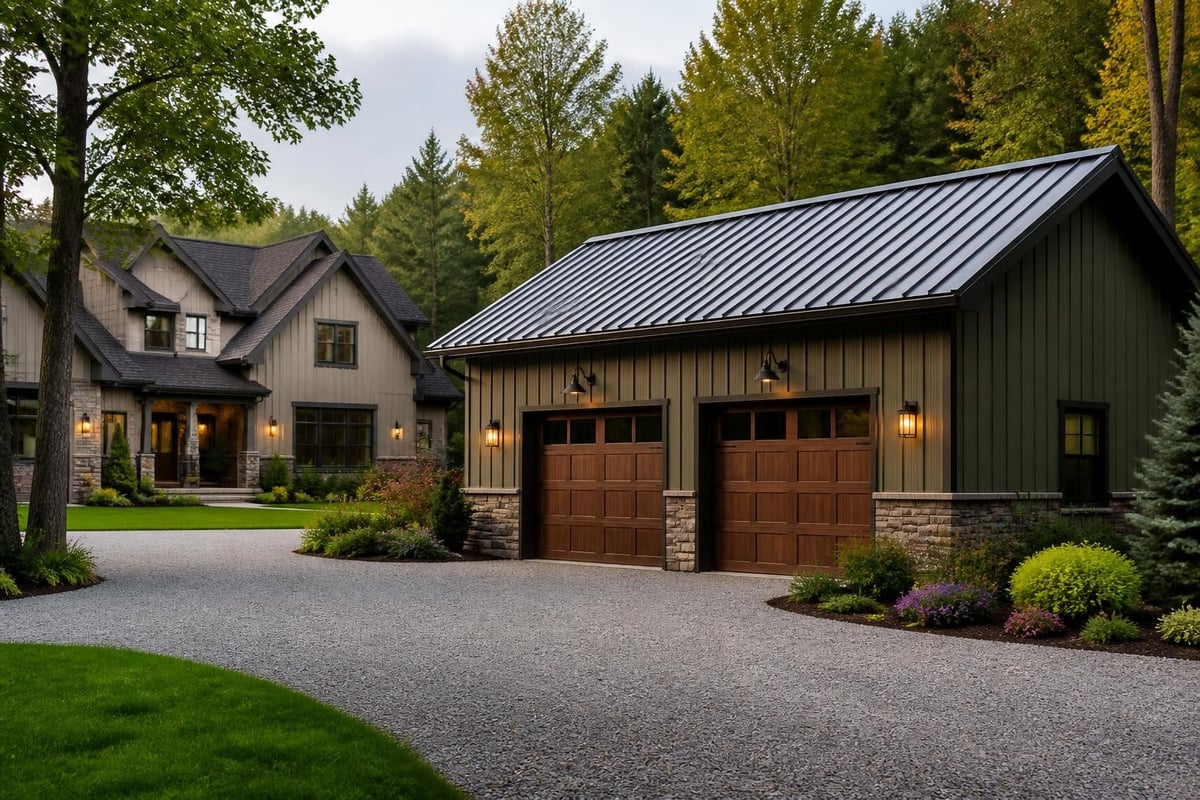
Metal building color should complement your property's existing structures and surrounding landscape. Cohesive color schemes create visual harmony that enhances overall property appeal and value. Mismatched colors can make even high-quality buildings appear out of place.
Consider these design principles when selecting your metal building color:
- Match existing structures – Coordinate with your home, garage, or other buildings
- Respect neighborhood aesthetics – Avoid colors that clash with surrounding properties
- Consider natural surroundings – Earth tones blend well with wooded or rural settings
- Think about landscaping – Colors should complement planned or existing vegetation
- Plan for future changes – Select versatile colors that allow design flexibility
Many homeowners benefit from creating color mockups or using visualization tools. Several manufacturers offer digital design centers that let you preview how different metal building color combinations appear on various structure types. These tools eliminate guesswork and build confidence in your selection.
Current Color Trends
Staying aware of contemporary trends helps ensure your metal building maintains modern appeal. Popular colors of 2025 continue influencing metal building selections in 2026, with butter yellow, powder blue, and dusty pink gaining traction for accent trim. However, classic neutrals remain the most requested options.
The trend toward two-tone combinations has grown significantly. Many property owners now select contrasting colors for roofs, walls, and trim to create dimensional appeal. Charcoal roofs with tan walls and white trim represent one popular combination. Forest green walls with galvalume roofs offer another attractive option.
Fashion-forward property owners should balance trend awareness with timeless appeal. While following current color trends can create contemporary aesthetics, selecting colors with lasting appeal prevents premature obsolescence.
Practical Applications for Different Structure Types
Different metal building types benefit from specific color strategies. Carports, enclosed garages, workshops, and agricultural buildings each have unique functional requirements that influence optimal color choices.
Metal Carports
Open carports prioritize heat reduction since they lack climate control. Light colors work best for these structures, keeping vehicles cooler and preventing heat buildup. White and light gray remain top choices, though tan and beige offer slightly more visual interest while maintaining reflective properties.
When selecting carport colors, coordinate with your home's exterior palette. Many property owners choose metal carports in colors matching their house trim or accent features. This creates cohesive appearance that integrates the structure into the overall property design.
Fully Enclosed Buildings
Enclosed structures offer more flexibility since interior climate control reduces heat concerns. These buildings can accommodate darker colors without creating excessive cooling loads. Many property owners select bold colors for fully enclosed metal buildings to make them stand out as architectural features.
Workshop and storage buildings often use practical neutral colors that hide dirt and wear better. Charcoal gray, medium brown, and forest green conceal environmental staining more effectively than lighter alternatives. This reduces maintenance frequency and preserves appearance longer.
Combination Structures
Combo units that feature both covered and enclosed sections benefit from strategic two-tone color schemes. Using lighter colors on covered sections and slightly darker tones on enclosed portions creates visual separation while maintaining cohesion. These combinations add architectural interest without overwhelming the design.
Color Durability and Maintenance
Metal building color performance depends heavily on coating quality and environmental conditions. Premium paint systems maintain appearance for 30-40 years with minimal maintenance, while standard finishes typically last 20-25 years before showing significant fading.
Factors affecting color durability include:
- UV exposure intensity and duration
- Moisture levels and humidity
- Temperature fluctuations
- Air quality and pollutants
- Proximity to salt water or industrial areas
Regular maintenance extends color life significantly. Simple washing with mild detergent and water removes accumulated dirt, pollen, and environmental contaminants that accelerate coating degradation. Annual cleaning preserves appearance and prevents premature aging.
Certain colors show wear and fading more prominently than others. Red pigments historically fade faster than other colors, though modern coating technologies have improved this dramatically. Dark colors may show chalking more visibly, while light colors better conceal minor imperfections.
| Color Category | Fade Resistance | Dirt Visibility | Maintenance Frequency |
|---|---|---|---|
| White/Light Gray | Excellent | High | Quarterly |
| Tan/Beige | Excellent | Medium | Bi-annual |
| Brown/Earth Tones | Very Good | Low | Annual |
| Bold Colors | Good to Very Good | Medium | Bi-annual |
| Black/Charcoal | Good | Very High | Monthly to Quarterly |
Avoiding Outdated Color Choices
While metal building color selection should prioritize personal preference, awareness of outdated exterior colors helps avoid choices that may appear dated quickly. High-gloss black, ultra-bright primary colors, and generic builder beige have fallen from favor as property owners seek more nuanced, personalized options.
Instead, consider sophisticated variations of classic colors. Warm grays replace stark whites, complex beiges substitute for flat tans, and muted earth tones provide richness without overwhelming brightness. These evolved neutrals maintain timeless appeal while incorporating contemporary sensibilities.
Multi-Color Customization Strategies
Strategic use of multiple colors elevates metal building aesthetics from functional to architectural. Thoughtful color combinations create visual interest, define structural elements, and enhance overall property appeal. Understanding how to combine colors effectively requires considering proportion, contrast, and harmony.
Common multi-color approaches include:
- Monochromatic schemes – Different shades of the same color family
- Complementary combinations – Contrasting colors that create visual pop
- Analogous palettes – Adjacent colors that blend harmoniously
- Accent strategies – Neutral base with bold trim highlights
The roof typically receives the darkest color in multi-color schemes, creating visual weight and grounding the structure. Walls use medium tones, while trim features the lightest or most contrasting color. This traditional approach creates balanced, professional appearances.
Exploring color chart options from various manufacturers reveals the extensive possibilities available. Many companies allow mixing and matching colors at no additional charge, enabling truly customized designs. This flexibility lets you create unique combinations that perfectly match your vision.
Trim and Accent Colors
Trim colors significantly impact overall appearance despite covering minimal surface area. White trim creates classic, clean lines that work with virtually any wall color. Contrasting trim makes structures appear larger and more detailed, while matching trim creates streamlined, modern aesthetics.
Corner trim, door frames, and fascia boards offer opportunities for accent colors that add personality. Some property owners use these elements to introduce bold colors they wouldn't want dominating larger surfaces. This approach satisfies the desire for distinctive appearance while maintaining practical base colors.
Regional Availability and Ordering Considerations
Metal building color availability varies by region, manufacturer, and coating supplier. While most standard colors remain universally available, premium options may have longer lead times or regional restrictions. Understanding these limitations during the planning phase prevents delays and disappointment.
Working with experienced providers like Metal Structure Sales LLC ensures access to comprehensive color selections and expert guidance. These professionals understand regional preferences, climate-appropriate choices, and practical considerations that impact long-term satisfaction.
Color Matching and Verification
Never rely solely on digital representations when selecting metal building color. Computer monitors, mobile devices, and printed materials all render colors differently than they appear on actual metal panels. Requesting physical color samples provides accurate references that prevent costly mistakes.
Most reputable manufacturers provide sample chips or small panels showing exact colors and finishes. Viewing these samples in natural daylight, at your property location, under actual installation conditions gives the most accurate preview. Consider how colors appear at different times of day and in various weather conditions.
Cost Implications of Color Selection
Metal building color choices carry varying cost implications that affect overall project budgets. Understanding these financial considerations helps you make informed decisions that balance aesthetic desires with practical constraints. Price differences can range from negligible to substantial depending on specific selections.
Standard colors typically incur no additional charges beyond base structure pricing. These commonly stocked options represent the most economical choices, allowing maximum budget allocation to size, features, and structural enhancements. Manufacturers maintain large inventories of popular neutral colors, ensuring quick availability and competitive pricing.
Premium color pricing typically follows this structure:
- Standard colors: No additional charge
- Popular premium colors: $0.20-$0.40 per square foot
- Specialty metallics: $0.40-$0.75 per square foot
- Custom color matching: $0.75-$1.50 per square foot
Two-tone combinations may increase costs depending on manufacturer policies. Some companies include multi-color options at no additional charge, while others assess modest fees for the extra handling and processing required. Clarifying these costs during the quotation phase prevents budget surprises.
Long-Term Value Considerations
While premium colors cost more initially, they often deliver superior value through enhanced property appeal and potential resale advantages. Distinctive, well-chosen colors can increase property value by improving overall aesthetics and creating memorable visual impact. This especially applies to visible structures near homes or businesses.
Energy-efficient color selections provide measurable value through reduced utility costs. Light-colored roofs can save hundreds of dollars annually in cooling expenses for occupied buildings. These savings accumulate significantly over the structure's lifespan, often exceeding the modest premium for energy-efficient colors.
Educational Resources and Planning Tools
Successfully navigating metal building color selection requires access to quality information and visualization tools. Multiple resources help property owners make confident, informed decisions that align with their goals and preferences. Investing time in research and planning prevents costly corrections later.
The Metal Carport University offers comprehensive educational content covering all aspects of metal structure planning, including detailed color guidance. These resources explain technical considerations, showcase successful color combinations, and provide practical advice based on thousands of completed projects.
Interactive color selection tools allow virtual experimentation with different combinations before committing. These digital platforms let you visualize how various roof, wall, and trim colors appear together on different structure types. Many tools also provide recommended combinations based on popular trends and proven designs.
Professional consultation provides personalized guidance that generic resources cannot match. Experienced metal building specialists understand regional considerations, practical applications, and potential challenges specific to your situation. Their expertise helps you navigate the selection process efficiently and avoid common pitfalls.
Choosing the right metal building color involves balancing aesthetics, functionality, climate considerations, and budget constraints to create a structure that meets your needs while enhancing your property. Whether you're selecting colors for a simple carport or a complex multi-building project, the principles outlined here provide the foundation for confident decision-making. Metal Structure Sales LLC delivers expert guidance and extensive color options for all metal structure types, with comprehensive customization, delivery, and installation services that transform your vision into reality.