


Understanding steel frame buildings prices requires more than looking at a simple price tag. Multiple variables influence the final cost, from raw material expenses to design complexity and regional installation fees. Whether you're planning a residential garage, commercial warehouse, or agricultural storage facility, knowing what drives pricing helps you budget accurately and make informed decisions about your metal structure investment.
Understanding Base Steel Frame Buildings Prices in 2026
Steel frame buildings prices vary considerably based on structure size and purpose. Current market conditions in 2026 show that basic steel frame structures start around $10 to $15 per square foot for simple designs, while more complex buildings can reach $30 to $40 per square foot or higher.
Small-scale residential structures (500-1,000 square feet) typically range from $5,000 to $15,000 for basic frameworks. Mid-sized commercial buildings (2,000-5,000 square feet) generally cost between $20,000 and $75,000. Large industrial facilities (10,000+ square feet) can exceed $150,000 depending on specifications.
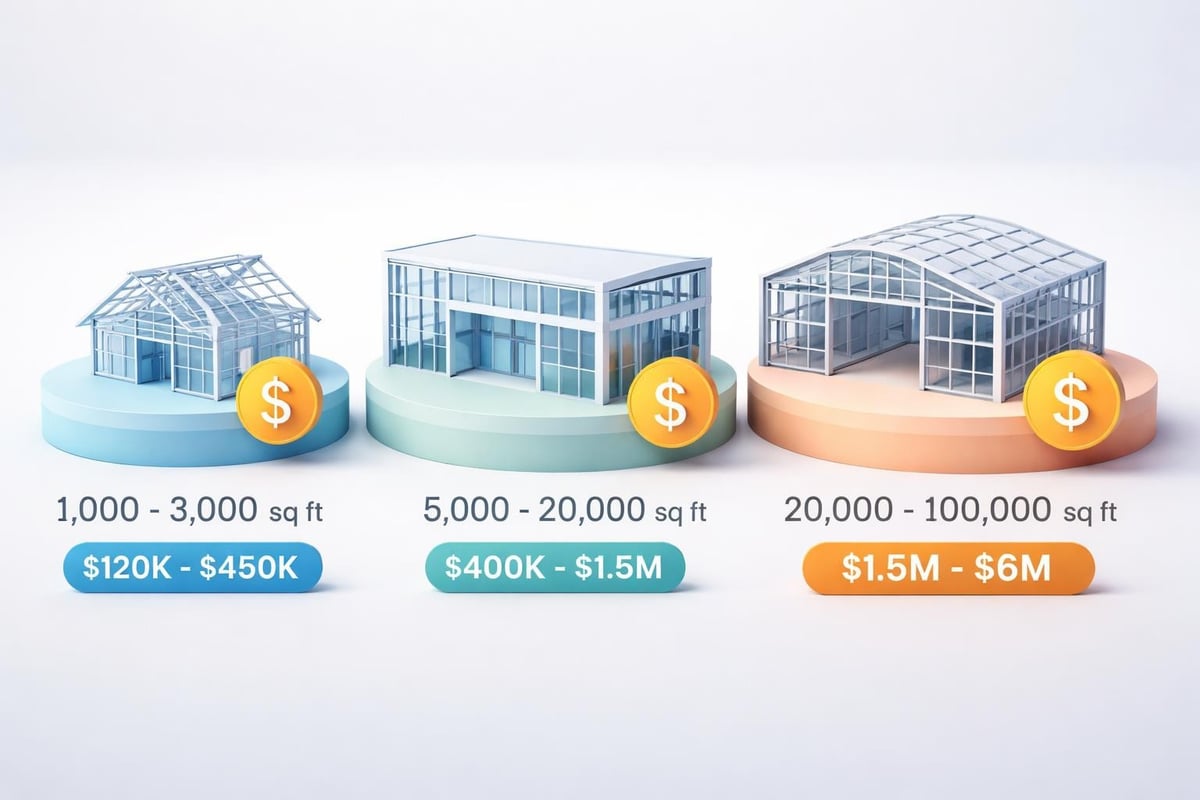
The 2026 steel building price guide indicates that raw steel prices have stabilized compared to previous years, though they remain subject to global market fluctuations. This stability creates more predictable pricing for buyers planning their projects.
Breaking Down Cost Components
Steel frame buildings prices include several distinct components that buyers should understand separately:
- Steel framework and structural components (40-50% of total cost)
- Roofing and wall panels (20-30% of total cost)
- Foundation and site preparation (10-15% of total cost)
- Labor and installation (15-25% of total cost)
- Permits, engineering, and inspections (5-10% of total cost)
Each component contributes differently depending on your project specifications. A building requiring extensive site preparation naturally incurs higher foundation costs, while structures with premium insulation or specialized panels see increases in the roofing and wall panel budget.
Key Factors That Influence Steel Frame Buildings Prices
Building size represents the most obvious price driver, but several other factors significantly impact your final investment. Understanding these variables helps you optimize your budget while maintaining necessary features.
Design Complexity and Customization
Simple rectangular structures with standard dimensions cost considerably less than buildings with complex geometries, multiple roof lines, or custom features. Eight critical factors affect steel building cost estimator results, with design complexity ranking among the most influential.
Standard designs use prefabricated components that reduce manufacturing time and labor costs. Custom configurations require specialized engineering, unique fabrication, and more extensive installation work. Each customization-from additional doors and windows to mezzanines or office spaces-adds to the base price.
| Design Element | Standard Cost Impact | Custom Cost Impact |
|---|---|---|
| Basic rectangular frame | Baseline | +0% |
| Multi-slope roof | +10-15% | +20-30% |
| Interior partitions | +8-12% | +15-25% |
| Custom door/window placement | +5-10% | +15-20% |
| Mezzanine levels | +20-25% | +30-40% |
Geographic Location and Regional Variations
Steel frame buildings prices fluctuate based on where you're building. Transportation costs for materials, local labor rates, and regional building code requirements all influence pricing. Buyers in remote areas typically pay premium rates for delivery and installation services.
Urban markets often have higher labor costs but better material availability. Rural locations may offer lower labor rates but face increased transportation expenses. Regional weather considerations also affect pricing, as buildings in snow-heavy or high-wind areas require enhanced structural specifications.
For those researching carports for sale cheap, understanding regional cost variations helps identify realistic budget expectations for your specific location.
Material Quality and Steel Grade Considerations
The quality of steel used in your building framework directly impacts both initial cost and long-term value. Steel frame buildings prices reflect the grade, gauge, and treatment of metal components.
Frame and Panel Specifications
Steel gauge refers to metal thickness-lower numbers indicate thicker, stronger steel. 12-gauge steel provides superior durability compared to 14-gauge alternatives but comes at a higher price point. Most residential and light commercial applications perform well with 14-gauge framing, while industrial or high-load structures benefit from 12-gauge construction.
Panel options include:
- 29-gauge panels – Economy grade, suitable for basic weather protection
- 26-gauge panels – Standard grade, balancing cost and durability
- 24-gauge panels – Premium grade, maximum weather resistance
- 22-gauge panels – Industrial grade, heavy-duty applications
Galvanized steel coating prevents rust and extends building lifespan. Buildings in coastal or high-moisture environments should specify enhanced galvanization, which increases upfront costs but prevents expensive corrosion repairs.
Insulation and Climate Control Features
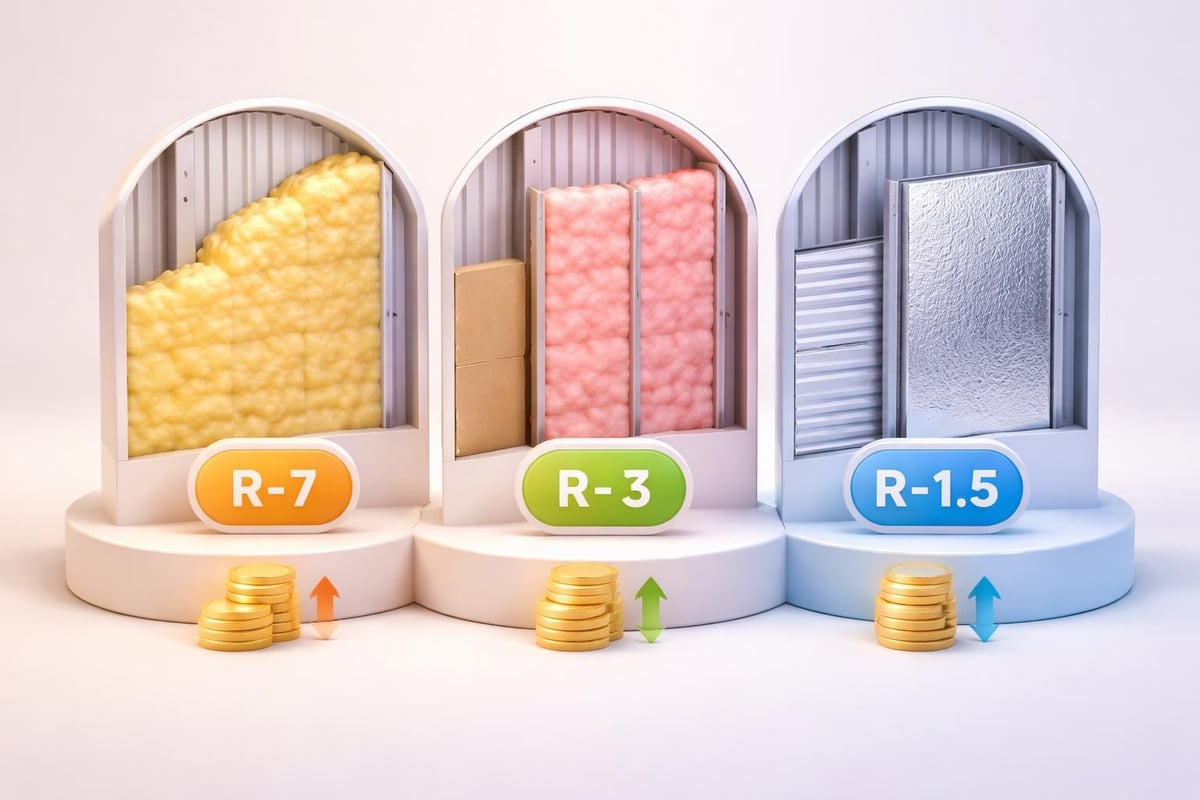
Insulation significantly affects steel frame buildings prices but delivers substantial long-term savings through reduced energy costs. Uninsulated structures might save 15-20% on initial construction but cost considerably more to heat or cool over their lifetime.
Spray foam insulation offers the highest R-value and air sealing but represents the premium price option. Fiberglass batts provide adequate performance at moderate cost. Reflective barriers work well in hot climates for minimal investment. The importance of insulation in metal buildings cannot be overstated for climate comfort and energy efficiency.
Foundation Requirements and Site Preparation Costs
Foundation work represents a substantial portion of total project costs but receives less attention during initial planning. Steel frame buildings prices often exclude foundation expenses, catching buyers off guard during budgeting.
Foundation Types and Associated Costs
Different foundation approaches suit various soil conditions, building sizes, and local codes:
| Foundation Type | Cost per Square Foot | Best Applications |
|---|---|---|
| Gravel/dirt pad | $1-3 | Temporary structures, rural areas |
| Concrete slab | $4-8 | Permanent buildings, most climates |
| Pier foundation | $6-12 | Uneven terrain, flood zones |
| Full basement | $15-30 | Residential, additional space needs |
Site preparation includes clearing, leveling, drainage installation, and utility connections. Properties requiring extensive grading or soil stabilization face additional expenses that can double foundation costs. Professional site evaluation before purchasing your building prevents budget surprises.
Building Permits and Engineering Requirements
Permit fees vary by jurisdiction but typically range from $200 to $2,000 depending on building size and local regulations. Engineering certifications ensure your structure meets wind, snow, and seismic loads for your region.
Most municipalities require:
- Site plans showing building placement and setbacks
- Structural engineering stamps certifying load calculations
- Electrical and plumbing permits for finished buildings
- Environmental assessments for larger commercial projects
Factors that affect the pricing include these regulatory requirements, which protect your investment by ensuring code compliance and structural integrity.
Installation Methods and Labor Expenses
Steel frame buildings prices for installation depend on whether you choose professional installation or self-assembly. Each approach offers distinct advantages and cost implications.
Professional Installation Services
Hiring experienced installers ensures proper assembly, code compliance, and warranty protection. Professional installation typically costs $3 to $6 per square foot for standard buildings, with complex designs commanding higher rates.
Turnkey installation includes all construction phases from foundation to final touches. Partial installation services might erect the frame while leaving finishing work to the owner. Comparing quotes from multiple contractors reveals market rates in your area and helps identify fair pricing.
Installation timelines affect costs as well. Standard schedules allow crews to work efficiently across multiple projects. Rush installations requiring compressed timelines or weekend work carry premium pricing of 15-30% above standard rates.
DIY Assembly Considerations
Owner-installation reduces labor costs but requires mechanical skills, proper equipment, and significant time investment. Comparing metal vs. wood buildings from a cost perspective shows that steel structures offer more straightforward DIY assembly than traditional stick-built construction.
DIY builders should budget for:
- Equipment rental – Lifts, scaffolding, and specialized tools ($500-2,000)
- Helper labor – At least 2-3 additional people for frame erection
- Safety equipment – Harnesses, helmets, and protective gear
- Extended timeline – 2-4 times longer than professional installation
- Potential errors – Ordering extra fasteners and trim pieces
Many suppliers offer comprehensive assembly manuals and technical support for DIY builders. Some projects benefit from hybrid approaches where professionals erect the frame while owners complete finishing work.
Comparing Different Steel Building Types and Their Costs
Steel frame buildings prices differ based on intended use and structural requirements. Understanding cost variations across building types helps buyers select appropriate solutions for their needs.
Residential and Agricultural Structures
Residential metal buildings serve as garages, workshops, or storage facilities. Prices for basic 20×20-foot structures start around $3,000 to $5,000, while larger 30×40-foot buildings range from $8,000 to $15,000 depending on features and finishes.
Agricultural applications include equipment storage, livestock shelters, and hay barns. Metal horse barns provide durable, cost-effective solutions with prices varying based on size, stall configurations, and ventilation requirements. A standard 36×24-foot horse barn typically costs $12,000 to $20,000 including installation.
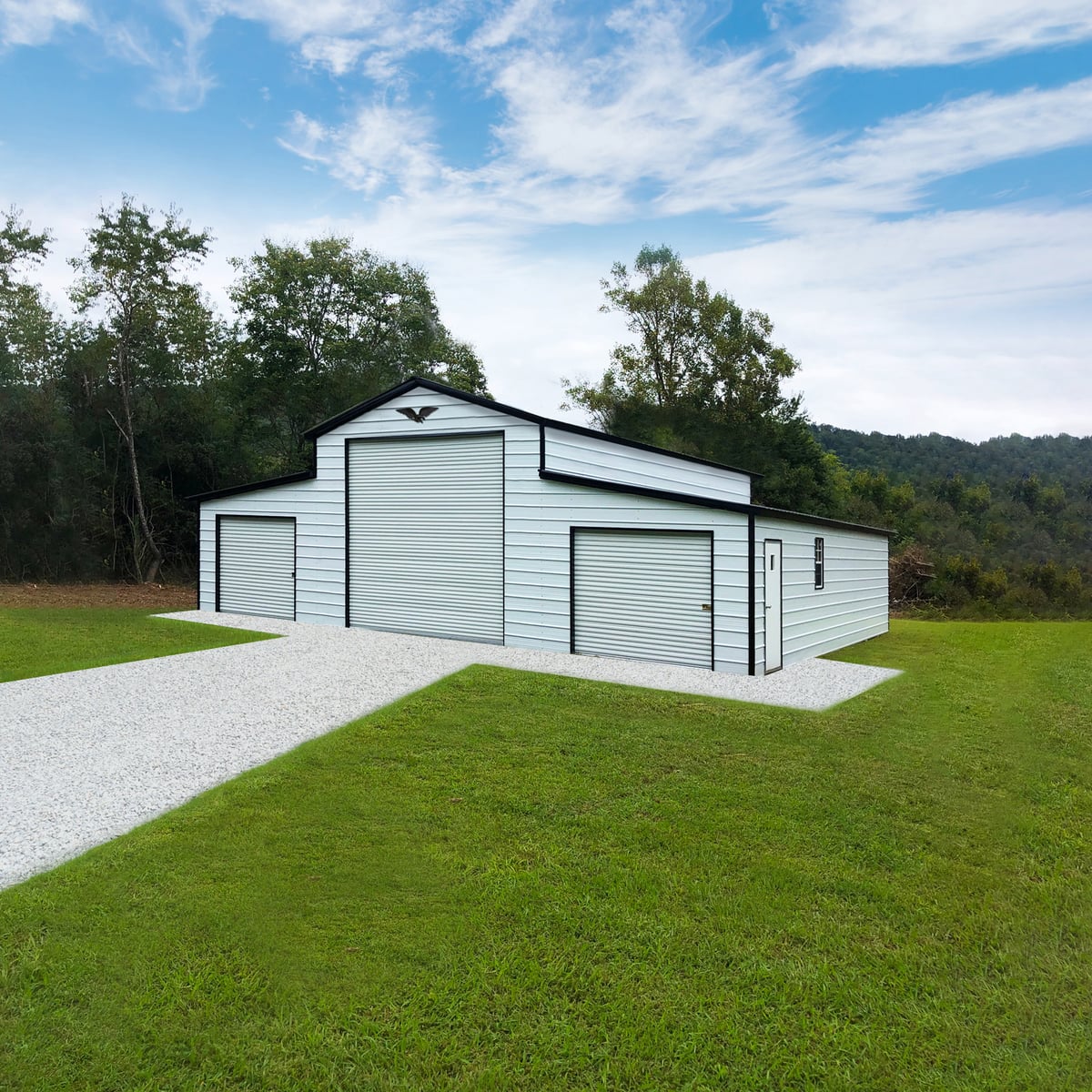
For property owners seeking reliable livestock housing, Metal Horse Barns offer customizable solutions that balance functionality with budget considerations while providing the durability necessary for agricultural environments.
Commercial and Industrial Applications
Commercial steel buildings accommodate retail spaces, offices, warehouses, and manufacturing facilities. Cost planning for industrial buildings reveals that larger structures benefit from economies of scale, reducing per-square-foot costs for buildings exceeding 5,000 square feet.
Retail and office buildings require additional finishes including insulation, interior walls, HVAC systems, and aesthetic exteriors. These improvements can double or triple base steel frame buildings prices, bringing costs to $50-100 per square foot for finished spaces.
Warehouse and manufacturing facilities emphasize functionality over aesthetics, maintaining lower finishing costs. Clear-span designs maximizing interior space without support columns cost 10-20% more than standard framing but deliver superior operational flexibility.
Long-Term Value and Return on Investment
While initial steel frame buildings prices represent significant investment, understanding total cost of ownership provides better value assessment. Metal structures offer advantages that reduce lifetime expenses compared to traditional construction.
Maintenance and Durability Benefits
Steel buildings require minimal maintenance compared to wood-framed alternatives. Low upkeep costs of metal buildings include resistance to termites, rot, and warping that plague wood structures.
Annual maintenance costs for steel buildings typically run $200-500 for basic structures, covering:
- Roof and panel inspections
- Fastener tightening
- Minor rust touch-ups
- Gutter cleaning
- Door and hardware lubrication
Wood buildings often require $1,000-3,000 annually for painting, wood treatment, pest control, and rot repair. Over a 20-year period, maintenance savings alone can offset 15-25% of initial price differences.
Insurance and Property Value Considerations
Insurance companies frequently offer discounts for steel construction due to fire resistance and wind durability. Premium reductions of 10-30% are common, generating hundreds of dollars in annual savings.
Property values benefit from well-maintained steel structures that provide functional space without ongoing deterioration concerns. Commercial properties particularly value the low-maintenance reliability of steel buildings.
Getting Accurate Quotes and Avoiding Hidden Costs
Steel frame buildings prices can vary significantly between suppliers. Obtaining detailed quotes and understanding what's included prevents budget overruns and disappointment.
What Should Be Included in Your Quote
Comprehensive quotes itemize all components and services:
- Complete materials list with specifications
- Engineering and permits required for your location
- Delivery charges based on your distance from the manufacturer
- Installation labor or detailed DIY instructions
- Warranty coverage for materials and workmanship
Nine factors to consider when pricing your metal building project help buyers ask the right questions and compare quotes accurately. Be wary of suspiciously low prices that may exclude essential components or use inferior materials.
Customization Options and Their Cost Impact
Buyers can manage steel frame buildings prices through strategic customization choices. Prioritizing essential features while deferring non-critical upgrades helps maintain budget control.
High-value customizations that justify their cost:
- Increased roof pitch for better drainage and aesthetics
- Additional doors for convenient access
- Reinforced framing for future expansion
- Upgraded gauge steel in harsh climates
Lower-priority options that can be deferred:
- Decorative trim packages
- Premium color selections beyond standard options
- Walk-in doors beyond minimum requirements
- Interior finishing that you can complete later
For property owners exploring options, understanding getting to know metal buildings provides foundational knowledge that improves decision-making during the customization process.
Financing Options for Steel Building Projects
Steel frame buildings prices often exceed available cash, making financing an important consideration. Several options exist for funding metal structure projects.
Traditional and Alternative Financing
Home equity loans offer competitive rates for residential property owners adding structures. Personal loans work for smaller projects under $25,000. Commercial financing accommodates business purchases with terms aligned to revenue generation.
Manufacturer financing programs sometimes provide competitive rates and streamlined approval processes. Payment plans spreading costs over 12-60 months make larger projects accessible to more buyers.
| Financing Option | Typical Rate Range | Best For |
|---|---|---|
| Home equity loan | 5-8% | Homeowners with established equity |
| Personal loan | 7-12% | Smaller projects, quick approval needed |
| Commercial loan | 6-10% | Business purchases, larger amounts |
| Manufacturer financing | 8-15% | Simplified process, moderate amounts |
| Credit cards | 15-25% | Very small projects only |
Budgeting for Total Project Costs
Creating comprehensive budgets prevents shortfalls during construction. Add 10-15% contingency to your estimated steel frame buildings prices to cover unexpected expenses or desired upgrades discovered during installation.
Sample budget breakdown for a 30×40 building:
- Steel building kit: $12,000
- Foundation (concrete slab): $4,800
- Site preparation: $1,500
- Installation labor: $3,600
- Permits and engineering: $800
- Electrical service: $2,000
- Contingency (10%): $2,470
- Total project cost: $27,170
This example shows how foundation, site work, and utilities increase total investment beyond the basic building price. Researching pricing and other details specific to your project helps create realistic budgets.
Seasonal Considerations and Timing Your Purchase
Steel frame buildings prices may vary seasonally based on demand cycles and manufacturer capacity. Strategic timing can generate savings while ensuring project completion when needed.
Peak and Off-Season Pricing
Spring and summer represent peak construction seasons when demand drives prices higher and installation schedules extend weeks or months. Fall and winter typically offer better availability and negotiating leverage as contractors seek projects to maintain year-round employment.
Seasonal price variations generally range from 5-15% between peak and off-seasons. However, weather delays during winter construction can offset savings through extended timelines and challenging working conditions.
Ordering during off-peak months for spring installation provides optimal balance-you secure competitive pricing while scheduling installation during favorable weather. Lead times of 6-12 weeks for manufacturing make planning essential for time-sensitive projects.
Market Conditions and Material Costs
Steel prices fluctuate based on global supply and demand. While 2026 shows relatively stable pricing, monitoring market trends helps identify advantageous purchase windows. When steel costs decline, manufacturers often pass savings to customers within 1-2 months.
Locking in prices through deposits protects against increases during manufacturing and delivery periods. Most suppliers honor quoted prices for 30-90 days, with deposits securing those rates for your project timeline.
Understanding the various factors affecting steel frame buildings prices empowers you to make informed decisions that balance immediate costs with long-term value. From selecting appropriate materials and designs to timing your purchase strategically, careful planning ensures your metal structure investment meets both budget and performance requirements. Metal Structure Sales LLC offers customizable solutions with transparent pricing, delivery, and installation included, helping you navigate the selection process and create the perfect metal structure for your specific needs.