

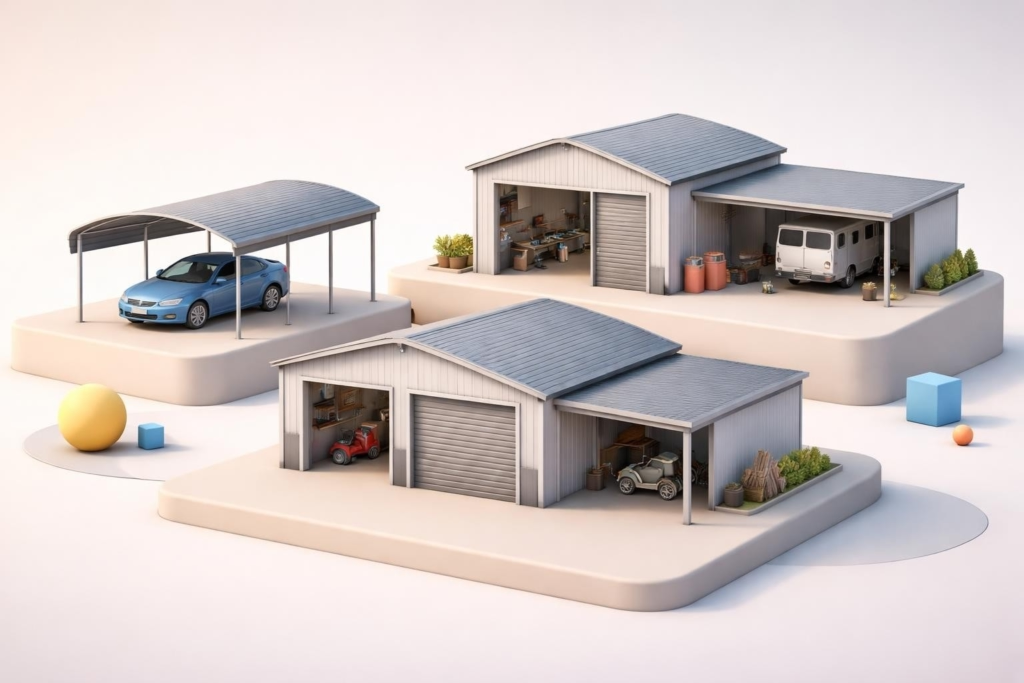
When homeowners and property managers think about vehicle protection, the conversation often starts with a simple carport. However, modern metal structures have evolved far beyond basic coverage, offering integrated solutions that address multiple property needs simultaneously. The concept of carport and more represents a growing trend in the construction industry where single-purpose structures give way to versatile, multi-functional designs that maximize value and usability. These innovative approaches combine vehicle protection with storage, workspace, equipment housing, and recreational vehicle shelters, creating comprehensive property solutions that adapt to changing needs over time.
Understanding the Carport and More Philosophy
The traditional carport served one purpose: protecting vehicles from weather elements. Today's property owners demand greater functionality from their investments. The carport and more approach recognizes that most properties have multiple shelter and storage needs that can be addressed through thoughtful structural design.
This philosophy centers on creating metal structures that serve dual or triple functions without requiring separate buildings. By integrating multiple purposes into a cohesive design, property owners save money on materials, reduce their property footprint, and maintain visual consistency across their landscape.
Economic Benefits of Multi-Purpose Structures
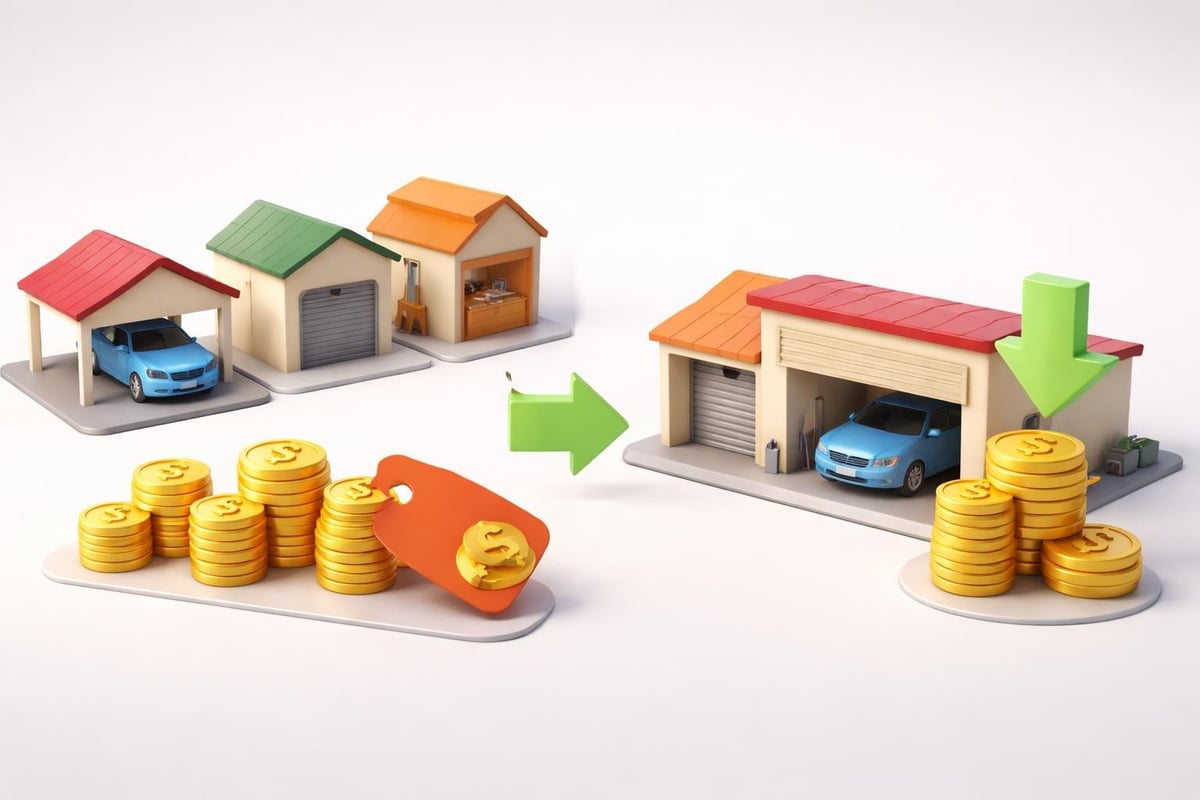
Building separate structures for different needs quickly becomes expensive. Foundation work, permitting, and installation costs multiply with each additional building. The carport and more strategy consolidates these expenses into a single project.
Key financial advantages include:
- Reduced foundation and site preparation costs
- Single permit application and approval process
- Lower overall material costs through economies of scale
- Decreased installation time and labor expenses
- Minimized ongoing maintenance requirements
Property owners typically save between 30% and 50% compared to constructing multiple standalone structures. This cost efficiency makes comprehensive property improvements accessible to more homeowners and business operators.
Popular Carport and More Configurations
Modern metal structure design offers remarkable flexibility. Understanding the most popular configurations helps property owners identify solutions that match their specific requirements.
Vehicle Protection Plus Storage
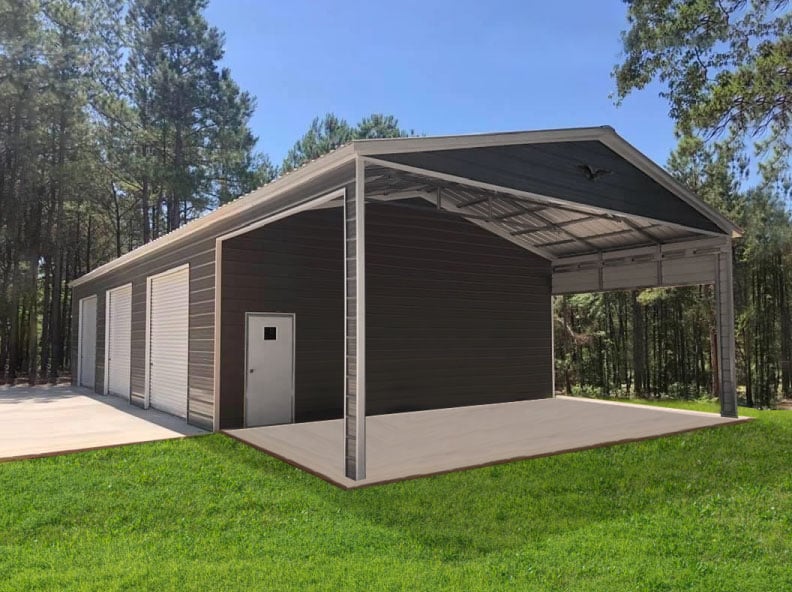
This configuration remains the most requested design in the carport and more category. It typically features an open carport section attached to a fully enclosed storage area. The enclosed portion protects tools, equipment, seasonal items, and valuable possessions from weather and theft.
| Configuration Type | Typical Dimensions | Best Use Cases | Average Cost Range |
|---|---|---|---|
| Single Car + Storage | 12×26 to 18×26 | Residential properties, small equipment | $3,500 – $6,500 |
| Double Car + Storage | 18×26 to 24×31 | Family homes, contractor storage | $6,000 – $11,000 |
| Triple Car + Workshop | 24×36 to 30×41 | Multi-vehicle homes, professional use | $10,000 – $18,000 |
Workspace Integration
Many property owners need more than just storage. They require functional workspace for hobbies, repairs, or professional activities. The workspace-integrated carport and more design includes proper lighting provisions, electrical rough-ins, and climate control considerations.
Professional contractors and DIY enthusiasts particularly value these configurations. The open carport section provides convenient loading and unloading access while the enclosed workshop offers a controlled environment for detailed work. According to engineering requirements for carports in Texas, proper structural design ensures these dual-purpose buildings meet all safety standards.
Design Considerations for Multi-Functional Structures
Creating an effective carport and more structure requires careful planning. Several critical factors influence the final design and its long-term usability.
Roof Style Selection
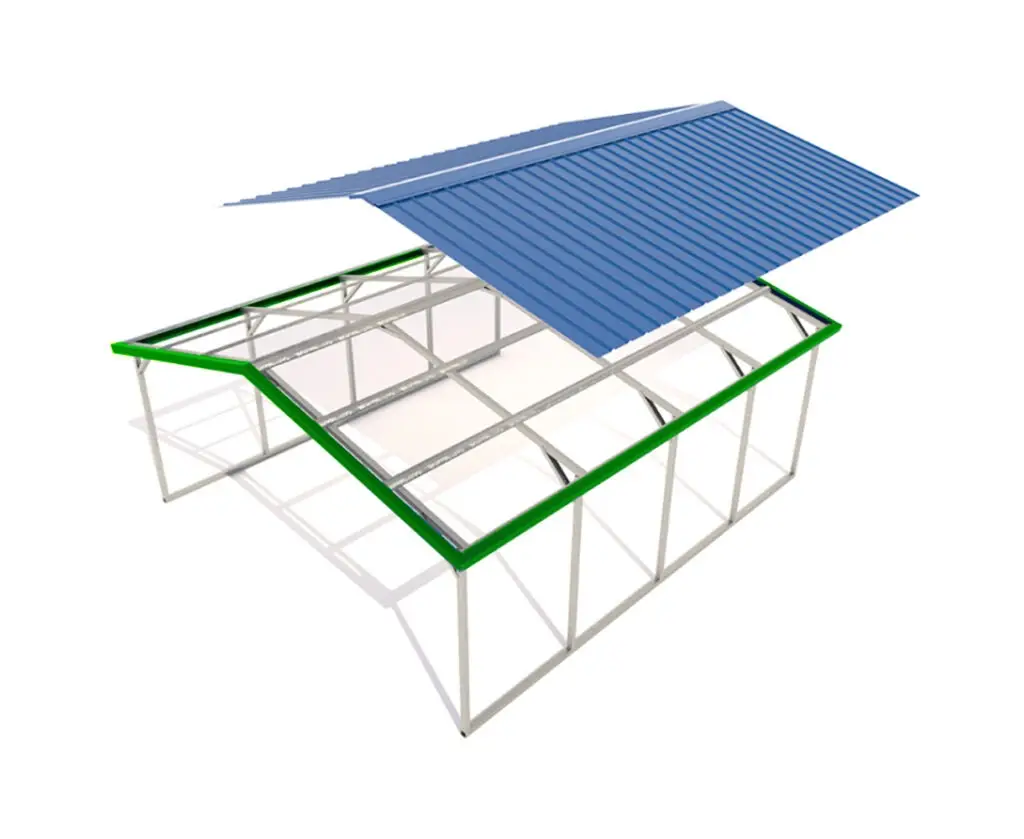
The roof design impacts both functionality and aesthetics. Three primary styles dominate the market:
Regular roof style features horizontal panels with rounded edges. This economical option suits moderate climates and budgets. The panels run side to side, making it the most affordable choice.
Boxed eave roof provides enhanced strength with A-frame horizontal panels. Water and debris shed more effectively than regular roofs, though snow can accumulate in heavy winter areas.
Vertical roof represents the premium choice. Panels run vertically from peak to ground, allowing rain, snow, and debris to slide off immediately. This style offers superior durability and typically qualifies for the strongest warranties.
Understanding local building permit requirements ensures your selected roof style complies with municipal codes and homeowner association regulations.
Size and Spacing Optimization
Proper sizing separates functional structures from problematic ones. The carport and more approach requires careful measurement of all items requiring shelter.
- Measure all vehicles accurately including mirrors, racks, and accessories
- Account for door clearance with minimum 2-3 feet on either side
- Plan vertical clearance allowing 2 feet above the tallest vehicle
- Calculate storage needs based on current and anticipated future items
- Include workflow space for movement between vehicles and storage areas
Many property owners underestimate their space requirements. A Metal Carport designed with proper spacing prevents the frustration of structures that technically fit but prove impractical for daily use.
Material and Gauge Specifications
Metal thickness directly correlates with structural longevity. The carport and more structures use specific gauge measurements to indicate steel thickness.
- 14-gauge steel framing provides standard residential strength
- 12-gauge steel framing offers commercial-grade durability
- 29-gauge panels serve as standard roofing and siding
- 26-gauge panels deliver enhanced impact resistance
Premium structures incorporate 12-gauge framing with 26-gauge panels, creating exceptionally robust buildings that withstand extreme weather events. This combination performs particularly well in hurricane-prone regions and areas experiencing severe winter storms.
Customization Options That Add Value
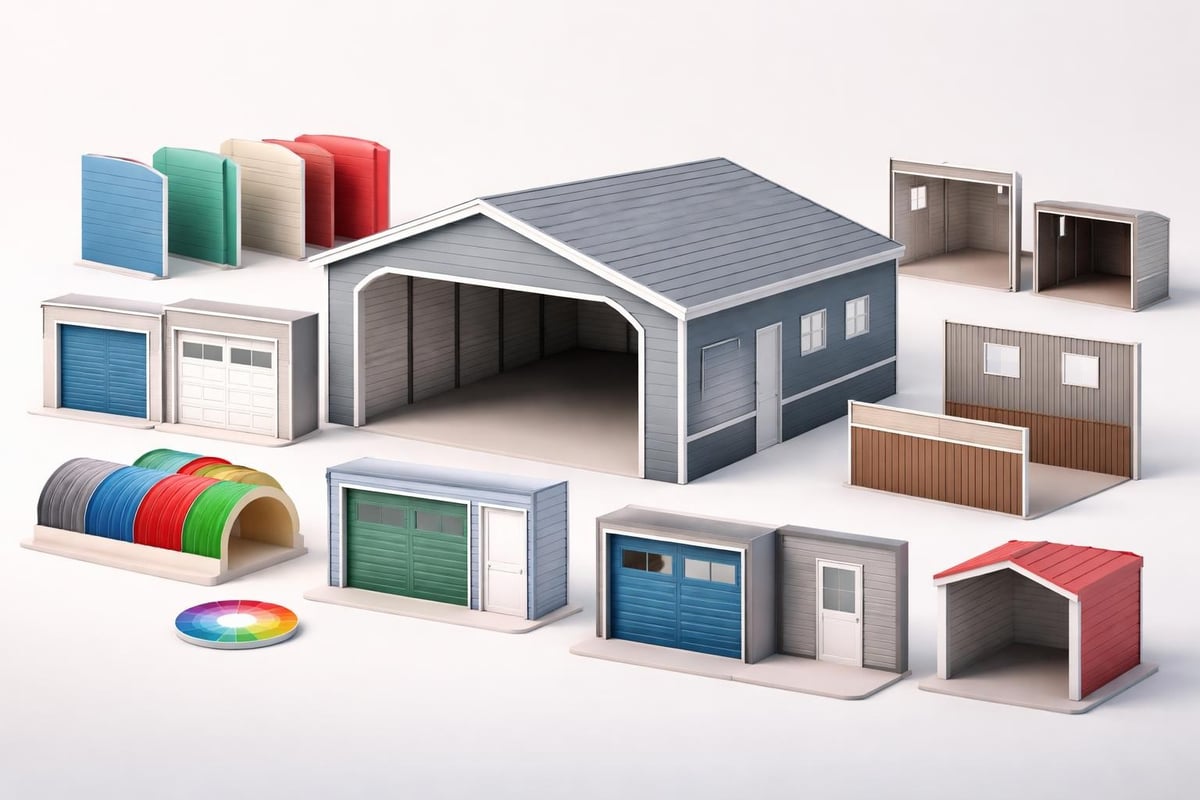
The beauty of the carport and more concept lies in its adaptability. Modern manufacturing capabilities enable extensive customization without significant cost increases.
Enclosed Sections and Partial Walls
Not every portion requires full enclosure. Strategic partial walls create wind blocks while maintaining open access. Common configurations include:
- Front and back panels with open sides for ventilation
- Three-sided enclosure with single large opening
- Full enclosure with garage doors or walk-in access
- Partial walls on weather-facing sides only
Property owners can start with an open structure and add enclosure panels later as budgets permit. This phased approach makes comprehensive property improvements more financially manageable.
Door and Window Integration
Enclosed sections benefit from proper access points. Modern carport and more designs accommodate various door styles:
Roll-up doors provide maximum opening width, ideal for large equipment and vehicles. They require minimal clearance space and operate reliably in most climates.
Walk-in doors offer convenient pedestrian access without opening large vehicle doors. Standard 36-inch residential doors fit most applications, while commercial operations may require larger or multiple access points.
Windows improve natural lighting and ventilation in enclosed spaces. Placement should consider privacy, security, and functional lighting needs.
Regulatory Compliance and Permitting
Local building codes govern all permanent structures. The carport and more approach must satisfy these regulations to avoid costly violations and potential removal orders.
Common Permit Requirements
Most jurisdictions require permits for structures exceeding certain size thresholds. Santa Cruz County’s carport guidelines exemplify typical requirements including:
- Setback distances from property lines
- Maximum height restrictions
- Foundation specifications
- Electrical installation standards
- Fire resistance ratings
Working with experienced metal structure providers streamlines the permitting process. Reputable companies understand regional requirements and provide necessary documentation to building departments.
HOA and Covenant Restrictions
Homeowner associations often impose additional restrictions beyond municipal codes. The carport and more structures must comply with architectural guidelines regarding:
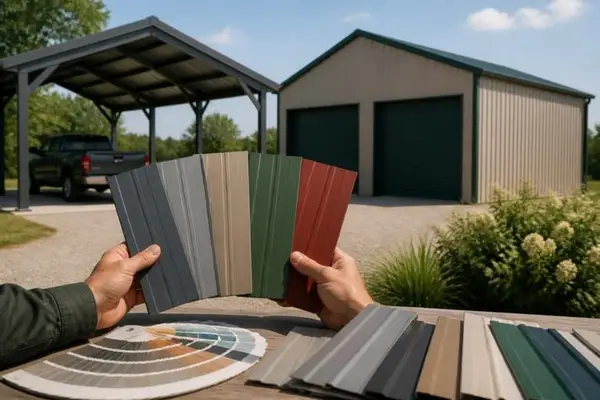
- Approved color palettes matching existing structures
- Roof style consistency with neighborhood aesthetics
- Maximum structure sizes and placement zones
- Screening requirements for storage areas
- Material specifications and finish standards
Reviewing governing documents before finalizing designs prevents approval complications. Many HOAs require advance approval with detailed plans, elevations, and color samples.
Installation Methods and Foundation Options
Proper installation determines structural performance and longevity. The carport and more structures require solid foundations matched to soil conditions and local climate factors.
Foundation Types
Several foundation approaches suit different applications and budgets:
| Foundation Type | Installation Time | Cost Level | Best Applications | Longevity |
|---|---|---|---|---|
| Mobile Home Anchors | 2-4 hours | $ | Temporary, rental properties | 5-10 years |
| Asphalt Anchors | 3-5 hours | $$ | Existing driveways, paved areas | 10-15 years |
| Concrete Anchors | 1-2 days | $$$ | Permanent installations, all climates | 25+ years |
| Rebar Ground Anchors | 4-6 hours | $$ | Standard soil, moderate climates | 15-20 years |
Concrete foundations provide the most reliable long-term performance. The San Diego construction specifications detail proper concrete anchor installation ensuring structures withstand wind and seismic events.
Professional vs. DIY Installation
While some property owners possess the skills for self-installation, professional installation offers significant advantages. Experienced crews complete projects faster, ensure proper alignment, and guarantee structural integrity through quality workmanship.
Professional installation typically includes delivery, site preparation, foundation work, structure assembly, and final inspection verification. This comprehensive service eliminates the stress and physical demands of DIY projects while providing warranty coverage on both materials and labor.
For those exploring affordable carport options, professional installation packages often prove more cost-effective than DIY when factoring in tool purchases, time investment, and error correction.
Maintenance and Long-Term Care
Metal structures require minimal maintenance compared to wood alternatives, but regular attention extends lifespan and preserves appearance.
Routine Inspection Schedule
Quarterly inspections identify minor issues before they escalate:
- Spring: Check for winter damage, tighten bolts, inspect seals
- Summer: Clean debris, verify drainage, examine roof panels
- Fall: Prepare for winter, clear gutters if installed, check anchors
- Winter: Remove snow accumulation, inspect for ice damage
These simple checks take minimal time but prevent expensive repairs. Most issues stem from deferred maintenance rather than structural deficiencies.
Cleaning and Appearance
Metal panels maintain their finish with basic cleaning. Annual washing with mild detergent removes dirt, pollen, and environmental contaminants. Avoid abrasive cleaners that damage protective coatings.
Recommended cleaning process:
- Rinse panels with water to remove loose debris
- Apply car wash soap or mild detergent solution
- Scrub gently with soft brush or cloth
- Rinse thoroughly from top to bottom
- Allow air drying or towel dry to prevent water spots
Touch-up paint repairs minor scratches and prevents rust formation. Most manufacturers provide color-matched paint for maintenance purposes.
Financing and Investment Considerations
The carport and more approach represents a significant property investment. Understanding financing options makes these improvements accessible to more property owners.
Payment Methods
Metal structure providers typically offer multiple payment arrangements:
Cash purchases often receive discounts. Full payment at order provides immediate processing and may qualify for promotional pricing during seasonal sales events.
Rent-to-own programs enable ownership without large upfront payments. Monthly installments spread costs over 36 to 60 months, making premium structures attainable on modest budgets. These programs typically require no credit checks, expanding access to property owners with limited credit history.
Traditional financing through banks or credit unions offers competitive interest rates for qualified borrowers. Home equity loans and lines of credit provide tax-advantaged options since structures permanently improve property value.
The financing options available through specialized metal structure providers often feature approval processes simpler than conventional lending while maintaining reasonable terms.
Return on Investment Analysis
Carport and more structures deliver measurable returns through multiple channels:
Direct property value increase typically ranges from 50% to 80% of structure cost. A $10,000 installation may add $5,000 to $8,000 in appraised property value.
Equipment protection savings prevent weather damage to vehicles, tools, and machinery. UV protection alone extends vehicle paint life by years, while moisture protection prevents rust and mechanical deterioration.
Reduced insurance premiums may apply when valuable equipment receives proper shelter. Consult insurance providers about potential discounts for protected vehicles and equipment.
Functional value includes improved property organization, enhanced workspace, and increased property usability that quality-of-life benefits difficult to quantify but immediately apparent to users.
Regional Considerations and Climate Adaptation
The carport and more structures perform differently across climate zones. Design modifications optimize performance for specific regional challenges.
Wind Load Requirements
Coastal and plains regions experience higher wind speeds requiring enhanced anchoring. Wind load ratings indicate the maximum sustained wind speed structures withstand:
- 90 mph rating: Suitable for most inland areas
- 120 mph rating: Required for many coastal zones
- 140 mph rating: Hurricane-prone regions demand this specification
- 170 mph rating: Extreme weather areas and coastal Florida
Maricopa County building standards detail wind load calculations ensuring structures meet local safety requirements.
Snow Load Capacity
Northern climates require structures engineered for snow accumulation weight. Snow load ratings measure pounds per square foot the roof system supports:
20 psf: Light snow areas with minimal accumulation
35 psf: Moderate snow regions with regular winter storms
60+ psf: Heavy snow zones requiring robust engineering
Vertical roof systems perform optimally in snow country since accumulation slides off rather than building up. This self-cleaning feature prevents dangerous loading situations and eliminates manual snow removal requirements.
Heat and Sun Exposure
Southern regions benefit from reflective coatings and lighter colors that minimize heat absorption. White and light tan panels reduce interior temperatures by 15-20 degrees compared to darker colors.
Orientation also impacts heat management. Positioning the longest dimension north-south reduces afternoon sun exposure on enclosed sections, maintaining more comfortable interior temperatures.
Advanced Features for Specialized Applications
Some property owners require specialized capabilities beyond standard configurations. The carport and more philosophy accommodates these unique demands through advanced design features.
RV and Oversized Vehicle Accommodation
Recreational vehicles demand greater clearances than standard vehicles. RV covers designed specifically for these applications feature 12 to 16-foot leg heights and extra-wide spans.
Combined RV coverage with workshop or storage space creates comprehensive recreational vehicle support facilities. Owners can perform maintenance, store camping equipment, and protect their investment under a single integrated structure.
Agricultural Applications
Farm and ranch operations benefit tremendously from carport and more designs. Common agricultural configurations include:
- Equipment storage combined with animal shelter
- Hay storage attached to tractor coverage
- Feed storage integrated with livestock protection
- Workshop space adjoining equipment parking
These integrated designs improve operational efficiency while protecting valuable agricultural assets. For property owners exploring options, examining metal horse barn configurations demonstrates how agricultural needs integrate with vehicle protection.
Commercial and Business Use
Business operations utilize carport and more structures for various applications:
Contractor operations benefit from equipment storage combined with covered workspace for vehicle maintenance and material preparation.
Retail businesses create covered loading zones attached to inventory storage, protecting merchandise and improving customer service during inclement weather.
Service businesses establish mobile operation bases with covered parking for service vehicles adjacent to parts storage and administrative office space.
These commercial applications often require larger spans and enhanced structural capacity. Wide-span metal structures accommodate business needs exceeding residential scale while maintaining the cost advantages of integrated design.
Future Trends in Metal Structure Design
The carport and more concept continues evolving as manufacturing technology advances and customer needs change. Several emerging trends shape the industry's direction.
Solar Integration
Renewable energy integration represents a growing design consideration. Metal roofs provide ideal platforms for solar panel installation. The structural capacity easily supports panel weight while the metal roofing facilitates secure mounting.
Property owners increasingly specify solar-ready designs with reinforced roof sections and pre-wired electrical conduits. This future-proofing approach enables renewable energy addition as budgets permit without requiring structural modifications.
Smart Technology Features
Connected building systems bring automation and monitoring to metal structures. Available technologies include:
- Automated lighting with motion detection
- Remote-controlled door operation
- Environmental monitoring for temperature and humidity
- Security cameras and alarm system integration
- Energy consumption tracking and optimization
These features particularly benefit enclosed sections used for valuable equipment storage or climate-sensitive applications. As steel carport trends for 2025 indicate, technology integration will become standard rather than exceptional.
Modular Expansion Capabilities
Forward-thinking designs accommodate future expansion. Initial installations can include structural provisions for adding sections without major reconstruction.
This modular approach allows property owners to start with basic coverage and expand as needs or budgets grow. Pre-engineered connection points and compatible design elements ensure seamless expansion maintaining structural integrity and aesthetic consistency.
Selecting the Right Provider
Success with carport and more projects depends heavily on provider selection. Several factors distinguish quality manufacturers and installers from problematic operators.
Quality Indicators
Manufacturing standards separate premium providers from budget operations. Look for:
- Certified welders and quality control procedures
- American-made steel versus imported materials
- Comprehensive warranties covering materials and workmanship
- Engineering certifications for wind and snow loads
- Positive customer reviews and verifiable references
Service capabilities ensure smooth project completion:
- Free site evaluation and design consultation
- Detailed quotes with itemized specifications
- Transparent pricing without hidden fees
- Professional installation teams with training and insurance
- Post-installation support and warranty service
Those seeking guidance can explore resources at the Metal Carport University for comprehensive information about specifications, customization options, and selection criteria.
Regional Expertise
Providers familiar with local conditions deliver better outcomes. Regional expertise includes understanding:
- Municipal permitting procedures and requirements
- Climate-specific design modifications
- Soil conditions affecting foundation selection
- Local supplier networks for prompt service
- Regional pricing dynamics and competitive positioning
National providers with local presence combine manufacturing scale advantages with regional knowledge, offering optimal value and service quality.
The carport and more approach transforms how property owners think about vehicle protection and storage solutions. By integrating multiple functions into thoughtfully designed metal structures, these systems deliver exceptional value while minimizing property footprint and construction costs. Whether you need basic vehicle coverage with storage, comprehensive workshop facilities, or specialized equipment housing, modern metal structures adapt to meet diverse requirements. Metal Structure Sales LLC specializes in creating customizable solutions that combine durability, functionality, and affordability, with every project including professional delivery and installation. Explore your options and discover how an integrated metal structure can enhance your property at Metal Structure Sales LLC.