


A 12×20 metal carport with sides represents one of the most practical investments for property owners seeking reliable vehicle protection and versatile outdoor storage. This mid-sized structure offers 240 square feet of covered space, providing ample room for two vehicles, recreational equipment, or a combination of storage needs while protecting your assets from weather damage, UV exposure, and security concerns. With enclosed sidewalls added to the standard carport framework, this configuration transforms a simple shelter into a semi-enclosed or fully enclosed structure that delivers superior protection compared to open-air alternatives.
Understanding the 12×20 Metal Carport Configuration
The dimensions of a 12×20 metal carport with sides create a versatile footprint suitable for residential and light commercial applications. The 12-foot width accommodates most standard vehicles with clearance on both sides, while the 20-foot length provides enough space for longer vehicles or multiple smaller items.
Standard specifications typically include:
- Width: 12 feet (clear span)
- Length: 20 feet
- Standard height: 6 to 12 feet (customizable)
- Frame gauge: 12 to 14 gauge steel tubing
- Roof panels: 29 gauge or 26 gauge steel
- Side panel options: Partial or full enclosure
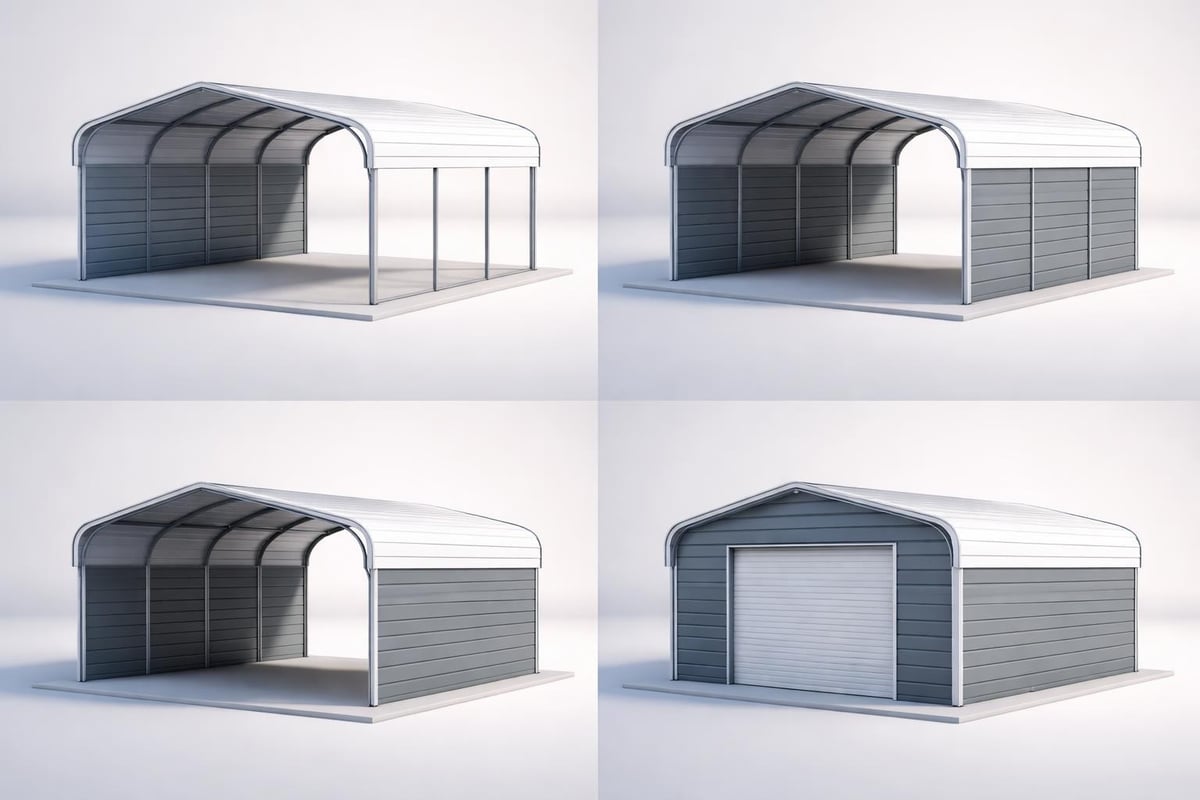
The "with sides" designation refers to vertical panels attached to one, two, or all sides of the carport structure. These panels can be installed in various configurations depending on your protection needs and prevailing weather patterns in your area. Some property owners opt for panels on just the windward side to block prevailing winds, while others choose full enclosure for maximum security and weather protection.
Design Options and Customization Features
Modern metal carports with sides offer extensive customization options that allow you to tailor the structure to your specific requirements. The flexibility in design ensures your investment meets both functional needs and aesthetic preferences.
Roof Style Variations
| Roof Style | Description | Best For | Water Drainage |
|---|---|---|---|
| Regular/Rounded | Horizontal panels with rounded edges | Budget-conscious buyers, moderate climates | Good |
| A-Frame Horizontal | Horizontal panels on A-frame structure | Areas with moderate snow/rain | Better |
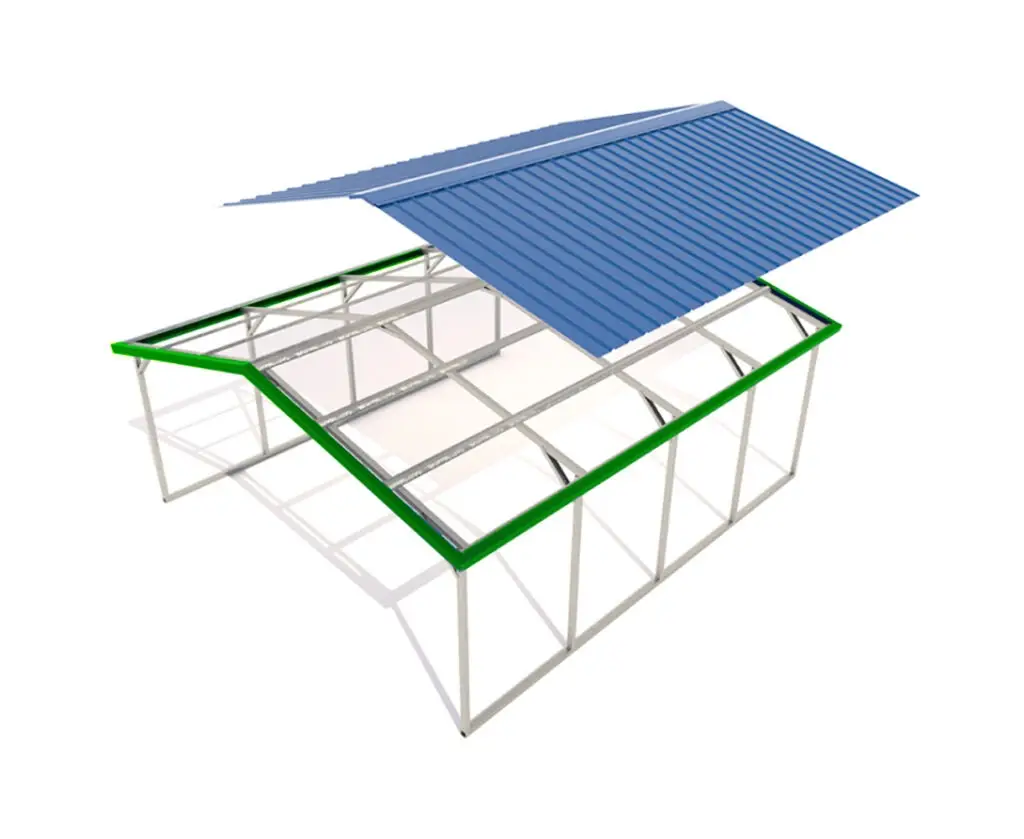
| Vertical Roof | Vertically oriented panels | Heavy snow regions, maximum protection | Best |
Vertical roof designs provide superior weather resistance because panels are oriented to allow rain, snow, and debris to slide off more efficiently. This style also offers the strongest structural integrity, making it ideal for regions experiencing severe weather conditions.
Side Panel Configuration Options
The sidewall options for your 12×20 metal carport with sides directly impact functionality and protection level. You can select from several configurations:
- One side enclosed: Protects against prevailing winds from a single direction
- Two sides enclosed: Creates a corner shelter with two open sides
- Three sides enclosed: Provides maximum weather protection with one open end for access
- Four sides fully enclosed: Transforms the carport into a garage-style building
Many property owners start with partial side enclosure and add additional panels later as needs evolve or budgets allow. This phased approach makes the initial investment more manageable while maintaining upgrade flexibility.
Material Quality and Structural Integrity
The longevity and performance of a 12×20 metal carport with sides depends heavily on material quality and construction methods. Understanding these factors helps you make informed purchasing decisions and avoid inferior products that may fail prematurely.
Frame construction considerations:
- 12-gauge steel tubing offers commercial-grade strength for harsh climates
- 14-gauge steel provides excellent durability for standard residential use
- Tube spacing (typically 4 to 5 feet) affects structural stability
- Ground anchors and foundation systems prevent shifting and movement
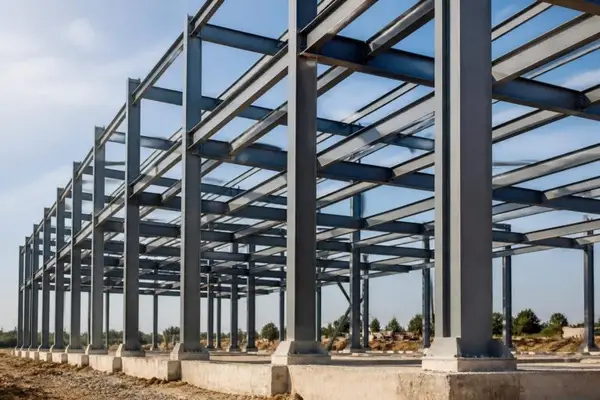
Premium manufacturers use galvanized steel tubing that resists rust and corrosion for decades. The galvanization process applies a protective zinc coating that withstands moisture exposure without degrading. This treatment proves especially important for the frame legs that contact ground moisture and experience the highest corrosion risk.
Panel materials for roofing and sides typically consist of 29-gauge or 26-gauge steel. The 26-gauge sheet metal option provides enhanced durability and dent resistance, making it worth the modest price increase for property owners in hail-prone regions or areas with heavy tree coverage.
Installation Requirements and Site Preparation
Proper installation ensures your 12×20 metal carport with sides performs as designed and meets local building codes. Professional installation eliminates common mistakes that compromise structural integrity and void manufacturer warranties.
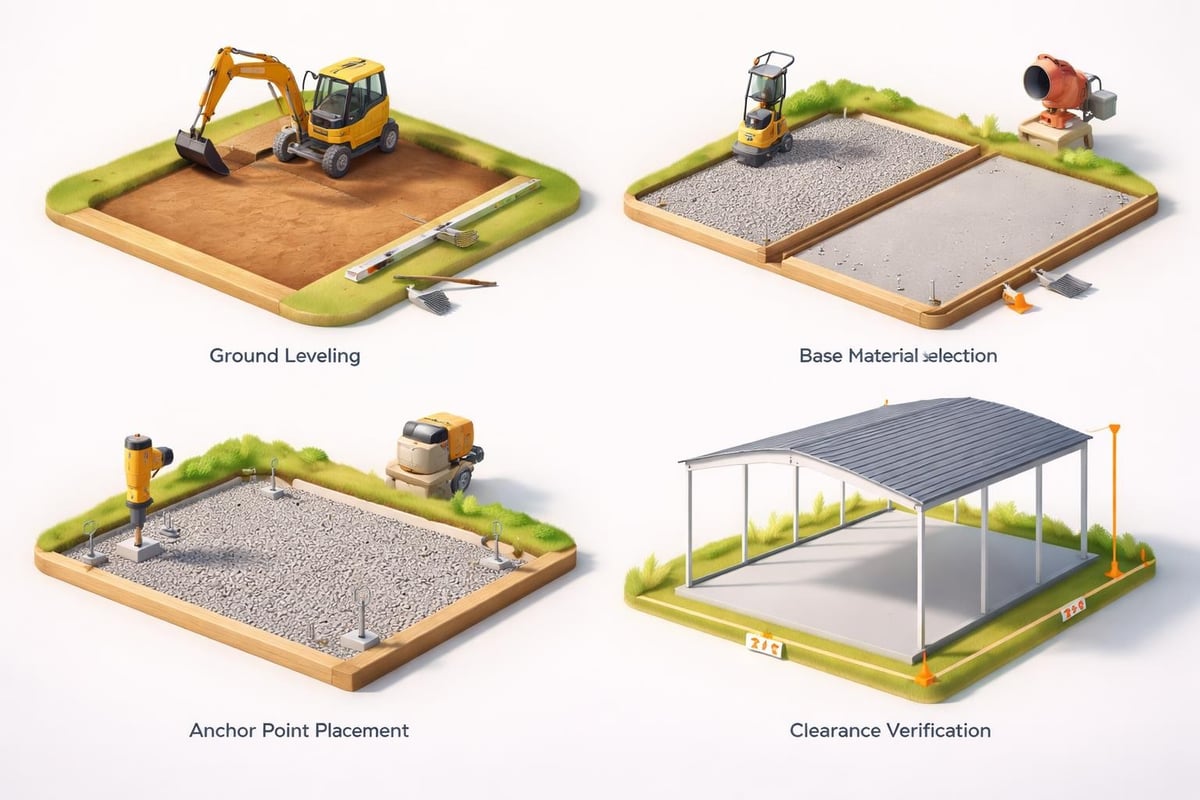
Site Preparation Steps
- Level the installation area to within 3 inches across the entire footprint
- Compact the soil or establish a gravel base for stability
- Mark anchor positions according to manufacturer specifications
- Verify clearances from property lines, utilities, and structures
- Obtain necessary permits from local building authorities
The foundation type depends on soil conditions, local codes, and your budget. Mobile home anchors work well in softer soils and provide adequate holding power for most applications. Concrete piers or a full concrete slab offer superior stability but increase installation costs significantly.
When working with experienced providers, you benefit from included delivery and installation services. Metal Structure Sales LLC handles both aspects as part of their comprehensive offering, ensuring proper setup without additional contractor coordination on your part.
Practical Applications and Use Cases
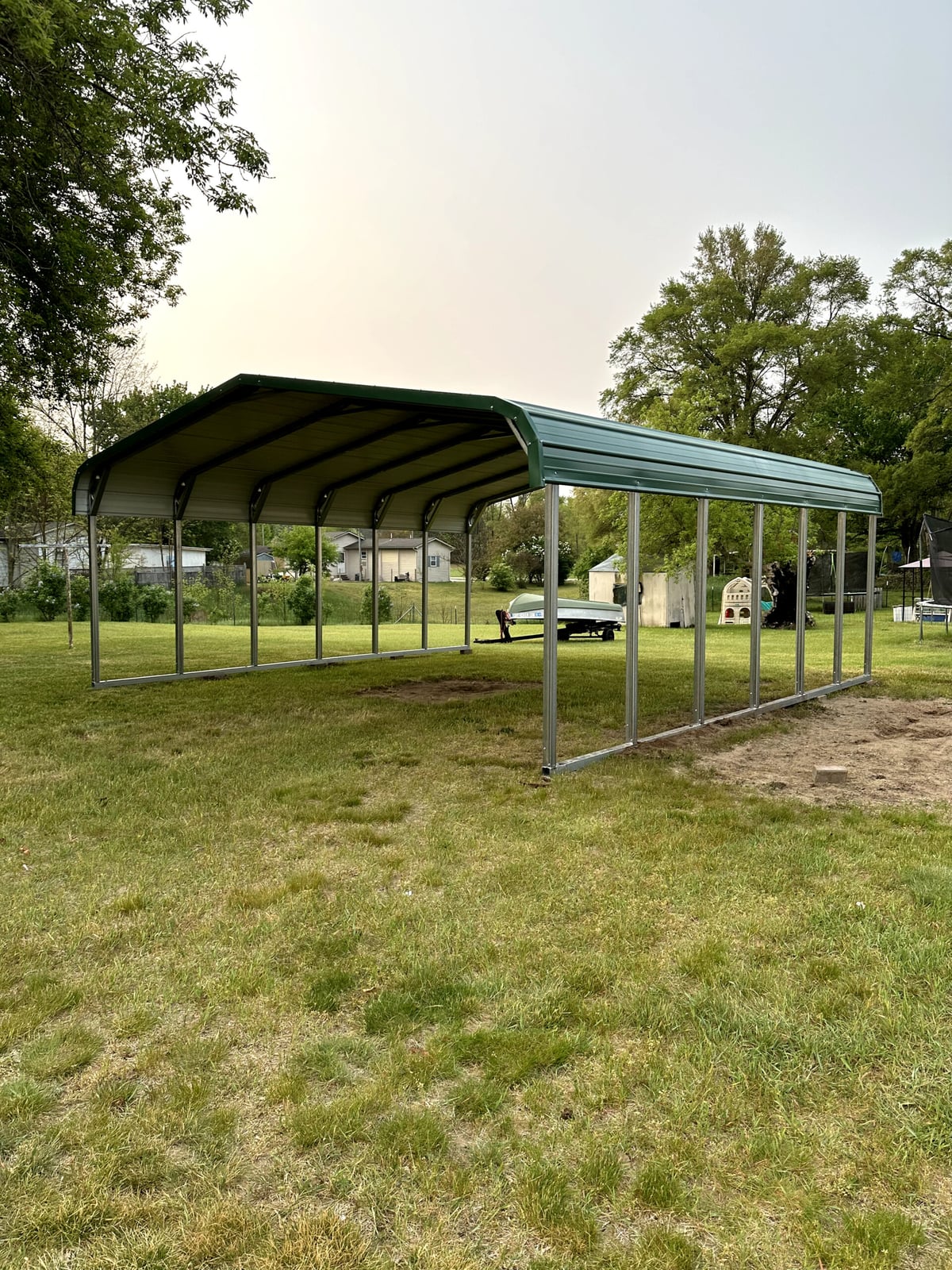
A 12×20 metal carport with sides serves numerous purposes beyond basic vehicle storage. The enclosed sides expand functionality by creating a more controlled environment suitable for various applications.
Popular uses include:
- Two-car parking with weather protection
- Single vehicle storage plus workshop space
- Boat or RV storage during off-season
- Equipment shelter for lawn care tools and machinery
- Temporary storage during home renovations
- Covered outdoor workspace for projects
- Protected area for outdoor furniture and grills
The addition of sidewalls transforms how you can use the space. Unlike open carports where wind-driven rain still reaches stored items, side panels create a protected zone that keeps contents significantly drier. This protection proves invaluable for items sensitive to moisture damage or those requiring security from casual observation.
For property owners seeking maximum versatility, Metal Carport options through an interactive design center allow you to configure specifications precisely to your needs, visualizing the finished structure before making purchasing decisions.
Cost Factors and Budget Considerations
Understanding the price components of a 12×20 metal carport with sides helps you budget appropriately and identify where to invest for the best long-term value. Multiple factors influence the final cost beyond the base structure price.
| Cost Factor | Impact | Typical Price Range |
|---|---|---|
| Base structure (12×20) | Foundation cost | $1,800 – $3,500 |
| Side panel additions | Per side enclosed | $300 – $600 each |
| Roof style upgrade | Vertical vs. regular | $400 – $800 |
| Gauge upgrades | 14 to 12 gauge | $200 – $400 |
| Height increases | Per foot over standard | $150 – $300 |
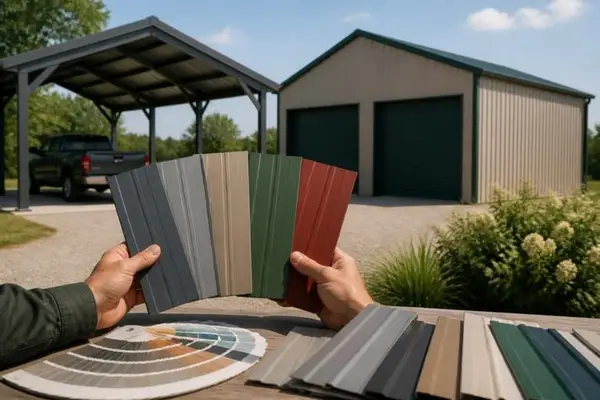
| Color options | Premium colors | $100 – $300 |
| Delivery distance | Mileage from manufacturer | $0 – $500+ |
Most reputable manufacturers include standard delivery and installation within a certain radius of their facilities. Extended delivery distances may incur additional fees that should be factored into your total investment. Understanding factors that affect metal carport pricing helps you anticipate costs accurately.
The most cost-effective approach involves selecting features that address your primary needs while avoiding unnecessary upgrades. For instance, if you live in a moderate climate without heavy snowfall, a standard roof style may suffice rather than the premium vertical roof option. Conversely, investing in heavy-gauge framing and full side enclosure in harsh climates pays dividends through extended structure life and superior protection.
Financing and Payment Options
Many suppliers offer purchasing options that make acquiring a 12×20 metal carport with sides more accessible. Rent-to-own programs allow you to spread payments over 36 to 60 months without credit checks in many cases. This approach benefits property owners who need immediate protection for vehicles or equipment but prefer manageable monthly payments over a large upfront expense.
Traditional financing through personal loans or home equity lines of credit may offer lower interest rates for buyers with strong credit profiles. Compare all available options to determine which payment structure aligns best with your financial situation.
Maintenance and Long-Term Care
One of the primary advantages of a 12×20 metal carport with sides is the minimal maintenance required compared to wood structures. However, some basic care extends the life of your investment and maintains its appearance.
Essential maintenance tasks include:
- Inspecting fasteners and tightening loose bolts annually
- Removing debris accumulation from roof and gutters
- Checking for and addressing any rust spots promptly
- Washing panels to remove corrosive substances (salt, chemicals)
- Verifying anchor stability after severe weather events
The galvanized steel construction used in quality metal carports naturally resists rust formation, but areas where the protective coating becomes damaged require attention. Small rust spots can be treated with rust converter and touch-up paint to prevent spreading. This simple intervention prevents minor issues from becoming major structural concerns.
Snow load management becomes important in regions experiencing heavy winter precipitation. Even structures designed for snow loads benefit from removing excessive accumulation during major storms. A roof rake allows you to clear snow safely from ground level without climbing on the structure.
Comparing Open Carports to Enclosed Options
Understanding the differences between a standard open carport and a 12×20 metal carport with sides helps clarify which configuration best suits your needs. Each style offers distinct advantages depending on your priorities and intended use.
Protection Level Comparison
Open carports provide overhead protection from sun, rain, and snow but offer limited defense against wind-driven precipitation and blowing debris. Side panels dramatically improve weather protection by blocking horizontal elements that otherwise reach stored items.
Full enclosure with a garage-style door transforms the structure into secure storage comparable to traditional garages. This configuration protects against theft, vandalism, and unauthorized access while providing complete weather sealing. For property owners prioritizing security, fully enclosed metal carports deliver maximum protection at a reasonable cost premium over partially enclosed designs.
Ventilation and Accessibility Considerations
While side panels enhance protection, they reduce natural ventilation compared to open designs. This trade-off matters for uses involving fumes, moisture, or heat buildup. Adding vents or leaving one end completely open maintains airflow while still providing three-sided weather protection.
Accessibility also factors into the decision. Open carports allow entry from any direction, while enclosed designs require planning entry points during the initial installation. Most owners choose to leave one 12-foot end completely open for easy vehicle access while enclosing the other three sides.
Permit Requirements and Building Codes
Before purchasing a 12×20 metal carport with sides, research local permit requirements and building codes that may affect installation. Regulations vary significantly by jurisdiction, and compliance ensures you avoid fines or forced structure removal.
Common regulatory considerations include:
- Setback requirements: Minimum distances from property lines (typically 5-10 feet)
- Height restrictions: Maximum structure height in residential zones
- Wind and snow load ratings: Engineered certifications for local conditions
- Foundation specifications: Required anchoring methods and depth
- HOA approvals: Homeowner association architectural review processes
Many areas exempt accessory structures under a certain size from permit requirements, but confirming this with your local building department prevents costly assumptions. Even when permits aren't required, following manufacturer installation specifications ensures the structure performs safely and reliably.
Working with established suppliers who understand regional requirements streamlines the compliance process. Experienced providers can recommend configurations that meet local codes while optimizing your budget and functionality requirements. Selecting the right dealer with regional expertise provides valuable guidance through the permitting process.
Weather Performance and Climate Suitability
A 12×20 metal carport with sides must withstand the specific weather challenges present in your location. Different climate zones present unique demands that influence design choices and specification requirements.
Regional Climate Considerations
Hot, sunny climates: UV-resistant panel coatings prevent color fading and maintain appearance. Lighter colors reflect heat rather than absorbing it, reducing temperature buildup inside the structure. Adequate roof pitch ensures proper drainage during occasional heavy rains.
Cold, snowy regions: Vertical roof designs shed snow efficiently, preventing dangerous accumulation that could exceed load ratings. Heavier gauge framing provides additional strength for combined snow and wind loads. Full side enclosure prevents wind-driven snow from reaching stored items.
Coastal areas: Salt air accelerates corrosion on unprotected metal. Premium galvanization treatments and regular washing remove salt deposits before they compromise the protective coating. Additional considerations for coastal installations include using stainless steel fasteners that resist salt corrosion better than standard hardware.
Hurricane-prone zones: Enhanced anchoring systems and engineered certifications for high wind loads become essential. Some jurisdictions require specific wind ratings (such as 140 mph certification) for structures in designated wind zones. Verify that your chosen structure meets or exceeds local wind load requirements.
Adding Value to Your Property
Installing a 12×20 metal carport with sides can positively impact property value and appeal to future buyers. The structure provides functional benefits that potential purchasers recognize and appreciate.
Value-adding features include:
- Protected parking that prevents vehicle weather damage
- Additional secure storage reducing household clutter
- Versatile space adaptable to various uses
- Low-maintenance construction requiring minimal upkeep
- Professional appearance enhancing curb appeal
While the exact return on investment varies by location and real estate market conditions, most appraisers recognize properly installed metal structures as permanent improvements that add functional square footage to properties. The key to maximizing value lies in professional installation, quality materials, and maintaining the structure properly throughout ownership.
Matching the carport color and style to existing structures on your property creates visual harmony that enhances overall appeal. Many manufacturers offer color selections that coordinate with common roof and siding colors, allowing seamless integration with your home's aesthetic.
Accessories and Enhancement Options
Beyond the basic structure, numerous accessories enhance the functionality and convenience of your 12×20 metal carport with sides. These additions customize the space for specific uses and improve the overall user experience.
Available enhancement options include:
- Gutters and downspouts: Direct water away from the foundation and prevent erosion
- Lean-to additions: Expand covered area for additional storage needs
- Windows: Provide natural light and ventilation in enclosed designs
- Walk-in doors: Offer convenient access without opening large vehicle doors
- Insulation packages: Regulate temperature for climate-controlled storage or workspace use
- Electrical wiring: Enable lighting, power tools, and equipment charging
- Shelving and storage systems: Maximize vertical space utilization
Planning for these additions during initial installation typically costs less than retrofitting later. Electrical conduit, for example, integrates cleanly during construction but requires exposed surface mounting when added afterward. Similarly, installing windows during initial assembly ensures proper sealing and weatherproofing.
For property owners seeking enhanced functionality, comparing multiple metal carport options helps identify which features different manufacturers include as standard versus upcharge accessories.
Quality Indicators and Warranty Coverage
Distinguishing high-quality 12×20 metal carports with sides from inferior alternatives requires understanding key quality indicators and warranty provisions. These factors reveal manufacturer confidence in their products and your recourse if problems develop.
Frame and Panel Quality Markers
Premium carports feature:
- Continuous welding rather than spot welds at critical joints
- Triple-layer galvanization for superior rust protection
- Certified gauge thickness meeting stated specifications
- Quality fasteners with protective coatings and proper torque ratings
- Panel lap orientation that sheds water away from enclosed areas
Manufacturer warranties typically cover different components for varying durations. Structural frame warranties commonly extend 20 years or more, while panel warranties against rust-through often run 10 to 20 years. Paint or color warranties protecting against fading usually span 10 to 15 years depending on the coating system used.
Read warranty terms carefully to understand what's covered, exclusions that void coverage, and the claims process. Some warranties require professional installation by manufacturer-approved crews, while others allow owner installation provided specifications are followed precisely. Understanding these requirements before purchase prevents warranty disputes later.
Seasonal Preparation and Weather Readiness
Preparing your 12×20 metal carport with sides for seasonal weather changes extends its service life and prevents avoidable damage. Different seasons present unique challenges requiring specific preparation steps.
Spring preparation:
- Inspect for winter damage to panels, fasteners, and anchors
- Clear drainage areas of debris accumulated during winter
- Check seals around doors, windows, and panel joints
- Address any rust spots discovered during inspection
Summer readiness:
- Verify roof fasteners remain tight after spring storms
- Clear accumulated plant material and nesting attempts
- Inspect for sun damage to seals and weatherstripping
- Ensure adequate ventilation for hot weather uses
Fall winterization:
- Remove leaf accumulation from roof valleys and gutters
- Inspect and tighten anchors before winter storms
- Check for gaps or openings where snow could enter
- Verify snow load capacity meets expected winter conditions
Winter maintenance:
- Monitor snow accumulation and remove excessive loads
- Keep entry areas clear of ice buildup
- Inspect after major storms for damage or stress indicators
- Maintain clearance around the structure for proper drainage
Property owners in regions with extreme seasonal variations should pay particular attention to maintenance recommendations specific to their climate zone to ensure optimal structure performance year-round.
Making the Final Decision
Selecting the right 12×20 metal carport with sides involves balancing your immediate needs, long-term plans, budget constraints, and site-specific factors. Creating a decision framework helps organize your priorities and identify the optimal configuration.
Decision-Making Checklist
Functional requirements:
- Primary use (vehicle storage, workshop, equipment shelter)
- Number of sides needed for adequate protection
- Required height clearance for vehicles or equipment
- Desired roof style based on climate conditions
- Necessary accessories or add-ons
Site considerations:
- Available space and setback compliance
- Ground conditions and foundation requirements
- Prevailing weather patterns and wind direction
- Sun exposure and shade patterns
- Accessibility for delivery and installation
Budget parameters:
- Maximum total investment including installation
- Preference for upfront payment versus financing
- Priority features versus nice-to-have options
- Long-term maintenance budget considerations
Provider evaluation:
- Manufacturer reputation and experience
- Warranty coverage and terms
- Installation services included
- Customization options available
- Customer service and support quality
Taking time to thoroughly evaluate these factors prevents buyer's remorse and ensures your investment delivers the performance and value you expect. The variety of metal carport designs available means rushing into a decision rarely benefits buyers as much as careful consideration of all options.
A 12×20 metal carport with sides offers exceptional versatility, weather protection, and value for property owners seeking reliable outdoor storage solutions. By understanding design options, quality indicators, and installation requirements, you can make an informed decision that serves your needs for decades to come. Metal Structure Sales LLC specializes in high-quality, customizable metal structures with delivery and installation included, helping you find the perfect carport solution tailored to your specific requirements and budget.