

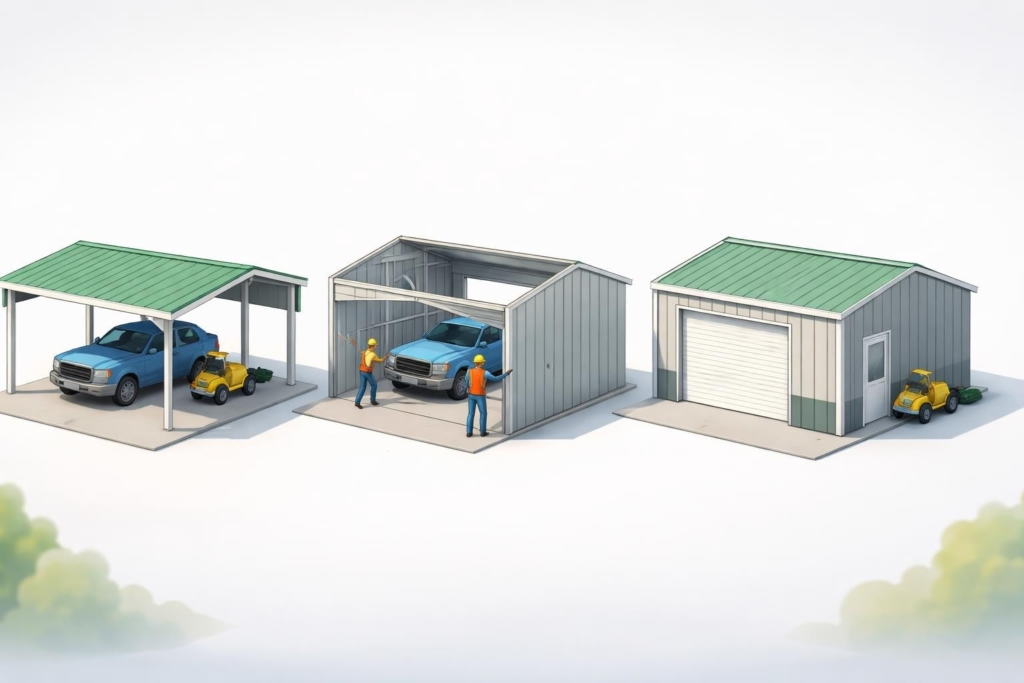
When it comes to protecting your valuable vehicles, equipment, and belongings from the elements, nothing compares to the comprehensive coverage provided by a fully enclosed structure. While open carports offer basic overhead protection and partially enclosed options provide limited side coverage, fully enclosed metal buildings deliver complete security and weather resistance on all sides. Understanding the advantages, design considerations, and applications of these structures helps property owners make informed decisions about their storage and protection needs.
Understanding Fully Enclosed Metal Structures
A fully enclosed metal building features walls on all four sides, creating a complete barrier between your stored items and external weather conditions. Unlike traditional carports that leave sides exposed or partially enclosed variants with one or two walls, these structures function as standalone buildings with doors for access and ventilation options for climate control.
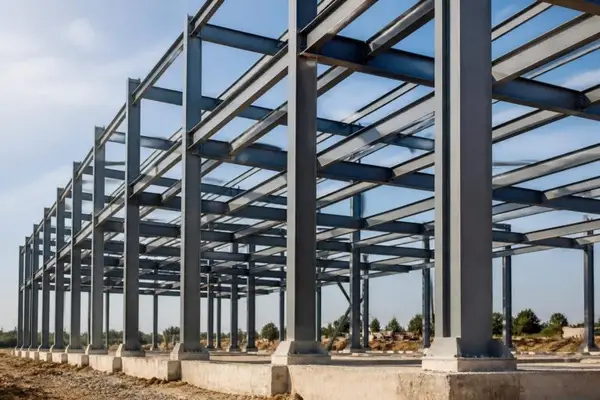
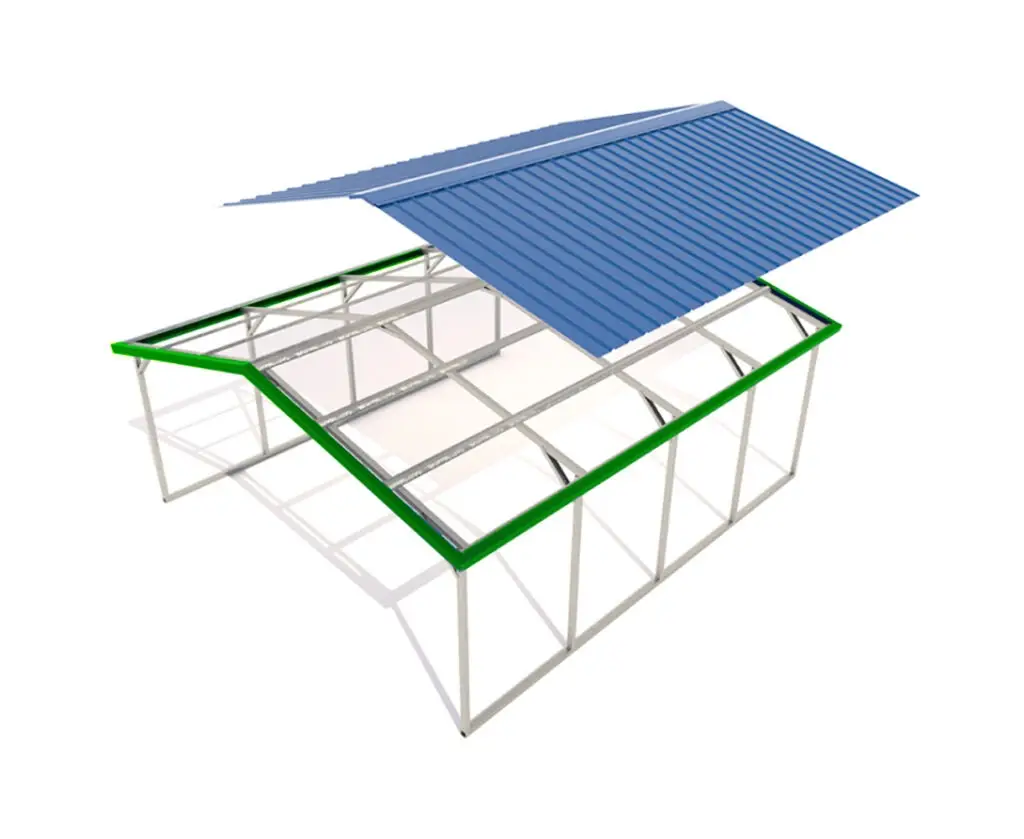
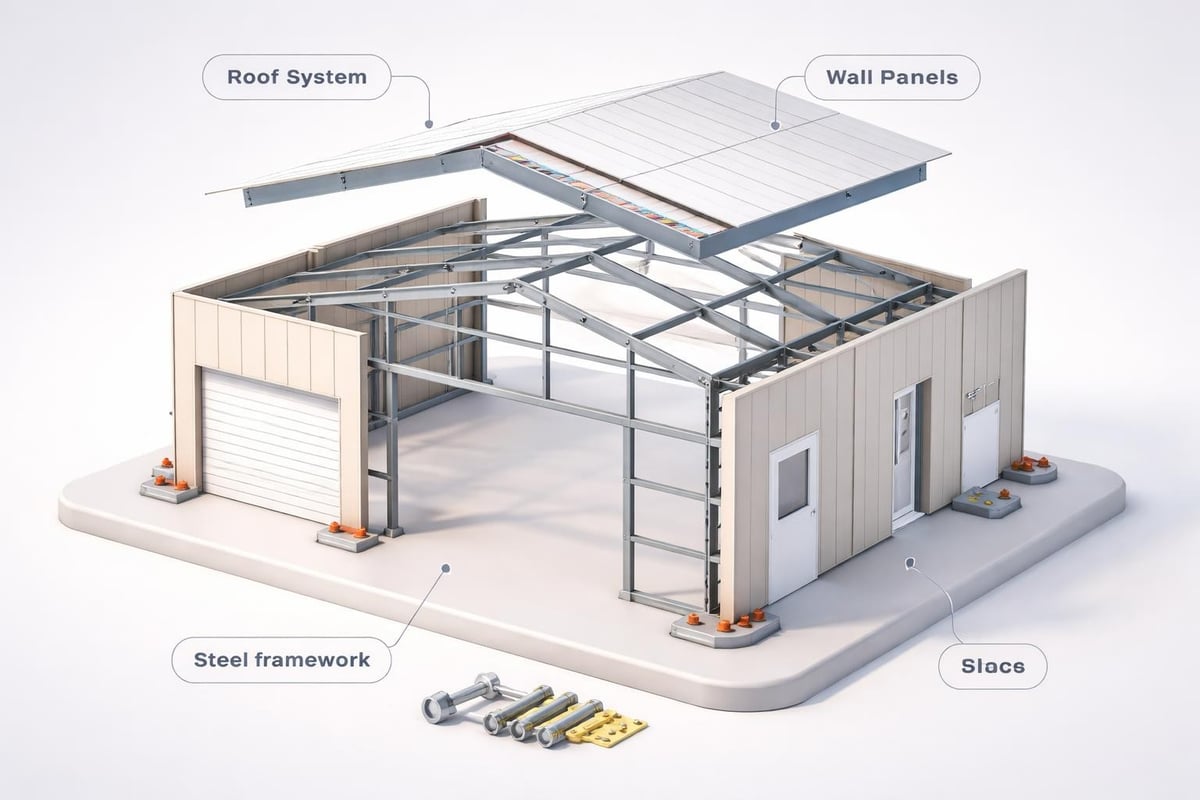
The construction typically involves a steel frame system with metal wall panels attached to vertical posts and horizontal girts. Roof systems connect to the walls, creating a seamless protective envelope. This comprehensive coverage eliminates exposure to wind-driven rain, snow accumulation, and debris that can damage vehicles or equipment over time.
Key Structural Components
Every fully enclosed building relies on several essential elements working together:
- Steel framework providing structural integrity and load-bearing capacity
- Wall panels on all four sides offering complete enclosure
- Roof system (regular, boxed eave, or vertical style) for optimal water drainage
- Access doors including roll-up, walk-in, or overhead garage doors
- Foundation anchoring securing the structure to concrete or ground anchors
- Trim and flashing sealing joints and preventing water infiltration
The vertical roof style offers superior performance in areas with heavy snow or rainfall, as the panels run vertically from peak to eave, allowing precipitation to slide off efficiently. This design consideration becomes particularly important when planning a fully enclosed metal structure for regions with challenging weather patterns.
Advantages Over Partial Enclosure Options
Property owners frequently debate between partial and complete enclosure solutions. The differences between partially and fully enclosed carports highlight distinct performance characteristics that influence long-term satisfaction and utility.
Complete weather protection stands as the primary advantage. Fully enclosed buildings shield contents from all angles, preventing wind-driven moisture, dust accumulation, and UV damage. Partially enclosed structures leave at least one side open, allowing weather elements to reach vehicles and stored items during storms or high winds.
Security and Access Control
Security represents another significant distinction. A fully enclosed structure with lockable doors provides theft deterrence that open or partially enclosed options cannot match. This feature proves especially valuable for storing:
- High-value vehicles including classic cars, motorcycles, and recreational vehicles
- Expensive equipment such as lawn care machinery, tools, and automotive parts
- Personal belongings requiring climate-controlled or secure storage
- Business inventory needing protection from both weather and unauthorized access
The ability to control access transforms a simple storage space into a secure facility. Installing quality locking mechanisms on entry doors creates peace of mind that contents remain protected when you're away from the property.
Design Considerations for Maximum Functionality
Planning a fully enclosed metal building requires attention to multiple factors affecting both immediate functionality and long-term satisfaction. Size selection determines what you can store and how efficiently you can use the space.
| Dimension | Typical Use | Capacity |
|---|---|---|
| 12' x 21' | Single vehicle storage | 1 car plus minimal storage |
| 18' x 26' | Two-vehicle protection | 2 cars or 1 truck with equipment |
| 24' x 30' | Workshop with parking | 2 vehicles plus workspace |
| 30' x 40' | Multi-purpose facility | 3-4 vehicles or mixed commercial use |
Height considerations impact both clearance for tall vehicles and potential for overhead storage solutions. Standard 8-foot leg height accommodates most passenger vehicles, while 10 to 12-foot options work better for lifted trucks, RVs, or when installing overhead storage racks.
Door Placement and Size
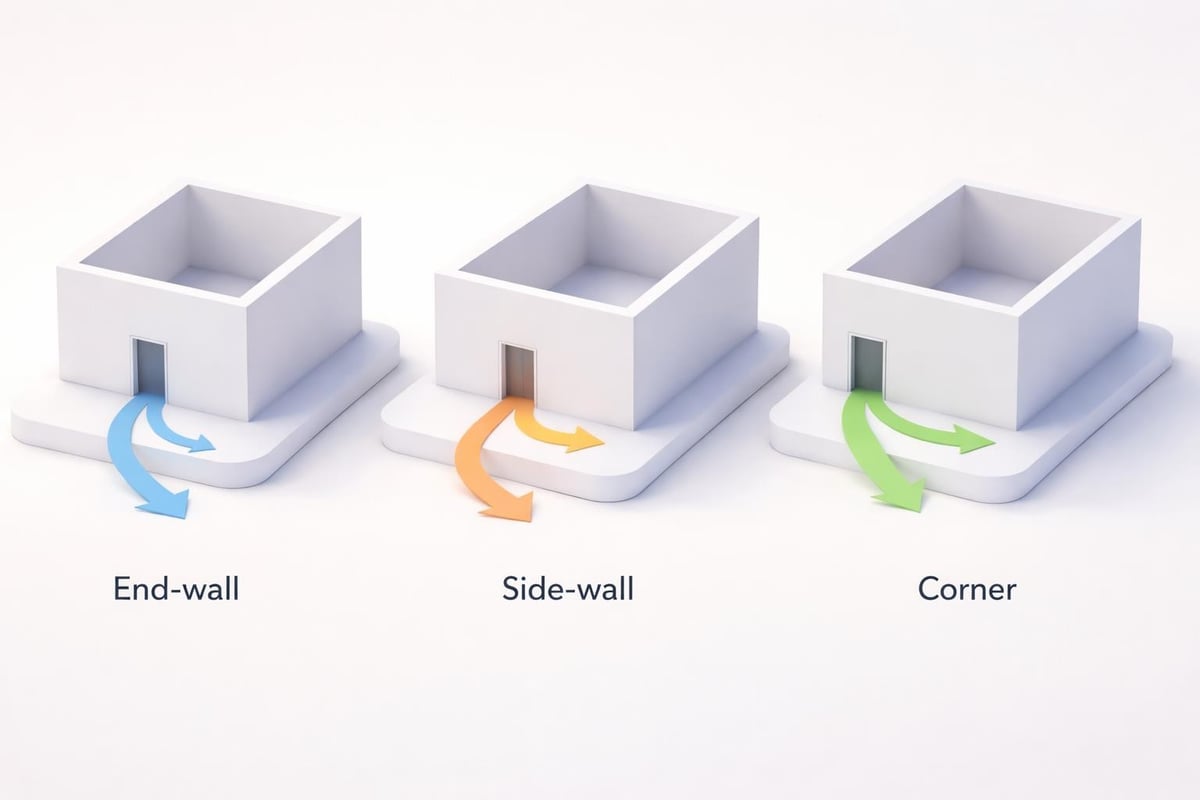
Strategic door positioning affects workflow and accessibility. Gable end placement works well for drive-through access when the structure sits on a narrow lot, while side wall doors suit properties with width but limited depth.
Door size must accommodate your largest vehicle with clearance on both sides. A 10-foot-wide garage door handles most cars, but trucks and equipment often require 12-foot or wider openings. Walk-in doors provide convenient access without opening large overhead doors for quick errands.
Ventilation becomes critical in fully enclosed spaces to prevent moisture buildup and maintain air quality. Ridge vents, gable vents, and windows allow air circulation while maintaining security and weather protection. Some owners install exhaust fans for active ventilation when using the space as a workshop.
Applications Beyond Vehicle Storage
While vehicle protection remains the most common application, fully enclosed metal buildings serve diverse purposes across residential, agricultural, and commercial properties. The versatility of these structures makes them valuable investments that adapt to changing needs over time.
Workshop facilities benefit from complete enclosure, allowing year-round operation regardless of weather conditions. Climate control becomes feasible with insulation and HVAC systems, creating comfortable working environments. Electrical service installation supports power tools, lighting, and equipment charging stations.
Agricultural and Livestock Uses
Farm operations utilize fully enclosed structures for equipment storage, feed protection, and livestock shelter. Metal horse barns exemplify this application, providing stalls, tack rooms, and hay storage within a single building. The durability and low maintenance requirements of metal construction suit agricultural environments where structures face daily use and exposure to various environmental challenges.
Commercial applications include:
- Equipment rental facilities securing inventory from weather and theft
- Automotive repair shops providing enclosed service bays
- Retail storage protecting overflow inventory and seasonal merchandise
- Contractor staging areas housing tools, materials, and project equipment
The flexibility to customize interior layouts with workbenches, shelving systems, and partitions allows these structures to serve specialized functions while maintaining the protective envelope that defines fully enclosed construction.
Cost Factors and Long-Term Value
Investment in a fully enclosed metal building involves higher upfront costs compared to open or partially enclosed alternatives, but the expanded protection and functionality often justify the premium. Several variables influence total project expenses and should be evaluated during the planning phase.
Material specifications directly impact both cost and performance:
- Gauge thickness of steel framing (12-gauge, 14-gauge)
- Panel gauge for walls and roof (26-gauge, 29-gauge)
- Roof style selection (regular, boxed eave, vertical)
- Certification requirements for wind and snow loads
Customization adds functionality but increases investment. Insulation packages improve climate control and energy efficiency when heating or cooling the space. Upgraded door systems, windows, and interior finishes enhance usability but require budget consideration. Metal carports with enclosed storage options demonstrate how flexible design choices accommodate various budgets while delivering core protection benefits.
Return on Investment Considerations
Long-term value extends beyond initial purchase price. Maintenance requirements for metal buildings remain minimal compared to wood or masonry construction. Steel doesn't rot, warp, or attract pests, eliminating ongoing treatment and repair expenses common with other materials.
Property value enhancement represents another consideration. Well-designed, properly installed fully enclosed buildings often increase real estate values by providing functional space that appeals to potential buyers. This appreciation proves especially significant in rural areas where storage and workshop facilities command premium valuations.
Insurance benefits may offset costs through reduced premiums for stored vehicles and equipment. Fully enclosed structures with lockable doors often qualify for lower insurance rates compared to items stored in open or minimally protected spaces. Consulting with insurance providers during planning reveals potential savings that improve overall investment economics.
Building Codes and Permit Requirements
Local regulations govern metal building installation across most jurisdictions, and understanding these requirements prevents costly delays or compliance issues. Zoning ordinances typically specify setback distances from property lines, maximum building heights, and acceptable land uses for different zoning classifications.
Permit applications require detailed plans showing:
- Foundation design and anchoring methods
- Structural specifications including frame gauge and spacing
- Wind and snow load certifications
- Electrical plans if installing service
- Site drainage and grading considerations
Certification requirements vary by region based on environmental conditions. Coastal areas mandate higher wind ratings, while northern climates require enhanced snow load capacity. Manufacturers provide engineered buildings with certified specifications matching local code requirements, simplifying approval processes.
Professional installation ensures compliance with building codes and manufacturer specifications. Experienced crews understand local requirements and perform work according to engineering standards. This expertise proves particularly valuable for fully enclosed structures where proper assembly affects structural integrity and weather resistance.
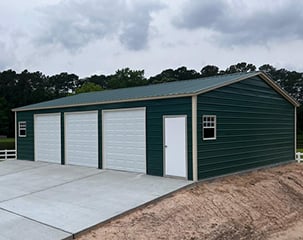
When you're ready to invest in complete protection for your vehicles and equipment, Fully Enclosed Metal Carports offer customizable solutions designed to meet your specific requirements. These buildings combine durability with flexibility, allowing you to configure the perfect space for your storage and workspace needs.
Insulation and Climate Control Options
Transforming a fully enclosed metal building into a comfortable workspace or climate-controlled storage facility requires proper insulation and environmental management. Thermal barriers prevent heat transfer through metal panels, moderating interior temperatures and reducing condensation formation.
Common insulation approaches include:
- Spray foam providing superior R-value and air sealing
- Fiberglass batts offering economical thermal resistance
- Reflective foil reducing radiant heat transfer in hot climates
- Rigid foam panels combining insulation with interior finish
Condensation management deserves attention in fully enclosed metal structures, as temperature differentials between interior and exterior surfaces create moisture accumulation potential. Proper ventilation strategies combined with vapor barriers prevent moisture problems that could compromise stored items or structural components.
HVAC Integration
Climate control systems maintain comfortable temperatures for workshop activities or protect temperature-sensitive storage. Mini-split systems provide efficient heating and cooling without requiring extensive ductwork. These units mount on walls or ceilings, offering zone control for large spaces.
| Climate Control Option | Best Application | Energy Efficiency |
|---|---|---|
| Mini-split system | Year-round climate control | High efficiency with zone control |
| Portable heaters | Supplemental heat for workshops | Moderate efficiency, flexible placement |
| Ceiling fans | Air circulation in mild climates | Very low energy consumption |
| Evaporative coolers | Dry climate cooling | High efficiency in low humidity |
Electrical planning should accommodate both current and potential future needs. Installing adequate circuit capacity, outlet placement, and lighting infrastructure during initial construction costs less than retrofitting later. Consider both general lighting for visibility and task lighting for detailed work areas.
Customization Features That Enhance Utility
Personalizing a fully enclosed metal building transforms a basic storage structure into a highly functional facility tailored to specific activities and storage requirements. Interior layouts can be modified with partition walls creating separate zones for different purposes.
Common customization elements include:
- Lean-tos extending covered area along one or more sides
- Porches providing protected entry areas and additional workspace
- Windows introducing natural light and ventilation
- Skylights illuminating interior spaces without wall penetrations
- Gutters and downspouts managing water runoff from roof surfaces
The modular nature of metal building construction facilitates future expansions when needs change. Adding length to an existing structure costs less than building a separate facility, and the seamless integration maintains aesthetic consistency across your property.
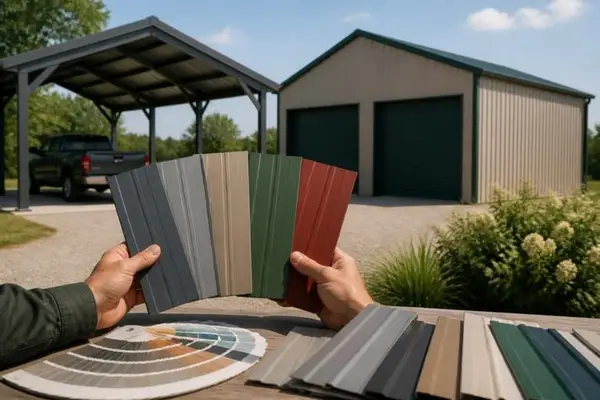
Color selection affects both appearance and performance. Lighter colors reflect solar radiation, reducing cooling loads in hot climates. Darker shades absorb heat, potentially beneficial in cooler regions. Trim accents in contrasting colors add visual interest while maintaining professional appearance.
Maintenance and Longevity Expectations
Properly maintained fully enclosed metal buildings deliver decades of reliable service with minimal ongoing care requirements. The durability of steel construction combined with protective coatings creates structures resistant to common degradation factors affecting other building materials.
Routine maintenance tasks include:
- Inspecting and tightening fasteners annually
- Checking sealant around doors and trim
- Cleaning gutters and downspouts
- Removing debris accumulation around foundation
- Touching up scratches in painted surfaces
Snow and ice management becomes important in northern climates. While engineered snow loads ensure structural integrity, removing heavy accumulations extends roof life and prevents ice dam formation. The steep pitch of vertical roof systems naturally sheds snow, reducing maintenance requirements compared to lower-slope designs.
Paint systems on quality metal buildings resist fading and weathering for many years. When refinishing becomes necessary after extended service, the smooth metal surfaces accept paint readily, providing opportunities to update colors or refresh appearance. This maintenance flexibility extends building lifespan well beyond initial expectations.
Comparing Metal to Alternative Construction Methods
Material selection influences both initial investment and long-term ownership experience. Understanding what defines metal carports and comparing them to wood or masonry alternatives reveals performance characteristics that inform purchase decisions.
Material Performance Comparison
| Factor | Metal Buildings | Wood Construction | Masonry Buildings |
|---|---|---|---|
| Installation time | 1-3 days | 2-6 weeks | 4-8 weeks |
| Maintenance needs | Minimal | Regular treatment required | Moderate |
| Pest resistance | Complete | Vulnerable to insects | High |
| Weather durability | Excellent | Requires protection | Excellent |
| Cost efficiency | High | Moderate | Low |
Fire resistance provides another advantage for metal construction. Steel doesn't burn, reducing fire spread risk compared to wood structures. This characteristic often results in lower insurance premiums and enhanced safety for stored vehicles and equipment.
Environmental considerations favor metal buildings through recyclability at end of service life. Steel recycles indefinitely without quality degradation, supporting sustainable construction practices. The manufacturing process for metal building components generates less waste compared to traditional construction methods.
Regional Considerations for Enclosed Structures
Geographic location influences design specifications and feature priorities for fully enclosed metal buildings. Enclosed carport benefits vary based on local climate patterns and environmental challenges.
Coastal regions require enhanced corrosion protection through galvanized steel and protective coatings that resist salt air exposure. Wind certifications must meet higher standards accounting for hurricane or tropical storm potential. Proper anchoring becomes critical where storm surge or flooding might affect foundation stability.
Northern climates prioritize snow load capacity and insulation performance. Vertical roof styles shed snow efficiently, preventing dangerous accumulations. Heated buildings require adequate insulation to maintain comfortable temperatures without excessive energy consumption. Vapor barriers prevent condensation from damaging stored items or structural components.
Desert and Arid Climate Adaptations
Hot, dry regions benefit from:
- Reflective roof coatings reducing solar heat gain
- Ventilation systems promoting air movement
- UV-resistant finishes preventing paint degradation
- Dust seals around doors and openings
Expansion and contraction from temperature fluctuations require proper fastener selection and installation techniques. Professional installers understand these regional considerations and adapt construction methods to local conditions, ensuring structures perform optimally regardless of environmental challenges.
Financing and Procurement Strategies
Acquiring a fully enclosed metal building involves several procurement approaches, each offering distinct advantages depending on financial circumstances and timeline requirements. Direct purchase provides immediate ownership without ongoing payment obligations, ideal when capital is available or when seeking to avoid interest charges.
Financing options make larger or more extensively equipped buildings accessible without depleting reserves:
- Manufacturer financing programs with competitive rates
- Home equity loans leveraging property value
- Personal loans for smaller structures
- Business financing for commercial applications
Lease-to-own arrangements allow immediate installation with monthly payments that build equity over time. This approach suits situations where current cash flow is limited but long-term ownership remains the goal. Comparing total costs across financing methods reveals the most economical path to ownership.
Timing purchases strategically can reduce costs through seasonal promotions or manufacturer incentives. Late fall and winter often feature discounts as companies prepare for spring demand increases. However, installation scheduling may face weather limitations in some regions during colder months.
Investing in a fully enclosed metal building provides comprehensive protection for vehicles, equipment, and valuable possessions while creating versatile space for workshops, storage, or specialized activities. The durability, low maintenance requirements, and customization flexibility of these structures deliver long-term value that justifies the initial investment. When you're ready to explore options for your property, Metal Structure Sales LLC offers high-quality, customizable metal structures with delivery and installation included, helping you find the perfect solution tailored to your specific needs.