

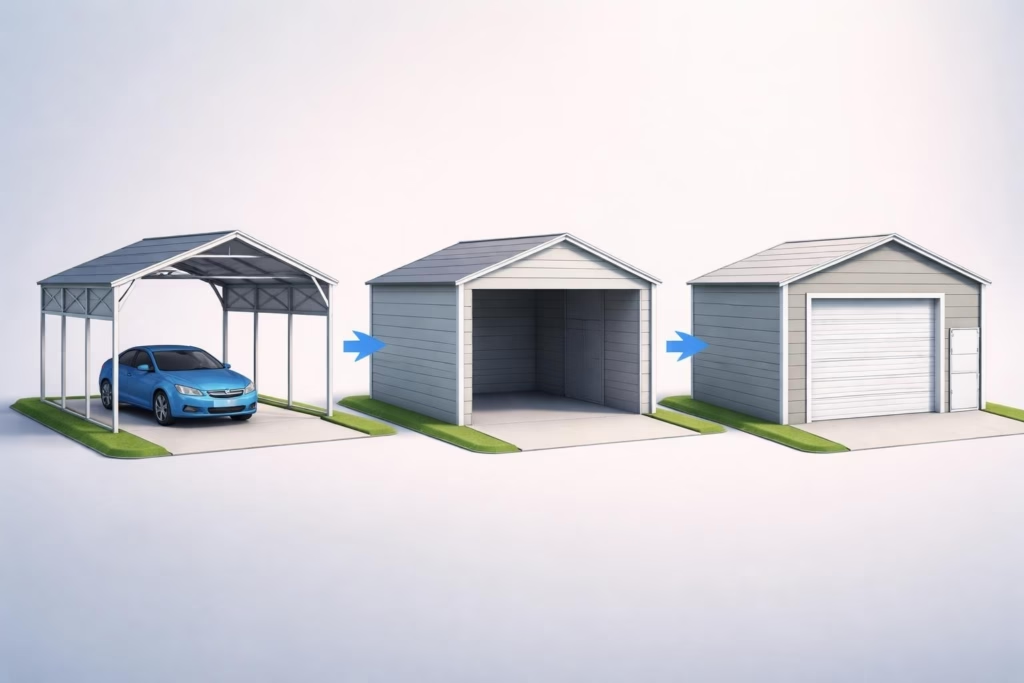
Converting a carport into a garage represents one of the most practical home improvement projects for property owners seeking enhanced security, weather protection, and increased property value. This transformation provides shelter from harsh weather conditions while adding functional storage space and protecting valuable vehicles from theft and environmental damage. Whether you own a metal structure or traditional carport, understanding the conversion process, associated costs, and regulatory requirements ensures a successful project outcome. The transition from open carport to enclosed garage involves careful planning, material selection, and compliance with local building codes.
Understanding the Conversion Process
Transforming an existing carport structure into a fully functional garage requires comprehensive planning and execution. The project encompasses multiple phases, from initial assessment through final finishing touches.
Initial Structure Assessment
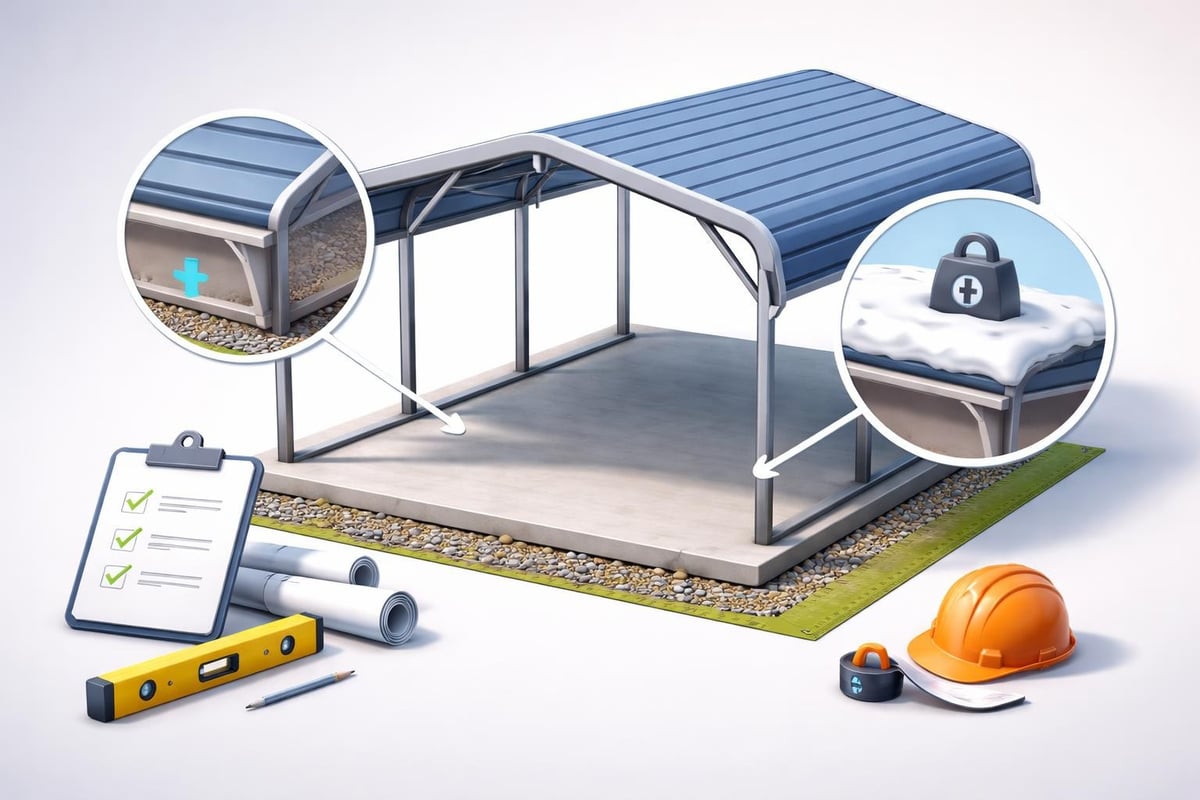
Before beginning any conversion work, conducting a thorough evaluation of your existing carport structure establishes a solid foundation for the project. This assessment determines whether your current framework can support the additional weight of walls, garage doors, and roofing modifications.
Key evaluation criteria include:
- Foundation integrity and load-bearing capacity
- Frame strength and structural stability
- Current dimensions and clearances
- Existing electrical and plumbing infrastructure
- Drainage patterns and water management systems
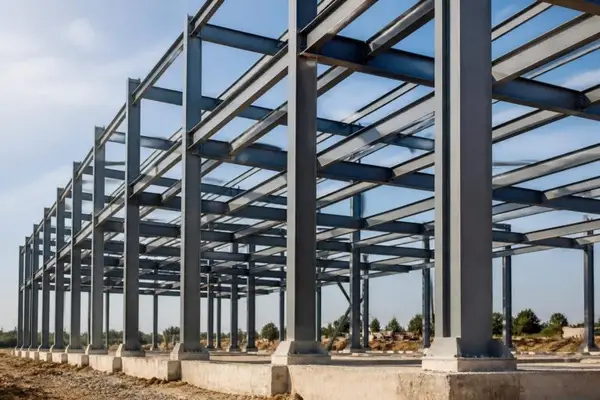
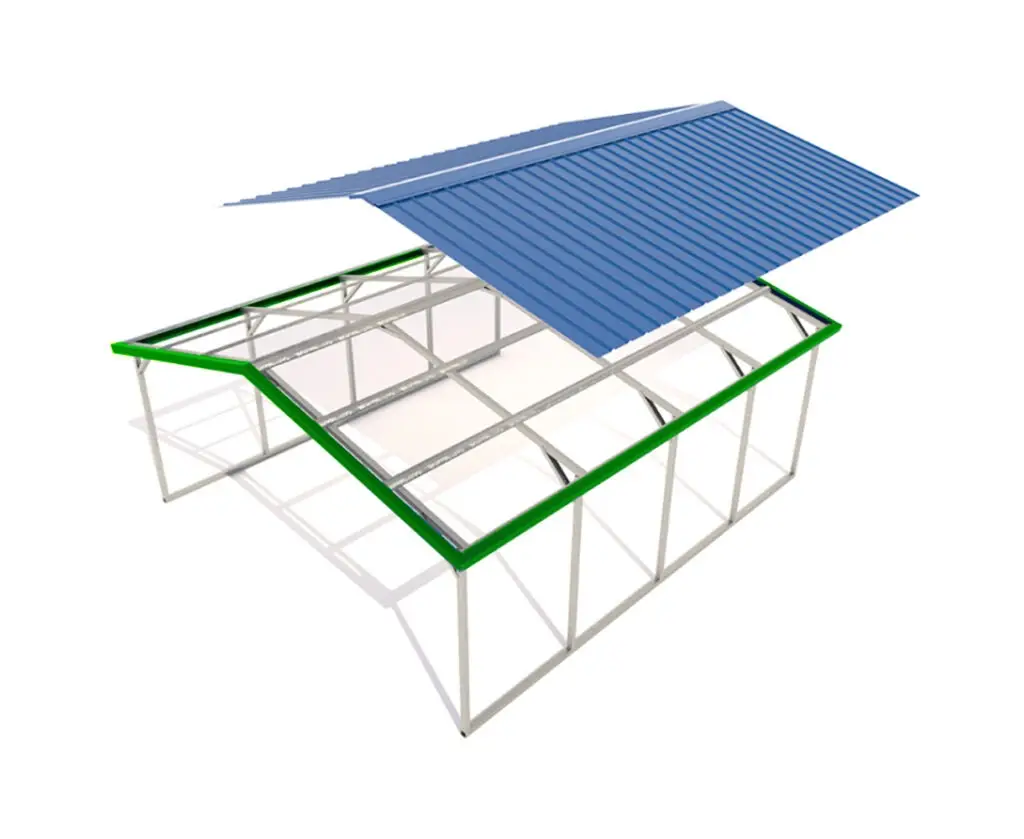
Metal carports typically offer excellent structural advantages for conversion projects due to their robust engineering and durability. The galvanized steel frames commonly used in these structures provide exceptional strength-to-weight ratios, making them ideal candidates for enclosure modifications.
A professional structural engineer can verify whether additional support columns, reinforced footings, or foundation upgrades are necessary. Understanding structural requirements before converting a carport to a garage helps prevent costly mistakes and ensures long-term stability.
Permit Requirements and Building Codes
Navigating local regulations represents a critical step in any carport into garage conversion project. Municipal building departments enforce specific codes governing structural modifications, electrical work, and property alterations.
Most jurisdictions require permits for:
- Structural enclosures and wall additions
- Electrical system modifications or installations
- Foundation changes or reinforcements
- Garage door installations
- Plumbing additions (if applicable)
The permit application process typically requires detailed plans, engineering specifications, and project timelines. Working with local authorities early in the planning phase prevents delays and ensures compliance with zoning restrictions, setback requirements, and building standards.
Some areas impose height limitations, material specifications, or aesthetic guidelines that influence design choices. Homeowners associations may also enforce additional restrictions regarding exterior appearance, color schemes, or architectural compatibility with surrounding properties.
Design Considerations and Material Selection
Creating a functional and aesthetically pleasing garage from your carport involves numerous design decisions that impact both performance and appearance.
Wall Construction Options
Selecting appropriate wall materials significantly influences the conversion's cost, durability, and insulation properties. Several viable options exist for enclosing your carport structure.
| Material Type | Cost Range | Durability | Insulation Value | Maintenance |
|---|---|---|---|---|
| Metal Panels | Moderate | Excellent | Good (with insulation) | Very Low |
| Wood Framing | Moderate-High | Good | Excellent | Medium |
| Vinyl Siding | Moderate | Very Good | Good | Low |
| Brick Veneer | High | Excellent | Fair | Very Low |
| Concrete Block | High | Excellent | Good | Very Low |
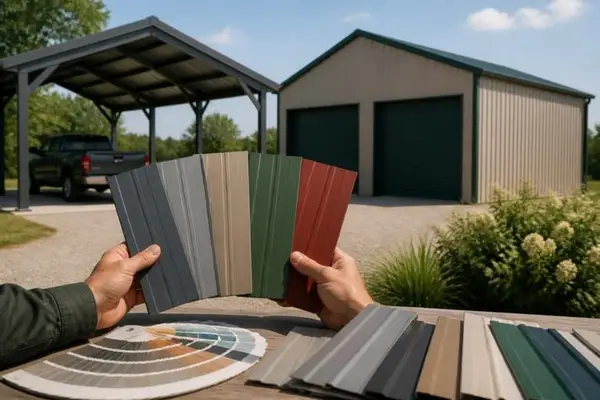
Metal panels offer exceptional advantages for carport into garage conversions, particularly when matching existing metal carport aesthetics. These panels resist warping, rotting, and pest damage while requiring minimal maintenance. When combined with proper insulation, metal walls provide excellent thermal performance.
The Metal Carport University offers extensive resources on metal building construction techniques and material specifications that prove invaluable during the planning phase.
Garage Door Selection and Installation
Installing a garage door transforms the open carport into a secure, weather-tight space. This critical component requires careful consideration of size, operation style, and material composition.
Popular garage door types include:
- Sectional overhead doors (most common)
- Roll-up doors (space-efficient)
- Swing-out carriage doors (traditional aesthetic)
- Slide-to-side doors (alternative operation)
Door dimensions must align with the existing carport opening, though modifications can accommodate non-standard sizes. Standard residential garage doors measure 8-9 feet high and 8-16 feet wide for single bays, while double bays typically range from 12-16 feet wide.
Professional installation ensures proper balance, smooth operation, and secure mounting. Understanding whether you can install a garage door on a carport involves assessing structural requirements and header support capabilities. Companies like NextLevel Garage Co. specialize in professional garage door installation and can ensure proper fitting and long-term reliability.
Cost Analysis and Budget Planning
Understanding the financial investment required for converting a carport into garage helps establish realistic expectations and prevents budget overruns.
Breakdown of Conversion Costs
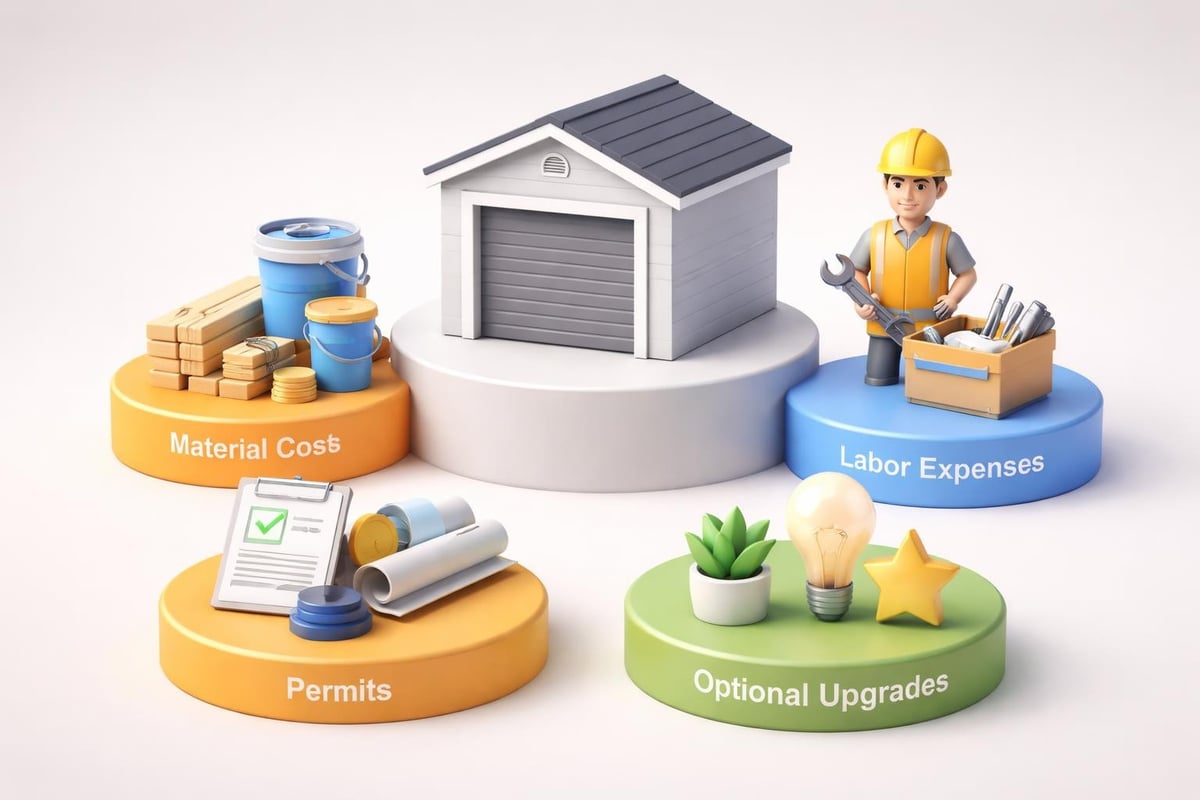
Conversion expenses vary significantly based on structure size, material choices, labor rates, and regional pricing differences. A comprehensive budget accounts for all project components.
Typical cost categories:
-
Materials ($3,000-$8,000)
- Wall panels or framing lumber
- Insulation materials
- Garage door and hardware
- Fasteners and trim pieces
-
Labor ($2,000-$6,000)
- Professional installation services
- Electrical work
- Foundation modifications
- Finishing and painting
-
Permits and Inspections ($200-$1,000)
- Building permits
- Inspection fees
- Plan review charges
-
Additional Features ($500-$3,000)
- Windows and ventilation
- Upgraded electrical panels
- Climate control systems
- Interior finishing
Total conversion costs typically range from $6,000 to $18,000 for standard single-car structures, while larger or more complex projects may exceed $25,000. These figures represent significant savings compared to constructing a new detached garage, which often costs $30,000-$60,000 or more.
Return on Investment Considerations
Beyond immediate functionality improvements, converting a carport into garage provides substantial long-term financial benefits. Real estate professionals consistently report that enclosed garages add more value than open carports.
Property value typically increases by 50-80% of the conversion cost, with some markets showing even higher returns. Additional benefits include reduced insurance premiums due to improved vehicle security and lower maintenance costs for protected vehicles.
For those concerned about upfront costs, exploring financing options makes the project more accessible while spreading payments over manageable terms.
Installation Process and Timeline
Executing a successful carport into garage conversion follows a logical sequence of construction phases, each building upon previous steps.
Step-by-Step Conversion Sequence
Professional contractors typically complete conversions within 1-3 weeks, depending on project complexity and weather conditions. Understanding the workflow helps coordinate timing and minimize disruption.
Phase 1: Preparation (1-2 days)
- Clear the carport area completely
- Mark utility line locations
- Set up temporary weather protection if needed
- Stage materials and equipment
Phase 2: Structural Modifications (2-4 days)
- Reinforce foundation if necessary
- Install header beams for garage door opening
- Add support columns or bracing
- Verify structural integrity
Phase 3: Wall Installation (3-5 days)
- Frame wall sections or attach metal panels
- Install insulation between framing members
- Apply exterior sheathing and weather barriers
- Seal all penetrations and joints
Phase 4: Garage Door Installation (1-2 days)
- Mount door tracks and hardware
- Install door panels and springs
- Connect opener mechanism
- Test operation and safety features
Phase 5: Electrical and Finishing (2-3 days)
- Run electrical wiring for outlets and lighting
- Install switches, receptacles, and fixtures
- Apply interior finishing materials
- Paint or coat surfaces as desired
Detailed conversion guidance provides additional insights into each construction phase and potential challenges that may arise during installation.
Essential Features and Upgrades
Converting a carport into garage presents opportunities to incorporate modern conveniences and enhanced functionality beyond basic enclosure.
Insulation and Climate Control
Proper insulation transforms your converted garage into a comfortable, energy-efficient space suitable for year-round use. Uninsulated structures experience extreme temperature fluctuations that limit usability and damage stored items.
Insulation options include:
- Fiberglass batts (R-13 to R-19 for walls)
- Spray foam (superior air sealing)
- Rigid foam panels (moisture-resistant)
- Reflective barriers (radiant heat control)
Installing insulation during the conversion process proves far more cost-effective than retrofitting later. Metal structures particularly benefit from insulation, as bare metal conducts heat rapidly, creating condensation issues and temperature extremes.
Climate control additions such as mini-split heat pumps, ceiling fans, or radiant heaters extend the garage's functionality as a workshop, storage area, or hobby space. Proper ventilation systems prevent moisture accumulation and maintain healthy air quality.
Electrical System Enhancements
Modern garages require adequate electrical capacity for lighting, power tools, vehicle charging, and automated door openers. Converting your carport into garage provides the perfect opportunity to upgrade electrical infrastructure.
Recommended electrical components:
- Dedicated 20-amp circuits for power tools
- LED lighting fixtures with adequate lumens
- Multiple outlet locations at convenient heights
- GFCI protection for safety compliance
- Electric vehicle charging station preparation
Licensed electricians ensure installations meet National Electrical Code requirements and local amendments. Proper circuit sizing prevents nuisance breaker trips and supports future expansion needs.
The component visualizer tool helps you explore different configuration options and visualize how various features integrate with your converted structure.
Metal Structure Advantages for Conversion
Metal carports offer distinct advantages when undertaking a carport into garage conversion project compared to traditional wooden structures.
Structural Benefits of Metal Frameworks
Engineered metal carports feature precisely manufactured components that maintain dimensional accuracy and structural integrity throughout the conversion process. The galvanized steel frames resist warping, settling, and deterioration that commonly affect wood structures over time.
Key advantages include:
- Pre-engineered strength for reliable load distribution
- Corrosion-resistant coatings that extend service life
- Minimal maintenance requirements after conversion
- Fire-resistant properties that enhance safety
- Pest immunity preventing termite or rodent damage
Metal panels coordinate seamlessly with existing carport aesthetics when used for wall enclosure. This material consistency creates visual harmony while simplifying installation procedures and reducing labor costs.
When you're ready to begin your conversion, consider starting with a quality metal structure designed for versatility. Fully Enclosed Metal Carports provide the framework necessary for creating secure, durable garage spaces that protect your valuable assets.
Customization Flexibility
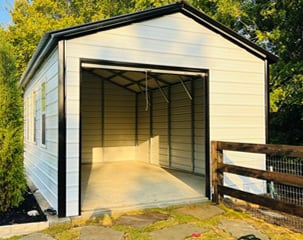
Metal building systems accommodate extensive customization during the conversion process. Modular design allows easy integration of windows, personnel doors, and ventilation systems without compromising structural integrity.
Panel colors, trim options, and architectural details can match existing home exteriors or create distinctive appearances. The FAQ section addresses common questions about customization possibilities and modification procedures.
Regional suppliers offer structures specifically engineered for local climate conditions. Whether you need a conversion in Tennessee, Ohio, or California, specialized designs account for snow loads, wind ratings, and seismic requirements.
Common Challenges and Solutions
Every carport into garage conversion presents unique obstacles that require thoughtful problem-solving and experienced execution.
Foundation and Floor Issues
Existing carport foundations may lack the specifications required for enclosed garage structures. Inadequate footings, improper drainage, or settling can compromise the converted building's performance.
| Challenge | Solution | Approximate Cost |
|---|---|---|
| Inadequate drainage | Install French drains or grade adjustments | $500-$2,000 |
| Cracked concrete pad | Epoxy injection or replacement sections | $300-$3,000 |
| Insufficient footings | Pour additional foundation supports | $1,000-$4,000 |
| Uneven floor surface | Self-leveling compound application | $400-$1,500 |
Professional contractors assess foundation conditions early in the project timeline, allowing proactive solutions before wall installation begins. Planning considerations for carport conversions emphasize foundation evaluation as a critical success factor.
Weather Protection During Construction
Protecting the work site and stored items during multi-day conversion projects prevents water damage and material degradation. Temporary tarps, weatherproof barriers, and strategic scheduling around forecast conditions maintain project momentum.
Creating weather-tight seals around garage door openings, wall penetrations, and roof transitions prevents moisture intrusion that leads to rust, mold, or structural damage. Quality flashing, caulking, and weatherstripping ensure long-term performance.
Maximizing Your Converted Garage Space
Once conversion completes, optimizing the interior layout enhances functionality and storage capacity.
Storage Solutions and Organization
Enclosed garages provide secure environments for implementing sophisticated storage systems. Wall-mounted shelving, overhead racks, and pegboard tool organization maximize vertical space while maintaining floor area for vehicle parking.
Effective storage strategies include:
- Ceiling-mounted platforms for seasonal items
- Slatwall systems with interchangeable accessories
- Enclosed cabinets for chemical and paint storage
- Workbench installations with integrated tool storage
- Bike racks and sports equipment organizers
Professional garage storage specialists design custom solutions that accommodate specific needs and workflow patterns. Proper organization prevents clutter accumulation and maintains the garage's primary vehicle protection function.
Multi-Purpose Functionality
Modern converted garages serve multiple roles beyond simple vehicle storage. With proper insulation, electrical systems, and finishing, these spaces become workshops, home gyms, hobby areas, or small business locations.
Zoning the interior creates dedicated areas for different activities while maintaining vehicle access. Epoxy floor coatings, climate control systems, and sound insulation transform basic garage spaces into comfortable, functional environments suitable for extended use.
The blog section features numerous articles exploring creative garage uses and optimization strategies that maximize return on your conversion investment.
Professional Installation vs. DIY Approach
Deciding whether to hire professionals or attempt self-installation significantly impacts project outcomes, timelines, and costs.
When to Hire Professionals
Complex carport into garage conversions typically benefit from professional expertise, particularly for structural modifications, electrical work, and garage door installation. Licensed contractors carry insurance, provide warranties, and ensure code compliance.
Projects requiring professional assistance:
- Foundation reinforcement or replacement
- Electrical system upgrades or installations
- Garage door mounting and adjustment
- Structural engineering modifications
- Permit applications and inspection coordination
Professional installation often proceeds faster than DIY attempts, minimizing disruption and weather exposure. Experienced crews anticipate challenges, possess specialized tools, and execute quality workmanship that ensures long-term satisfaction.
DIY Considerations and Limitations
Homeowners with construction experience may successfully complete certain conversion elements, particularly finishing work, painting, and basic assembly tasks. However, step-by-step conversion guides emphasize the importance of understanding technical requirements before attempting complex procedures.
Building codes strictly regulate structural, electrical, and life-safety components. Unpermitted work creates liability issues, complicates future property sales, and may require costly corrections when discovered during inspections.
DIY approaches work best for:
- Interior painting and finishing
- Simple shelving installation
- Non-structural decorative elements
- Insulation installation (with proper training)
Hybrid approaches combining professional structural work with DIY finishing often provide optimal cost-performance balance while ensuring code compliance and quality outcomes.
Regional Considerations and Climate Factors
Geographic location influences material selection, construction techniques, and feature priorities for carport into garage conversions.
Climate-Specific Requirements
Different regions demand specialized approaches to weatherproofing, insulation, and structural reinforcement. Northern climates require enhanced insulation and snow load capacity, while coastal areas need corrosion-resistant materials and hurricane-rated components.
Hot, arid regions benefit from reflective roof coatings and enhanced ventilation systems that reduce interior temperatures. Humid climates demand superior moisture barriers and ventilation to prevent condensation and mold growth.
Regional building codes reflect these climate considerations through specific requirements for wind ratings, seismic design, snow loads, and thermal performance. Suppliers in states like Kentucky, Alabama, and Oregon provide structures engineered for local conditions.
Material Selection by Region
Climate influences optimal material choices for converted garage walls, roofing, and insulation. Metal structures perform exceptionally well across diverse environments when properly specified and installed.
Coastal installations benefit from marine-grade fasteners and enhanced corrosion protection. Snow country applications require steeper roof pitches and reinforced framing. Desert environments demand UV-resistant coatings and thermal barriers.
Working with regional suppliers ensures access to appropriately rated materials and construction techniques proven effective in local conditions. The service area locator helps identify specialists familiar with your region's unique requirements.
Converting a carport into garage enhances property value, protects vehicles, and creates versatile storage space through careful planning and quality execution. Whether you're looking to upgrade an existing metal carport or start fresh with a structure designed for eventual conversion, Metal Structure Sales LLC provides customizable metal buildings engineered for durability and functionality. Their comprehensive solutions include delivery and installation, ensuring your project proceeds smoothly from initial design through final completion.