

A walled carport represents a significant upgrade from traditional open-sided structures, offering enhanced protection for vehicles and equipment while maintaining the versatility that makes carports attractive in the first place. Unlike fully enclosed garages, these partially enclosed structures strike a balance between accessibility and security, providing walls on one to three sides while keeping the convenience of easy vehicle access. As property owners seek more robust solutions for protecting their investments in 2026, understanding the benefits, design considerations, and construction requirements of a walled carport becomes essential for making informed decisions about vehicle protection.
Understanding Walled Carport Configurations
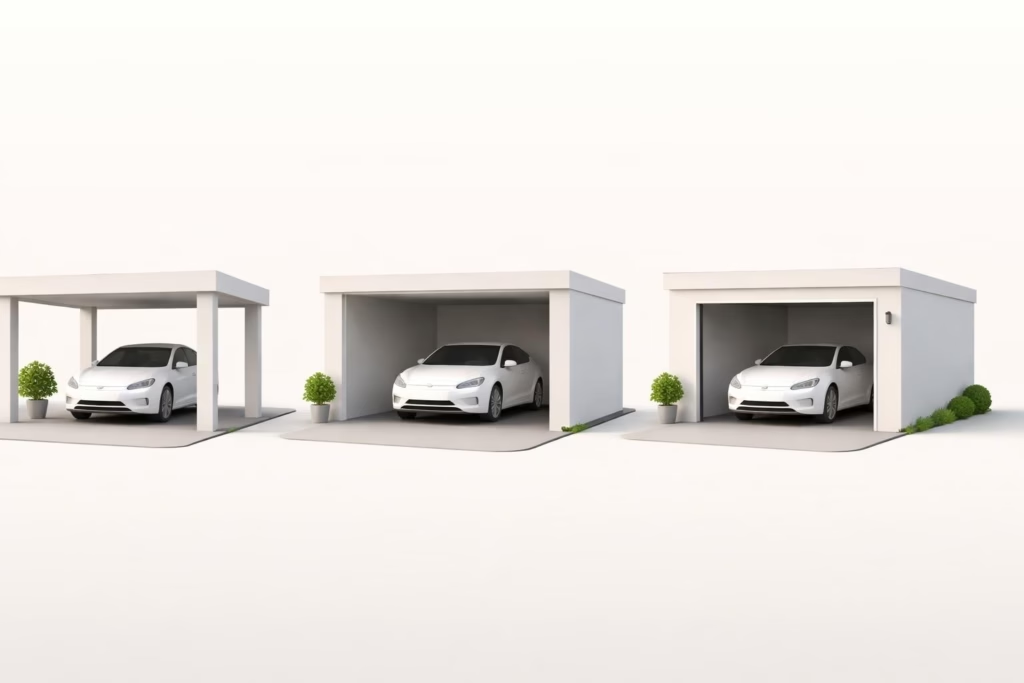
The fundamental appeal of a walled carport lies in its flexibility to match specific protection needs and budget constraints. These structures can incorporate walls on any combination of sides, creating multiple configuration options that serve different purposes.
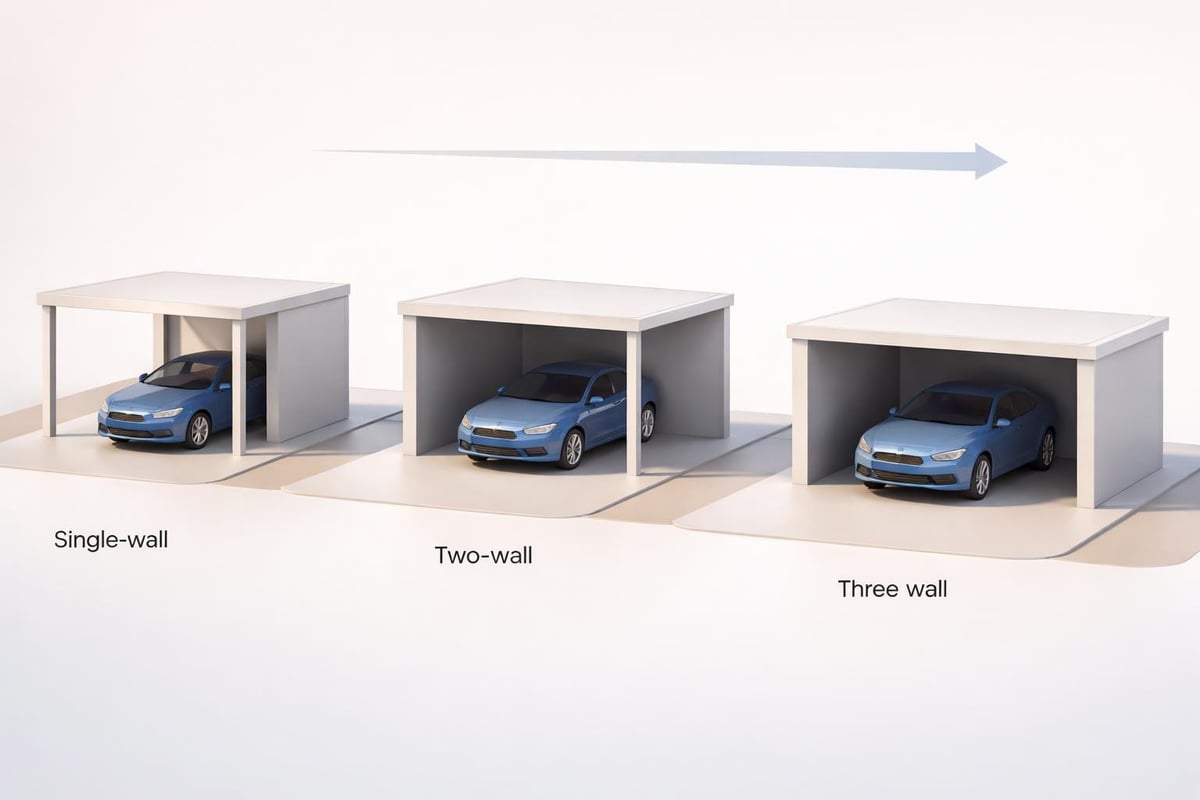
Single-Wall Options
A walled carport with one enclosed side typically features a wall on the rear or the side most exposed to prevailing winds. This configuration provides:
- Basic wind and weather protection from the dominant direction
- Cost-effective enhancement over open carports
- Minimal impact on vehicle access and maneuverability
- Ideal placement against existing structures or property lines
Property owners often choose single-wall configurations when they primarily need protection from directional weather patterns or want to create a visual barrier from neighboring properties. The open sides maintain excellent ventilation while the single wall provides a backdrop for storage or work areas.
Two-Wall and Three-Wall Designs
Increasing the number of walls dramatically enhances the protective capabilities of your structure. Two-wall configurations typically enclose the rear and one side, creating an L-shaped protection zone that shields vehicles from two directions simultaneously.
| Wall Configuration | Protection Level | Cost Factor | Best Use Case |
|---|---|---|---|
| One Wall | Basic | Lowest | Wind break, privacy screen |
| Two Walls (Adjacent) | Moderate | Medium | Corner placement, directional weather |
| Three Walls | High | Higher | Maximum protection, security needs |
| Four Walls (Garage) | Complete | Highest | Full enclosure, climate control |
Three-wall configurations leave only the front open, transforming the walled carport into a structure that closely resembles a traditional garage while maintaining the convenience of walk-around access and natural airflow. These designs excel in areas with harsh weather conditions or where security concerns warrant additional protection.
Material Selection for Walled Carport Construction
The materials you choose for your walled carport directly impact durability, maintenance requirements, and overall cost. Modern construction offers several viable options, each with distinct advantages.
Metal Construction Advantages
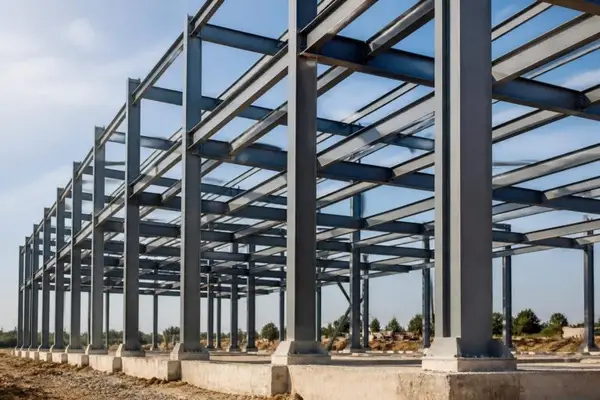
Metal stands out as the premier choice for walled carport construction in 2026, offering unmatched durability and low maintenance requirements. Steel frames resist warping, cracking, and pest damage that plague wooden structures, while metal panels provide superior weather resistance.
Key benefits of metal walled carports include:
- Lifespan exceeding 20-30 years with minimal maintenance
- Fire-resistant properties that may reduce insurance premiums
- Resistance to termites, rot, and moisture damage
- Quick installation compared to traditional construction methods
- Recyclable materials supporting environmental sustainability
Those looking to convert their carport into a more secure space might explore options for transforming a carport into a garage, which often begins with adding strategic walls. Metal construction particularly excels in this transition due to its modular nature and ease of modification.
Wood and Alternative Materials
Wood remains popular for property owners seeking a specific aesthetic or those with woodworking skills. Pressure-treated lumber provides reasonable longevity, though it requires regular sealing and maintenance to prevent deterioration.
Vinyl and composite materials offer middle-ground solutions, combining low maintenance with acceptable durability. However, these materials typically cost more initially than metal while providing comparable or inferior long-term performance.
Critical Design Considerations
Planning a walled carport requires careful attention to multiple factors that influence both functionality and compliance with local regulations.
Sizing and Clearance Requirements
Proper dimensions ensure your walled carport accommodates vehicles comfortably while meeting code requirements. Standard carport dimensions provide a starting point, but walled structures often benefit from additional clearance since walls reduce maneuvering space.
Recommended minimum dimensions:
- Single vehicle: 12 feet wide by 20 feet deep
- Two vehicles: 20 feet wide by 20 feet deep
- RV or truck: 14-16 feet wide by 35-40 feet deep
- Height clearance: Add 2 feet to vehicle height minimum
The interior walls of your walled carport reduce usable width compared to open structures, making it crucial to account for door swing clearance and walking space around parked vehicles. Many property owners discover that increasing width by 2-4 feet beyond minimum requirements significantly improves daily usability.
Foundation and Structural Requirements
A walled carport demands more substantial foundations than open designs because walls catch wind and add structural loads. The foundation type depends on soil conditions, local climate, and wall materials.
Concrete footings provide the most stable base, particularly for metal structures in areas with freeze-thaw cycles. Anchor bolts embedded in concrete create secure attachment points for posts and wall framing. In regions with stable soil, gravel bases with ground anchors may suffice for lighter structures, though checking with local building departments remains essential.
Roofing Options for Walled Carports
The roof style you select influences both aesthetics and performance, with several options available depending on your priorities and local weather patterns.
Horizontal vs. Vertical Roof Panels
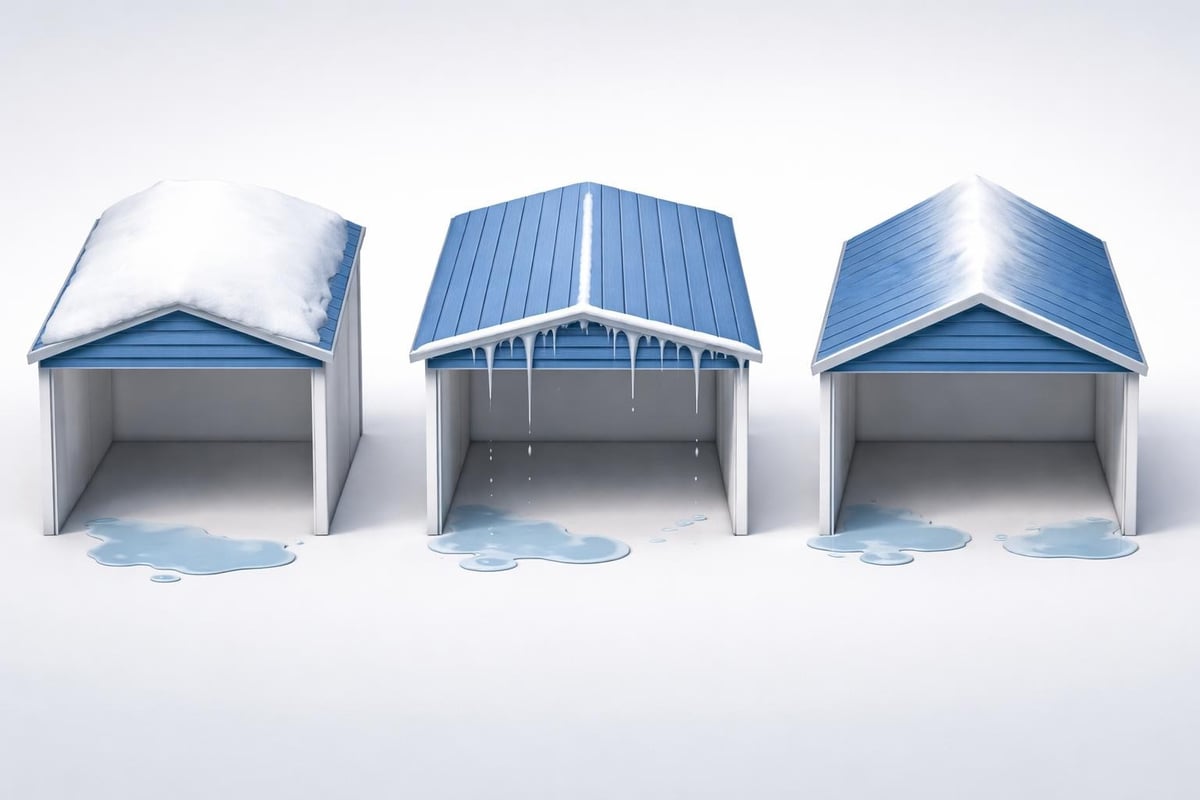
Horizontal panel orientation represents the most economical roofing choice, with panels running parallel to the ground. This installation method works adequately in areas with minimal snow accumulation and moderate precipitation.
Vertical panel orientation, where metal ribs run from peak to eave, provides superior performance in challenging climates. Water and snow slide off more efficiently, reducing leak potential and structural stress. The vertical configuration particularly benefits walled carport designs since the enclosed sides already create areas where debris and moisture can accumulate.
Gable and Custom Roof Designs
Modern carport designs increasingly incorporate gable roofs that offer both functional and aesthetic advantages. Gable ends on a walled carport improve ventilation, enhance architectural appeal, and provide additional headroom for taller vehicles.
A-frame and curved roof designs represent premium options that excel in heavy snow regions. These styles naturally shed precipitation while offering distinctive appearances that can complement existing structures on your property.
Ventilation and Climate Control
Adequate ventilation prevents moisture buildup and temperature extremes inside your walled carport, protecting both vehicles and stored items from damage.
Natural Airflow Strategies
The partially open nature of most walled carport configurations provides inherent ventilation advantages over fully enclosed garages. Strategic placement of the open side relative to prevailing breezes maximizes natural air circulation.
Additional ventilation features include:
- Ridge vents along roof peaks
- Soffit vents in roof overhangs
- Louvered panels in upper wall sections
- Adjustable vents that can be closed during severe weather
Proper ventilation becomes particularly important in humid climates where condensation can form on cold vehicle surfaces, potentially leading to rust and mold growth. Even in a three-wall configuration, ensuring cross-ventilation through the open front and roof vents maintains air quality.
Managing Temperature Extremes
While a walled carport doesn't offer the climate control of a heated garage, the enclosed sides moderate temperature swings compared to completely open structures. The walls block direct sun exposure during peak hours and reduce radiant heat loss during cold nights.
In extreme climates, property owners sometimes add insulation to wall panels or incorporate removable panels for the open side during winter months. These enhancements transform a standard walled carport into a more versatile year-round structure without the expense of full climate control systems.
Permitting and Code Compliance
Building a walled carport typically requires permits and must comply with local building codes, zoning regulations, and homeowner association rules.
Understanding Local Requirements
Requirements vary significantly by jurisdiction, but most municipalities regulate walled carports under the same codes as accessory structures. Key compliance areas include:
- Setback distances from property lines
- Maximum structure height limitations
- Foundation specifications for wind and snow loads
- Electrical work if adding lighting or outlets
- Drainage management to prevent water runoff issues
Adding walls to a carport often triggers stricter requirements than open structures because the increased wind loading creates greater structural demands. Working with experienced providers familiar with local codes ensures compliance and prevents costly modifications later. Many customers find helpful guidance through resources like Metal Carport University, which addresses common regulatory questions.
HOA and Aesthetic Considerations
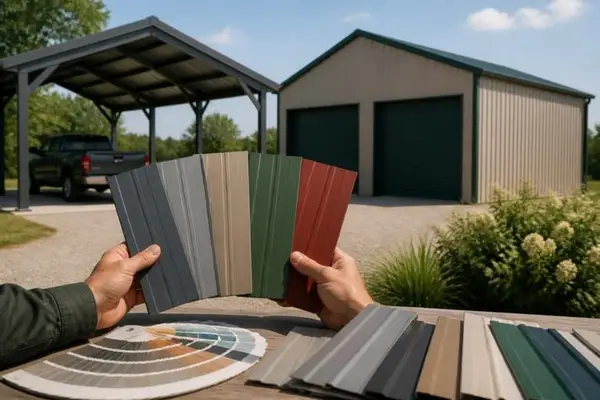
Homeowner associations frequently maintain strict standards for accessory structures, including requirements for architectural compatibility with existing homes. A walled carport may need to match primary structure colors, materials, or design elements.
Reviewing association covenants before finalizing your walled carport design prevents conflicts and potential removal orders. Some associations prohibit metal structures entirely, while others simply require specific finishes or landscaping to minimize visual impact from neighboring properties.
Customization and Functionality Enhancements
Beyond basic protection, a walled carport can incorporate features that enhance usability and add value to your property.
Storage Integration
The walls of your carport create natural mounting surfaces for cabinets, shelving, and tool racks. This storage capacity proves particularly valuable for property owners seeking metal shop buildings functionality without full workshop construction.
Wall-mounted storage options include:
- Slatwall panels for flexible tool organization
- Overhead storage racks suspended from roof trusses
- Built-in cabinets with lockable doors
- Pegboard systems for frequently used items
Strategic storage placement maintains clear vehicle access while maximizing the utility of wall space that would otherwise remain unused. Many owners discover their walled carport evolves into a multi-purpose space serving as both vehicle shelter and hobby area.
Lighting and Electrical Systems
Adding electrical service to a walled carport extends its functionality into evening hours and enables power tool use. LED lighting provides energy-efficient illumination while weather-resistant outlets support various equipment needs.
Planning electrical installations during initial construction costs less than retrofitting later, as wiring can be concealed within wall framing. Motion-activated lights enhance security while reducing energy consumption during periods when the space remains unoccupied.
Cost Factors and Budget Planning
Understanding the financial aspects of walled carport construction helps property owners make informed decisions aligned with their needs and resources.
Initial Investment Breakdown
The total cost of a walled carport depends on size, materials, customization level, and regional labor rates. Metal structures generally offer the best value when considering initial cost versus lifespan.
| Cost Component | Percentage of Total | Variables Affecting Price |
|---|---|---|
| Materials | 40-50% | Metal gauge, panel type, wall count |
| Foundation | 15-25% | Soil conditions, concrete requirements |
| Labor/Installation | 25-35% | Site preparation, local rates |
| Permits/Fees | 3-8% | Jurisdiction requirements |
| Customization | Variable | Electrical, doors, finishes |
For property owners seeking robust protection without full garage construction costs, Fully Enclosed Metal Carports provide an excellent middle ground. These structures offer complete weather protection while maintaining more affordable price points than traditional construction methods.
Long-Term Value Considerations
The true cost of a walled carport extends beyond initial construction to include maintenance, insurance implications, and property value impact. Metal construction minimizes ongoing maintenance expenses compared to wood, which requires periodic painting, sealing, and potential board replacement.
Property appraisers typically recognize walled carports as value-adding improvements, particularly in regions with harsh weather where vehicle protection represents a practical necessity. The enclosed sides generally add more value than open carports since they provide greater functional benefits to future property owners.
Installation Process and Timeline
Understanding the construction sequence helps property owners prepare their sites and set realistic completion expectations.
Site Preparation Requirements
Proper site preparation ensures structural stability and prevents future problems. The process begins with selecting a level location with adequate drainage that complies with setback requirements.
Pre-installation steps include:
- Clearing vegetation and debris from the footprint
- Marking utility lines to prevent accidental damage
- Grading the site to promote water runoff
- Installing drainage solutions if needed
- Positioning foundation markers per plans
Professional installers typically complete site assessment during the planning phase, identifying potential issues before construction begins. Rocky soil, high water tables, or unstable ground may require additional foundation work that affects both timeline and budget.
Construction Sequence
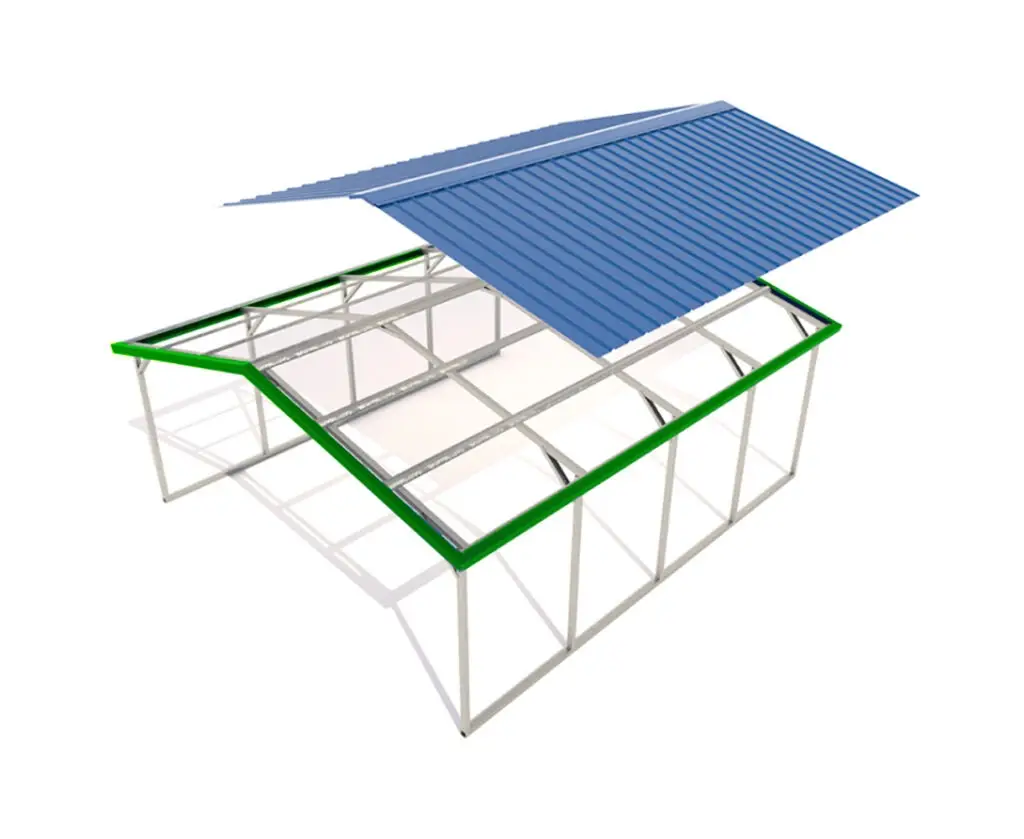
Metal walled carport installation proceeds systematically from foundation to roof, with walls added after the primary structure stands. Most professional installations complete within 1-3 days depending on size and complexity.
The typical sequence involves setting anchor points, erecting corner posts and roof framework, installing roof panels, and finally attaching wall sections. This approach allows for adjustments during framing before walls lock in dimensions. Electrical work and customization features follow basic structure completion.
Maintenance and Longevity
Proper maintenance extends the lifespan of your walled carport and preserves its protective capabilities.
Metal Structure Care
Metal walled carports require minimal maintenance compared to other materials, but periodic attention prevents minor issues from becoming major problems. Annual inspections should check for:
- Loose fasteners requiring tightening
- Scratches in paint or coating that expose bare metal
- Debris accumulation in roof valleys or wall joints
- Proper function of gutters and drainage systems
- Signs of foundation settling or anchor degradation
Touching up scratches promptly prevents rust development, while keeping roof surfaces clear ensures proper water drainage. Most metal structures maintain excellent condition with just a few hours of attention annually, making them ideal for property owners seeking low-maintenance solutions.
Seasonal Considerations
Different seasons present specific maintenance opportunities for walled carport owners. Spring cleaning removes winter salt residue and checks for ice damage, while fall preparation includes clearing gutters before leaf accumulation causes drainage problems.
In snow-prone regions, occasionally removing heavy accumulations from roof surfaces prevents excessive loading, even though properly engineered structures handle rated snow loads. The walls of your carport naturally reduce snow drift into the structure compared to open designs, simplifying winter maintenance.
Comparing Walled Carports to Alternatives
Understanding how walled carports compare to other vehicle protection options clarifies when this design represents the optimal choice.
Walled Carports vs. Full Garages
Full garages provide complete enclosure with lockable doors, offering maximum security and weather protection. However, they cost significantly more to construct and require more extensive foundation work and permitting.
A walled carport delivers 70-80% of garage benefits at roughly 50-60% of the cost, making it attractive for property owners prioritizing value. The open access maintains convenience while walls provide substantial protection from the elements and casual theft deterrence.
Walled Carports vs. Open Carports
Open carports represent the most economical vehicle shelter option but offer limited protection from wind-driven rain, blowing debris, and security concerns. Adding walls to one or more sides dramatically improves protective capabilities without requiring full garage construction.
The incremental cost of adding walls to an open carport design varies based on materials and configuration but typically increases total investment by 30-50%. Most property owners find this upgrade worthwhile given the enhanced protection and functionality walls provide.
Regional Considerations and Climate Adaptation
Your location significantly influences optimal walled carport design, as different climates present unique challenges.
Snow and Ice Management
Property owners in northern regions benefit from vertical roof panels and steeper roof pitches that shed snow efficiently. Adding walls on the north and west sides blocks prevailing winter winds while the south-facing opening maximizes solar gain for natural ice melting.
Adequate foundation depth below frost lines prevents heaving during freeze-thaw cycles, while proper drainage directs snowmelt away from the structure. Understanding regional requirements ensures your walled carport performs reliably through harsh winter conditions.
Hot and Humid Climates
Southern property owners prioritize ventilation and heat reflection in their walled carport designs. Light-colored roof panels reflect solar radiation, while strategic wall placement blocks afternoon sun without restricting airflow.
Hurricane-prone areas require enhanced anchoring systems and potentially engineered certifications for wind resistance. The walls actually improve performance in high winds when properly braced, as they reduce uplift forces compared to open structures that catch wind like sails.
Arid and Desert Environments
Desert climates present unique challenges including intense UV exposure, extreme temperature swings, and occasional intense storms. Walled carport designs for these regions emphasize sun blocking and dust protection while maintaining ventilation to prevent heat buildup.
Metal construction particularly excels in desert environments where termites and wood rot plague traditional materials. The walls block sandblasting winds that accelerate vehicle finish deterioration while providing shaded workspace areas valuable in intense heat.
A walled carport represents an intelligent investment for property owners seeking enhanced vehicle protection without full garage construction costs or complexity. Whether you need basic weather blocking or near-complete enclosure, the flexible configurations and material options available in 2026 ensure you can design a structure matching your specific requirements. Metal Structure Sales LLC specializes in customizable metal carports and buildings with delivery and installation included, helping you create the perfect walled carport solution for your property with expert guidance through every step of the process.