

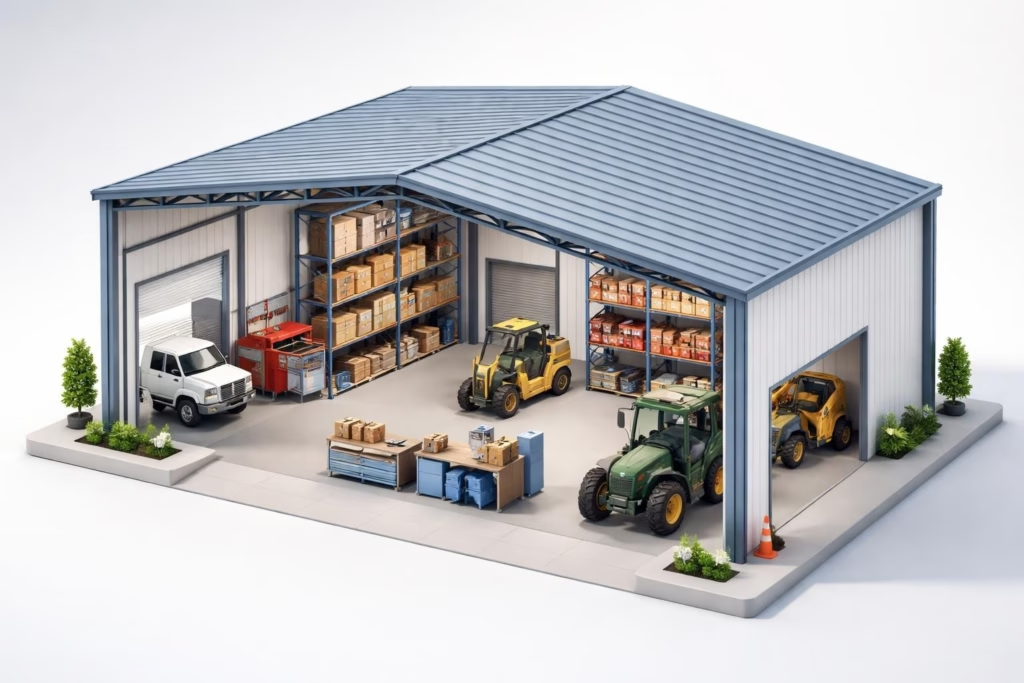
A 40 60 steel building represents one of the most versatile mid-sized metal structures available today. Offering 2,400 square feet of usable space, this configuration strikes an ideal balance between affordability and functionality for business owners, farmers, and property developers. Whether you need a workshop, warehouse, storage facility, or equipment shelter, understanding the features and costs associated with this building size helps you make informed decisions about your investment.
Understanding the 40 60 Steel Building Dimensions
The term "40 60 steel building" refers to a metal structure measuring 40 feet wide by 60 feet long. This dimensional configuration provides substantial interior space without requiring the extensive foundation work or structural complexity of larger buildings.
Square Footage and Layout Benefits
With 2,400 square feet of floor space, a 40 60 steel building accommodates diverse operational needs. The open-span design eliminates interior support columns, maximizing usable area for equipment placement, vehicle storage, or workspace configuration.
- Sufficient space for multiple vehicle bays or storage zones
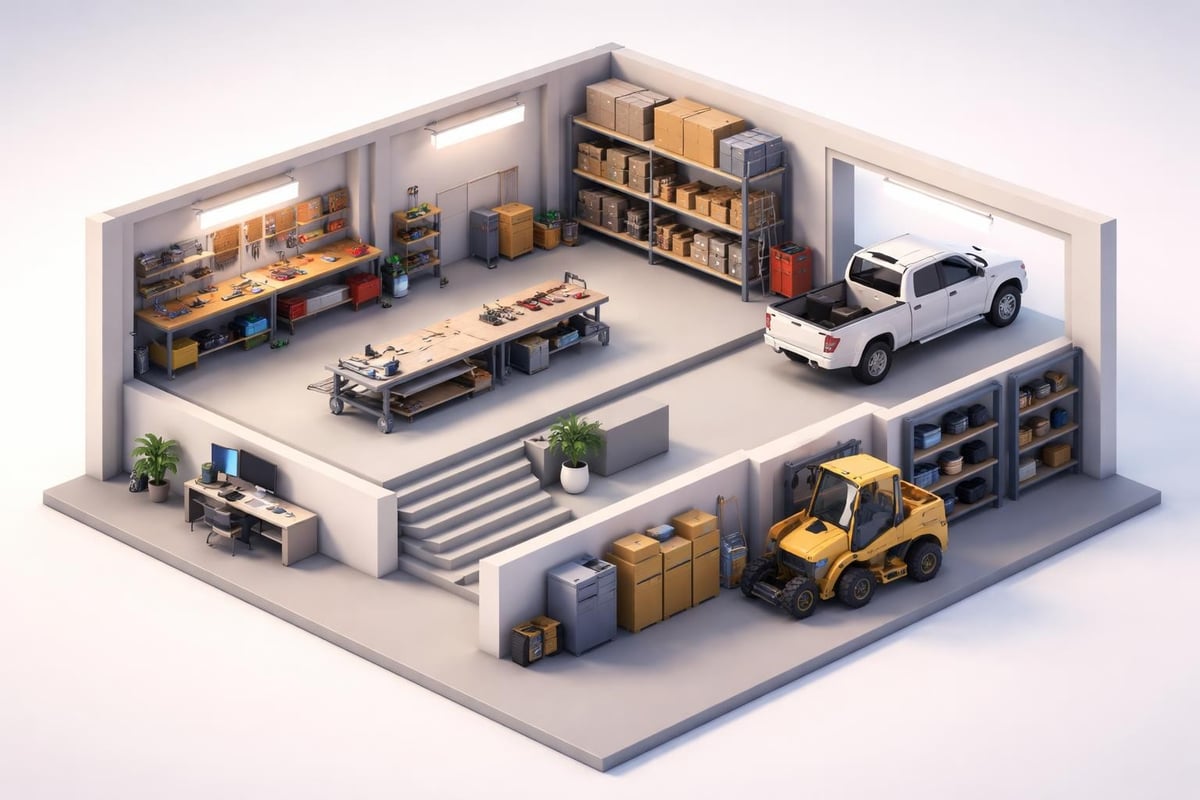
- Room for office areas, restrooms, or climate-controlled sections
- Flexibility to partition spaces without compromising structural integrity
- Adequate clearance for forklifts, machinery, or tall equipment
The rectangular footprint works particularly well for properties with dimensional constraints. At 40 feet wide, these structures fit comfortably on standard lot sizes while the 60-foot length provides depth for workflow efficiency.
Ceiling Height Considerations
Standard eave heights for a 40 60 steel building typically range from 10 to 16 feet, though customization options extend considerably higher. The width of 40 feet allows for adequate roof pitch without excessive material costs.
Taller sidewalls accommodate specific operational requirements. A 14-foot clearance permits RV storage or truck access, while 16-foot heights support overhead crane systems or mezzanine installations. Understanding local building codes ensures your height specifications meet regulatory requirements.
Cost Analysis for 40 60 Steel Buildings
Understanding the financial investment required for a 40 60 steel building involves examining multiple cost components. Current market pricing for 40×60 metal buildings reflects material costs, labor expenses, and regional variations.
Base Structure Pricing
| Component | Price Range | Notes |
|---|---|---|
| Basic Frame Kit | $18,000 – $25,000 | Includes primary framing, no installation |
| Turnkey Installation | $35,000 – $65,000 | Complete construction, foundation, labor |
| Premium Features | $45,000 – $85,000 | Insulation, doors, windows, customization |
Base pricing for a 40 60 steel building starts between $15 and $27 per square foot for the structure alone. Fully installed buildings with foundation work typically range from $25 to $45 per square foot depending on site preparation requirements and regional labor costs.
Factors Affecting Total Investment
Several variables influence the final cost of your steel building project. Foundation requirements vary based on soil conditions, with concrete slabs adding $4 to $8 per square foot. Site preparation including grading, drainage, and utility access contributes additional expenses.
Customization choices significantly impact pricing. Insulation packages add $2 to $5 per square foot but reduce long-term energy costs. Walk doors, overhead doors, and window installations each contribute $500 to $3,000 depending on size and quality specifications.
Metal building cost breakdowns for 2026 show that regional differences account for 15-30% price variations. Labor rates in metropolitan areas exceed rural pricing, while transportation costs increase with distance from manufacturing facilities.
Applications and Use Cases
The 40 60 steel building size serves numerous commercial, agricultural, and industrial purposes. This versatility makes it a popular choice across multiple industries and property types.
Commercial and Industrial Uses
Businesses appreciate the adaptable nature of this building size for various operational needs:
- Auto repair shops: Multiple vehicle bays with tool storage and customer waiting areas
- Manufacturing facilities: Production lines with material storage and shipping zones
- Retail warehouses: Inventory management with showroom or office space
- Equipment sales: Indoor display areas protected from weather exposure
The clear-span interior allows businesses to reconfigure layouts as operations evolve. A company might initially use the space for storage, then convert sections to production areas or customer service zones without structural modifications.
Agricultural Applications
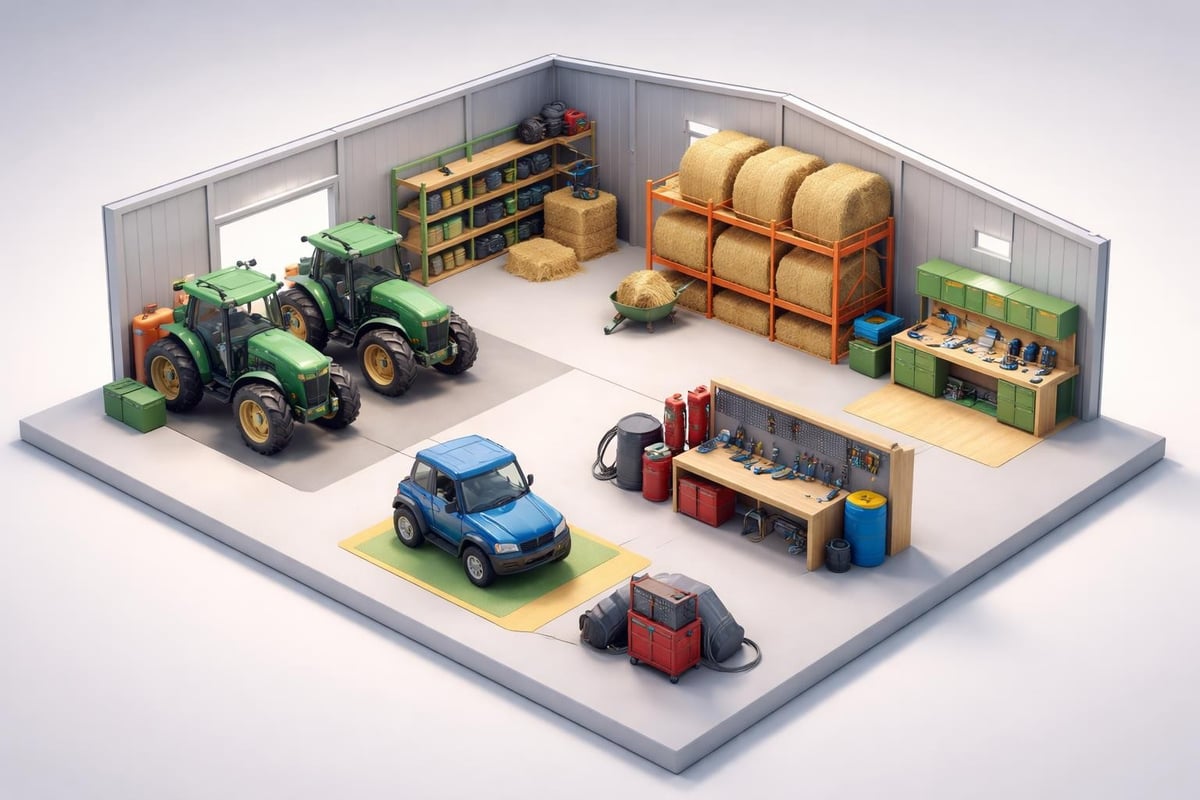
Farmers and ranchers find the 40 60 steel building ideal for protecting valuable assets and livestock. The structure accommodates hay storage, equipment garages, or animal shelter with proper ventilation systems.
Four to six horse stalls fit comfortably within this footprint while leaving room for tack storage and feed preparation areas. Equipment storage protects tractors, combines, and implements from weather deterioration, extending operational lifespans and reducing maintenance costs.
Residential and Recreational Uses
Property owners utilize 40 60 steel buildings for personal projects and hobbies. The space accommodates RV storage, workshop areas, or combination uses that serve multiple household needs.
Enthusiasts create climate-controlled workshops for woodworking, automotive restoration, or craft production. The building size supports substantial projects while maintaining manageable heating and cooling costs compared to larger structures.
Design Features and Customization Options
Modern steel building technology offers extensive customization possibilities for a 40 60 steel building. Understanding available options helps you create a structure matching your specific requirements.
Roof Styles and Their Benefits
| Roof Type | Advantages | Best Applications |
|---|---|---|
| Regular Style | Most economical, adequate for moderate snow loads | Storage, basic workshops |
| Boxed Eave | Enhanced appearance, better water drainage | Commercial buildings, retail |
| Vertical Roof | Superior strength, optimal snow/debris shedding | Heavy snow areas, premium applications |
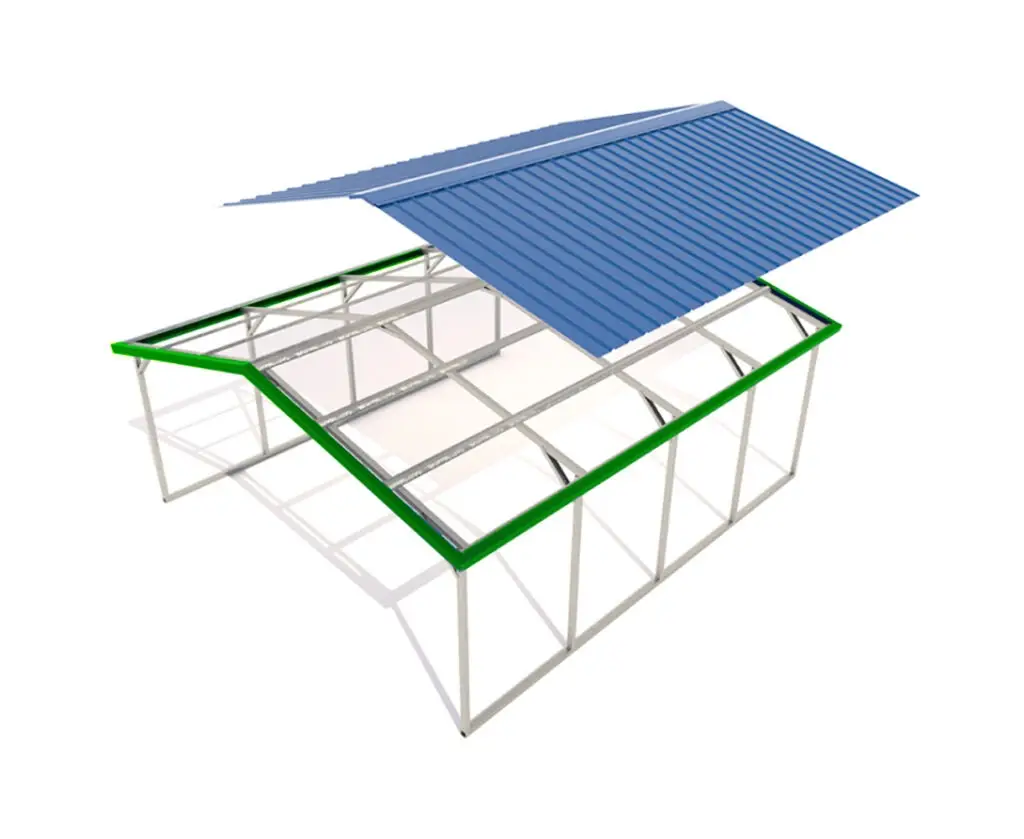
Vertical roof systems provide the strongest option for a 40 60 steel building, with panels running from ridge to eave. This orientation prevents water pooling and facilitates debris removal, extending roof lifespan significantly.
Wall and Framing Specifications
Steel gauge thickness directly impacts structural integrity and longevity. Standard framing uses 12- or 14-gauge steel, with heavier gauges recommended for areas experiencing high winds or seismic activity.
Wall panel options include:
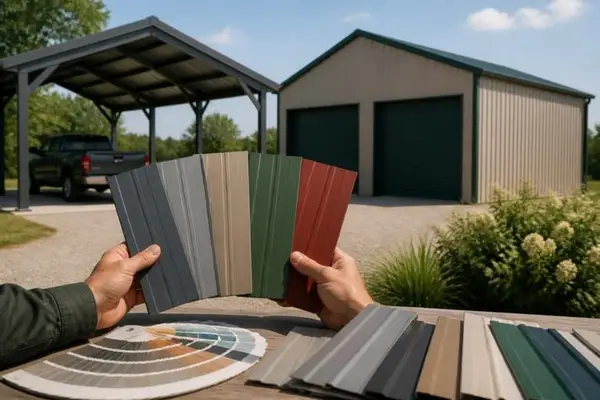
- 26-gauge panels: Standard residential and light commercial grade
- 24-gauge panels: Enhanced durability for harsh environments
- 22-gauge panels: Premium commercial applications requiring maximum strength
Certified buildings engineered to meet local wind and snow load requirements ensure compliance with building codes. Regional specifications vary considerably, making professional engineering calculations essential for permit approval.
Door and Window Configurations
Strategic placement of access points maximizes operational efficiency. A 40 60 steel building typically accommodates multiple door types:
- Overhead doors: 10×10 to 14×14 for vehicle and equipment access
- Walk-in doors: Standard 36-inch commercial grade with locksets
- Roll-up doors: Space-efficient alternatives for frequent access
- Window systems: Natural lighting and ventilation options
For businesses needing wide-span access without interior posts, wide span metal structures offer clear opening solutions that maintain structural integrity while maximizing usable interior dimensions.
Installation Process and Timeline
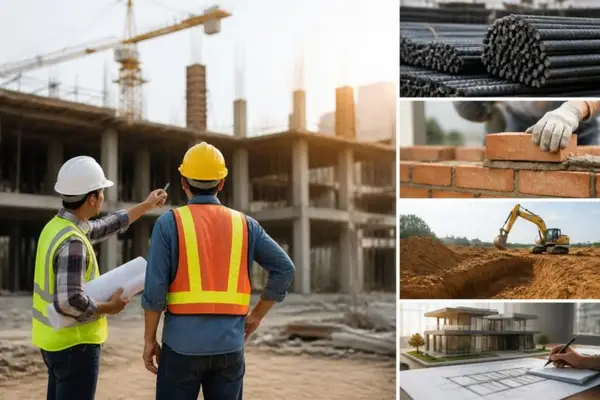
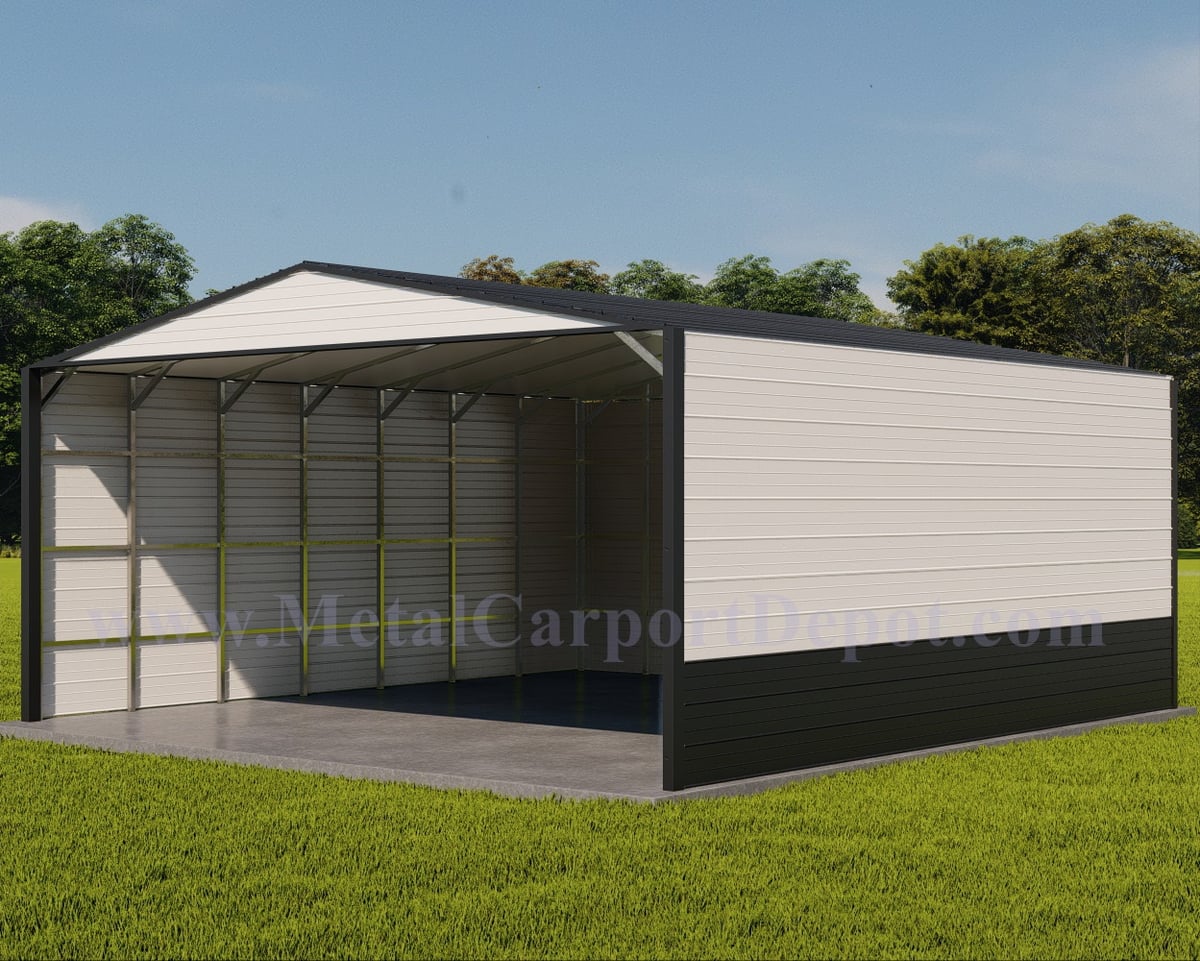
Understanding the construction sequence for a 40 60 steel building helps you plan project timelines and coordinate site preparation activities.
Site Preparation Requirements
Proper foundation work ensures structural stability and longevity. Site preparation begins with:
- Surveying and layout: Establishing precise building location and orientation
- Grading and leveling: Creating proper drainage patterns and level building pad
- Foundation installation: Pouring concrete slab or installing pier system
- Utility placement: Routing electrical, plumbing, or data infrastructure
Foundation curing typically requires 7-14 days before building erection begins. This waiting period allows concrete to achieve necessary strength for anchor bolt loading.
Erection and Assembly
Professional installation crews complete a 40 60 steel building in 3-7 days under favorable weather conditions. The process includes:
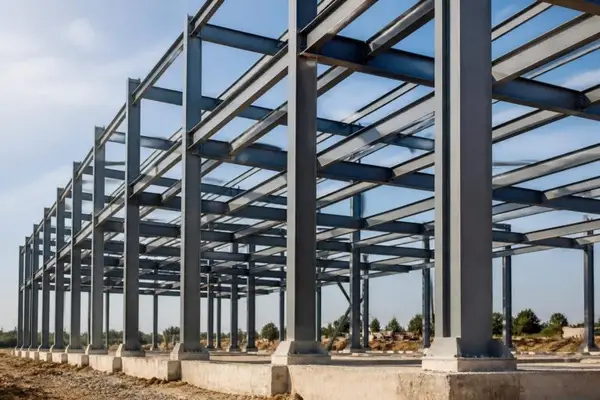
- Setting primary framing components and securing to foundation
- Installing secondary framing members and roof purlins
- Attaching wall and roof panels with proper fastener spacing
- Installing trim, doors, windows, and accessories
Pre-engineered components arrive with clear assembly instructions and pre-drilled connections, reducing field labor and potential errors. Quality manufacturers provide detailed erection drawings identifying each component's location and fastener requirements.
Insulation and Climate Control
Managing interior temperatures in a 40 60 steel building improves usability and protects stored items. Understanding insulation options and their benefits guides investment decisions.
Insulation Types and R-Values
| Insulation Method | R-Value | Cost per Sq Ft | Best Use |
|---|---|---|---|
| Fiberglass Batting | R-10 to R-19 | $0.50 – $1.50 | Moderate climate control |
| Spray Foam | R-20 to R-30 | $2.00 – $4.00 | Premium temperature management |
| Reflective Barriers | R-3 to R-6 | $0.30 – $0.75 | Heat reflection in warm climates |
Insulation installation during construction proves more cost-effective than retrofitting. Vapor barriers prevent condensation issues that lead to rust formation or moisture damage in stored materials.
HVAC Considerations
Climate control system sizing depends on insulation levels, regional temperatures, and building usage patterns. A well-insulated 40 60 steel building requires approximately 2-3 tons of cooling capacity per 1,000 square feet in moderate climates.
Heating options include forced air systems, radiant heaters, or hydronic floor systems. Ceiling fans improve air circulation, reducing temperature stratification and enhancing comfort without significant energy consumption.
Maintenance and Longevity
Steel buildings offer exceptional durability with minimal maintenance requirements. Understanding care protocols maximizes your investment's operational lifespan.
Routine Maintenance Tasks
Annual inspections identify potential issues before they escalate into costly repairs:
- Fastener inspection: Checking for loose or missing screws and re-tightening as needed
- Panel examination: Looking for dents, scratches, or coating damage requiring touch-up
- Gutter cleaning: Removing debris to ensure proper water drainage
- Door operation: Lubricating hinges and checking weatherstripping integrity
Most manufacturers offer 20-40 year warranties on roofing panels and structural components. Understanding your warranty coverage helps you maintain eligibility through proper care and documentation.
Long-Term Performance
Galvanized steel framing resists corrosion for decades under normal conditions. Painted panels maintain appearance and protection when properly maintained, with minor touch-ups preventing rust spread from scratches or abrasions.
Comparing different metal building options reveals that quality construction and materials significantly impact lifecycle costs. Premium gauge steel and superior coatings justify higher initial investment through reduced maintenance and extended replacement intervals.
Permitting and Regulatory Compliance
Navigating building codes and permit requirements ensures your 40 60 steel building meets legal standards and avoids costly compliance issues.
Building Permit Process
Most jurisdictions require building permits for structures exceeding 200 square feet. The permit process typically involves:
- Submitting engineered drawings showing structural calculations
- Providing site plans indicating setbacks and drainage
- Paying permit fees based on construction value
- Scheduling inspections at foundation, framing, and completion stages
Certified engineered buildings include stamped drawings meeting International Building Code requirements. These documents specify wind and snow load ratings, ensuring structural adequacy for your location.
Zoning and Land Use Restrictions
Property zoning classifications determine allowable building uses and dimensional requirements. Agricultural zones typically permit storage and farm-related structures, while residential areas may restrict commercial activities or limit building sizes.
Setback requirements establish minimum distances from property lines, roads, and adjacent structures. Height restrictions in some areas limit sidewall or peak elevations, potentially affecting your design specifications.
Comparing Steel Buildings to Alternative Structures
Understanding how a 40 60 steel building compares to wood-frame or pole barn construction helps you evaluate options objectively.
Cost Comparison Analysis
| Structure Type | Initial Cost | Maintenance | Lifespan | Insurance Rates |
|---|---|---|---|---|
| Steel Building | $$$ | Low | 40-60 years | Lower |
| Wood Frame | $$$$ | Moderate | 30-50 years | Standard |
| Pole Barn | $$ | High | 20-40 years | Higher |
Steel construction offers superior fire resistance compared to wood alternatives, often qualifying for reduced insurance premiums. The non-combustible nature eliminates fire spread concerns and protects valuable contents more effectively.
Performance Advantages
Steel buildings resist pest damage, rot, and weather deterioration better than organic materials. Termites, carpenter ants, and wood-boring insects cannot damage steel framing or panels, eliminating costly pest control and repair expenses.
Understanding factors affecting metal building costs reveals that while initial investment may exceed basic pole barn pricing, lifecycle costs favor steel construction through reduced maintenance and longer replacement intervals.
Financing and Investment Considerations
Securing funding for a 40 60 steel building involves understanding available financing options and calculating return on investment for commercial applications.
Financing Options
Traditional construction loans cover building costs with terms ranging from 5 to 20 years. Interest rates vary based on creditworthiness, down payment amounts, and loan duration.
Alternative financing includes:
- Equipment financing: Treating the building as business equipment
- SBA loans: Small Business Administration programs for commercial property
- Home equity loans: Leveraging residential property for building funds
- Manufacturer financing: Direct financing programs through building suppliers
Exploring financing alternatives helps you identify solutions matching your financial situation and project timeline requirements.
ROI for Business Applications
Commercial users calculate return on investment by comparing building costs against operational benefits. A 40 60 steel building housing rental equipment generates revenue offsetting ownership costs through protected asset values and extended equipment lifespans.
Businesses reducing off-site storage expenses recoup building investments through eliminated monthly rental payments. Manufacturing operations improving workflow efficiency through dedicated space increase productivity, justifying building costs through enhanced profitability.
Regional Considerations and Climate Factors
Geographic location significantly influences design specifications and cost considerations for a 40 60 steel building. Understanding regional requirements ensures proper building performance.
Snow Load Requirements
Northern climates experiencing heavy snowfall require engineered roof systems handling increased weight loads. Building codes specify design loads based on historical weather data, with ratings ranging from 20 to 70 pounds per square foot.
Vertical roof systems shed snow more effectively than horizontal panel orientations, reducing accumulated weight and minimizing collapse risk. Steeper roof pitches enhance snow removal but increase material costs and overall building height.
Wind Rating Specifications
Coastal areas and tornado-prone regions require enhanced wind resistance. Certified buildings engineered for 140+ mph wind speeds use heavier gauge steel and additional anchoring systems securing structures to foundations.
Regional building specifications vary considerably across the country, with coastal zones requiring corrosion-resistant coatings and hurricane-rated components exceeding standard inland requirements.
Seismic Considerations
Earthquake-prone regions necessitate specialized engineering addressing lateral forces and ground movement. Flexible connection systems and reinforced anchoring prevent structural failure during seismic events.
Building codes in California, Oregon, and other high-risk areas mandate seismic calculations and specific construction details. Working with experienced manufacturers familiar with these requirements ensures code compliance and structural safety.
Energy Efficiency and Sustainability
Modern steel buildings incorporate sustainable design principles reducing environmental impact and operational costs throughout their lifecycle.
Recyclable Materials
Steel ranks among the most recycled materials globally, with recycling rates exceeding 85%. End-of-life steel buildings contribute recyclable material to manufacturing processes, reducing mining requirements and environmental disruption.
Many manufacturers use recycled steel content in new construction, supporting circular economy principles while maintaining structural performance standards. This sustainability aspect appeals to environmentally conscious buyers and may qualify for green building certifications.
Energy Performance
Properly insulated steel buildings achieve energy efficiency comparable to traditional construction at lower costs. Reflective roof coatings reduce cooling loads by deflecting solar radiation, while thermal breaks prevent heat transfer through metal components.
LED lighting systems and energy-efficient HVAC equipment further reduce operational expenses. Smart building systems automate climate control, lighting, and security functions, optimizing energy consumption based on occupancy patterns and usage schedules.
Maximizing Your Steel Building Investment
Strategic planning and informed decision-making ensure your 40 60 steel building delivers maximum value throughout its operational life.
Planning for Future Expansion
Designing buildings with expansion potential accommodates business growth without complete reconstruction. Extension-friendly endwall designs allow lengthening the structure by adding additional bays, while reinforced framing supports lean-to additions along sidewalls.
Oversized electrical service and plumbing rough-ins cost minimally during initial construction but prevent expensive retrofitting when operational needs expand. Planning utility placement with growth in mind saves substantial future expense and disruption.
Selecting Quality Manufacturers
Manufacturer reputation and warranty coverage significantly impact long-term satisfaction. Established companies with proven track records provide reliable products backed by comprehensive warranties and responsive customer service.
Research manufacturer credentials including:
- Years in business: Longevity indicates stability and experience
- Engineering certifications: Professional engineer stamps ensure code compliance
- Warranty terms: Coverage duration and scope protect your investment
- Customer reviews: Real user experiences reveal service quality
Comprehensive metal building resources help you understand options, compare specifications, and make informed purchasing decisions aligned with your requirements and budget.
A 40 60 steel building provides versatile, durable space for commercial, agricultural, and personal applications at competitive lifecycle costs. Understanding dimensions, costs, customization options, and regional requirements positions you to make informed decisions maximizing your investment value. Whether you need protected storage, operational workspace, or specialized facilities, Metal Structure Sales LLC offers quality steel buildings customized to your specifications with delivery and installation included, ensuring your project succeeds from planning through completion.