


Steel building metal has revolutionized the construction industry over the past few decades, offering unmatched durability, versatility, and cost-effectiveness for residential and commercial applications. Whether you're planning a simple carport, a spacious workshop, or a complex industrial facility, understanding the properties and advantages of steel building metal helps you make informed decisions about your next project. This comprehensive guide explores the critical aspects of steel construction materials, from their composition and manufacturing processes to their practical applications and long-term benefits.
Understanding Steel Building Metal Composition
The foundation of any quality steel structure begins with the metal itself. Steel building metal consists primarily of iron and carbon, with the carbon content typically ranging from 0.05% to 2%. This precise balance creates material that combines exceptional strength with workability.
Modern steel building metal often includes additional alloying elements that enhance specific properties. Manganese improves strength and hardness, while chromium provides corrosion resistance. Nickel enhances toughness, particularly in low temperatures, making it ideal for structures in regions with harsh winter conditions.
The gauge measurement system determines steel building metal thickness. Lower gauge numbers indicate thicker steel, with common building applications using materials ranging from 12-gauge to 29-gauge. The selection depends on structural requirements, local building codes, and expected load-bearing needs.
Steel Grades and Their Applications
Different steel grades serve distinct purposes in construction projects:
- Commercial grade steel offers excellent balance between cost and performance
- Galvanized steel features zinc coating for superior weather resistance
- Stainless steel provides maximum corrosion protection for specialized applications
- High-strength low-alloy (HSLA) steel delivers enhanced strength while reducing overall weight
According to comprehensive metal building guides, selecting the appropriate steel grade directly impacts your structure's longevity and maintenance requirements.
Manufacturing Processes for Steel Building Metal
Steel building metal undergoes sophisticated manufacturing processes that transform raw materials into construction-ready components. The journey begins at steel mills where iron ore is melted and refined in blast furnaces at temperatures exceeding 2,500 degrees Fahrenheit.
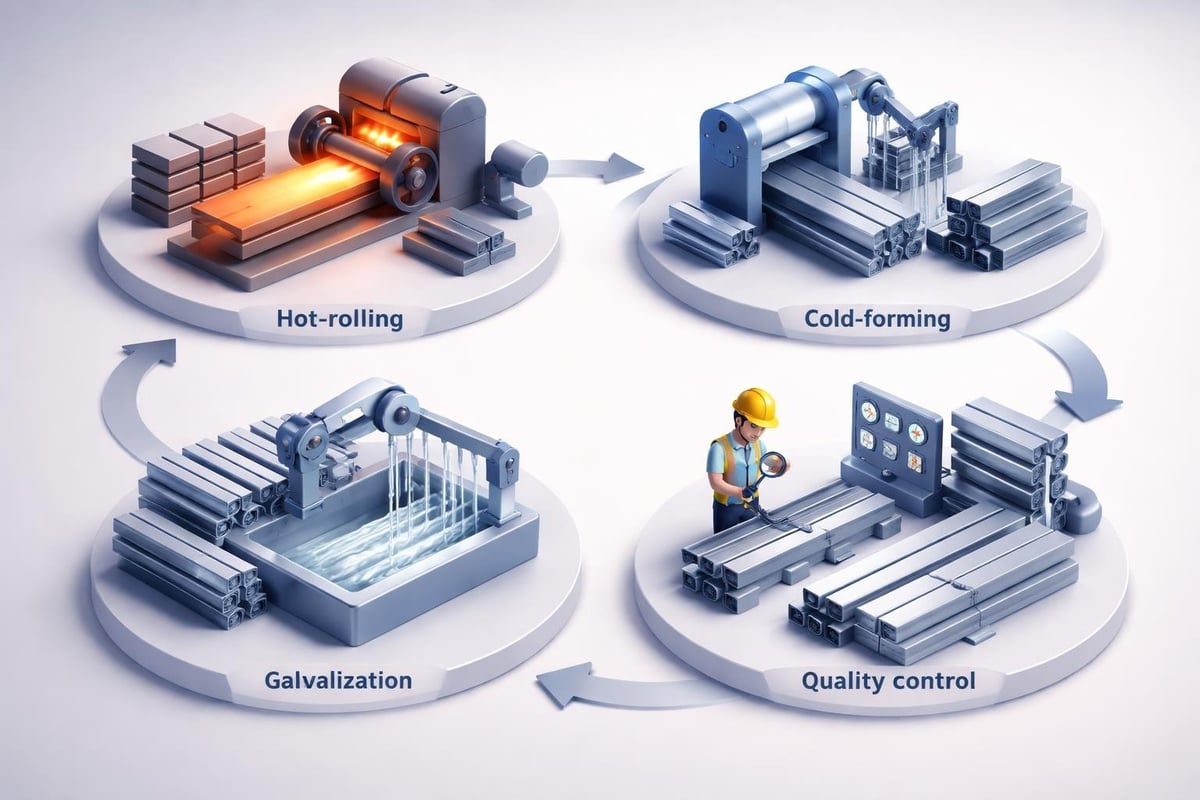
Hot-rolling represents the primary method for creating structural steel shapes. Heated steel passes through sequential rollers that form beams, channels, and angles. This process maintains the metal's internal structure while achieving precise dimensional specifications.
Cold-rolling processes refine steel building metal further, producing smoother finishes and tighter dimensional tolerances. This secondary processing proves essential for components requiring precise fitting during assembly.
Galvanization and Protective Coatings
Protective treatments extend steel building metal lifespan significantly. Hot-dip galvanization immerses steel in molten zinc, creating a metallurgical bond that protects against rust and corrosion. This coating system can last 50 years or more with minimal maintenance.
Alternative coating methods include powder coating, which applies electrostatically charged particles that cure into durable finishes. Paint systems designed specifically for metal buildings offer both aesthetic appeal and weather protection.
| Coating Type | Durability | Cost Factor | Best Application |
|---|---|---|---|
| Hot-dip Galvanized | 50+ years | Moderate | Outdoor structures |
| Powder Coating | 15-20 years | Higher | Aesthetic features |
| Premium Paint Systems | 10-15 years | Lower | General protection |
| Stainless Steel | Lifetime | Highest | Specialized environments |
Structural Advantages of Steel Building Metal
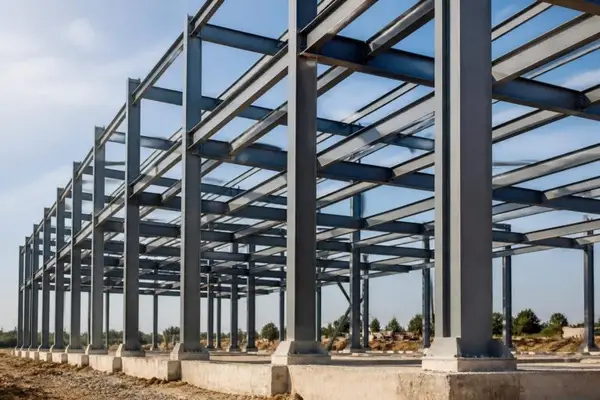
Steel building metal delivers structural benefits that traditional materials struggle to match. The material's high strength-to-weight ratio allows for longer clear spans without intermediate support columns, maximizing usable interior space.
Dimensional stability ensures steel maintains its shape under varying environmental conditions. Unlike wood, which expands and contracts with moisture changes, steel building metal remains consistent across temperature fluctuations and humidity variations.
The engineering principles behind steel structures enable efficient load distribution throughout the framework. This characteristic proves particularly valuable in areas prone to heavy snow loads or high wind conditions.
Seismic and Wind Resistance
Steel building metal's ductility allows structures to flex during seismic events without catastrophic failure. This property, combined with proper engineering design, makes steel buildings highly resistant to earthquake damage.
Wind resistance capabilities depend on several factors:
- Frame design and connection strength determine overall structural integrity
- Anchoring systems secure the building to its foundation
- Panel attachment methods prevent uplift during high-wind events
- Roof geometry affects wind load distribution across the structure
Modern steel structures can withstand wind speeds exceeding 150 mph when properly engineered and installed.
Cost Considerations for Steel Building Metal
Understanding the financial aspects of steel building metal helps project planning and budgeting. Material costs fluctuate based on market conditions, but steel generally offers predictable pricing compared to lumber, which experiences more volatile price swings.
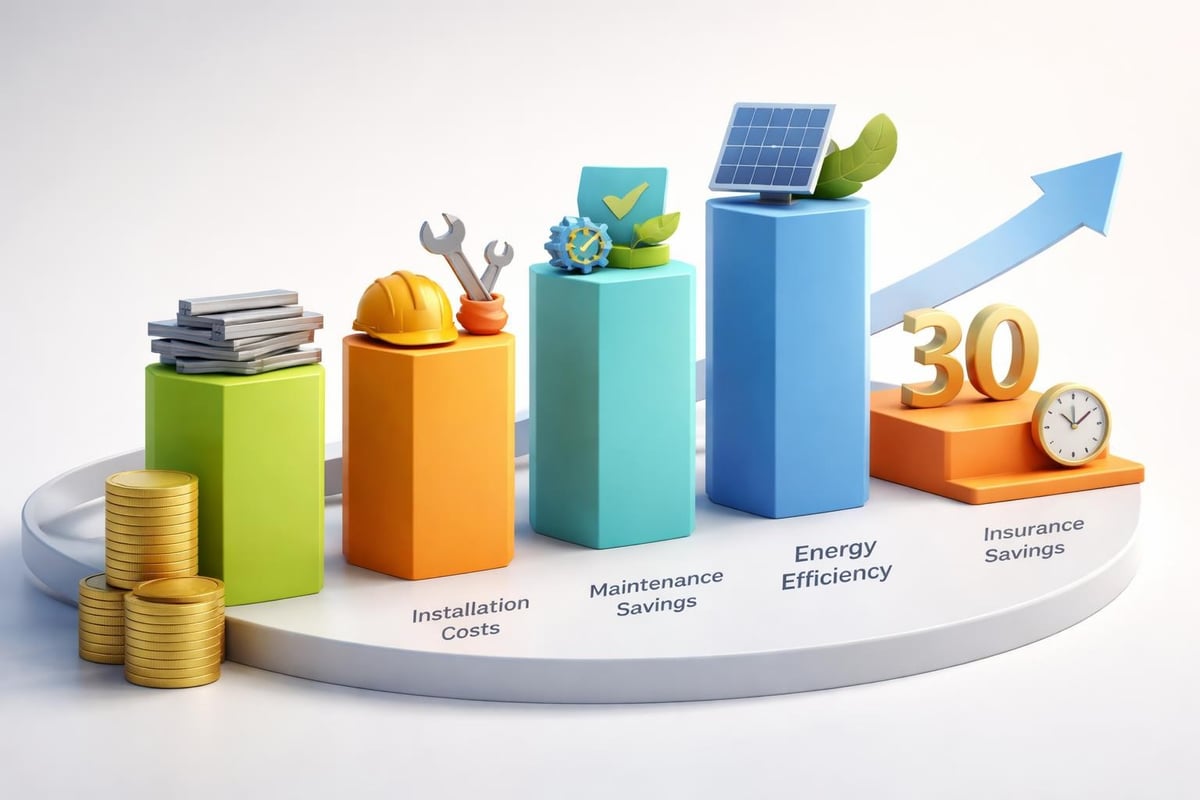
Initial investment in steel building metal includes not just the raw materials but also fabrication, delivery, and installation. However, the total cost of ownership tells a more complete story when factoring in maintenance requirements over decades.
Steel's durability translates to lower long-term expenses. The material resists pests, rot, and fire damage that plague traditional building materials. Insurance companies often recognize this advantage through reduced premium rates for steel structures.
Return on Investment Analysis
Calculating ROI for steel building metal projects requires examining multiple factors:
- Energy efficiency through insulation options reduces operational costs
- Minimal maintenance requirements save time and money over the building's lifespan
- Resale value typically remains strong due to structural integrity
- Tax benefits may apply for certain commercial applications
The comprehensive cost analysis of metal buildings demonstrates how initial expenditures compare favorably against long-term ownership expenses.
Customization Options with Steel Building Metal
Steel building metal's versatility enables extensive customization to meet specific requirements. Width, length, and height dimensions adjust easily during the design phase, accommodating everything from compact storage units to expansive commercial facilities.
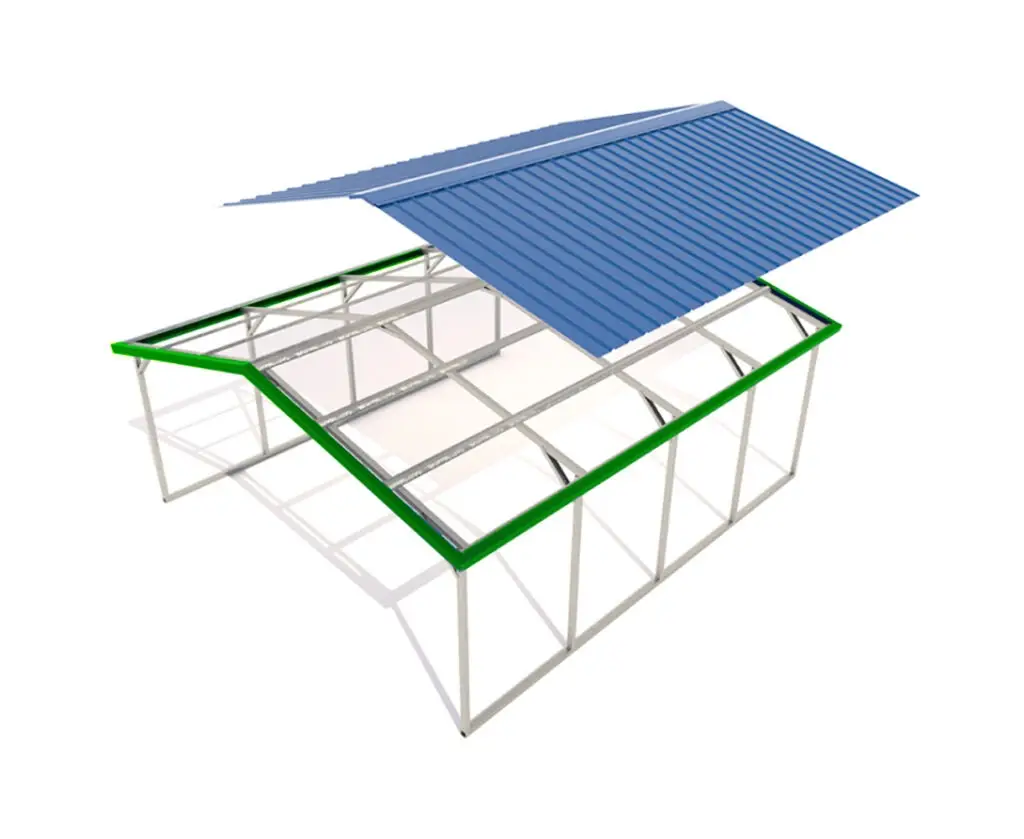
Roof styles significantly impact both aesthetics and functionality. Regular roof systems offer economical solutions for basic coverage. Boxed-eave roofs provide a more finished appearance with horizontal roof panels. Vertical roof systems deliver premium performance, allowing snow and debris to slide off more efficiently.
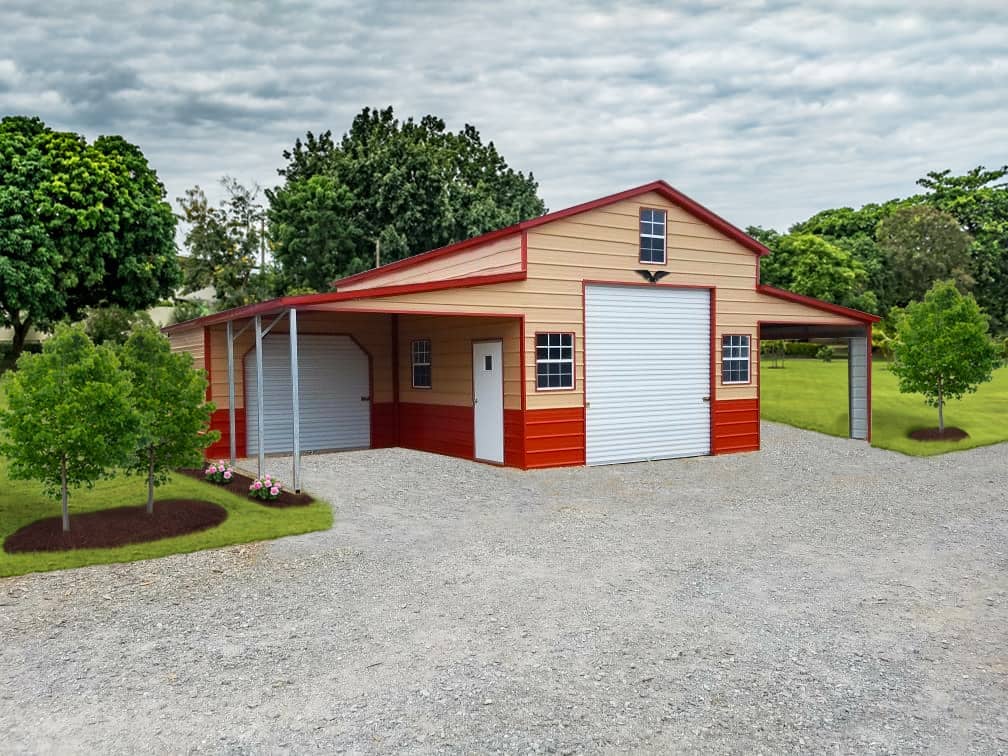
Many customers seeking durable metal buildings appreciate the ability to specify features like walk-in doors, roll-up doors, windows, and ventilation systems. These additions transform basic structures into fully functional workspaces or storage facilities.
Interior and Exterior Enhancements
Customization extends beyond structural elements to include aesthetic and functional improvements:
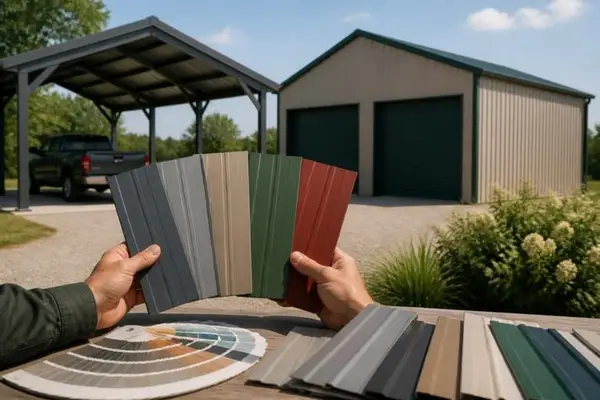
- Color selections from extensive palette options coordinate with existing buildings
- Trim packages provide professional finishing touches
- Insulation systems regulate interior temperatures and reduce energy costs
- Wainscoting adds visual interest while protecting lower wall sections
- Skylights and windows introduce natural lighting
For specialized needs like equestrian facilities, metal horse barns combine practical features like tack rooms, feed storage, and proper ventilation with the durability expected from quality steel building metal. These structures provide safe, comfortable environments for livestock while offering customization options that traditional barn construction cannot match.
Environmental Benefits of Steel Building Metal
Sustainability concerns increasingly influence construction material choices. Steel building metal stands out as an environmentally responsible option due to its recyclability and efficient production methods.
Steel ranks as the most recycled material globally, with recycling rates exceeding 85% for structural steel. This characteristic means your building potentially contains recycled content while remaining fully recyclable at the end of its service life.
The manufacturing efficiency of steel building metal continues improving. Modern mills consume significantly less energy per ton of steel produced compared to facilities from previous decades. This progress reduces the carbon footprint associated with new construction projects.
Energy Efficiency Performance
Properly designed steel buildings achieve excellent energy performance through strategic insulation placement. Reflective roof coatings reduce heat absorption during summer months, lowering cooling costs. Insulation systems prevent thermal bridging, maintaining comfortable interior temperatures year-round.
According to metal building system specifications, integrating energy-efficient features during initial construction costs less than retrofitting existing structures. Planning for insulation, ventilation, and natural lighting during the design phase maximizes long-term efficiency.
Installation and Construction Processes
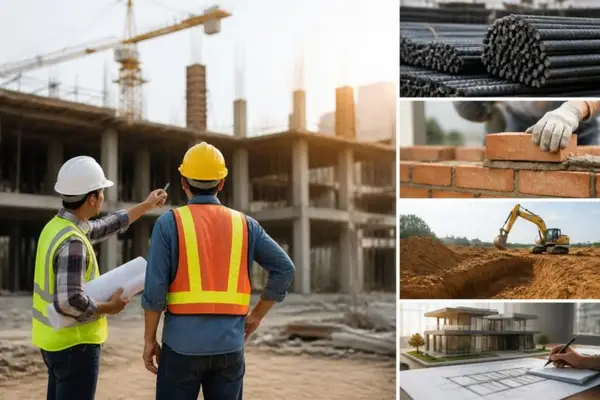
Steel building metal structures offer significant installation advantages over traditional construction methods. Pre-engineered components arrive at job sites ready for assembly, dramatically reducing construction timelines.
Foundation requirements for steel buildings typically prove less demanding than comparable concrete or masonry structures. The lighter weight of steel framing allows for simpler foundation systems in many applications, though site-specific soil conditions always dictate proper engineering.
Professional installation ensures structural integrity and warranty compliance. Experienced crews familiar with steel building metal can complete typical residential projects in days rather than weeks or months required for conventional construction.
Quality Control and Inspection
Maintaining quality throughout the installation process involves several checkpoints:
- Foundation verification confirms proper dimensions and anchor bolt placement
- Frame assembly follows manufacturer specifications for connections and alignment
- Panel installation ensures weather-tight seams and proper fastener spacing
- Trim and flashing complete the weather barrier system
- Final inspection verifies all components meet building codes and design specifications
The durability and design flexibility of metal building systems depend heavily on correct installation practices that honor engineering specifications.
Maintenance Requirements for Steel Building Metal
One compelling advantage of steel building metal involves minimal maintenance demands. Unlike wood structures requiring regular painting, sealing, or treatment for pest prevention, steel buildings need only periodic inspection and basic upkeep.
Annual inspections should examine fasteners, trim pieces, and weather seals. Tightening loose screws and replacing damaged trim prevents minor issues from developing into costly repairs. Cleaning dirt and debris from roof valleys and gutters maintains proper water drainage.
Touch-up paint addresses any scratches or chips that expose bare metal to the elements. Addressing these minor blemishes promptly prevents corrosion from spreading. Most quality steel building metal features protective coatings that resist scratching under normal use.
Long-Term Durability Expectations
Properly maintained steel structures regularly exceed 50-year lifespans. Many commercial and agricultural steel buildings from the 1970s and 1980s continue serving their original purposes with minimal deterioration.
The architectural applications of metal in construction demonstrate how steel building metal maintains structural integrity across decades of service. This longevity makes steel an excellent choice for buildings intended as long-term investments.
Regional Considerations for Steel Building Metal
Geographic location influences steel building metal specifications. Wind ratings, snow loads, and seismic requirements vary significantly across different regions, affecting design parameters and material thickness requirements.
Coastal environments demand additional corrosion protection due to salt air exposure. Galvanized coatings provide baseline protection, while marine-grade coatings or stainless steel components offer enhanced resistance for structures near ocean waters.
Cold climate considerations include insulation values, heating systems, and roof pitch to facilitate snow shedding. Conversely, hot climates benefit from reflective roof coatings, adequate ventilation, and strategic placement to minimize direct sun exposure.
Services extend across numerous states, with specialized offerings available for regions like Connecticut, Massachusetts, and Maryland, each configured to meet local building codes and weather conditions.
Applications Across Different Industries
Steel building metal serves diverse purposes across residential, commercial, and industrial sectors. Agricultural applications include equipment storage, livestock shelter, and hay storage facilities that protect valuable assets from weather exposure.
Commercial uses range from retail spaces and offices to warehouses and distribution centers. The clear-span capabilities of steel framing create flexible interior spaces easily modified as business needs evolve.
Residential applications extend beyond traditional homes to include workshops, recreational vehicle storage, and multi-purpose structures. Options like rent-to-own programs with no credit check make steel building metal accessible to broader audiences seeking quality structures without large upfront investments.
Specialty Structure Considerations
Certain applications require specific design features:
| Application Type | Critical Features | Typical Size Range | Special Requirements |
|---|---|---|---|
| Vehicle Storage | Clear height, wide openings | 12×20 to 24×30 | Door configurations |
| Workshops | Lighting, ventilation | 20×20 to 30×40 | Electrical integration |
| Equipment Storage | Accessibility, security | 24×30 to 40×60 | Heavy-duty foundations |
| Livestock Shelter | Ventilation, drainage | 24×40 to 36×60 | Specialized layouts |
Understanding these requirements ensures steel building metal structures meet functional needs while maintaining structural efficiency.
Future Developments in Steel Building Metal
Innovation continues advancing steel building metal technology. Research into higher-strength alloys produces materials offering superior performance with reduced weight. These developments enable longer spans and taller structures using less material.
Smart coating technologies promise enhanced corrosion resistance and self-healing properties. These advanced systems automatically seal minor scratches, maintaining protective barriers without manual intervention.
Building information modeling (BIM) integration streamlines design and construction processes. Digital tools enable precise visualization of completed projects before breaking ground, reducing errors and improving efficiency throughout the construction timeline.
The Metal Construction Association’s initiatives promote ongoing research and development, ensuring the industry continues evolving to meet changing market demands and environmental standards.
Steel building metal represents a proven solution combining strength, versatility, and long-term value for diverse construction applications. Understanding material properties, customization options, and maintenance requirements empowers you to make informed decisions aligned with your specific needs. Metal Structure Sales LLC specializes in delivering high-quality steel structures customized to your requirements, with comprehensive services including design consultation, delivery, and professional installation throughout their extensive service areas.