

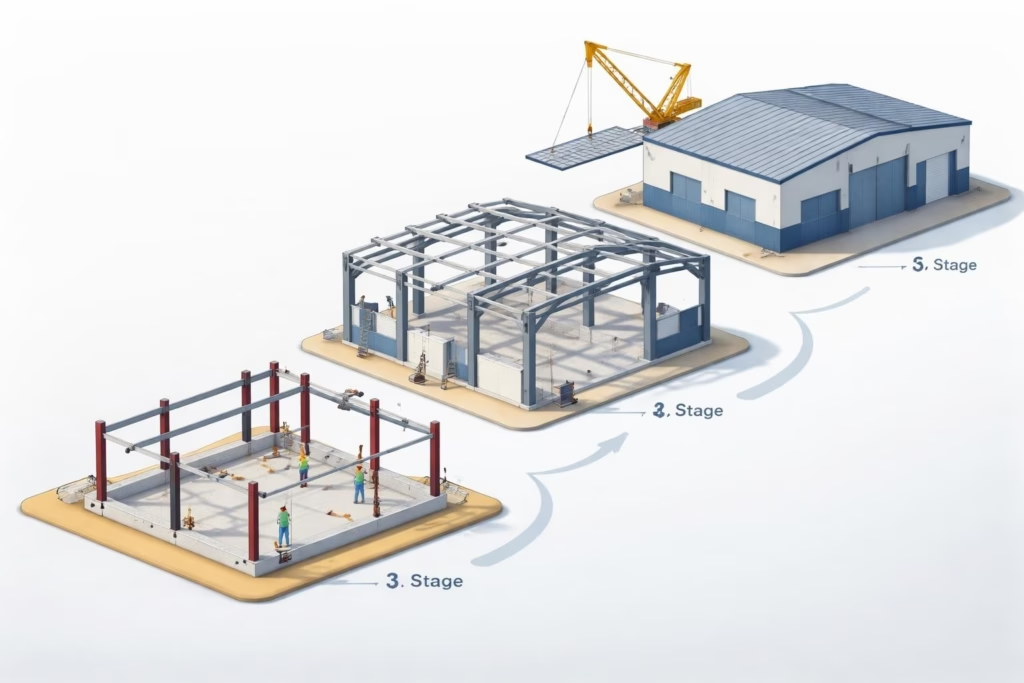
A steel metal building kit represents one of the most practical and cost-effective solutions for creating durable structures in 2026. Whether you're planning to protect vehicles, store equipment, or establish workspace, these pre-engineered systems deliver strength, versatility, and value that traditional construction methods struggle to match. Understanding the components, customization options, and installation requirements helps buyers make informed decisions that serve their needs for decades.
Understanding Steel Metal Building Kit Components
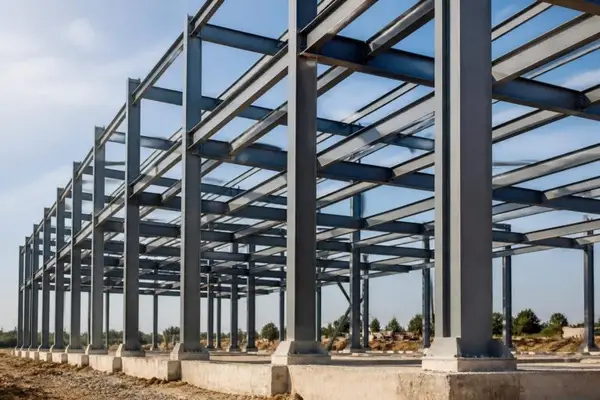
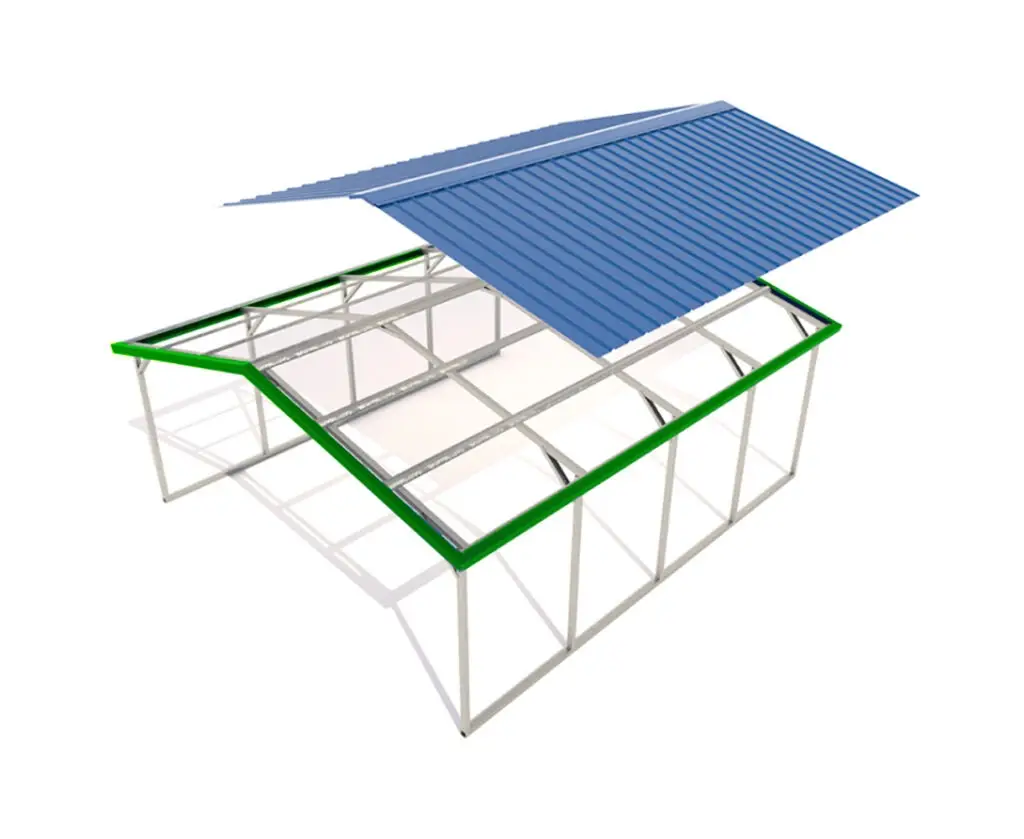
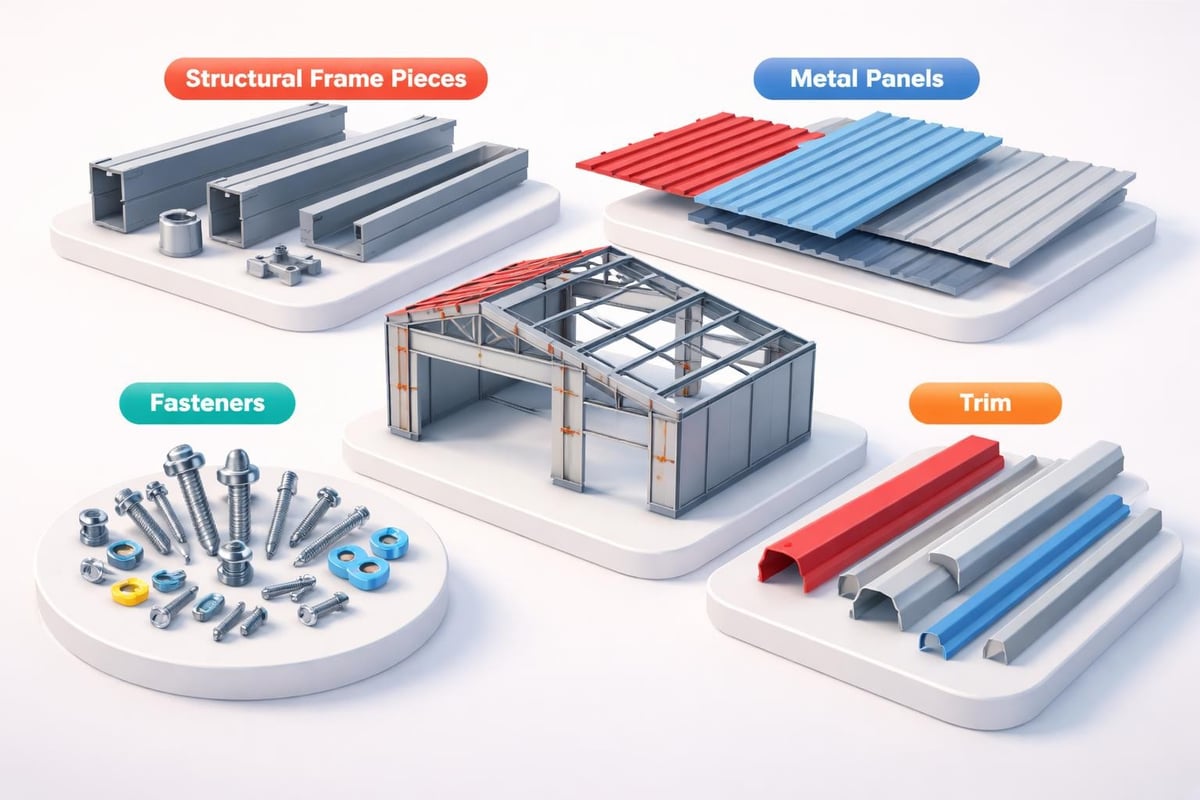
A steel metal building kit arrives as a complete package of pre-cut, pre-drilled components designed for efficient assembly. The primary framework consists of galvanized steel tubing that forms the structural skeleton, engineered to withstand specific wind speeds and snow loads based on your location. These steel building systems include vertical support posts, horizontal beams, roof trusses, and all necessary bracing elements.
The metal panels that cover the framework typically come in 26-gauge or 29-gauge thickness, with the heavier 26-gauge offering superior durability and resistance to denting. Panel profiles vary from corrugated to ribbed designs, each providing different aesthetic appeals and structural characteristics. Modern steel metal building kit packages include color-coated panels that resist fading, chipping, and rust formation for 20 years or longer.
Essential Hardware and Fastening Systems
Every quality kit includes precisely measured fasteners, anchor bolts, and trim pieces that ensure weathertight construction. The hardware package contains:
- Self-tapping screws with rubber washers for panel attachment
- Foundation anchor bolts sized for your soil conditions
- Ridge caps and corner trim for weather protection
- Gable end panels and framing components
- Door and window frames when specified
Manufacturers provide detailed part lists with corresponding assembly diagrams, making inventory verification straightforward before installation begins. This attention to detail prevents mid-project delays caused by missing components.
Types of Steel Metal Building Kits Available
The market offers several distinct steel metal building kit configurations, each designed for specific applications and aesthetic preferences. Understanding these variations helps match the right structure to your intended use and property requirements.
Roof Style Variations
| Roof Style | Description | Best Applications | Price Range |
|---|---|---|---|
| Regular (Rounded) | Horizontal roof panels with curved design | Basic vehicle coverage, storage | Most economical |
| A-Frame (Boxed Eave) | Horizontal roof with A-line ridge | Residential areas, moderate snow loads | Mid-range pricing |
| Vertical | Panels run from ridge to eave | Heavy snow/rain regions, premium appearance | Highest investment |
The vertical roof style provides superior performance in areas experiencing significant precipitation or debris accumulation. Vertical panels allow snow, leaves, and water to slide off efficiently rather than collecting on the surface, reducing maintenance requirements and extending structural lifespan.
Regular roof styles work well in temperate climates with minimal snow loads, offering budget-friendly protection for vehicles and equipment. The A-frame configuration bridges the gap between economy and performance, providing enhanced durability without the premium cost of vertical installations.
Enclosure Options
Steel metal building kits range from completely open structures to fully enclosed buildings with multiple access points. Partially enclosed configurations with one, two, or three closed sides offer flexible protection while maintaining open access from preferred directions. These designs work exceptionally well for agricultural applications, workshop spaces, or situations requiring vehicle access from specific angles.
Fully enclosed metal buildings transform the basic framework into secure storage facilities, workshops, or hobby spaces. These complete structures include walk-in doors, overhead garage doors, and window openings based on your specifications. The enclosed design provides maximum security and environmental protection for valuable equipment, tools, or inventory.
Customization Possibilities for Steel Metal Building Kits
Modern steel metal building kit manufacturers offer extensive customization options that transform standard designs into personalized structures matching exact requirements. This flexibility ensures your investment serves specific needs rather than forcing compromises with generic solutions.
Dimensional Adjustments
Width options typically range from 12 feet to 60 feet, with length customizable in virtually unlimited increments. Standard leg heights start at 6 feet but extend up to 16 feet for oversized vehicles, equipment, or multi-level storage solutions. These dimensional choices allow precise fitting to your property while accommodating current and future storage needs.
When designing your structure, consider:
- Current vehicle dimensions with clearance for mirrors, antennas, and door opening
- Future purchase plans that might require additional height or width
- Property setback requirements dictated by local zoning regulations
- Access patterns ensuring convenient entry and exit from all sides
- Snow accumulation zones that might require wider eaves or increased clearance
Structural Enhancements
Upgrading to 12-gauge steel framing from the standard 14-gauge option significantly increases load-bearing capacity and overall structural integrity. This enhancement proves particularly valuable in regions experiencing high winds, heavy snow loads, or when planning to hang equipment from roof supports.
Additional bracing, reinforced corners, and engineered certification add peace of mind and may satisfy insurance or permitting requirements. Some buyers choose mobile home anchoring systems that meet manufactured home installation standards, creating exceptional wind resistance in hurricane-prone regions.
Planning Your Steel Metal Building Kit Purchase
Strategic planning before ordering your steel metal building kit prevents costly mistakes and ensures the finished structure meets all expectations. This preparation phase determines long-term satisfaction with your investment.
Site Evaluation Requirements
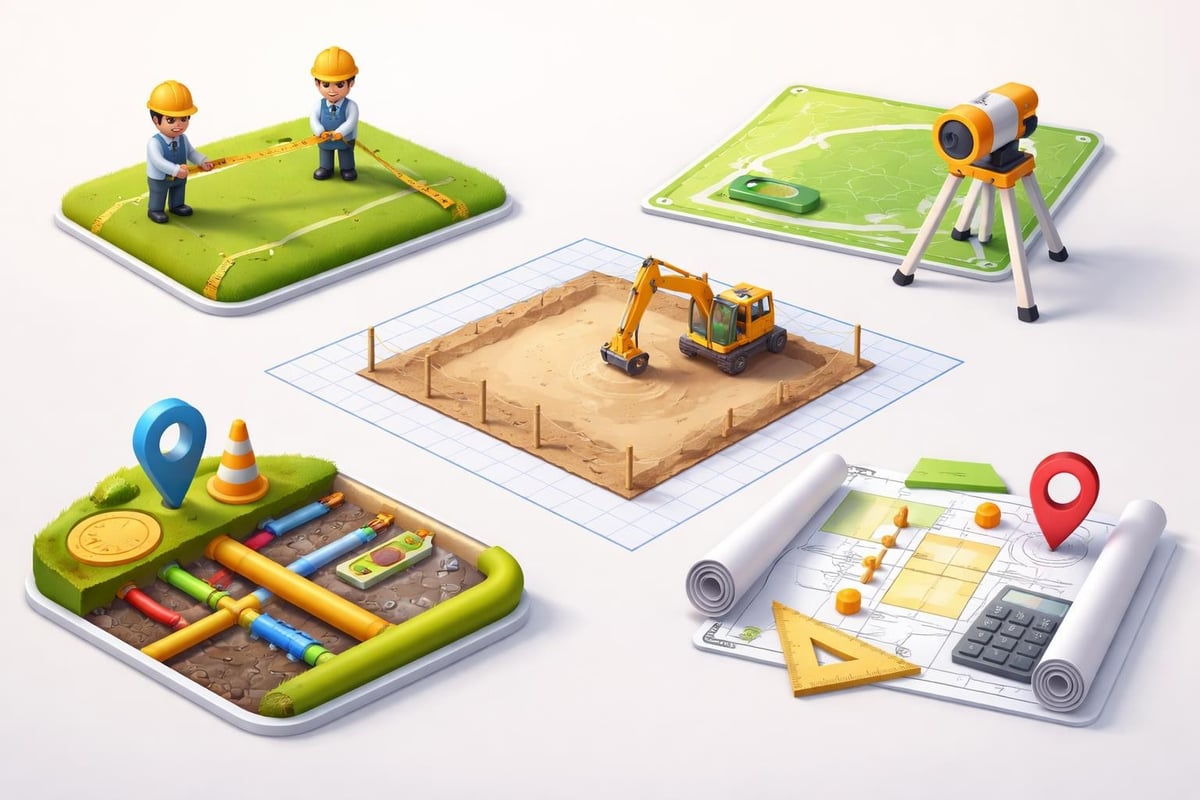
Professional site assessment identifies challenges that affect foundation requirements, drainage solutions, and structure placement. Soil composition determines whether standard ground anchors suffice or if concrete footings become necessary. Testing reveals clay content, sand ratios, and load-bearing capacity that influence engineering specifications.
Slope analysis prevents water pooling underneath your structure or against foundation elements. Even gentle grades require consideration for drainage channels or French drain installation. Properties with significant slope might need excavation and leveling or engineered foundation systems that compensate for elevation changes.
Permit and Regulation Compliance
Local building departments enforce specific requirements for steel metal building kit installations based on community standards and safety codes. These regulations address:
- Minimum setback distances from property lines, roads, and existing structures
- Maximum building heights without special permits or variance approvals
- Foundation specifications meeting frost depth and soil condition standards
- Wind and snow load calculations appropriate for your geographic zone
- Electrical and plumbing permits when adding utilities to enclosed structures
Researching these requirements early prevents redesign costs or expensive modifications after delivery. Many municipalities maintain online permit portals with detailed requirements, fee schedules, and submittal processes that streamline approval timelines.
Installation Methods and Considerations
Steel metal building kit assembly follows systematic processes that range from professional contractor installation to capable do-it-yourself projects. Understanding installation approaches helps determine appropriate resources and realistic timelines.
Professional Installation Services
Experienced installers complete typical carport or garage projects within one to three days depending on size and complexity. These professionals bring specialized tools, engineering knowledge, and crews trained in safe steel erection practices that ensure code-compliant construction.
Professional installation typically includes site preparation, foundation work, complete structure assembly, and final inspection coordination. This turnkey approach eliminates guesswork and provides warranty protection for workmanship alongside manufacturer material guarantees.
Many customers appreciate the convenience of delivery and installation included in their steel metal building kit purchase. This comprehensive service ensures proper assembly while allowing buyers to focus on site preparation and landscaping details.
DIY Assembly Approach
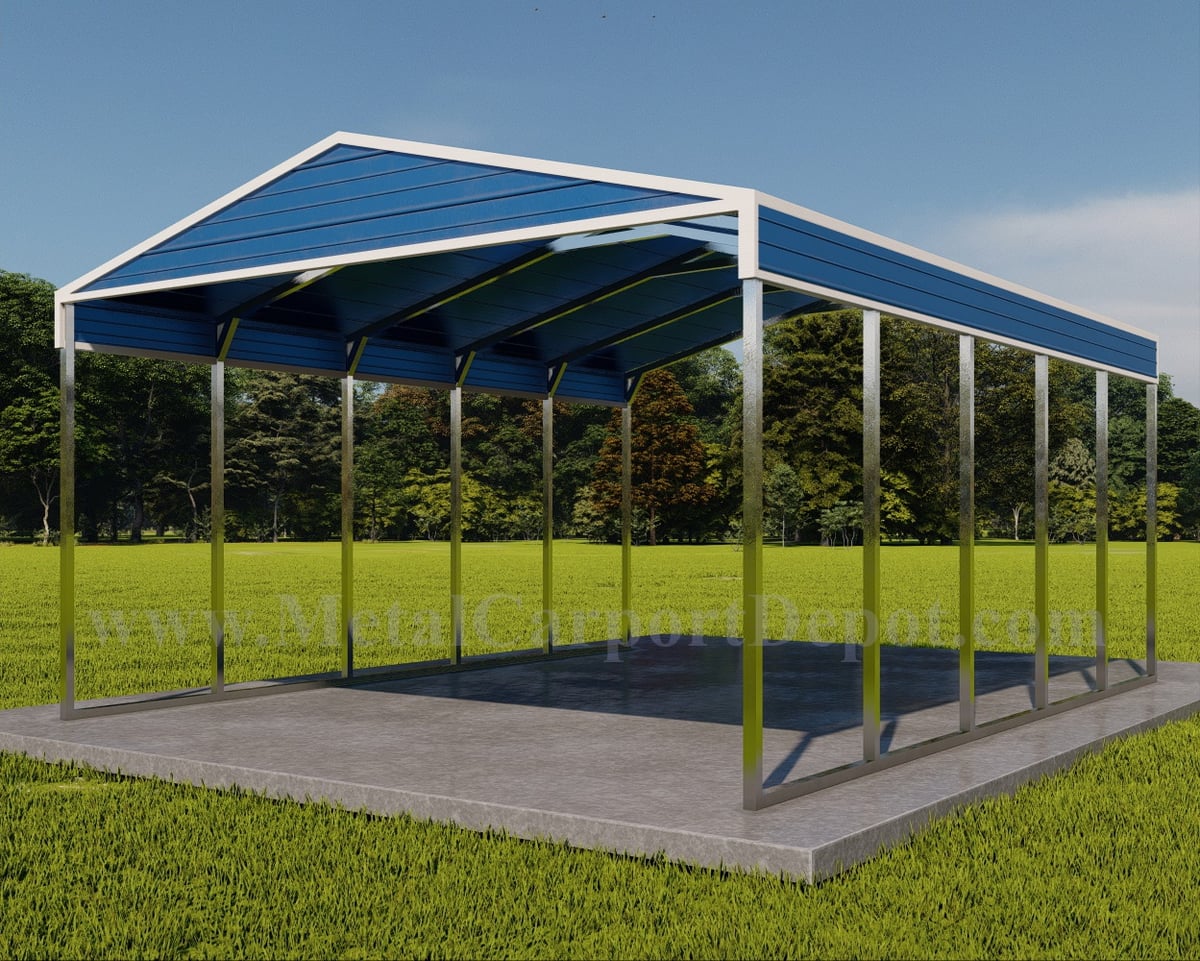
Mechanically inclined individuals with basic construction experience can successfully assemble steel metal building kits using manufacturer instructions and common tools. A typical two-car carport requires 2-4 people working together over a weekend, assuming foundation preparation is complete beforehand.
Essential tools include impact drivers, socket sets, levels, measuring tapes, and ladders or scaffolding for roof assembly. Following OSHA safety guidelines prevents accidents during the building process, particularly when working at heights or handling long metal components.
| Installation Phase | Time Required | Skill Level | Helper Requirements |
|---|---|---|---|
| Foundation prep | 1-2 days | Intermediate | 1-2 helpers |
| Frame assembly | 4-8 hours | Beginner-Intermediate | 2-3 helpers |
| Roof installation | 3-6 hours | Intermediate-Advanced | 2-3 helpers |
| Panel attachment | 2-4 hours | Beginner | 1-2 helpers |
| Trim and finishing | 2-3 hours | Beginner | 1 helper |
Cost Factors for Steel Metal Building Kits
Understanding price components helps establish realistic budgets and identify where customization investments deliver maximum value. Steel metal building kit costs vary significantly based on specifications, location, and market conditions in 2026.
Base Structure Pricing
Entry-level single-car carports with regular roof styles start around $1,200-$1,800 for basic 12×21-foot configurations. Double-wide options measuring 18×21 feet typically range from $1,800-$2,800, while 20×21-foot three-car designs begin near $2,400-$3,600. These prices represent basic structures with standard leg heights and minimal customization.
Vertical roof upgrades add approximately 30-40% to base pricing but deliver superior performance and enhanced appearance. The investment proves worthwhile in regions receiving substantial rainfall or snowfall, where accumulated precipitation causes maintenance issues and potential structural stress on horizontal roof designs.
Customization Cost Impacts
Dimensional increases beyond standard sizes affect pricing proportionally to additional materials required. Extra leg height typically adds $100-$200 per foot increase, while width expansions of 2-4 feet might add $300-$600 depending on length. Enclosure panels, doors, and windows introduce significant cost variations based on quantity and quality selected.
Geographic location influences both material costs and installation expenses. Areas with challenging building codes might require engineering certification adding $200-$500 to project totals. Remote delivery locations sometimes incur additional freight charges, though many suppliers include delivery within specified service areas.
Financing options like rent-to-own programs make steel metal building kits accessible without large upfront investments. These arrangements spread costs over manageable monthly payments while providing immediate structure access and protection for valuable assets.
Maintenance and Longevity Expectations
Properly installed steel metal building kits require minimal maintenance while delivering decades of reliable service. Understanding care requirements ensures your investment maintains appearance and functionality throughout its lifespan.
Routine Care Procedures
Annual inspections identify minor issues before they escalate into expensive repairs. Check for:
- Loose or missing fasteners requiring tightening or replacement
- Panel edges showing early rust formation needing touch-up paint
- Gutter accumulation that might cause water overflow
- Tree branches or debris resting on roof surfaces
- Ground erosion around foundation points
Washing panels with mild soap and water every 1-2 years removes accumulated dirt, pollen, and environmental contaminants that might promote corrosion. This simple maintenance preserves the protective coating and maintains the structure's attractive appearance.
Long-Term Performance Factors
Quality steel metal building kits fabricated from galvanized materials and protected with modern coating systems regularly exceed 30-40 years of service life. The structural design principles employed in pre-engineered metal buildings create exceptional strength-to-weight ratios that resist wind, snow, and seismic forces throughout extended service periods.
Coastal installations face accelerated corrosion challenges from salt air exposure. Selecting upgraded coating systems and performing more frequent inspections helps these structures achieve comparable lifespans to inland installations. Some manufacturers offer specialized marine-grade options for properties within several miles of saltwater environments.
Regional Considerations for Steel Metal Building Kits
Climate conditions, building codes, and soil characteristics vary dramatically across different regions, requiring tailored approaches to steel metal building kit selection and installation. Understanding these geographic factors prevents performance issues and ensures regulatory compliance.
Climate-Specific Requirements
Northern states experiencing heavy snowfall benefit significantly from vertical roof designs and increased roof pitch angles that shed accumulation efficiently. Snow load ratings matching local building codes prevent structural failure during severe winter weather events. Areas like Michigan and Massachusetts require engineered specifications addressing substantial seasonal precipitation.
Hurricane-prone regions including coastal areas of Mississippi and Arkansas demand enhanced wind ratings, often requiring structures rated for 140+ mph sustained winds. Mobile home anchoring systems and additional ground anchors provide the resistance necessary for these extreme weather conditions.
Soil and Foundation Variations
Sandy soils common in southern states require deeper anchor penetration or concrete foundation systems to achieve adequate holding strength. Clay-heavy soils experiencing freeze-thaw cycles need foundation depths below frost lines to prevent heaving and structural movement. Rocky terrain might necessitate augered holes or concrete piers rather than driven anchors.
Professional soil testing provides data supporting proper foundation selection and prevents future settling or stability issues. This investment of $200-$400 delivers peace of mind and ensures your steel metal building kit remains level and secure for decades.
Comparing Steel Metal Building Kits to Alternative Solutions
Evaluating steel metal building kits against traditional construction methods and alternative materials illuminates the advantages driving their popularity in 2026. This comparison helps validate investment decisions and confirms you're choosing the optimal solution.
Traditional Wood Frame Structures
Wood construction requires significantly more labor hours, specialized carpentry skills, and ongoing maintenance to prevent rot, insect damage, and weather deterioration. The material costs for dimensional lumber, plywood sheathing, roofing materials, and fasteners typically exceed steel metal building kit pricing by 40-60% for comparable structures.
Maintenance requirements for wood buildings include regular painting or staining, termite treatments, and eventual board replacement as weather exposure causes deterioration. These recurring costs accumulate substantially over 20-30 year ownership periods, making the total investment considerably higher than maintenance-free metal alternatives.
Fabric and Portable Shelter Systems
Temporary fabric structures offer lower initial costs but require replacement every 3-7 years as UV exposure degrades material strength and weather resistance. Wind damage, torn panels, and zipper failures create ongoing repair expenses that erode the initial savings advantage.
Steel metal building kits provide permanent solutions with minimal depreciation and essentially unlimited service lives when properly maintained. The structural integrity, security benefits, and property value enhancement justify the higher upfront investment for property owners seeking long-term solutions.
Maximizing Your Steel Metal Building Kit Investment
Strategic decisions during the planning, ordering, and installation phases ensure your steel metal building kit delivers maximum value and satisfaction. These considerations optimize both immediate functionality and long-term performance.
Future-Proofing Your Structure
Ordering slightly larger dimensions than current needs accommodates future vehicle purchases, equipment additions, or evolving storage requirements. The marginal cost increase for an additional 3-5 feet of width or length proves minimal compared to replacing an undersized structure within several years.
Installing electrical conduit during construction provides future flexibility for lighting, power outlets, or climate control systems. Even if immediate wiring isn't planned, empty conduit routes between desired locations simplifies future upgrades at minimal initial expense.
Aesthetic Integration
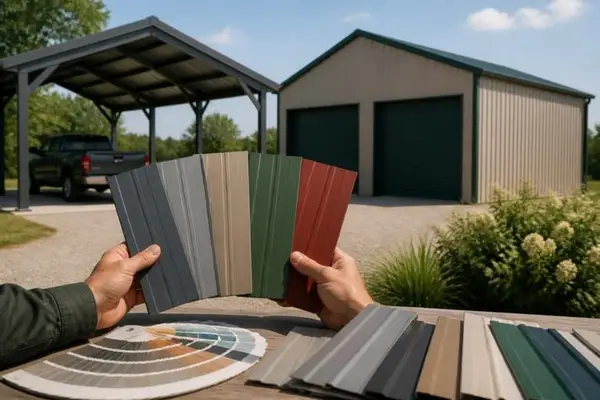
Color selection matching or complementing existing structures creates cohesive property appearance. Modern steel metal building kits offer extensive color palettes including earth tones, traditional building colors, and premium metallic finishes. Coordinating roof and trim colors with your home or barn establishes visual harmony across your property.
Landscaping around your structure softens the industrial appearance while improving drainage and preventing erosion. Strategic tree placement provides shade during summer months without creating debris problems or limiting snow shed capabilities during winter.
The flexibility offered by platforms allowing you to create your own garage design ensures your vision becomes reality. Interactive tools let you experiment with configurations, visualize different options, and understand pricing impacts before finalizing decisions.
Evaluating Manufacturer Quality and Support
The steel metal building kit industry includes numerous manufacturers offering varying quality levels, warranty coverage, and customer support standards. Selecting reputable suppliers ensures your investment delivers expected performance and receives backing when questions or issues arise.
Quality Indicators to Assess
Premium manufacturers use consistently thick gauge steel throughout their frameworks rather than mixing lighter materials in less visible locations. Examining actual gauge measurements and material certifications confirms advertised specifications match delivered products. Galvanized coatings should meet ASTM standards providing documented corrosion resistance.
Panel quality shows in coating thickness, paint adhesion, and edge treatment preventing rust initiation. Superior products feature hem-folded edges rather than raw cuts that expose bare metal to moisture. The preservation guidelines used for historic metal roofs emphasize proper edge treatment and coating application that prevent premature deterioration.
Warranty Coverage Analysis
Comprehensive warranties separately cover framework, panels, and coating systems with clearly defined terms and exclusions. Framework guarantees typically range from 20 years to lifetime coverage, while panel and coating warranties span 20-40 years depending on quality tier selected.
Understanding claim procedures, required maintenance documentation, and transferability provisions helps assess true warranty value. Some manufacturers require professional installation for warranty validity, while others honor coverage regardless of installation method when proper procedures are followed.
Steel Metal Building Kit Applications
The versatility of steel metal building kits enables diverse applications beyond basic vehicle protection. Understanding these possibilities helps recognize opportunities for additional structures serving various property needs.
Agricultural and Livestock Uses
Farm operations benefit from equipment storage protecting tractors, implements, and harvest machinery from weather exposure. Enclosed buildings safeguard fertilizers, seeds, and chemical supplies while preventing moisture damage and temperature extremes. Hay storage structures with proper ventilation prevent mold development while protecting valuable feed investments.
Livestock applications include horse shelters providing shade and weather protection in pastures, covered feeding areas keeping feed dry and accessible, and equipment wash stations with concrete pads and drainage systems. These specialized configurations often combine open sides for ventilation with enclosed storage sections for tack and supplies.
Commercial and Business Applications
Small businesses utilize steel metal building kits for workshops, retail spaces, warehousing, and office facilities at fractions of conventional construction costs. The open-span designs eliminate interior support columns, maximizing usable floor space for inventory storage, manufacturing equipment, or customer areas.
Service businesses including automotive repair, equipment rental, landscaping operations, and contractor companies appreciate the rapid deployment, minimal maintenance, and expansion flexibility these structures provide. Adding sections or increasing building length accommodates business growth without major facility relocation expenses.
Recreational and Hobby Applications
RV owners protect significant investments with dedicated covers preventing sun damage, weather deterioration, and temperature extremes that reduce vehicle lifespan and interior condition. Boat storage keeps watercraft secure and accessible while preventing gelcoat oxidation and mechanical corrosion from continuous outdoor exposure.
Workshop enthusiasts create climate-controlled hobby spaces for woodworking, automotive restoration, metalworking, or craft activities. The secure enclosures protect tools and works-in-progress while providing comfortable environments for year-round project engagement.
Selecting the right steel metal building kit requires balancing immediate needs with future applications while ensuring quality materials and proper installation create lasting value. Whether protecting vehicles, storing equipment, or establishing workspace, these versatile structures deliver durability and functionality that traditional construction struggles to match at comparable costs. Metal Structure Sales LLC specializes in helping customers design and install customized metal structures with delivery and installation included, transforming your property protection needs into reality with quality products backed by comprehensive support.