

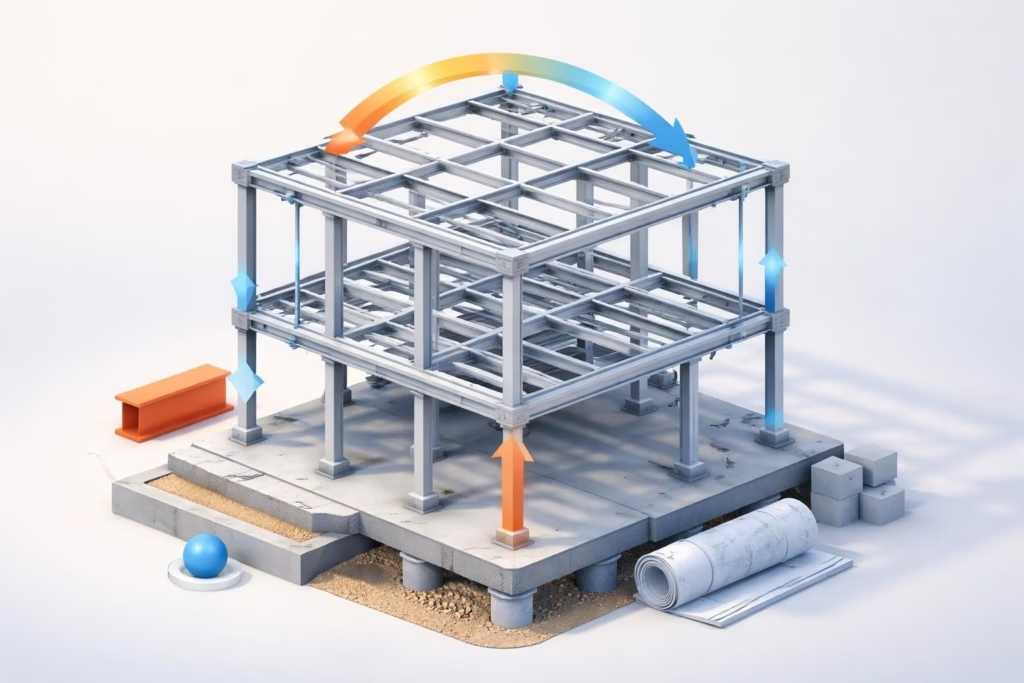
The construction industry continues to evolve, and building with steel frame has emerged as one of the most reliable and efficient methods for creating durable structures. Whether you're planning a residential project, commercial facility, or specialized structure like a carport or barn, understanding the fundamentals of steel frame construction can help you make informed decisions. Steel framing offers unmatched strength, longevity, and versatility compared to traditional building materials. This guide explores the essential aspects of steel frame construction, from planning and design to installation and long-term benefits.
Understanding Steel Frame Construction Fundamentals
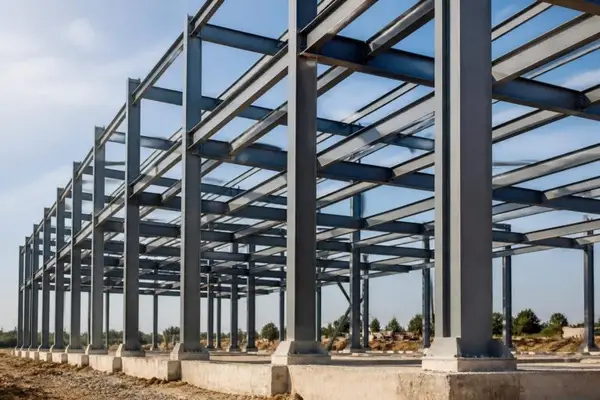
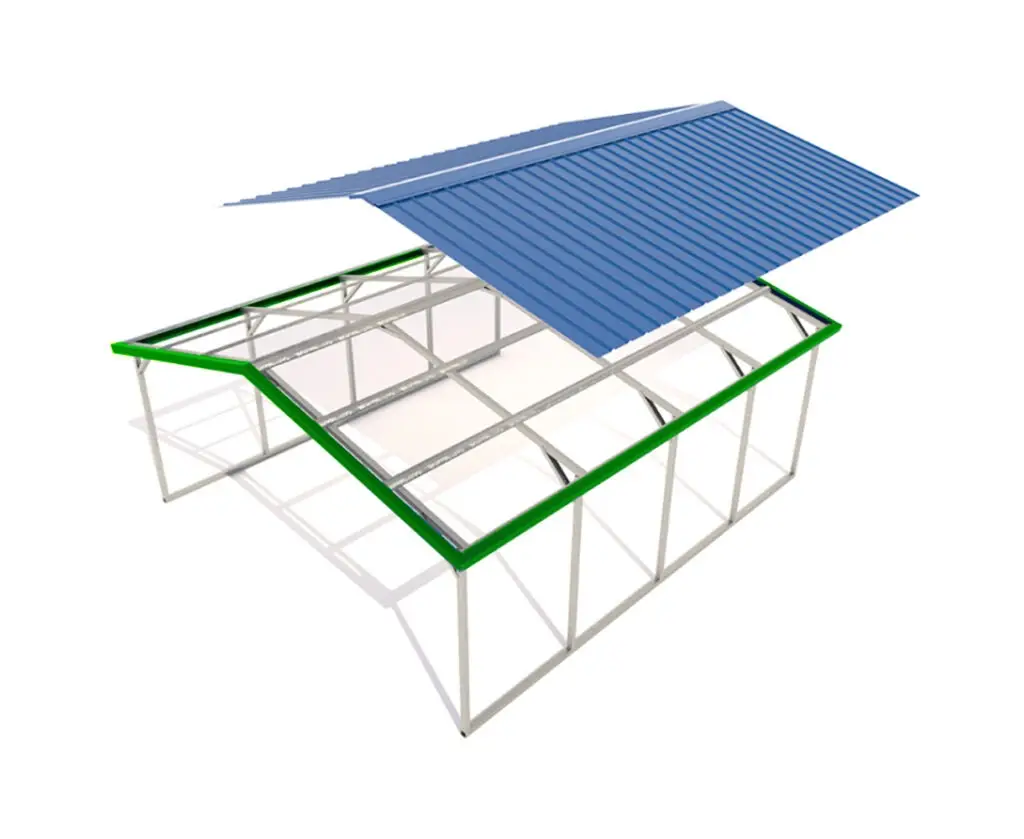
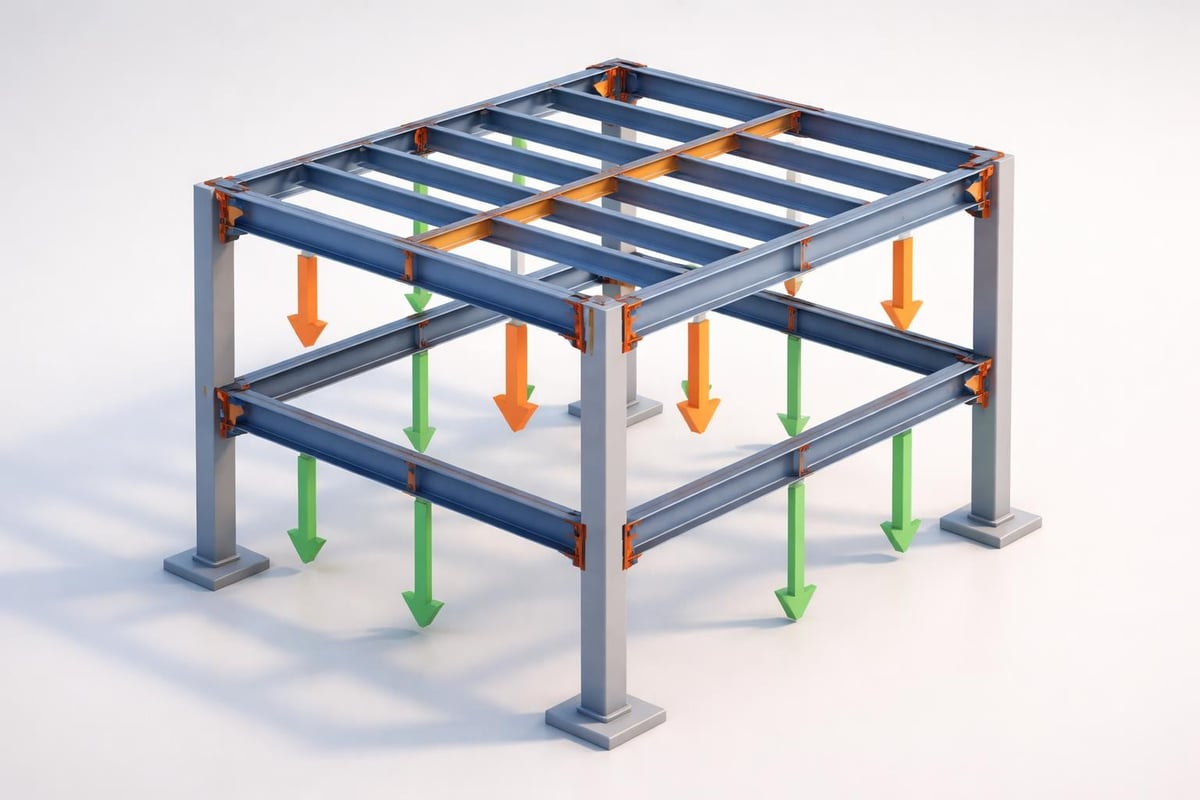
Building with steel frame involves creating a structural skeleton using steel columns, beams, and joists that support the entire building. This method has revolutionized modern construction by providing superior load-bearing capacity and design flexibility. The framework consists of vertical columns that transfer loads to the foundation, horizontal beams that span between columns, and secondary framing members that support floors, walls, and roofs.
Key Components of Steel Frame Systems
The primary elements in steel frame construction include hot-rolled sections, cold-formed sections, and connecting elements. Hot-rolled steel provides exceptional strength for major structural components, while cold-formed steel offers lighter-weight solutions for secondary framing. The fundamentals of steel frame construction demonstrate how these components work together to create resilient structures.
Connection methods play a crucial role in steel frame integrity. Engineers utilize bolted connections, welded joints, and specialized fasteners to ensure structural stability. Each connection type offers specific advantages depending on load requirements, assembly speed, and long-term maintenance considerations.
Advantages of Building with Steel Frame
Steel frame construction delivers numerous benefits that make it the preferred choice for modern builders and property owners. The material's inherent properties provide solutions to common construction challenges while offering long-term value.
Strength and Durability Benefits
Steel's high strength-to-weight ratio allows for longer spans and more open floor plans than traditional materials. This characteristic enables creative architectural designs without compromising structural integrity. The advantages of using steel include resistance to warping, cracking, and settling that commonly affect wood-frame structures.
Key durability features include:
- Resistance to termites, rot, and mold
- Non-combustible properties that enhance fire safety
- Ability to withstand extreme weather conditions
- Minimal expansion and contraction with temperature changes
- Long service life exceeding 50 years with proper maintenance
Cost-Effectiveness and Construction Speed
Building with steel frame reduces overall project costs through multiple mechanisms. Prefabrication in controlled environments minimizes material waste and allows for precise manufacturing. Steel components arrive on-site ready for assembly, significantly reducing construction time compared to traditional building methods.
Labor costs decrease due to faster installation times and reduced need for skilled craftspeople. The lightweight nature of steel framing requires less heavy equipment for lifting and positioning. Additionally, steel's dimensional stability eliminates callbacks for warping or settling issues common with other materials.
| Cost Factor | Steel Frame | Traditional Construction |
|---|---|---|
| Installation Time | 30-50% faster | Baseline |
| Material Waste | 2-5% | 15-20% |
| Foundation Requirements | Lighter/Less expensive | Heavier/More expensive |
| Long-term Maintenance | Minimal | Moderate to High |
| Insurance Premiums | Lower (fire resistance) | Higher |
Design Flexibility and Customization Options
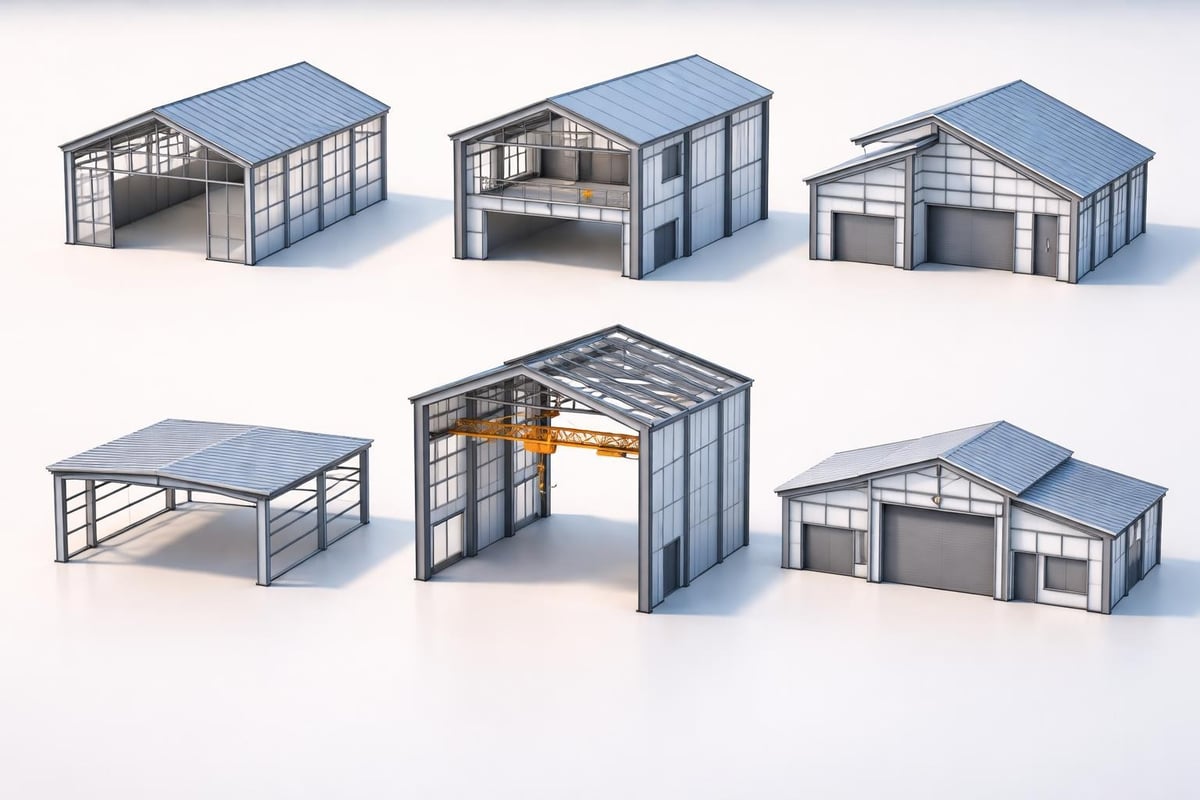
One of the most compelling aspects of building with steel frame is the virtually unlimited design possibilities. Steel's strength allows architects and engineers to create structures with wide open spaces, unique shapes, and specialized features that meet specific functional requirements.
Clear Span Capabilities
Steel framing excels at creating large interior spaces without interior support columns. This capability proves essential for warehouses, workshops, garages, and agricultural buildings where unobstructed floor space maximizes functionality. Projects like the Wide Span Metal Structures Over 30′ Wide demonstrate how steel frame construction accommodates substantial width requirements, with custom options for additional height and enhanced structural features.
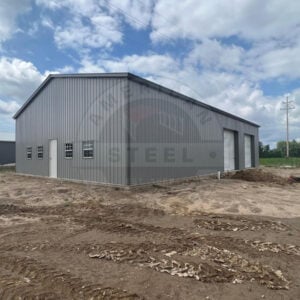
Clear span designs range from 30 feet to over 100 feet in commercial applications. This flexibility enables property owners to configure interior spaces according to their specific needs without worrying about load-bearing walls or columns interfering with equipment, vehicles, or operational flow.
Customization and Expansion Potential
Steel frame structures offer exceptional adaptability for future modifications. Adding extensions, creating openings, or reconfiguring interior layouts becomes straightforward with proper engineering. The modular nature of steel construction allows buildings to grow with changing needs.
Popular customization options include:
- Adjustable roof pitches for aesthetic appeal or snow load requirements
- Variable wall heights to accommodate tall equipment or vehicles
- Multiple door and window configurations
- Integration of mezzanines and loft spaces
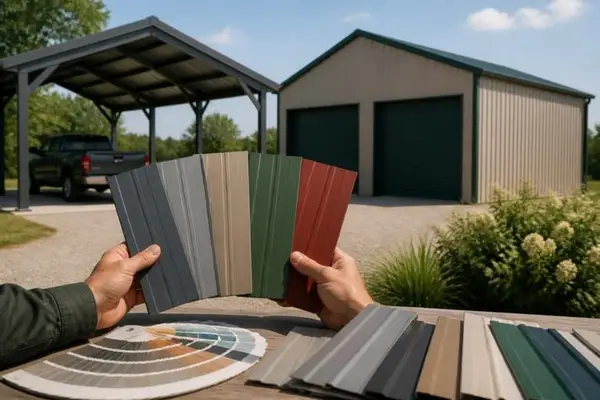
- Custom colors and finishes for exterior panels
Planning Your Steel Frame Building Project
Successful building with steel frame requires careful planning and consideration of multiple factors. Understanding local requirements, site conditions, and project goals ensures smooth execution and optimal results.
Site Preparation and Foundation Requirements
Steel frame buildings demand proper foundation design to ensure long-term stability. The foundation type depends on soil conditions, building size, load requirements, and local climate factors. Common foundation options include concrete slabs, pier and beam systems, and continuous footings.
Site evaluation should assess drainage patterns, soil bearing capacity, and accessibility for construction equipment. Proper grading prevents water accumulation around the foundation, while adequate compaction ensures stable support for the structure. Engaging professional engineers for foundation design prevents costly issues during and after construction.
Permit and Code Compliance
Building codes govern steel frame construction to ensure safety and structural integrity. Local jurisdictions require permits for most structures, with specific requirements varying by location. Understanding steel frame structures helps navigate regulatory requirements effectively.
Working with experienced suppliers and installers who understand regional code requirements streamlines the permitting process. They can provide engineered drawings, load calculations, and documentation needed for approval. Some areas like Vermont and Virginia have specific requirements based on snow loads and wind ratings.
Installation Process and Best Practices
The construction phase of building with steel frame follows a systematic approach that ensures structural integrity and long-term performance. Professional installation teams execute each step with precision to meet engineering specifications.
Framework Assembly Steps
Steel frame installation begins with foundation preparation and anchor bolt placement. These anchors secure the base plates that support vertical columns. Proper alignment at this stage proves critical for the entire structure's accuracy.
Standard installation sequence:
- Install and align base plates on anchor bolts
- Erect corner columns and verify plumb alignment
- Position intermediate columns and secure connections
- Install primary beams between column tops
- Add secondary framing members and purlins
- Secure roof panels from peak to eaves
- Install wall panels and trim components
- Complete door and window installations
Quality Control Measures
Professional installers implement multiple checkpoints throughout the construction process. They verify measurements, check connections for proper torque specifications, and ensure all components meet engineering requirements. The techniques of steel frame construction emphasize precision at every stage.
Weather considerations affect installation scheduling. While steel itself resists moisture damage, installation should occur during favorable conditions to ensure proper alignment and connection quality. Wind speeds, precipitation, and extreme temperatures can impact safe working conditions and installation accuracy.
Maintenance and Long-Term Performance
Building with steel frame creates structures that require minimal maintenance compared to traditional construction materials. Understanding proper care procedures maximizes the lifespan and preserves the appearance of steel buildings.
Routine Maintenance Requirements
Steel frame structures benefit from periodic inspections to identify potential issues early. Check fasteners for tightness, examine panels for damage, and ensure drainage systems function properly. Most maintenance tasks take minimal time and require basic tools.
- Annual inspections: Walk around the structure checking for loose panels, damaged trim, or debris accumulation
- Cleaning: Remove dirt, leaves, and debris from roof valleys and gutters
- Touch-up painting: Address any scratches or chips in protective coatings
- Hardware checks: Tighten bolts and screws as needed
- Snow removal: Clear excessive snow loads in high-snowfall regions
Protective Coatings and Corrosion Prevention
Modern steel building materials feature protective coatings that prevent rust and corrosion. Galvanized steel undergoes a zinc coating process that creates a barrier against moisture and oxidation. Additional paint finishes provide color options while enhancing protection.
The advantages of steel frame construction include inherent resistance to environmental factors when properly coated. In coastal areas or regions with high humidity, selecting appropriate coating systems becomes especially important for long-term performance.
| Maintenance Task | Frequency | Time Required |
|---|---|---|
| Visual Inspection | Quarterly | 15-30 minutes |
| Gutter Cleaning | Bi-annually | 1-2 hours |
| Panel Cleaning | Annually | 2-4 hours |
| Hardware Tightening | Annually | 1-2 hours |
| Touch-up Paint | As needed | Variable |
Environmental and Sustainability Considerations
Building with steel frame aligns with modern sustainability goals and environmental responsibility. Steel's recyclability and energy efficiency make it an environmentally conscious choice for construction projects.
Recyclability and Resource Conservation
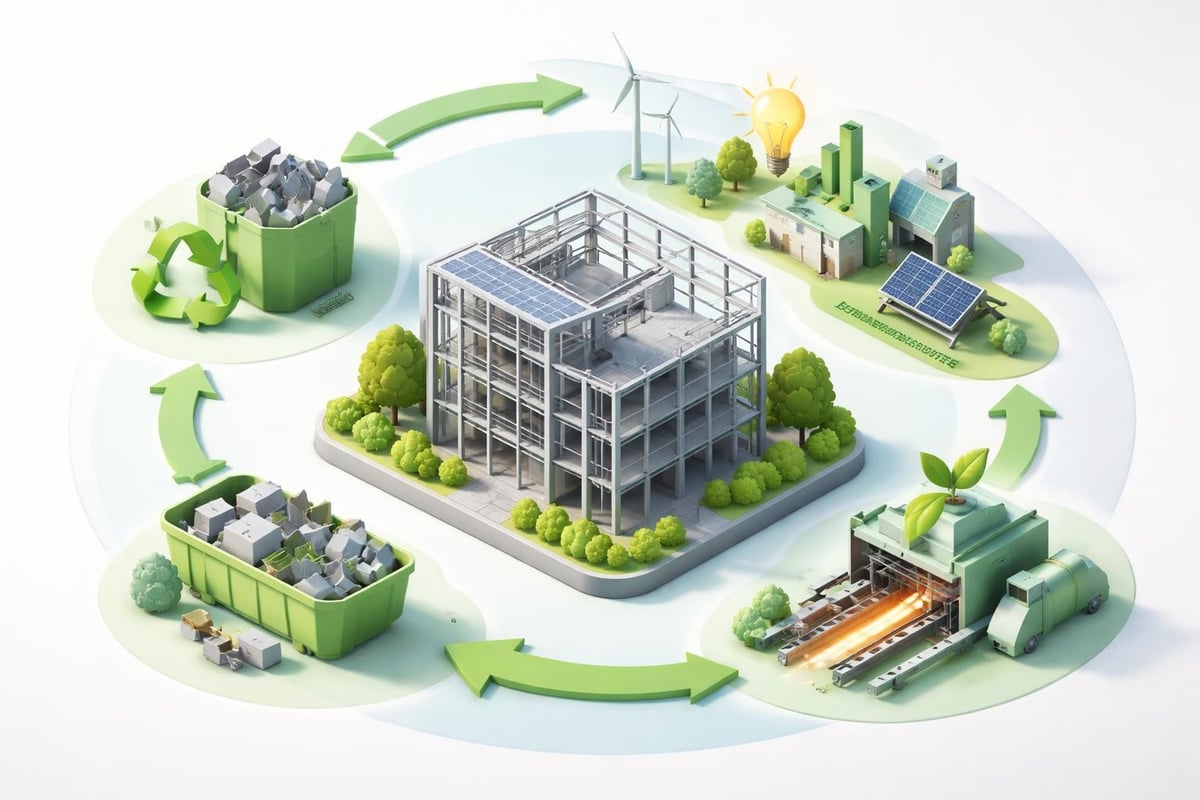
Steel ranks as the most recycled material globally, with recycling rates exceeding 80% in construction applications. Demolished steel buildings provide raw material for new steel production without quality degradation. This closed-loop recycling system reduces mining demands and conserves natural resources.
Manufacturing processes for steel have improved significantly, with modern mills using electric arc furnaces that consume less energy and produce fewer emissions. The structural steel building advantages extend beyond construction performance to environmental impact reduction.
Energy Efficiency Benefits
Steel frame construction facilitates superior insulation installation, creating energy-efficient building envelopes. The framing allows for thick insulation layers without thermal bridging issues common in other construction methods. Reflective roof coatings on steel panels reduce heat absorption, lowering cooling costs in warm climates.
Energy-saving features include:
- Tight building envelopes that minimize air infiltration
- Compatibility with spray foam and batt insulation systems
- Reflective roof coatings that reduce heat gain by up to 25%
- Optimal placement of windows and doors for natural lighting
- Integration with solar panel mounting systems
Financing and Investment Value
Understanding the financial aspects of building with steel frame helps property owners make informed investment decisions. Multiple financing options and long-term value considerations affect project feasibility.
Financing Options for Steel Buildings
Various financing paths exist for steel frame construction projects. Traditional mortgage lenders often provide favorable terms for steel buildings due to their durability and lower insurance costs. Some suppliers offer direct financing programs with competitive rates and flexible terms.
Alternative financing includes home equity loans, construction-to-permanent loans, and specialized agricultural or commercial lending programs. For those seeking flexible payment arrangements, rent-to-own options with no credit check requirements provide accessible paths to ownership.
Return on Investment Analysis
Steel frame buildings deliver strong ROI through multiple channels. Lower maintenance costs, reduced insurance premiums, and enhanced property values contribute to financial returns. Commercial applications generate rental income or operational savings that quickly offset initial investment.
Property tax assessments often favor steel buildings due to their classification and valuation methods. The structures resist depreciation better than traditional buildings, maintaining higher resale values over time. Energy savings from efficient design reduce operational costs throughout the building's lifespan.
Specialized Applications for Steel Frame Construction
Building with steel frame accommodates diverse applications beyond standard commercial and residential uses. Understanding specialized implementations helps property owners recognize the full potential of steel construction.
Agricultural and Equestrian Facilities
Steel framing excels in agricultural settings where durability, clear span space, and low maintenance prove essential. Hay storage buildings, equipment sheds, and livestock shelters benefit from steel's resistance to moisture, pests, and harsh conditions. The open interior spaces facilitate equipment movement and animal housing.
Automotive and Recreational Vehicle Storage
Protecting valuable vehicles from weather exposure requires robust structures with adequate clearance. Steel frame buildings accommodate tall RVs, boats, and specialized equipment with customizable height specifications. The corrosion-resistant properties protect stored items from moisture damage and environmental exposure.
Workshop and Storage Solutions
Hobbyists, contractors, and businesses utilize steel frame structures for workshops and storage facilities. The flexibility to add electrical systems, climate control, and specialized equipment makes these buildings highly functional. Interior configurations adapt to changing needs without structural modifications.
Comparing Steel Frame to Alternative Construction Methods
Evaluating building with steel frame against other construction approaches helps property owners select the optimal solution for their specific needs and circumstances.
Steel vs. Wood Frame Construction
Wood framing offers traditional aesthetics and familiar construction techniques but presents significant limitations. Wood structures require regular maintenance to prevent rot, insect damage, and warping. The material's susceptibility to fire, moisture, and biological degradation reduces lifespan compared to steel.
Steel provides superior strength, allowing larger spans and more design freedom. The dimensional stability of steel prevents seasonal movement and structural settling. While initial material costs may appear higher, reduced maintenance and longer service life offset upfront expenses.
Steel vs. Concrete Construction
Concrete buildings deliver excellent durability and fire resistance but involve lengthy construction timelines and higher labor costs. The weight of concrete requires substantial foundations and limits design modifications after construction. Steel's lighter weight reduces foundation requirements and associated costs.
Modification flexibility strongly favors steel construction. Relocating doors, adding windows, or extending structures becomes straightforward with steel framing. Concrete modifications require extensive cutting, reinforcement, and structural engineering considerations.
| Feature | Steel Frame | Wood Frame | Concrete |
|---|---|---|---|
| Durability | Excellent (50+ years) | Good (20-30 years) | Excellent (50+ years) |
| Construction Speed | Fast | Moderate | Slow |
| Maintenance | Minimal | High | Low |
| Design Flexibility | High | Moderate | Low |
| Environmental Impact | Recyclable | Renewable | Energy-intensive |
| Cost | Moderate | Low initial | High |
Future Trends in Steel Frame Construction
The steel construction industry continues evolving with technological advancements and changing market demands. Understanding emerging trends helps property owners anticipate future capabilities and opportunities.
Technology Integration
Building information modeling (BIM) enhances steel frame design accuracy and construction efficiency. Three-dimensional modeling allows stakeholders to visualize projects before construction begins, identifying potential issues and optimizing designs. Prefabrication processes benefit from computer-controlled cutting and welding that ensure precise component manufacturing.
Automated fabrication reduces human error and improves consistency across components. Drone technology facilitates site surveys and construction monitoring, while advanced software streamlines project management and coordination among contractors.
Sustainable Building Practices
The construction industry increasingly emphasizes sustainability, and steel frame buildings align perfectly with green building initiatives. LEED certification programs recognize steel's recyclability and energy efficiency. Solar panel integration, rainwater harvesting systems, and energy-efficient insulation packages create environmentally responsible structures.
Manufacturing innovations continue reducing the carbon footprint of steel production. Electric arc furnaces powered by renewable energy and carbon capture technologies make steel manufacturing increasingly sustainable. These advances strengthen steel's position as an environmentally conscious building material.
Building with steel frame offers unmatched advantages in strength, durability, design flexibility, and long-term value for property owners seeking reliable structures. Whether you need vehicle protection, storage space, or specialized facilities, steel construction delivers proven performance that stands the test of time. Metal Structure Sales LLC provides customizable steel buildings with professional installation and competitive pricing to help you create the perfect structure for your needs.