

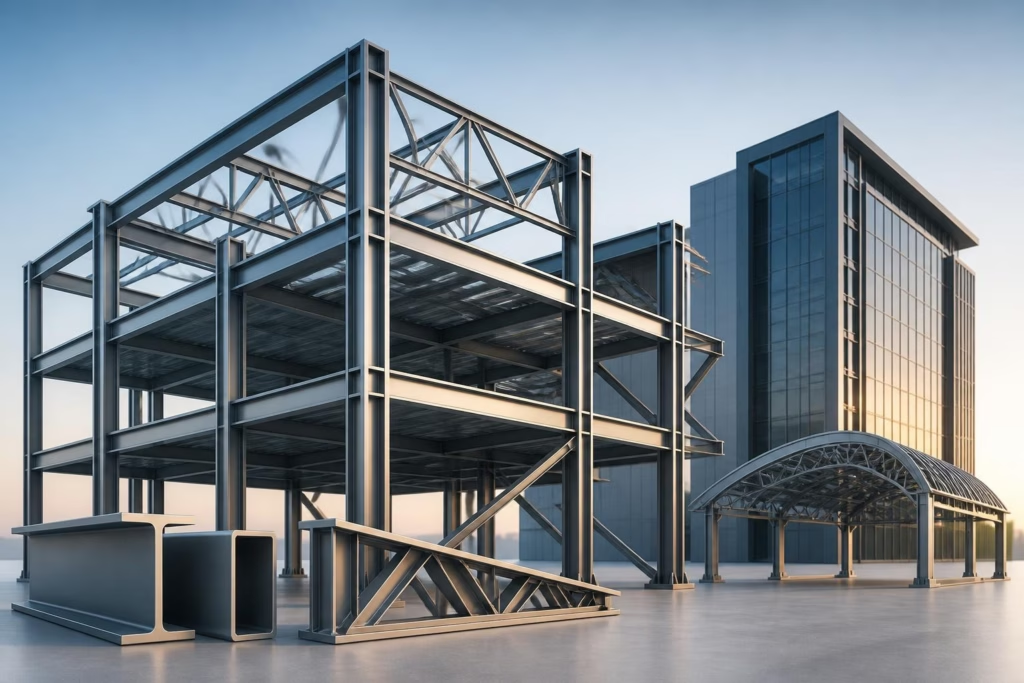
Steel structures have revolutionized the construction industry over the past century, offering unparalleled strength, versatility, and efficiency. From towering skyscrapers to residential carports, steel has become the material of choice for engineers and builders seeking durable, cost-effective solutions. The unique properties of steel, including its high strength-to-weight ratio, ductility, and recyclability, make it ideal for a wide range of applications. Understanding the fundamentals of steel construction helps property owners make informed decisions about protecting their vehicles, equipment, and livestock with structures that stand the test of time.
Engineering Fundamentals of Steel Construction
The science behind steel structures begins with understanding material properties and load distribution. Steel's tensile strength allows it to resist pulling forces, while its compressive strength enables it to support significant vertical loads. These characteristics make steel particularly effective for spanning large distances without intermediate supports.
Material Properties and Grades
Steel used in construction comes in various grades, each specified by its yield strength and chemical composition. Common grades include ASTM A36 for general structural purposes and A992 for wide-flange shapes in building frames. The steel-reinforced concrete construction standards maintained by industry organizations ensure consistency and safety across applications.
Key material properties include:
- Yield strength ranging from 36,000 to 65,000 psi
- Modulus of elasticity of approximately 29,000,000 psi
- Ductility allowing for plastic deformation before failure
- Thermal expansion coefficient requiring careful joint design
The grade selection process depends on the intended application, environmental conditions, and loading requirements. For example, carport structures typically use lighter-gauge steel adequate for wind and snow loads, while industrial buildings may require heavier sections.
Structural Systems and Load Paths
Understanding how forces travel through steel structures helps explain their efficiency. Engineers design load paths that transfer weight from roof systems through beams and columns to the foundation. This systematic approach ensures every component contributes to overall stability.
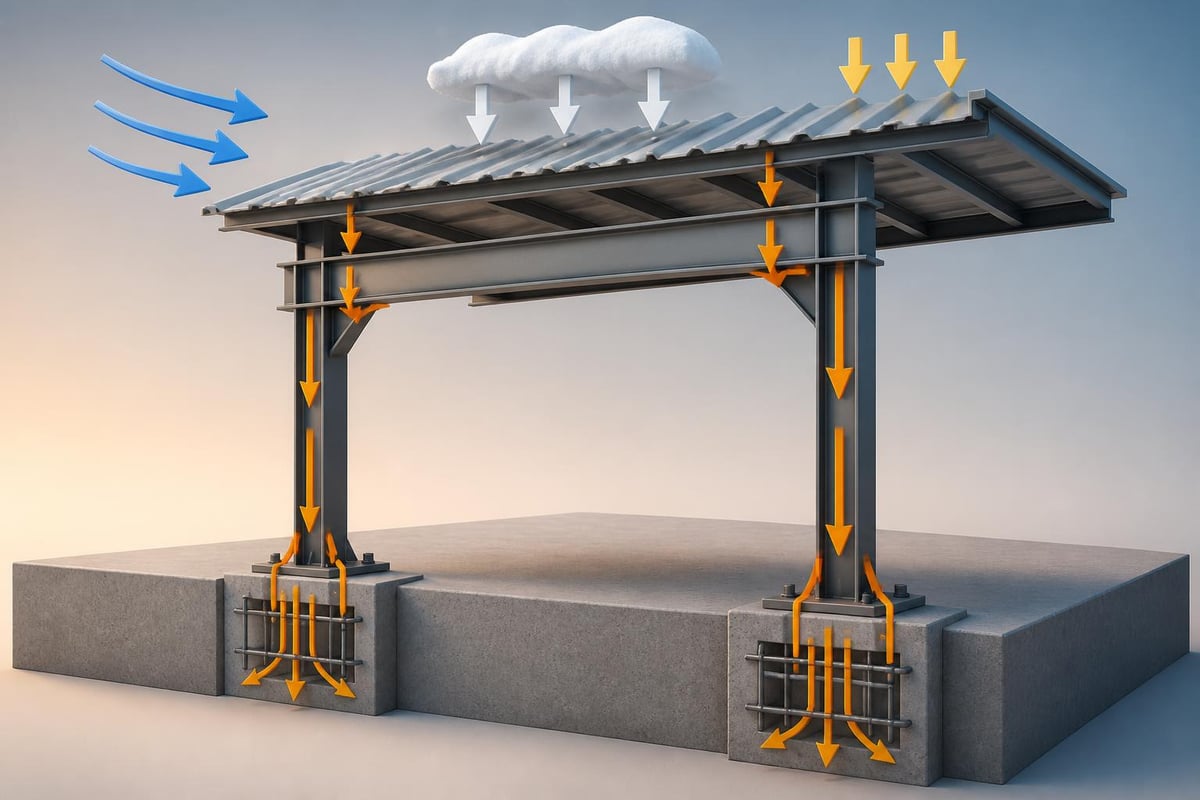
| Structural Element | Primary Function | Typical Application |
|---|---|---|
| Columns | Vertical load support | Support posts for carports |
| Beams | Horizontal spanning | Roof support members |
| Trusses | Long-span efficiency | Wide carport designs |
| Bracing | Lateral stability | Wind resistance |
| Connections | Force transfer | Bolted or welded joints |
The stability design criteria for metal structures provides comprehensive guidance on ensuring structural integrity under various loading conditions. These principles apply whether designing a simple carport or complex multi-story building.
Manufacturing and Fabrication Methods
Modern steel structures benefit from advanced manufacturing technologies that ensure precision and quality. Fabrication processes transform raw steel into finished components ready for assembly on-site.
Cold-Formed Steel Technology
Cold-formed steel represents a significant segment of the industry, particularly for residential and light commercial applications. This process shapes steel at room temperature through rolling or pressing, creating profiles without heat treatment. The cold-formed steel design resources provide extensive technical information on this manufacturing method.
Benefits of cold-formed steel include:
- Reduced material waste through efficient forming
- Consistent dimensional accuracy
- Lower production costs compared to hot-rolled sections
- Lighter weight for easier handling and installation
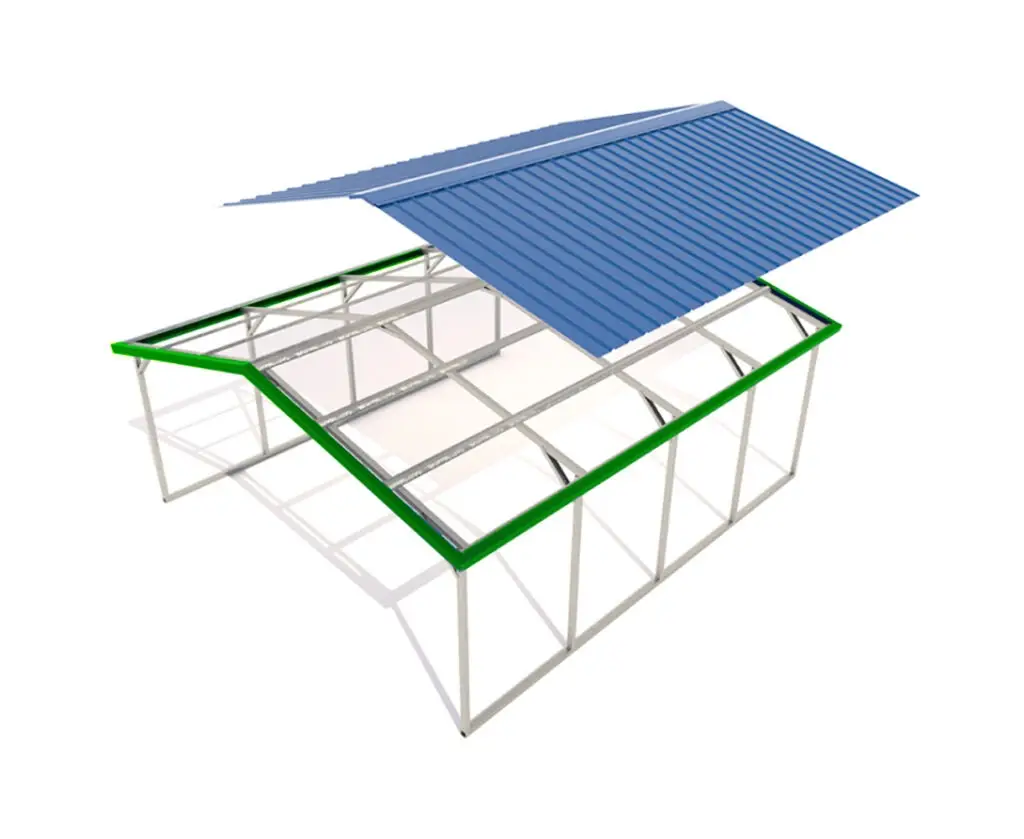
Many metal carport manufacturers utilize cold-formed steel for purlins, girts, and secondary framing members. This approach balances structural performance with economic efficiency.
Quality Control and Certification
Reputable manufacturers implement strict quality control measures throughout production. Inspection protocols verify material thickness, coating integrity, and dimensional tolerances. Certifications from independent testing agencies provide assurance that products meet industry standards.
The fabrication process for quality steel structures includes:
- Material verification and testing
- Computer-aided design and nesting
- Precision cutting and forming
- Surface preparation and coating application
- Final inspection and documentation
These steps ensure components arrive on-site ready for efficient assembly, reducing installation time and potential field modifications.
Design Considerations for Different Applications
Steel structures serve diverse purposes, each with specific design requirements. Understanding these variations helps in selecting appropriate configurations and specifications.
Residential and Agricultural Buildings
Homeowners and farmers represent a significant market for steel structures. Applications range from vehicle protection to equipment storage and livestock shelter. These structures must balance functionality, durability, and cost-effectiveness.
When designing for residential use, considerations include:
- Aesthetic integration with existing structures
- Code compliance with local building regulations
- Customization options for specific needs
- Future expansion capability
Agricultural applications often require wider spans and higher clearances. Metal horse barns exemplify specialized agricultural design, incorporating ventilation, lighting, and durable finishes suitable for livestock environments.
Commercial and Industrial Facilities
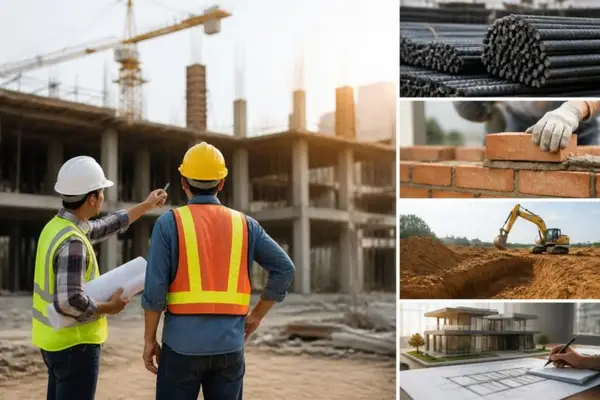
Larger-scale steel structures demand more complex engineering analysis. Commercial buildings may incorporate multi-story frames, crane systems, or specialized loading requirements. The design process involves detailed computer modeling to optimize member sizes and connection details.
Industrial steel structure applications showing warehouse facilities, equipment storage, and commercial vehicle protection with various roof styles and span configurations
| Application Type | Typical Span | Height Range | Special Requirements |
|---|---|---|---|
| Vehicle Carports | 12-24 feet | 8-12 feet | Wind/snow resistance |
| RV Covers | 14-20 feet | 14-16 feet | Extended height clearance |
| Workshops | 20-40 feet | 10-14 feet | Door openings, utilities |
| Warehouses | 40-100 feet | 16-30 feet | Clear span, high capacity |
Understanding steel building construction principles helps buyers specify appropriate features for their intended use. Clear communication between customer and manufacturer ensures the final structure meets all functional requirements.
Environmental Performance and Sustainability
Modern steel structures offer significant environmental advantages throughout their lifecycle. The construction industry increasingly prioritizes sustainable building practices, and steel plays a central role in these efforts.
Recyclability and Material Efficiency
Steel ranks as one of the most recycled materials globally, with recycling rates exceeding 80% in construction applications. This circular economy approach reduces environmental impact and conserves natural resources. Scrap steel from demolished structures becomes feedstock for new production, minimizing waste.
Material efficiency extends beyond recyclability:
- Optimized design reduces steel quantity needed
- Factory fabrication minimizes site waste
- Lightweight components reduce transportation emissions
- Long service life delays replacement needs
Energy Performance and Thermal Considerations
While steel conducts heat readily, proper design mitigates thermal transfer issues. Insulated roof and wall panels create effective thermal barriers. Reflective coatings reduce heat absorption, particularly important for structures in sunny climates.
The fire behavior of steel structures has been extensively studied, leading to improved protection methods and design strategies. Understanding these characteristics informs decisions about fire-resistance ratings and protective coatings.
Installation and Assembly Processes
Efficient installation distinguishes quality steel structure providers from competitors. Pre-engineered components arrive at job sites ready for assembly, reducing construction time and labor costs.
Site Preparation Requirements
Proper site preparation ensures successful installation and long-term performance. The foundation system must provide adequate support and anchor the structure against uplift forces.
Critical site preparation steps:
- Grade leveling and drainage planning
- Foundation layout and excavation
- Concrete placement or anchor installation
- Utility coordination and routing
- Access planning for equipment and materials
Most residential steel structures utilize either concrete piers or continuous footings. The choice depends on soil conditions, local codes, and structure size. Proper anchoring proves essential, particularly in high-wind regions.
Erection Sequence and Methods
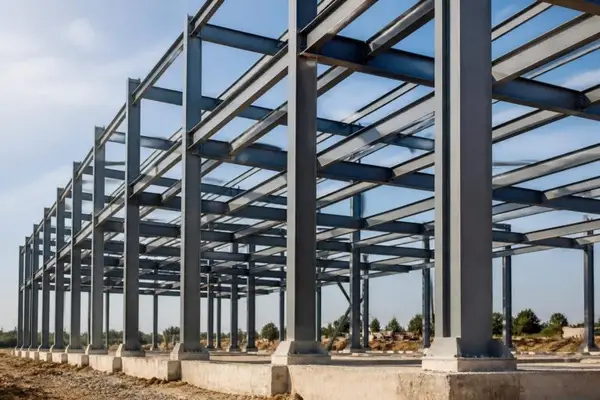
Professional installation follows systematic procedures to ensure structural integrity. The typical sequence begins with column placement, followed by main framing, secondary members, and finally roof and wall panels.
For property owners considering metal carport options, combination designs offer exceptional versatility. Metal Carport Combo Units integrate covered parking with enclosed storage, maximizing functionality within a single footprint. This hybrid approach provides weather protection for vehicles while offering secure storage space for tools, equipment, or seasonal items.
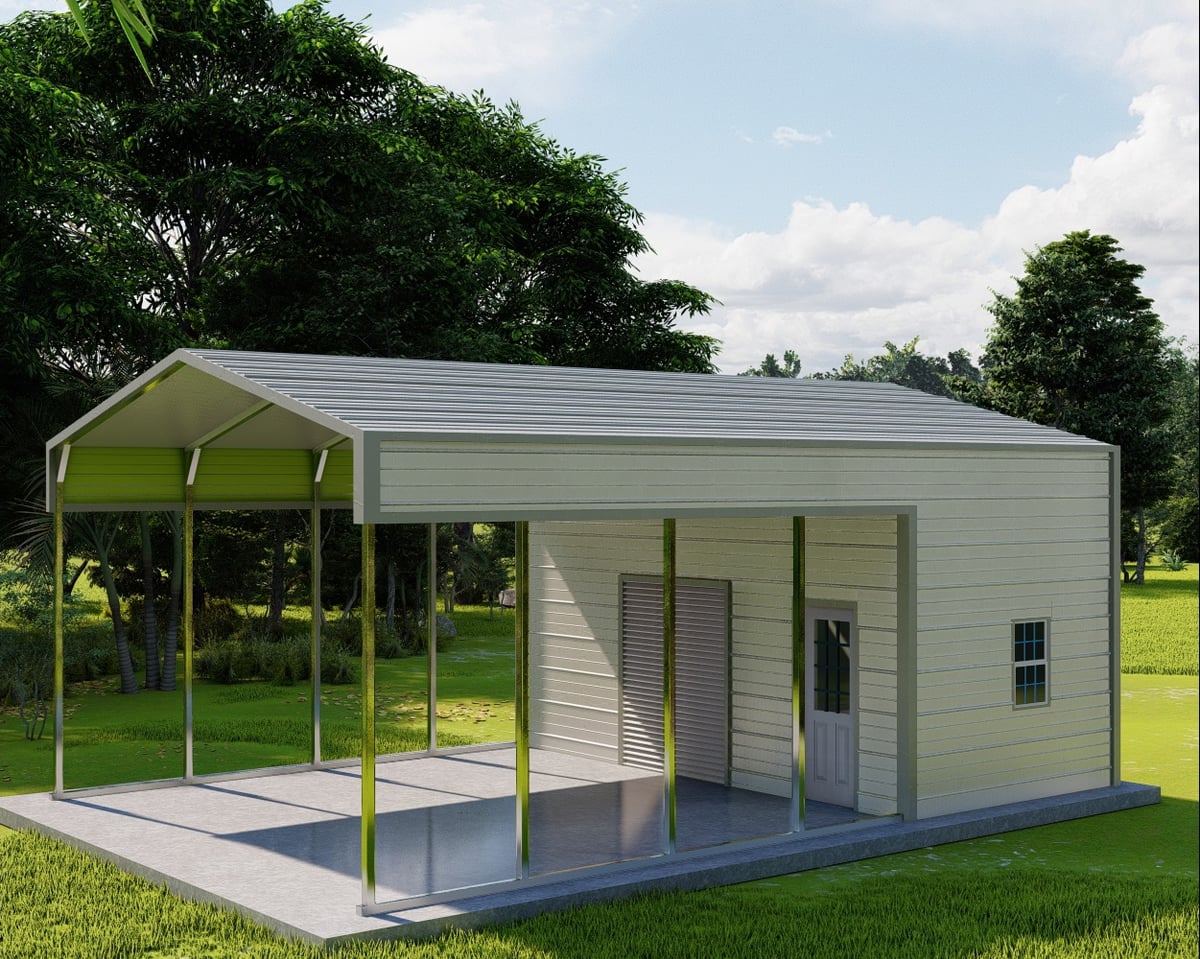
Quality installers use calibrated tools and follow manufacturer specifications precisely. Connection methods include self-tapping screws for panel attachment and bolted connections for structural members. This systematic approach ensures weather-tight assembly and structural performance.
Customization Options and Configurations
Modern steel structure manufacturers offer extensive customization to meet specific needs. Understanding available options helps buyers configure structures that precisely match their requirements.
Roof Styles and Profiles
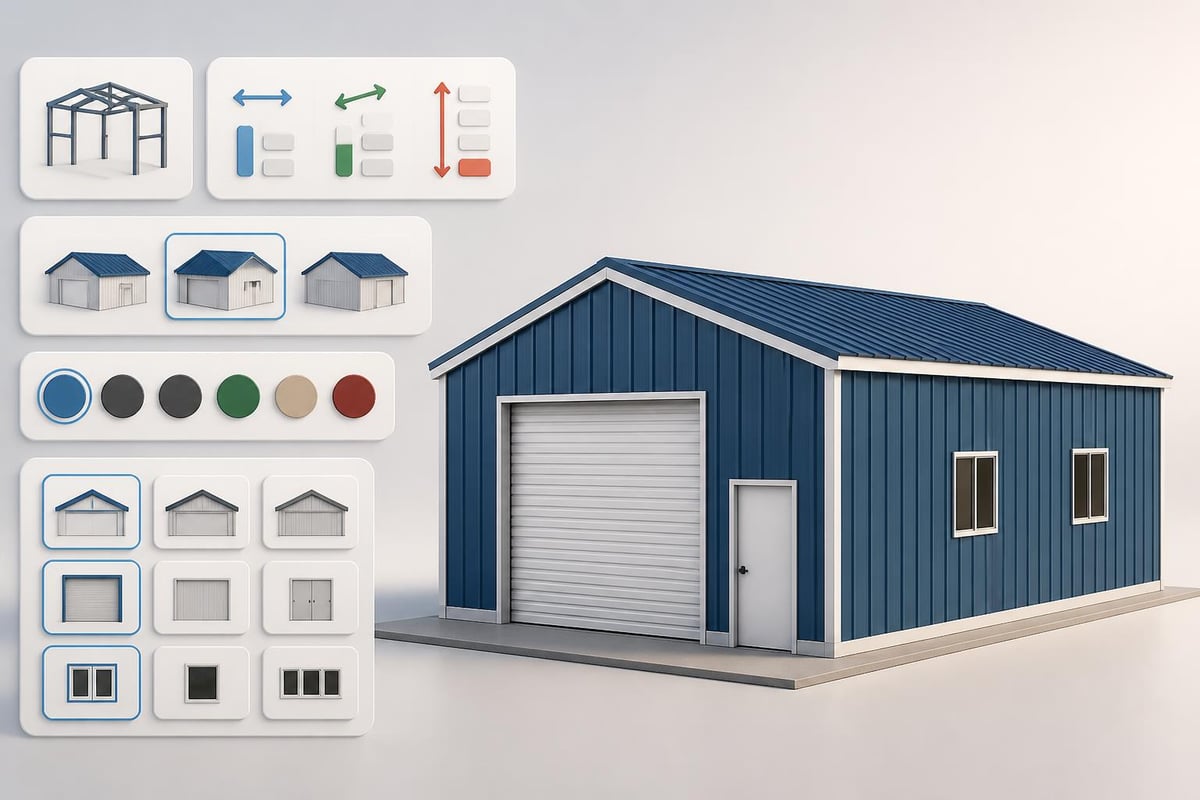
Roof design significantly impacts both aesthetics and performance. Three primary styles dominate the market, each with distinct characteristics:
- Regular style: Horizontal roof panels with rounded corners, economical choice
- A-frame horizontal: Traditional peaked roof appearance, good water drainage
- Vertical roof: Panels run vertically from ridge to eave, superior weather protection
Vertical roof designs excel in areas with heavy snow or rainfall. The panel orientation allows precipitation to shed quickly, reducing accumulation. The European steel structure design standards provide comprehensive guidance on roof loading considerations.
Dimensional Flexibility
Standard dimensions serve many applications, but custom sizing addresses unique situations. Width options typically range from 12 feet to over 60 feet, with lengths extending to 100 feet or more. Height adjustments accommodate tall vehicles or provide extra clearance for air circulation.
| Dimension | Standard Range | Custom Options | Typical Use |
|---|---|---|---|
| Width | 12-24 feet | Up to 60+ feet | Single to multi-vehicle |
| Length | 20-40 feet | 12-100+ feet | Scalable to needs |
| Leg Height | 6-8 feet | Up to 16 feet | RVs, equipment |
| Roof Pitch | 3:12 standard | Varies by style | Regional preference |
Accessory Integration
Enhancing basic structures with accessories improves functionality and appearance. Common additions include gable ends for wind protection, side panels for weather barriers, and enclosed sections for secure storage.
Additional features worth considering:
- Walk-in doors for convenient access
- Roll-up or garage doors for enclosed sections
- Windows for natural lighting and ventilation
- Lean-to extensions for additional covered area
- Upgraded gauge steel for enhanced durability
Maintenance and Longevity Factors
Proper maintenance extends steel structure lifespan and preserves appearance. While steel offers inherent durability, simple care practices maximize return on investment.
Protective Coating Systems
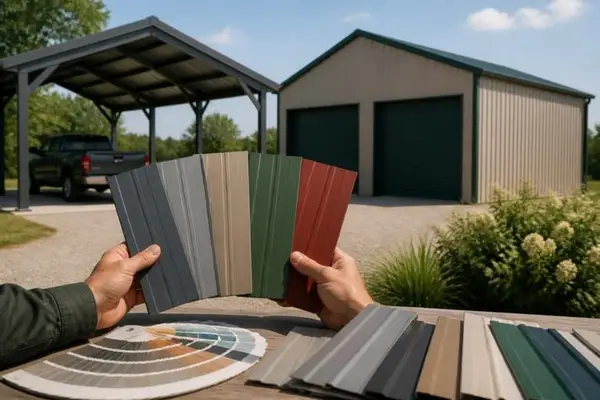
Modern steel structures typically feature multi-layer protection against corrosion. Galvanization applies a zinc coating that sacrifices itself to protect underlying steel. Paint systems add color while providing additional moisture barrier.
The coating lifecycle depends on environmental conditions. Coastal areas with salt exposure may require more frequent inspection than inland locations. Most quality finishes provide 20-30 years of protection before requiring attention.
Routine Inspection and Care
Regular inspection identifies minor issues before they escalate. Property owners should conduct visual checks semi-annually, looking for signs of damage, loose fasteners, or coating deterioration.
Maintenance checklist includes:
- Clean debris from roof and gutters
- Inspect and tighten connection hardware
- Check for paint damage or rust spots
- Verify proper drainage around foundation
- Remove vegetation growing against structure
- Touch up scratches or coating damage promptly
These simple tasks take minimal time but significantly impact long-term performance. The innovative steel structure designs showcased by industry leaders demonstrate how proper engineering and maintenance create structures lasting generations.
Economic Advantages and Value Proposition
Steel structures deliver compelling economic benefits that extend beyond initial purchase price. Total cost of ownership analysis reveals superior value compared to alternative materials.
Initial Cost Competitiveness
Pre-engineered steel structures cost less than comparable wood or masonry construction in most applications. Factory fabrication reduces labor expenses, while efficient material usage minimizes waste. Standard designs leverage economies of scale, passing savings to customers.
The steel bridge design principles used in infrastructure projects demonstrate steel's cost-effectiveness at all scales. Similar engineering efficiency applies to smaller structures, making quality protection accessible to residential and agricultural users.
Long-Term Operating Costs
Minimal maintenance requirements reduce ongoing expenses. Unlike wood structures requiring regular painting, sealing, or pest treatment, steel needs only occasional inspection and cleaning. Insurance companies often recognize this durability with lower premium rates.
Lifecycle cost comparison:
- Steel: Low maintenance, high durability, excellent resale value
- Wood: Regular treatment needed, susceptible to rot and insects
- Fabric: Short lifespan, frequent replacement, limited protection
- Concrete block: High initial cost, difficult modification, cracking risks
Regional Considerations and Code Compliance
Geographic location influences steel structure design and specification. Understanding regional requirements ensures compliant, safe installations.
Climate-Specific Design
Snow loads in northern regions require stronger roof systems and steeper pitches. Coastal areas demand enhanced corrosion protection and higher wind ratings. Desert environments may prioritize UV-resistant coatings and ventilation.
Engineers calculate design loads using local meteorological data and building codes. Certification from manufacturers confirms structures meet or exceed these requirements. Publications from the Structural Stability Research Council provide the technical foundation for these calculations.
Permitting and Installation Standards
Most jurisdictions require permits for permanent structures. Working with manufacturers familiar with local regulations streamlines the approval process. Professional installation by certified crews ensures compliance with building codes and manufacturer warranties.
Permit requirements typically include:
- Site plan showing structure location
- Foundation design and specifications
- Engineered drawings with load calculations
- Manufacturer certifications
- Installation contractor licensing
Reputable suppliers assist customers with permit applications and provide necessary documentation. This support proves invaluable in navigating regulatory requirements efficiently.
Steel structures represent a proven solution for protecting valuable assets while providing versatile, long-lasting functionality. The combination of engineering excellence, manufacturing precision, and installation expertise creates buildings that serve property owners reliably for decades. Whether you need vehicle protection, equipment storage, or specialized agricultural facilities, Metal Structure Sales LLC offers customizable solutions with delivery and installation included, ensuring your investment delivers maximum value from day one.