

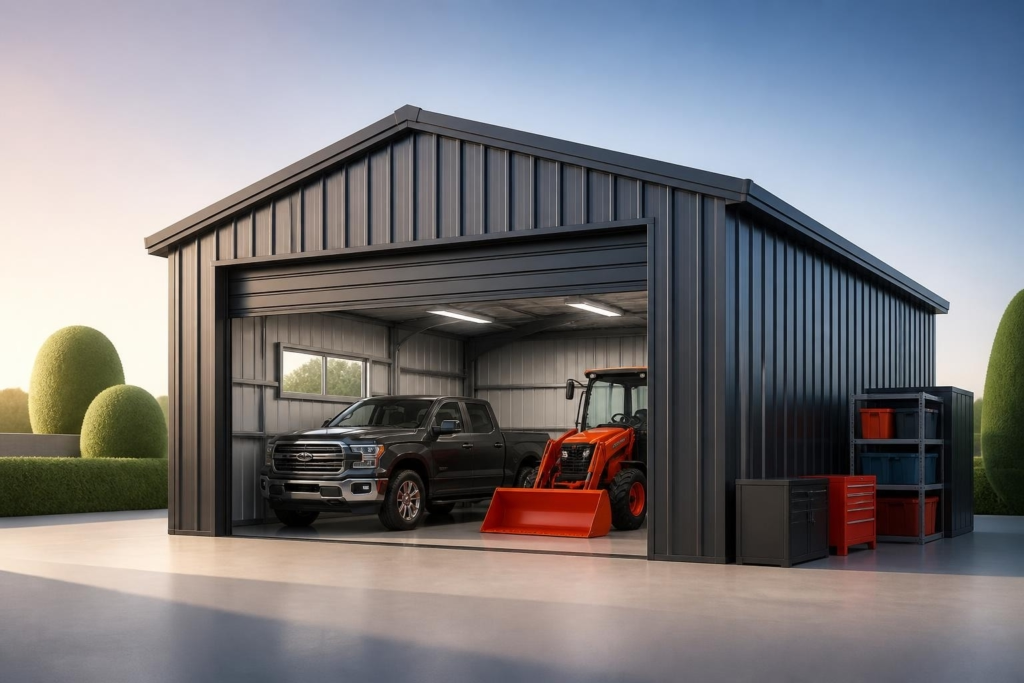
Steel metal garages have become increasingly popular among property owners seeking durable, cost-effective storage solutions for vehicles, equipment, and valuable possessions. These structures combine engineering precision with practical functionality, offering advantages that traditional wood or brick garages often cannot match. As construction technology advances and material quality improves, more homeowners and businesses are discovering why steel metal garages represent a smart investment for long-term protection and versatility.
Understanding Steel Metal Garage Construction
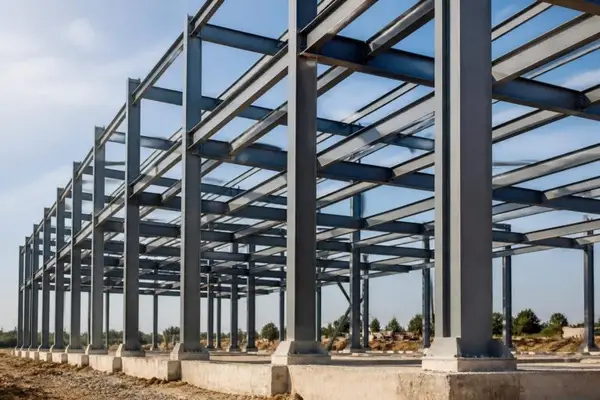
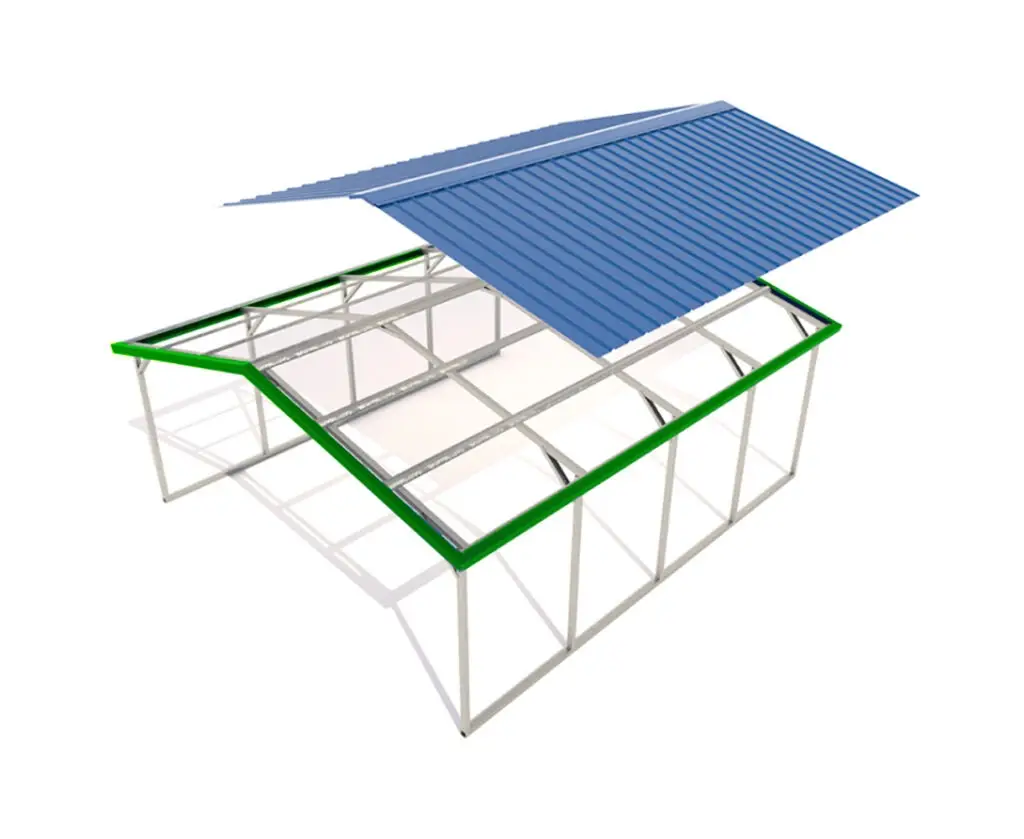
Steel metal garages utilize high-grade steel framing and metal panels to create robust, weather-resistant structures. The engineering behind these buildings focuses on strength-to-weight ratios that maximize durability while maintaining reasonable installation requirements.
Modern manufacturing techniques ensure that steel components meet rigorous quality standards. The galvanized steel used in construction provides inherent protection against rust and corrosion, significantly extending the lifespan of the structure. Most manufacturers apply additional protective coatings to further enhance weather resistance.
Material Quality and Specifications
The gauge of steel used in metal garages directly impacts structural integrity and longevity. Common specifications include:
- 12-gauge steel framing for primary structural support
- 14-gauge steel for standard frame applications
- 26-gauge or 29-gauge panels for exterior covering
- Galvanized coating for corrosion resistance
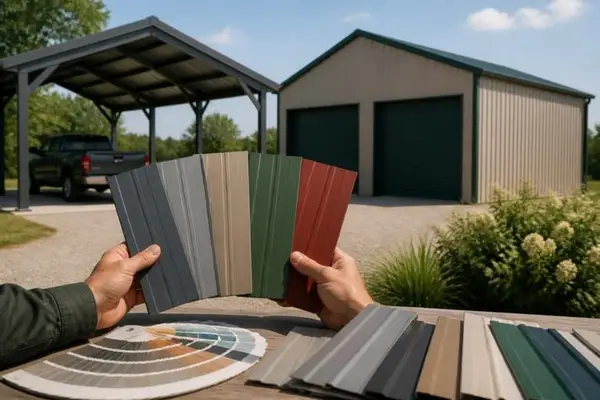
- Powder-coated finishes for enhanced protection and aesthetics
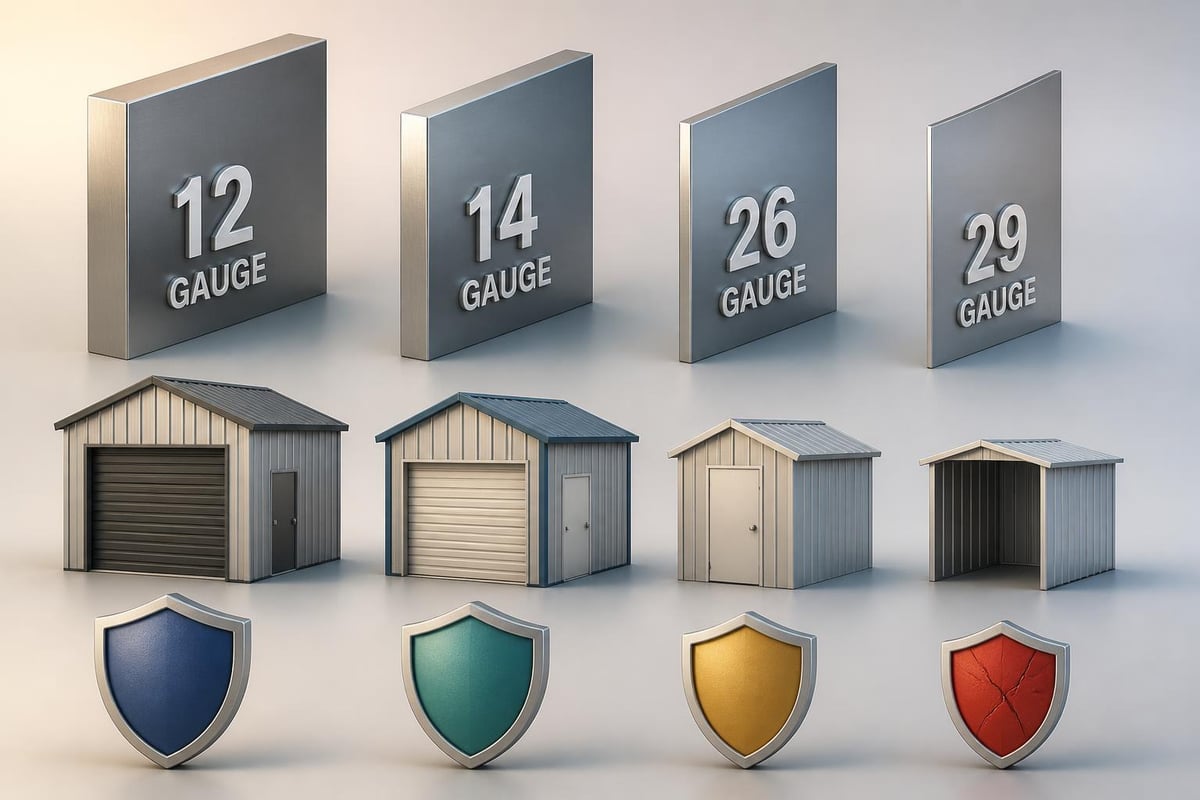
Thicker gauge steel provides superior strength but increases material costs. Understanding these specifications helps buyers make informed decisions based on their specific needs and budget constraints.
Cost Advantages of Steel Metal Garages
Financial considerations play a significant role in choosing between traditional and steel construction methods. Steel metal garages offer compelling value when comparing initial investment, long-term maintenance, and structural longevity.
Initial construction costs for steel metal garages typically run 30-40% lower than comparable wood or masonry structures. This cost efficiency stems from streamlined manufacturing processes, reduced labor requirements, and faster installation timelines.
Long-Term Financial Benefits
Beyond upfront savings, steel metal garages deliver ongoing economic advantages:
- Minimal maintenance requirements reduce annual upkeep expenses
- Extended lifespan eliminates frequent replacement costs
- Energy efficiency options lower heating and cooling expenses
- Insurance benefits from fire-resistant construction
- Higher resale value compared to deteriorating wood structures
| Cost Factor | Steel Metal Garage | Traditional Wood Garage | Brick Garage |
|---|---|---|---|
| Initial Construction | $6,000-$15,000 | $8,000-$22,000 | $12,000-$30,000 |
| Annual Maintenance | $100-$300 | $500-$1,200 | $300-$800 |
| Expected Lifespan | 30-50 years | 15-25 years | 40-60 years |
| Insurance Premium Impact | Lower | Standard | Lower |
The comprehensive cost analysis of metal garage buildings demonstrates how these structures provide superior return on investment over their operational lifetime.
Durability and Weather Resistance
Steel metal garages excel in challenging environmental conditions where traditional materials struggle. The inherent properties of steel combined with proper engineering create structures that withstand extreme weather events with minimal damage.
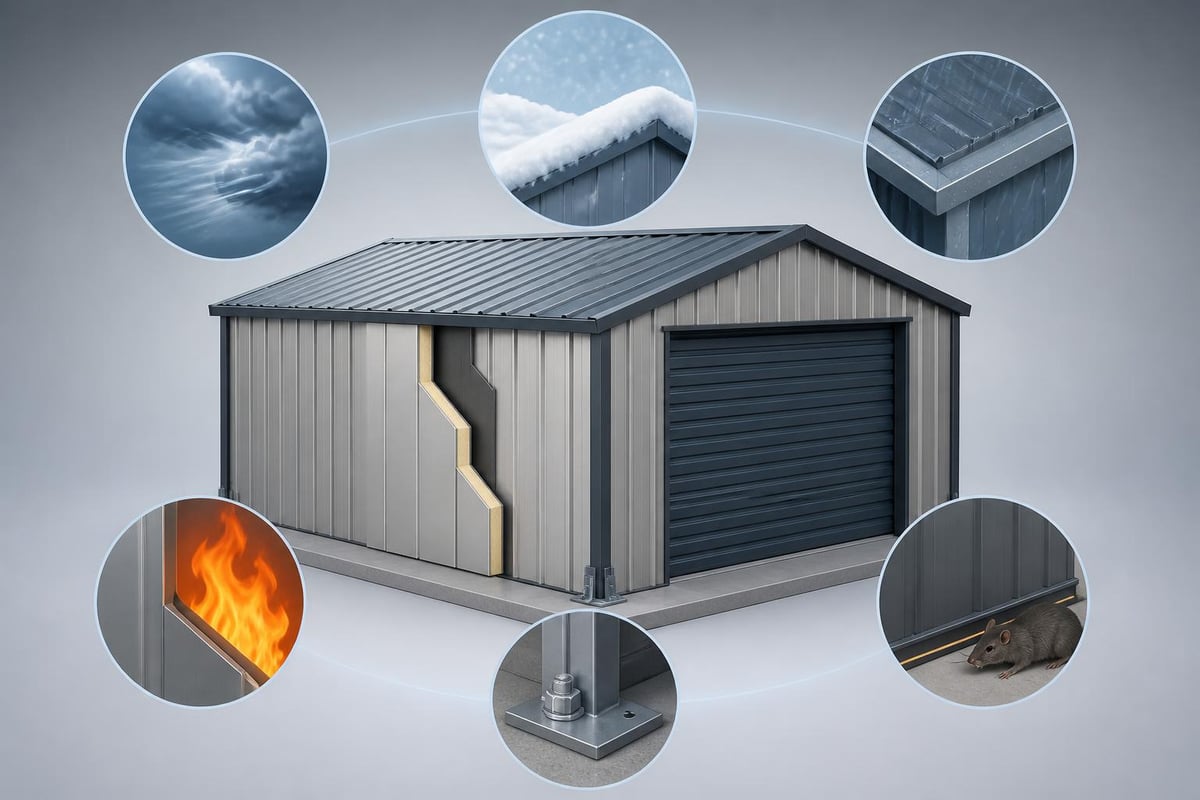
Wind resistance represents a critical performance metric for garage structures. Properly anchored steel metal garages can withstand winds exceeding 140 mph, making them suitable for hurricane-prone regions and tornado alley locations. The continuous panels and secure fastening systems prevent wind uplift that commonly damages conventional roofing.
Protection Against Environmental Threats
Moisture resistance: Unlike wood that absorbs water and deteriorates, steel panels shed moisture effectively. Proper installation with sealed seams prevents water infiltration that causes rust or interior damage.
Snow load capacity: Engineered steel framing distributes weight efficiently, handling substantial snow accumulation without structural compromise. Roof pitch options enhance snow shedding in heavy snowfall areas.
Fire resistance: Steel is non-combustible, providing superior fire protection compared to wood structures. This characteristic often results in lower insurance premiums and increased safety for stored vehicles and equipment.
Pest immunity: Termites, carpenter ants, and wood-boring insects cannot damage steel structures, eliminating a major maintenance concern that plagues wooden garages.
Research on how long metal garages last indicates that properly maintained steel structures regularly exceed 40 years of service life, with many lasting significantly longer.
Customization and Design Flexibility
Modern steel metal garages offer extensive customization options that accommodate diverse storage needs and aesthetic preferences. Design flexibility extends from basic dimensions to sophisticated features that enhance functionality.
Standard width options range from 12 feet to 60 feet, with length virtually unlimited through modular extension. Height configurations accommodate everything from standard vehicles to RVs, boats, and commercial equipment. For property owners requiring expansive coverage, wide-span metal structures provide clear-span interior space without support columns.
Configuration Options
Popular design variations include:
- Single-car garages (12×21 to 14×31 feet)
- Double-car garages (18×21 to 24×31 feet)
- Triple-car garages (26×31 to 30×41 feet)
- Workshop combinations with enclosed and open sections
- Multi-purpose buildings with partitioned spaces
Roof styles significantly impact both aesthetics and functionality. Regular roof styles offer economical protection, while vertical roof designs provide superior water and snow runoff. A-frame horizontal roofs balance cost and performance for moderate climate conditions.
Functional Enhancements
Entry systems: Walk-in doors, roll-up garage doors, and sectional overhead doors provide convenient access. Multiple entry points improve workflow for workshop applications.
Window additions: Natural lighting reduces electricity costs and creates more pleasant interior environments for extended work sessions.
Ventilation features: Ridge vents, gable vents, and louvers improve air circulation, preventing moisture buildup and temperature extremes.
Insulation packages: Spray foam or panel insulation creates climate-controlled spaces suitable for workshops, studios, or sensitive equipment storage. Information about insulated carports demonstrates how thermal control enhances usability.
The comprehensive guide to metal garage kits explores the full range of available customization options and their practical applications.
Installation Process and Timeline
Steel metal garage installation proceeds significantly faster than traditional construction methods. Most residential installations complete within one to three days, depending on size and complexity.
Professional installation teams arrive with pre-engineered components ready for assembly. The manufacturing precision ensures proper fit and structural integrity without extensive on-site modifications.
Pre-Installation Requirements
- Site preparation: Level ground surface with proper drainage
- Foundation options: Concrete slab, gravel base, or anchor system
- Permit acquisition: Local building codes and zoning compliance
- Utility planning: Electrical conduit and lighting placement
- Access clearance: Equipment delivery and assembly space
Foundation selection impacts both cost and permanence. Concrete slabs provide the most stable base and finished floor but increase initial investment. Gravel bases offer adequate support for most applications at lower cost. Ground anchor systems work well for level sites with suitable soil conditions.
| Installation Phase | Duration | Key Activities |
|---|---|---|
| Site Preparation | 1-2 days | Leveling, foundation work, utility prep |
| Frame Assembly | 4-8 hours | Column placement, beam installation, bracing |
| Panel Installation | 4-6 hours | Roof panels, wall panels, trim work |
| Door/Window Setup | 2-4 hours | Opening frames, hardware, sealing |
| Final Details | 1-2 hours | Inspection, cleanup, walkthrough |
Understanding steel building installation costs helps buyers budget appropriately for professional setup or evaluate DIY feasibility.
Comparing Steel Garages to Alternative Structures
Making informed decisions requires understanding how steel metal garages stack up against other storage options. Each material type offers distinct advantages and limitations depending on specific requirements.
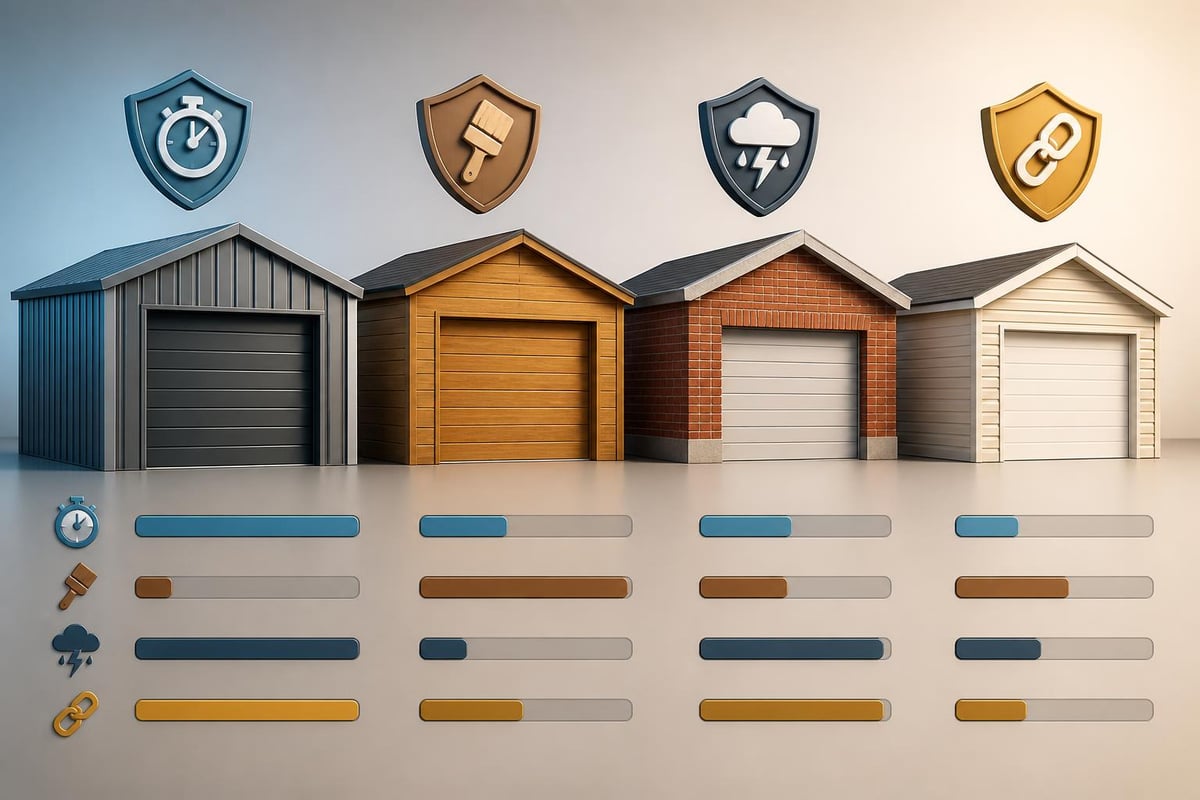
Evaluating whether metal garages deliver quality and value involves comparing performance across multiple criteria including structural strength, maintenance demands, and total ownership costs.
Performance Comparison Matrix
| Feature | Steel Metal Garage | Wood Garage | Vinyl/Plastic Shed | Brick Garage |
|---|---|---|---|---|
| Construction Speed | Fast (1-3 days) | Slow (2-4 weeks) | Fast (1-2 days) | Very Slow (4-8 weeks) |
| Maintenance Needs | Minimal | High | Moderate | Moderate |
| Weather Resistance | Excellent | Fair | Good | Excellent |
| Customization | High | High | Low | High |
| Fire Resistance | Excellent | Poor | Poor | Excellent |
| Pest Resistance | Excellent | Poor | Good | Excellent |
Wood garages provide traditional aesthetics and excellent insulation properties but require regular maintenance including painting, sealing, and rot prevention. Termite protection adds ongoing costs in many regions.
Brick or masonry structures offer exceptional durability and fire resistance but demand significant construction time and investment. Foundation requirements are more extensive than steel alternatives.
Prefab sheds work well for basic storage but lack the structural strength and customization options of engineered steel buildings. Size limitations restrict their application for vehicle storage.
The detailed analysis of metal garage pros and cons provides additional perspective on how these structures perform in real-world applications.
Special Purpose Applications
Steel metal garages serve diverse functions beyond basic vehicle storage. Their structural versatility and customization options make them ideal for specialized applications.
Workshop and hobby spaces: Climate-controlled steel buildings create comfortable environments for woodworking, automotive repair, crafting, and other activities requiring dedicated workspace. Electrical service integration supports power tools and equipment.
Equipment storage: Landscaping businesses, contractors, and agricultural operations benefit from secure, weather-protected storage for machinery, tools, and supplies. Large door openings accommodate equipment access.
Commercial applications: Retail storage, service bays, and light manufacturing facilities utilize steel construction for cost-effective expansion. Clear-span designs maximize usable floor space.
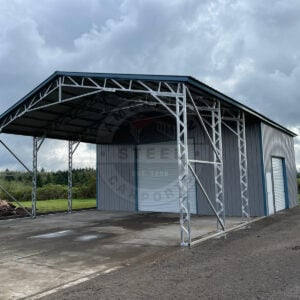
For property owners with multiple needs, Metal Carport Combo Units offer integrated solutions combining open carport sections with fully enclosed storage or workshop areas in a single structure. This versatile approach maximizes functionality while maintaining budget efficiency.
Specialty Configurations
RV and boat storage: Extended height clearances and wide openings protect recreational vehicles from weather exposure. Vertical roof designs prevent water pooling on large roof spans.
Agricultural uses: Equipment barns, hay storage, and livestock shelters utilize steel construction for durability in demanding farm environments. Ventilation options maintain air quality for animal housing.
Home business spaces: Remote work trends increase demand for backyard office buildings and studio spaces. Insulated steel structures provide professional environments separate from residential living areas.
Understanding your specific carport space requirements helps determine the optimal size and configuration for your intended application.
Maintenance Requirements and Longevity
Proper maintenance extends the already impressive lifespan of steel metal garages while preserving their appearance and functionality. The minimal upkeep required represents a significant advantage over traditional construction materials.
Annual inspection routines identify potential issues before they escalate. Check fasteners for tightness, examine panels for damage, and verify that drainage systems function properly. Most maintenance tasks require basic tools and minimal technical expertise.
Essential Maintenance Tasks
Cleaning: Periodic washing removes dirt, pollen, and debris that can trap moisture against metal surfaces. Mild detergent and water applied with a soft brush or pressure washer maintain appearance without damaging protective coatings.
Fastener inspection: Thermal expansion and contraction can gradually loosen bolts and screws. Annual tightening prevents panel movement and potential leaks.
Sealant maintenance: Check caulking around openings, trim pieces, and panel overlaps. Replace deteriorated sealant to maintain water-tight integrity.
Drainage verification: Ensure gutters and downspouts remain clear of debris. Proper water management prevents foundation erosion and panel contact with standing water.
Touch-up painting: Address any scratches or coating damage promptly to prevent rust development. Matching paint colors maintain aesthetic consistency.
The question of how long metal garages last depends significantly on consistent maintenance practices and environmental conditions.
Regional Considerations and Building Codes
Local climate conditions and regulatory requirements influence steel metal garage design specifications. Understanding regional factors ensures optimal performance and code compliance.
Wind zones: Coastal and plains regions require enhanced anchoring and structural engineering for high wind resistance. Building codes specify wind load ratings based on historical weather data.
Snow loads: Northern climates demand steeper roof pitches and reinforced framing to handle heavy snow accumulation. Local building departments provide required load specifications.
Seismic zones: Earthquake-prone areas require flexible anchoring systems and structural reinforcement to withstand ground movement without catastrophic failure.
Permitting and Compliance
Most jurisdictions require building permits for permanent structures exceeding certain size thresholds. The FAQ guide covering permits and requirements addresses common compliance questions.
Setback requirements: Local zoning codes specify minimum distances from property lines, ensuring adequate spacing between structures.
Height restrictions: Ordinances may limit structure height to maintain neighborhood aesthetics and prevent view obstruction.
Foundation specifications: Building codes often mandate engineered foundations for permanent structures, particularly in areas with soil stability concerns.
Working with experienced installers familiar with regional requirements streamlines the permitting process and ensures compliance with all applicable regulations.
Making the Investment Decision
Choosing steel metal garages requires careful evaluation of current needs and future considerations. Several factors influence the decision-making process beyond simple cost comparison.
Property value impact: Quality outbuildings increase property appeal and market value. Buyers appreciate turnkey storage solutions that complement residential or commercial properties.
Financing options: Many suppliers offer payment plans that make larger structures accessible without depleting savings. Understanding available financing helps budget for ideal specifications rather than settling for minimal solutions.
Scalability: Modular construction allows future expansion as needs evolve. Starting with adequate size prevents expensive replacements when requirements grow.
When evaluating the choice between carports versus enclosed garages, consider how each option aligns with your specific protection needs, budget constraints, and property layout. Exploring options through metal structure offerings provides clarity on available configurations and pricing.
Decision Criteria Checklist
- Primary use case and storage requirements
- Budget for initial purchase and installation
- Site preparation and foundation needs
- Local climate and weather challenges
- Future expansion or modification plans
- Aesthetic preferences and property integration
- Regulatory compliance and permitting
- Maintenance capability and commitment
Taking time to thoroughly assess these factors leads to selections that deliver lasting satisfaction and practical value.
Steel metal garages represent a smart investment for property owners seeking durable, versatile storage solutions that perform reliably for decades. Their combination of strength, affordability, and customization options addresses diverse needs across residential, commercial, and agricultural applications. Whether you need basic vehicle protection or a sophisticated workshop space, Metal Structure Sales LLC provides high-quality metal structures with customizable features, professional installation, and delivery included to help you create the perfect storage solution for your property.