

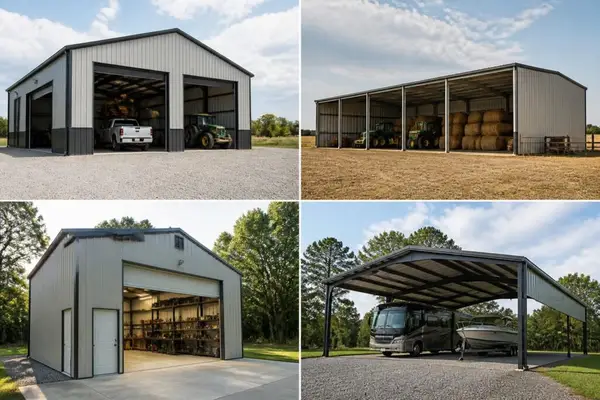
Metal storage buildings have become an essential asset for property owners seeking durable, cost-effective storage solutions in 2026. Whether you need to protect vehicles, equipment, inventory, or agricultural supplies, these structures offer unmatched versatility and longevity. The metal construction industry has evolved significantly, providing advanced engineering, superior materials, and customizable designs that meet diverse storage requirements across residential, commercial, and agricultural sectors.
Understanding Metal Storage Buildings and Their Applications
Metal storage buildings represent a category of prefabricated steel structures designed specifically for storage purposes. These buildings range from simple open-sided shelters to fully enclosed warehouses, offering protection against weather elements while maintaining structural integrity for decades.
Primary Uses Across Different Sectors
The applications for metal storage buildings span numerous industries and personal needs. Agricultural operations rely on these structures for hay storage, equipment protection, and livestock shelter. Commercial businesses utilize them for inventory management, tool storage, and operational workspaces. Residential property owners benefit from additional storage for vehicles, seasonal items, and workshop spaces.
Key Application Categories:
- Agricultural equipment and crop storage
- Commercial inventory and warehouse operations
- Vehicle protection including cars, boats, and RVs
- Workshop and hobby spaces
- Seasonal decoration and equipment storage
- Industrial tool and machinery protection
The Metal Construction Association’s recent market study reveals continued growth in the metal building sector, driven by increasing demand for versatile storage solutions that combine affordability with durability.
Size and Configuration Options
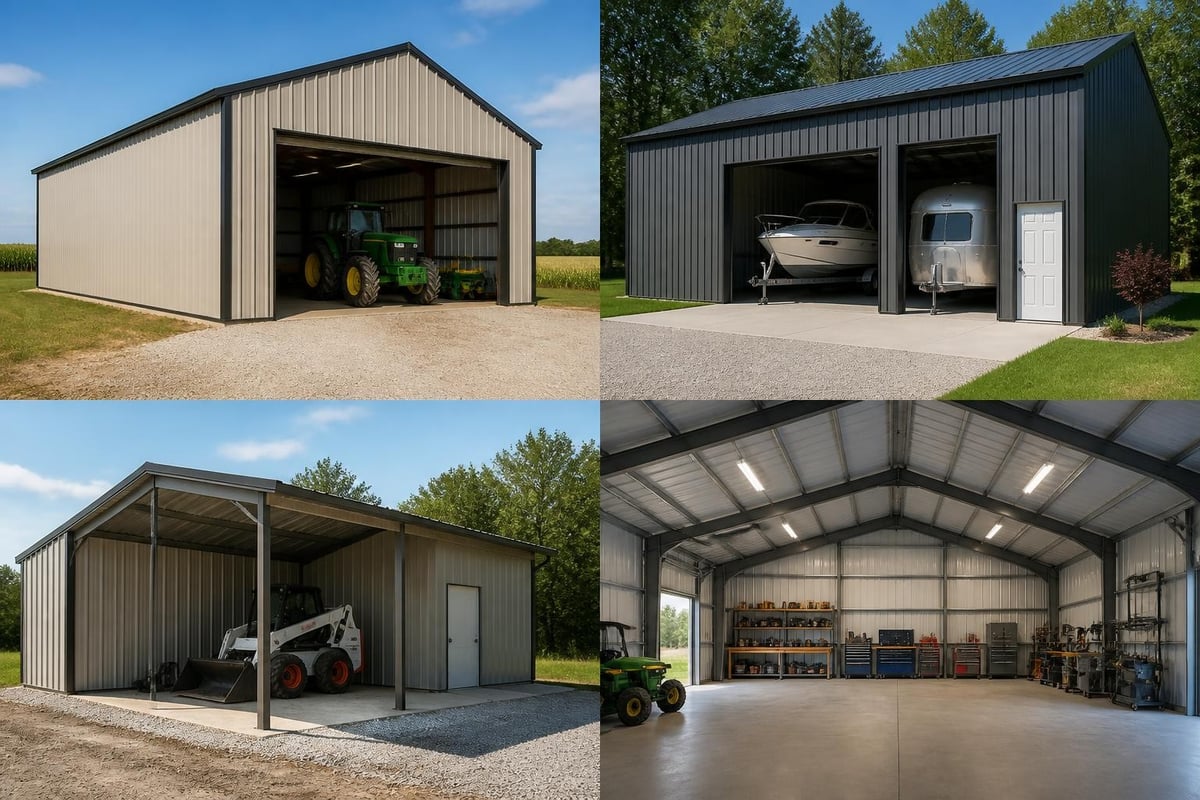
Modern metal storage buildings accommodate virtually any spatial requirement. Small units measuring 12×20 feet serve basic storage needs, while expansive structures exceeding 60 feet in width handle commercial and agricultural operations. Height customization allows for storing oversized equipment, recreational vehicles, or creating multi-level storage systems.
| Building Size | Typical Applications | Height Options |
|---|---|---|
| 12×20 to 20×30 feet | Small equipment, garden tools, seasonal items | 8-10 feet |
| 24×40 to 30×50 feet | Multiple vehicles, workshop space, medium inventory | 10-14 feet |
| 40×60+ feet | Commercial warehousing, agricultural equipment, large vehicle fleets | 14-16+ feet |
Construction Materials and Structural Advantages
The superiority of metal storage buildings stems from advanced engineering and premium materials. Modern structures utilize high-grade steel framing with galvanized coating that resists corrosion, rust, and environmental degradation. This construction method provides exceptional strength-to-weight ratios compared to traditional building materials.
Steel Frame Engineering
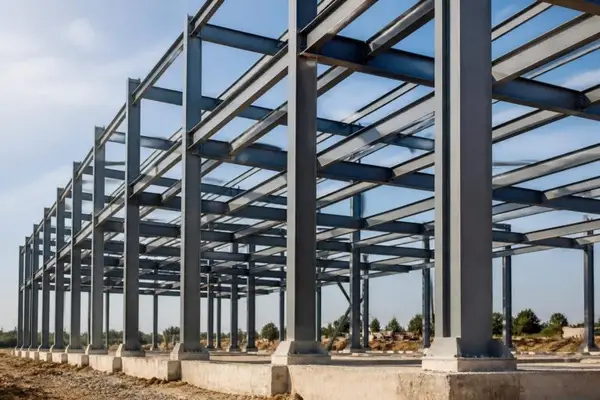
Contemporary metal storage buildings feature engineered steel frames manufactured to precise specifications. Manufacturers employ 12-gauge or 14-gauge steel tubing for primary framing components, ensuring structural stability in various weather conditions. The metal framework distributes weight evenly, preventing sagging and maintaining integrity over extended periods.
Structural Benefits:
- Superior load-bearing capacity
- Resistance to warping and settling
- Minimal maintenance requirements
- Fire-resistant properties
- Pest and rodent deterrence
According to NIST research on performance-based steel building design, properly engineered metal structures demonstrate remarkable resilience during extreme weather events, making them ideal for long-term storage solutions.
Panel Materials and Coating Systems
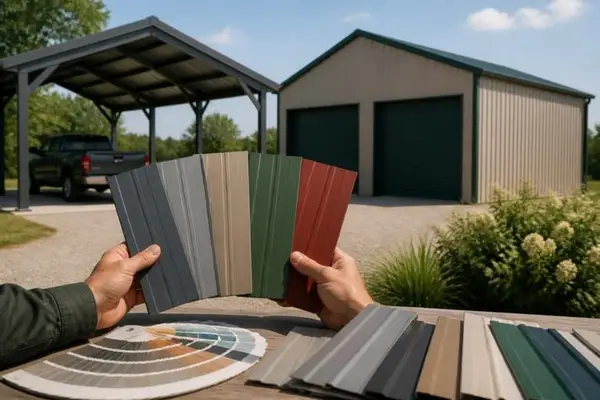
Exterior panels typically consist of 26-gauge or 29-gauge sheet metal with protective coatings. These panels provide weather protection while allowing manufacturers to offer various color options and finishes. Advanced coating technologies prevent UV degradation, maintaining appearance and functionality throughout the building's lifespan.
The metal panels interlock to create weathertight seals, preventing moisture infiltration and protecting stored contents from environmental damage. This construction method proves particularly valuable in regions experiencing heavy rainfall, snow loads, or intense sunlight.
Design Variations for Specific Storage Needs
Metal storage buildings offer multiple design configurations tailored to specific storage requirements and aesthetic preferences. Understanding these variations helps property owners select structures that optimize functionality while complementing existing property features.
Roof Style Options
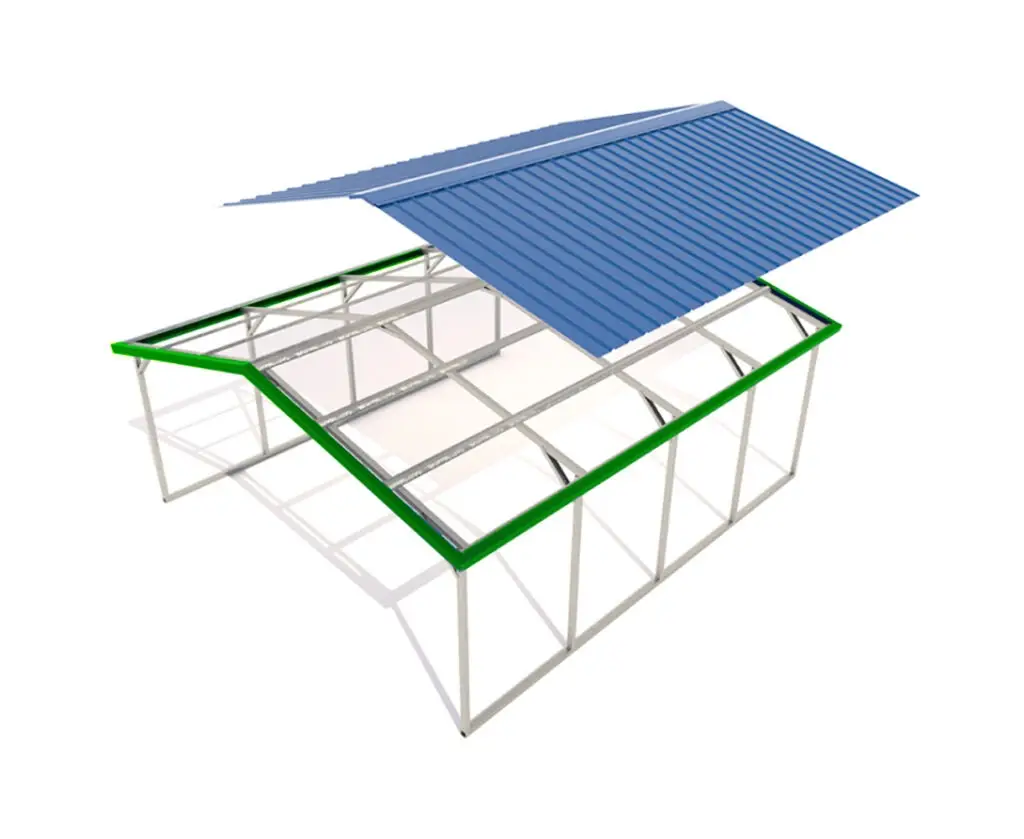
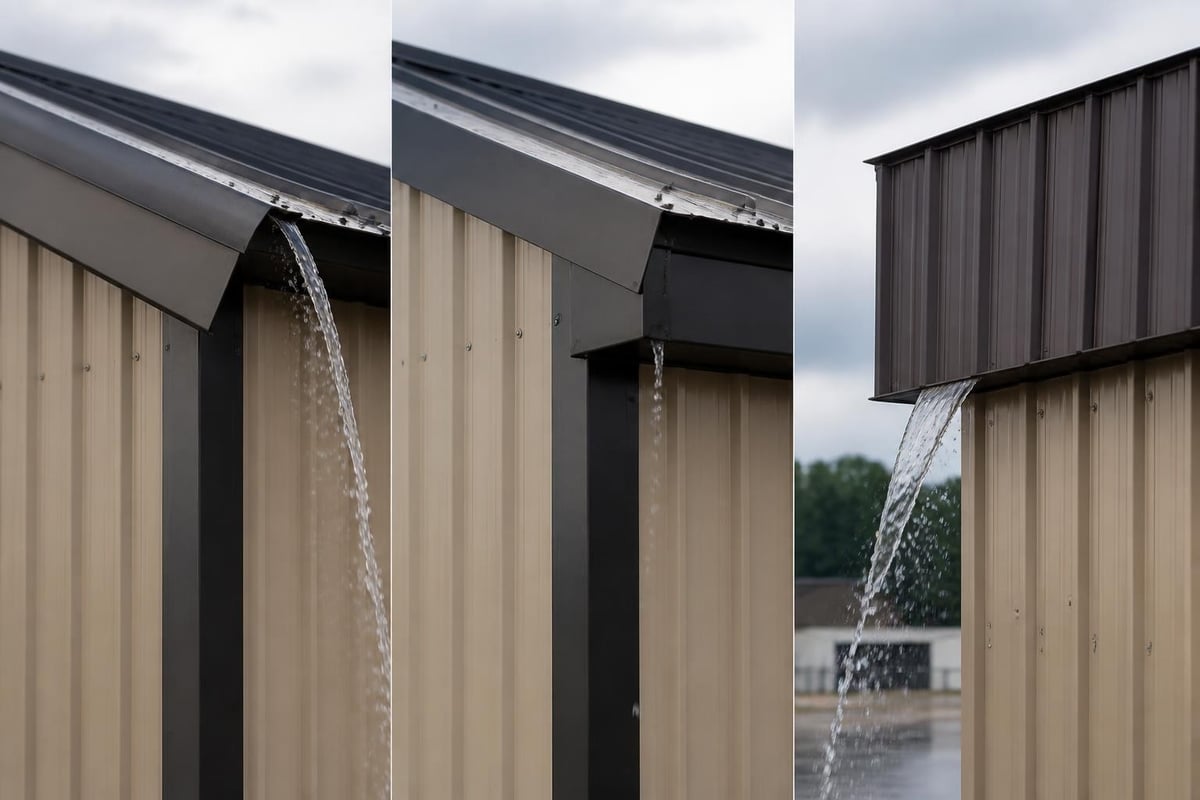
Regular Roof Style: This economical option features rounded horizontal roof panels suitable for light-duty applications and areas with minimal snow accumulation. The horizontal orientation allows water runoff while maintaining cost efficiency.
Boxed Eave Style: Incorporating horizontal roof panels with an A-frame design, boxed eave structures provide improved water drainage and a more traditional appearance. This mid-range option balances cost considerations with enhanced functionality.
Vertical Roof Style: Premium metal storage buildings utilize vertical roof panels that facilitate optimal water and snow runoff. This design represents the strongest configuration, recommended for areas experiencing severe weather conditions or when storing high-value equipment.
Enclosure Configurations
Storage needs vary significantly, requiring different levels of enclosure and accessibility. Metal storage buildings accommodate these variations through customizable wall and opening configurations.
- Open structures provide basic overhead protection while allowing easy access from multiple sides
- Partially enclosed buildings feature one or two closed walls with open sides for ventilation and accessibility
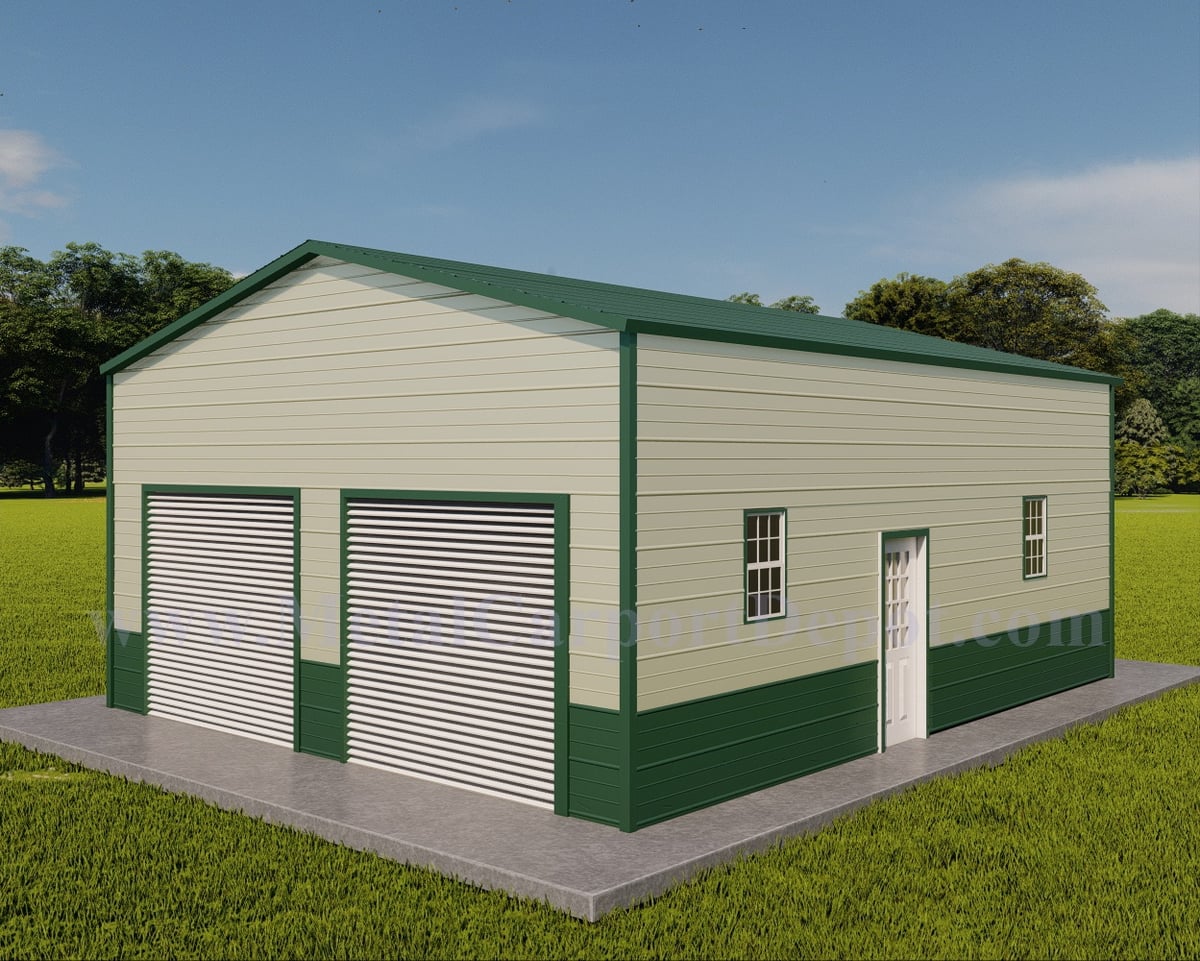
- Fully enclosed structures offer maximum protection with solid walls and strategically placed doors and windows
For those requiring complete protection from weather and security concerns, fully enclosed metal buildings provide the comprehensive solution. These structures include customizable door placements, window options, and ventilation systems that maintain proper airflow while securing contents.
Customization Features and Add-Ons
The versatility of metal storage buildings extends beyond basic structural designs. Modern manufacturing capabilities enable extensive customization, allowing property owners to create structures perfectly suited to their specific requirements.
Functional Enhancements
Strategic additions transform basic metal storage buildings into highly functional spaces. Walk-in doors provide convenient personnel access without opening large roll-up doors. Windows introduce natural lighting, reducing energy consumption and creating more pleasant work environments. Insulation packages regulate interior temperatures, protecting temperature-sensitive items and improving comfort for workshop applications.
Popular Customization Options:
- Multiple roll-up or garage-style doors
- Walk-in doors with various configurations
- Window installations for natural lighting
- Insulation systems for climate control
- Ventilation fans and ridge vents
- Electrical service integration
- Concrete flooring and foundation systems
The Oak Ridge National Laboratory’s research roadmap identifies energy efficiency as a crucial consideration for modern metal buildings, highlighting the importance of proper insulation and ventilation systems.
Dimensional Customization
Property owners benefit from flexible sizing options that maximize available space while meeting specific storage requirements. Length increments typically adjust in five-foot intervals, allowing precise fit within property boundaries. Width options accommodate single vehicles or expansive equipment storage. Height customization proves essential for storing RVs, boats, or tall machinery.
| Customization Type | Available Options | Typical Uses |
|---|---|---|
| Length Extensions | 5-foot increments up to 100+ feet | Bulk storage, multiple vehicles |
| Width Variations | 12 to 60+ feet | Standard to commercial applications |
| Height Adjustments | 8 to 16+ feet | Oversized equipment, vertical storage |
| Additional Features | Lean-tos, porches, extra bays | Workspace expansion, covered areas |
Installation and Site Preparation Considerations
Successful metal storage building installation requires proper site preparation and understanding of local requirements. These factors influence long-term performance and ensure compliance with regional building codes.
Site Assessment and Preparation
Before installation, evaluate the intended location for proper drainage, level ground, and accessibility. Metal storage buildings require stable foundations, whether concrete slabs, gravel pads, or engineered anchor systems. Ground preparation prevents settling and ensures structural stability throughout the building's lifespan.
Professional installers assess soil conditions, slope variations, and drainage patterns. They identify potential issues that might compromise structural integrity or create water accumulation problems. This thorough evaluation prevents costly corrections after installation completion.
Permitting and Regulatory Requirements
Building codes and permit requirements vary significantly across jurisdictions. Some areas mandate permits for structures exceeding specific dimensions, while others regulate setback distances from property lines. Understanding these requirements prevents legal complications and ensures proper installation.
Manufacturers and installation companies familiar with regional regulations streamline the permitting process. They provide necessary documentation, engineering certifications, and structural specifications required by local building departments. For property owners in specific regions, understanding local requirements in North Carolina or Nevada regulations ensures compliance.
Maintenance Requirements and Longevity
Metal storage buildings require minimal maintenance compared to traditional construction materials, yet strategic care extends their lifespan and maintains optimal functionality. Understanding maintenance needs helps property owners protect their investments and ensure continued performance.
Routine Inspection Protocols
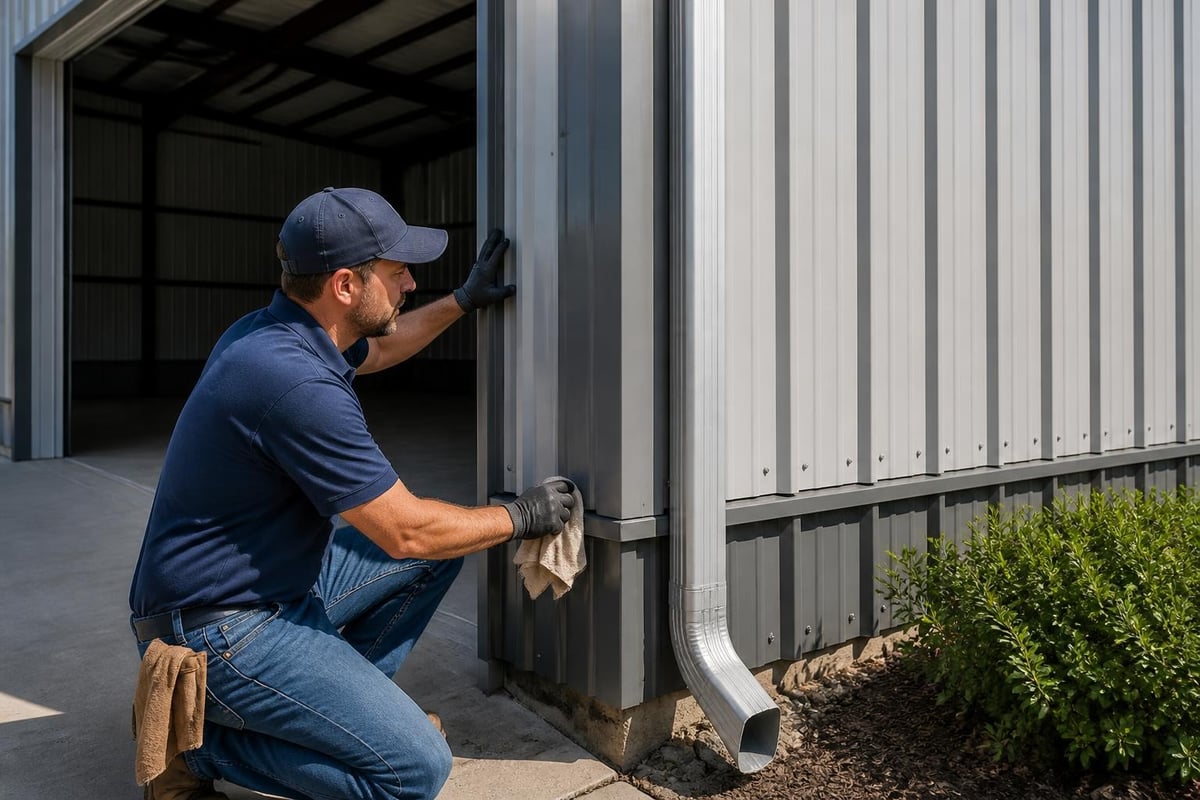
Regular inspections identify minor issues before they develop into significant problems. Property owners should examine their metal storage buildings quarterly, checking for loose fasteners, damaged panels, or drainage concerns. These inspections take minimal time but prevent expensive repairs.
Quarterly Inspection Checklist:
- Verify all fasteners remain tight and secure
- Check for panel damage or displacement
- Examine seals and trim for gaps or deterioration
- Assess drainage patterns around the structure
- Inspect anchor points and foundation stability
- Clean gutters and downspouts if installed
The NIST automated maintenance assessment program provides frameworks for systematic evaluation of metal building exteriors, ensuring comprehensive condition monitoring.
Cleaning and Protective Measures
Maintaining the appearance and protective coatings of metal storage buildings requires periodic cleaning. Annual washing removes accumulated dirt, pollen, and environmental contaminants that potentially compromise protective finishes. Mild detergent solutions and soft brushes effectively clean metal panels without damaging coatings.
Property owners in coastal regions or industrial areas may require more frequent cleaning due to salt exposure or airborne contaminants. These environments accelerate corrosion if allowed to accumulate on metal surfaces. Prompt attention to scratches or damaged coatings prevents rust formation and extends building longevity.
Cost Considerations and Investment Value
Understanding the financial aspects of metal storage buildings helps property owners make informed decisions and recognize long-term value. Initial costs represent only one component of the total ownership equation.
Pricing Factors and Variables
Metal storage building costs vary based on numerous factors including size, design complexity, customization options, and geographic location. Basic open structures cost significantly less than fully enclosed buildings with multiple doors, windows, and insulation. Regional differences in material delivery, installation labor, and permitting requirements also influence final pricing.
Primary Cost Influencers:
- Overall dimensions (length, width, height)
- Roof style selection
- Enclosure level (open, partial, complete)
- Gauge thickness of steel components
- Customization features and additions
- Site preparation requirements
- Installation complexity and accessibility
Manufacturers typically include delivery and installation in quoted prices, simplifying the purchasing process. This comprehensive pricing approach prevents unexpected costs and allows accurate budget planning. Exploring metal building pricing information provides realistic expectations for various configurations.
Long-Term Value Proposition
While initial investment considerations matter, the long-term value of metal storage buildings significantly exceeds traditional alternatives. These structures maintain functionality for decades with minimal maintenance, avoiding the replacement cycles associated with wood or fabric buildings. Insurance costs typically remain lower due to fire resistance and structural stability.
| Comparison Factor | Metal Storage Buildings | Traditional Wood Buildings | Fabric Structures |
|---|---|---|---|
| Typical Lifespan | 30-50+ years | 15-25 years | 5-10 years |
| Maintenance Requirements | Minimal | Moderate to High | High |
| Weather Resistance | Excellent | Good | Fair |
| Fire Resistance | Excellent | Poor | Poor |
| Pest Resistance | Excellent | Poor | Fair |
The Metal Building Manufacturers Association’s case study report demonstrates how properly designed metal storage buildings provide exceptional return on investment through durability and versatility.
Regional Considerations and Climate Adaptation
Geographic location significantly influences metal storage building specifications and performance requirements. Different regions present unique challenges requiring specific design adaptations and material selections.
Snow Load Requirements
Areas experiencing heavy snowfall require engineered roof systems capable of supporting substantial weight. Vertical roof styles excel in snow-prone regions, allowing accumulation to slide off rather than collect on horizontal surfaces. Engineering certifications specify snow load capacities, ensuring structures meet or exceed local building codes.
Property owners in mountainous regions or northern climates should prioritize certified snow load ratings. Manufacturers calculate these ratings based on historical weather data and engineering standards, providing confidence in structural performance during winter months.
Wind Resistance Specifications
Coastal areas and plains regions face significant wind challenges requiring enhanced anchoring systems and structural reinforcement. Metal storage buildings destined for high-wind zones incorporate additional bracing, heavier gauge steel, and certified anchor systems. These specifications ensure structures withstand sustained winds and occasional severe weather events.
Engineering certifications detail wind speed ratings, typically ranging from 90 mph to 170 mph depending on regional requirements. Property owners should verify their metal storage buildings meet or exceed local wind load specifications for their specific location.
Heat and UV Considerations
Regions experiencing intense sunlight and high temperatures benefit from reflective coating options and proper ventilation systems. Light-colored panels reflect solar radiation, reducing interior temperatures and protecting stored items from excessive heat. Adequate ventilation prevents moisture accumulation and maintains air circulation.
Property owners storing temperature-sensitive materials or using buildings as workshops should consider insulation packages. These additions moderate temperature fluctuations, creating more stable interior environments regardless of exterior conditions. Those in areas like Arizona or Nevada particularly benefit from these heat-management features.
Specialized Applications and Industry-Specific Uses
Metal storage buildings serve diverse industries and specialized applications beyond general storage. Understanding these specific uses demonstrates the versatility and adaptability of modern metal construction.
Agricultural Storage Solutions
Farming operations require substantial storage capacity for equipment, crops, and livestock protection. Metal storage buildings provide economical solutions that accommodate tractors, combines, hay bales, and feed storage. The durability and pest resistance of steel construction protect valuable agricultural investments from environmental damage and contamination.
Large agricultural operations often utilize multiple metal storage buildings for different purposes. Equipment storage buildings feature wide openings and tall clearances, while crop storage facilities prioritize ventilation and moisture control. Livestock shelters combine covered protection with open sides for animal comfort and health.
Commercial and Industrial Applications
Businesses across various sectors utilize metal storage buildings for inventory management, equipment storage, and operational facilities. Construction companies house tools and materials, landscaping operations protect fleets and supplies, and retail businesses manage overflow inventory. The scalability of metal construction accommodates businesses as they grow, with expansion capabilities built into initial designs.
Manufacturing facilities often incorporate metal storage buildings as satellite warehouses or component storage. The clear-span construction eliminates interior columns, maximizing usable space and simplifying material movement. Climate-controlled options protect sensitive inventory while maintaining cost efficiency compared to traditional warehouse construction.
Recreational and Personal Uses
Enthusiasts and hobbyists recognize the value of metal storage buildings for protecting recreational vehicles, boats, and project vehicles. These structures provide weatherproof protection at a fraction of traditional garage construction costs. Workshop configurations support woodworking, automotive restoration, and various hobby activities in dedicated spaces separate from primary residences.
Property owners with extensive seasonal decoration collections, outdoor equipment, or sporting gear appreciate the organizational capabilities metal storage buildings provide. Dedicated storage spaces prevent household clutter while keeping items readily accessible and properly protected.
Comparing Metal Storage Buildings to Alternative Solutions
Understanding how metal storage buildings compare to alternative storage options helps property owners make informed decisions based on their specific needs, budgets, and long-term plans.
Metal vs. Wood Construction
Traditional wood storage buildings offer familiar construction methods and aesthetic appeal but present significant disadvantages. Wood requires regular maintenance including painting, sealing, and pest treatment. Moisture exposure leads to rot, warping, and structural degradation over time. Fire risk remains substantially higher with wood construction compared to non-combustible metal materials.
Metal storage buildings eliminate these concerns while providing superior longevity. The initial cost difference between wood and metal has narrowed considerably, making metal increasingly attractive when considering total lifecycle costs. Property owners avoiding ongoing maintenance commitments find metal construction significantly more practical.
Portable vs. Permanent Structures
Portable storage containers offer temporary solutions but lack the permanence and customization of installed metal storage buildings. Containers provide limited size options, challenging accessibility, and industrial appearances that may not complement residential properties. While portable solutions serve short-term needs, they rarely match the functionality of properly designed metal storage buildings.
Permanent metal storage buildings integrate with property landscapes, accommodate specific dimensional requirements, and provide superior weather protection. The installation process creates stable, long-term assets that enhance property value rather than temporary expedients.
Fabric Structures as Temporary Alternatives
Fabric storage buildings represent economical short-term solutions but demonstrate significant limitations. UV degradation, weather vulnerability, and limited lifespan make fabric structures unsuitable for long-term storage needs. These buildings require frequent replacement, accumulating costs that often exceed permanent metal construction over extended periods.
Metal storage buildings provide immediate functionality with decades of service life. The superior protection against weather, pests, and unauthorized access justifies the investment for property owners seeking reliable, lasting solutions.
Future Trends and Industry Innovations
The metal storage building industry continues evolving, incorporating new technologies, materials, and design approaches that enhance functionality and sustainability. Understanding emerging trends helps property owners make forward-thinking decisions.
Sustainable Manufacturing Practices
Environmental considerations increasingly influence metal building production. Manufacturers adopt recycled steel content, reducing raw material extraction and energy consumption. Steel's recyclability means metal storage buildings represent sustainable choices, with materials retaining value at end-of-life rather than becoming waste.
Energy-efficient manufacturing processes minimize environmental impact while maintaining product quality. Advanced coating technologies extend building lifespans, reducing replacement frequency and associated resource consumption. These sustainability improvements align with growing environmental awareness among property owners and businesses.
Smart Building Integration
Emerging technologies enable metal storage buildings to incorporate intelligent systems for security, climate control, and energy management. Solar panel integration provides renewable energy for lighting and ventilation systems. Smart locks and monitoring systems enhance security for valuable stored equipment and inventory.
Climate control systems with remote monitoring capabilities protect temperature-sensitive materials while optimizing energy efficiency. These technological integrations transform basic storage structures into sophisticated asset management systems.
Design Flexibility Advances
Modern manufacturing capabilities expand customization options, allowing property owners to create truly personalized metal storage buildings. Computer-aided design systems visualize structures before production, ensuring specifications meet exact requirements. This technology reduces errors and improves customer satisfaction through accurate representation of final products.
Modular construction approaches enable future expansion without complete rebuilds. Property owners can add sections, reconfigure spaces, or upgrade features as needs evolve. This adaptability extends building usefulness throughout changing circumstances and requirements.
Metal storage buildings deliver unmatched versatility, durability, and value for property owners seeking reliable storage solutions in 2026. From agricultural operations to residential applications, these engineered structures provide decades of weatherproof protection with minimal maintenance requirements. Whether you need basic equipment storage or a fully customized facility, Metal Structure Sales LLC offers comprehensive solutions with quality materials, professional installation, and personalized service to meet your specific storage needs.