

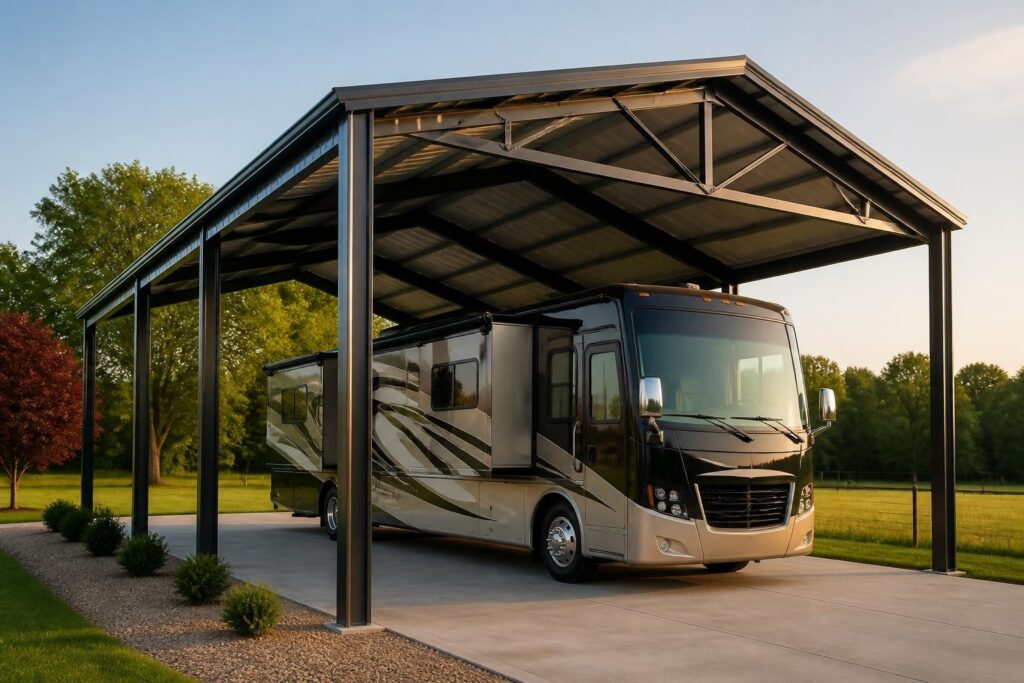
Investing in a recreational vehicle represents a significant financial commitment, often ranging from $50,000 to well over $300,000 for luxury models. Protecting that investment from weather damage, UV degradation, and environmental hazards becomes essential for maintaining both appearance and resale value. Metal RV ports offer a practical, durable solution that combines affordability with long-term protection, making them an increasingly popular choice among RV owners across the United States.
Understanding Metal RV Port Construction
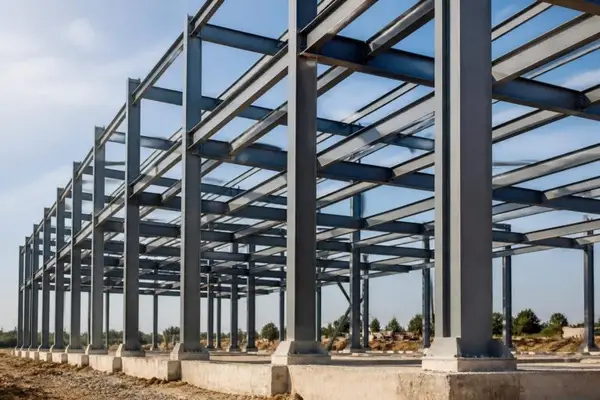
Metal RV ports utilize engineered steel framing systems designed to withstand substantial wind loads, snow accumulation, and severe weather conditions. The construction typically features galvanized steel tubing ranging from 12-gauge to 14-gauge thickness, providing structural integrity that outlasts traditional wood alternatives. These frames support either galvanized steel or aluminum roof panels that shed water efficiently while resisting rust and corrosion.
The engineering behind modern metal RV ports incorporates certified specifications that meet local building codes across different regions. Manufacturers design these structures with vertical, horizontal, or A-frame roof styles, each offering distinct advantages for snow load management and water drainage. Vertical roof configurations prove particularly effective in areas experiencing heavy snowfall, as the panels run vertically from peak to eave, allowing precipitation to slide off naturally.
Key Structural Components
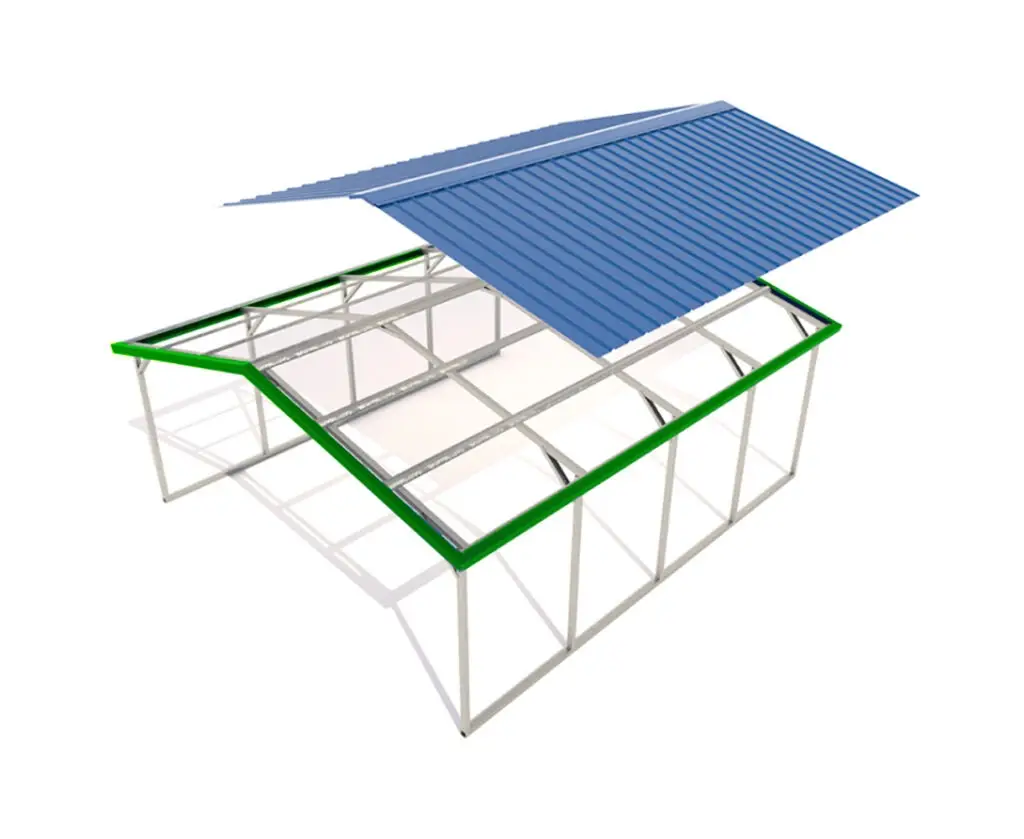
Every metal RV port consists of several critical elements working together to create a reliable shelter system:
- Base rails and anchors: Ground-level foundation components that secure the structure
- Vertical leg posts: Support columns spaced at regular intervals along the length
- Horizontal trusses: Cross-members that distribute roof weight evenly
- Roof panels: Weather-resistant metal sheeting in various gauges
- Trim and flashing: Finishing pieces that seal edges and enhance appearance
The quality of these components directly impacts the structure's lifespan and performance. Premium metal RV ports incorporate commercial-grade materials with protective coatings that extend durability decades beyond basic models.
Sizing Considerations for Different RV Types
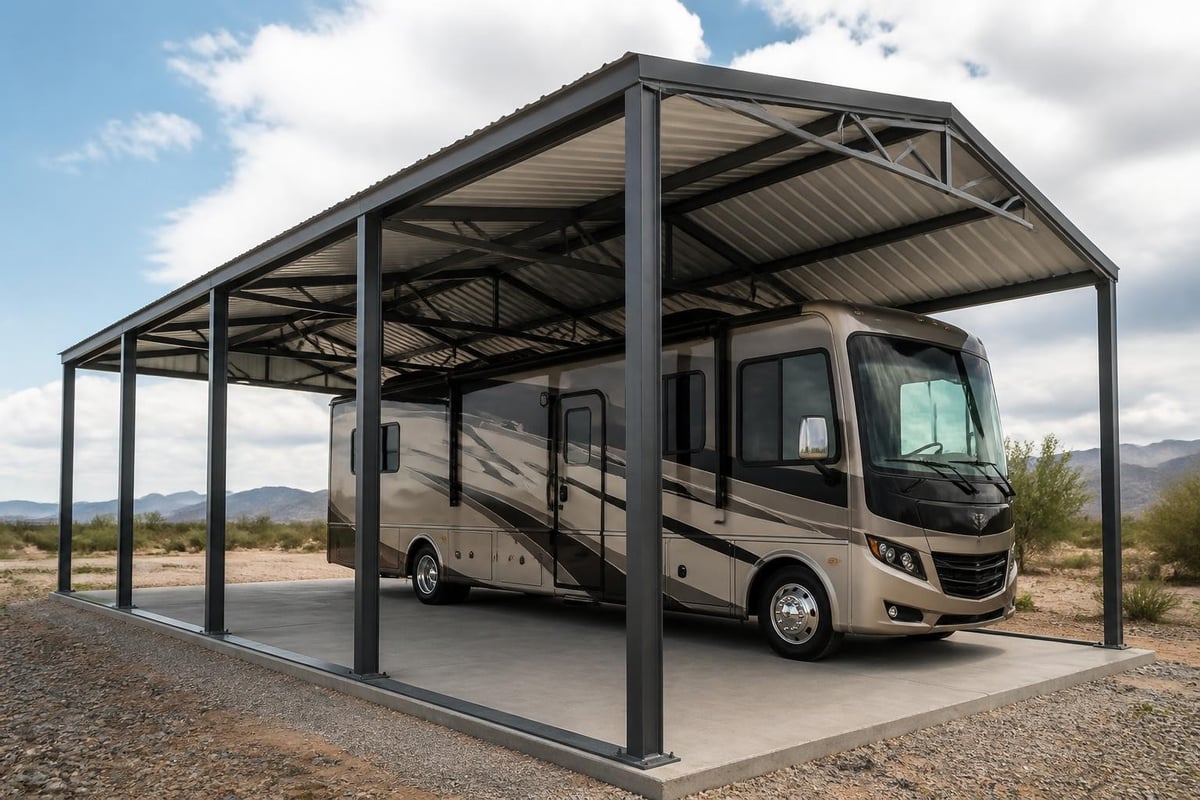
Selecting appropriate dimensions represents one of the most crucial decisions when purchasing metal RV ports. Recreational vehicles vary dramatically in size, from compact Class B camper vans measuring 20 feet in length to massive Class A motorhomes exceeding 45 feet. Standard metal RV ports typically range from 12 feet to 20 feet in width, 20 feet to 50 feet in length, and 12 feet to 16 feet in height.
Class A motorhomes generally require metal RV ports with minimum dimensions of 14 feet wide by 40 feet long, with clearance heights of at least 14 feet to accommodate rooftop air conditioning units and satellite systems. Fifth-wheel trailers need similar width specifications but may require extended lengths up to 50 feet depending on the model. Travel trailers and Class C motorhomes can often fit comfortably under 12-foot-wide structures, though additional width provides easier maneuvering room.
| RV Type | Typical Length | Recommended Width | Minimum Height |
|---|---|---|---|
| Class A Motorhome | 30-45 feet | 14-16 feet | 14-16 feet |
| Class B Van | 16-22 feet | 12 feet | 12 feet |
| Class C Motorhome | 24-32 feet | 12-14 feet | 13-14 feet |
| Fifth Wheel | 28-40 feet | 14-16 feet | 13-15 feet |
| Travel Trailer | 18-35 feet | 12-14 feet | 12-13 feet |
Professional measurement becomes essential before ordering. Measure your RV's total length including any rear-mounted accessories like bike racks or spare tire carriers. Width measurements should account for slide-outs in their extended position if you plan to store the vehicle with slides deployed. Height measurements must include roof-mounted equipment such as air conditioners, antennas, and solar panels.
Roof Style Options and Performance Characteristics
The roof configuration of metal RV ports significantly affects both functionality and aesthetics. Three primary styles dominate the market, each offering specific advantages for different climates and preferences.
Regular or Horizontal Roof Style
The most economical option features roof panels installed horizontally across the frame. This design works well in regions with minimal snow accumulation and moderate wind conditions. While budget-friendly, horizontal roofs may require additional maintenance in areas experiencing heavy precipitation, as water drainage depends entirely on the structure's overall pitch.
A-Frame or Boxed Eave Style
A-frame metal RV ports incorporate horizontal panels with added trim along the eaves, creating a more finished appearance. This style provides improved water runoff compared to basic horizontal designs while maintaining moderate pricing. The boxed eave configuration adds structural reinforcement along edges, enhancing wind resistance and overall stability.
Vertical Roof Style
Premium vertical roof metal RV ports represent the strongest option available, featuring panels that run from ridge to eave. This orientation allows snow, rain, and debris to slide off efficiently, making vertical roofs ideal for regions experiencing severe weather. The enhanced drainage and structural strength justify the higher price point for owners prioritizing maximum protection and longevity.
When considering metal structures for various applications, understanding roof styles helps optimize both protection and budget. Metal TV Covers provide similar customization options tailored specifically for recreational vehicle dimensions and requirements.
Customization Features That Add Value
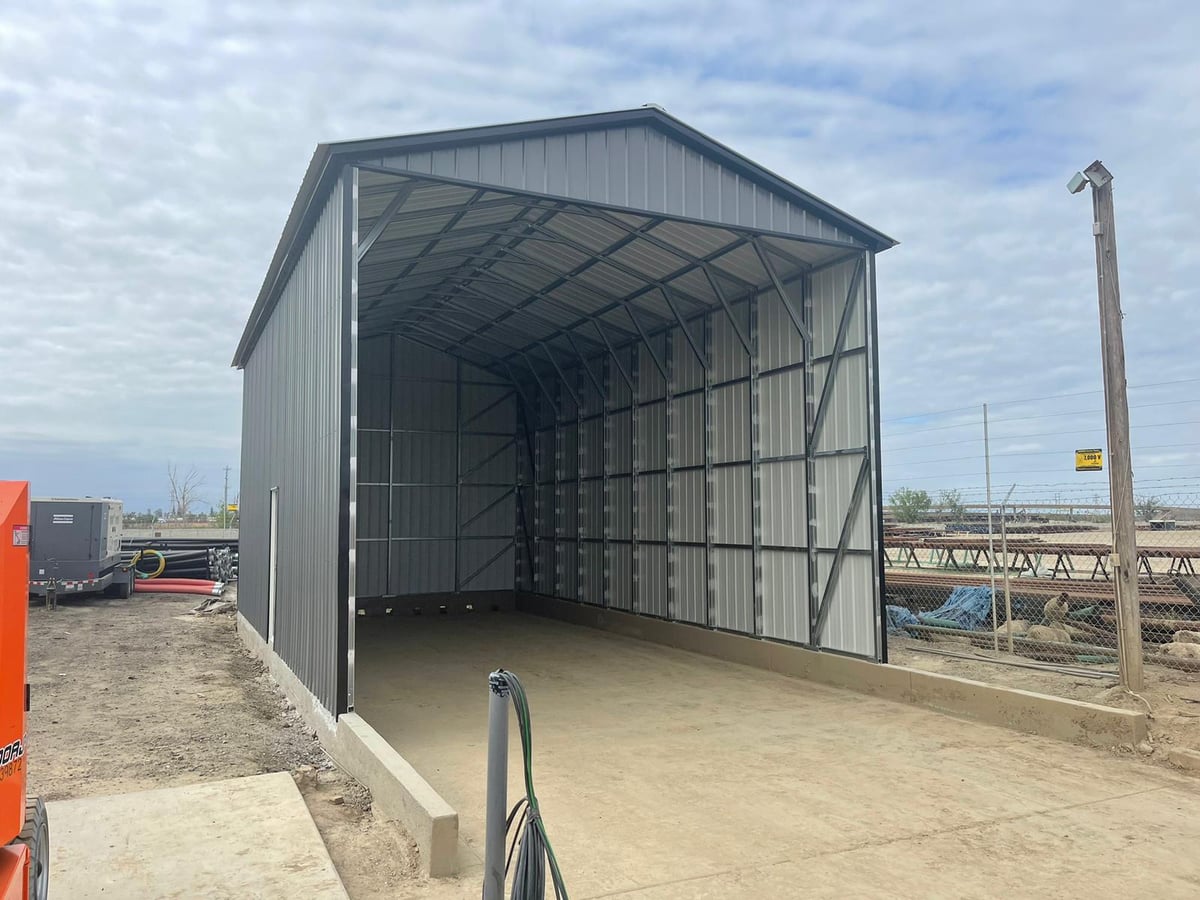
Modern metal RV ports offer extensive customization options that enhance functionality beyond basic coverage. Side panels, end walls, and full enclosures transform open carports into comprehensive storage facilities protecting vehicles from wind-driven rain, dust, and unauthorized access. Partial enclosures prove popular for owners wanting weather protection while maintaining easy access for quick trips.
Popular customization options include:
- Gable end panels: Triangular wall sections at structure ends blocking wind and precipitation
- Side panel coverage: Vertical walls along one or both sides providing directional weather protection
- Enclosed doors: Roll-up or framed entry doors for full enclosure models
- Additional height: Extended leg options accommodating taller RVs or providing workspace beneath
- Concrete anchoring: Professional foundation systems ensuring maximum stability
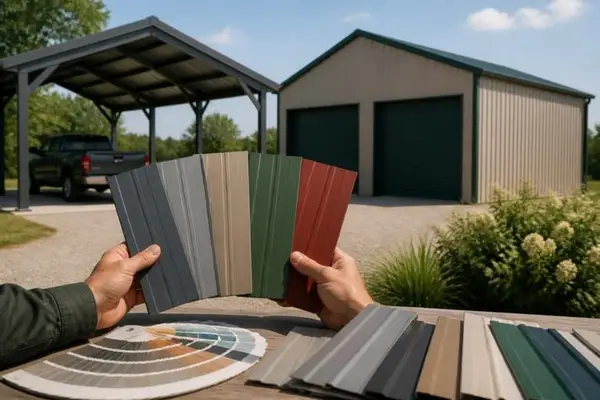
- Color selection: Powder-coated finishes in various colors matching home exteriors or personal preferences
The addition of side panels transforms metal RV ports into semi-enclosed or fully enclosed structures that shield vehicles from the elements year-round. This proves particularly valuable in coastal regions where salt air accelerates corrosion, or in areas with frequent dust storms that damage paint and mechanical components.
Installation Process and Site Preparation
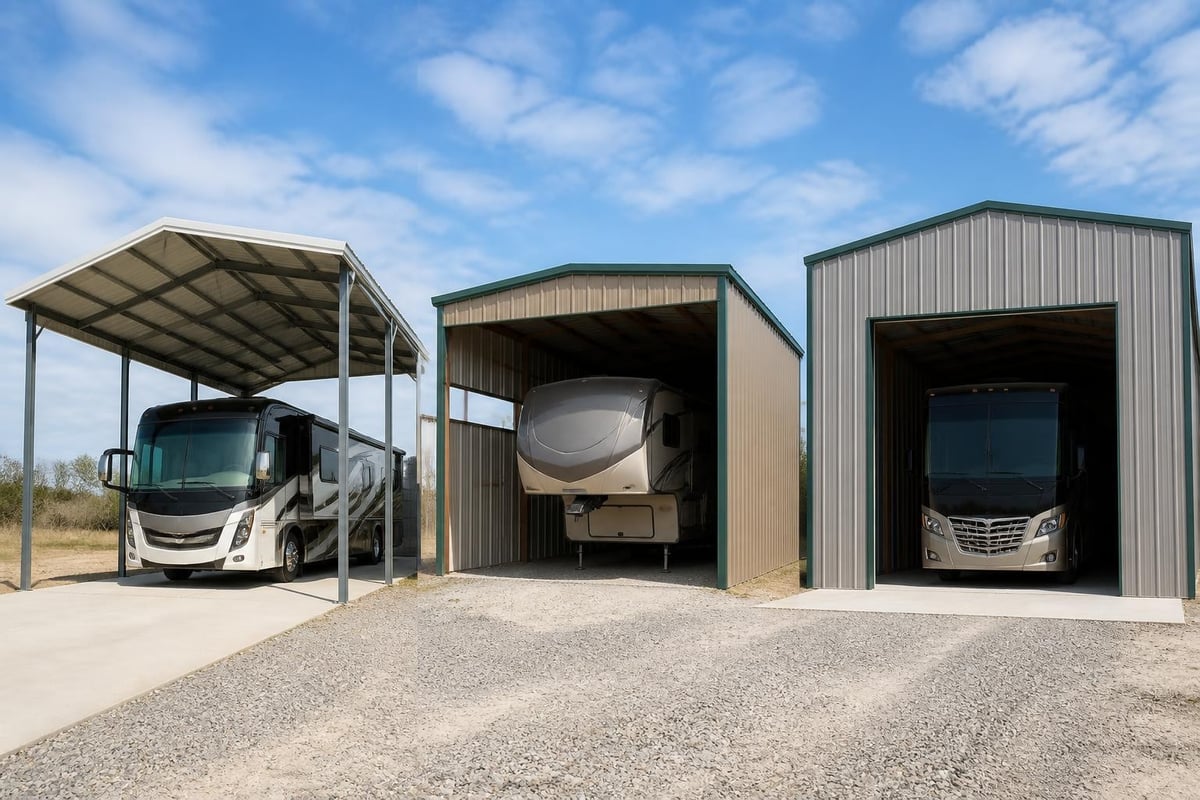
Professional installation of metal RV ports typically takes one to three days depending on structure size and site conditions. The process begins with site preparation, which involves leveling the ground area and ensuring proper drainage to prevent water pooling around the foundation. Most installations utilize one of three anchoring methods: mobile home anchors for asphalt surfaces, concrete anchors for existing slabs, or rebar anchors driven deep into soil.
Ground preparation requirements vary based on local soil conditions and building codes. Soft or sandy soil may necessitate additional foundation work such as concrete footings at each leg position. Rocky terrain might require excavation and grading to create a level surface. Professional installers assess site conditions during initial consultations, identifying potential challenges before construction begins.
The actual assembly follows a systematic sequence starting with base rail installation, followed by vertical leg placement, truss attachment, and finally roof panel installation. Certified installation teams bring specialized equipment including lifts, levels, and professional-grade fasteners rated for structural applications. Quality installations incorporate proper spacing, alignment, and tensioning of all components to maximize structural integrity.
Post-Installation Considerations
After installation completion, owners should verify several critical aspects:
- Proper anchoring at all connection points with no loose fasteners
- Level roof alignment ensuring efficient water drainage
- Clearance measurements confirming adequate space for RV entry and exit
- Panel alignment with consistent gaps and proper overlap
- Foundation stability with no shifting or settling evident
Documentation of the installation including permits, warranties, and maintenance guidelines should be organized and stored safely. Most manufacturers provide warranties covering structural integrity for 20 years or more, with paint and finish warranties typically ranging from 10 to 20 years.
Regional Considerations and Building Codes
Building regulations for metal RV ports vary significantly across different states and municipalities, making local code compliance essential. Coastal regions typically require enhanced wind ratings, with structures capable of withstanding hurricane-force winds exceeding 140 mph. Northern climates mandate specific snow load ratings ensuring roofs support accumulated precipitation weight without structural failure.
Some homeowners associations restrict the installation of metal RV ports or impose specific aesthetic requirements regarding colors, styles, and placement on properties. Reviewing HOA covenants before purchasing prevents costly modifications or removal requirements after installation. When HOA restrictions exist, presenting professional renderings showing how the structure complements existing architecture sometimes facilitates approval.
Permit requirements differ dramatically between jurisdictions. Rural areas often have minimal permitting processes, while urban and suburban locations may require detailed engineering plans, foundation specifications, and inspection schedules. Reputable manufacturers and installers familiar with regional requirements typically handle permit applications as part of their service package, ensuring compliance with all applicable codes.
Maintenance Requirements and Longevity
Metal RV ports require minimal maintenance compared to wood structures, yet regular attention extends service life and maintains appearance. Annual inspections should identify loose fasteners, damaged panels, or compromised anchoring requiring attention. Galvanized steel naturally resists rust, but scratches or damage exposing bare metal should receive touch-up paint to prevent corrosion spread.
Essential maintenance tasks include:
- Removing debris accumulation on the roof surface quarterly
- Checking and tightening anchor bolts annually
- Inspecting for paint damage and applying touch-up coating as needed
- Clearing vegetation around base rails to prevent moisture retention
- Verifying proper drainage after heavy storms
Snow removal becomes necessary in regions experiencing heavy accumulation exceeding design specifications. While vertical roof metal RV ports shed snow effectively, prolonged storms may create loads requiring manual removal to prevent structural stress. Using soft-bristle brooms or plastic shovels prevents panel damage during cleaning.
Cost Analysis and Value Proposition
The investment in metal RV ports ranges from approximately $3,000 for basic open structures to $15,000 or more for large, fully enclosed buildings with premium features. This pricing typically includes materials, delivery, and professional installation, providing comprehensive value compared to wood alternatives requiring separate contractor arrangements.
| Size Category | Basic Open Port | Enclosed Structure | Premium Features |
|---|---|---|---|
| 12×30 feet | $3,000-$4,500 | $5,500-$7,500 | $8,000-$10,000 |
| 14×40 feet | $4,500-$6,500 | $7,500-$10,000 | $11,000-$14,000 |
| 18×50 feet | $6,500-$9,000 | $11,000-$15,000 | $16,000-$20,000 |
When compared to wood carport construction, metal RV ports offer superior long-term value through reduced maintenance costs and extended lifespan. Wood structures require regular staining or painting, termite treatment, and eventual board replacement as deterioration occurs. Metal structures eliminate these recurring expenses while providing stronger weather resistance and fire protection.
The return on investment extends beyond direct cost comparisons. RV owners spending $200 to $400 monthly for commercial storage recoup the metal RV port investment within two to four years. Additionally, protected RVs maintain higher resale values through reduced UV damage, weather-related deterioration, and mechanical exposure.
Multi-Purpose Applications Beyond RV Storage
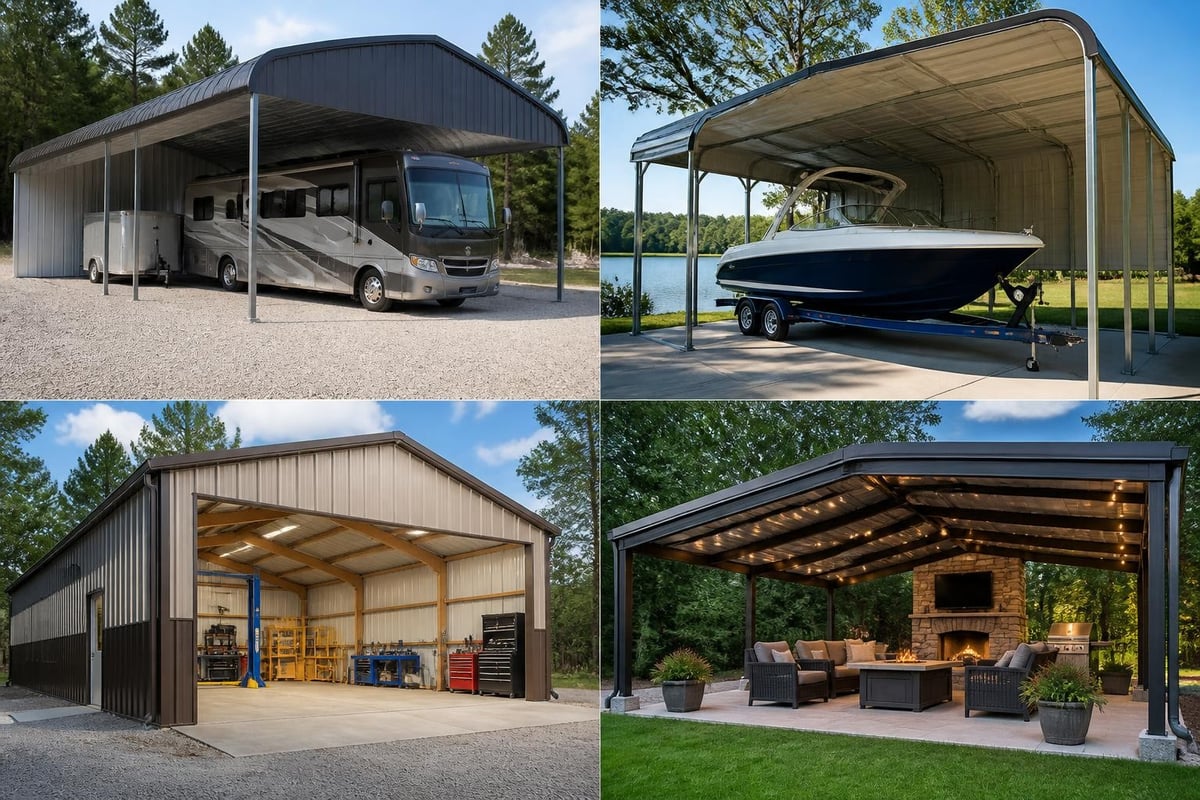
While designed primarily for recreational vehicle protection, metal RV ports serve numerous additional functions maximizing property utility. The covered space accommodates boats, trailers, agricultural equipment, and multiple passenger vehicles. Many owners utilize these structures as outdoor workshop areas, hosting repair projects or hobby activities in weather-protected environments.
During events or gatherings, metal RV ports provide covered outdoor space for parties, barbecues, or family reunions. The shade and rain protection create comfortable areas for seating, dining, or entertainment without permanent building construction. Some property owners install lighting and electrical service, transforming these structures into functional outdoor living spaces.
For those managing multiple recreational properties or enjoying diverse outdoor activities, metal structures provide versatile protection solutions. Whether storing fishing boats during winter months, protecting classic cars from sun damage, or sheltering farm equipment between seasons, these adaptable buildings serve evolving needs over decades of service. When additional covered workspace becomes necessary, exploring products for metal buildings reveals how these structures expand beyond vehicle storage into comprehensive property solutions.
Selecting the Right Manufacturer and Installer
Choosing a reputable supplier for metal RV ports significantly impacts both initial installation quality and long-term satisfaction. Established manufacturers with proven track records provide engineered structures meeting or exceeding local building codes, backed by comprehensive warranties protecting your investment. Research potential suppliers by reviewing customer testimonials, examining completed installation photos, and verifying business credentials through Better Business Bureau ratings.
Quality manufacturers offer transparent pricing with detailed quotes specifying all included components, delivery parameters, and installation services. Hidden fees or unclear terms signal potential problems warranting additional investigation. Professional companies provide written contracts outlining project timelines, payment schedules, and warranty coverage before requesting deposits or commitments.
The installation team's experience directly affects structural performance and appearance. Certified installers understand proper anchoring techniques, panel alignment standards, and finishing details that distinguish professional work from amateur installation. Requesting references from recent customers in your geographic area provides insight into installer reliability, workmanship quality, and customer service responsiveness.
Weather Resistance and Climate-Specific Designs
Metal RV ports engineered for specific climate conditions provide optimal protection while maintaining cost efficiency. Coastal installations require specialized treatments resisting salt air corrosion, often incorporating marine-grade fasteners and enhanced panel coatings. Desert environments benefit from reflective roof colors reducing heat absorption and protecting RV air conditioning systems from excessive solar gain.
Northern climate metal RV ports incorporate reinforced frames supporting increased snow loads measured in pounds per square foot. Engineers calculate these requirements based on historical weather data and local building codes, ensuring structures withstand worst-case scenarios. Ice accumulation along eaves receives particular attention, with designs promoting proper drainage preventing destructive ice dam formation.
Wind resistance specifications prove critical in tornado-prone regions and hurricane zones. Enhanced anchoring systems, reinforced connections, and certified engineering stamps demonstrate compliance with elevated wind load requirements. Some jurisdictions mandate specific wind ratings ranging from 90 mph for standard installations to 170 mph for extreme weather zones.
Financing Options and Budget Planning
Understanding available financing alternatives helps make metal RV ports accessible regardless of immediate cash availability. Many manufacturers partner with lending institutions offering specialized financing for metal buildings, providing monthly payment plans with competitive interest rates. Home equity lines of credit often provide favorable terms for property improvements like RV port installation, with interest potentially tax-deductible as home improvement expenses.
Budget planning should account for optional site preparation costs including grading, gravel installation, or concrete pad construction. While not always necessary, proper ground preparation enhances structure stability and longevity, justifying the additional investment. Electrical service installation for lighting or convenience outlets adds functionality, with costs varying based on distance from existing power sources.
Long-term budget considerations favor metal RV ports through eliminated storage rental fees and reduced RV maintenance expenses. Protected vehicles require less frequent washing, waxing, and weatherproofing treatments. Mechanical components suffer reduced wear from temperature extremes and moisture exposure, potentially extending service intervals and preventing premature failures.
Environmental Benefits and Sustainability
Metal RV ports offer environmental advantages over alternative construction materials through recyclability and resource efficiency. Steel ranks among the most recycled materials globally, with end-of-life structures providing valuable scrap metal for manufacturing new products. This circular economy approach reduces mining demands and lowers overall environmental impact compared to wood harvested from forests.
The manufacturing process for metal building components requires less energy than traditional construction materials when accounting for entire product lifecycles. Galvanized coatings protect steel for decades without toxic preservatives or chemical treatments necessary for wood preservation. This eliminates groundwater contamination risks while reducing long-term environmental exposure to harmful substances.
Energy efficiency benefits extend to RVs stored beneath metal RV ports through reduced solar heat gain and UV exposure. Shaded storage prevents interior temperature extremes that stress air conditioning systems and degrade furnishings. Some owners enhance sustainability by integrating solar panels onto metal RV port roofs, generating renewable energy while maintaining vehicle protection.
For those considering outdoor recreational investments alongside vehicle protection, quality outdoor amenities complement property improvements. Products like those from RecoSauna demonstrate how premium outdoor additions enhance property value and lifestyle enjoyment.
Insurance Considerations and Property Value Impact
Installing metal RV ports may influence homeowner's insurance premiums and property valuations in several ways. Some insurance providers offer discounts recognizing reduced theft risk and weather damage potential for stored vehicles. Conversely, adding permanent structures to properties sometimes increases liability coverage requirements, potentially raising overall premium costs. Consulting insurance agents before installation clarifies how metal RV ports affect existing policies.
Property appraisals typically reflect metal RV port additions as improvements increasing overall estate value. The magnitude depends on structure quality, size, and local market conditions. Well-designed installations matching home aesthetics provide better returns than basic structures appearing as afterthoughts. Professional appraisers consider construction quality, functionality, and regional demand when calculating added value.
Documentation of building permits, engineering certifications, and professional installation supports higher valuations during property sales or refinancing. Maintaining records including warranties, maintenance history, and original purchase agreements demonstrates responsible ownership and proper care, factors influencing buyer confidence and appraisal outcomes.
Comparing Metal RV Ports to Alternative Storage Solutions
Evaluating storage options requires analyzing costs, convenience, and protection levels across different approaches. Commercial RV storage facilities charge monthly fees ranging from $50 to $400 depending on location, security features, and coverage type. While eliminating home installation requirements, commercial storage necessitates traveling to access vehicles and removes convenience for quick weekend trips.
Wood carport construction provides traditional aesthetics some property owners prefer, yet requires significantly higher maintenance commitments. Annual staining, termite prevention, and eventual board replacement create ongoing expenses exceeding metal structure costs over 20-year comparisons. Wood also presents fire risks and structural deterioration in humid climates where metal alternatives excel.
Fabric RV covers offer portability and lower initial costs but provide limited weather protection and shorter lifespans. UV degradation, wind damage, and moisture accumulation under fabric coverings compromise protection quality. These temporary solutions suit occasional use or short-term needs rather than permanent vehicle storage requiring comprehensive weather resistance.
The comprehensive comparison reveals metal RV ports delivering optimal balance between protection, cost-efficiency, and longevity. For property owners seeking permanent solutions providing decades of reliable service, metal construction outperforms alternatives across most evaluation criteria.
Metal RV ports represent smart investments protecting valuable recreational vehicles while enhancing property functionality and value. The combination of durable construction, customization flexibility, and minimal maintenance requirements makes these structures ideal for RV owners seeking reliable, long-term protection solutions. Whether you need basic coverage or fully enclosed storage, Metal Structure Sales LLC offers customizable metal structures with delivery and installation included, helping you safeguard your investment for years to come.