

Protecting your vehicle from the elements has never been more important, and choosing the right shelter solution can save you thousands in maintenance costs over the years. An aluminum carport offers a lightweight, durable, and cost-effective option for homeowners looking to safeguard their cars, trucks, or recreational vehicles. Unlike traditional garage construction, these structures provide excellent protection while remaining budget-friendly and easy to install. Understanding the unique properties of aluminum and how they translate into practical benefits will help you make an informed decision about whether this option suits your specific needs.
What Makes an Aluminum Carport Different
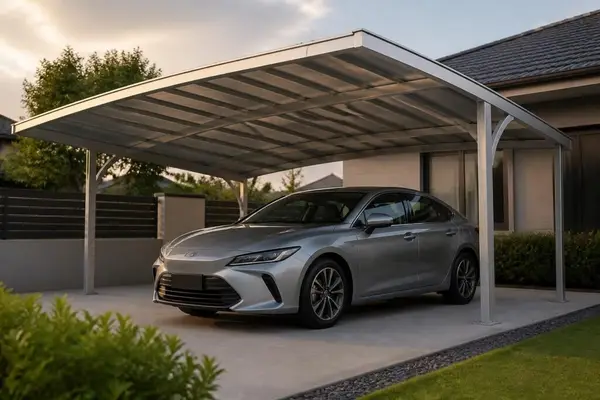
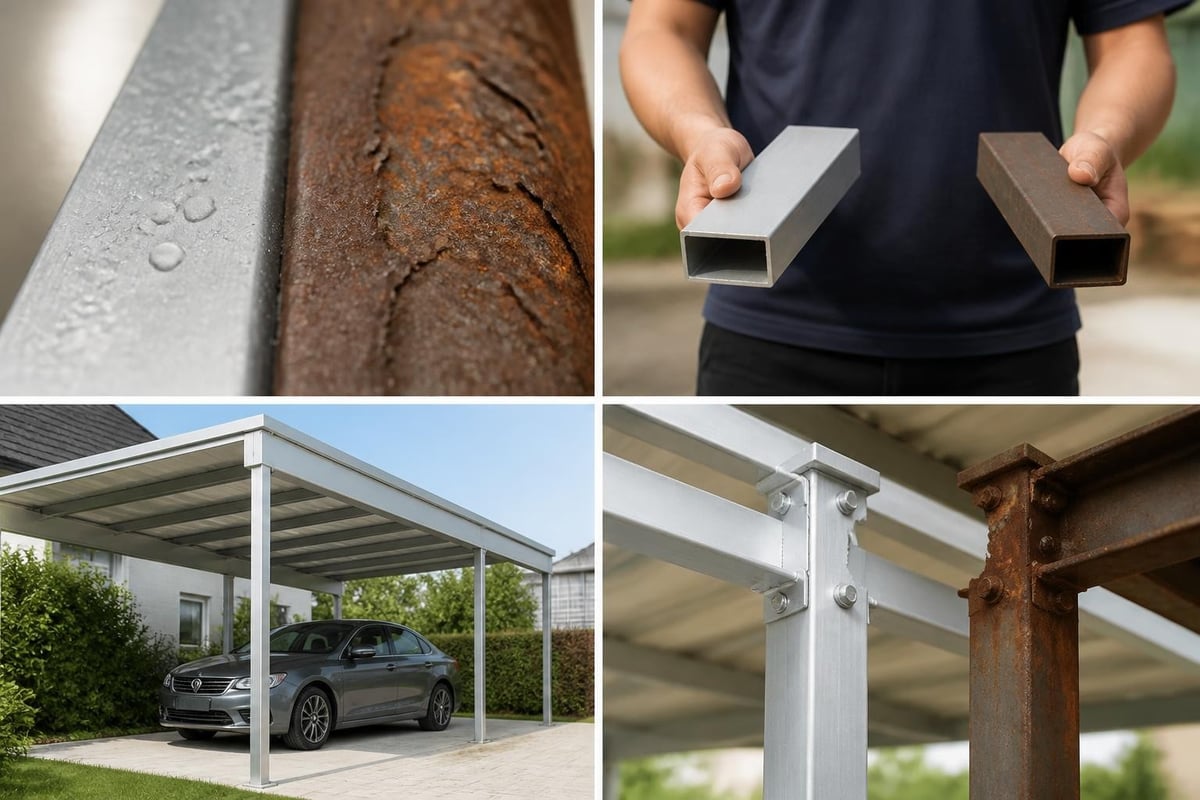
An aluminum carport distinguishes itself from other metal structures through its unique material composition and performance characteristics. The lightweight nature of aluminum makes installation significantly easier and less labor-intensive compared to heavier alternatives. This metal naturally forms a protective oxide layer that prevents corrosion and extends the structure’s lifespan, making it particularly valuable in coastal or humid environments.
Material Properties and Performance
The atomic structure of aluminum provides several advantages that directly impact carport performance:
- Corrosion resistance: Natural oxidation creates a protective barrier without additional coatings
- Weight-to-strength ratio: Approximately one-third the weight of steel while maintaining structural integrity
- Thermal properties: Reflects heat effectively, keeping vehicles cooler in summer months
- Conductivity: Does not rust like ferrous metals when exposed to moisture
When you compare aluminum to steel carports, the differences become clear. Steel offers superior strength per square inch but requires protective coatings to prevent rust. Aluminum sacrifices some raw strength but compensates with longevity and minimal maintenance requirements.
Cost Analysis and Budget Planning
Budget considerations play a central role in selecting an aluminum carport. Initial purchase prices typically range from $2,000 to $8,000 depending on size, design complexity, and customization options. A standard single-car aluminum carport measuring 12×20 feet generally costs between $2,500 and $4,000, while double-car versions measuring 20×20 feet range from $4,500 to $7,500.
| Carport Size | Price Range | Installation Cost | Total Investment |
|---|---|---|---|
| 12×20 (Single) | $2,500-$4,000 | $500-$1,000 | $3,000-$5,000 |
| 20×20 (Double) | $4,500-$7,500 | $800-$1,500 | $5,300-$9,000 |
| 20×30 (Large) | $6,500-$10,000 | $1,200-$2,000 | $7,700-$12,000 |
Long-Term Financial Benefits
Beyond the upfront investment, understanding the complete financial picture helps justify the expense. Maintenance costs remain minimal throughout the structure's lifespan. You won't need to paint, seal, or treat aluminum every few years like wood structures require.
Property value increases represent another financial advantage. Installing a quality carport can boost your home's resale value by 3-5%, particularly in regions where vehicle protection is highly valued. Insurance premiums may also decrease when you demonstrate proper vehicle storage and protection measures.
Design Options and Customization Features
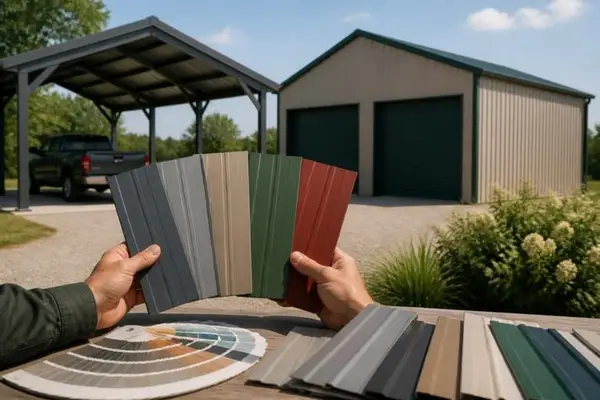
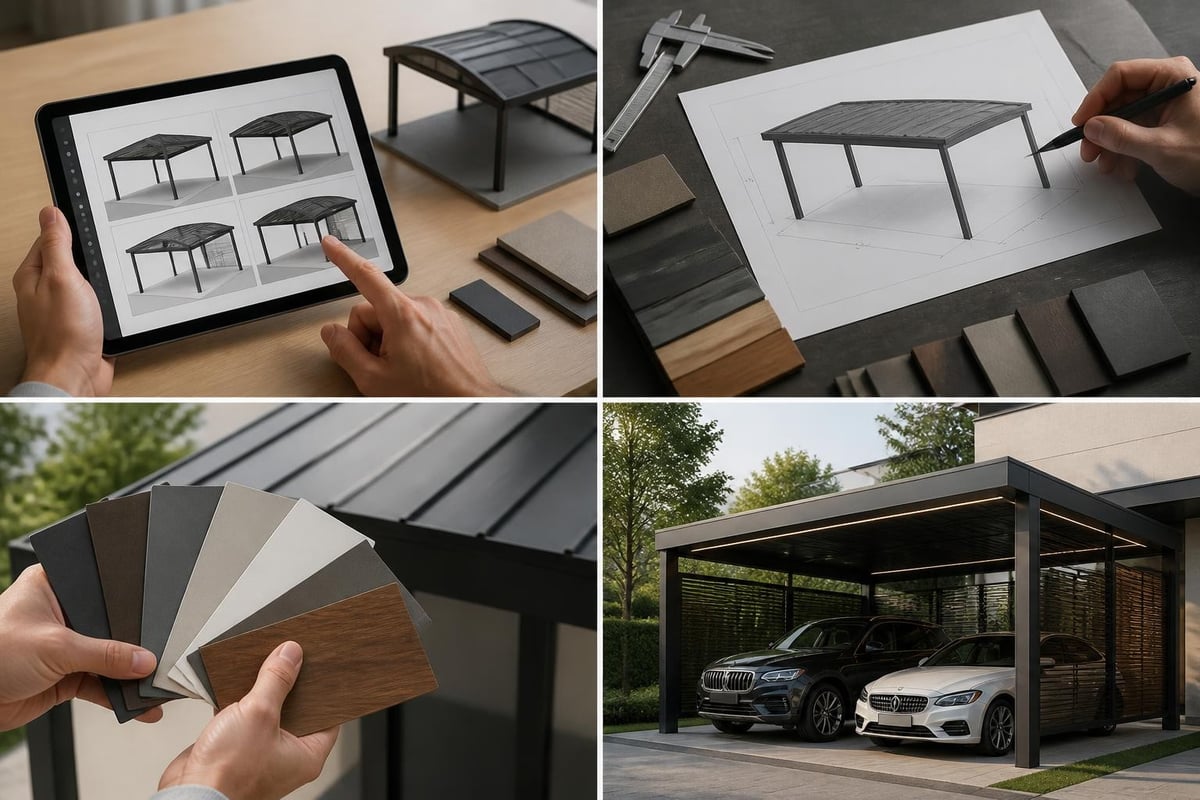
Modern aluminum carport manufacturers offer extensive customization possibilities to match your property aesthetics and functional requirements. Roof styles include flat, gable, and A-frame designs, each providing different benefits for water drainage and snow load capacity. Color selections have expanded beyond basic white and beige to include bronze, charcoal, and custom powder-coated finishes.
Structural Configuration Choices
Selecting the right configuration ensures your aluminum carport meets both immediate and future needs:
- Column placement: Corner posts versus center supports for clearance optimization
- Roof pitch: Flat designs for minimal height restrictions or pitched styles for better drainage
- Side panel options: Open designs for ventilation or enclosed sides for enhanced protection
- Entry height: Standard 7-foot clearance or upgraded heights for RVs and trucks
- Foundation type: Ground anchors, concrete footings, or attached mounting systems
For homeowners with larger vehicles or multiple storage needs, wide-span metal structures provide solutions extending beyond standard dimensions. These specialized designs accommodate boats, RVs, or multiple vehicles under a single protective structure.
Installation Process and Timeline
Professional installation of an aluminum carport typically completes within one to three days, depending on size and site preparation requirements. The process begins with accurate site measurement and ground leveling, ensuring proper drainage and structural stability. Foundation preparation follows, with options including concrete piers, ground anchors, or asphalt mounting depending on local conditions and building codes.
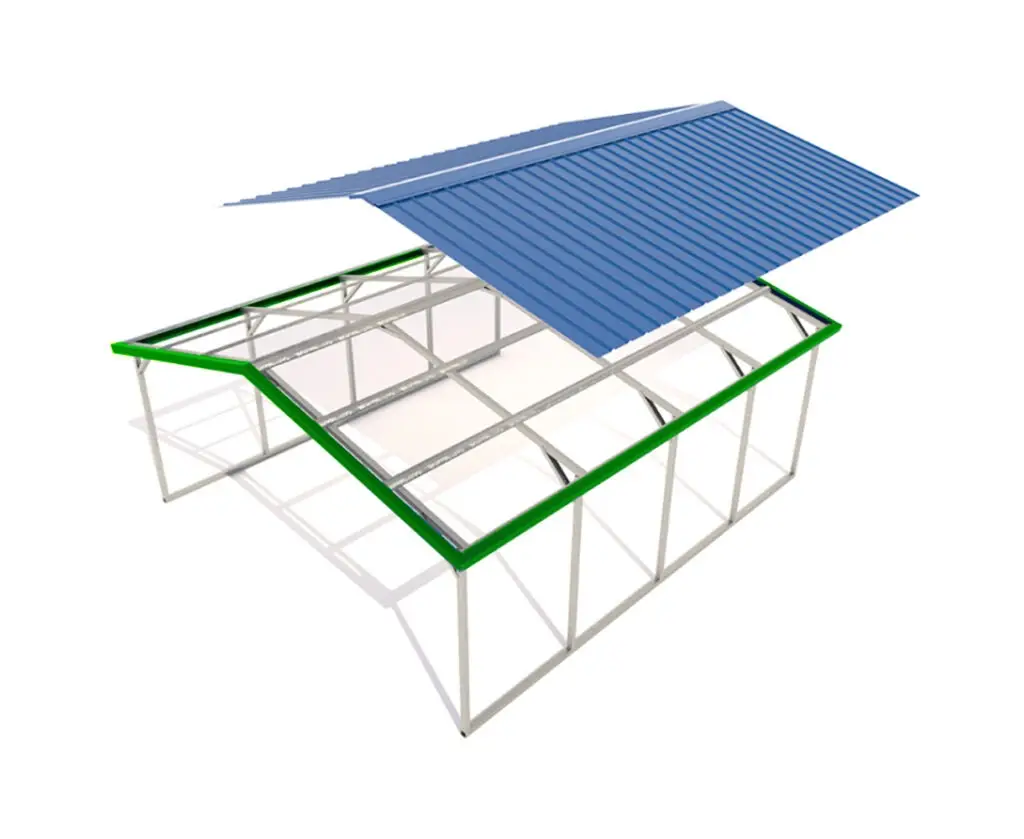
Assembly proceeds systematically with column installation, roof panel attachment, and final securing of all components. Most reputable suppliers include delivery and installation in their pricing structure, eliminating the need for separate contractor arrangements. DIY installation remains possible for mechanically inclined homeowners, though professional expertise ensures proper anchoring and structural integrity.
Site Preparation Requirements
Preparing your property correctly prevents installation delays and ensures long-term performance. Clear the installation area of vegetation, debris, and obstacles extending at least two feet beyond the carport footprint. Verify that the ground slopes away from the structure at a minimum grade of 1% to prevent water pooling.
Check local building codes and permit requirements before starting installation. Many municipalities require permits for structures exceeding certain dimensions or permanent foundation installations. Understanding these regulations helps avoid costly delays and potential fines.
Maintenance Requirements and Longevity
One of the most compelling reasons to choose an aluminum carport involves its minimal maintenance demands. Unlike wooden structures requiring annual treatments or steel carports needing rust prevention measures, aluminum maintains its appearance and functionality with basic care. Regular cleaning with mild soap and water twice annually removes dirt, pollen, and environmental contaminants.
Seasonal Care Guidelines
Different seasons present unique maintenance considerations:
- Spring: Inspect fasteners and connections after winter weather stress
- Summer: Clean panels to maintain reflective properties and appearance
- Fall: Remove leaves and organic debris from roof and gutters
- Winter: Clear heavy snow accumulation to prevent excessive load stress
Expected lifespan for a quality aluminum carport ranges from 20 to 30 years with proper maintenance. The structure's resistance to rust, rot, and pest damage contributes significantly to this longevity. Powder-coated finishes extend even further, often maintaining their appearance for 15-20 years before requiring any touch-up work.
Climate Considerations and Weather Performance
Geographic location significantly influences aluminum carport performance and suitability. Coastal regions benefit tremendously from aluminum's natural corrosion resistance, as salt air rapidly deteriorates other metal options. The material's thermal properties make it ideal for hot climates where reflected heat helps keep vehicles cooler.

Wind resistance becomes critical in hurricane-prone or high-wind areas. Quality aluminum carports engineered to local building codes withstand sustained winds up to 140 mph when properly anchored. Snow load ratings vary by design, with pitched roofs handling accumulation better than flat configurations.
| Climate Type | Aluminum Advantage | Special Considerations |
|---|---|---|
| Coastal/Humid | Superior corrosion resistance | Verify marine-grade fasteners |
| Hot/Arid | Excellent heat reflection | Monitor expansion/contraction |
| Cold/Snowy | No rust from road salt | Choose pitched roof design |
| High-Wind | Lightweight reduces wind load | Ensure proper anchoring |
Regional Building Code Compliance
Building requirements vary significantly across states, affecting design specifications and approval processes. California enforces stringent seismic requirements, while areas in Oklahoma emphasize wind resistance. Understanding these regional differences ensures your aluminum carport meets all necessary standards.
Comparing Aluminum to Alternative Materials
Making an informed decision requires understanding how aluminum stacks up against other common carport materials. Steel provides greater raw strength but demands more maintenance and weighs significantly more. Wood offers aesthetic warmth but requires constant upkeep and proves vulnerable to rot, termites, and weather damage.
Material Performance Matrix
Detailed comparison of different carport materials reveals distinct advantages for specific situations:
Aluminum advantages: Corrosion resistance, lightweight installation, minimal maintenance, moderate cost, 20-30 year lifespan
Steel advantages: Maximum strength, heavy snow load capacity, wind resistance, security, 25-35 year lifespan with maintenance
Wood advantages: Natural appearance, customization flexibility, initial lower cost, 10-15 year lifespan with intensive maintenance
The choice ultimately depends on your priorities. Homeowners valuing low maintenance and longevity gravitate toward aluminum, while those requiring maximum strength for extreme weather conditions may prefer steel options.
Environmental Impact and Sustainability
Sustainability considerations increasingly influence purchasing decisions, and aluminum carports offer several environmental benefits. Aluminum ranks among the most recyclable materials available, with nearly 75% of all aluminum ever produced remaining in use today through recycling programs. The production process has become significantly more energy-efficient over recent decades.
Manufacturing modern aluminum requires 95% less energy than creating new aluminum from raw bauxite ore. This dramatic reduction in energy consumption translates directly to lower carbon footprints. When your aluminum carport eventually reaches end-of-life, the material retains full value for recycling without quality degradation.
Eco-Friendly Features
- Recyclability: 100% recyclable without material degradation
- Energy efficiency: Reflective properties reduce cooling costs for attached structures
- Longevity: Extended lifespan reduces replacement frequency and waste
- Non-toxic: No chemical treatments or preservatives required
Accessory Options and Enhanced Functionality
Modern aluminum carport designs accommodate numerous accessories that expand functionality beyond basic vehicle protection. Enclosed panels convert open carports into partially or fully enclosed storage spaces, protecting against wind-driven rain and providing additional security. Choosing the best configuration involves evaluating how you plan to use the space.
Guttering systems channel water away from the structure's foundation, preventing erosion and water damage. LED lighting packages illuminate the covered area for nighttime vehicle access and enhanced security. Ventilation systems maintain air circulation in enclosed or partially enclosed designs, preventing moisture buildup and condensation.
For those seeking maximum versatility, combination units that pair open carport space with enclosed storage areas provide comprehensive solutions for mixed storage needs. These hybrid structures accommodate both vehicle protection and secure storage for tools, equipment, or seasonal items under one integrated roof system.
Popular Enhancement Features
- Side panels: Partial or full enclosure options
- Roof extensions: Additional coverage beyond standard dimensions
- Upgraded anchoring: Enhanced wind resistance systems
- Insulation packages: Temperature control for enclosed sections
- Custom doors: Walk-in access or roll-up garage door integration
Sizing Specifications and Space Planning
Accurate sizing ensures your aluminum carport provides adequate coverage without unnecessary expense. Standard single-car dimensions start at 12×20 feet, accommodating most sedans and compact SUVs with room for door opening. Double-car configurations typically measure 20×20 feet or 24×24 feet, providing space for two vehicles with clearance.
Height considerations matter equally. Standard leg heights of 6-7 feet suit most passenger vehicles, while truck or SUV owners benefit from 8-9 foot clearances. RV storage requires 12-14 feet minimum, with some requiring custom heights up to 16 feet for large motorhomes.
Planning for future needs prevents costly modifications. If you anticipate purchasing a larger vehicle or adding recreational equipment, sizing up initially proves more economical than expanding later. Calculate dimensions by measuring your longest vehicle, adding 2-3 feet on all sides for clearance and door operation.
Purchasing Process and Vendor Selection
Selecting the right supplier significantly impacts your satisfaction with an aluminum carport investment. Reputable manufacturers provide detailed specifications, engineering certifications, and comprehensive warranties covering both materials and workmanship. Request documentation proving compliance with local building codes and wind/snow load ratings appropriate for your region.
Compare warranty terms carefully among vendors. Standard coverage includes 20-year rust-through warranties on aluminum components and 10-15 year warranties on finish and paint. Installation guarantees should cover workmanship for at least one year, with some premium suppliers offering lifetime structural warranties.
Evaluation Criteria for Suppliers
- Industry experience: Minimum 10 years in metal structure manufacturing
- Engineering certifications: State-specific engineering stamps and approvals
- Customer reviews: Verified testimonials and third-party ratings
- Warranty coverage: Comprehensive protection for materials and installation
- Customization capabilities: Flexibility to accommodate unique requirements
Review contracts thoroughly before committing. Ensure pricing includes all costs such as delivery, installation, permits, and site preparation. Clarify timeline expectations and weather-related delay policies. Understand cancellation terms and deposit refund conditions in case circumstances change.
Permit Requirements and Legal Compliance
Navigating permit processes prevents legal complications and ensures your aluminum carport meets safety standards. Most jurisdictions require building permits for permanent structures exceeding 120 square feet or those with permanent foundations. Temporary carports on skids may bypass permit requirements in some areas, though regulations vary widely.
Homeowner association (HOA) rules often impose additional restrictions beyond municipal codes. Review your HOA covenants regarding structure placement, design aesthetics, and color requirements before purchasing. Some associations prohibit certain roof styles or mandate specific setback distances from property lines.
Setback requirements typically mandate minimum distances from property boundaries, easements, and existing structures. Common standards include 5-10 feet from side property lines and 20-25 feet from street frontages. Utility easements may prohibit any permanent structure construction, requiring careful site planning.
Investing in an aluminum carport provides long-lasting vehicle protection with minimal maintenance requirements and excellent durability across diverse climates. Whether you need basic coverage for a single vehicle or a complex configuration for multiple assets, understanding the material properties, costs, and customization options ensures you select the ideal solution for your property. Metal Structure Sales LLC specializes in delivering high-quality, customizable metal structures with professional installation included, helping you protect your valuable vehicles and equipment with confidence and peace of mind.