

Protecting your recreational vehicle requires more than just occasional cleaning and maintenance. With RVs representing significant financial investments often exceeding $50,000, proper shelter becomes essential for preserving their condition and extending their lifespan. RV car ports offer a practical, cost-effective solution that shields your vehicle from harsh weather elements while maintaining easy access for spontaneous road trips. Whether you own a Class A motorhome, travel trailer, or fifth wheel, understanding the specifications and options available for RV car ports will help you make an informed decision that serves your needs for years to come.
Understanding RV Car Port Dimensions and Requirements
The first consideration when selecting RV car ports involves accurate measurements of your recreational vehicle. Standard carports designed for automobiles simply won't accommodate the height and length of most RVs, which can range from 20 feet for smaller travel trailers to over 45 feet for luxury Class A motorhomes.
Height Specifications
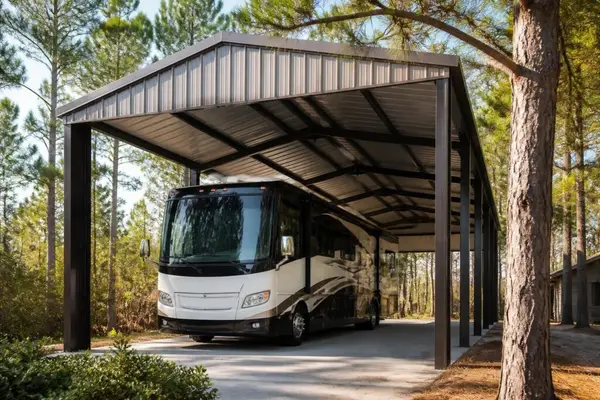
Most RV car ports require minimum heights between 12 and 16 feet to provide adequate clearance. Class A motorhomes typically measure 11 to 13 feet tall, while fifth wheels can reach similar heights when accounting for the raised front section. According to essential RV carport planning guidelines, you should add at least 12 to 18 inches of clearance above your RV's actual height to ensure safe entry and exit, especially if you plan to add roof-mounted accessories like air conditioning units or solar panels.
Key height considerations include:
- Measuring your RV at its tallest point, including all mounted equipment
- Accounting for potential future additions like satellite dishes or vents
- Allowing extra clearance for uneven ground surfaces
- Considering snow accumulation in regions with harsh winters
Width and Length Calculations
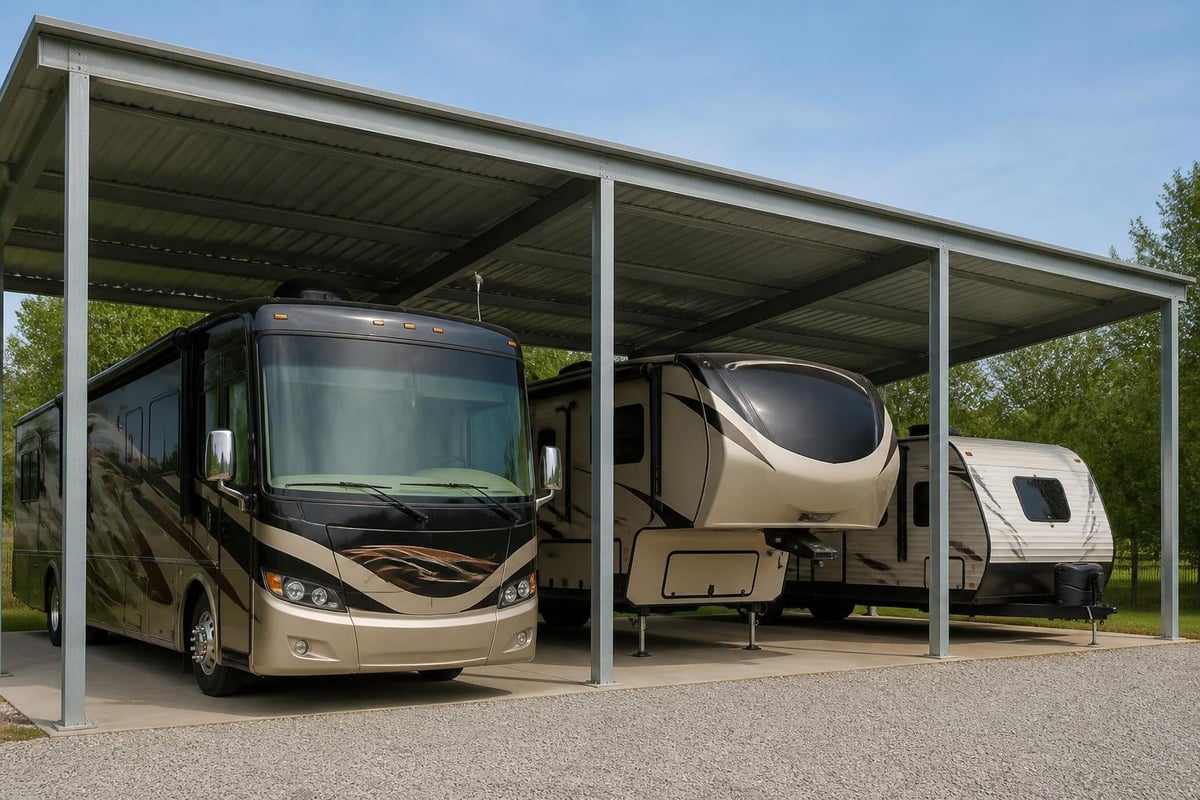
Width requirements for RV car ports typically range from 12 to 20 feet, depending on your vehicle type and whether you want walk-around space. Single RV structures usually measure 14 to 16 feet wide, providing adequate room for entry and minor maintenance tasks. Length varies dramatically based on your specific RV, but most car ports offer options from 20 to 50 feet or longer.
| RV Type | Typical Length | Recommended Width | Minimum Height |
|---|---|---|---|
| Class A Motorhome | 30-45 feet | 14-16 feet | 14-16 feet |
| Class C Motorhome | 20-33 feet | 12-14 feet | 12-14 feet |
| Fifth Wheel | 25-40 feet | 14-16 feet | 13-16 feet |
| Travel Trailer | 20-35 feet | 12-14 feet | 12-14 feet |
Material Selection for Long-Term Durability
The construction materials used in RV car ports directly impact their longevity, maintenance requirements, and protective capabilities. Metal structures have become the preferred choice for RV owners due to their superior strength-to-weight ratio, resistance to pests, and minimal maintenance needs.
Steel Frame Construction
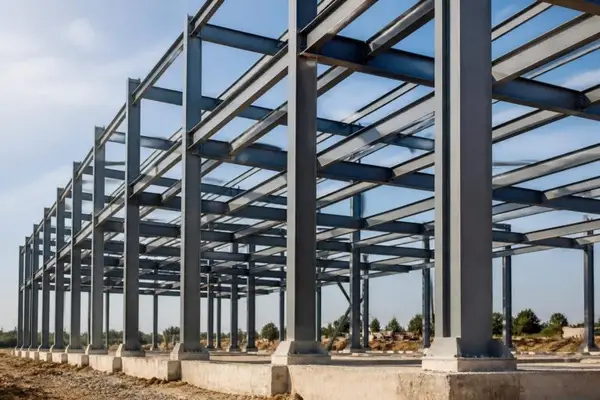
Steel framing provides exceptional structural integrity that withstands heavy snow loads, high winds, and years of exposure to outdoor elements. Quality RV car ports utilize 12 to 14-gauge steel tubing for vertical supports and horizontal beams, creating a framework that resists warping, cracking, and deterioration. The gauge number indicates steel thickness, with lower numbers representing thicker, stronger metal.
Professional metal structure providers typically offer galvanized steel components that resist rust and corrosion. The galvanization process coats steel with zinc, creating a protective barrier that prevents moisture from reaching the underlying metal. This treatment proves especially valuable in coastal regions or areas with high humidity.
Roofing Panel Options
The roof panels on RV car ports serve as the primary defense against rain, snow, hail, and UV radiation. Most manufacturers offer 29-gauge or 26-gauge steel panels, with the heavier 26-gauge option providing enhanced durability and dent resistance. These panels feature ribbed designs that channel water away efficiently while maintaining structural strength across wide spans.
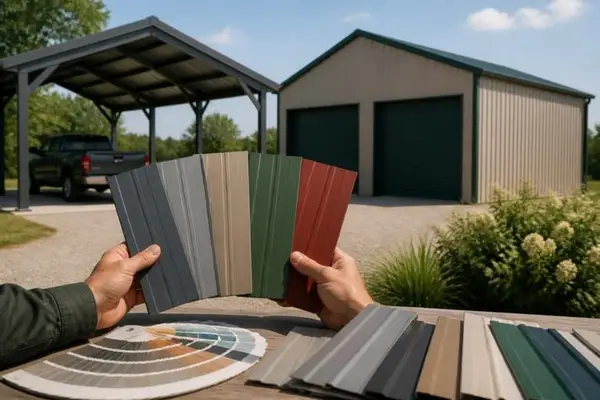
When evaluating metal structure options, you'll encounter several roof panel finishes including bare galvanized steel, painted Galvalume, and premium powder-coated options. Painted finishes offer additional UV protection and aesthetic appeal, with color choices ranging from neutral tones that blend with residential surroundings to bold hues that make a statement.
Roof Style Selection and Structural Benefits
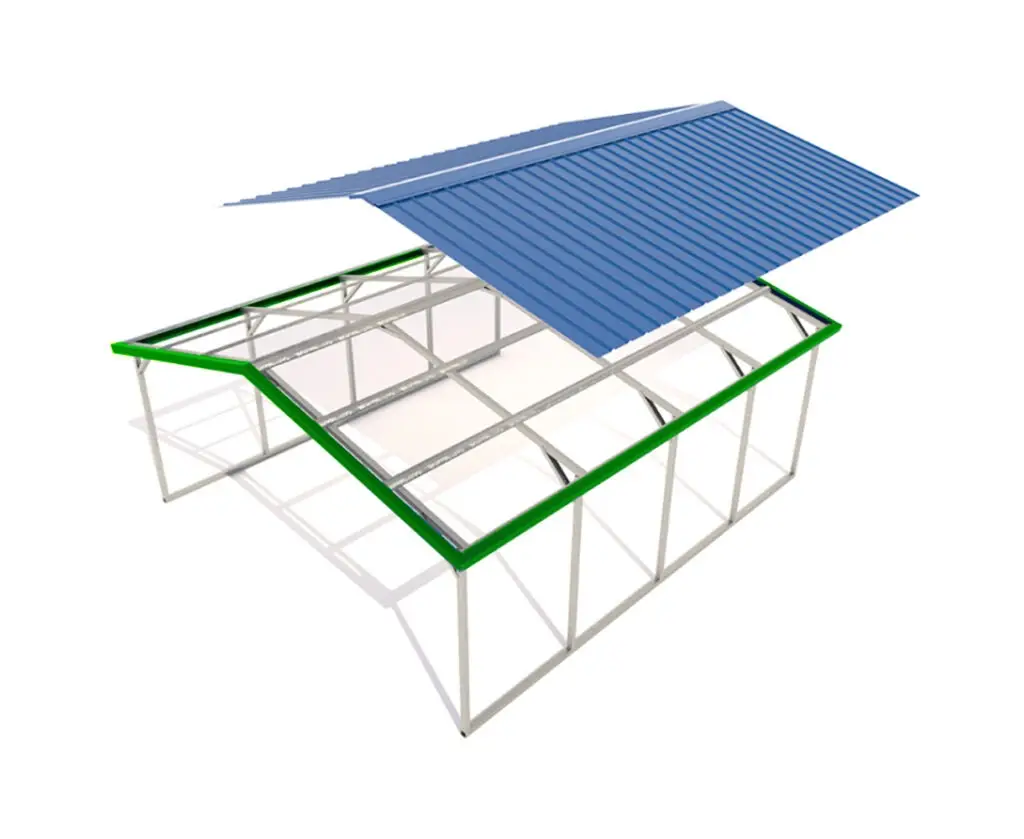
RV car ports come in three primary roof configurations, each offering distinct advantages in terms of water drainage, snow shedding, and overall structural performance. Your choice impacts both functionality and long-term maintenance requirements.
Regular Roof Style
The regular or flat roof style features rounded corners and horizontal roof panels that create a simple, economical design. While this option provides adequate protection in moderate climates, the horizontal panel orientation makes it less ideal for areas experiencing heavy snow accumulation or intense rainfall. Water drainage occurs through gravity, but the relatively flat surface can allow debris collection over time.
Boxed Eave Roof Style
A boxed eave roof incorporates a subtle A-frame design with panels running horizontally from front to back. This configuration offers improved water runoff compared to regular roofs while maintaining a balanced appearance. The slight pitch helps prevent standing water and reduces debris accumulation, making it suitable for regions with moderate precipitation.
Vertical Roof Style
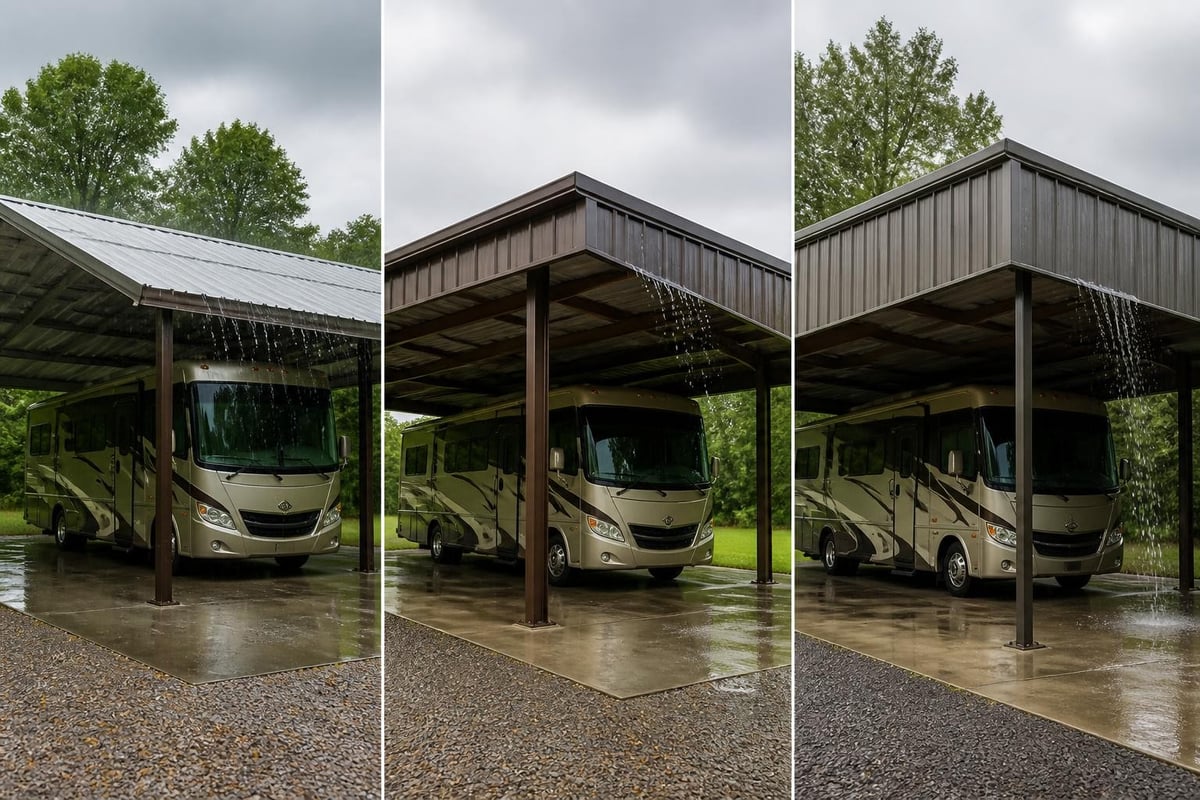
The vertical roof represents the premium option for RV car ports, featuring panels that run vertically from peak to eave. This orientation provides superior water and snow shedding capabilities, as precipitation slides directly off the surface rather than pooling. The vertical roof design also enhances structural strength, making it the recommended choice for areas with significant snow loads or high wind zones.
Vertical roof advantages include:
- Maximum snow and rain shedding efficiency
- Reduced maintenance from debris accumulation
- Enhanced structural integrity in severe weather
- Longer panel lifespan due to improved drainage
- Better protection against leaks and water damage
Customization Options for Enhanced Functionality
Modern RV car ports offer extensive customization possibilities that transform basic shelter into a fully functional storage and maintenance space. These enhancements address specific needs while adding value to your property.
Enclosure Configurations
While open-sided car ports provide basic overhead protection, partial or full enclosures dramatically improve security and weather protection. Side panels block wind-driven rain, reduce sun exposure from multiple angles, and create a more secure environment that deters theft or vandalism. You can choose to enclose specific sides based on prevailing weather patterns in your area.
Full enclosure converts your RV car port into a true garage structure with walls on all sides and gabled ends. This configuration offers maximum protection and can include roll-up doors for convenient access. Some RV owners opt for enclosed storage at one end of their car port, creating a combination structure that houses both the vehicle and related equipment or supplies.
Leg Height Extensions
Standard RV car ports typically feature leg heights between 6 and 8 feet, but many structures allow extensions up to 16 feet or higher. Taller legs serve multiple purposes beyond basic clearance. They accommodate larger RVs, provide room for rooftop equipment, and can create covered storage space underneath for boats, ATVs, or other recreational equipment.
Extended leg heights require additional engineering considerations to maintain structural stability. Professional installers account for wind resistance, soil conditions, and proper anchoring methods to ensure tall structures remain secure during severe weather events.
Installation Considerations and Site Preparation
Proper installation forms the foundation for long-term RV car port performance. While some manufacturers offer DIY kits, professional installation ensures compliance with local regulations and optimal structural integrity.
Permitting and Regulations
Most jurisdictions require building permits for permanent structures like RV car ports. Understanding local permitting requirements prevents costly delays and potential legal issues. Permit applications typically require site plans, structural drawings, and specifications demonstrating compliance with building codes.
Zoning regulations may restrict structure placement relative to property lines, require specific setbacks from existing buildings, or limit overall structure height. California regulations, for example, establish specific standards for carport construction and maintenance. Homeowners associations often impose additional restrictions regarding aesthetics, materials, or placement that supplement governmental requirements.
Ground Preparation and Anchoring
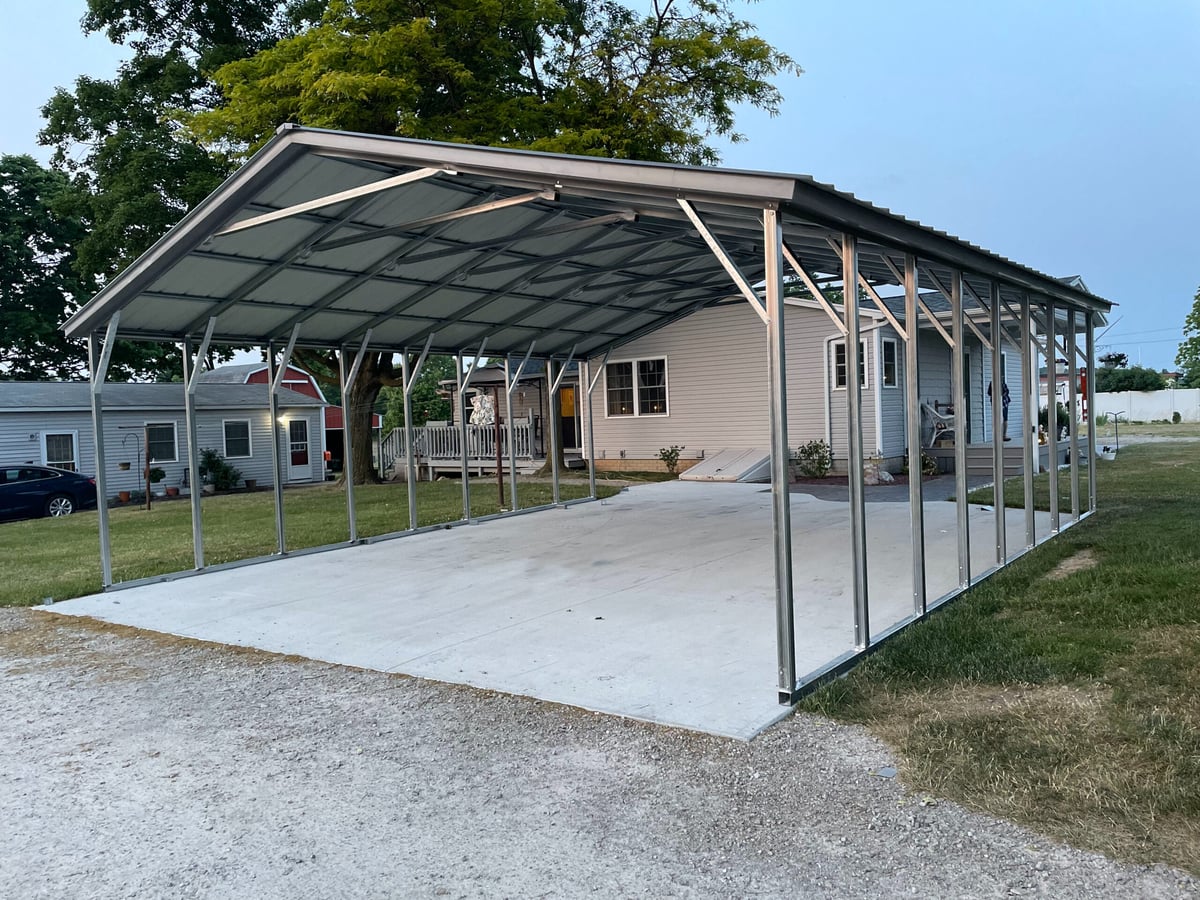
The surface beneath your RV car port significantly impacts installation success and long-term stability. Concrete slabs provide the ideal foundation, offering level surfaces, excellent drainage, and secure anchor points. Asphalt surfaces work adequately but may soften in extreme heat, potentially affecting anchor stability.
- Clear the installation area of vegetation, debris, and obstacles
- Level the ground to ensure proper water drainage away from the structure
- Mark anchor locations according to engineering specifications
- Install appropriate anchors based on surface type and local soil conditions
- Verify level and square measurements before securing frame components
Gravel or bare earth installations require additional preparation including compaction and potentially concrete footings for anchor points. Many professional installers recommend at least 4 inches of compacted gravel base to improve drainage and provide stable footing.
Metal Structure Sales offers a comprehensive range of custom metal carports specifically designed for RV storage. Their intuitive 3D design tool allows you to customize dimensions, roof styles, and additional features while viewing instant pricing and delivery options for your specific location.
Geographic and Climate Considerations
Your local climate plays a crucial role in determining appropriate specifications for RV car ports. Different regions present unique challenges that influence material selection, structural design, and maintenance requirements.
Snow Load Ratings
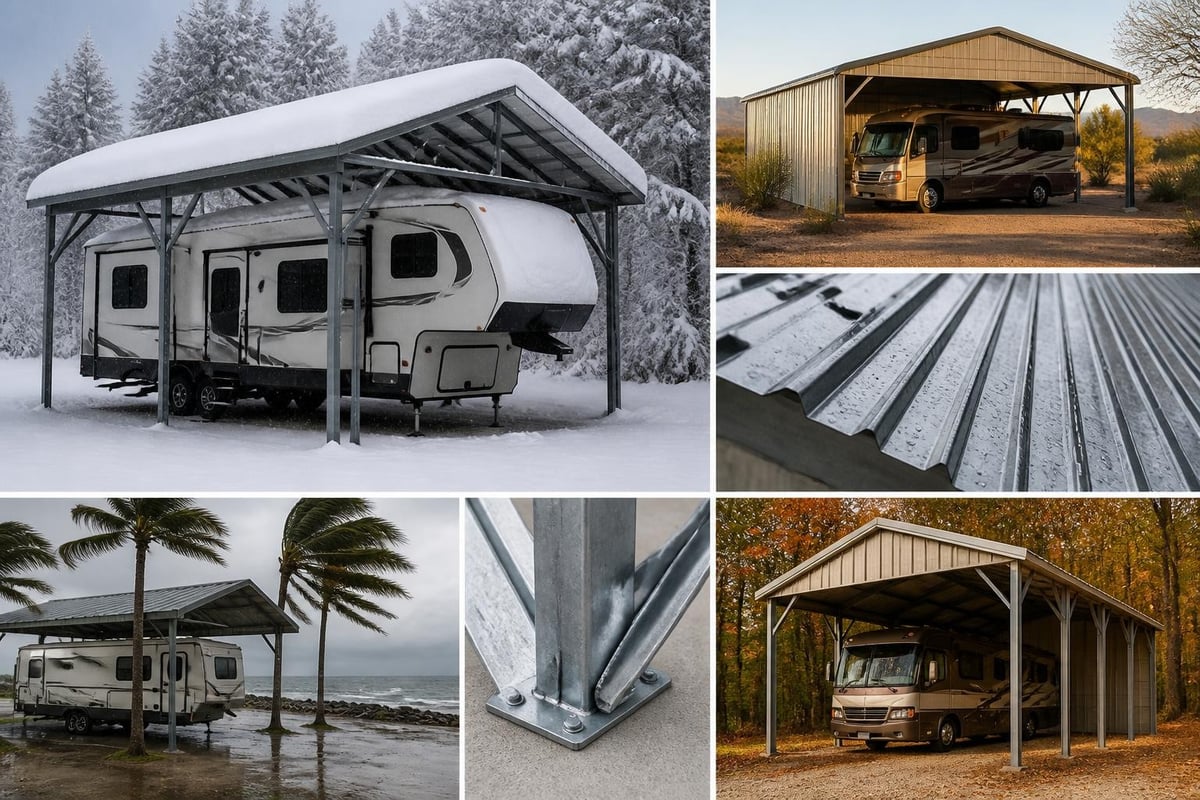
Areas experiencing regular snowfall require RV car ports engineered to withstand specific snow load ratings measured in pounds per square foot. Northern climate storage planning emphasizes selecting structures certified for local conditions. A structure rated for 20 PSF snow load can support approximately 20 pounds of snow per square foot of roof surface.
Heavy snow regions may require 40 PSF or higher ratings, necessitating heavier gauge steel, additional bracing, and steeper roof pitches. Vertical roof styles prove particularly valuable in snow country, as their design prevents dangerous accumulation that could exceed structural limits.
Wind Resistance Standards
Coastal areas and regions prone to severe storms need RV car ports rated for high wind speeds. Engineering certifications specify wind resistance in miles per hour, with many coastal structures requiring ratings of 140 MPH or higher. Proper anchoring becomes critical in these environments, often requiring concrete footings that extend below frost lines and specialized anchor systems.
Wind ratings also influence roof style selection. Vertical roofs generally offer superior wind resistance compared to regular styles due to their streamlined profiles and enhanced structural bracing. Side panels, while providing additional protection, must be properly engineered to avoid creating excessive wind loading.
Humidity and Corrosion Protection
High humidity environments accelerate metal corrosion unless proper protective measures are implemented. Quality RV car ports utilize multiple corrosion-resistant strategies including galvanized steel framing, treated fasteners, and protective paint systems. Some coastal installations benefit from additional coating applications or stainless steel hardware in critical connection points.
Regular maintenance inspections help identify early signs of corrosion before they compromise structural integrity. Professional roofing contractors like Great Roofing can assess metal structures for weather damage and recommend protective treatments specific to your climate zone.
Cost Factors and Budget Planning
RV car port pricing varies significantly based on size, materials, customization level, and geographic location. Understanding cost components helps you budget appropriately while identifying opportunities for value optimization.
Base Structure Pricing
Entry-level RV car ports with regular roof styles and minimal customization typically start around $2,000 for basic 12×20-foot structures. Mid-range options incorporating boxed eave roofs, partial enclosures, and standard dimensions (14×30 feet) generally range from $3,500 to $6,000. Premium vertical roof structures with full enclosures, extended heights, and larger footprints can exceed $10,000 for comprehensive installations.
| Structure Type | Size Range | Price Range | Best For |
|---|---|---|---|
| Basic Regular Roof | 12×20 to 14×30 | $2,000-$4,000 | Moderate climates, budget-conscious buyers |
| Boxed Eave | 14×30 to 16×40 | $4,000-$7,000 | Most climates, balanced performance |
| Vertical Roof | 14×35 to 20×50 | $6,000-$12,000+ | Heavy snow/wind areas, premium protection |
Installation and Delivery Costs
Professional installation typically adds $500 to $2,000 depending on site conditions, structure complexity, and regional labor rates. Delivery fees vary based on distance from manufacturing facilities, with most suppliers offering free delivery within specific radius zones and charging distance-based fees beyond those areas. Difficult access sites requiring special equipment may incur additional charges.
Some manufacturers include both delivery and installation in their base pricing, simplifying budget planning and ensuring proper setup by experienced crews. This approach often provides better value than attempting DIY installation, particularly for larger structures or those requiring concrete work.
Long-Term Value Considerations
While initial purchase price matters, evaluating total ownership costs provides better insight into true value. Metal RV car ports require minimal maintenance compared to wood alternatives, eliminating regular painting, staining, or treatment expenses. Their durability often results in 20 to 30-year service lives with basic care, spreading initial investment across decades of use.
The protection provided by quality RV car ports prevents damage that could cost thousands in repairs. UV degradation of rubber seals, oxidation of fiberglass surfaces, and deterioration of decals all accelerate when RVs remain exposed to direct sunlight. Similarly, hail damage, falling branches, and water infiltration from inadequate shelter can necessitate expensive repairs that far exceed the cost of proper coverage.
Maintenance and Care for Maximum Longevity
Even the most durable RV car ports benefit from periodic maintenance that identifies minor issues before they escalate into major problems. Establishing a simple maintenance routine extends structure life and preserves its protective capabilities.
Seasonal Inspections
Conduct thorough inspections at least twice annually, ideally in spring and fall. Check all connection points for tightness, as thermal expansion and contraction can gradually loosen fasteners. Examine the roof surface for any signs of damage, paying special attention to areas around fasteners where water infiltration might occur.
Inspection checklist includes:
- Verifying anchor security and checking for ground movement
- Examining steel components for rust spots or coating damage
- Inspecting roof panels for dents, scratches, or loose fasteners
- Clearing debris from roof surfaces and gutters if equipped
- Checking enclosed sections for seal integrity and door operation
Cleaning and Debris Removal
Regular cleaning prevents organic material accumulation that can trap moisture against metal surfaces. Use a soft-bristle brush or low-pressure washer to remove dirt, pollen, and leaf debris from roof panels. Avoid abrasive cleaners or high-pressure washing that might damage protective coatings.
Trees overhanging your RV car port create ongoing maintenance challenges through falling leaves, sap drippings, and potential branch damage during storms. Consider trimming branches that extend over the structure or selecting a different installation location if possible.
Touch-Up and Protection
Address any coating damage promptly to prevent rust development. Small scratches or chips can be treated with matching touch-up paint available from most manufacturers. More extensive damage may require professional assessment to determine whether panel replacement or comprehensive refinishing offers the better solution.
Apply automotive wax to painted surfaces annually to enhance UV protection and make cleaning easier. This simple step extends coating life and maintains the structure's appearance, particularly important for car ports visible from street-facing areas.
Enhancing Property Value and Aesthetics
Beyond functional protection, well-designed RV car ports contribute positively to property appearance and market value. Thoughtful color selection, complementary design elements, and proper placement create cohesive outdoor spaces rather than utilitarian afterthoughts.
Color Coordination
Modern metal structures offer extensive color palettes that coordinate with existing buildings, landscaping, or personal preferences. Neutral tones like white, beige, and gray blend seamlessly with most architectural styles, while earth tones complement natural surroundings. Some property owners choose accent colors that match trim elements on their homes, creating visual connections between structures.
Landscaping Integration
Strategic landscaping softens the visual impact of large metal structures while providing additional benefits. Low-maintenance shrubs planted along side panels create natural screening without obstructing access. Gravel borders improve drainage around the structure perimeter while defining the installation area. Flowering plants in coordinating container colors add seasonal interest without requiring extensive maintenance.
Architectural Compatibility
Federal regulations for manufactured housing carports address structural requirements, but aesthetic considerations often fall to homeowner discretion. Choose roof styles and proportions that complement existing structures on your property. A vertical roof car port might echo steep-pitched rooflines on your home, while a more traditional boxed eave design suits ranch-style architecture.
Multi-Purpose Design Elements
Consider incorporating features that extend functionality beyond RV storage. Side storage closets house maintenance supplies, cleaning equipment, or seasonal items. Integrated lighting enables evening access and adds security deterrence. Ceiling fans improve air circulation during summer months when working on vehicle maintenance projects.
Some RV owners install workbenches along enclosed side walls, creating dedicated spaces for trip preparation, equipment storage, or minor repair work. These enhancements transform simple car ports into functional hobby spaces that increase property utility.
Legal Compliance and Safety Standards
Ensuring your RV car port meets all applicable codes and regulations protects your investment while avoiding potential liabilities. Compliance requirements vary by jurisdiction but share common safety objectives.
Structural Certification
Reputable manufacturers provide engineering certifications demonstrating their structures meet or exceed industry standards for wind and snow loads. These certifications prove particularly important when seeking building permits, as officials verify compliance before approving installations. Nevada’s manufactured home regulations, for instance, specify attachment requirements that ensure structural adequacy.
Request documentation showing your chosen RV car port meets International Building Code (IBC) standards relevant to your climate zone. Professional installers should provide stamped engineering drawings when required by local authorities.
Setback Requirements
Most zoning ordinances establish minimum distances between structures and property boundaries, public rights-of-way, or existing buildings. These setbacks ensure adequate access for emergency services, prevent overcrowding, and maintain neighborhood aesthetics. Verify specific requirements with your local planning department before finalizing installation locations.
Corner lots often face additional restrictions due to multiple street frontages, while properties in historic districts may encounter design review processes. Understanding these requirements early prevents costly relocation or modification expenses.
Homeowner Association Approvals
Communities governed by homeowner associations typically require pre-approval for any exterior modifications including RV car ports. Submit detailed plans showing dimensions, colors, materials, and placement for architectural review committee consideration. Detailed height specifications for RV carports help committees understand how proposed structures fit within community guidelines.
Some associations restrict RV storage entirely or limit it to rear yard locations screened from street view. Review covenant documents thoroughly and maintain written correspondence documenting approval processes.
Selecting the right RV car ports requires careful consideration of dimensions, materials, climate factors, and local regulations to ensure optimal protection for your recreational vehicle investment. Whether you need basic overhead coverage or a fully enclosed structure with premium features, understanding available options empowers you to make confident decisions that serve your needs for decades. Metal Structure Sales LLC specializes in customizable metal structures including RV covers designed specifically for your vehicle dimensions, with expert guidance through the selection process and professional installation ensuring compliance with all local requirements.