

Aluminum has emerged as one of the most popular materials for carport construction, offering property owners a unique combination of durability, aesthetics, and practical advantages. While steel carports have traditionally dominated the market, carports aluminium present compelling benefits that make them worth considering for vehicle protection. This comprehensive guide explores everything you need to know about aluminum carports, from their key advantages and design considerations to installation processes and long-term value.
Understanding Carports Aluminium Construction
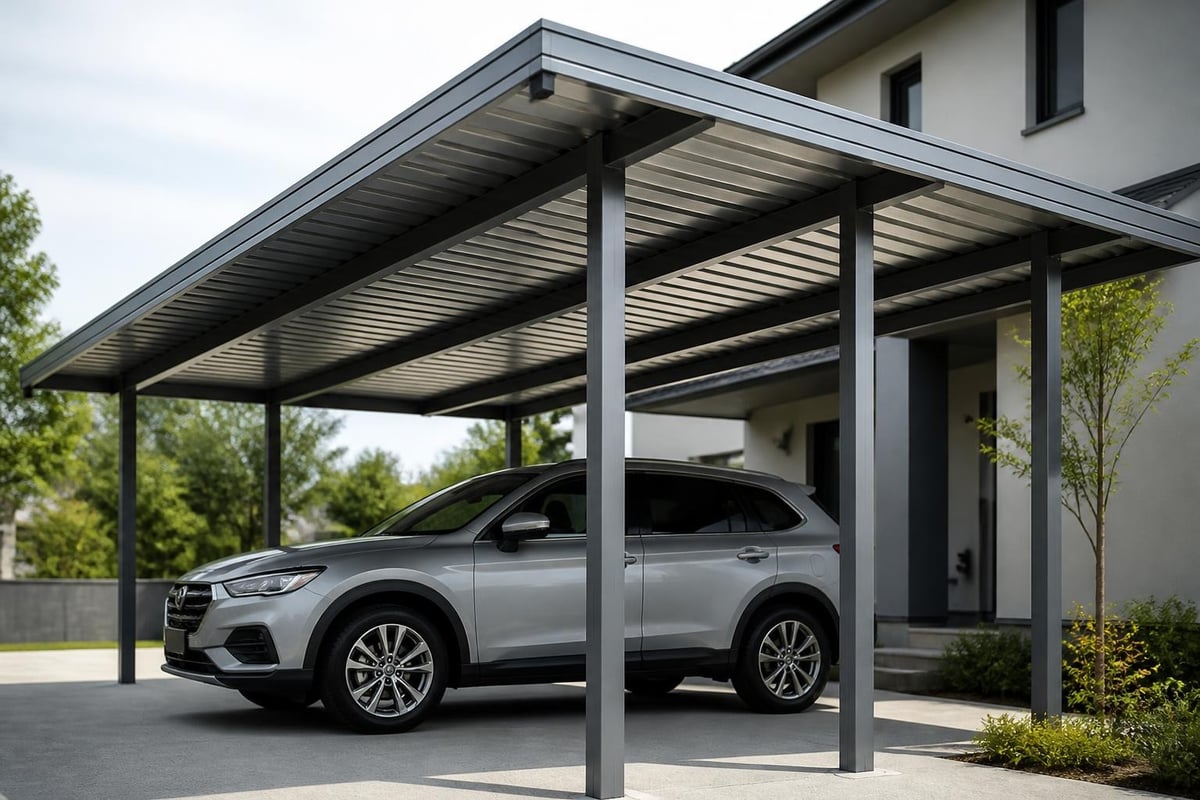
Aluminum carports utilize high-grade aluminum alloys specifically engineered for structural applications. These alloys combine strength with remarkable lightness, creating a material that resists environmental degradation while maintaining structural integrity.
The construction process for carports aluminium differs significantly from traditional steel structures. Manufacturers use extruded aluminum profiles that can be shaped into various configurations without sacrificing strength. This manufacturing flexibility allows for more complex designs and custom solutions that meet specific property requirements.
Material Properties That Matter
Aluminum's unique characteristics make it particularly suitable for carport applications. The material naturally forms a protective oxide layer when exposed to air, providing inherent corrosion resistance without additional coatings. This self-protecting quality extends the structure's lifespan considerably, especially in harsh weather conditions.
Key material advantages include:
- Lightweight construction: Aluminum weighs approximately one-third as much as steel, simplifying transportation and installation
- Corrosion resistance: Natural oxidation creates a protective barrier against rust and weathering
- Thermal properties: Lower heat absorption compared to darker metals reduces heat transfer
- Recyclability: Aluminum maintains its properties through multiple recycling cycles
According to recent research on aluminum alloy design and discovery, modern aluminum alloys continue to improve in strength and durability, making them increasingly competitive with traditional carport materials.
Comparing Aluminum vs Steel Carports
When selecting carport materials, understanding the differences between aluminum and steel helps inform better purchasing decisions. Each material offers distinct advantages depending on your specific needs, budget, and environmental conditions.
| Feature | Aluminum Carports | Steel Carports |
|---|---|---|
| Weight | Lightweight (easy installation) | Heavier (requires more support) |
| Corrosion Resistance | Excellent (natural protection) | Requires coating/maintenance |
| Maintenance | Minimal to none | Periodic painting/treatment |
| Cost | Higher initial investment | Lower upfront cost |
| Strength-to-Weight Ratio | Superior | Good |
| Lifespan | 30-50+ years | 20-30 years (with maintenance) |
The comparison between aluminum and steel carports reveals that while steel offers greater raw strength, aluminum's superior corrosion resistance and lower maintenance requirements often provide better long-term value.
Climate Considerations
Geographic location significantly impacts material performance. Coastal areas with salt air exposure benefit tremendously from carports aluminium, as the material resists saltwater corrosion that rapidly degrades unprotected steel. Similarly, regions with high humidity or frequent precipitation see extended aluminum carport lifespans.
In contrast, areas prone to heavy snow loads or extreme wind conditions may require reinforced aluminum designs or thicker gauge materials to match steel's structural capacity. Quality manufacturers account for these regional differences in their design specifications.
Design Options and Customization
Modern carports aluminium offer extensive customization possibilities that extend far beyond basic vehicle coverage. Architectural flexibility allows homeowners to integrate carports seamlessly with existing structures while maintaining aesthetic appeal.
Roof Styles and Configurations
Different roof designs serve both functional and visual purposes:
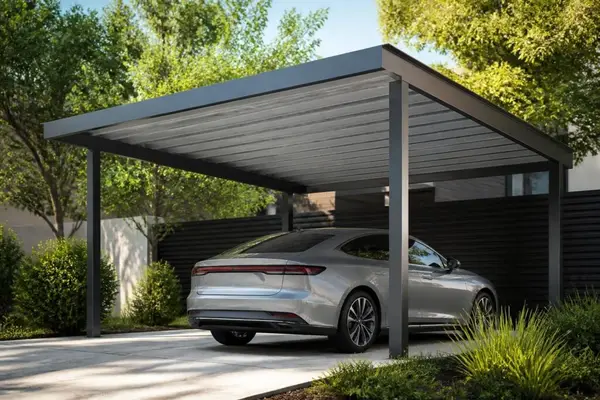
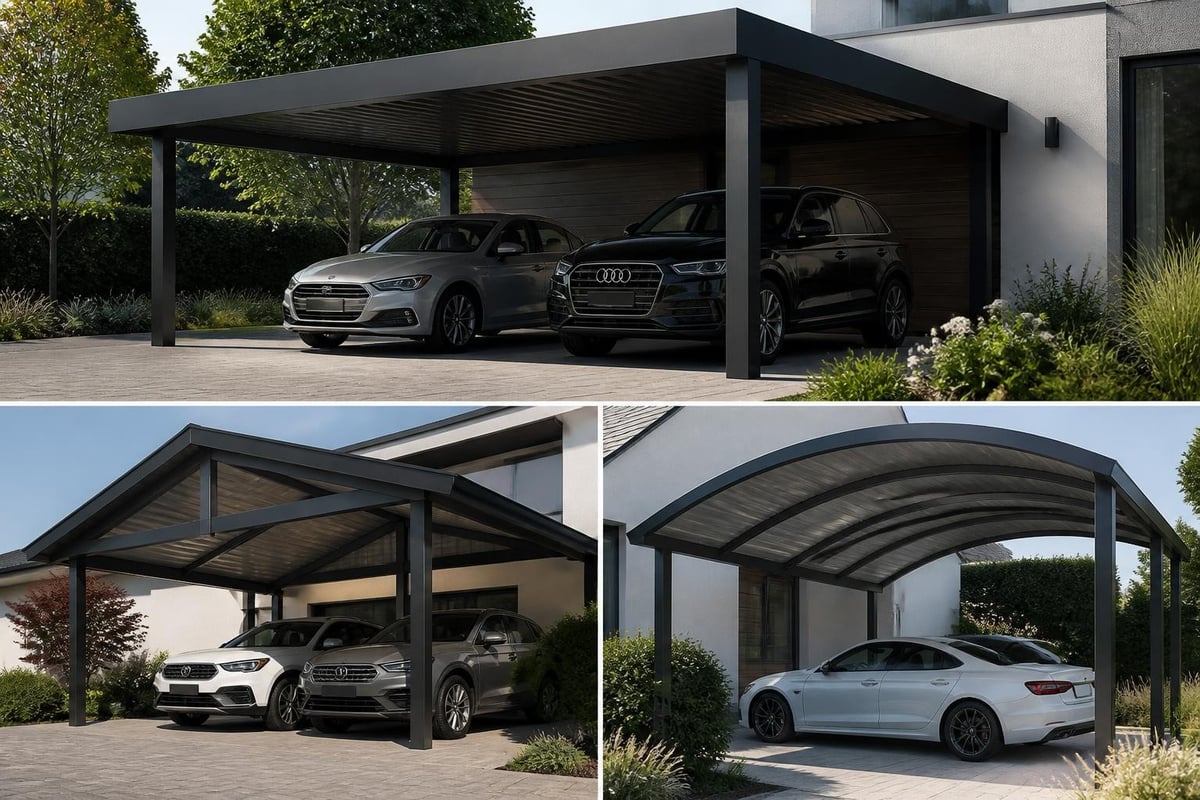
- Flat roofs: Minimalist modern aesthetic, ideal for contemporary architecture
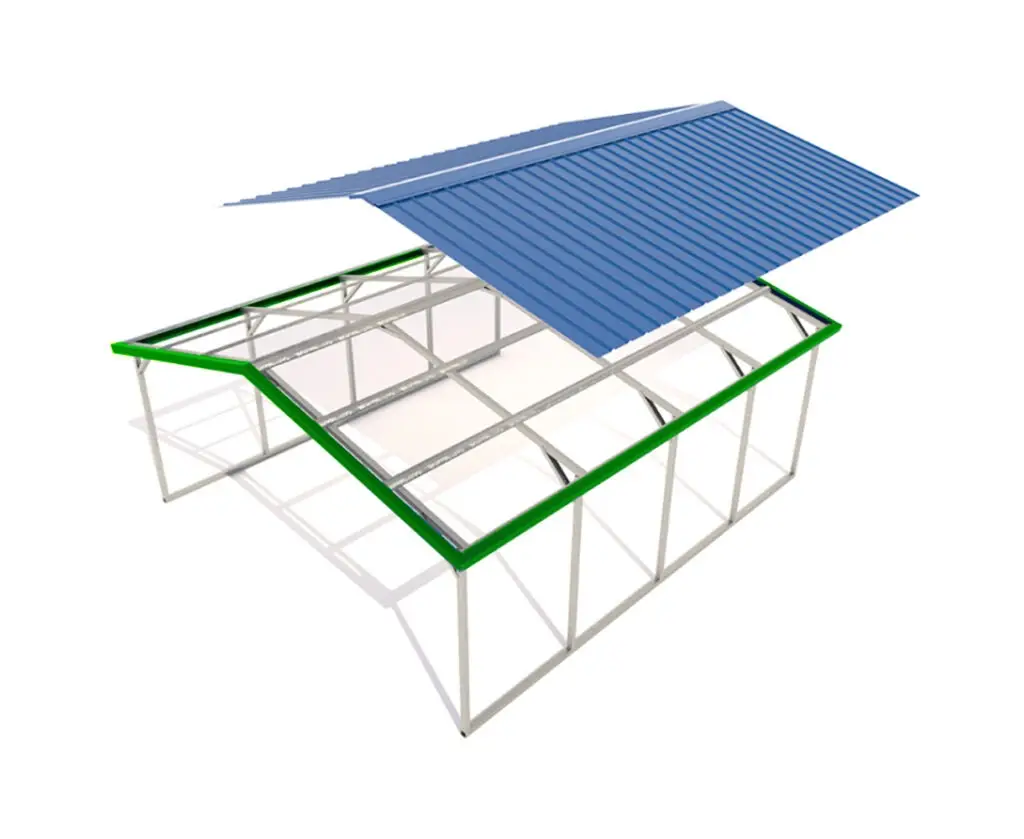
- Gabled roofs: Traditional appearance with excellent water runoff
- Curved roofs: Distinctive design that reduces wind resistance
- Lean-to configurations: Space-efficient option for side-of-building installation
Each style affects drainage patterns, snow load capacity, and overall structural requirements. The advantages of aluminum carports include their adaptability to various roof configurations without compromising structural integrity.
Color and Finish Options
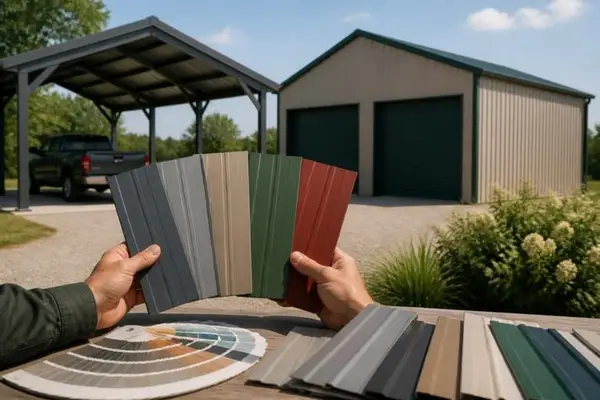
Aluminum accepts powder coating exceptionally well, enabling a broad spectrum of color choices. Powder coating provides additional protection while allowing customization to match home exteriors or personal preferences. Popular finishes include matte, glossy, and textured options that enhance both appearance and durability.
Some manufacturers offer wood-grain finishes that replicate natural materials while maintaining aluminum's practical advantages. These finishes appeal to homeowners seeking traditional aesthetics with modern performance.
Installation Process and Requirements
Installing carports aluminium requires careful planning and proper site preparation. While lighter weight simplifies handling compared to steel structures, professional installation ensures optimal performance and longevity.
Site Preparation Steps
Proper foundation work forms the basis for stable carport installation. Ground conditions, drainage patterns, and local building codes all influence foundation requirements:
- Concrete footings: Most permanent and stable option for all soil types
- Anchor systems: Ground anchors work well in firm, stable soil
- Gravel bases: Provide drainage while supporting lighter structures
- Asphalt integration: Allows installation over existing paved areas
The installation guide for metal carports emphasizes the importance of level foundations and proper anchoring to prevent structural issues over time. Even small variations in foundation levelness can create stress points that compromise structural integrity.
Assembly Considerations
Aluminum's lightweight nature means two or three people can typically handle assembly tasks that would require larger crews for steel structures. This characteristic reduces labor costs while maintaining safety standards.
Pre-engineered components with precise tolerances ensure proper fit during assembly. Most quality manufacturers provide detailed instructions with labeled components that simplify the construction process. However, professional installation guarantees compliance with local building codes and manufacturer specifications.
For those considering customizable options, Metal Structure Sales LLC provides structures with delivery and installation included, eliminating the complexity of coordinating multiple contractors.
Maintenance and Longevity
One of the most compelling advantages of carports aluminium is their minimal maintenance requirements. Unlike steel structures that demand regular painting and rust prevention treatments, aluminum carports maintain their appearance and functionality with basic care.
Routine Maintenance Tasks
Simple maintenance preserves aluminum carports for decades:
- Annual cleaning: Wash with mild soap and water to remove dirt and debris
- Gutter inspection: Clear drainage channels to prevent water accumulation
- Fastener checks: Verify bolts and connections remain tight
- Coating inspection: Examine powder coating for chips or damage
Environmental factors requiring attention:
- Tree branches that could scratch or damage surfaces
- Accumulated debris that traps moisture against aluminum
- Snow and ice buildup in areas with harsh winters
- Salt exposure in coastal regions
Most aluminum carport manufacturers report structure lifespans exceeding 30 years with minimal intervention. This longevity translates to lower lifetime costs despite higher initial investment compared to some alternatives.
Cost Analysis and Value Proposition
Understanding the complete cost picture for carports aluminium requires looking beyond initial purchase prices to include installation, maintenance, and replacement timelines.
Initial Investment Factors
Several variables influence aluminum carport pricing:
| Cost Factor | Impact on Price | Considerations |
|---|---|---|
| Size and dimensions | High | Larger structures require more material |
| Roof style complexity | Medium | Curved and gabled designs cost more |
| Gauge thickness | Medium | Heavier gauge increases strength and cost |
| Finish options | Low to Medium | Premium colors and textures add cost |
| Installation location | Medium | Distance affects delivery charges |
| Local permits | Low to Medium | Building code requirements vary |
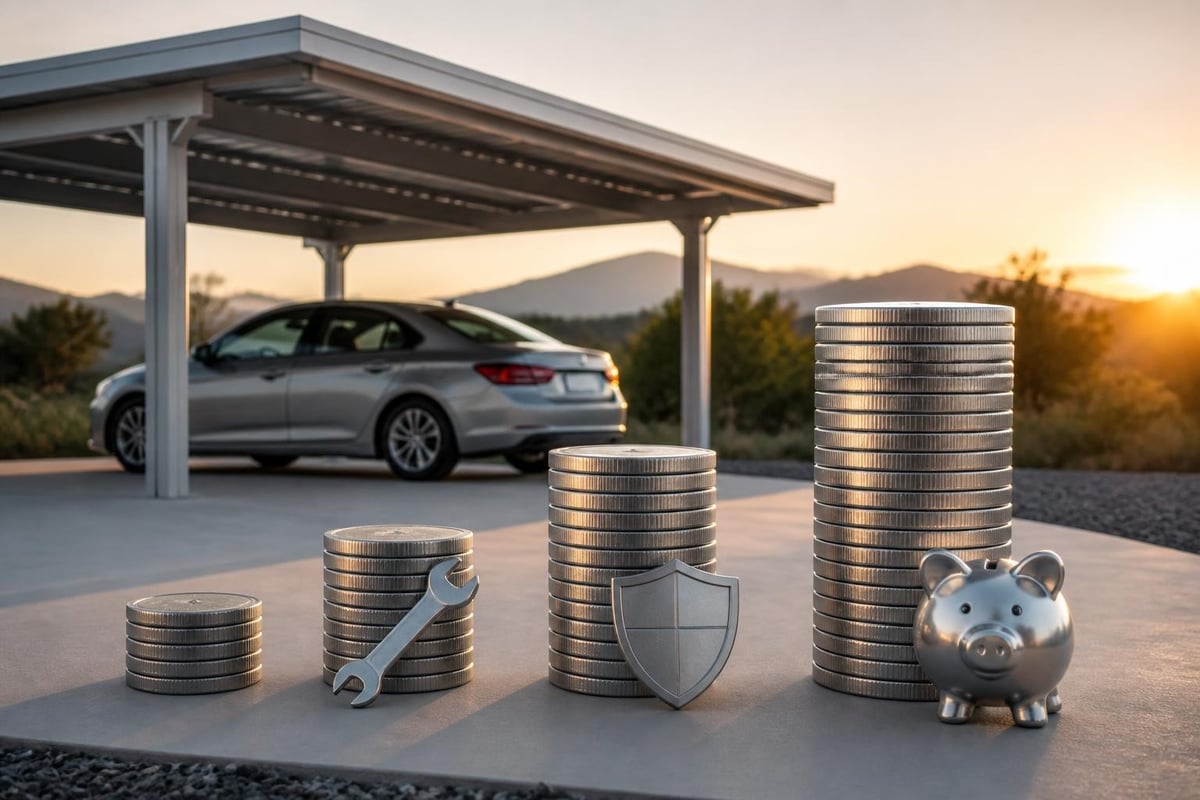
While aluminum typically costs 20-40% more than comparable steel structures initially, reduced maintenance expenses and extended lifespan often result in lower total ownership costs over 20-30 year periods.
Long-Term Financial Benefits
Calculating true value requires considering factors beyond sticker price. Aluminum carports deliver financial advantages through reduced maintenance labor, eliminated painting costs, and higher resale values. Properties with well-maintained aluminum structures often command premium prices due to the perceived quality and low future maintenance requirements.
Energy efficiency represents another cost consideration. Aluminum's lower heat absorption reduces the urban heat island effect and can decrease cooling costs for attached structures. This thermal advantage becomes particularly valuable in hot climates where metal structures traditionally radiate absorbed heat.
Environmental Considerations
Sustainability increasingly influences material selection for construction projects. Carports aluminium offer several environmental advantages that appeal to eco-conscious property owners and contribute to green building initiatives.
Recyclability and Sustainability
Aluminum stands out as one of the most recyclable construction materials available. The recycling process requires only 5% of the energy needed to produce primary aluminum, making it exceptionally sustainable. Recycled aluminum maintains identical properties to virgin material, allowing unlimited recycling cycles without quality degradation.
Environmental benefits include:
- High recycled content in new aluminum products
- Reduced carbon footprint through recycling
- No toxic byproducts during recycling
- Energy savings in production processes
Resource Efficiency
The lightweight nature of aluminum reduces transportation fuel consumption during delivery. Fewer vehicles and lighter loads decrease carbon emissions associated with product distribution. This efficiency extends throughout the supply chain, from raw material processing through final installation.
Special Applications and Use Cases
Beyond standard vehicle protection, carports aluminium serve diverse purposes across residential, commercial, and agricultural settings. Their versatility and customization options enable solutions for unique challenges.
Commercial Applications
Businesses utilize aluminum carports for employee parking, customer coverage, and equipment protection. The professional appearance of powder-coated aluminum structures enhances property aesthetics while providing practical shelter. Retail locations particularly value the material's resistance to corrosion and minimal maintenance requirements.
Fleet management operations appreciate aluminum's longevity for protecting commercial vehicles. The structures withstand constant use without deteriorating, maintaining their appearance and functionality throughout extended service lives.
Residential Solutions
Homeowners employ carports aluminium for various purposes beyond vehicle storage. Common applications include outdoor living spaces, equipment storage, and recreational vehicle protection. The structures integrate well with modern architectural styles while providing flexible shelter solutions.
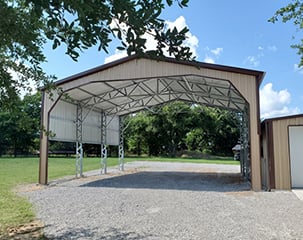
When selecting a carport solution, considering options like the Metal Carport from Metal Structure Sales LLC allows customization to meet specific needs while ensuring professional installation and quality materials.
Agricultural and Specialty Uses
Farm and ranch operations benefit from aluminum's corrosion resistance in agricultural environments. Chemical exposure from fertilizers, animal waste, and cleaning agents that damage steel structures have minimal impact on properly finished aluminum. This durability proves valuable for equipment storage and livestock shelter applications.
Regional Considerations and Building Codes
Local regulations and climate conditions significantly impact carport design and installation requirements. Understanding these factors before purchase prevents costly modifications and ensures compliance with applicable codes.
Climate-Specific Design Requirements
Different regions demand specific structural considerations:
- Snow load capacity: Northern climates require reinforced designs for heavy snow accumulation
- Wind resistance: Coastal and plains regions need enhanced anchoring systems
- UV exposure: Southern locations benefit from specialized finishes resistant to sun damage
- Humidity levels: High-moisture areas require careful attention to drainage design
The complete guide to carports emphasizes matching structural specifications to local environmental conditions for optimal performance.
Permit and Code Compliance
Most jurisdictions require permits for carport installation, with specific requirements varying by location. Common code considerations include setback distances from property lines, height restrictions, and structural engineering certifications for wind and snow loads.
Working with experienced suppliers familiar with regional requirements streamlines the permitting process. Many quality manufacturers provide engineering stamps and documentation that satisfy local building departments, reducing delays and complications.
For those exploring options in specific regions, resources like guides for steel buildings in Colorado, Arizona, or Utah provide valuable regional insights that apply to aluminum structures as well.
Selecting the Right Aluminum Carport
Choosing the ideal carport configuration requires evaluating multiple factors to ensure the structure meets current needs while accommodating future requirements. A systematic approach to selection prevents costly mistakes and ensures satisfaction with the final installation.
Size and Dimension Planning
Accurate measurement forms the foundation of proper carport selection. Consider not just current vehicle dimensions but potential future needs:
Measurement guidelines:
- Add 2-3 feet to vehicle length for door clearance and maneuvering
- Include 2 feet of width beyond vehicle sides for entry/exit space
- Account for roof racks, antennas, or other vehicle protrusions
- Plan for potential larger vehicles in multi-car households
Height clearance becomes particularly important for trucks, SUVs, and recreational vehicles. Standard carports typically offer 7-8 feet of clearance, while taller vehicles may require 10-12 feet or more.
Style and Aesthetic Integration
Carport appearance impacts overall property aesthetics and potentially property values. Selecting designs that complement existing architecture creates visual harmony while providing practical shelter. Modern aluminum carports offer sleek, contemporary profiles that suit various architectural styles from traditional to ultra-modern.
Color coordination with home exteriors, roofing materials, and trim creates a cohesive appearance that looks intentional rather than afterthought. Many manufacturers offer custom color matching to existing building elements.
Future Trends in Aluminum Carport Design
The carport industry continues evolving with new technologies and changing consumer preferences driving innovation in carports aluminium. Understanding emerging trends helps inform purchasing decisions that remain relevant for decades.
Integrated Solar Solutions
Combining carport structures with solar panel installations represents a growing trend. Aluminum frames provide ideal mounting platforms for photovoltaic systems, creating dual-purpose structures that shelter vehicles while generating renewable energy. The material's corrosion resistance ensures long-term stability for expensive solar equipment.
Smart Features and Automation
Technology integration increasingly appears in modern carport designs. Automated lighting systems, security cameras, and electric vehicle charging stations transform basic shelter into connected spaces. Aluminum's ease of working enables clean integration of electrical conduits and mounting points for smart devices.
Modular and Expandable Designs
Flexibility drives demand for modular carport systems that allow future expansion without complete replacement. Aluminum's structural properties enable designs that accommodate additional bays, storage rooms, or workspace additions as needs evolve. This adaptability provides excellent long-term value for growing families or changing vehicle fleets.
Carports aluminium deliver an exceptional combination of durability, low maintenance, and aesthetic appeal that makes them an excellent investment for property protection. Their corrosion resistance, lightweight construction, and customization options address diverse needs across residential, commercial, and agricultural applications. Whether you're protecting a single vehicle or need coverage for multiple cars and equipment, Metal Structure Sales LLC offers customizable metal carport solutions with professional delivery and installation services to help you find the perfect structure for your specific requirements.