

Protecting vehicles from harsh weather conditions has become increasingly important for homeowners, renters, and businesses alike. Portable carports offer a flexible, cost-effective solution that delivers immediate shelter without the permanence or expense of traditional garage construction. These temporary structures have evolved significantly over the past decade, incorporating advanced materials and engineering principles that rival permanent installations in durability and functionality. Whether you're looking to shield your car from summer sun, protect equipment during construction projects, or create temporary covered workspace, understanding the full scope of portable carport options helps you make an informed investment decision.
Understanding Portable Carport Construction and Materials
Modern portable carports utilize a variety of construction materials, each offering distinct advantages for different use cases and climates. The framework typically consists of powder-coated steel tubing or heavy-duty aluminum alloy, providing structural integrity while remaining lightweight enough for assembly by two people. Cover materials range from polyethylene tarps to polycarbonate panels and fabric canopies treated with UV-resistant coatings.
Steel-frame models represent the most popular choice among consumers seeking long-term durability. These units feature galvanized or powder-coated steel components that resist rust and corrosion, extending the lifespan of the structure significantly. The gauge thickness of steel tubing directly impacts load-bearing capacity, with professional-grade models using 1.5-inch diameter tubing rated to support substantial snow loads.
Frame Design Considerations
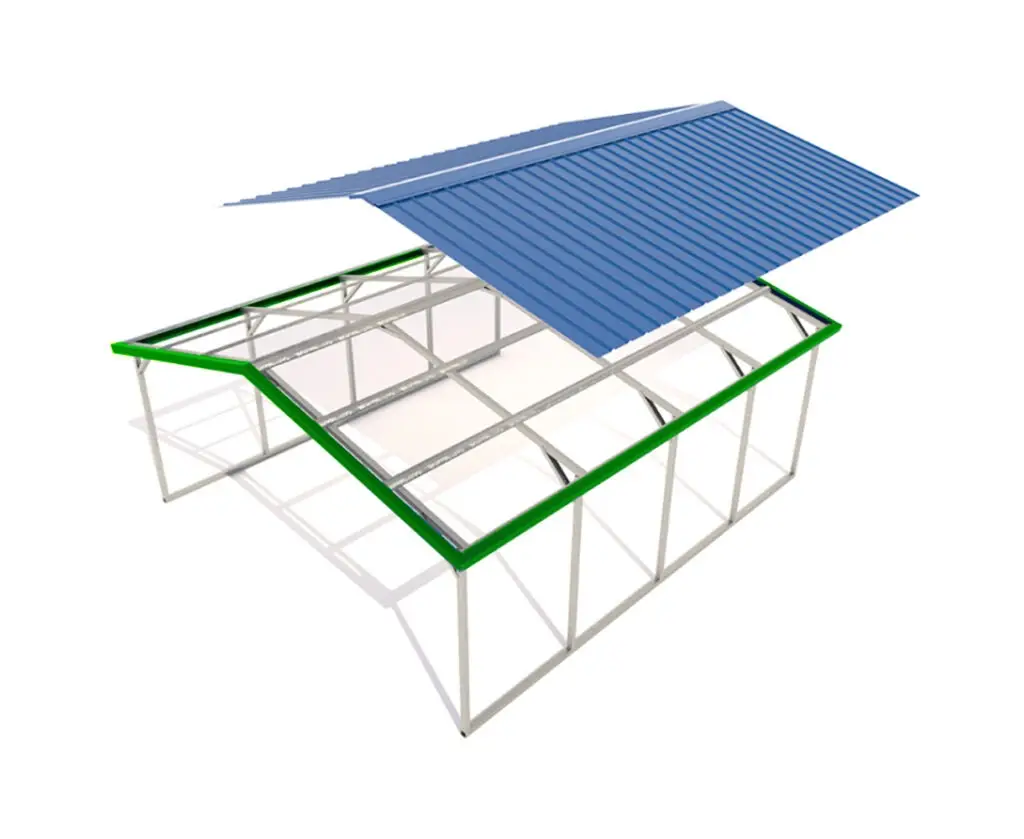
The architectural design of portable carports varies considerably based on intended use and regional weather patterns. Three primary roof styles dominate the market:
- A-frame or peaked roofs that efficiently shed snow and rain while providing additional vertical clearance
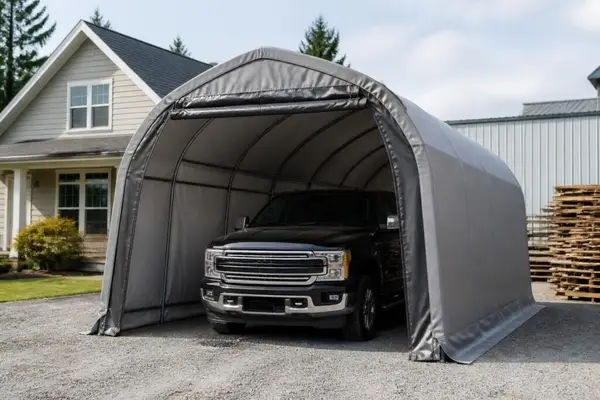
- Rounded or barn-style roofs offering smooth water runoff and resistance to wind uplift
- Flat-top designs suitable for mild climates with minimal precipitation
Each configuration affects not only aesthetic appeal but also structural performance during severe weather events. Selecting appropriate frame designs requires evaluating your local climate, typical wind speeds, and annual snowfall totals.
Size Selection and Coverage Options
Portable carports come in standard dimensions ranging from compact 10×10-foot units suitable for motorcycles or ATVs to expansive 20×30-foot structures accommodating multiple vehicles or equipment. Height clearance represents another critical specification, with standard models offering 7 to 8 feet of headroom and tall variants extending to 12 feet or more for RVs and commercial vehicles.
| Size Category | Typical Dimensions | Best Applications |
|---|---|---|
| Compact | 10×10 to 12×12 | Motorcycles, garden equipment, small boats |
| Standard | 12×20 to 14×20 | Single car, SUV, workspace |
| Large | 18×20 to 20×30 | Two vehicles, equipment storage, events |
| Commercial | 20×40 and larger | Fleet vehicles, construction sites, agricultural equipment |
When determining appropriate sizing, factor in clearance around your vehicle for comfortable entry and exit. A general recommendation adds at least 2 feet to each dimension beyond your vehicle's footprint. This extra space accommodates door opening, workspace around the vehicle, and prevents cover contact that could damage paint finishes.
Vertical Clearance Requirements
Taller vehicles demand careful attention to height specifications. Standard passenger cars typically need 7 feet minimum, while trucks and SUVs benefit from 8 to 9 feet. RV owners should measure their vehicle's highest point and add 12 to 18 inches clearance to account for air conditioning units, satellite dishes, or roof racks.
Installation Methods and Anchoring Systems
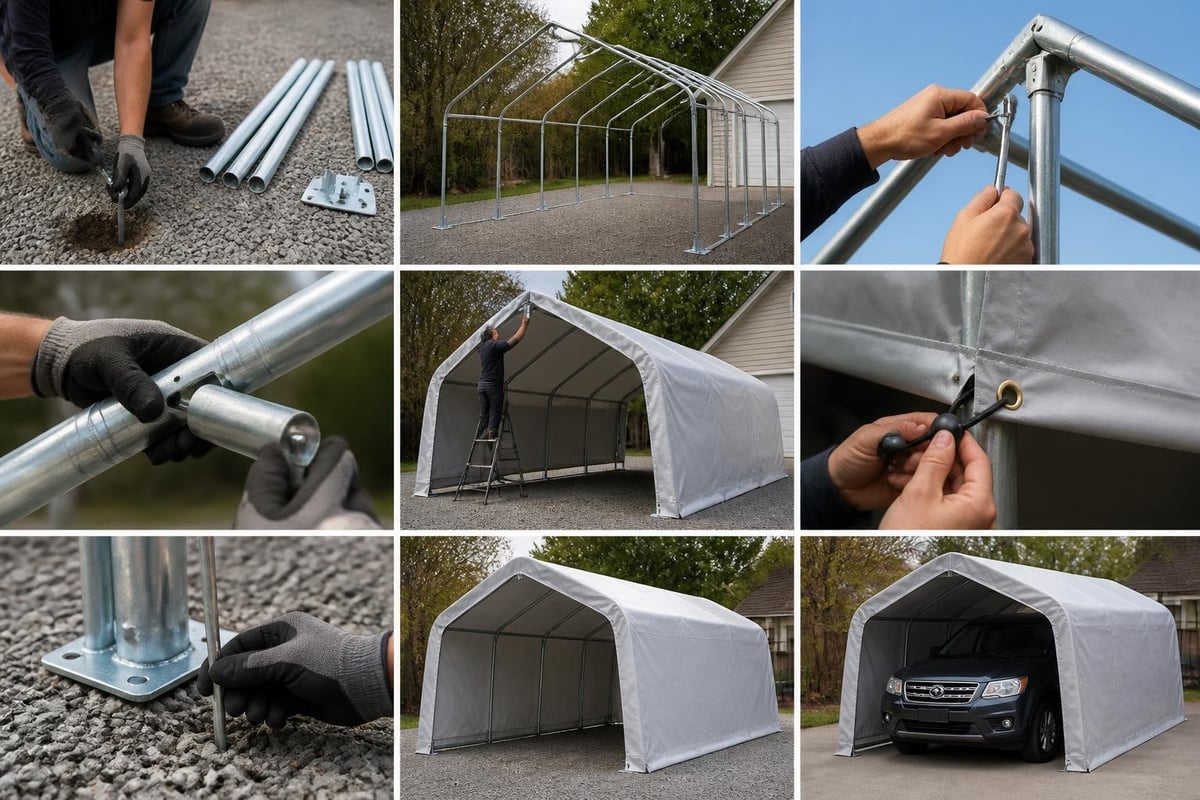
Proper installation determines both the effectiveness and longevity of portable carports. Unlike permanent metal structures, these units rely on robust anchoring systems rather than concrete footings. The installation process typically requires 4 to 8 hours for two people working together, depending on size and complexity.
Foundation preparation starts with site leveling. Uneven ground causes stress points in the frame and can lead to premature cover failure. Many installers use gravel beds or concrete pavers to create a stable, level surface that also improves drainage and prevents ground moisture from affecting stored items.
Anchoring options include:
- Auger-style earth anchors that twist deep into soil for maximum holding power
- Concrete footings poured around base plates for permanent installations
- Weight plates filled with sand or concrete for surfaces where ground penetration isn't possible
- Rebar stakes driven through base plate holes into compacted soil
The chosen anchoring method should reflect your local wind conditions and soil type. Coastal areas experiencing high winds require more robust anchoring than sheltered inland locations. Understanding proper anchorage techniques prevents structural failure during storms.
Weather Resistance and Seasonal Performance
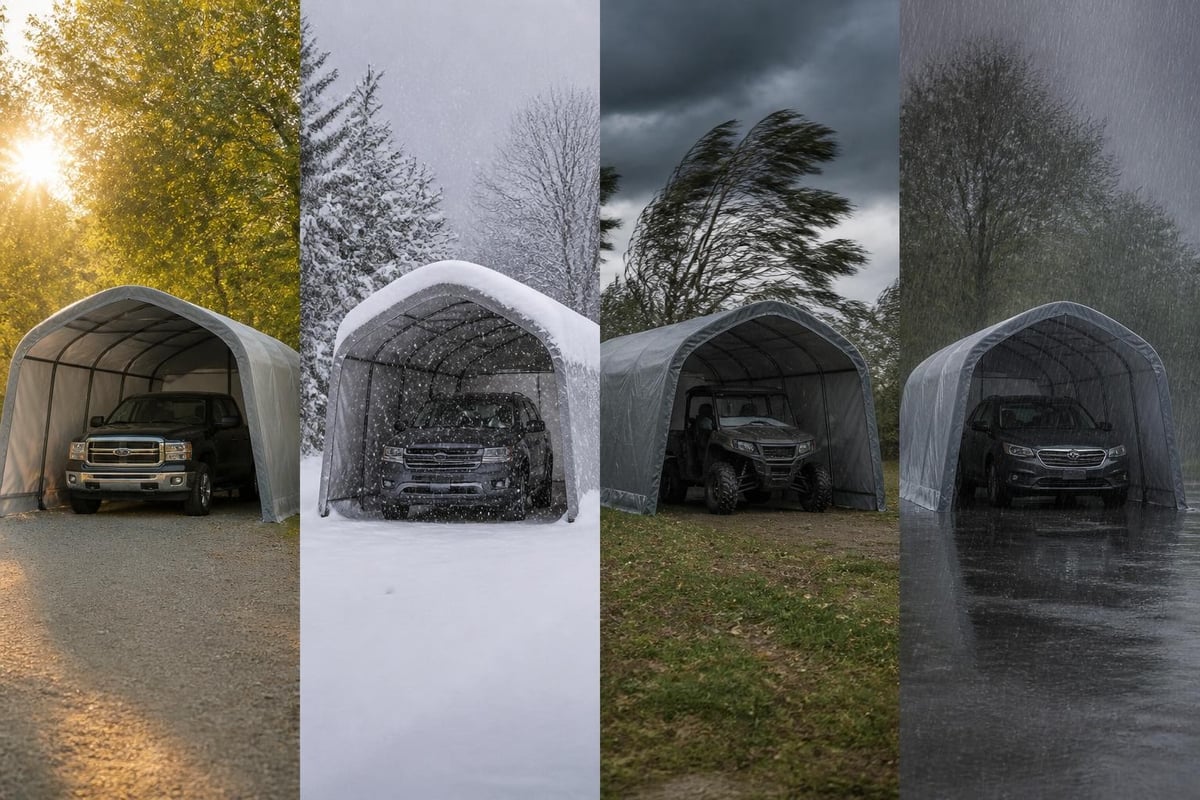
Portable carports face continuous exposure to environmental stressors that test their engineering and material quality. UV radiation degrades untreated fabrics over time, while moisture penetration can compromise metal connections and cause rust. Quality manufacturers address these challenges through specific material treatments and design features.
Cover Material Durability
Polyethylene covers treated with UV inhibitors resist sun damage and remain flexible across temperature extremes. Premium fabrics incorporate ripstop weaving patterns that prevent small tears from spreading across the entire cover. Waterproofing treatments vary in effectiveness, with heat-sealed seams outperforming stitched connections for long-term water resistance.
Polycarbonate panel options offer superior durability and light transmission compared to fabric alternatives. These rigid panels resist impact damage, won't fade or become brittle under UV exposure, and provide better insulation properties. Highly rated polycarbonate carports demonstrate the growing preference for this material among discerning buyers.
Wind resistance depends heavily on aerodynamic design and proper tensioning of cover materials. Loose fabric creates wind pockets that generate uplift forces, while properly tightened covers allow wind to flow smoothly over the structure. Most portable carports rate for sustained winds of 35 to 50 mph, with reinforced models handling stronger conditions.
Versatility Beyond Vehicle Protection
While designed primarily for automotive shelter, portable carports serve numerous alternative functions that maximize their value proposition. Event planners frequently deploy these structures for outdoor weddings, festivals, and corporate gatherings. The instant coverage protects guests and equipment from sudden weather changes while providing pleasant shade during summer events.
Construction contractors use portable carports as temporary tool storage, protecting equipment from theft and weather damage at job sites. The mobility allows structures to relocate as projects progress across different areas of large construction sites. Agricultural operations employ these units for hay storage, equipment maintenance areas, and livestock shelter during extreme weather.
Homeowners discover creative applications including:
- Seasonal boat and RV storage between usage periods
- Covered workspace for woodworking and mechanical projects
- Plant protection for nurseries and garden centers
- Temporary garage during home renovation projects
- Outdoor entertaining space with sidewall enclosures
The flexibility to relocate or remove portable carports makes them ideal for renters who cannot invest in permanent structures. When moving to a new property, the entire unit disassembles and transports to the new location, protecting your investment across multiple residences.
Comparing Portable and Permanent Metal Structures
Understanding the trade-offs between temporary and permanent solutions helps identify the right investment for your situation. Portable carports excel in scenarios requiring flexibility, lower upfront costs, or temporary protection. Permanent structures offer superior longevity and customization options for long-term property ownership.
| Feature | Portable Carports | Permanent Metal Structures |
|---|---|---|
| Installation Time | 4-8 hours | Several days to weeks |
| Permit Requirements | Often none | Usually required |
| Relocatable | Yes | No |
| Customization | Limited | Extensive |
| Lifespan | 5-10 years | 20-30+ years |
| Weather Resistance | Good | Excellent |
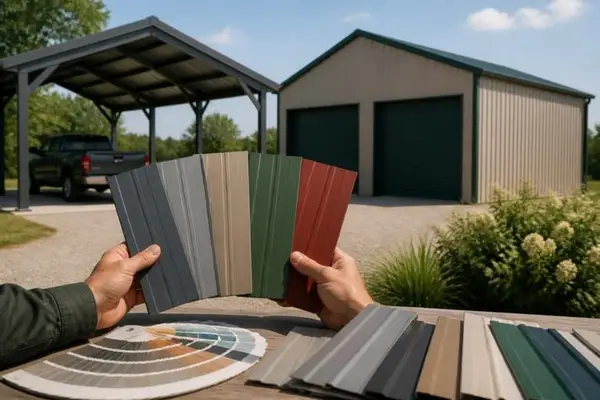
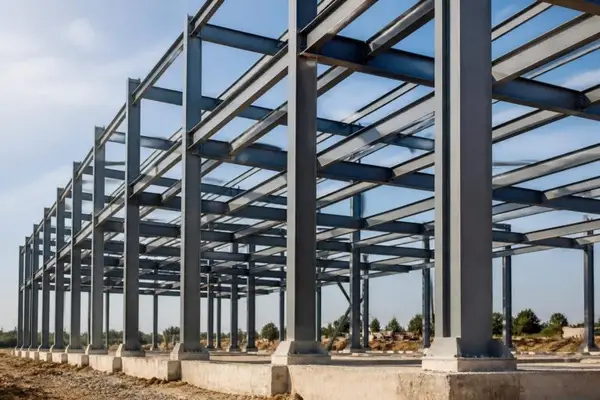
For property owners committed to long-term vehicle protection and increased property value, permanent metal carports provide superior performance and durability. These engineered structures withstand severe weather conditions, support heavier snow loads, and offer extensive customization including enclosed walls, electrical systems, and integrated storage spaces.
Cost Considerations and Long-Term Value
Initial purchase prices for portable carports range from $300 for basic 10×10 units to $3,000 or more for commercial-grade structures. Installation costs remain minimal when handling assembly yourself, though professional installation services typically charge $200 to $500 depending on size and site preparation requirements.
Maintenance expenses over the structure's lifespan include periodic cover replacement, hardware inspection, and potential frame repairs. Budget for cover replacement every 5 to 7 years for fabric models, while polycarbonate panels may last the entire frame lifespan with proper care.
Essential Features for Different Applications
Selecting the optimal portable carport configuration requires matching features to specific use cases. Residential applications prioritize aesthetics alongside functionality, while commercial deployments focus on durability and capacity. Understanding which features deliver value for your particular situation prevents overspending on unnecessary options.
Sidewall and Enclosure Options
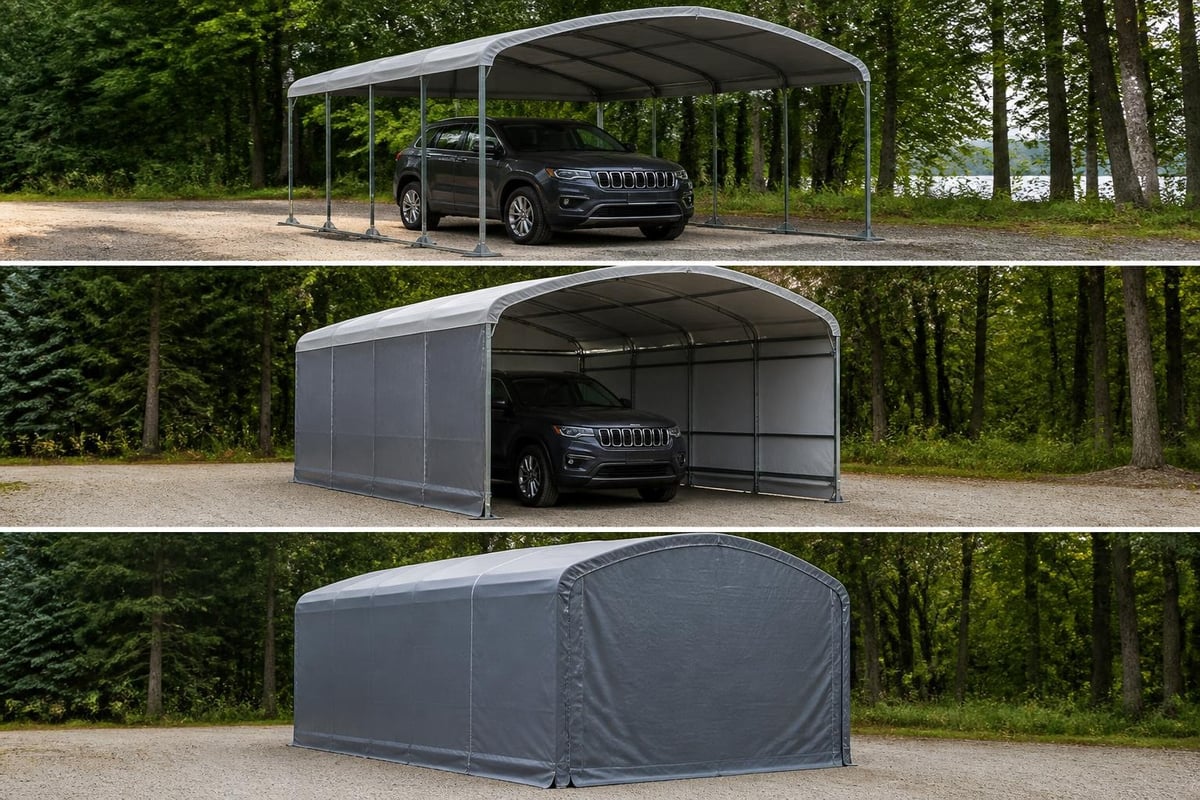
Many portable carport models offer optional sidewall panels that transform open structures into semi-enclosed spaces. These additions provide several benefits:
- Enhanced protection from wind-driven rain and snow
- Increased security by limiting visual access to stored items
- Reduced UV exposure on vehicle interiors and finishes
- Wind resistance improvement through reduced airflow beneath the cover
Full enclosure kits convert portable carports into temporary garages with zippered or roll-up door access. These enclosed configurations suit climates with harsh winters or situations requiring maximum security for valuable equipment. For those needing permanent enclosed protection, fully enclosed metal carports deliver superior security and environmental control with customizable features and professional installation.
Ventilation and Condensation Management
Enclosed or partially enclosed portable carports require adequate ventilation to prevent moisture accumulation. Condensation forms when temperature differentials cause humidity to condense on cold metal surfaces, potentially damaging vehicles and stored items. Ventilation panels near the roofline or ridge vents promote air circulation that equalizes temperatures and reduces moisture buildup.
Some advanced models incorporate breathable fabric panels that allow moisture vapor to escape while blocking rain and snow. This balance maintains a drier internal environment without requiring mechanical ventilation systems.
Assembly Process and Common Challenges
First-time assemblers often encounter specific challenges during portable carport installation. Understanding these potential issues beforehand and preparing appropriate solutions streamlines the process significantly. Manufacturer instructions vary in clarity and completeness, making supplementary research valuable for successful installation.
Common assembly challenges include:
- Part identification: Organizing components before starting prevents confusion during assembly
- Frame alignment: Ensuring square corners before tightening connections prevents binding
- Cover installation: Working during calm weather and using proper tensioning prevents wrinkles
- Anchoring in hard soil: Pre-drilling pilot holes for stakes eases installation in compacted ground
Having helper assistance proves essential for larger structures. One person cannot safely manage long frame sections or stretch covers across wide spans. Plan for at least two people and allocate additional time beyond manufacturer estimates for first-time installations.
Tools and Equipment Requirements
Basic tool requirements include socket wrenches, adjustable wrenches, rubber mallet, tape measure, and level. Some installations benefit from power tools including impact drivers for faster assembly and post hole diggers for auger anchor installation. Detailed guides on portable carport assembly provide visual references that supplement manufacturer instructions.
Maintenance Requirements for Extended Lifespan
Regular maintenance significantly extends portable carport lifespan and prevents premature failure. Inspection schedules should occur quarterly at minimum, with additional checks following severe weather events. Proactive maintenance identifies small issues before they escalate into costly repairs or complete structure replacement.
Quarterly maintenance tasks:
- Inspect all frame connections for loosening and retighten as needed
- Examine cover material for tears, excessive wear, or UV damage
- Verify anchor stability and add reinforcement if ground shifting occurred
- Clean debris accumulation from roof to prevent water pooling
- Check for rust formation on metal components and treat affected areas
Snow and ice removal during winter prevents excessive load accumulation that could collapse the structure. Use soft-bristled brooms rather than metal shovels to avoid damaging cover materials. For areas experiencing heavy snowfall, consider seasonal disassembly and storage of fabric covers to prevent damage.
Cover Care and Preservation
Fabric covers benefit from periodic cleaning with mild soap and water to remove accumulated dirt, pollen, and organic growth. Avoid pressure washers that can force water through seams or damage waterproof coatings. Allow covers to dry completely before reapplying tension to prevent mildew formation in creased areas.
Apply UV protectant sprays annually to extend cover lifespan in sunny climates. These treatments refresh protective coatings that degrade over time, maintaining fabric flexibility and color retention. Store replaced covers in cool, dry locations away from rodents that may nest in folded materials.
Regulatory Considerations and Permit Requirements
Zoning regulations and homeowner association rules significantly impact portable carport installation feasibility. Many jurisdictions classify temporary structures differently than permanent buildings, potentially exempting them from standard permit processes. However, assumptions about regulatory status should always be verified with local authorities before purchase.
Key regulatory questions to research:
- Does your municipality require permits for temporary structures?
- What setback distances from property lines apply?
- Are there height restrictions for accessory structures?
- Do HOA covenants restrict portable carport installation?
- Are there aesthetic requirements regarding colors or materials?
Some areas restrict portable carport installation to backyards only, prohibiting front-yard or side-yard placement regardless of permit status. Others impose time limits on how long temporary structures may remain erected, requiring periodic removal to maintain compliance.
Violating local regulations risks fines, mandatory removal orders, or complications during property sales. Checking local requirements before purchasing prevents costly mistakes and ensures your structure remains compliant throughout its service life.
Evaluating Quality and Manufacturer Reputation
The portable carport market includes numerous manufacturers offering varying quality levels at different price points. Distinguishing premium products from budget alternatives requires examining specific construction details and company track records. Research from industry reviewers highlights critical quality indicators that separate reliable structures from inferior products.
Frame tube gauge thickness represents the most significant quality differentiator. Premium models use 1.5-inch diameter tubing with walls measuring 18 to 20 gauge thickness. Budget alternatives often substitute 1-inch tubes or thinner walls that compromise load-bearing capacity and overall stability.
Connection quality determines structural integrity under stress. Welded connections provide superior strength compared to bolted joints, though they prevent disassembly. High-quality bolted systems use reinforced mounting plates and locking hardware that resists vibration loosening over time.
Warranty Coverage and Customer Support
Comprehensive warranty protection indicates manufacturer confidence in product durability. Quality portable carports typically include:
- Frame warranties of 5 to 10 years against manufacturing defects
- Cover warranties of 1 to 3 years against material failure
- Rust-through protection on powder-coated components
Read warranty terms carefully to understand what coverage actually includes. Some warranties prorate replacement costs based on ownership duration, reducing actual value over time. Others exclude damage from improper installation or failure to perform recommended maintenance.
Customer service accessibility matters when questions arise during assembly or warranty claims become necessary. Manufacturers offering phone support, detailed online resources, and responsive communication channels provide better ownership experiences than those with minimal support infrastructure.
Making the Right Purchase Decision
Synthesizing all considerations into a confident purchase decision requires prioritizing factors most relevant to your specific situation. Create a requirements list ranking must-have features against nice-to-have options that may not justify additional expense. This prioritization focuses shopping efforts on models meeting essential criteria while staying within budget constraints.
Compare multiple manufacturers and models before committing to purchase. Request detailed specifications rather than relying on marketing descriptions that may exaggerate performance capabilities. When possible, examine assembled units in person to assess construction quality and overall design execution.
Consider total ownership costs beyond initial purchase price. Factor in:
- Site preparation requirements and costs
- Professional installation fees if DIY isn't feasible
- Expected cover replacement intervals and costs
- Anchor systems appropriate for your soil conditions
- Optional accessories like sidewalls or lighting
Budget models may initially appear attractive but could require more frequent replacement or extensive maintenance that ultimately costs more over a ten-year period. Mid-range options often deliver the best value balance between upfront investment and long-term reliability.
For detailed answers to specific questions about portable carports and metal structures, visit the comprehensive FAQ section addressing common concerns about materials, installation, and maintenance.
Portable carports deliver flexible, cost-effective vehicle protection for diverse applications ranging from residential to commercial use. Understanding construction materials, proper installation techniques, and maintenance requirements ensures these structures perform reliably throughout their expected lifespan. When you're ready to invest in long-term protection with superior durability and customization options, Metal Structure Sales LLC provides expertly engineered metal carports with professional installation included, transforming temporary shelter into permanent value for your property.