

When investing in vehicle protection, choosing the right material determines how well your structure withstands years of harsh weather conditions. A galvanized steel carport represents one of the most durable and cost-effective solutions available in 2026, combining robust engineering with advanced corrosion resistance. The galvanization process creates a protective barrier that extends the lifespan of metal structures significantly compared to untreated alternatives. Understanding what makes galvanized steel exceptional helps property owners make informed decisions about protecting their vehicles, equipment, and investments from environmental damage.
Understanding the Galvanization Process
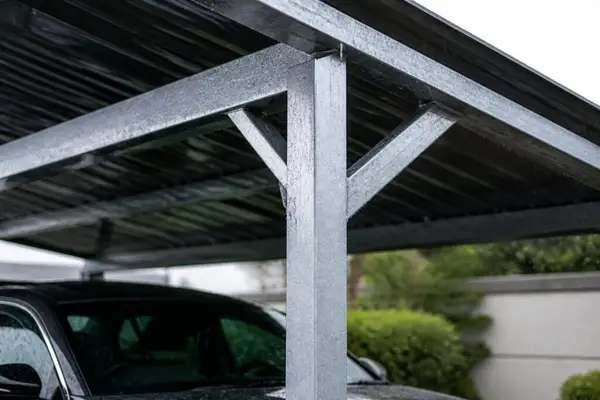
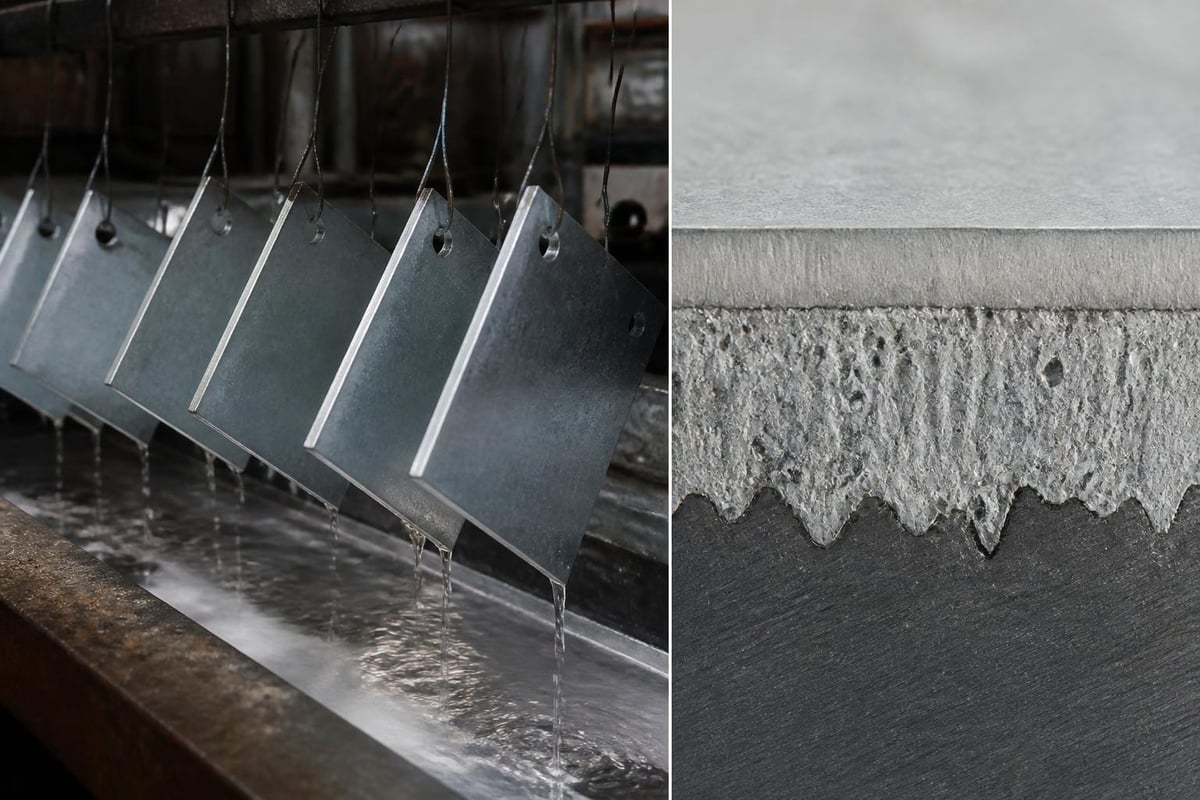
The galvanization process involves coating steel with a protective layer of zinc through a hot-dip method. This technique submerges steel components in molten zinc at temperatures exceeding 840 degrees Fahrenheit, creating a metallurgical bond between the zinc and steel. The resulting coating doesn't simply sit on the surface but becomes an integral part of the metal structure itself.
Chemical Bonding and Protection Layers
During galvanization, the zinc reacts with the steel to form a series of zinc-iron alloy layers. These layers provide graduated hardness from the outer pure zinc coating to the steel base material. This multi-layer protection system ensures that even if the outer surface becomes scratched, the underlying alloy layers continue protecting the steel from oxidation.
The composition and benefits of galvanized steel make it particularly suitable for outdoor applications where moisture exposure occurs regularly. The zinc coating acts as a sacrificial anode, meaning it corrodes preferentially to protect the underlying steel. This electrochemical protection continues working even when the coating experiences minor damage.
Structural Advantages of Galvanized Steel
Galvanized steel carports deliver exceptional strength-to-weight ratios that make them ideal for spanning large areas without requiring excessive support columns. The structural integrity comes from both the steel's inherent properties and the protective galvanized coating that maintains those properties over decades of service.
Load-Bearing Capacity and Engineering
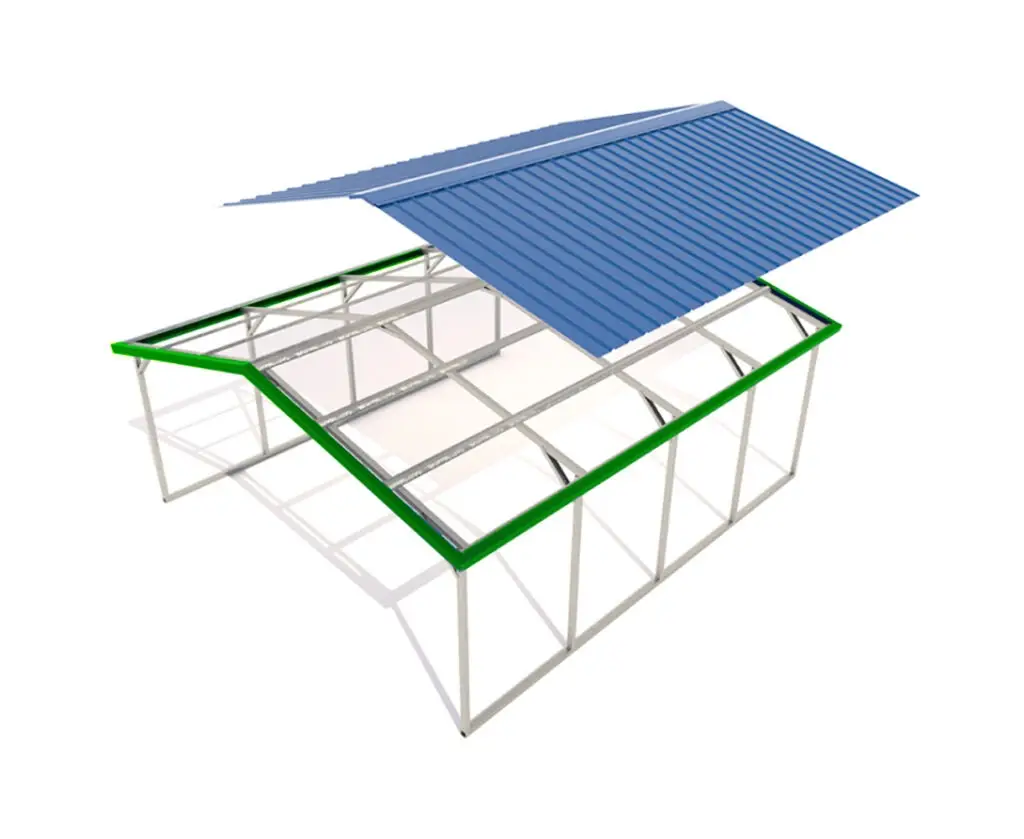
Modern galvanized steel carports utilize engineered frame designs that distribute loads efficiently across the entire structure. The galvanization process doesn't compromise the steel's mechanical properties. In fact, properly galvanized steel maintains its tensile strength, yield strength, and ductility while gaining superior corrosion resistance.
Key structural benefits include:
- High tensile strength supporting snow loads and wind forces
- Dimensional stability preventing warping or sagging over time
- Resistance to impact damage from hail or falling debris
- Flexibility in design allowing custom configurations
- Minimal maintenance requirements compared to other materials
The frame gauge thickness plays a critical role in overall durability. Most quality carports use 12-gauge or 14-gauge galvanized steel tubing for primary structural members. Heavier gauge steel provides greater load capacity and longer service life, particularly in regions experiencing severe weather conditions.
Corrosion Resistance and Longevity
The primary advantage of choosing a galvanized steel carport lies in its exceptional resistance to rust and corrosion. While untreated steel begins oxidizing immediately upon exposure to moisture and oxygen, galvanized steel can resist corrosion for 50 years or more depending on environmental conditions and maintenance practices.
Environmental Performance Factors
Geographic location significantly impacts how galvanized coatings perform over time. Coastal environments with salt-laden air present more aggressive corrosion challenges than inland areas. Industrial zones with atmospheric pollutants also accelerate zinc consumption. However, the strongest carports made from galvanized steel continue outperforming alternative materials across all environments.
| Environment Type | Expected Coating Life | Corrosion Rate |
|---|---|---|
| Rural/Suburban | 50+ years | Very Low |
| Urban | 30-40 years | Low to Moderate |
| Industrial | 20-30 years | Moderate |
| Coastal | 15-25 years | Moderate to High |
The zinc coating thickness directly correlates with protection duration. Standard hot-dip galvanization produces coatings ranging from 3.5 to 5 mils thickness, providing substantial barrier protection against moisture penetration.
Design Configurations and Customization
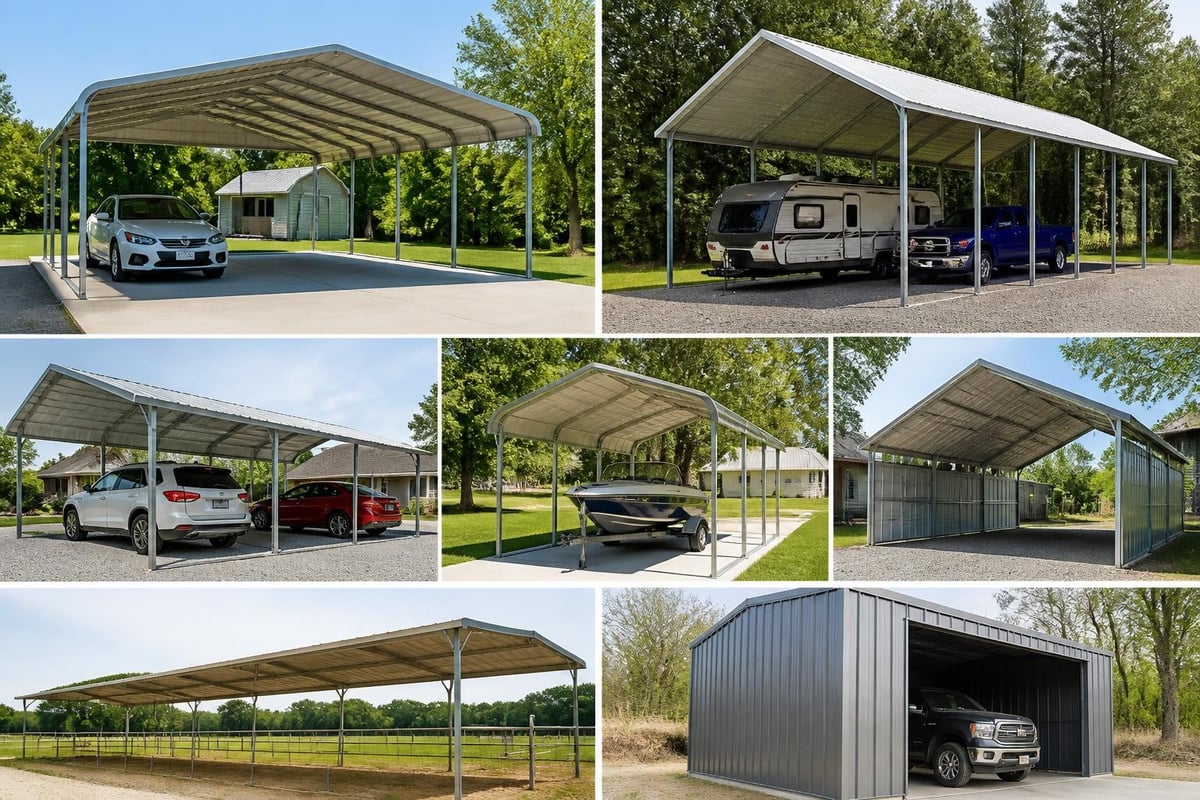
Galvanized steel carports come in numerous configurations to match specific needs and aesthetic preferences. The material's versatility allows manufacturers to create structures ranging from simple single-car shelters to expansive multi-bay facilities protecting entire vehicle fleets.
Roof Style Options
Three primary roof styles dominate the galvanized steel carport market:
- Regular (Barn-Style) Roof: Features rounded corners and horizontal roof panels, offering economical protection for standard vehicles
- A-Frame (Boxed-Eave) Roof: Incorporates horizontal roof panels with a traditional peaked design, providing improved water drainage
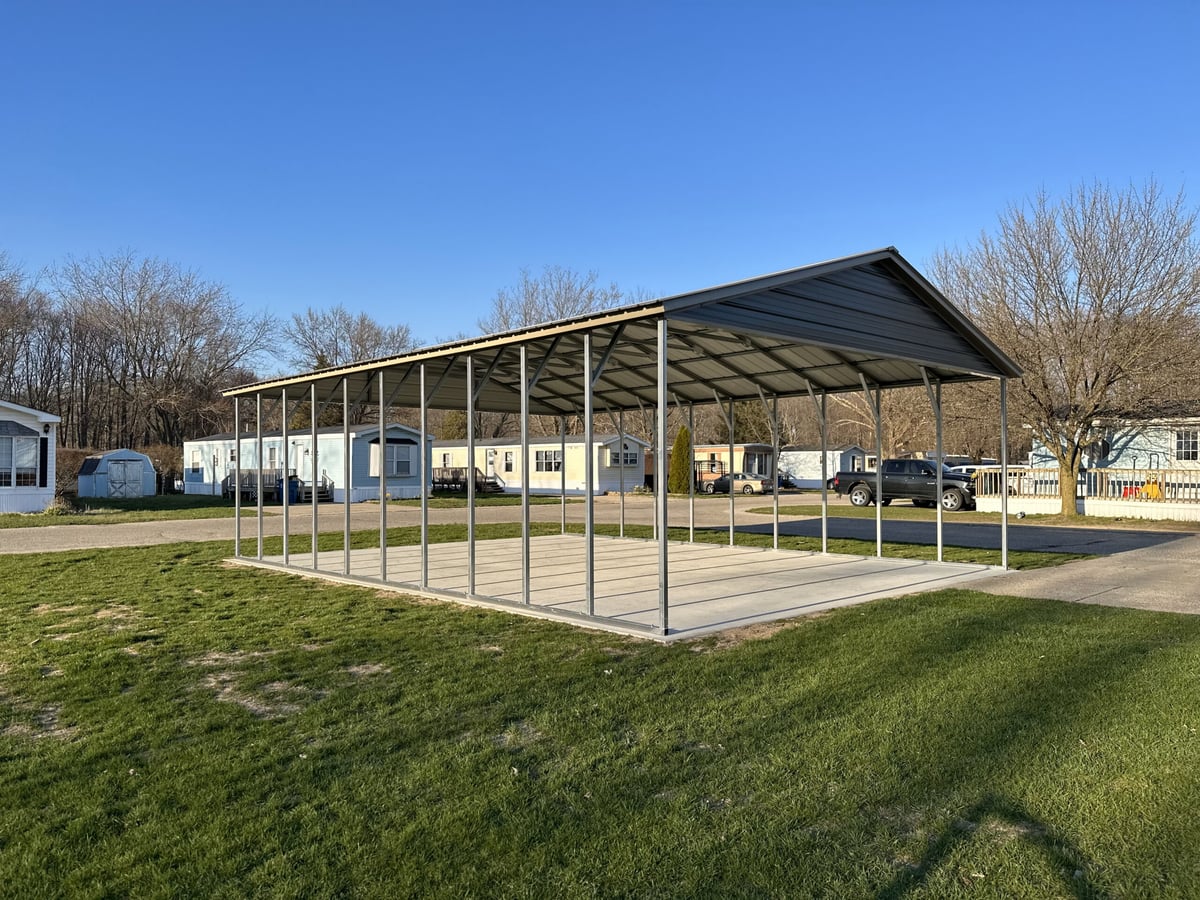
- Vertical Roof: Utilizes vertically oriented panels running from ridge to eave, delivering superior strength and optimal rain and snow shedding
Vertical roof designs command premium pricing but deliver enhanced performance in areas receiving significant precipitation or snow accumulation. The vertical panel orientation prevents debris accumulation and facilitates faster water runoff compared to horizontal configurations.
When considering your options, Metal Carport structures can be fully customized through interactive design tools, allowing you to specify dimensions, roof style, colors, and additional features while receiving instant pricing for your unique requirements.
Width and Height Specifications
Standard widths range from 12 feet for single vehicles to 30 feet or more for multi-vehicle coverage. Custom widths accommodate specific spacing requirements between vehicles or equipment. Leg height options typically start at 6 feet and extend to 16 feet or higher for RVs, boats, or commercial equipment.
Common dimension configurations include:
- Single Car: 12' x 21' with 6' legs
- Double Car: 18' x 21' with 7' legs
- Triple Car: 24' x 31' with 8' legs
- RV/Commercial: 14' x 41' with 12-14' legs
Additional length can be added in increments matching panel dimensions, typically 5-foot or 10-foot sections depending on the manufacturer's engineering specifications.
Installation Considerations and Site Preparation
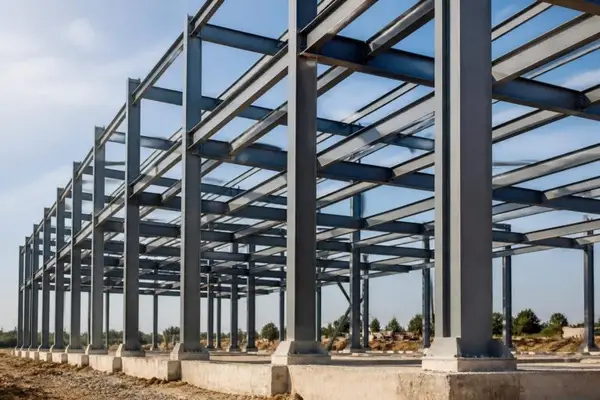
Proper installation ensures that galvanized steel carports perform to their full potential throughout their service life. Site preparation and foundation work significantly impact structural stability and longevity. Building with steel frame structures requires attention to ground conditions and local building codes.
Foundation Requirements
Galvanized steel carports require stable anchoring systems to resist uplift forces from wind and lateral movement from ground settling. Foundation options vary based on soil conditions, local frost depth requirements, and structure size.
Common foundation types include:
- Concrete footers: Poured concrete pads at each leg position providing maximum stability
- Asphalt anchoring: Mobile home anchors driven through existing asphalt surfaces
- Ground anchors: Auger-style or driven anchors for compacted soil installations
- Concrete slab: Full slab foundation offering the most permanent and level surface
Level ground significantly simplifies installation and ensures proper water drainage away from the structure. Slopes exceeding 3 inches across the carport footprint typically require grading or foundation adjustments to maintain structural integrity.
Permitting and Code Compliance
Most municipalities require building permits for permanent carport installations. Local building codes specify minimum standards for wind loads, snow loads, and seismic requirements. Working with experienced installers familiar with regional requirements streamlines the permitting process and ensures code compliance.
The comprehensive building guide covers essential considerations including zoning restrictions, setback requirements, and utility clearances that affect carport placement on your property.
Maintenance Practices for Extended Lifespan
Although galvanized steel carports require minimal maintenance compared to wood or aluminum structures, implementing simple care routines maximizes their service life and maintains their appearance. Essential maintenance tips for galvanized steel focus on preserving the protective zinc coating and addressing minor issues before they escalate.
Regular Cleaning Procedures
Annual cleaning removes accumulated dirt, organic debris, and corrosive contaminants that can accelerate zinc consumption. Simple washing with water and mild detergent suffices for most locations. Avoid using abrasive cleaners or wire brushes that scratch the galvanized surface and expose the underlying steel.
For areas experiencing heavy industrial fallout or coastal salt spray, increasing cleaning frequency to semi-annual or quarterly intervals helps preserve the coating. Pay particular attention to horizontal surfaces where standing water or debris accumulates, as these areas experience accelerated corrosion.
Inspection and Touch-Up
Annual inspections identify potential issues requiring attention. Look for areas showing white rust (zinc corrosion products), scratches exposing bare steel, or loose fasteners needing tightening. Minor scratches can be addressed with zinc-rich paint that provides galvanic protection similar to the original coating.
Inspection checklist items:
- Roof panel integrity and fastener tightness
- Frame connections and weld points
- Drainage patterns and standing water areas
- Anchor system security and concrete condition
- Panel alignment and structural straightness
Following proven maintenance guidelines ensures your investment provides decades of reliable service with minimal intervention required.
Cost Considerations and Value Proposition
Galvanized steel carports represent significant value when comparing initial costs against long-term ownership expenses. While premium upfront pricing exceeds some alternative materials, the reduced maintenance requirements and extended lifespan create favorable total cost of ownership calculations.
Price Factors and Variables
Multiple factors influence the final cost of a galvanized steel carport installation:
| Factor | Impact on Price | Considerations |
|---|---|---|
| Size/Dimensions | High | Larger structures require more materials and labor |
| Roof Style | Medium | Vertical roofs cost 15-25% more than regular styles |
| Gauge Thickness | Medium | 12-gauge frames exceed 14-gauge pricing by 10-15% |
| Customization | Variable | Additional features, colors, and options add incrementally |
| Location | High | Delivery distances and regional labor rates vary significantly |
| Engineering/Permits | Low to Medium | Site-specific requirements may necessitate engineered drawings |
Customers in different regions experience pricing variations based on local market conditions. Those seeking installations in North Carolina or Georgia can expect competitive pricing reflecting regional economic factors.
Return on Investment Analysis
Beyond vehicle protection, galvanized steel carports potentially increase property values and reduce insurance premiums for covered assets. The structures protect vehicles from sun damage, hail, and environmental contaminants that accelerate depreciation. For commercial applications, covered parking attracts customers and protects business assets from weather-related damage.
The negligible maintenance costs over decades of service contrast sharply with wood carports requiring regular staining, sealing, and eventual structural repairs. Paint-coated steel structures need periodic repainting to prevent corrosion, while galvanized steel maintains its protective properties without ongoing coating maintenance.
Color and Aesthetic Options
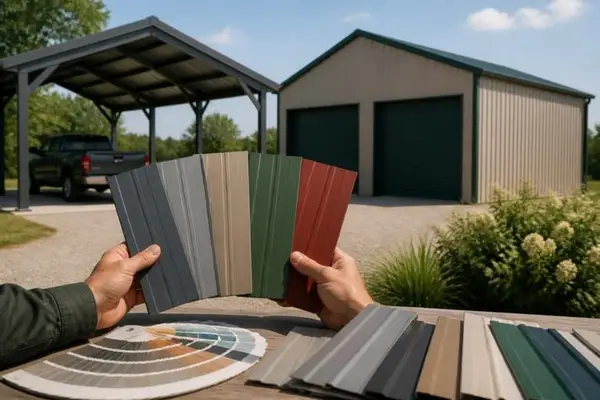
Modern galvanized steel carports offer extensive color selections allowing property owners to match existing structures or create complementary designs. While the galvanized coating provides the protective function, manufacturers apply additional colored coatings for aesthetic appeal.
Coating Systems and Finishes
Most manufacturers offer powder-coated or painted finishes over the galvanized substrate. This dual-layer protection system combines the corrosion resistance of galvanization with the visual appeal of colored finishes. Standard color palettes typically include:
- Various shades of tan, brown, and beige
- Multiple gray tones from light to charcoal
- White, cream, and off-white options
- Green selections ranging from light to forest
- Red, blue, and specialty colors at premium pricing
The underlying galvanized coating continues protecting the steel even if the exterior paint eventually weathers or chips, providing insurance against corrosion that paint-only systems cannot match.
Climate-Specific Performance
Galvanized steel carports excel across diverse climate conditions, from scorching desert heat to freezing northern winters. The material's thermal stability prevents the expansion and contraction issues that plague some alternative materials.
Snow Load Capabilities
In regions experiencing significant snowfall, the structural design must account for accumulated weight on the roof. Vertical roof configurations shed snow more effectively than horizontal panels, reducing load buildup during storms. Engineering calculations determine appropriate frame spacing and gauge thickness based on local snow load requirements.
Building codes specify snow loads in pounds per square foot based on historical weather data. Areas receiving heavy snow require heavier gauge frames, closer spacing between structural members, and potentially additional reinforcement compared to mild climate installations.
Wind Resistance Standards
Modern galvanized steel carports withstand hurricane-force winds when properly anchored and engineered. Certified designs meet or exceed local wind load requirements, typically rated for sustained winds of 90-170 mph depending on geographic location and exposure category.
Proper anchoring proves critical for wind resistance. Coastal installations or properties in tornado-prone regions benefit from upgraded anchor systems and potentially engineered designs certified for extreme wind events. The maintenance and care strategies help ensure anchor connections remain secure throughout the structure's service life.
Environmental Impact and Sustainability
Steel ranks among the most recycled materials globally, with galvanized steel maintaining full recyclability despite its protective coating. At end-of-life, galvanized steel carports can be completely recycled, with both the steel and zinc recovered for reuse in new products.
Manufacturing and Lifecycle Considerations
The galvanization process consumes less energy than manufacturing alternative materials like aluminum or producing and transporting treated lumber. Steel's strength allows using less material to achieve equivalent structural performance, reducing overall resource consumption.
Zinc naturally occurs in the environment and the oxidation products from galvanized coatings pose minimal environmental concerns. The long service life of properly maintained galvanized steel carports reduces replacement frequency, minimizing the environmental impact associated with manufacturing and installing replacement structures.
Comparing Alternative Materials
Understanding how galvanized steel stacks up against alternatives helps clarify its advantages for carport applications. Each material presents distinct characteristics affecting performance, cost, and maintenance requirements.
| Material | Lifespan | Maintenance | Initial Cost | Corrosion Resistance |
|---|---|---|---|---|
| Galvanized Steel | 40-50+ years | Very Low | Medium-High | Excellent |
| Painted Steel | 20-30 years | Medium | Medium | Good (when maintained) |
| Aluminum | 30-40 years | Low | High | Very Good |
| Wood | 15-25 years | High | Low-Medium | Poor |
| Fabric/Canvas | 10-15 years | Medium | Low | Not Applicable |
Wood carports require regular treatment, eventual board replacement, and remain vulnerable to termites, rot, and fire. Painted steel lacks the self-healing properties of galvanized coatings, requiring repainting every few years to prevent rust. Aluminum offers good corrosion resistance but provides less structural strength per pound than steel, necessitating heavier framework.
Galvanized steel carports deliver unmatched durability and value through superior corrosion resistance, structural strength, and minimal maintenance requirements across diverse climate conditions. Whether you need protection for a single vehicle or coverage for multiple cars, RVs, or equipment, investing in quality galvanized steel construction ensures decades of reliable service. Metal Structure Sales LLC specializes in customizable galvanized steel carports with professional installation included, helping you design the perfect solution for your specific needs and budget. Contact us today to explore your options and receive a free quote for your property.