

Protecting your vehicles from harsh weather conditions requires a reliable structure built to last decades. Galvanised steel carports have emerged as the leading choice for property owners seeking durable, low-maintenance vehicle protection that withstands the test of time. These engineered structures combine the strength of steel with the corrosion-resistant properties of zinc coating, creating a superior solution for residential and commercial applications. Understanding the benefits, construction methods, and customization options available helps you make an informed decision when investing in a carport that will serve your needs for years to come.
Understanding Galvanised Steel Technology
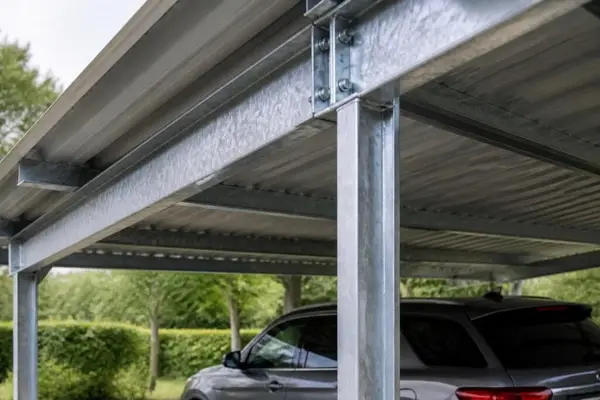
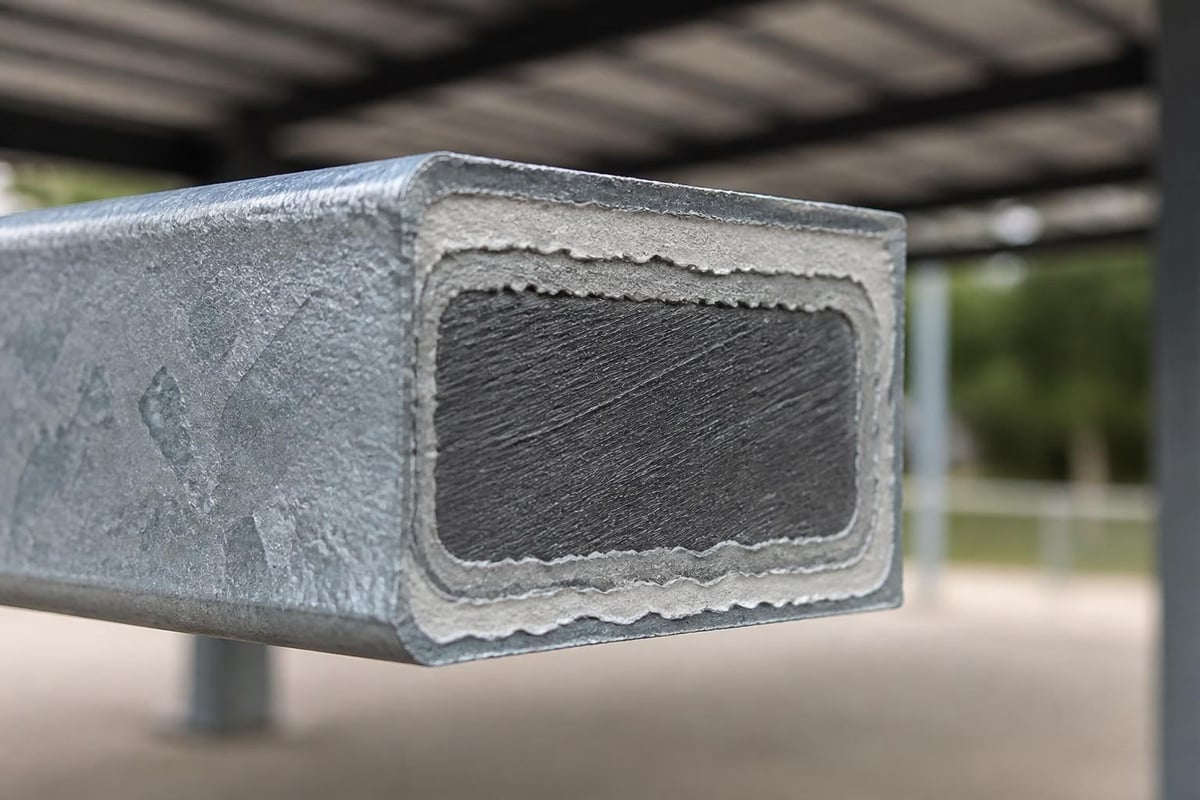
The galvanization process transforms ordinary steel into a weather-resistant material through a specialized coating application. Hot-dip galvanization involves immersing steel components in molten zinc, creating a metallurgical bond that becomes part of the steel itself rather than just a surface coating.
This process creates multiple layers of protection. The zinc coating acts as a sacrificial barrier, corroding preferentially to protect the underlying steel. Even if the surface becomes scratched or damaged, the zinc continues protecting the exposed steel through galvanic action. The composition and advantages of galvanized steel make it particularly suited for outdoor structures exposed to moisture, temperature fluctuations, and environmental contaminants.
The Science Behind Corrosion Resistance
Zinc provides exceptional corrosion resistance through both barrier protection and electrochemical properties. When exposed to atmospheric conditions, zinc forms a protective patina that slows the corrosion rate significantly. This passive layer regenerates itself when damaged, offering continuous protection without maintenance intervention.
Key protective mechanisms include:
- Barrier protection preventing moisture contact with steel
- Cathodic protection through zinc's sacrificial properties
- Self-healing patina formation
- Resistance to alkaline and acidic environments
The thickness of galvanized coating typically ranges from 2.0 to 4.0 mils, providing decades of protection in most climates. Coastal environments and industrial areas may experience faster zinc consumption, but even in these conditions, galvanised steel carports significantly outperform painted or untreated alternatives.
Structural Advantages of Galvanised Steel Carports
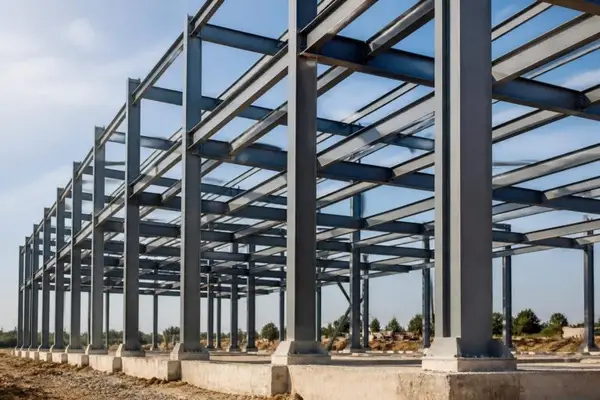
Steel frame construction offers inherent strength advantages over wood, aluminum, or fabric alternatives. The combination of structural steel and galvanized protection creates carports capable of withstanding extreme weather events while maintaining their integrity for 30 years or more.
Load-bearing capacity remains critical for regions experiencing heavy snow accumulation or high wind speeds. Galvanised steel carports utilize engineered framing systems designed to meet or exceed local building codes. Frame gauge specifications typically range from 12-gauge to 14-gauge steel, with thicker gauges providing increased strength for larger spans or extreme weather applications.
| Frame Gauge | Thickness (inches) | Best Application |
|---|---|---|
| 12-gauge | 0.1046 | Heavy snow loads, commercial use |
| 13-gauge | 0.0897 | Standard residential, moderate climates |
| 14-gauge | 0.0747 | Light-duty applications, mild climates |
Wind and Snow Load Ratings
Engineering specifications determine how galvanised steel carports perform under environmental stresses. Wind load ratings account for sustained winds and gust forces, while snow load ratings address accumulated weight from precipitation events.
Certified structures undergo rigorous testing to verify their capacity. Understanding steel information and specifications helps buyers select appropriate frame dimensions and anchoring systems for their geographic location. Coastal properties require enhanced wind ratings, while northern regions prioritize snow load capacity.
Proper installation with certified anchors ensures the carport can achieve its rated performance. Ground anchors, concrete footings, or asphalt anchors must be selected based on soil conditions and local requirements. Before proceeding with installation, property owners should check local requirements and building codes to ensure compliance and obtain necessary permits.
Customization Options for Your Needs
Modern galvanised steel carports offer extensive customization to match specific vehicle protection requirements and aesthetic preferences. Roof styles, dimensions, enclosure options, and additional features allow buyers to create purpose-built structures rather than settling for one-size-fits-all solutions.
Roof Style Selection
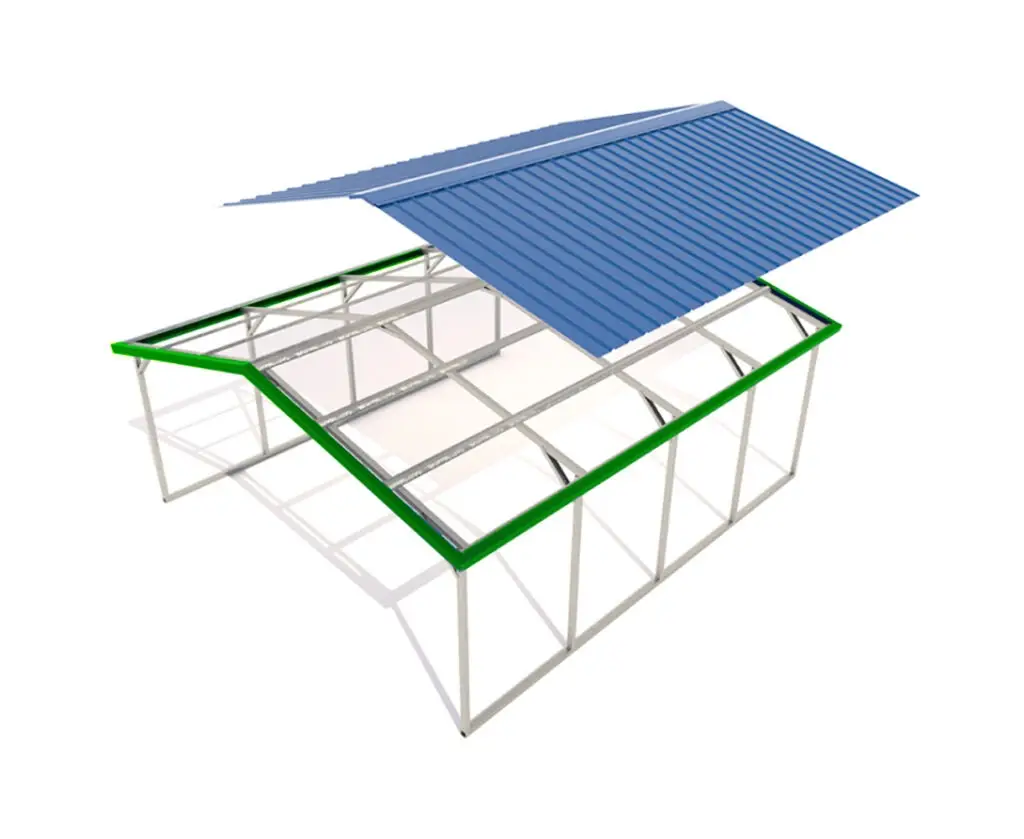
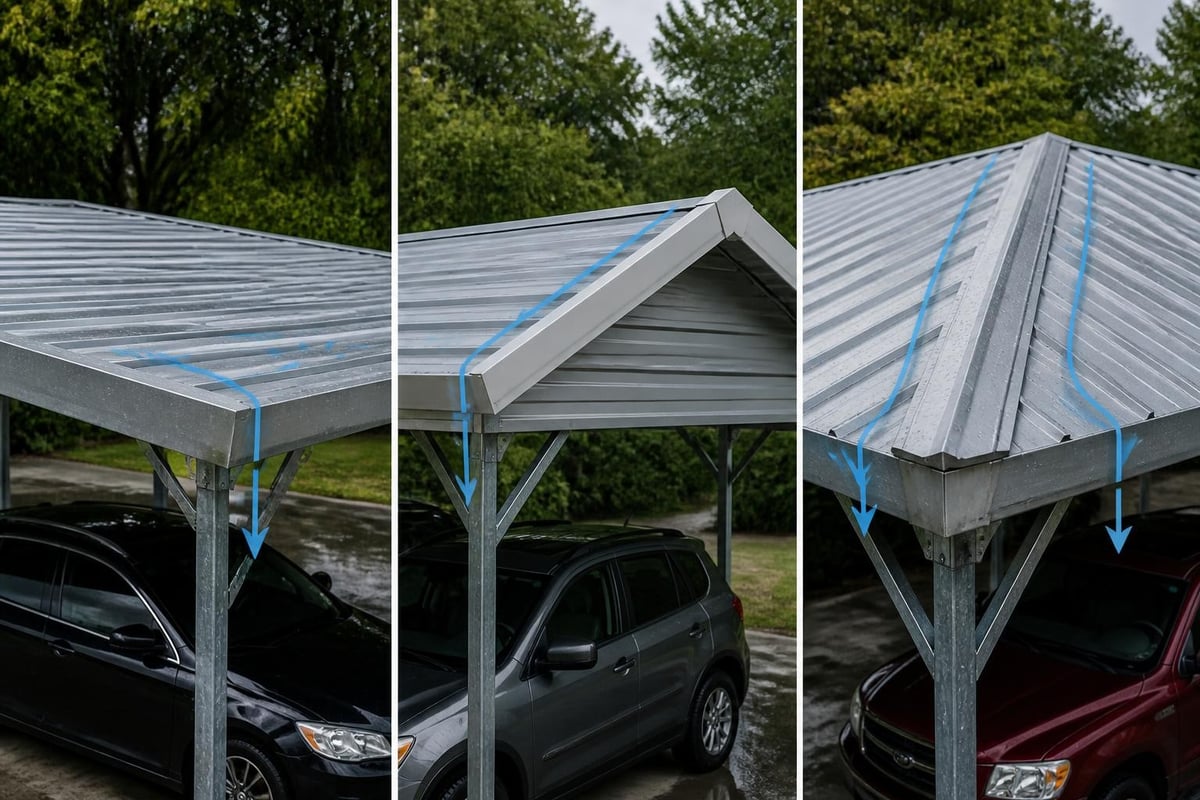
Three primary roof configurations dominate the market, each offering distinct advantages:
Regular Roof Style:
- Horizontal roof panels
- Most economical option
- Rounded corners
- Suitable for moderate climates
Boxed Eave Roof:
- Horizontal roof panels with A-frame horizontal sides
- Improved water runoff
- Enhanced aesthetic appeal
- Better performance in areas with moderate precipitation
Vertical Roof Style:
- Vertically oriented roof panels
- Superior water and snow shedding
- Highest structural integrity
- Recommended for areas with heavy snow or severe weather
The vertical roof configuration provides the best performance for galvanised steel carports in challenging climates. Ridge-mounted panels channel precipitation downward efficiently, preventing accumulation that could stress the frame. While vertical roof systems command premium pricing, the enhanced durability and reduced maintenance requirements justify the investment for most property owners.
Size and Dimensional Considerations
Selecting appropriate dimensions requires careful measurement of vehicles and consideration of future needs. Standard single-car units start at 12 feet wide, while double-car configurations typically begin at 18 feet. Length options commonly range from 21 to 41 feet, with custom lengths available for specialized applications.
Height specifications matter significantly for RVs, boats, or commercial vehicles. Standard leg height starts at 6 feet, with options extending to 16 feet for tall vehicles or additional clearance requirements. Property owners investing in Metal Carport solutions should measure their tallest vehicle and add at least 12 inches for comfortable clearance and ventilation.
Common dimension guidelines:
- Measure vehicle width and add 2-3 feet for door clearance
- Measure vehicle length and add 2-4 feet for storage or workspace
- Measure vehicle height and add 12-18 inches minimum clearance
- Consider future vehicle purchases or uses
- Verify property setback requirements before finalizing dimensions
Wide Span Applications
Properties requiring coverage for multiple vehicles, boats, or equipment benefit from wide-span configurations. Units exceeding 30 feet in width accommodate RVs with slideouts, multiple vehicles side-by-side, or workshop spaces. These larger structures utilize reinforced framing systems to maintain structural integrity across extended spans without center support posts.
Wide-span galvanised steel carports serve commercial applications including equipment storage, farmers markets, outdoor workspaces, and vehicle service areas. The open floor plan maximizes usable space while the galvanized frame ensures decades of reliable protection.
Enclosure and Panel Options
Open carports provide basic weather protection while maintaining airflow and visibility. Adding side panels, end panels, or full enclosure transforms a basic carport into a secure storage building suitable for valuable equipment, tools, or seasonal items.
Panel configurations include:
- Partial enclosure with one or two sides
- Three-sided enclosure with front access
- Fully enclosed with walk-in door and roll-up door
- Gable end enclosures for improved aesthetics and weather protection
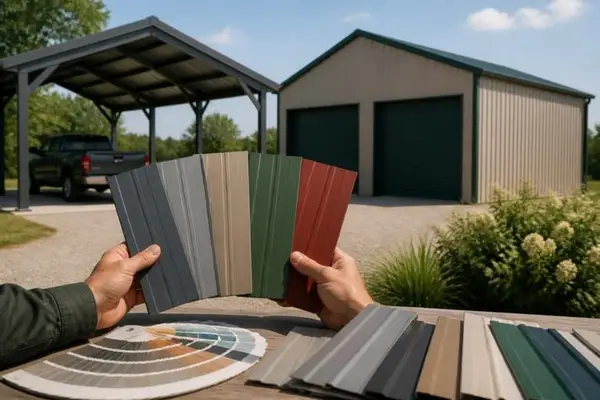
Metal panels in 29-gauge or 26-gauge steel provide the enclosure, with heavier gauges offering increased dent resistance and longevity. Panel color options allow coordination with existing structures, though lighter colors reflect heat more efficiently in warm climates.
Fully enclosed configurations create climate-controlled storage when combined with insulation. The galvanized frame provides excellent attachment points for insulation panels, electrical systems, and interior finishing materials. Real benefits of galvanized steel extend to enclosed buildings where the corrosion resistance prevents interior rust staining and deterioration even in humid conditions.
Installation and Site Preparation
Proper site preparation ensures galvanised steel carports achieve their designed performance and longevity. Level ground prevents stress concentrations in the frame and ensures water drains appropriately. Grading requirements vary based on soil composition and local drainage patterns.
Foundation Options
Several foundation approaches accommodate different budgets and soil conditions:
| Foundation Type | Cost Level | Best For | Installation Time |
|---|---|---|---|
| Ground anchors | Low | Stable soil, budget builds | 4-6 hours |
| Concrete piers | Medium | Soft soil, permanent structures | 1-2 days |
| Concrete slab | High | Enclosed buildings, workshops | 3-7 days |
| Asphalt anchors | Medium | Existing paved surfaces | 4-6 hours |
Professional installers assess soil bearing capacity and recommend appropriate foundation systems. Areas with expansive clay soils require deeper footings to prevent frost heave or settling. Sandy soils may need larger footers to distribute loads adequately.
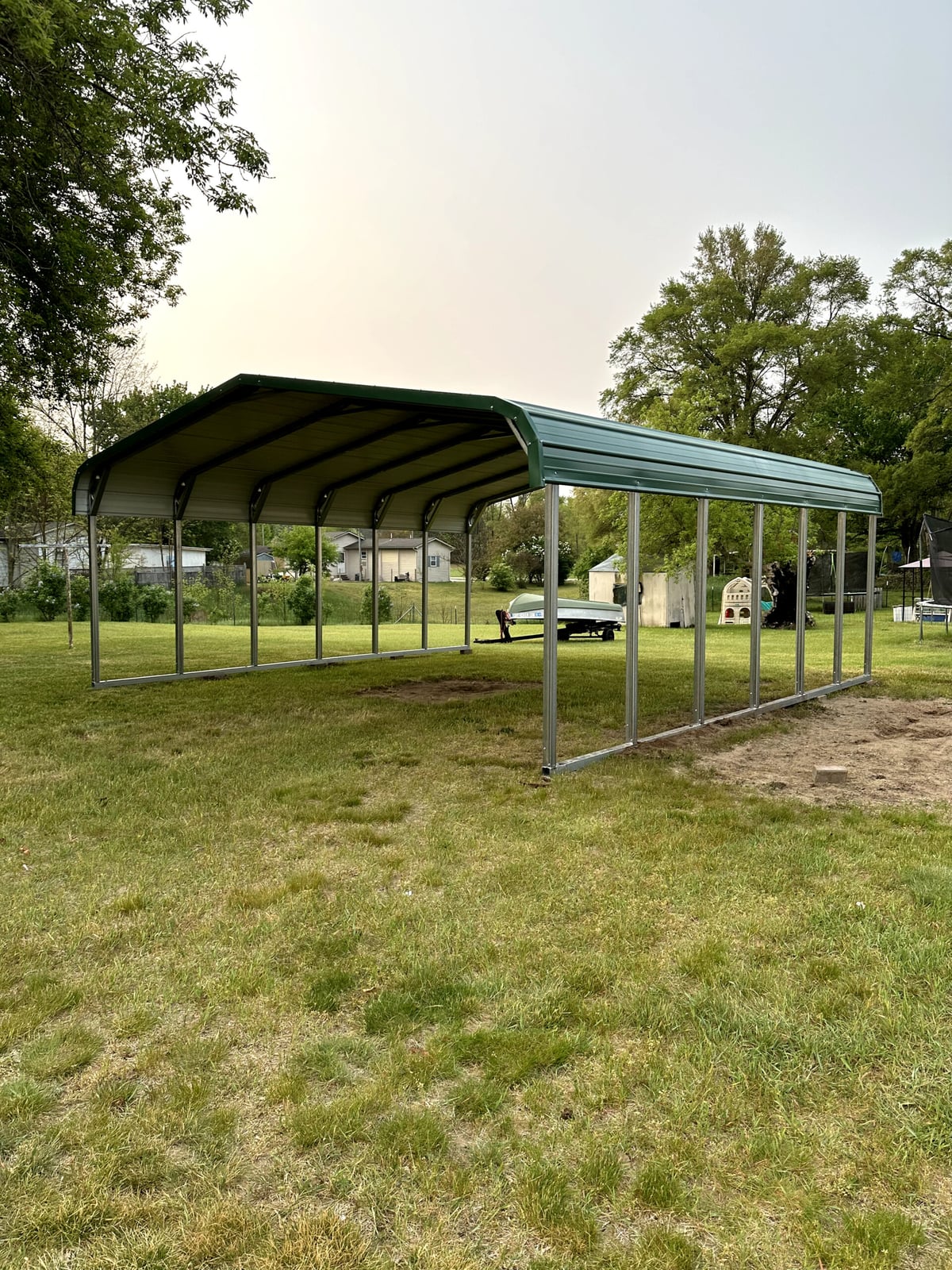
Installation typically completes within one to three days depending on size and complexity. Crews arrive with pre-cut components, minimizing on-site construction time and ensuring precise fit. Factory-cut materials eliminate measurement errors and produce cleaner finished appearance compared to field-cut alternatives.
Permitting and Code Compliance
Local jurisdictions enforce building codes to ensure structure safety and community standards. Setback requirements dictate minimum distances from property lines, while height restrictions may limit vertical clearance options in some residential zones.
Obtaining proper permits protects property owners from future compliance issues and ensures structures meet wind and snow load requirements for the region. Some municipalities require engineered drawings stamped by licensed engineers, particularly for larger structures or commercial applications. Working with experienced providers who understand regional requirements streamlines the permitting process significantly.
Maintenance and Longevity Expectations
The primary advantage of galvanised steel carports lies in their minimal maintenance requirements compared to wood or fabric alternatives. Regular inspections and basic cleaning constitute the extent of routine maintenance for most installations.
Annual maintenance checklist:
- Inspect anchor bolts for tightness
- Check frame connections for looseness
- Remove debris from roof and gutters
- Wash panels to remove accumulated dirt
- Inspect for any damaged panels or trim
- Verify drainage flows away from foundation
- Touch up any scratches with zinc-rich paint
The galvanized coating eliminates the need for painting or sealing treatments required by wood structures. Even after decades of exposure, properly galvanized steel maintains its protective properties. White rust (zinc oxide) may appear in humid climates but does not indicate structural problems or require treatment.
Expected service life for galvanised steel carports ranges from 30 to 50 years depending on coating thickness and environmental exposure. Durability benefits of galvanized steel include resistance to termites, rot, and fire compared to wood alternatives. This longevity makes galvanized steel one of the most cost-effective materials when calculated on a per-year basis.
Cost Considerations and Value Analysis
Initial investment in galvanised steel carports varies based on size, roof style, gauge specifications, and enclosure options. Basic open carports start around $1,200 for single-car units, while fully enclosed buildings with vertical roofs can exceed $10,000 for larger configurations.
Price factors include:
- Frame gauge thickness
- Roof panel orientation
- Certification requirements
- Enclosure percentage
- Custom dimensions
- Delivery distance
- Site preparation needs
Comparing total cost of ownership provides more accurate value assessment than initial price alone. Wood carports require regular staining or painting, inspection for rot and insect damage, and eventual replacement within 15-20 years. Fabric structures deteriorate from UV exposure and typically need replacement every 5-10 years.
Return on Investment
Property value improvements represent one tangible return on carport investment. Covered parking and additional storage space appeal to buyers, particularly in regions with harsh weather. Real estate professionals report that quality metal structures can return 50-80% of their cost in increased property value.
Operational savings accumulate through vehicle protection. Paint preservation, reduced interior degradation from sun exposure, and protection from hail damage extend vehicle life and maintain resale value. Climate-controlled vehicles experience fewer mechanical issues from temperature extremes and moisture accumulation.
Business applications generate direct revenue through protected work areas, equipment storage, or covered customer spaces. Agricultural operations protect machinery, reduce equipment deterioration, and create covered areas for livestock or crop storage. The versatility of galvanised steel carports makes them valuable assets across residential, commercial, and agricultural properties.
Regional Considerations for Galvanised Steel Carports
Climate variations across different regions influence design specifications and feature priorities. Understanding regional factors ensures your investment provides optimal performance for local conditions.
Cold Climate Specifications
Northern regions with heavy snowfall require vertical roof configurations and reinforced framing to handle accumulated loads. Snow shedding capabilities prevent dangerous accumulations that could exceed design limits. Increased roof pitch on vertical roof styles facilitates faster snow release, reducing sustained loads on the frame.
Enclosed configurations with insulation create protected spaces for vehicle maintenance during winter months. Preventing moisture accumulation inside enclosed spaces requires adequate ventilation to manage condensation from temperature differentials.
Hot Climate Adaptations
Southern regions benefit from increased roof height to promote air circulation and reduce interior temperatures. Light-colored panels reflect solar radiation more effectively than dark colors, keeping covered vehicles cooler during summer months. Orientation considerations maximize shade during peak sun hours while allowing winter sun penetration.
Coastal installations face accelerated zinc consumption from salt exposure. Specifying thicker galvanized coatings or supplemental protective treatments extends service life in these aggressive environments. Regular washing to remove salt accumulation helps preserve the zinc coating in marine locations.
Wind-Prone Areas
Hurricane zones and tornado-prone regions require enhanced anchoring systems and structural certifications. Engineered drawings specify anchor quantities, placement, and embedment depth to resist uplift and lateral forces from extreme wind events. Building guide resources provide detailed information on selecting appropriate specifications for high-wind locations.
Ground anchors alone may prove insufficient in extreme wind zones. Concrete footings with embedded anchor bolts provide superior resistance to uplift forces. Some jurisdictions mandate specific wind ratings and engineering certifications for permanent structures.
Comparing Galvanised Steel to Alternative Materials
Material selection significantly impacts carport performance, longevity, and total ownership costs. Understanding the advantages and limitations of alternatives helps validate the galvanised steel choice.
| Material | Lifespan | Maintenance | Weather Resistance | Initial Cost |
|---|---|---|---|---|
| Galvanised Steel | 30-50 years | Minimal | Excellent | Medium-High |
| Wood | 15-20 years | High | Poor | Medium |
| Aluminum | 25-35 years | Low | Good | High |
| Fabric | 5-10 years | Medium | Fair | Low |
Wood Frame Carports
Traditional wood construction offers aesthetic appeal and DIY-friendly installation. However, wood requires regular maintenance including staining, sealing, and inspection for rot or insect damage. Termite susceptibility in some regions makes wood particularly problematic, requiring ongoing treatment or eventual replacement.
Dimensional instability from moisture absorption causes warping and connection loosening over time. Wood's organic nature means inevitable deterioration regardless of maintenance efforts. While initial costs may seem competitive, lifecycle costs typically exceed galvanised steel alternatives.
Aluminum Structures
Aluminum provides excellent corrosion resistance and lightweight properties. However, aluminum's lower strength-to-weight ratio requires thicker or more frequent structural members to achieve equivalent load capacity. Cost per square foot typically exceeds galvanized steel, particularly for larger structures.
Aluminum's susceptibility to denting makes it less suitable for hail-prone regions. The material's thermal expansion coefficient necessitates careful connection design to prevent loosening from temperature cycling.
Fabric and Canvas Options
Portable fabric carports offer minimal initial investment and quick installation. UV degradation limits fabric life to 5-10 years in sunny climates. Wind damage, frame corrosion, and fabric tears create ongoing maintenance demands. Total replacement costs over 20-30 years significantly exceed a single galvanised steel carport investment.
The advantages and limitations of galvanized steel demonstrate why this material dominates the permanent carport market despite higher initial costs compared to fabric alternatives.
Environmental Impact and Sustainability
Metal structures contribute to sustainable building practices through material efficiency, recyclability, and long service life. Steel ranks as the most recycled material globally, with galvanized steel maintaining full recyclability despite the zinc coating.
Manufacturing processes for galvanised steel carports generate minimal waste compared to wood harvesting or concrete production. Factory fabrication creates precise cuts, utilizing material efficiently and reducing job site waste. Offcuts and damaged components enter recycling streams rather than landfills.
Energy Efficiency Considerations
Reflective metal roofing reduces heat island effects compared to dark asphalt shingles or concrete. White or light-colored panels can reflect up to 70% of solar radiation, reducing ambient temperatures around the structure. This passive cooling benefit extends to adjacent buildings and reduces air conditioning demands.
Adding insulation to enclosed galvanised steel carports creates energy-efficient storage or workshop spaces. The steel frame provides excellent thermal bridging control when properly detailed with thermal breaks. Spray foam or rigid board insulation achieves high R-values in minimal thickness, maximizing interior space efficiency.
Lifecycle Assessment
Evaluating environmental impact requires examining the complete lifecycle from raw material extraction through eventual recycling. Steel production energy costs get amortized over decades of service life. The galvanization process adds minimal environmental burden while dramatically extending usable life and eliminating toxic paint requirements.
End-of-life disposal presents no environmental concerns. Steel recyclers readily accept galvanized components, with zinc recovery occurring during the melting process. This closed-loop recyclability contrasts sharply with wood structures that often end in landfills or require energy-intensive disposal through burning.
Adding Value Through Accessories and Upgrades
Basic carport functionality expands significantly through thoughtful accessory selection. These enhancements improve usability, protect additional assets, and customize structures for specific applications.
Popular accessory options:
- Gable end closures for improved weather protection
- Roll-up doors for secure equipment storage
- Walk-in doors with weather stripping
- Windows for natural light in enclosed units
- Gutters and downspouts for water management
- Insulation packages for climate control
- Electrical rough-in for lighting and power
- Concrete flooring for clean, level surfaces
Gutter systems prevent erosion around the foundation and direct water to desired drainage areas. Properly sized gutters handle roof runoff during heavy precipitation events, protecting landscaping and preventing foundation undermining. Downspout placement should consider property drainage patterns and local regulations regarding stormwater management.
Electrical systems transform basic storage into functional workshop spaces. Installing electrical rough-in during initial construction costs less than retrofitting completed structures. Lighting, power outlets, and even climate control systems become practical with proper electrical infrastructure.
Galvanised steel carports deliver unmatched durability, minimal maintenance, and decades of reliable vehicle protection through advanced corrosion-resistant technology and engineered structural design. Whether you need basic weather coverage or a fully enclosed workshop, these versatile structures adapt to your specific requirements while providing exceptional long-term value. Metal Structure Sales LLC specializes in customizable galvanized steel carports with professional delivery and installation included, helping you protect your vehicles and equipment with a structure built to last. Contact them today to design your ideal carport solution.