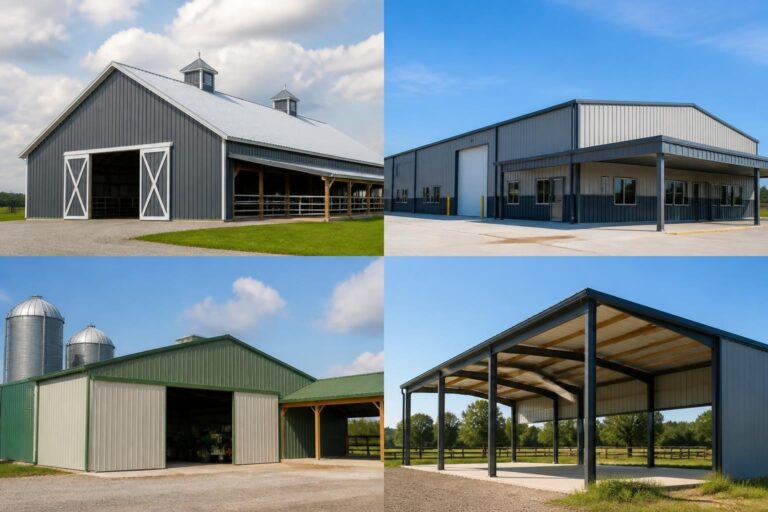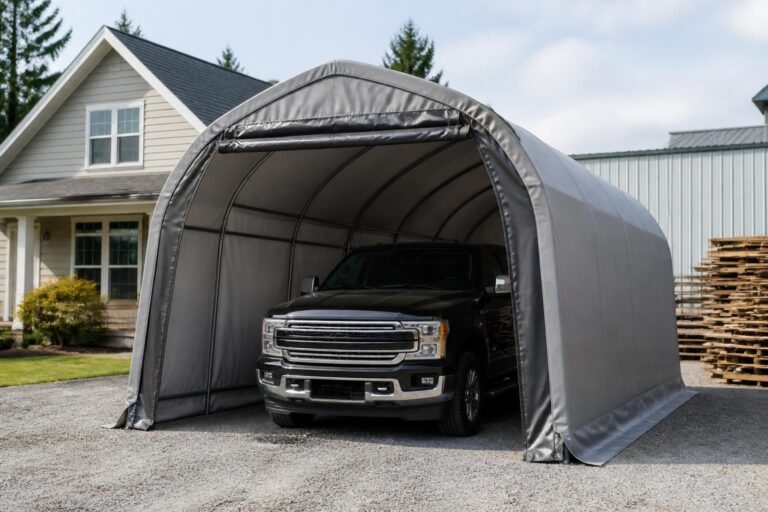


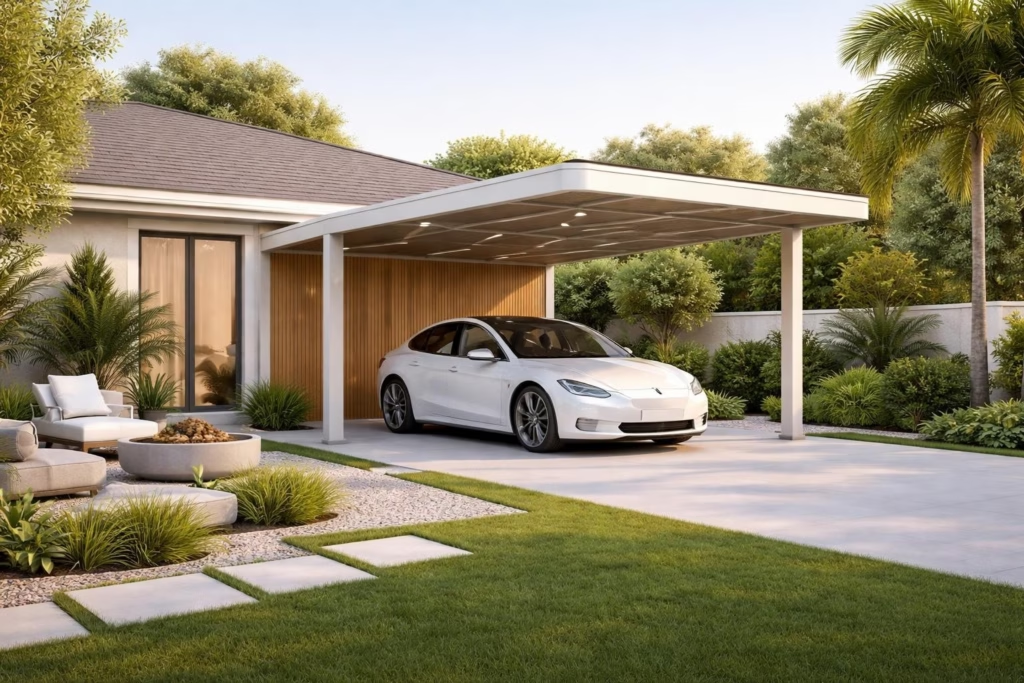
Property owners across America continue to seek practical solutions for vehicle protection that don't compromise their outdoor space. Backyard carports have emerged as an increasingly popular alternative to traditional garages, offering flexible coverage options that work with existing property layouts. These structures provide weatherproof parking while preserving yard accessibility and maintaining a more open feel than fully enclosed buildings.
Understanding Backyard Carport Benefits
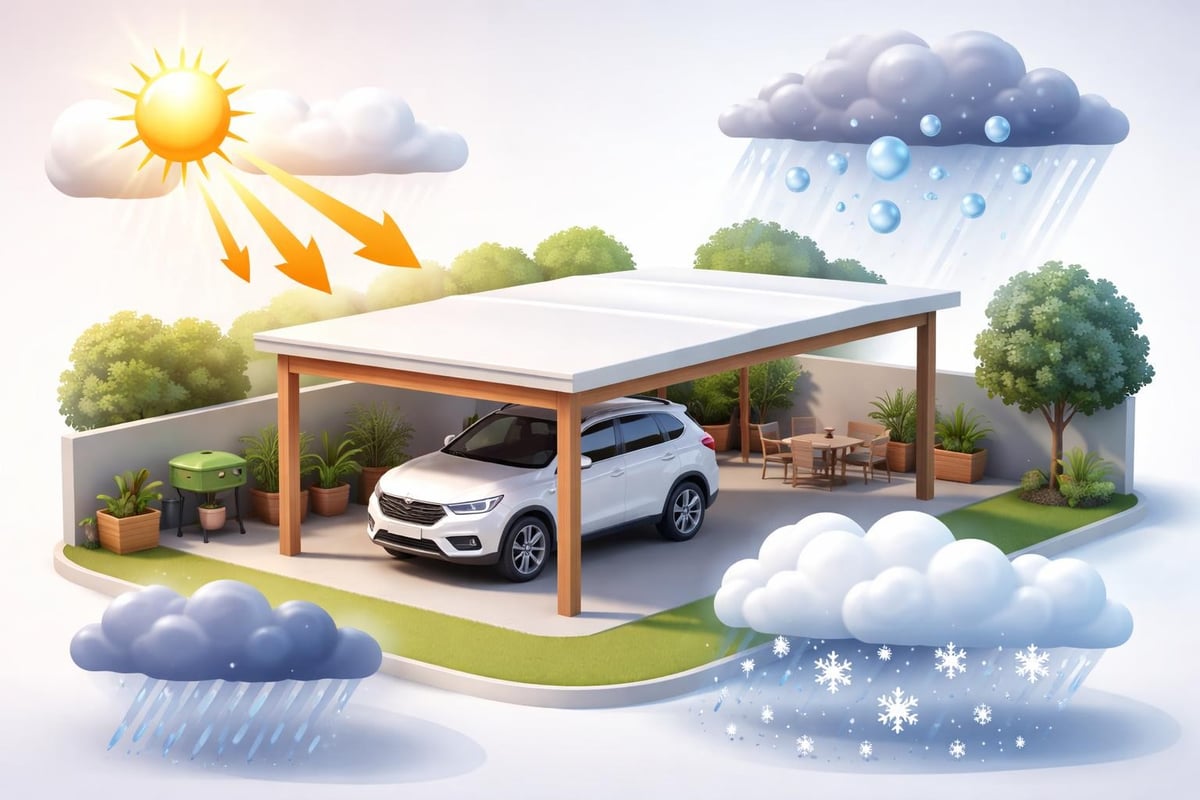
Adding a carport to your backyard delivers multiple advantages beyond basic vehicle protection. These structures shield cars, trucks, and recreational equipment from harsh weather elements including damaging UV rays, hail, snow accumulation, and acid rain. The versatility of carports extends far beyond automobile coverage, creating multipurpose spaces for outdoor gatherings, workshop activities, and seasonal storage needs.
Cost Efficiency Compared to Traditional Garages
Backyard carports represent a significantly more affordable investment than constructing a full garage. Construction costs typically run 30-50% lower than traditional garage builds, primarily because carports require fewer materials and less complex foundation work. Installation timeframes are considerably shorter, often completed within days rather than weeks or months.
The open-air design reduces permit requirements in many jurisdictions, though homeowners should always verify local building codes. Metal carports particularly shine in the cost-benefit analysis, offering exceptional durability without the premium price tag associated with wood construction or brick structures.
Material Selection for Maximum Durability
Choosing the right material determines your carport's longevity and maintenance requirements. Metal carports constructed from galvanized steel provide superior weather resistance and structural integrity lasting decades with minimal upkeep. Steel frameworks handle extreme temperatures, resist pest damage, and withstand high winds better than alternative materials.
Key material considerations include:
- Galvanized steel: Rust-resistant coating protects against corrosion
- Aluminum: Lightweight yet strong, ideal for coastal environments
- Gauge thickness: 12-gauge or 14-gauge steel offers optimal strength-to-weight ratios
- Roof panels: 29-gauge or 26-gauge sheet metal provides reliable coverage
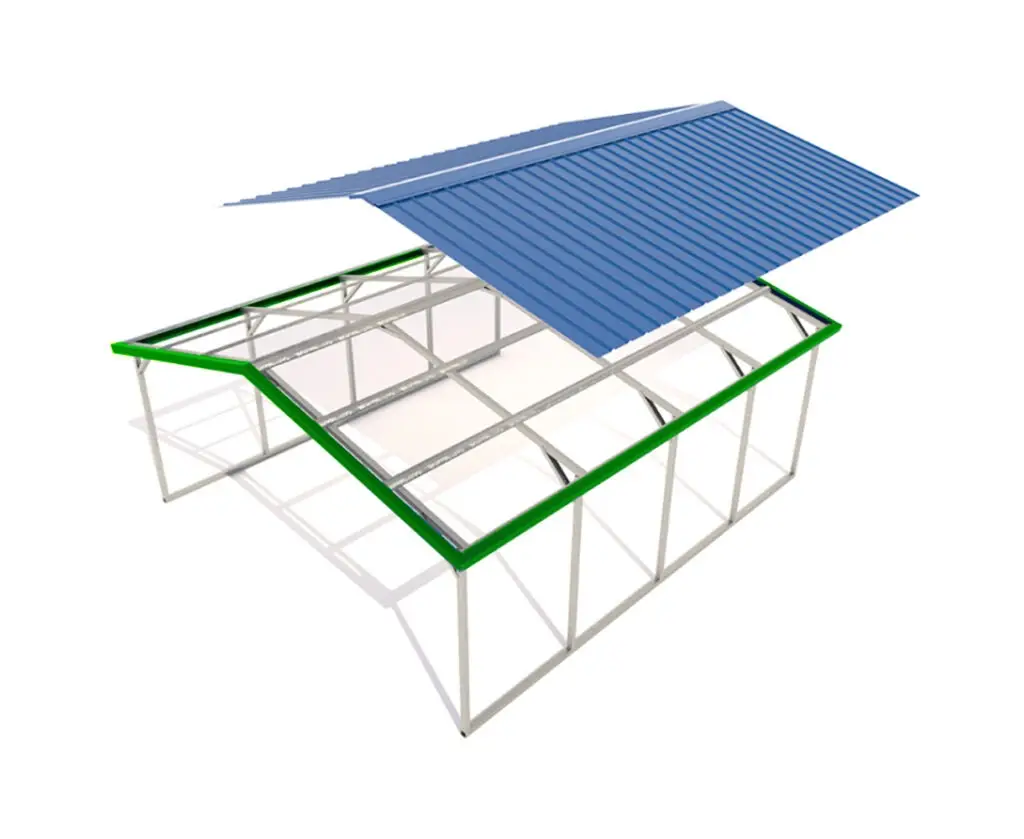
- Frame construction: Tubular steel columns ensure structural stability
Wood carports appeal to homeowners seeking natural aesthetics but require regular staining, sealing, and termite prevention treatments. The selection process for materials should account for your region's climate patterns, precipitation levels, and temperature extremes.
Strategic Placement Considerations
Positioning your backyard carport requires thoughtful analysis of multiple factors affecting functionality and accessibility. The location impacts drainage patterns, vehicle maneuverability, and integration with existing landscape features. Successful placement balances practical access needs with aesthetic considerations and property line regulations.
Optimizing Ground Conditions and Drainage
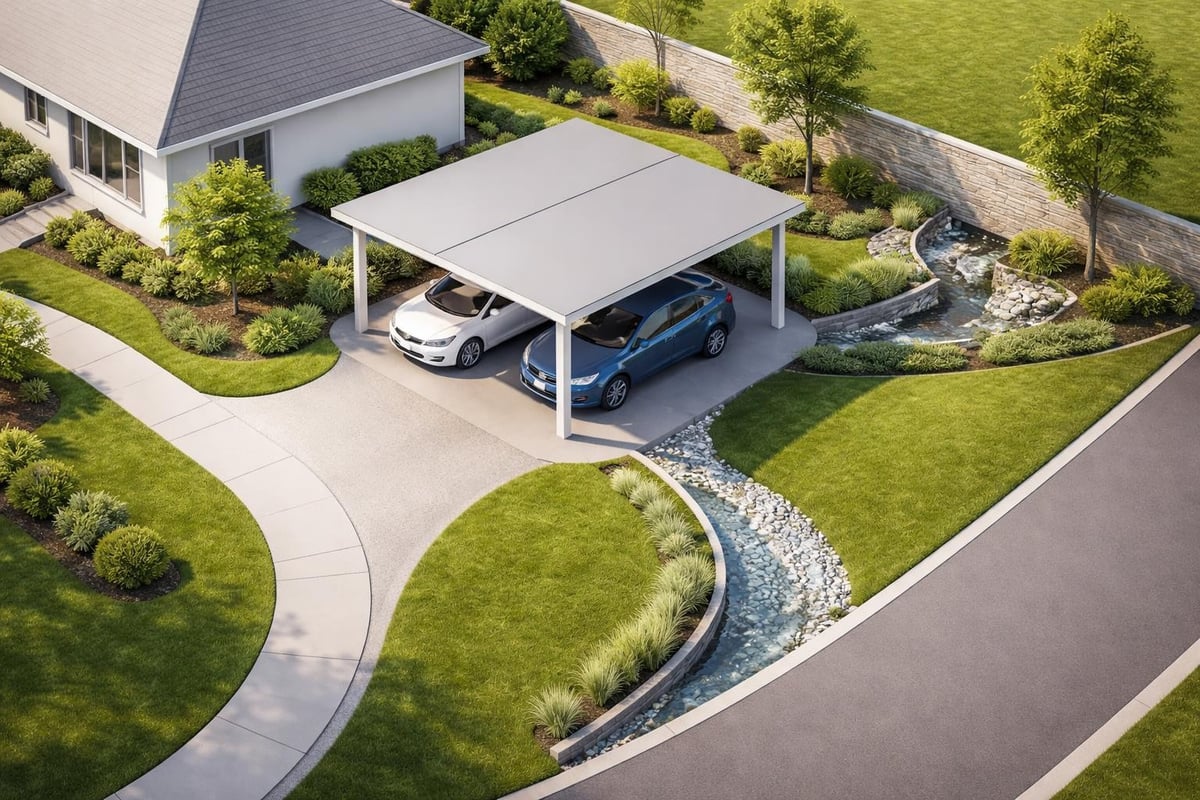
Level ground provides the ideal foundation for carport installation, minimizing preparation costs and ensuring structural stability. Properties with slopes may require grading work or additional foundation support to create a safe, level base. Drainage planning prevents water accumulation around your carport's perimeter, protecting both the structure and parked vehicles.
Consider these drainage factors:
- Natural water flow patterns across your property
- Proximity to existing drainage systems or gutters
- Soil composition and absorption rates
- Grading requirements to direct water away from the structure
- Local rainfall averages and storm water management
The essential plans for building carports emphasize proper drainage as a critical component preventing long-term structural issues. Standing water accelerates material degradation and creates safety hazards during freezing conditions.
Access Routes and Vehicle Clearance
Your carport's placement must accommodate safe vehicle entry and exit patterns. Measure the turning radius required for your largest vehicle, adding buffer space for comfortable maneuvering. Driveways connecting to backyard carports need adequate width-typically 10-12 feet minimum for single-vehicle access.
Clearance specifications matter significantly for proper fit:
| Vehicle Type | Recommended Width | Minimum Height | Depth Required |
|---|---|---|---|
| Sedan/Coupe | 12 feet | 7 feet | 20 feet |
| SUV/Truck | 14 feet | 8-9 feet | 22 feet |
| RV/Motorhome | 14-16 feet | 12-14 feet | 24-40 feet |
| Boat/Trailer | 12-14 feet | 10-12 feet | 25-35 feet |
Understanding proper carport sizing ensures your investment accommodates current vehicles and potential future needs. Many homeowners benefit from sizing up one category to maintain flexibility.
Design Styles and Roof Configurations
Backyard carports come in diverse architectural styles matching various home designs and functional requirements. The spectrum of carport protection options ranges from basic single-slope shelters to elaborate multi-bay structures with enclosed storage components. Roof design significantly impacts water runoff, snow load capacity, and overall aesthetic appeal.
Traditional Roof Styles
Regular roof carports feature a gently curved panel design that channels water efficiently while maintaining economical construction. This style works well in moderate climates with standard precipitation. Boxed eave roofs add horizontal panels along the sides, creating cleaner lines and improved weather protection.
A-frame or vertical roof carports represent the premium option, positioning roof panels vertically rather than horizontally. This orientation allows snow and debris to slide off naturally, making vertical roofs essential for regions experiencing heavy snowfall or ice accumulation. The ridged design provides superior structural strength against wind loads and extreme weather events.
Customization Options for Enhanced Functionality
Modern backyard carports support extensive customization tailoring structures to specific needs. Side panels partially or fully enclose the carport, blocking wind-driven rain and creating defined boundaries. Gable ends on one or both sides add architectural interest while protecting the exposed ends from weather intrusion.
Popular enhancement features include:
- Extended height: Accommodates taller vehicles like RVs or lifted trucks
- Lean-to designs: Attaches to existing structures for integrated coverage
- Multiple bays: Covers several vehicles under one continuous roof
- Enclosed sections: Combines open parking with locked storage space
- Gutters and downspouts: Manages water runoff professionally
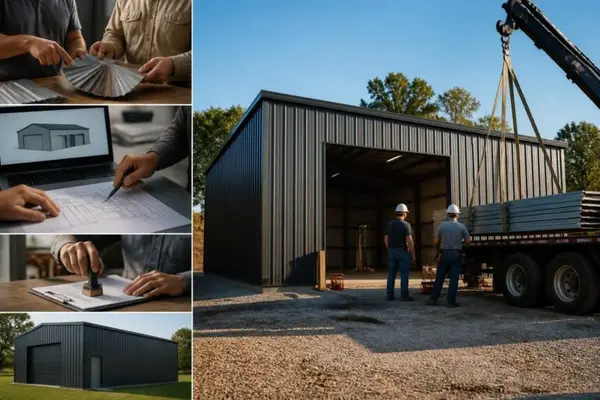
Metal Structure Sales LLC offers a customizable metal carport selection through their Dynamic 3D Custom Design Center, allowing customers to visualize and price various configurations from their homes. This technology simplifies the planning process while ensuring accurate specifications meet individual property requirements.
Installation Requirements and Timelines
Professional installation ensures your backyard carport meets structural standards and local building codes. The installation process varies based on structure size, site preparation needs, and anchoring requirements. Metal carports typically install faster than wooden alternatives, with most single-bay units completed within one or two days.
Site Preparation Essentials
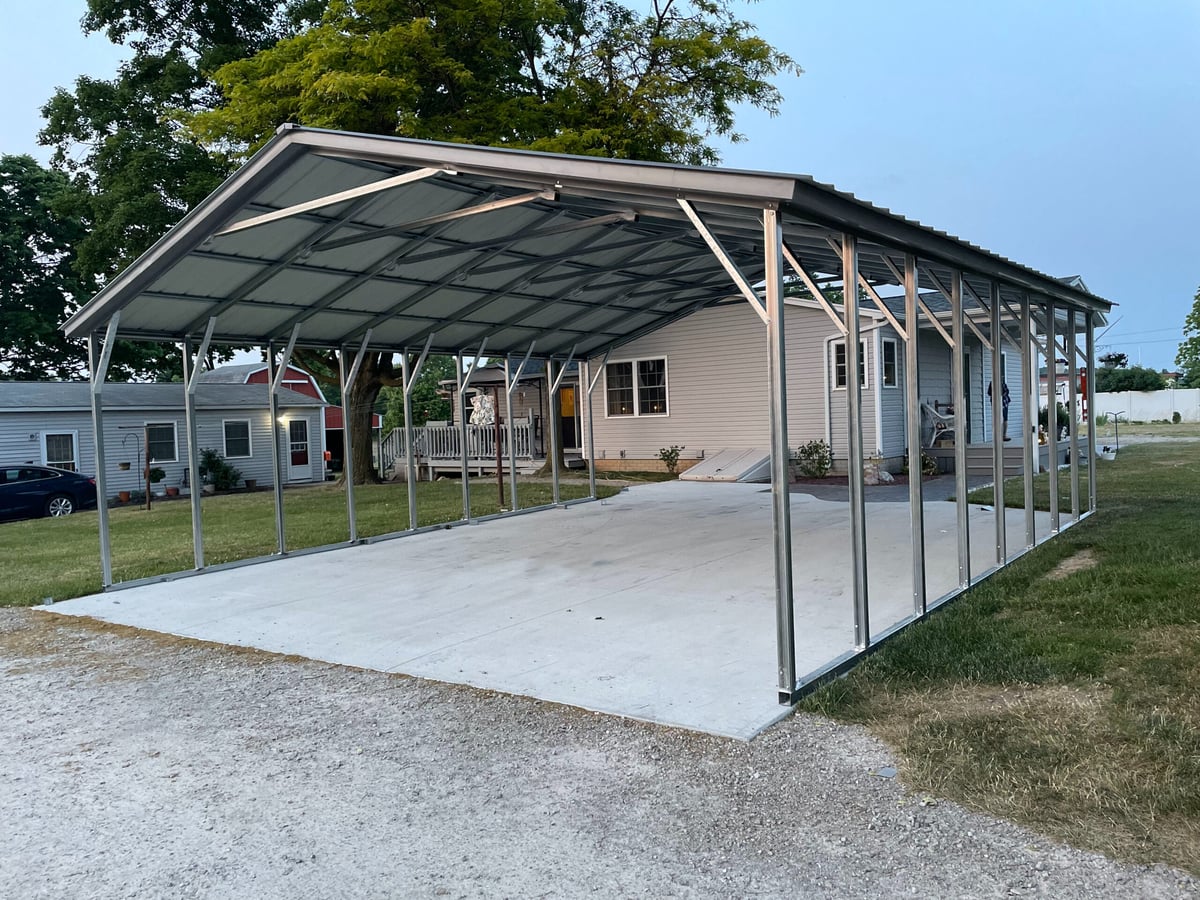
Proper groundwork creates a stable foundation preventing settling and structural issues. While some carports install directly on level ground using ground anchors, others benefit from concrete footings or full concrete slabs. The site must be cleared of vegetation, debris, and any underground utilities marked before work begins.
Foundation options include:
- Ground anchors: Auger-style or concrete anchors for stable soil
- Concrete footings: Poured piers supporting each leg post
- Gravel base: Compacted gravel providing drainage and stability
- Full concrete pad: Premium option offering clean, permanent flooring
- Asphalt surface: Existing driveways extended for carport coverage
Each foundation type suits different soil conditions, budgets, and permanence requirements. Consulting with installation professionals helps identify the most appropriate approach for your specific situation.
Permit and Code Compliance
Most municipalities require building permits for carport construction, though requirements vary significantly by location. Setback regulations dictate minimum distances from property lines, typically ranging from 3-10 feet. Height restrictions may limit vertical clearance in residential zones, usually capping structures at 15-20 feet.
Common permit considerations:
- Zoning compliance for accessory structures
- HOA architectural review board approval
- Wind load and snow load engineering specifications
- Electrical permits if adding lighting or outlets
- Minimum distance from septic systems or wells
Researching local requirements early prevents costly modifications or removal orders. Many reputable carport suppliers assist customers with understanding permit requirements and provide engineering documentation supporting permit applications. Additional guidance on requirements is available through Metal Structure Sales LLC’s FAQ section.
Maintenance Best Practices
Backyard carports require minimal maintenance compared to traditional garages, but regular inspections extend structure lifespan and preserve appearance. Metal carports particularly benefit from simple care routines preventing minor issues from developing into expensive repairs. Establishing a seasonal maintenance schedule keeps your investment protected year-round.
Routine Inspection Checklist
Walk around your carport quarterly, examining all components for signs of wear or damage. Check anchor points ensuring they remain secure and haven't loosened over time. Inspect roof panels for dents, scratches, or areas where protective coatings may have worn through.
| Component | Inspection Frequency | Common Issues | Maintenance Action |
|---|---|---|---|
| Roof panels | Quarterly | Debris accumulation | Clear leaves, branches |
| Anchors/footings | Semi-annually | Shifting, corrosion | Tighten, treat rust |
| Frame joints | Annually | Loose connections | Secure bolts |
| Paint/coating | Annually | Fading, chipping | Touch up as needed |
| Gutters | Monthly (if installed) | Clogs | Clean regularly |
Address any rust spots immediately by cleaning the area, applying rust converter, and touching up with matching paint. The practical benefits of proper carport maintenance include preserving your investment value and ensuring continued protection for stored vehicles.
Seasonal Care Recommendations
Winter preparations include removing snow accumulation exceeding several inches, particularly on regular roof styles not designed for heavy loads. Clear drainage paths preventing ice dams that block water flow. Spring cleaning involves hosing down panels, checking for winter damage, and ensuring anchor points remained stable through freeze-thaw cycles.
Summer maintenance focuses on debris removal and checking for pest nests in corners or along top beams. Fall requires clearing leaves before they accumulate and create moisture pockets. These simple seasonal tasks preserve your carport's condition and prevent accelerated wear.
Regional Considerations Across America
Climate variations across the United States significantly influence ideal carport specifications. Coastal regions face salt air corrosion requiring enhanced protective coatings or aluminum construction. Northern states need robust snow load capacity and vertical roof designs preventing dangerous accumulation.
Snow Load and Wind Rating Requirements
Building codes specify minimum structural ratings based on regional weather patterns. Snow load capacity measures the weight per square foot a roof safely supports. Areas receiving heavy snowfall require ratings of 35-50 pounds per square foot, while southern regions may only need 20 pounds per square foot.
Wind ratings become critical in hurricane-prone zones and tornado alley. Properly engineered metal carports withstand wind speeds exceeding 140 mph when correctly anchored. Frame gauge thickness, anchor spacing, and roof panel attachment methods all contribute to overall wind resistance.
States like Mississippi and Arkansas face both severe storms and occasional ice events, requiring balanced specifications. Northern states including Minnesota and Michigan prioritize snow load capacity above wind concerns.
Climate-Specific Design Adaptations
Desert climates benefit from reflective roof coatings reducing heat absorption and keeping covered vehicles cooler. UV-resistant finishes prevent premature fading in high-sun regions. Humid southern climates require treated fasteners and enhanced corrosion protection extending structure life.
Coastal installations particularly benefit from aluminum or specially coated steel resisting salt spray deterioration. Enclosed sides provide additional protection from wind-driven rain common in storm-prone areas. The buying guide considerations emphasize matching structure specifications to environmental challenges specific to your location.
Multi-Purpose Backyard Carport Applications
While vehicle protection remains the primary function, backyard carports serve numerous additional purposes maximizing outdoor space utility. These versatile structures transform into entertainment areas, equipment storage, hobby workshops, and seasonal gathering spaces. Creative applications extend the value proposition beyond simple car coverage.
Outdoor Entertainment Spaces
Open-sided carports create natural covered patios perfect for outdoor dining, parties, and family gatherings. Adding removable side curtains provides weather protection while maintaining airflow. Ceiling fans, string lights, and portable heaters extend usability across seasons. Many homeowners maintain dual-purpose designs, parking vehicles on weekdays and converting the space for weekend entertainment.
Popular entertainment additions include:
- Removable screen walls blocking insects
- Weatherproof lighting fixtures
- Electrical outlets for music systems and equipment
- Concrete flooring painted or stained for finished appearance
- Retractable awnings for additional sun protection
The flexible nature of backyard carports allows rapid transformation between functional parking and social gathering space as needs change throughout the year.
Workshop and Storage Solutions
Partially enclosed carports provide excellent workshop space for woodworking, automotive maintenance, and craft projects. The combination of covered workspace with natural ventilation prevents fume buildup while protecting tools and materials from weather exposure. Workbenches mount along enclosed walls, and overhead storage racks maximize vertical space.
Seasonal equipment storage represents another practical application. Garden tools, lawn maintenance equipment, outdoor furniture, and holiday decorations stay protected yet accessible. Converting carports into enclosed spaces offers even greater security and weather protection when full enclosure better suits your needs.
Financial Considerations and Value Addition
Investing in backyard carports involves upfront costs balanced against long-term benefits and potential property value increases. Understanding total investment requirements helps homeowners make informed decisions aligned with budgets and goals. Multiple financing options make quality structures accessible across various price points.
Cost Breakdown Analysis
Metal carport pricing varies based on dimensions, roof style, gauge thickness, and customization features. Basic single-car units start around $1,200-$2,000 installed, while premium vertical roof structures range from $3,000-$6,000. Two-car models typically cost $2,500-$8,000 depending on specifications.
Price components include:
- Base structure and roof panels
- Foundation or anchoring system
- Delivery to your property
- Professional installation labor
- Permits and engineering documentation
- Optional features and upgrades
Many suppliers offer financing options making quality carports affordable through manageable monthly payments. Rent-to-own programs provide alternative paths to ownership for budget-conscious buyers.
Return on Investment Potential
While carports typically don't add dollar-for-dollar property value like garage additions, they enhance curb appeal and functional space attracting potential buyers. Properties with vehicle protection options often sell faster than comparable homes lacking covered parking. The structure also prevents vehicle depreciation caused by weather exposure, preserving your automotive investment.
| Investment Factor | Typical Range | Long-Term Benefit |
|---|---|---|
| Initial cost | $1,500-$8,000 | 15-30 year lifespan |
| Annual maintenance | $50-$200 | Prevents major repairs |
| Property value increase | 1-3% | Enhanced marketability |
| Vehicle protection value | $500-$2,000/year | Preserved paint, reduced damage |
The combination of affordability, durability, and versatility makes backyard carports among the most practical property improvements available. Unlike purely aesthetic upgrades, carports deliver daily functional benefits while potentially increasing resale appeal.
Advanced Customization Strategies
Sophisticated carport designs incorporate features transforming basic structures into highly functional custom installations. Advanced planning during initial construction proves more cost-effective than retrofitting additions later. Thoughtful customization creates structures perfectly aligned with specific usage patterns and aesthetic preferences.
Integrated Storage and Workspace Solutions
Combination units merge open carport sections with enclosed storage bays under one continuous roof. This hybrid approach provides secure space for valuable equipment, tools, or seasonal items alongside protected vehicle parking. Metal combo units offer pre-designed configurations optimizing space division while maintaining structural efficiency.
Workspace integration includes built-in workbenches, tool storage walls, and dedicated areas for specific hobbies or projects. Electrical systems support power tools, lighting, and climate control equipment. Plumbing additions enable wash stations or utility sinks for cleaning projects.
Aesthetic Enhancement Features
Architectural elements elevate basic carports into attractive property features complementing home design. Color-matched roof panels coordinate with existing structures creating visual cohesion. Decorative trim, custom fascia boards, and corbel details add character without sacrificing functionality.
Landscaping integration softens the industrial appearance of metal structures. Strategic plantings, climbing vines on support posts, and surrounding garden beds blend carports naturally into backyard environments. Decorative lighting highlights architectural features while improving nighttime functionality.
Backyard carports represent a smart investment delivering practical vehicle protection, versatile outdoor space, and enhanced property functionality at accessible price points. Whether you need basic weather coverage, multi-purpose workspace, or integrated storage solutions, modern metal structures adapt to diverse requirements while providing decades of reliable service. Metal Structure Sales LLC specializes in customizable metal carports with delivery and installation included, helping property owners across America design and implement the perfect solution for their specific needs.