

Protecting your vehicle from the elements is a priority for any property owner, and carport covers offer an effective, cost-efficient solution. Unlike traditional garages that require significant construction investment, carport covers provide essential protection while maintaining accessibility and ventilation. Whether you're safeguarding a daily driver, recreational vehicle, or work truck, understanding the nuances of carport covers helps you make informed decisions about materials, styles, and installation methods that best suit your climate and budget requirements.
Understanding Carport Cover Materials
The longevity and effectiveness of carport covers depend heavily on the material selection. Each option presents distinct advantages tailored to different environmental conditions and budget constraints.
Metal Carport Covers
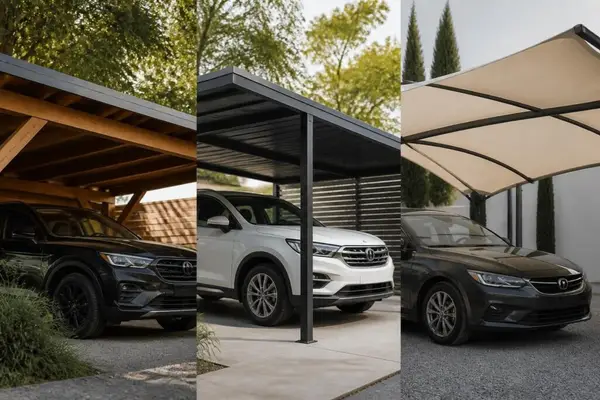
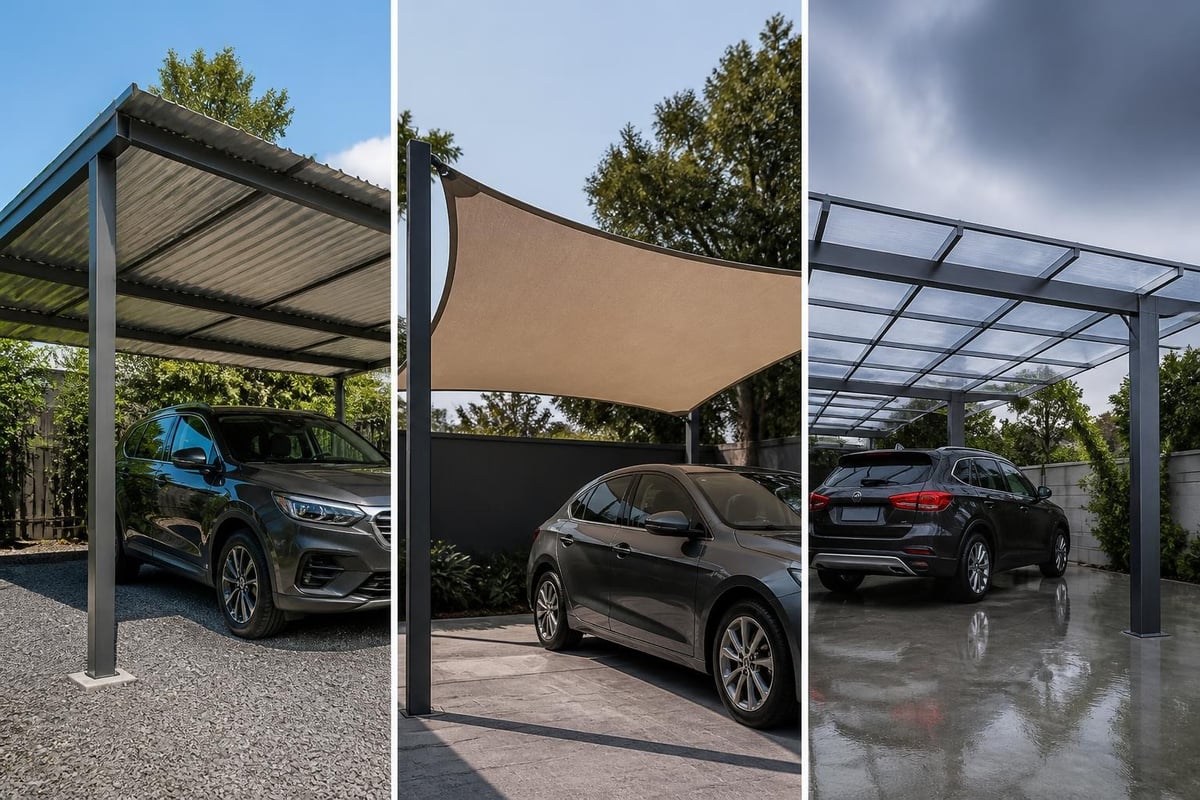
Metal stands as the most durable and popular choice for permanent carport covers. Steel and aluminum options dominate the market, with galvanized steel offering superior strength and wind resistance. These covers typically feature 29-gauge or 26-gauge panels, with thicker gauges providing enhanced durability against hail, heavy snow loads, and high winds.
Key benefits of metal carport covers include:
- Longevity spanning 20 to 30 years with proper maintenance
- Fire resistance superior to fabric or polycarbonate alternatives
- Minimal maintenance requirements beyond periodic inspections
- Excellent protection against UV radiation and weather damage
Metal carport covers excel in regions experiencing extreme weather conditions. According to building standards for carport construction, proper anchoring and gauge selection ensure compliance with local building codes while maximizing structural integrity.
Fabric and Polyethylene Covers
Portable carport covers utilizing heavy-duty polyethylene fabric offer flexibility for temporary protection needs. These covers work exceptionally well for seasonal use or rental properties where permanent structures aren't feasible. Modern fabric covers feature UV-resistant coatings and reinforced stitching that extends their service life to approximately five to seven years.
The variety of carport cover options available today includes waterproof, breathable fabrics that prevent moisture accumulation while protecting against rain and snow. Property owners appreciate the portability and relatively simple installation process these covers provide.
Polycarbonate Panel Options
Translucent polycarbonate panels represent a middle ground between metal permanence and fabric portability. These lightweight covers allow natural light penetration while blocking harmful UV rays, making them ideal for areas where illumination matters. Polycarbonate resists impact damage better than traditional acrylic while maintaining clarity over extended periods.
| Material Type | Average Lifespan | Weather Resistance | Light Transmission | Relative Cost |
|---|---|---|---|---|
| Galvanized Steel | 20-30 years | Excellent | None | High |
| Aluminum | 15-25 years | Very Good | None | Medium-High |
| Polyethylene Fabric | 5-7 years | Good | None | Low |
| Polycarbonate | 10-15 years | Good | 80-90% | Medium |
Roof Styles and Their Protective Capabilities
Roof configuration significantly impacts how effectively carport covers protect your vehicles and influence water drainage, snow shedding, and overall structural stability.
Regular Roof Style
The regular roof style, also known as a rounded or curved roof, represents the most economical option for carport covers. The horizontal panels run perpendicular to the structure's length, creating a gentle arch that promotes water runoff. This design works well in regions with moderate weather conditions but may struggle under heavy snow loads.
Boxed Eave Design
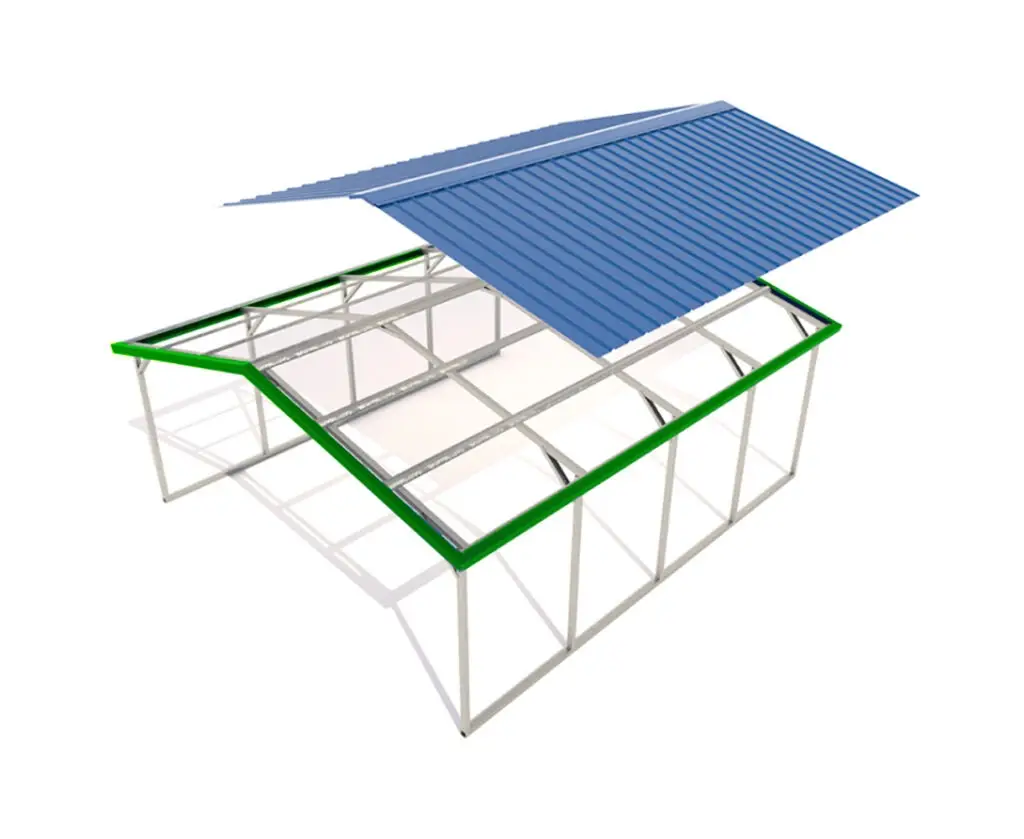
Boxed eave carports feature horizontal panels running the structure's length with an A-frame design. This configuration offers improved water drainage compared to regular roofs and provides a more finished, residential appearance. The boxed eave style suits areas with moderate to heavy rainfall where efficient water management prevents pooling and potential structural stress.
Vertical Roof Systems
Vertical roof carport covers represent the premium choice for maximum protection and durability. The vertical panel orientation allows rain, snow, and debris to slide off efficiently, preventing accumulation that could damage the structure or vehicles beneath. Understanding the full spectrum of carport protection reveals why vertical roofs excel in regions experiencing heavy snowfall, strong winds, or frequent severe weather.
Advantages of vertical roof systems:
- Superior snow and debris shedding capabilities
- Enhanced wind resistance up to 140 mph in certified models
- Longer panel lifespan due to reduced stress and moisture retention
- Compatibility with steeper pitch angles for improved drainage
Many homeowners in states like Tennessee and Arkansas specifically request vertical roof installations to handle their regional weather patterns effectively.
Sizing and Configuration Considerations
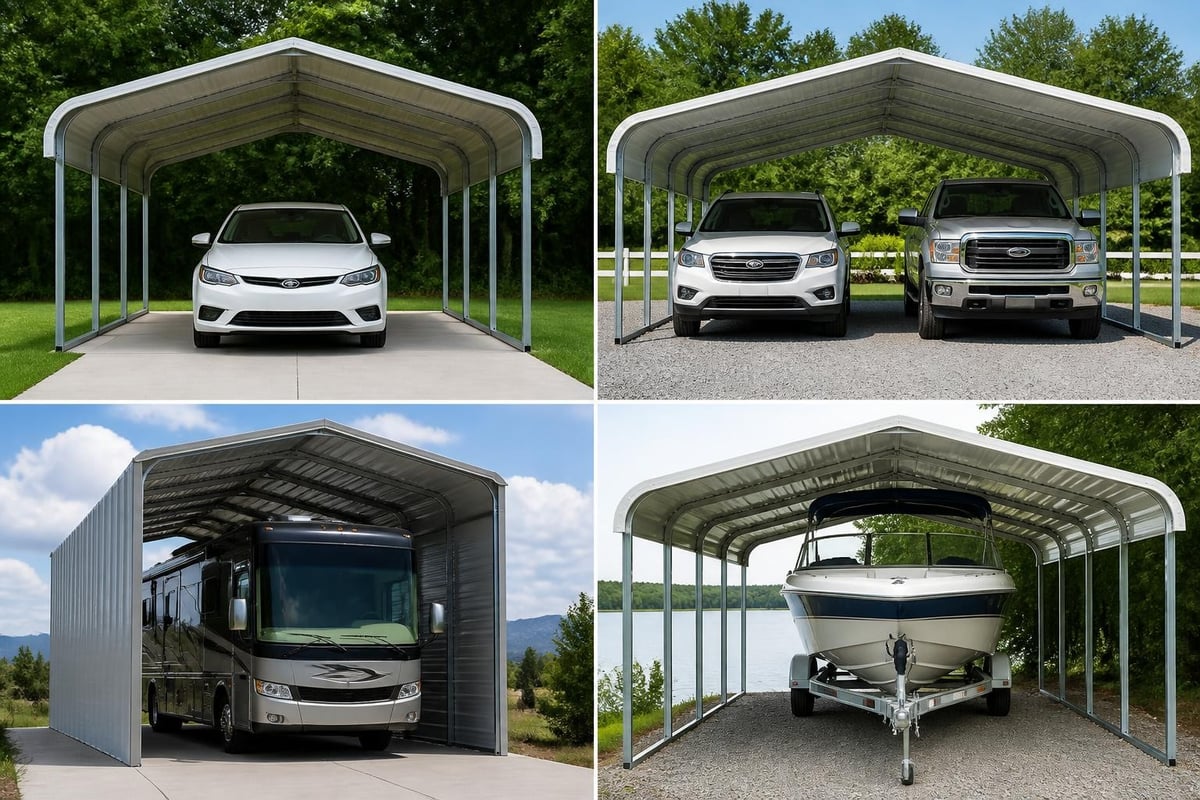
Proper sizing ensures your carport covers accommodate your vehicles while allowing comfortable clearance for entry, exit, and door operation.
Standard Vehicle Dimensions
Single-car carport covers typically measure 12 feet wide by 20 feet long, providing adequate space for compact cars and sedans. However, modern vehicles, especially trucks and SUVs, often benefit from 14-foot widths that accommodate wider mirrors and door swing.
Double carport configurations generally start at 18 feet wide, though 20 to 24-foot widths prevent the cramped feeling many owners experience with minimum sizing. Length considerations should account for vehicle overhang beyond typical parking positions, with 21 to 24 feet serving most needs comfortably.
Height Requirements
Standard carport covers offer 6 to 7-foot leg heights, sufficient for passenger vehicles but inadequate for lifted trucks, vans, or vehicles with roof racks. Many property owners opt for 8 to 10-foot heights to accommodate these taller vehicles and provide easier clearance during parking maneuvers.
For recreational vehicles, commercial vehicles, or boat storage, leg heights extending to 12, 14, or even 16 feet become necessary. These elevated structures require additional engineering and anchoring to maintain stability against wind loads.
Special Vehicle Accommodations
RV owners face unique challenges when selecting carport covers due to vehicle length, height, and width variations. Class A motorhomes may require structures extending 40 feet or longer with 14-foot heights. If you're searching for specialized coverage, professional TV mounting services can help integrate entertainment systems into your RV setup, complementing your investment in proper covered storage.
Boat storage presents similar challenges, with beam width often exceeding standard carport dimensions. Custom configurations addressing these specialized needs ensure proper protection without forcing compromises that leave portions of expensive equipment exposed.
Installation and Permitting Requirements
Understanding the installation process and regulatory requirements prevents costly mistakes and ensures your carport covers meet local standards.
Permit Considerations
Most jurisdictions require building permits for permanent carport structures, though requirements vary significantly by location. Research into permit requirements reveals that factors including structure size, attachment to existing buildings, and proximity to property lines influence whether permits are necessary.
Temporary or portable carport covers sometimes qualify for permit exemptions, particularly when they lack permanent foundations and can be removed without structural modification to the property. However, assuming exemption without verification risks fines and forced removal.
Site Preparation
Proper ground preparation ensures carport covers remain stable and level throughout their service life. Concrete slab foundations provide the most stable base, though they significantly increase project costs. Mobile home anchors, ground anchors, or rebar-reinforced concrete footings offer alternatives that balance stability with budget considerations.
Ground slope affects drainage and structural stability. Sites with excessive slope may require grading or specialized anchoring techniques that account for uneven loads and water flow patterns. Professional installers assess these factors during site surveys, recommending appropriate solutions for challenging terrain.
Professional vs. DIY Installation
While building a carport yourself is possible for experienced builders, professional installation offers significant advantages. Certified installers ensure proper anchoring, panel alignment, and trim installation that maximizes weather resistance and structural integrity.
Professional teams typically complete installations within one to two days, depending on structure size and complexity. This timeline includes anchor placement, frame assembly, panel installation, and final trim work. DIY projects often extend across multiple weekends and carry risks of improper installation that compromise long-term performance.
Customization Options for Enhanced Protection
Modern carport covers offer extensive customization possibilities that enhance functionality and appearance while addressing specific protection needs.
Enclosure Panels
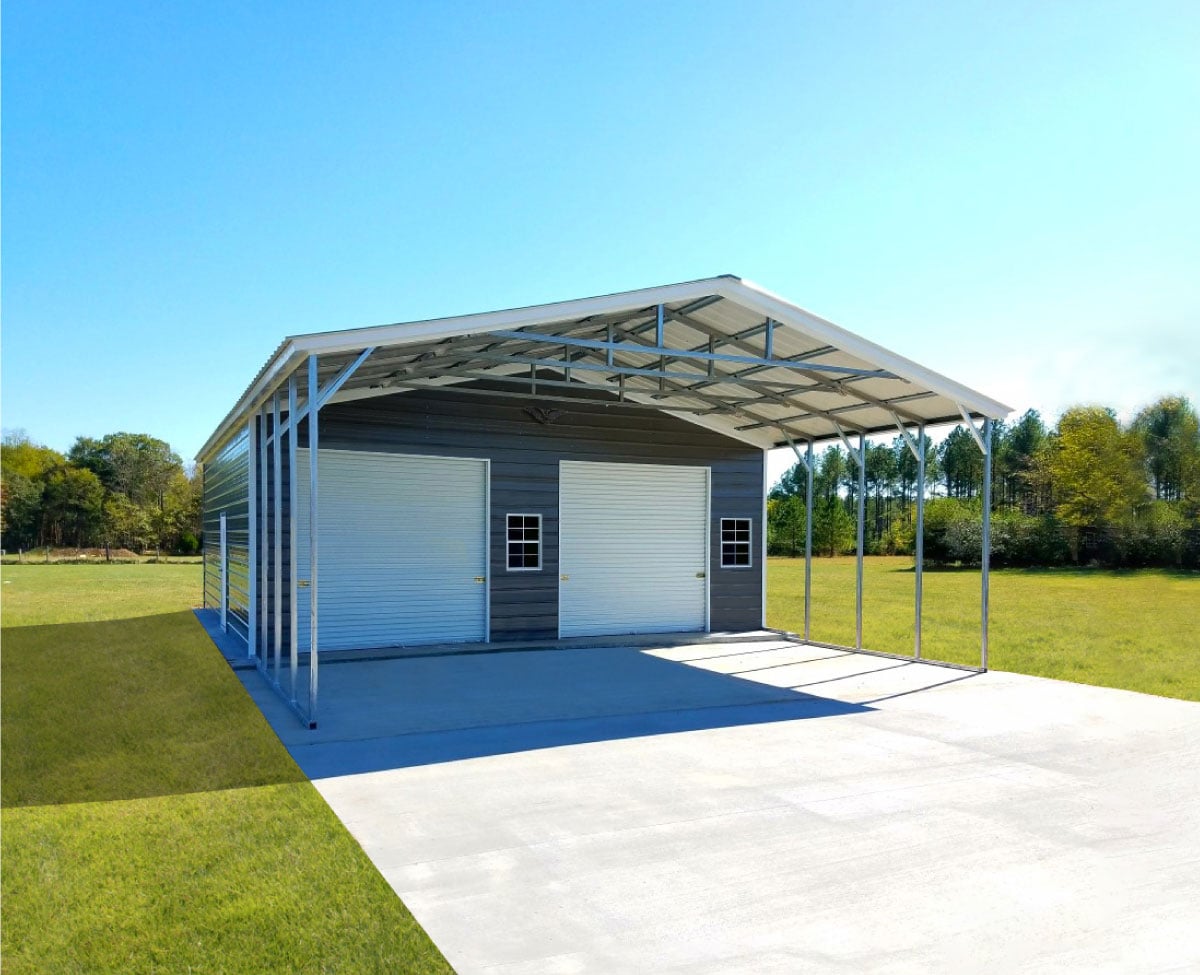
Adding side panels or gable ends transforms basic carport covers into semi-enclosed or fully enclosed structures. Side panels on prevailing wind directions significantly reduce weather intrusion while maintaining ventilation from open sides. Full enclosure with doors creates secure storage spaces comparable to traditional garages.
For property owners requiring both open parking and enclosed storage, Metal Carport Combo Units provide integrated solutions combining both features in a single structure. These hybrid designs maximize versatility without requiring separate buildings for different storage needs.
Insulation and Climate Control
Insulated roof panels and wall sections enable climate-controlled environments within enclosed carport structures. This customization proves valuable for workshop spaces, temperature-sensitive storage, or regions experiencing extreme temperature fluctuations. Reflective roof coatings reduce heat absorption, maintaining cooler temperatures during summer months without active cooling systems.
Gutters and Downspouts
Integrated gutter systems manage water runoff, directing it away from foundations and preventing erosion around anchor points. This seemingly minor addition significantly extends structure longevity while protecting surrounding landscapes from concentrated water flow. Downspouts positioned strategically can feed rain collection systems or direct water toward drainage swales.
Aesthetic Enhancements
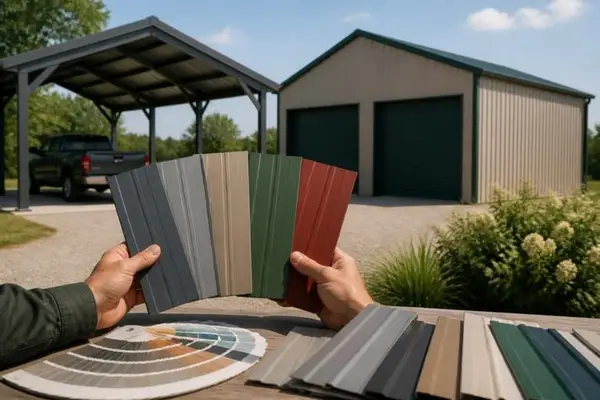
Color options allow carport covers to complement existing structures rather than appearing as afterthoughts. Most manufacturers offer a dozen or more standard colors, with custom matching available for premium pricing. Trim packages create finished appearances that enhance property values and neighborhood aesthetics.
Maintenance and Longevity Strategies
Proper maintenance maximizes the lifespan of carport covers while preserving their protective capabilities and appearance.
Regular Inspection Schedules
Quarterly inspections identify developing issues before they escalate into expensive repairs. Check for loose fasteners, panel damage, rust formation, and anchor stability during these reviews. Pay particular attention to areas where water accumulates or debris tends to collect, as these spots experience accelerated wear.
Essential inspection points include:
- Roof panel attachment points and overlap seams
- Anchor bolts and foundation connections
- Trim pieces and weather sealing components
- Paint or coating condition on metal surfaces
Cleaning Requirements
Metal carport covers require minimal cleaning beyond removing accumulated leaves, branches, and debris. Annual washing with mild detergent and water maintains appearance while allowing inspection of panel condition. Avoid pressure washers that might damage protective coatings or force water into sealed joints.
Fabric covers demand more frequent attention, with cleaning every few months preventing mildew growth and fabric degradation. Specialized fabric cleaners preserve UV-resistant coatings while removing dirt and organic stains that accelerate material breakdown.
Snow and Ice Management
In regions experiencing significant snowfall, proactive snow removal prevents excessive weight accumulation that might exceed design loads. Use soft-bristled brooms or roof rakes to remove snow before it compacts into ice. Never strike panels with hard tools that could dent or puncture protective surfaces.
For property owners in areas like Missouri or Iowa, where winter weather poses significant challenges, vertical roof designs minimize snow accumulation concerns through natural shedding.
Rust Prevention and Treatment
Despite galvanized coatings, metal carport covers may develop surface rust at cut edges or fastener penetrations. Address these spots promptly with wire brushing followed by rust-inhibiting primer and matching paint. This preventive maintenance stops corrosion progression that could compromise structural integrity over time.
Cost Considerations and Budget Planning
Understanding the financial aspects of carport covers helps property owners make informed decisions aligned with their budgets and protection needs.
Initial Investment Ranges
Basic portable carport covers with fabric roofing start around $300 to $800 for single-car sizes, offering economical temporary solutions. Mid-range metal carports with regular roof styles typically cost $1,200 to $3,000 for standard single-car configurations, while double-car versions range from $2,000 to $5,000.
Premium vertical roof systems with certified engineering for high wind and snow loads command $3,000 to $8,000 for single vehicles, with double-car and larger structures reaching $6,000 to $15,000 or more. Specialized configurations for RVs, boats, or commercial vehicles often exceed these ranges due to increased size and structural requirements.
| Carport Type | Size Range | Price Range | Best For |
|---|---|---|---|
| Fabric Portable | 10×20 – 12×20 | $300-$800 | Temporary, seasonal use |
| Metal Regular Roof | 12×20 – 18×20 | $1,200-$5,000 | Moderate climates, budget-conscious |
| Metal Boxed Eave | 12×20 – 24×30 | $2,000-$8,000 | Improved aesthetics, better drainage |
| Metal Vertical Roof | 12×20 – 24×40 | $3,000-$15,000+ | Heavy snow/wind areas, premium protection |
Long-term Value Analysis
When evaluating carport covers, consider the total cost of ownership rather than just initial purchase price. A $5,000 metal carport lasting 25 years costs $200 annually, while a $500 fabric cover requiring replacement every five years costs $100 annually but demands more frequent installation effort and provides inferior protection.
Quality carport covers protect vehicles worth tens of thousands of dollars from UV damage, weather deterioration, and environmental hazards. Research on carport effectiveness demonstrates that covered vehicles maintain higher resale values and require fewer repairs related to weather damage.
Financing and Installation Costs
Many suppliers offer financing options that spread costs across manageable monthly payments. Installation fees typically add $500 to $2,000 depending on structure size, site conditions, and regional labor rates. Some manufacturers include installation in quoted prices, simplifying budget planning.
Regional Considerations for Optimal Performance
Climate and local conditions significantly influence which carport cover specifications provide optimal protection and longevity.
High Wind Areas
Coastal regions and open plains experiencing frequent high winds require certified engineering and enhanced anchoring systems. Vertical roof carports handle wind loads more effectively than regular roofs, with certified models rated for sustained winds up to 140 mph and gusts beyond that threshold.
Ground anchor systems must account for soil composition, with sandy or loose soils requiring deeper or more numerous anchor points than dense clay or rocky substrates. States like Texas frequently experience severe weather requiring these enhanced specifications.
Heavy Snow Regions
Areas receiving significant annual snowfall benefit from steeper roof pitches and vertical panel orientation that promotes natural snow shedding. Snow load ratings should exceed typical accumulation by safety margins accounting for wet, heavy snow that weighs considerably more than powder.
Increased gauge thickness provides additional strength against snow weight and ice formation that might stress standard panels beyond their design limits. Property owners in Minnesota regularly specify these enhanced features.
Extreme Heat and Sun Exposure
Desert climates and southern regions with intense solar radiation benefit from reflective roof coatings that minimize heat absorption. Light colors like white, tan, or light gray reduce interior temperatures by 15 to 20 degrees compared to dark colors, protecting vehicles and stored items from heat damage.
UV-resistant panel coatings prevent chalking and color fading that degrades both appearance and protective qualities over extended exposure periods. Areas like California where year-round sun exposure is common particularly benefit from these specifications.
Moisture and Humidity Concerns
Regions with high humidity or frequent rainfall require careful attention to drainage and ventilation. Enclosed carport configurations need adequate airflow preventing moisture accumulation that promotes rust, mildew, and corrosion. Gutter systems become essential rather than optional in these environments.
Coastal areas face additional challenges from salt air accelerating corrosion on metal components. Enhanced protective coatings and more frequent maintenance schedules help carport covers withstand these aggressive conditions.
Comparing Carport Covers to Alternative Protection Methods
Understanding how carport covers stack up against other vehicle protection options helps property owners select the right solution for their circumstances. Just as homeowners carefully protect valuable investments like properties through expert guidance from professionals such as real estate specialist Steven Cirillo, protecting vehicles through appropriate coverage makes financial sense.
Traditional Garages
Fully enclosed garages provide superior security and weather protection compared to open carport covers, but at significantly higher costs. Construction expenses for attached garages typically range from $15,000 to $40,000, while detached garages start around $20,000 and climb rapidly with size and features.
Garages require more extensive permitting, foundation work, and construction timelines extending weeks or months rather than days. For property owners needing quick installation or working with limited budgets, carport covers deliver substantial protection at fraction of garage costs.
Portable Car Covers
Individual vehicle covers offer minimal protection from dust and light precipitation but fail against wind, heavy rain, or snow. They require repeated installation and removal, often sustaining damage during application. Cover costs range from $50 to $300 per vehicle, but frequent replacement needs and labor demands make them impractical for daily use.
Open Air Parking
Leaving vehicles completely exposed accelerates paint fading, interior degradation, and mechanical component wear from temperature extremes. Studies indicate that covered vehicles maintain resale values 10 to 15 percent higher than equivalent uncovered vehicles after five years, easily justifying carport cover investments.
For example, property owners who value quality accommodations, such as those seeking premium rental properties near Wimbledon during tennis season, similarly appreciate the importance of protecting valuable assets through appropriate coverage solutions.
Selecting the Right Supplier and Installation Partner
The quality of your carport covers and their installation directly impacts long-term satisfaction and performance, making supplier selection critical.
Evaluating Manufacturer Credentials
Reputable manufacturers provide detailed specifications including gauge thickness, wind ratings, snow load capacities, and warranty coverage. Look for companies offering certified engineering stamps for structures in your region, ensuring compliance with local building codes.
Material certifications from recognized testing organizations verify that panels, fasteners, and structural components meet industry standards. Galvanization certifications confirm proper coating application that maximizes corrosion resistance.
Understanding Warranty Coverage
Comprehensive warranties cover structural components, roof panels, and workmanship for extended periods. Premium manufacturers offer 20-year warranties on structural frames and 15-year coverage on roof panels, demonstrating confidence in their products' longevity.
Warranty terms should clearly specify what's covered, exclusion conditions, and claim processes. Be wary of warranties requiring specific maintenance procedures or limiting coverage based on environmental conditions common to your region.
Installation Quality Factors
Professional installation teams should carry proper licensing, insurance, and bonding protecting property owners from liability during construction. Request references from recent customers in your area, verifying installation quality and customer service responsiveness.
Experienced installers assess site conditions, recommend appropriate anchoring methods, and complete work according to manufacturer specifications ensuring warranty validity. They navigate permit processes and coordinate required inspections, simplifying the project management burden.
Customization Capabilities
Leading suppliers offer extensive customization options addressing specific needs beyond standard configurations. Comprehensive buying guides help customers understand available options and make informed selections aligned with their requirements.
The ability to modify dimensions, add enclosure panels, incorporate gutters, or specify enhanced structural ratings ensures your carport covers precisely match your needs rather than forcing compromises with standard models.
Carport covers deliver essential vehicle protection while offering flexibility, affordability, and quick installation that traditional garages cannot match. By carefully considering materials, roof styles, sizing, and regional requirements, property owners make informed decisions that maximize both protection and value. Whether you need basic coverage for a single vehicle or a comprehensive solution for multiple cars, RVs, or equipment, Metal Structure Sales LLC provides customizable metal carport covers with professional installation included, ensuring your investment delivers decades of reliable protection tailored to your specific needs.