

Protecting your vehicles from weather damage doesn't require a massive construction project or a sky-high budget. Carport kits have revolutionized how property owners approach vehicle protection, offering affordable, customizable solutions that arrive ready for installation. These pre-engineered systems combine quality materials with thoughtful design, delivering professional results without the complexity of traditional construction methods. Whether you're safeguarding a daily driver, recreational vehicle, or farm equipment, understanding the landscape of carport kits helps you make informed decisions that protect your investments for decades to come.
Understanding Modern Carport Kit Construction
The carport kit industry has evolved significantly over the past decade, with manufacturers developing sophisticated systems that balance durability with ease of assembly. Today's kits incorporate engineering advances that weren't available even five years ago, resulting in structures that withstand extreme weather while maintaining aesthetic appeal.
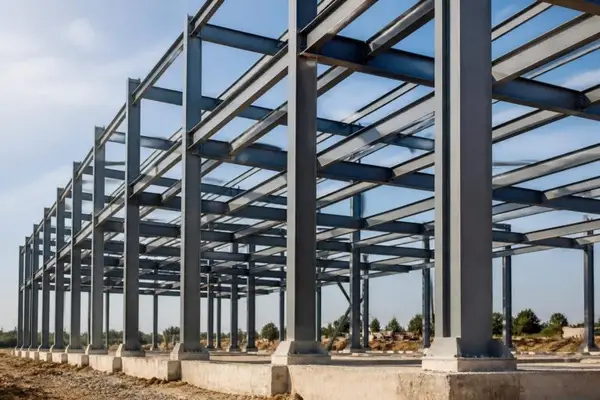
Metal has emerged as the dominant material choice for carport kits, primarily due to its strength-to-weight ratio and longevity. Steel framing systems provide structural integrity that wooden alternatives struggle to match, particularly in regions experiencing high winds or heavy snow loads. The gauge of steel used in these kits typically ranges from 12 to 14 gauge for primary framing members, with lighter gauge sheeting for roofing and side panels.
Material Specifications and Quality Indicators
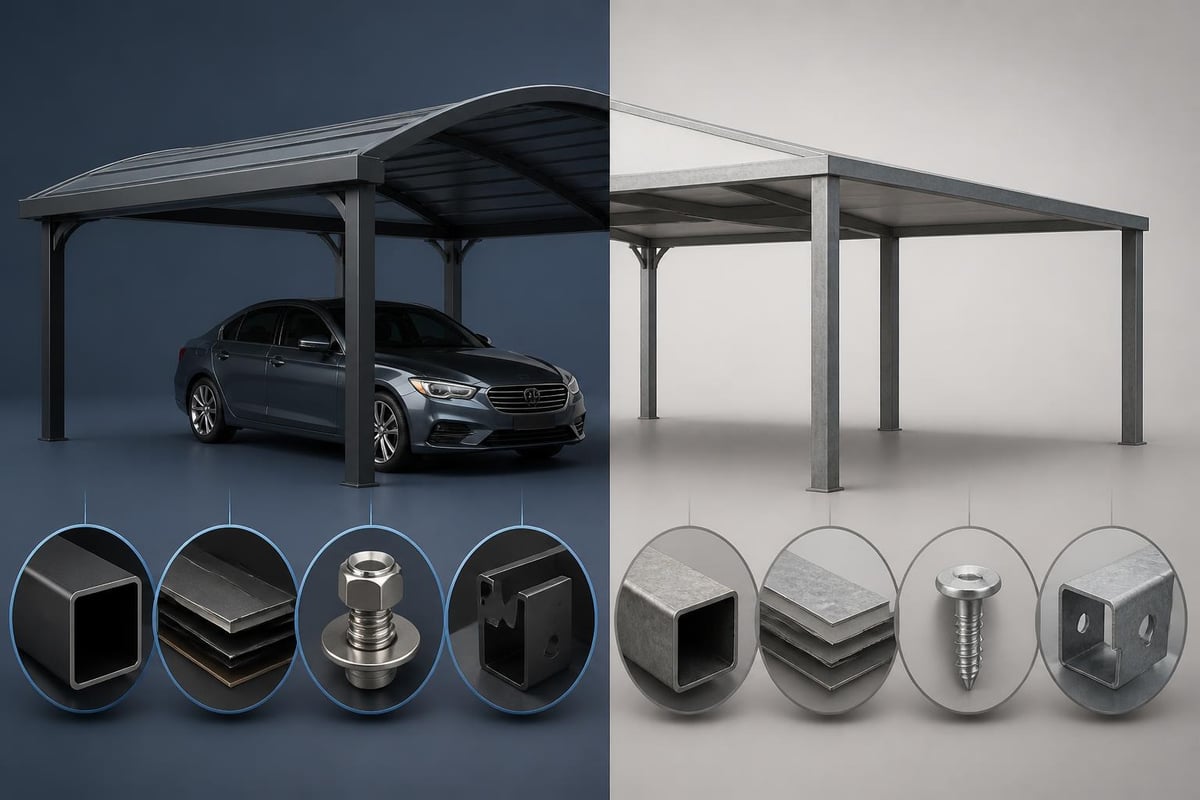
When evaluating different carport kits, several material characteristics separate premium options from budget alternatives:
- Frame gauge thickness: Higher quality kits use 12-gauge steel tubing for main supports
- Roof panel material: 29-gauge or 26-gauge steel panels offer superior weather resistance
- Coating systems: Galvanized steel with powder-coat finishes prevent rust for 20+ years
- Fastener quality: Stainless steel or coated fasteners eliminate weak points in the structure
- Foundation anchors: Heavy-duty anchoring systems ensure stability in all conditions
The manufacturing process significantly impacts kit quality. Precision-cut components with pre-drilled holes simplify assembly and ensure proper fit. Premium manufacturers utilize computer-controlled cutting equipment that maintains tolerances within fractions of an inch, whereas lower-tier producers may rely on less precise methods that complicate installation.
Sizing and Configuration Options
Selecting appropriate dimensions for your carport kit requires careful consideration of both current needs and future requirements. Standard carport widths typically start at 12 feet for single-vehicle coverage and extend to 24 feet for double-wide configurations. Length options usually range from 20 to 40 feet, though custom dimensions accommodate unique situations.
Vehicle clearance represents a critical specification often overlooked during initial planning. Standard passenger vehicles require minimum clearances of 7-8 feet, but RVs, boats, and commercial vehicles demand significantly more overhead space. Many property owners who initially install standard-height carports later regret not investing in additional leg height when their vehicle needs change.
| Vehicle Type | Recommended Width | Recommended Length | Minimum Height |
|---|---|---|---|
| Compact Car | 12-14 ft | 20-22 ft | 7-8 ft |
| Full-Size Truck | 14-16 ft | 22-24 ft | 8-9 ft |
| RV/Motorhome | 16-20 ft | 30-40 ft | 12-14 ft |
| Boat with Trailer | 14-18 ft | 25-35 ft | 10-12 ft |
Metal Building Source offers detailed information on carport kits suitable for both residential and commercial applications, emphasizing the importance of proper sizing before purchase.
Roof Style Variations
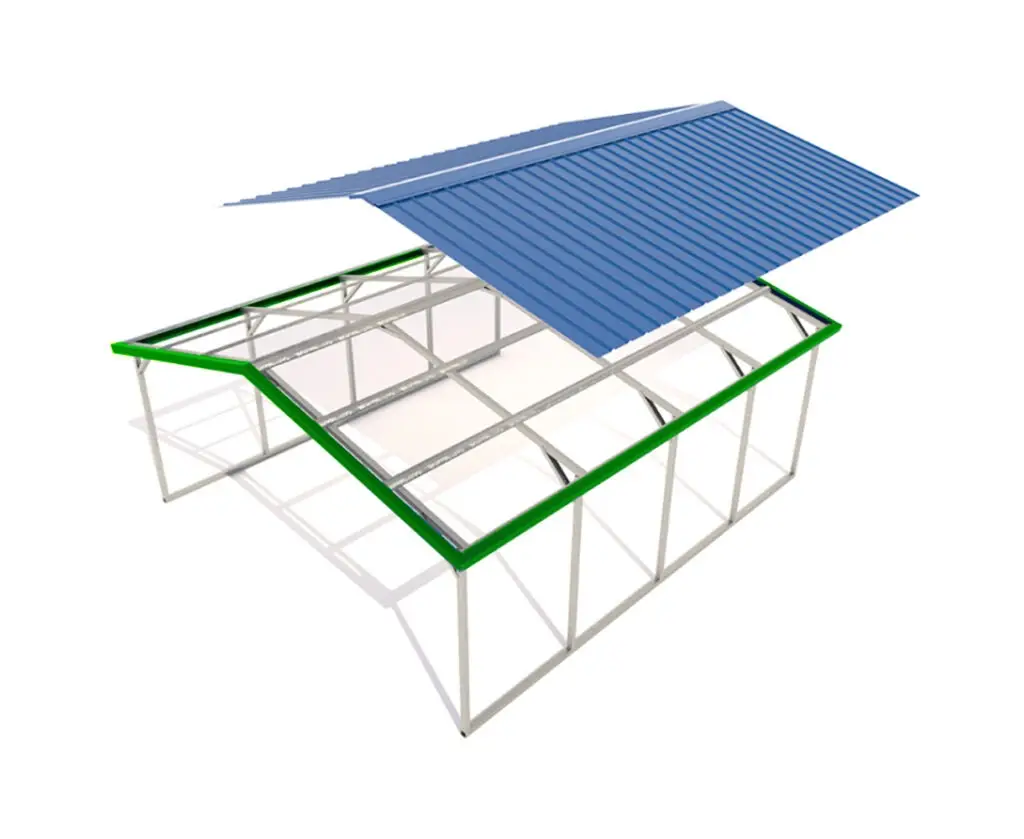
Carport kits accommodate three primary roof configurations, each offering distinct advantages. Regular roof styles feature rounded corners and horizontal roof panels, representing the most economical option for basic protection needs. Box-eave roofs incorporate an A-frame design with horizontal paneling, providing improved water drainage and a more traditional appearance.
Vertical roof carports utilize panels installed vertically along the roof slope, allowing rain, snow, and debris to slide off efficiently. This configuration proves essential in regions experiencing significant snowfall or heavy rain, as the vertical orientation prevents accumulation that could stress the structure. The vertical roof design commands a premium price but delivers superior longevity in challenging climates.
Installation Methods and Timelines
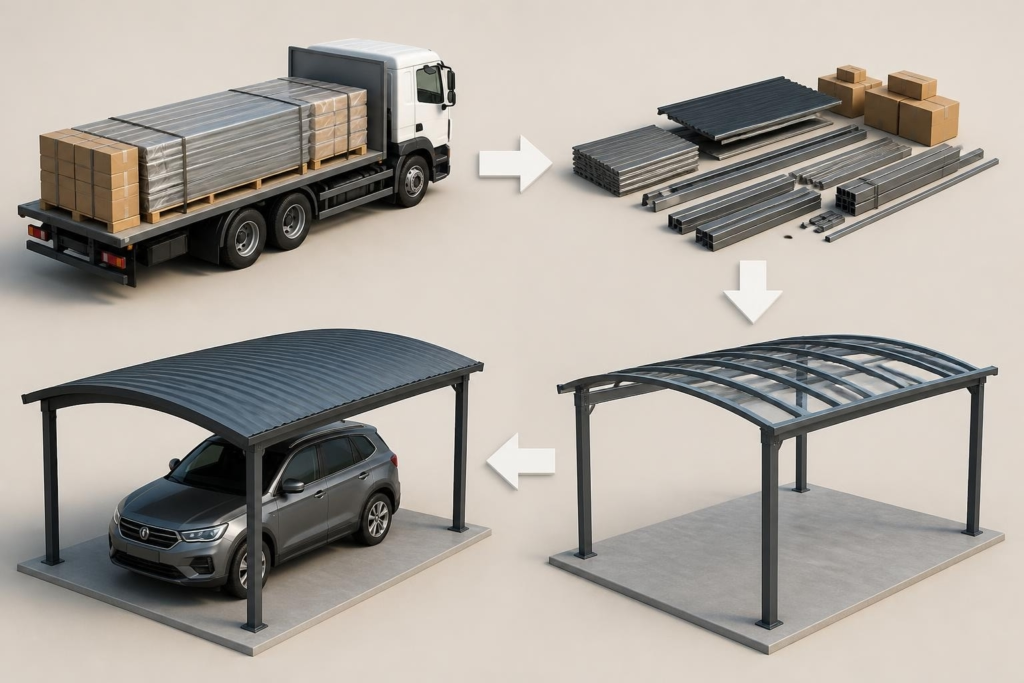
One of the primary advantages of carport kits involves their relatively straightforward installation process compared to traditional construction. Most kits arrive with comprehensive instructions, pre-labeled components, and all necessary hardware. The installation timeline varies based on structure size, site preparation requirements, and whether you opt for professional installation or DIY assembly.
Professional installation services typically complete standard carport kit assembly within one to three days, depending on complexity and site conditions. This timeline includes foundation preparation, frame assembly, roof panel installation, and final anchoring. DIY installations generally require longer timeframes, with most weekend builders completing projects over two to four weekends.
Site Preparation Requirements
Proper site preparation determines the long-term performance and stability of your carport. The installation area must be level, well-drained, and cleared of vegetation and debris. Ground conditions dictate foundation requirements, with options including concrete pads, gravel beds, or ground anchors.
Concrete slab foundations provide the most stable and permanent base for carport kits. A 4-inch thick concrete pad with proper reinforcement supports the structure while creating a clean, usable surface beneath the carport. This option requires professional concrete work and represents the highest upfront cost, but eliminates future settling or shifting concerns.
Ground anchor systems offer a more economical alternative for properties with stable soil conditions. These installations utilize heavy-duty earth anchors or concrete footings at each leg position, securing the structure without requiring a full concrete pad. Ground anchors work well for temporary installations or locations where full concrete pads aren't practical.
When planning your installation, consider accessing detailed assembly instructions that outline the specific requirements for DIY carport kit projects.
Customization and Enhancement Options
Modern carport kits support extensive customization that transforms basic vehicle coverage into functional outdoor structures tailored to specific needs. Manufacturers offer numerous add-ons and modifications that enhance utility, appearance, and weather protection beyond standard configurations.
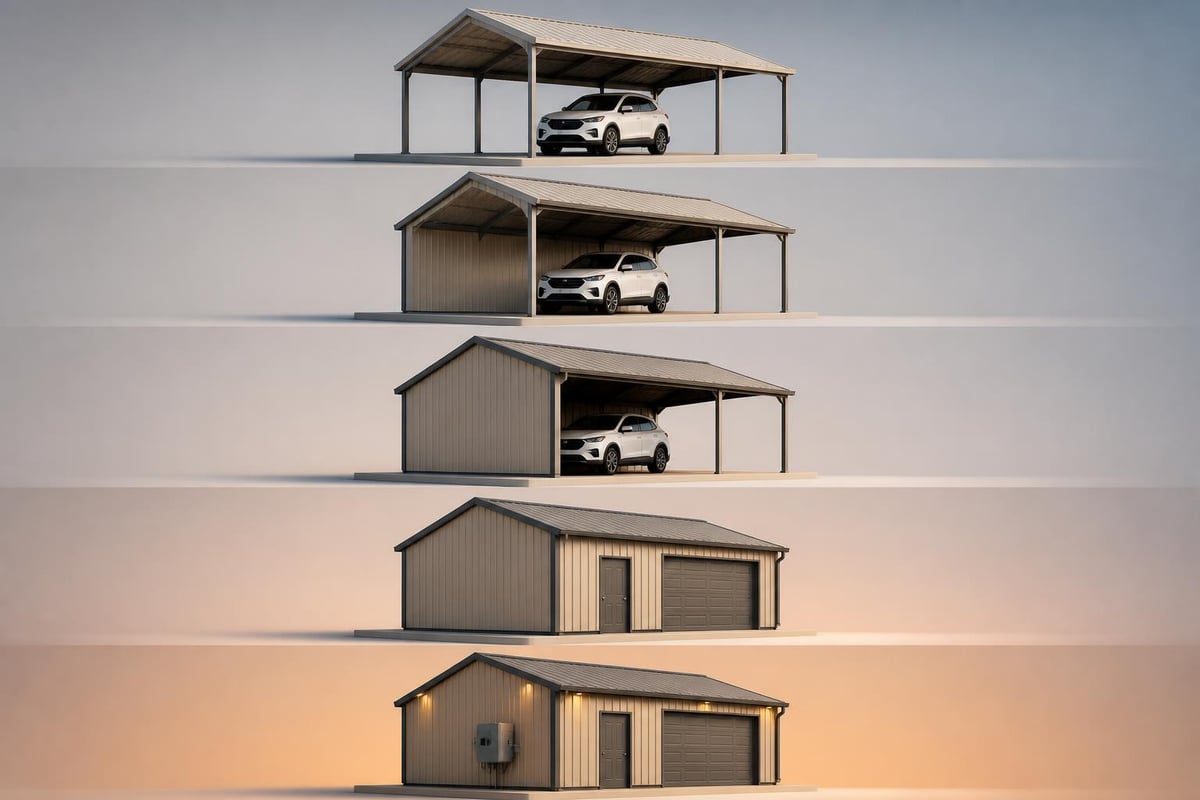
Enclosed sides convert open carports into semi-enclosed or fully enclosed garages, providing additional security and weather protection. Side panels can be added to one, two, or all three open sides, with options for walk-in doors, garage doors, and windows. This flexibility allows property owners to start with a basic carport and incrementally add enclosure elements as budgets and needs evolve.
Gable ends create a finished appearance while providing additional weather protection at the structure's front and back. These triangular end sections prevent wind-driven rain from entering the carport and can incorporate doors or windows for enhanced functionality. Extended gables project beyond the main structure, creating covered entry areas or additional storage space.
- Gutters and downspouts: Direct water away from foundation and prevent erosion
- Insulation packages: Regulate temperature in enclosed configurations
- Electrical systems: Enable lighting, power outlets, and climate control
- Trim and wainscoting: Enhance appearance and protect lower wall sections
- Certification upgrades: Engineered stamping for areas with strict building codes
Cost Considerations and Budget Planning
Carport kit pricing varies significantly based on size, materials, customization level, and regional factors. Understanding the cost breakdown helps property owners budget appropriately and identify where investment delivers the greatest value. In 2026, basic single-car carport kits typically start around $1,200-$2,000 for economy models, while premium double-wide configurations with vertical roofs and extensive customization can exceed $8,000-$12,000.
Material quality substantially impacts both initial cost and long-term value. Economy kits using lighter gauge steel and thinner roof panels cost 20-30% less than premium alternatives, but may require replacement or significant maintenance within 10-15 years. Premium carport kits constructed with heavier gauge materials and superior coating systems often provide 25-30 years of service with minimal maintenance, making them more cost-effective over their lifespan.
Installation Cost Factors
Professional installation adds $500-$3,000 to total project costs depending on structure size, site conditions, and regional labor rates. This expense includes site preparation, assembly, anchoring, and typically some form of installation warranty. While DIY installation eliminates these labor costs, it requires appropriate tools, skills, and time investment that some property owners find challenging.
Foundation preparation represents another significant cost variable. Simple ground anchor installations may add only $200-$400 to the project, while full concrete pad foundations can contribute $1,500-$4,000 or more depending on size and site conditions. The foundation choice should align with soil conditions, local building codes, and intended structure permanence.
| Cost Component | Economy Range | Premium Range |
|---|---|---|
| Base Kit (12×20) | $1,200-$1,800 | $2,500-$4,000 |
| Base Kit (20×30) | $2,500-$4,000 | $5,500-$8,500 |
| Professional Install | $500-$1,200 | $1,500-$3,000 |
| Concrete Foundation | $1,200-$2,500 | $2,500-$5,000 |
| Customization Add-ons | $300-$1,500 | $1,500-$4,000 |
For properties requiring larger coverage areas or specialized configurations, Metal Carport solutions provide customizable options with delivery and installation included in transparent pricing. This approach eliminates surprise costs and simplifies budget planning for significant protection investments.
Permitting and Code Compliance
Building permit requirements for carport kits vary dramatically by location, with some jurisdictions requiring full permits and inspections while others exempt small structures from formal approval processes. Research local building codes early in your planning process to avoid delays, fines, or forced removal of non-compliant structures.
Most municipalities establish size thresholds below which permits aren't required for accessory structures. These limits commonly fall between 120-200 square feet, meaning many single-car carports install without formal permits. However, exceeding these thresholds, adding electrical service, or constructing near property lines typically triggers permit requirements regardless of structure type.
Engineering Certification Requirements
Certain regions mandate engineered drawings and certification for metal structures, particularly in areas prone to hurricanes, earthquakes, or heavy snow loads. Engineering certification adds $300-$800 to project costs but ensures the structure meets local wind and snow load requirements. Many carport kit manufacturers offer certified drawings for specific locations, streamlining the approval process.
Setback requirements dictate how close structures can be built to property lines, roads, and existing buildings. Standard residential setbacks often require 5-10 feet from side and rear property lines, though specific regulations vary. Violating setback requirements can result in forced structure removal, making advance verification essential.
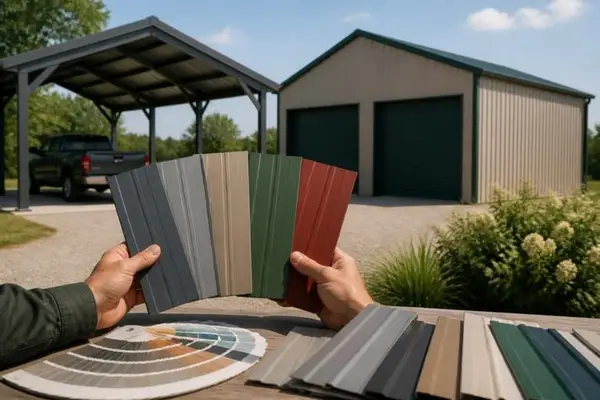
Homeowner association (HOA) approvals represent another regulatory layer in many communities. HOAs frequently maintain strict aesthetic guidelines regarding structure appearance, materials, and colors. Submit detailed plans including color samples, dimensions, and placement diagrams to architectural review committees well before ordering your carport kit to avoid conflicts.
Maintenance and Longevity
Proper maintenance significantly extends carport kit lifespan while preserving appearance and functionality. Metal structures require far less ongoing maintenance than wood alternatives, but regular attention to specific areas prevents small issues from becoming major problems. Most quality carport kits deliver 20-30 years of service with appropriate care.
Annual inspections should examine several critical areas:
- Fastener tightness: Check all bolts and screws annually, tightening as needed
- Panel condition: Look for scratches, dents, or coating damage requiring touch-up
- Drainage systems: Clean gutters and ensure proper water flow away from structure
- Foundation stability: Verify anchors remain secure and concrete shows no cracking
- Sealant integrity: Inspect and refresh caulking around panels and trim
Coating damage from impacts, scratches, or normal wear should be addressed promptly to prevent rust formation. Most manufacturers offer touch-up paint matching their standard color options, allowing quick repairs that maintain corrosion protection. Areas where bare metal becomes exposed should be treated with rust-inhibiting primer before applying finish coats.
Snow and ice accumulation requires attention in regions experiencing winter weather. While vertical roof carports shed snow effectively, regular and box-eave designs may accumulate heavy loads during extended cold periods. Safely removing excessive snow prevents structural stress and potential damage. Understanding common carport questions helps property owners maintain their structures through various weather conditions.
Comparing Carport Kits to Alternative Solutions
Property owners evaluating vehicle protection options often compare carport kits against traditional garages, pole barns, and fabric structures. Each approach offers distinct advantages and limitations that align differently with various budgets, timelines, and protection requirements.
Traditional stick-built garages provide maximum security and weather protection but require significantly higher investment and longer construction timelines. A basic single-car garage typically costs $15,000-$30,000 and takes weeks or months to complete, compared to carport kits that install in days at a fraction of the cost. Garages make sense when security concerns outweigh budget considerations or when properties benefit from increased resale value.
Pole barn structures offer middle-ground pricing between carport kits and traditional garages, with costs typically ranging from $8,000-$20,000 for comparable sizes. These buildings require more extensive site preparation and longer installation times than carport kits but provide fully enclosed protection. Pole barns work well for large equipment storage or multi-purpose agricultural applications.
Fabric carport structures present the most economical option, with costs starting around $500-$1,500 for basic models. However, these temporary solutions typically last only 5-10 years before fabric replacement becomes necessary. Wind damage, UV degradation, and limited snow load capacity make fabric carports suitable primarily for temporary protection or extremely mild climates.
| Solution Type | Initial Cost | Lifespan | Installation Time | Weather Resistance |
|---|---|---|---|---|
| Metal Carport Kit | $1,200-$8,000 | 20-30 years | 1-7 days | Excellent |
| Traditional Garage | $15,000-$40,000 | 30+ years | 4-12 weeks | Superior |
| Pole Barn | $8,000-$25,000 | 20-40 years | 2-6 weeks | Excellent |
| Fabric Carport | $500-$2,000 | 5-10 years | 1-2 days | Poor-Fair |
Regional Considerations and Climate Adaptation
Geographic location substantially influences appropriate carport kit specifications, with regional weather patterns dictating necessary structural features and material choices. Understanding how climate factors affect carport performance helps buyers select configurations that deliver reliable protection in their specific environment.
Northern regions experiencing heavy snowfall require vertical roof designs and reinforced framing to handle snow load requirements. Building codes in snow-prone areas typically mandate structures withstand 20-40 pounds per square foot of snow load, with higher requirements in mountain regions. Vertical roof orientations prevent dangerous accumulation by shedding snow continuously rather than retaining weight on horizontal surfaces.
Coastal and hurricane-prone regions demand enhanced wind resistance through heavier anchoring systems and engineered certification. Wind speeds exceeding 100 mph create tremendous uplift forces that can destroy inadequately secured structures. SteelMaster carport designs emphasize durability specifications appropriate for challenging environmental conditions.
Desert climates with intense sun exposure benefit from specialized coating systems that resist UV degradation and thermal expansion. Temperature swings exceeding 40-50 degrees between day and night stress metal components through repeated expansion and contraction cycles. Premium paint systems and thermal breaks minimize these effects, extending structure lifespan in extreme heat.
Areas with high humidity and frequent rain prioritize corrosion-resistant materials and effective drainage systems. Galvanized steel with quality powder-coat finishes prevents rust formation even in persistently damp conditions. Properly designed gutter systems and adequate ground slope ensure water moves away from the structure rather than pooling around foundation points.
Making the Final Purchase Decision
Selecting the right carport kit involves balancing immediate needs against future requirements while working within budget constraints. Successful buyers approach the decision methodically, evaluating multiple factors before committing to specific configurations. Several key questions guide this process toward optimal outcomes.
What will you store under the carport? Current vehicle dimensions represent just one consideration. Account for potential future vehicles, seasonal equipment storage, and possible workspace needs. Adding an extra 2-4 feet in width and length costs relatively little during initial purchase but provides invaluable flexibility later.
How long do you plan to occupy the property? Temporary residency may justify economy options, while long-term ownership warrants premium materials and comprehensive customization. Consider whether the carport might eventually require enclosure, electrical service, or expansion as needs evolve.
What are your local weather challenges? Match carport specifications to environmental realities rather than selecting based solely on appearance or price. Undersized or inadequately engineered structures fail prematurely in challenging climates, ultimately costing more than appropriate solutions purchased initially.
Do you have installation capabilities? Honestly assess whether DIY installation aligns with your skills, tools, and available time. Professional installation eliminates assembly stress and typically includes workmanship warranties that protect your investment. For detailed specifications on quality kits, review 20×20 carport specifications from established manufacturers.
Requesting quotes from multiple suppliers helps identify competitive pricing and reveals which companies provide comprehensive support throughout the purchase and installation process. Detailed quotes should specify all included components, installation services, warranty terms, and delivery timelines to enable accurate comparisons.
Selecting appropriate carport kits requires understanding how materials, dimensions, and customization options align with your specific protection needs and environmental conditions. Quality metal structures deliver decades of reliable service when properly specified and installed, making them sound investments for vehicle and equipment protection. Metal Structure Sales LLC specializes in customizable metal carports designed for durability and delivered with professional installation included, helping property owners protect their valuable assets with confidence. Their experienced team guides customers through the selection process, ensuring every structure meets both immediate requirements and long-term expectations.