

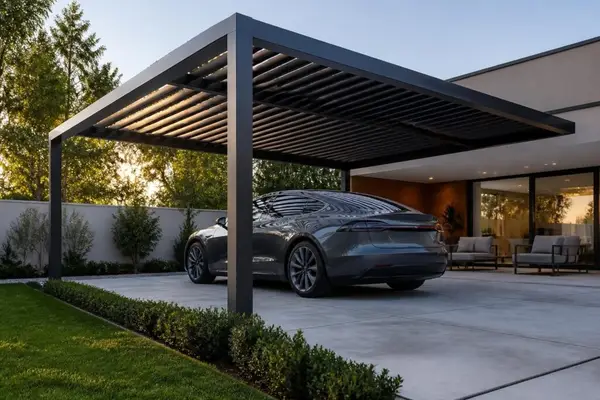
A carport represents one of the most practical investments property owners can make to protect their vehicles and enhance their outdoor space. Unlike traditional garages that require extensive construction and significant financial commitment, carports offer a flexible, cost-effective alternative that shields vehicles from harsh weather conditions while maintaining accessibility and visual openness. As weather patterns become increasingly unpredictable in 2026, the demand for reliable vehicle protection continues to grow across residential and commercial properties throughout the United States.
Understanding Carport Fundamentals and Their Value Proposition
The fundamental concept behind any carport centers on providing overhead protection without the enclosed walls typical of conventional garages. This open-sided structure creates a covered parking area that safeguards vehicles from rain, snow, hail, and intense sunlight. The design flexibility inherent in carports allows property owners to customize dimensions, roof styles, and materials to match their specific requirements and aesthetic preferences.
Property value considerations make carports particularly attractive for homeowners planning future sales. Real estate experts consistently note that covered parking solutions increase curb appeal and provide tangible benefits that prospective buyers appreciate. The structure demonstrates property care while offering immediate functional value that sets listings apart in competitive markets.
Material Considerations for Long-Term Performance
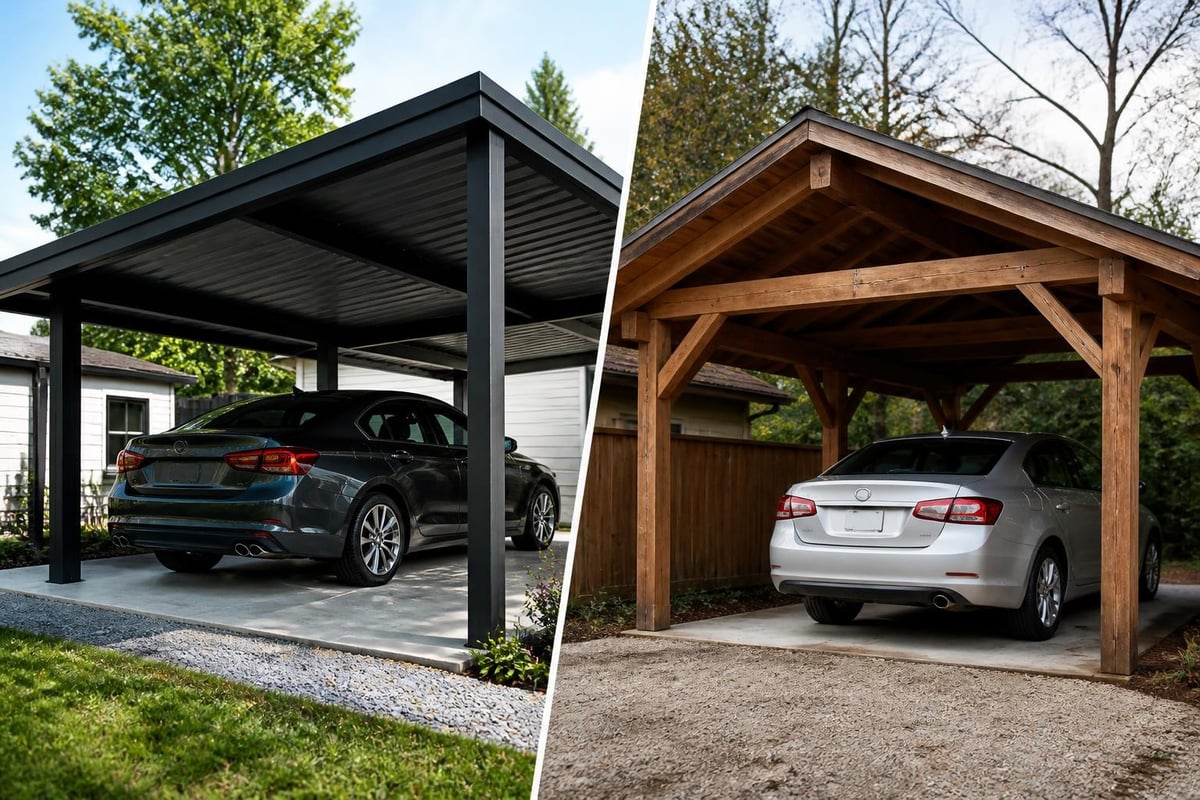
When evaluating carport construction, material selection directly impacts durability, maintenance requirements, and overall cost-effectiveness. Traditional wood carports offer natural aesthetics but demand regular maintenance including staining, sealing, and potential wood replacement over time. Wood structures also face vulnerability to termites, rot, and weather-related deterioration that can compromise structural integrity.
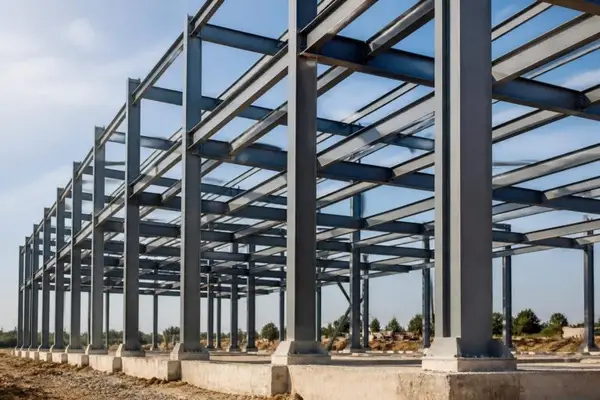
Metal carports have emerged as the preferred choice for property owners seeking maximum durability with minimal maintenance. Steel and aluminum options resist common deterioration factors while providing superior strength-to-weight ratios. These materials withstand extreme weather conditions without warping, cracking, or requiring the constant upkeep associated with wood alternatives.
Key advantages of metal construction include:
- Resistance to fire, pests, and rot
- Minimal maintenance requirements over decades
- Superior structural strength in wind and snow loads
- Recyclability and environmental sustainability
- Factory-precision manufacturing for consistent quality
Design Trends Shaping Modern Carport Installations
The carport design landscape has evolved significantly beyond basic utilitarian structures. Contemporary property owners seek solutions that complement architectural styles while maximizing functionality. This shift reflects broader trends toward outdoor living spaces that seamlessly integrate with overall property design.
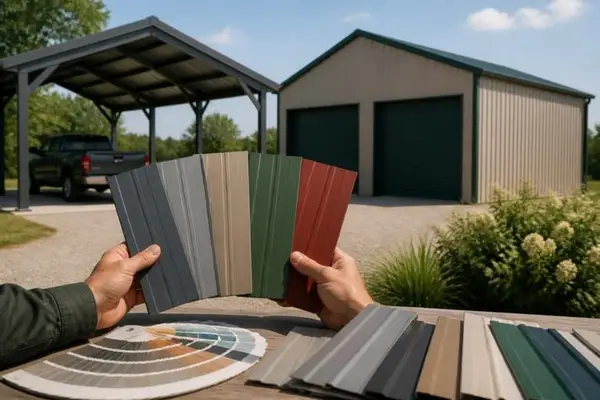
Minimalist aesthetics dominate current preferences, with clean lines and uncluttered profiles replacing ornate detailing. This approach aligns with modern residential architecture while ensuring structures remain visually unobtrusive. The focus on simplicity extends to color palettes, with neutral tones like gray, white, and beige maintaining popularity alongside bolder choices that create architectural statements.
Roof Style Options and Their Practical Implications
Roof configuration represents one of the most critical design decisions in carport planning. Each style offers distinct advantages regarding water drainage, snow load capacity, and visual appeal. Understanding these differences enables informed decisions that balance aesthetics with regional climate requirements.
| Roof Style | Water Drainage | Snow Load Capacity | Visual Profile | Best Applications |
|---|---|---|---|---|
| Flat Roof | Moderate | Lower | Minimalist | Dry climates, modern architecture |
| Gable Roof | Excellent | High | Traditional | High precipitation areas |
| Vertical Roof | Superior | Maximum | Contemporary | Severe weather regions |
| Hip Roof | Excellent | High | Classic | Wind-prone locations |
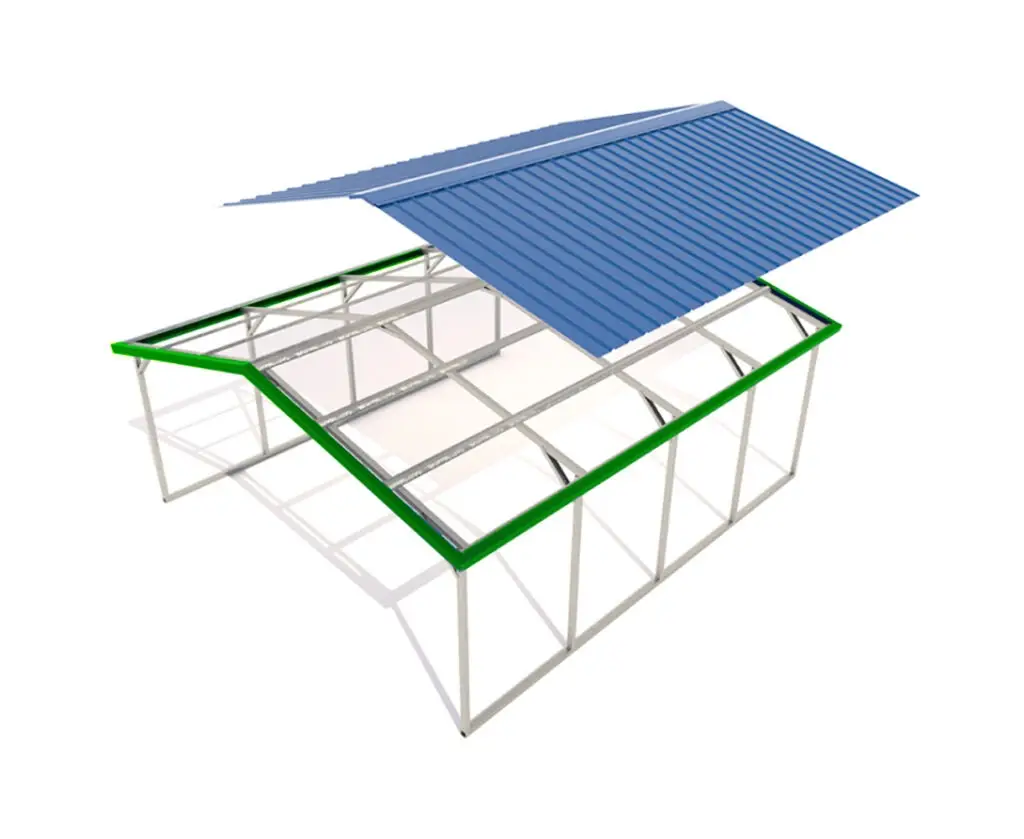
The vertical roof style has gained particular traction in regions experiencing heavy snowfall or intense rainfall. This configuration allows precipitation to slide off immediately rather than accumulating on the surface. The design reduces maintenance concerns while extending structural lifespan through decreased stress on support components.
For property owners exploring steel building options, vertical roof carports provide the optimal combination of weather protection and architectural appeal. This style particularly benefits areas where ice accumulation poses risks to both vehicles and structure integrity.
Customization Options That Enhance Functionality
Beyond basic shelter, modern carports accommodate diverse needs through strategic customization. Height adjustments represent the most common modification, particularly for owners of recreational vehicles, boats, or commercial equipment. Standard clearance typically ranges from eight to ten feet, but extensions reaching sixteen feet enable protection for substantially taller assets.
Enclosure Additions for Multi-Purpose Spaces
Partial or full enclosure transforms basic carports into versatile structures serving multiple functions. Side panels block wind-driven rain while maintaining the open accessibility that defines carport convenience. These additions prove especially valuable in regions experiencing frequent storms or extreme temperature fluctuations.
Popular enclosure configurations include:
- Single-side panel blocking prevailing winds
- End-wall installation creating workshop areas
- Full enclosure converting to secured storage
- Combination designs mixing open and closed sections
For comprehensive protection needs, fully enclosed metal buildings offer the ultimate solution. These structures provide complete environmental control while maintaining the customization flexibility inherent in quality metal construction.
Width considerations become increasingly important for properties housing multiple vehicles or requiring workspace alongside parking areas. Standard single-car widths start at twelve feet, while double-car configurations typically span twenty to twenty-four feet. Properties with specialized needs can explore wider options that accommodate RVs, boats, or commercial vehicles comfortably.
Installation Considerations and Timeline Expectations
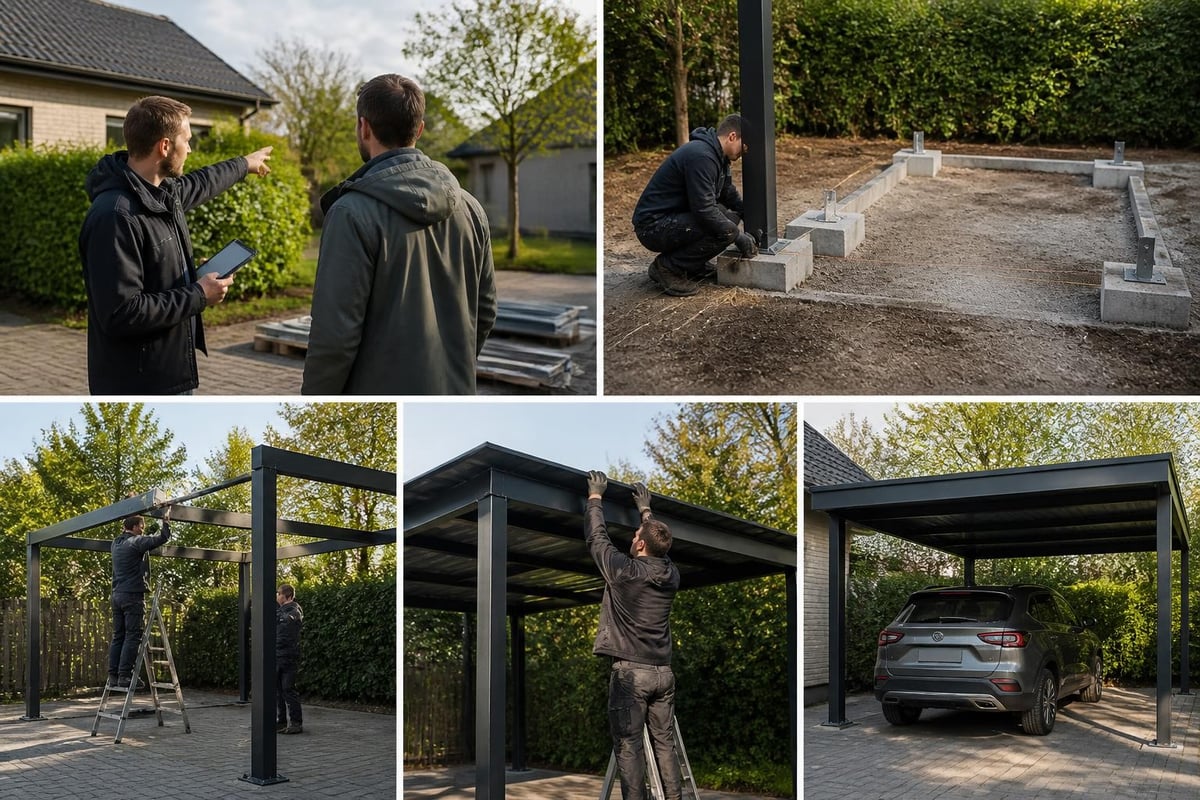
Professional installation ensures structural integrity while adhering to local building codes and permitting requirements. The process begins with site evaluation to assess ground conditions, drainage patterns, and accessibility for equipment. Proper site preparation prevents future settlement issues that could compromise structural alignment.
Foundation requirements vary based on soil composition and local frost depth regulations. Concrete footings provide the most stable support, though ground anchor systems offer viable alternatives in specific situations. The installation team evaluates these factors during initial consultation to recommend optimal solutions for each unique property.
Permitting and Regulatory Compliance
Local jurisdictions maintain varying requirements for carport installations, making regulatory research essential before project commencement. Building departments typically require permits for structures exceeding specific dimensions or those incorporating electrical components. Setback requirements determine minimum distances from property lines, ensuring installations comply with zoning regulations.
Homeowner associations often impose additional restrictions regarding structure appearance, materials, and placement. Reviewing these requirements during planning prevents costly modifications or removal orders after installation completion. Professional installers familiar with regional regulations navigate these complexities efficiently, streamlining approval processes.
Cost Analysis and Investment Return
Carport pricing reflects multiple variables including size, materials, roof style, and customization features. Basic single-car metal structures typically range from $1,200 to $3,000, while larger configurations with premium features can extend to $10,000 or more. These figures include materials and professional installation, providing turnkey solutions without hidden costs.
When comparing options, understanding installation costs helps property owners budget accurately. Metal structures generally offer superior long-term value despite potentially higher initial investments compared to wood alternatives. The extended lifespan and minimal maintenance requirements offset upfront expenses through decades of reliable performance.
Calculating Total Cost of Ownership
Beyond initial purchase price, comprehensive cost analysis considers maintenance, repairs, and potential replacement expenses over expected structure lifespan. Metal carports excel in this evaluation, requiring only occasional cleaning rather than the regular treatments wood demands. This distinction becomes increasingly significant over twenty to thirty-year ownership periods.
Insurance considerations also factor into total ownership costs. Some insurance providers offer premium reductions for properties with covered parking, recognizing decreased risk of vehicle damage from weather events. These savings accumulate over time, further enhancing the financial advantages of carport installation.
The investment return extends beyond direct financial metrics. Vehicle protection prevents paint deterioration, interior heat damage, and premature wear that reduces resale value. For commercial operations, protecting fleet vehicles and equipment translates directly to reduced replacement costs and improved operational reliability. Businesses like VODIS Automobile and Fortis Motor Group understand the importance of proper vehicle protection in maintaining asset value.
Space Optimization and Multi-Functional Applications
Smart property owners maximize carport value by incorporating multi-functional design elements. Beyond vehicle storage, these structures accommodate workshops, outdoor entertainment areas, or seasonal storage solutions. This versatility proves particularly valuable on properties where space optimization drives design decisions.
Agricultural applications represent another significant carport use case. Properties requiring equipment storage or livestock shelter benefit from adaptable structures that protect valuable assets from weather exposure. The open design facilitates airflow while preventing moisture accumulation that damages machinery or impacts animal health.
Commercial Applications Beyond Residential Use
Business properties leverage carports for customer parking, equipment storage, and temporary workspace solutions. Retail locations use covered parking as customer amenities that differentiate their offerings in competitive markets. Construction companies protect tools and materials, reducing theft risk while preventing weather-related damage.
Fleet management operations find particular value in large-scale carport installations that protect multiple vehicles simultaneously. The structures reduce maintenance costs while extending vehicle lifespan through consistent weather protection. For property managers using platforms like Rentably, maintaining property assets through strategic improvements like carport installations enhances long-term value and tenant satisfaction.
Maintenance Requirements for Extended Lifespan
Metal carports demand minimal maintenance compared to alternative materials, but regular attention ensures optimal performance over decades. Annual inspections identify potential issues before they escalate into costly repairs. These checks focus on fastener tightness, roof panel alignment, and drainage system functionality.
Essential maintenance tasks include:
- Removing debris accumulation on roof surfaces
- Checking and tightening structural fasteners
- Inspecting and clearing drainage channels
- Examining anchor points for ground movement
- Addressing minor surface scratches promptly
Snow removal becomes necessary in regions experiencing heavy accumulation, even with vertical roof designs. While these roofs shed snow efficiently, extreme events may require manual clearing to prevent excessive weight loads. Using proper techniques prevents roof panel damage during this process.
Regional Considerations for Climate Adaptation
Climate variations across the United States demand tailored approaches to carport selection and installation. Coastal regions face salt air corrosion requiring specific metal treatments or coating upgrades. Desert areas contend with intense UV exposure and temperature extremes that influence material choices and color selection.
Northern climates prioritize snow load capacity and wind resistance in structure design. Building codes in these regions specify minimum structural requirements based on historical weather data. Professional installers factor these considerations into design recommendations, ensuring compliance and safety.
Tornado-prone regions benefit from enhanced anchoring systems that resist extreme wind forces. Additional tie-downs and reinforced connections provide crucial stability during severe weather events. These upgrades represent wise investments in areas with documented severe weather histories.
Future-Proofing Your Carport Investment
Planning for future needs prevents costly modifications or premature replacement. Oversizing initial installations accommodates vehicle changes or additional storage requirements that emerge over time. The incremental cost difference between sizes proves minimal compared to future expansion expenses.
Electrical infrastructure represents another forward-thinking consideration. Pre-wiring for lighting, outlets, or electric vehicle charging stations simplifies future upgrades. These provisions require minimal additional expense during initial installation but enable significant capabilities as needs evolve.
Metal construction particularly excels in modification flexibility. Adding panels, extending dimensions, or incorporating new features remains straightforward with professional assistance. This adaptability ensures structures remain relevant through changing property needs and vehicle preferences.
The modern carport design trends emphasize sustainability alongside functionality. Recycled steel content, energy-efficient manufacturing processes, and long-term durability align with environmental consciousness while delivering superior performance. These factors position metal carports as responsible choices for environmentally aware property owners.
Selecting the right carport involves balancing immediate needs with long-term value, considering factors from climate conditions to aesthetic preferences. Metal construction offers unmatched durability and customization potential that adapts to diverse applications across residential and commercial properties. Whether you need basic vehicle protection or a comprehensive multi-purpose structure, Metal Structure Sales LLC delivers customizable solutions with professional installation included, ensuring your investment provides decades of reliable performance tailored to your specific requirements.