

Understanding carports and prices requires examining multiple factors that influence your final investment. Whether you need protection for a single vehicle or a comprehensive solution for multiple cars, RVs, or equipment, the cost spectrum varies significantly based on size, materials, customization, and regional installation requirements. In 2026, metal carports continue to dominate the market due to their durability, affordability, and minimal maintenance needs compared to traditional wood structures.
Understanding the Foundation of Carport Pricing
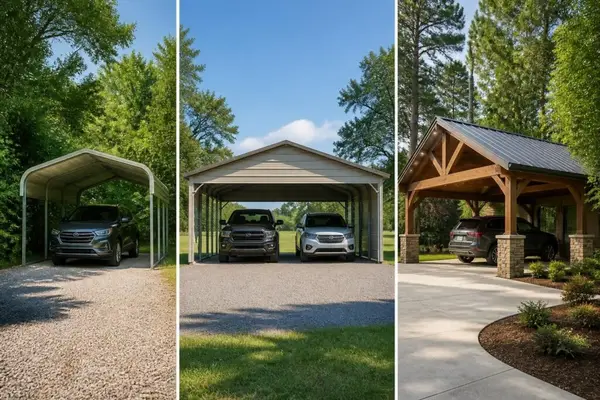
The starting point for any discussion about carports and prices begins with structure type and size. Basic single-car metal carports typically range from $1,200 to $3,500 for standard 12×20 or 12×24 configurations. These entry-level options provide essential protection from sun, rain, and debris while maintaining budget-conscious pricing.
Double carports accommodating two vehicles generally fall between $2,800 and $6,000, depending on dimensions and specifications. The price jump reflects not just increased square footage but also additional structural support requirements to maintain integrity across wider spans.
Premium and custom configurations push prices higher, sometimes exceeding $15,000 for specialized applications. These include extended height clearances for RVs, wider spans for equipment storage, or fully enclosed designs that function as complete garages.
Material Quality and Price Impact
Metal gauge thickness directly affects both durability and cost. Standard 14-gauge steel framing offers reliable performance at moderate price points, while upgraded 12-gauge steel provides enhanced structural integrity with approximately 15-20% cost increase.
Roof and wall paneling options create another pricing tier:
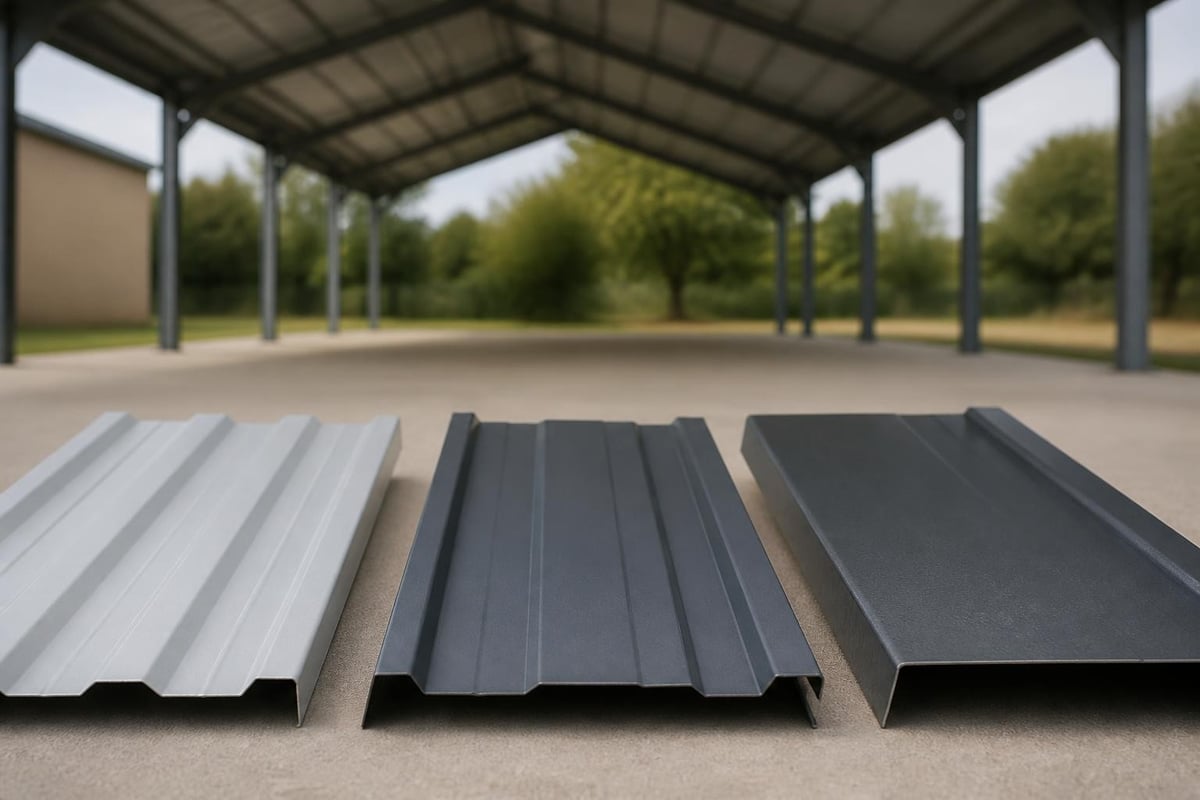
- 29-gauge panels: Entry-level pricing, suitable for moderate climates
- 26-gauge panels: Mid-range durability with improved weather resistance
- 22-gauge panels: Premium protection for harsh weather regions
The roof panel thickness you select impacts long-term value considerations beyond initial carports and prices. Higher-grade materials reduce maintenance costs and extend structure lifespan, potentially offering better return on investment over 20-30 years.
Regional Variations in Carports and Prices
Geographic location significantly influences final costs due to installation requirements, local building codes, and delivery logistics. Understanding regional pricing trends helps establish realistic budget expectations.
Coastal areas often require enhanced anchoring systems and corrosion-resistant coatings, adding $500-$1,500 to base prices. States like California and North Carolina enforce specific wind and snow load requirements that affect engineering specifications.
| Region Type | Price Modifier | Primary Factors |
|---|---|---|
| Coastal Areas | +20-35% | Wind ratings, corrosion protection |
| Mountain Regions | +15-25% | Snow load requirements, access challenges |
| Plains States | Baseline | Standard specifications |
| Urban Centers | +10-20% | Permit fees, installation constraints |
Delivery distances from manufacturing facilities also factor into carports and prices calculations. Most suppliers include delivery within specific radius ranges, typically 50-100 miles, with additional charges for extended distances.
Installation Methods and Associated Costs
Professional installation typically represents 30-40% of total project costs. Full-service packages that include site preparation, foundation work, and structure assembly provide convenience while increasing overall investment.
Ground anchor systems offer the most economical foundation solution, adding $200-$500 to base carports and prices. These work well for level terrain with stable soil composition. Concrete footings provide superior stability, especially for larger structures or challenging soil conditions, but increase foundation costs to $800-$2,000.
Asphalt or concrete pad installations represent premium foundation choices, sometimes costing $3,000-$6,000 depending on size and site conditions. However, they create functional parking or storage surfaces while anchoring the structure.
Customization Options That Affect Budget
Standard carport configurations offer predictable pricing, but customization features allow tailoring structures to specific needs while impacting final costs. Understanding these options helps optimize value when evaluating carports and prices.
Height adjustments represent common modifications. Standard 6-7 foot leg heights accommodate most vehicles, while increased clearances accommodate:
- 8-10 feet: Full-size trucks, vans
- 10-12 feet: Small RVs, boats on trailers
- 12-14 feet: Large motorhomes, commercial vehicles
- 14-16 feet: Equipment storage, tall recreational vehicles
Each two-foot height increase typically adds $200-$400 to base pricing. The comprehensive selection available through Metal Structure Sales LLC allows customers to specify exact height requirements during the design phase.
Roof Style Configurations
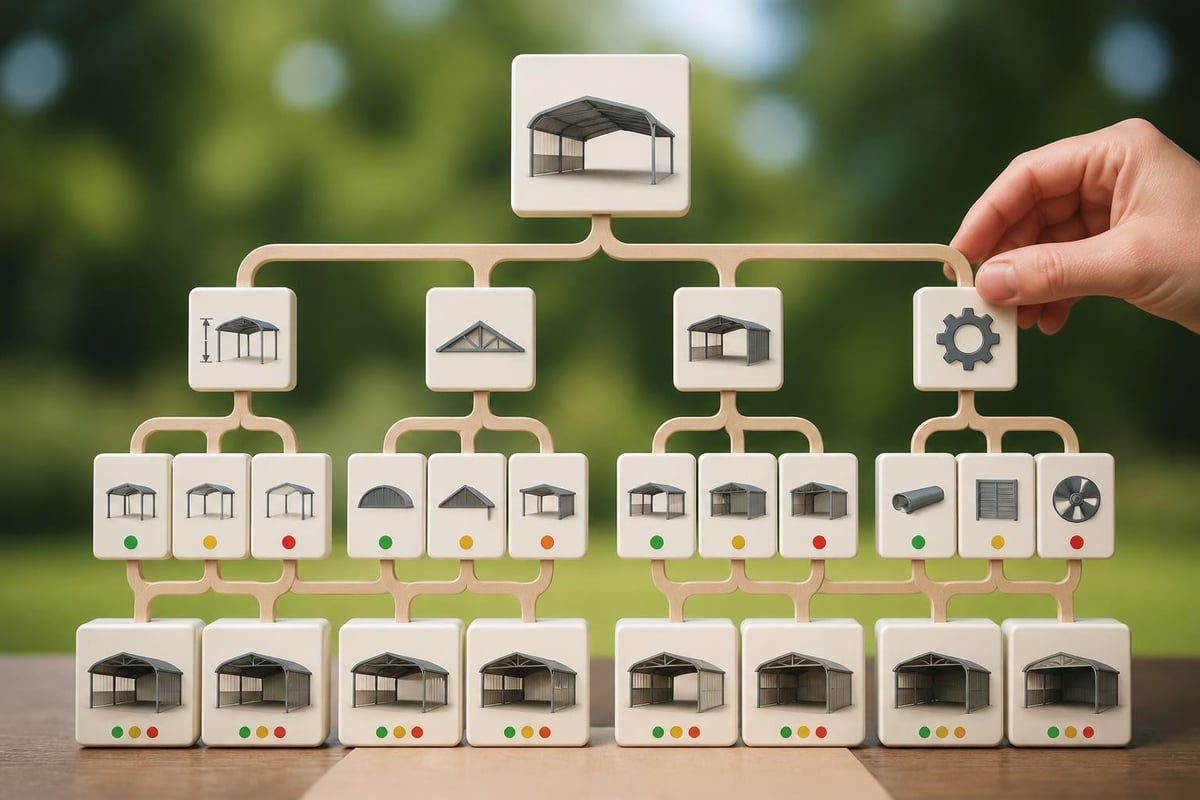
Three primary roof styles dominate the market, each offering distinct advantages and price points:
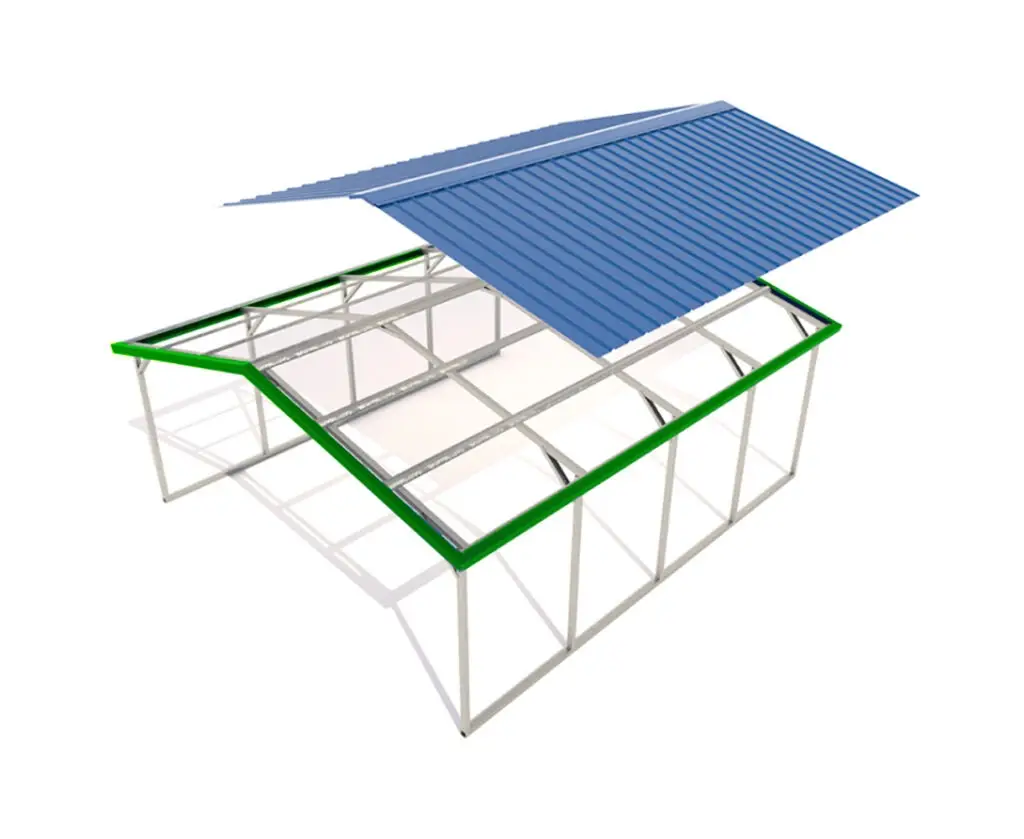
Regular Roof Style: The most economical option features horizontal roof panels with rounded edges. Prices start at baseline levels, making this choice ideal for budget-conscious buyers in moderate climates.
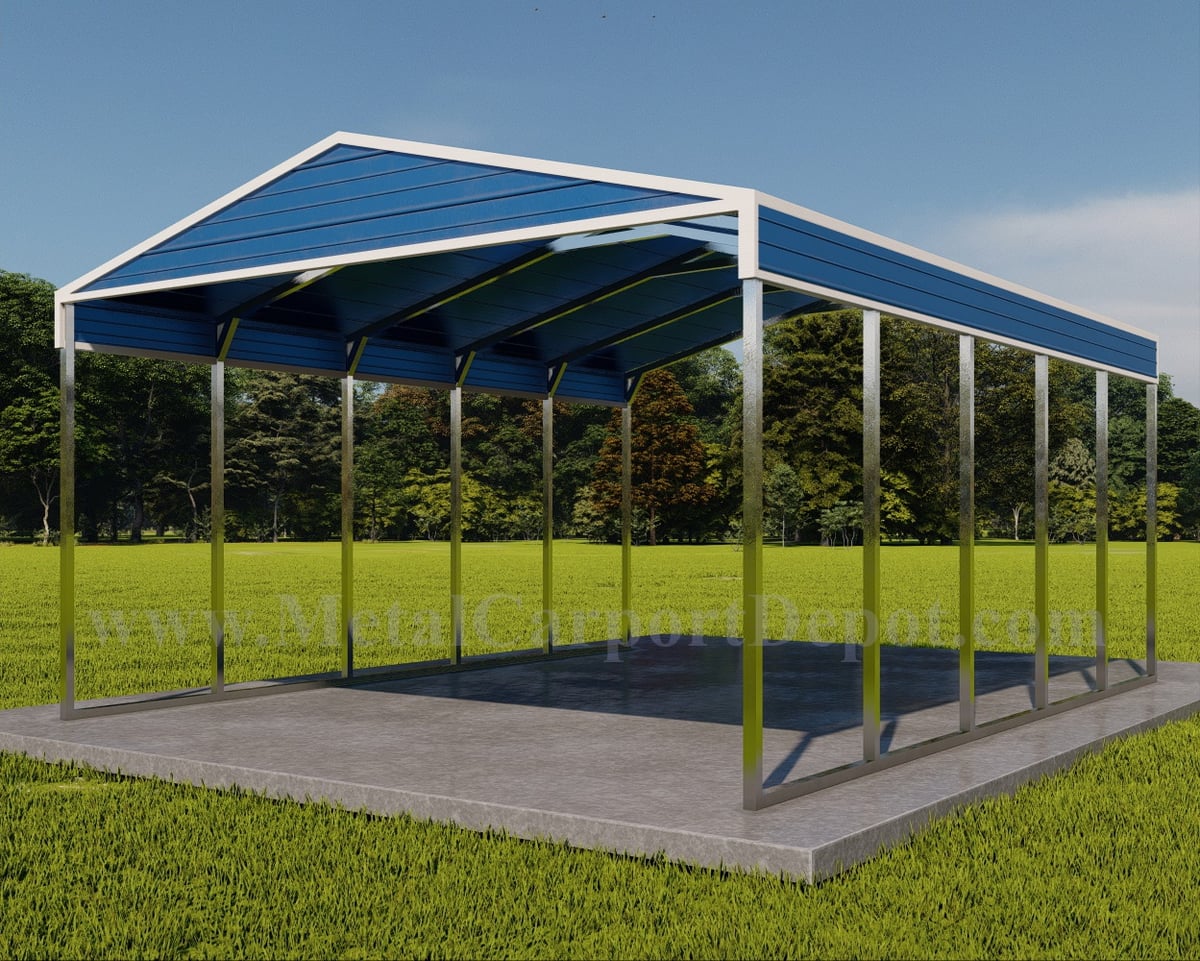
A-Frame Horizontal Roof: Mid-range pricing with improved water runoff compared to regular style. The peaked center provides better drainage, reducing standing water concerns.
Vertical Roof Style: Premium pricing reflects superior performance. Vertical panel orientation allows rain, snow, and debris to slide off efficiently, making this the recommended choice for areas with significant precipitation. Expect 15-25% price increase over regular roof styles.
When researching comprehensive carport cost information, you'll notice vertical roof styles consistently receive higher ratings for long-term value despite increased initial investment.
Size Classifications and Price Ranges
Understanding how dimensions affect carports and prices helps establish appropriate budget parameters for your specific needs.
Single Carport Pricing
Standard configurations protecting one vehicle typically measure 12 feet wide by 20-24 feet long. Base prices for quality metal structures with professional installation:
- 12×20: $1,800-$3,200
- 12×24: $2,100-$3,800
- 14×24: $2,400-$4,200
These figures assume standard leg height, regular roof style, and 14-gauge framing with 29-gauge panels.
Double and Triple Carport Costs
Multi-vehicle protection increases value per covered square foot:
- 18×20: $3,200-$5,400
- 20×24: $3,800-$6,200
- 24×24: $4,500-$7,500
- 30×24: $6,200-$9,800
Triple carports and larger structures often fall into specialized pricing categories. Wide-span designs exceeding 30 feet require engineered trusses and enhanced structural support, reflected in premium pricing.
States like Texas and Arizona see particularly strong demand for larger carports due to climate conditions and property sizes.
Commercial and Specialized Applications
RV covers, equipment storage, and commercial applications frequently require custom dimensions:
| Application | Typical Size | Price Range |
|---|---|---|
| RV Cover | 14×30-16×40 | $5,500-$12,000 |
| Boat Storage | 14×30-14×35 | $4,800-$9,500 |
| Equipment Shed | 20×30-24×40 | $7,200-$15,000 |
| Commercial Fleet | 30×50+ | $18,000-$45,000+ |
These specialized structures often incorporate additional features like extended height, enclosed storage sections, or reinforced anchoring systems that influence carports and prices beyond standard residential applications.
Additional Features and Upgrade Costs
Beyond basic structure specifications, various enhancements provide added functionality while affecting total investment.
Gable Ends: Adding gabled ends creates finished appearance while blocking wind-driven rain. Costs range from $150-$400 per end depending on size.
Partial Enclosures: Closing one, two, or three sides transforms open carports into semi-enclosed structures. Panel walls add $800-$2,500 depending on number of sides and dimensions.
Full Enclosure Conversion: Converting to completely enclosed building with roll-up doors or walk-in entries creates versatile storage or workspace. This transformation typically doubles base carport pricing but delivers substantially increased functionality. For comprehensive enclosed options, Metal Carport solutions provide maximum customization flexibility with transparent pricing through online design tools.
Additional practical upgrades include:
- Windows: $200-$450 each
- Walk-in doors: $350-$650
- Roll-up garage doors: $800-$1,500
- Insulation: $1.50-$3.00 per square foot
- Gutters and downspouts: $4-$8 per linear foot
Each enhancement should align with intended use. Daily-driver vehicle storage may need minimal additions, while workshop conversions benefit from doors, windows, and climate control considerations.
Comparing Value Across Price Points
Smart purchasing decisions balance initial carports and prices against long-term ownership costs and functional requirements. Detailed cost analysis reveals several value considerations.
Budget-Tier Structures ($1,500-$3,500): Entry-level metal carports deliver essential weather protection with expected 15-20 year lifespan when properly maintained. Ideal for temperate climates with moderate weather conditions.
Mid-Range Options ($3,500-$7,500): Enhanced materials, upgraded roof styles, and better warranties characterize this segment. Expect 25-30 year service life with minimal maintenance requirements.
Premium Installations ($7,500-$15,000+): Top-tier materials, custom engineering, and comprehensive features justify higher pricing through superior performance and 35+ year longevity.
Return on investment extends beyond structure lifespan. Comprehensive investment analysis demonstrates how carports protect vehicle values by preventing sun damage, hail impacts, and weather deterioration worth thousands in repair costs over time.
Warranty Coverage Impact
Manufacturer warranties vary significantly and should factor into carports and prices evaluation:
- Frame warranties: 20 years to lifetime coverage
- Roof warranties: 10-20 years for panel integrity
- Rust-through protection: 20 years to lifetime
- Installation workmanship: 1-5 years typical
Longer warranties often indicate manufacturer confidence in material quality and construction standards. Premium pricing frequently correlates with extended coverage periods.
Financing and Budget Planning Strategies
Strategic financial planning makes quality carport ownership accessible across various budget levels. Many suppliers offer financing programs with competitive terms for qualified buyers.
Cash Payment Benefits: Immediate payment sometimes secures 3-5% discounts, reducing overall carports and prices for those with available funds.
Installment Financing: Monthly payment plans typically range from 12 to 60 months with approved credit. This approach spreads costs while securing structure protection immediately.
Seasonal Pricing: Some regions experience demand fluctuations creating opportunity for off-season savings. Late fall and winter months occasionally offer 5-10% price reductions in areas with seasonal construction patterns.
Getting Accurate Quotes
Obtaining precise pricing requires providing complete specifications:
- Exact dimensions (width, length, height)
- Roof style preference
- Framing and panel gauge selections
- Location for delivery and installation
- Site condition details (slope, soil type, access)
- Desired additional features
Reputable suppliers provide detailed written quotes itemizing all costs including structure, delivery, installation, and applicable taxes or fees. Compare multiple proposals ensuring equivalent specifications before making decisions based solely on carports and prices.
Service coverage across regions like Georgia, Tennessee, and Virginia demonstrates commitment to broad market accessibility.
Permit Requirements and Associated Expenses
Local building departments regulate carport installations through permit processes that affect timeline and budget. Requirements vary by jurisdiction, but common patterns emerge.
Permit Costs: Fees typically range from $50 to $500 depending on structure value and local regulations. Major metropolitan areas generally charge higher permit fees than rural counties.
Engineering Certifications: Some localities require sealed engineering drawings showing structure meets local wind and snow load requirements. These professional services add $150-$800 to project costs but ensure compliance and safety.
Setback Requirements: Minimum distances from property lines affect placement options. Violation corrections prove expensive, making pre-purchase site verification essential.
HOA Approval: Homeowner associations often regulate structure appearance, placement, and specifications. Review governing documents before purchase to avoid non-compliant installations requiring expensive modifications.
Professional installation services typically handle permit applications as part of comprehensive packages, streamlining the process while ensuring compliance.
Maintenance Considerations for Long-Term Value
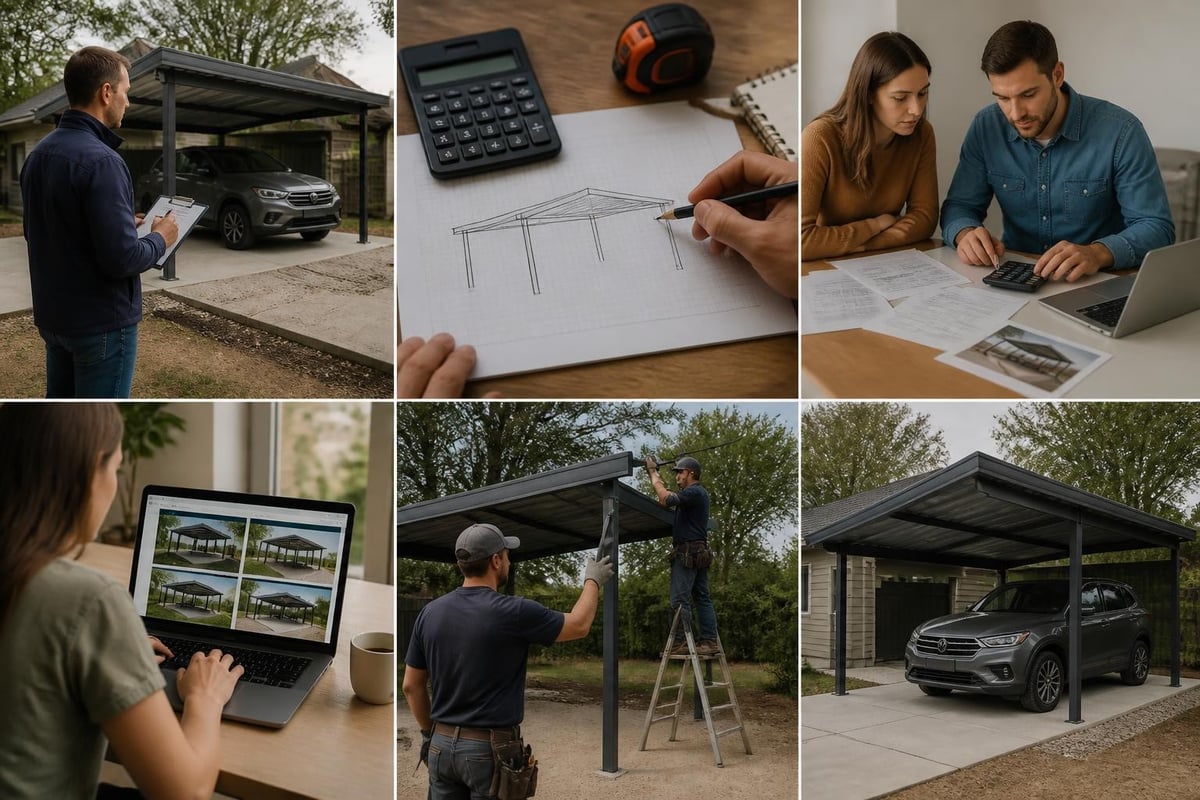
Understanding ongoing care requirements helps project true ownership costs beyond initial carports and prices. Metal structures offer significant maintenance advantages compared to wood alternatives.
Annual Inspections: Check anchor bolts for tightness, examine panels for damage, clear debris from roof surfaces. Time investment: 1-2 hours yearly.
Cleaning: Periodic washing removes dirt, pollen, and environmental contaminants. Mild soap and water suffice for most situations. Frequency varies by location but typically semi-annual cleaning maintains appearance.
Touch-Up: Address minor scratches or chips in painted surfaces promptly to prevent rust formation. Small touch-up paint bottles cost $10-$20 and prevent larger repair needs.
Snow Load Management: In heavy snowfall regions, remove excessive accumulation even from pitched roofs to prevent structural stress. This periodic winter task protects long-term integrity.
Quality metal carports require minimal intervention compared to wood structures needing regular staining, sealing, and rot prevention treatments costing hundreds annually.
Making the Final Decision
Evaluating carports and prices effectively requires balancing immediate budget constraints against long-term needs and value expectations. Consider total ownership costs over projected lifespan rather than focusing exclusively on initial purchase price.
Assess actual requirements: Accurately measure vehicles or equipment requiring protection. Adding 2-3 feet beyond vehicle dimensions provides comfortable clearance for door opening and movement.
Consider future needs: Purchasing slightly larger than current requirements accommodates changing circumstances like additional vehicles or storage needs, avoiding costly upgrades or replacements.
Prioritize quality over minimum pricing: Investing in appropriate materials for your climate prevents premature failures and expensive repairs that negate initial savings.
Verify complete pricing: Ensure quotes include all expenses – structure, delivery, installation, permits, and site preparation. Hidden costs inflate actual spending beyond advertised carports and prices.
Regional availability through networks serving areas like Oklahoma, Louisiana, and Mississippi ensures accessible options regardless of location.
Understanding the complete picture of carports and prices empowers informed decisions that deliver lasting value and reliable protection for your vehicles and equipment. When you're ready to explore customized solutions with transparent pricing and professional installation, Metal Structure Sales LLC offers comprehensive design tools and expert guidance to create the perfect structure for your specific needs, with delivery and installation included to simplify your investment.