

When you need more than basic overhead shelter for your vehicles, equipment, or storage needs, an enclosed metal carport delivers the comprehensive protection that open structures simply cannot match. These fully covered and walled structures transform a simple parking solution into a versatile, secure space that shields your investments from weather, theft, and environmental damage year-round. With customizable dimensions, robust steel construction, and professional installation options, enclosed metal carports have become an increasingly popular choice for property owners seeking durable, cost-effective protection.
Understanding Enclosed Metal Carport Construction
An enclosed metal carport consists of a steel frame completely covered with metal panels on all sides, including the roof, walls, and typically featuring one or more access doors. Unlike open carports that provide only overhead coverage, these structures create a fully sealed environment that protects contents from rain, snow, wind, and sun exposure.
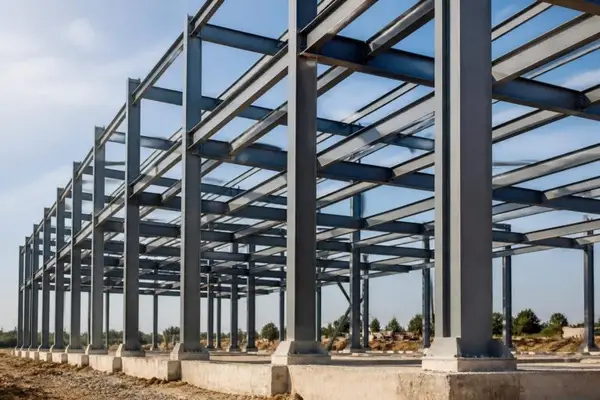
The frame typically uses 12-gauge or 14-gauge galvanized steel tubing, engineered to withstand significant wind loads and snow accumulation. Wall panels and roofing sheets come in 29-gauge or 26-gauge steel, with the heavier gauge offering increased durability and impact resistance. The benefits of metal carports extend beyond simple vehicle coverage when fully enclosed.
Key Structural Components
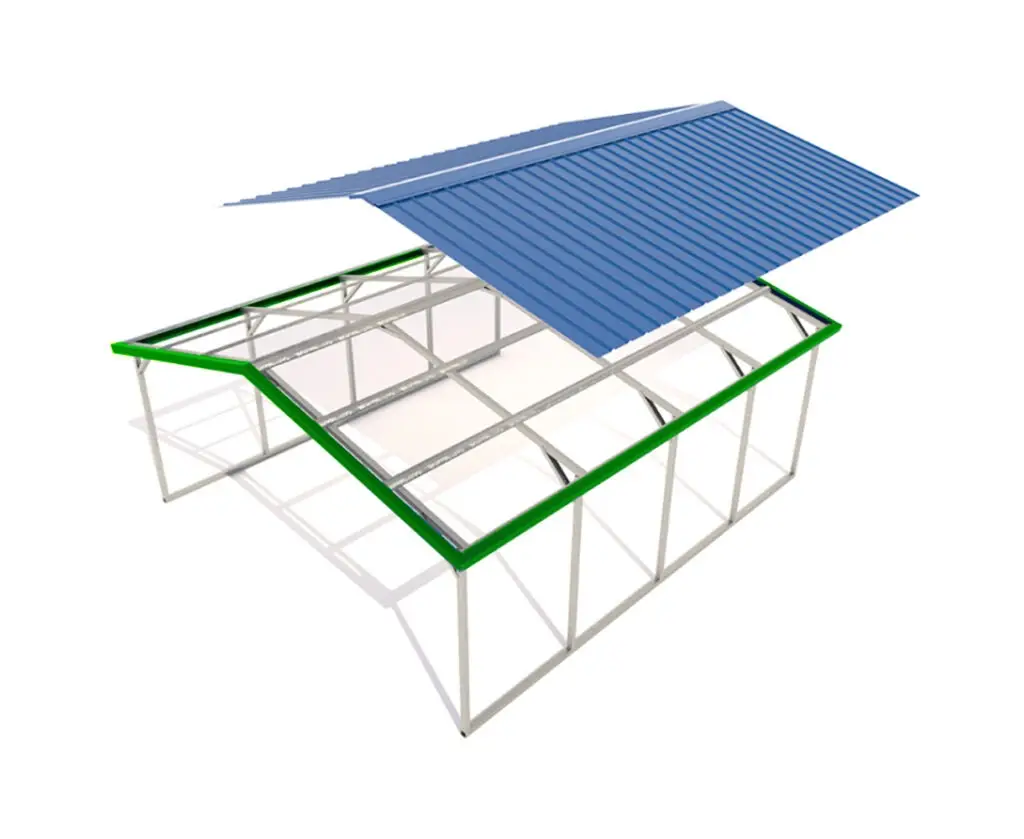
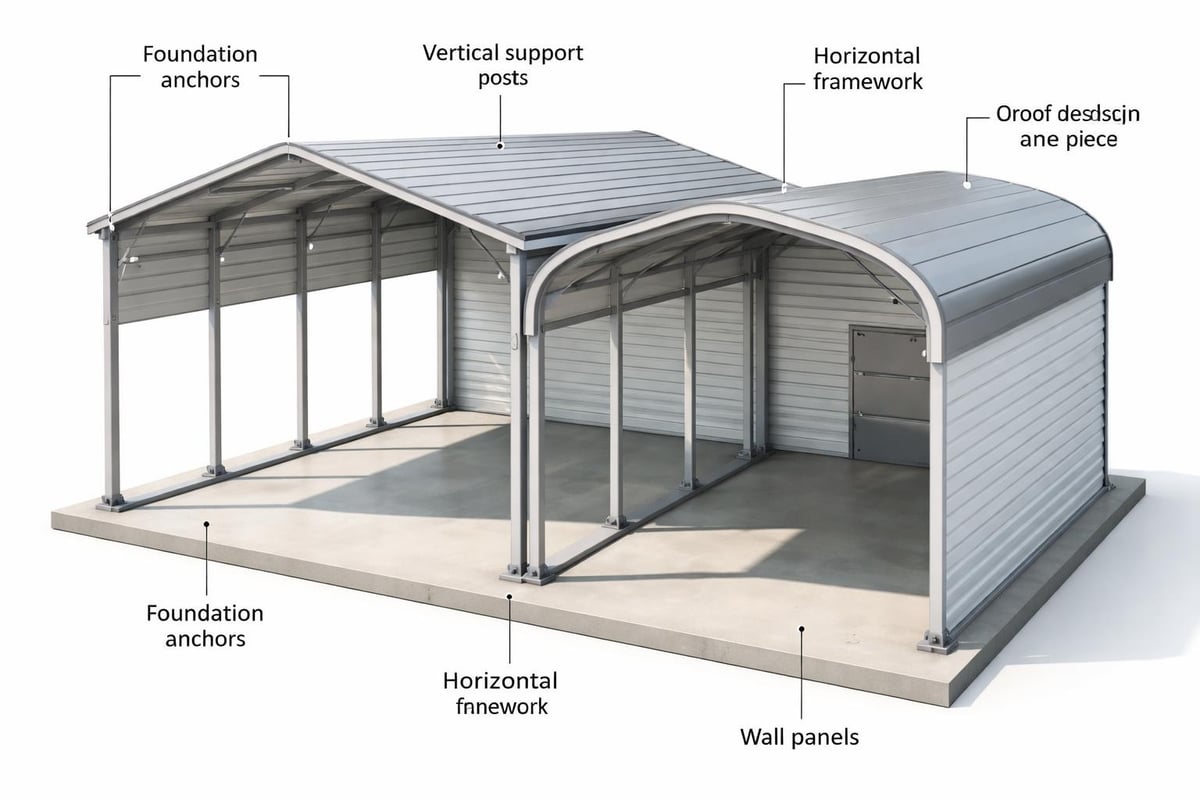
Every enclosed metal carport requires several essential elements working together to create a stable, weather-resistant structure:
- Foundation anchoring system securing the structure to concrete, asphalt, or ground anchors
- Vertical support posts spaced at appropriate intervals for structural integrity
- Horizontal gable framework creating the roof structure and peak
- Wall panel attachments fastened to the frame with corrosion-resistant hardware
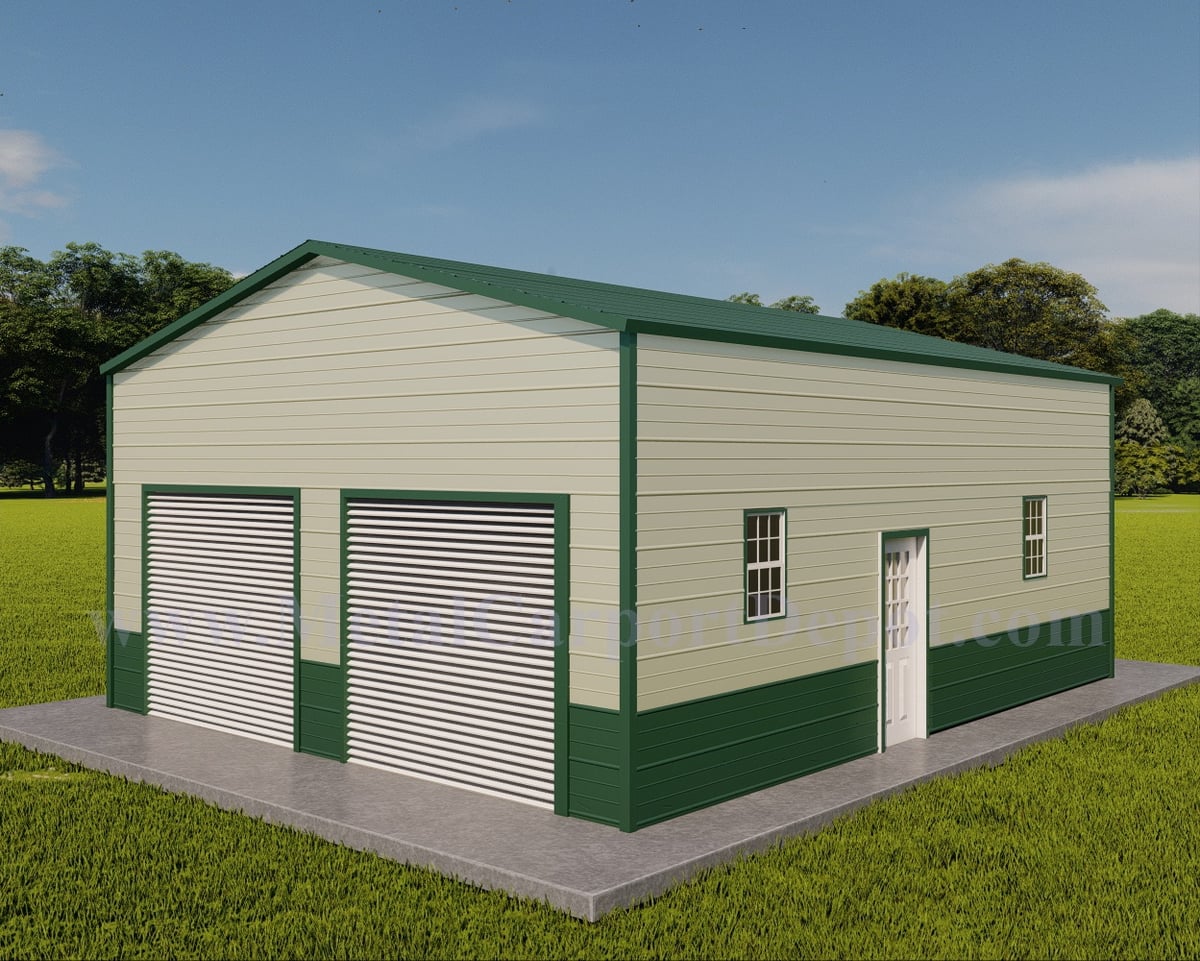
- Entry points including roll-up doors, walk-in doors, or garage-style doors
The roof style significantly impacts both aesthetics and functionality. Regular roof styles feature rounded eaves with horizontal panel orientation, while vertical roof designs include panels running vertically from peak to eave, offering superior water and snow runoff capabilities.
Sizing and Customization Options
Selecting the proper dimensions for your enclosed metal carport requires careful consideration of both current needs and future requirements. Standard widths range from 12 feet to over 30 feet, with lengths customizable in one-foot increments from 21 feet to 50 feet or more.
| Width Category | Typical Use | Standard Heights |
|---|---|---|
| 12-18 feet | Single vehicle, small equipment | 6-8 feet |
| 20-24 feet | Two vehicles, RV storage | 8-12 feet |
| 26-30 feet | Multiple vehicles, workshop | 10-14 feet |
| 30+ feet | Commercial applications, boats | 12-16 feet |
Height adjustments prove particularly valuable when storing RVs, boats, or equipment that exceeds standard vehicle clearance. Many manufacturers offer leg extensions in one-foot increments, allowing customization up to 16 feet or higher. When planning your structure, remember to account for door clearance, lighting fixtures, and potential storage racks that reduce usable interior height.
Door Configuration and Access
Entry point selection dramatically influences how you use your enclosed metal carport. Standard options include:
- Roll-up doors measuring 6×6, 8×8, 9×8, or 10×10 feet for vehicle access
- Walk-in doors sized 36×80 inches for pedestrian entry
- Windows providing natural light and ventilation
- Double-door configurations for drive-through capability
Proper door placement requires consideration of traffic flow, property layout, and prevailing weather patterns. Installing doors on the structure's leeward side minimizes direct wind exposure during severe weather events.
Installation Process and Site Preparation
Professional installation of an enclosed metal carport typically spans two to five days, depending on structure size and site conditions. The process begins with thorough site preparation, which proves critical for long-term structural stability.
Ground must be leveled to within two inches across the entire footprint, with proper drainage established to prevent water pooling around the foundation. Many property owners choose concrete slabs for maximum stability and ease of use, though gravel bases with ground anchors provide acceptable alternatives for budget-conscious projects.
Understanding construction standards and regulations for carports in your jurisdiction helps ensure compliance with local building codes. Permit requirements vary significantly by location, with some municipalities requiring detailed engineering stamps while others approve structures below certain sizes without formal permits.
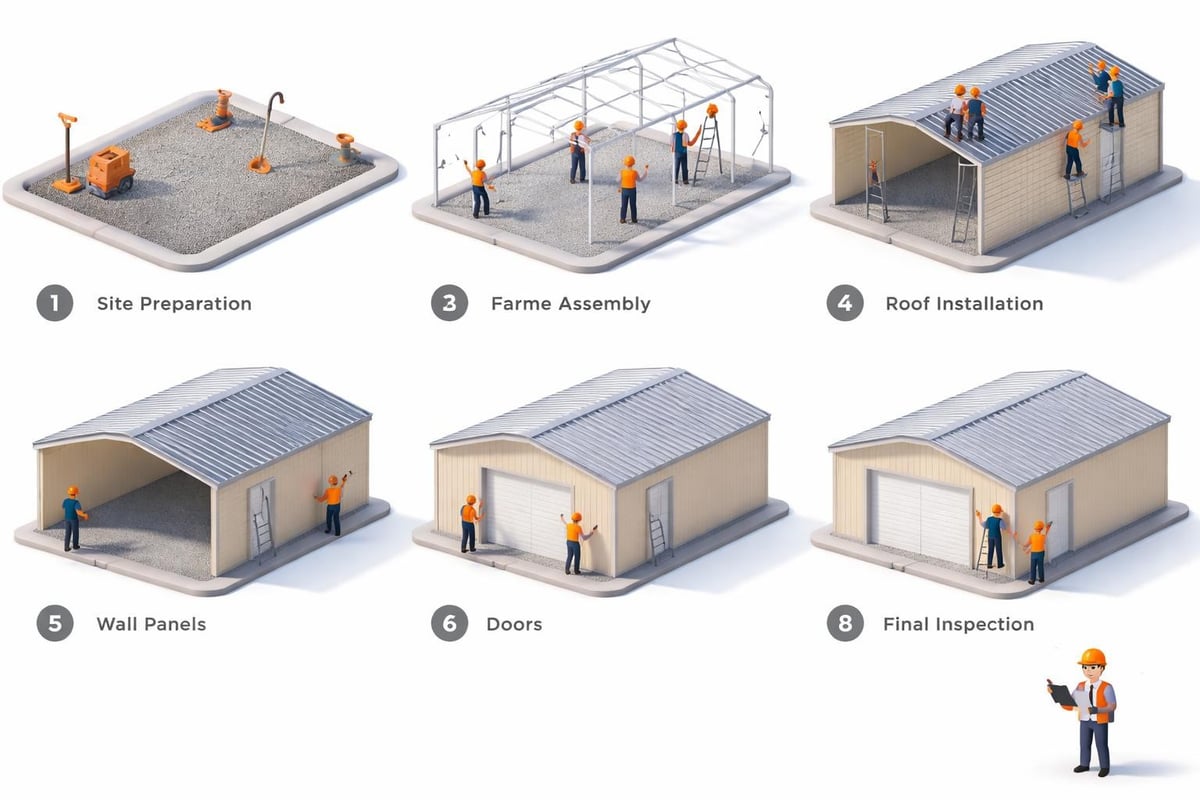
Installation Timeline and Steps
- Site survey and marking establishes exact placement and verifies level grade
- Anchor installation sets foundation points per engineering specifications
- Frame assembly erects vertical posts and horizontal supports
- Roof panel installation begins at the eave and progresses toward the peak
- Wall panel attachment completes the enclosure from ground to roofline
- Door and trim installation finishes access points and weatherproofing
- Final inspection confirms structural integrity and proper fastening
Metal Structure Sales LLC specializes in providing complete delivery and installation services, ensuring your structure meets all engineering specifications and local requirements. Their wide range of customizable metal structures includes options for virtually any application, from basic vehicle storage to complex workshop environments.
Weather Resistance and Protection Benefits
One of the primary advantages of choosing an enclosed metal carport over open alternatives involves comprehensive weather protection. Why enclosed carports are essential for vehicle protection and storage becomes evident when considering the full spectrum of environmental threats.
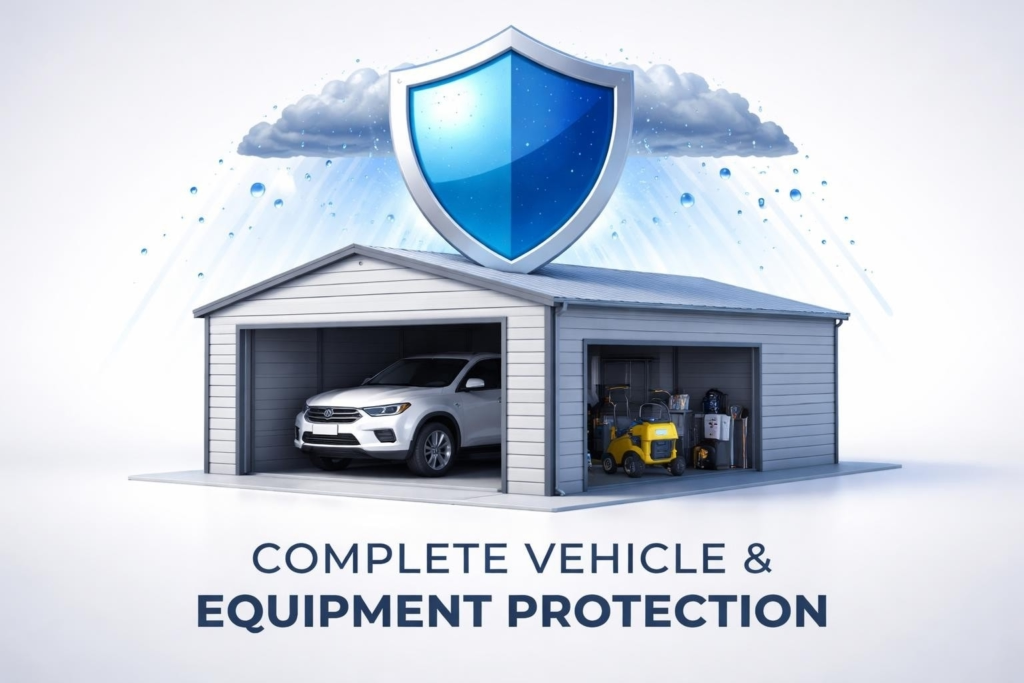
Complete wall coverage prevents wind-driven rain and snow from reaching stored vehicles and equipment. This protection extends far beyond simple moisture prevention, as it eliminates exposure to:
- UV radiation that fades paint, cracks vinyl, and deteriorates rubber components
- Airborne debris including tree sap, bird droppings, and industrial fallout
- Moisture accumulation that promotes rust, mold, and material degradation
- Temperature extremes that stress mechanical components and battery systems
- Pest intrusion from rodents, insects, and other wildlife seeking shelter
Vertical roof designs prove particularly effective in regions experiencing heavy snowfall or frequent rain. The steep pitch allows precipitation to slide off quickly rather than accumulating weight on the roof structure. This design also improves interior headroom near the walls, maximizing usable storage space.
Regional Climate Considerations
Climate variations across different service areas necessitate tailored approaches to enclosed metal carport specifications. Properties in coastal regions benefit from additional corrosion protection through upgraded paint systems and enhanced fastener coatings. Metal buildings in areas like North Carolina face humidity and hurricane considerations, while structures in Colorado must withstand heavy snow loads and high winds.
Wind rating certifications become crucial in hurricane-prone zones, with upgraded anchoring systems and reinforced frame specifications meeting stringent building codes. Snow load ratings determine frame gauge, support spacing, and roof pitch requirements in northern climates.
Cost Analysis and Value Proposition
Enclosed metal carport pricing varies based on size, customization level, and regional factors, but these structures consistently deliver exceptional value compared to traditional construction methods. A basic 20×20-foot enclosed unit typically costs 40-60% less than an equivalent stick-built garage while offering comparable functionality and protection.
Initial Investment Factors:
- Base structure size and height specifications
- Roof style selection (regular, boxed eave, or vertical)
- Metal gauge upgrades for enhanced durability
- Number and type of doors and windows
- Site preparation requirements and foundation type
- Regional delivery distance and installation complexity
Beyond the initial purchase price, enclosed metal carports provide substantial long-term savings through minimal maintenance requirements. Unlike wood structures requiring periodic painting, staining, and rot repair, metal buildings need only occasional cleaning and inspection to maintain peak performance.
Return on Investment Timeline
Property value increases typically range from 50-80% of the structure's installed cost, providing immediate equity enhancement. Insurance premium reductions for vehicles stored in enclosed structures often offset 15-25% of annual carrying costs when compared to outdoor parking.
The importance of regular carport maintenance for multifamily properties applies equally to residential installations, though maintenance demands remain remarkably low compared to alternative building materials.
| Expense Category | Metal (Enclosed) | Wood (Garage) | Comparison |
|---|---|---|---|
| Initial Cost | $8,000-$15,000 | $15,000-$30,000 | 45-50% savings |
| Annual Maintenance | $50-$150 | $400-$800 | 70-80% savings |
| Expected Lifespan | 20-30+ years | 15-25 years | 20-30% longer |
| Insurance Impact | Premium reduction | Variable | 10-15% savings |
Versatility Beyond Vehicle Storage
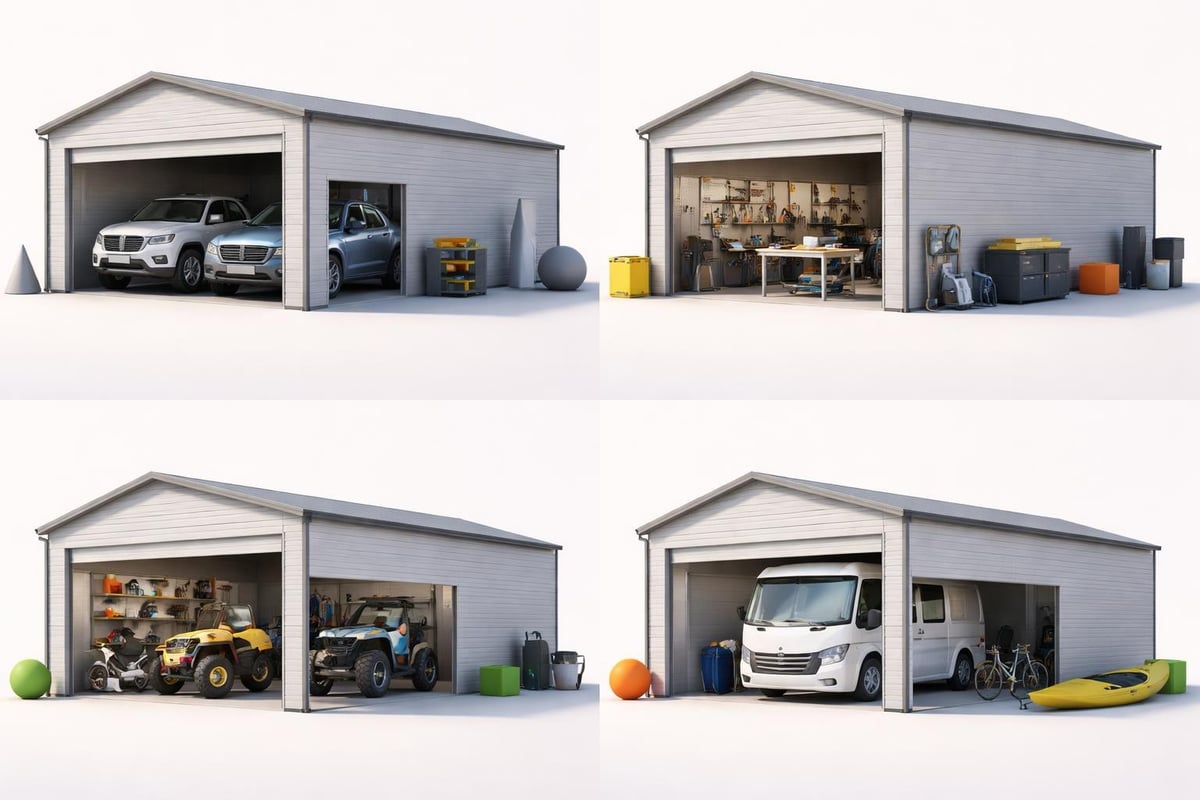
While vehicle protection remains the primary motivation for most buyers, an enclosed metal carport transforms into remarkably versatile space for numerous applications. Versatility and quick installation of carports makes them adaptable to changing needs over time.
Workshop conversion requires only minimal modifications, with electrical service, insulation, and interior finishing turning the structure into productive workspace. Climate control becomes feasible through wall insulation panels and HVAC installation, creating comfortable year-round working conditions.
Alternative Applications
Entrepreneurs frequently utilize enclosed metal carports as:
- Equipment storage facilities protecting lawn care, construction, or recreational gear
- Hobby workshops for woodworking, automotive restoration, or crafting
- Small business operations including mobile service vehicle housing
- Agricultural storage for feed, supplies, and seasonal equipment
- Recreational vehicle protection maintaining RVs, boats, and trailers
The function and flexibility for storage needs expands dramatically when structures include partition walls, creating distinct zones for different purposes within a single building.
Maintenance Requirements and Longevity
Proper care ensures your enclosed metal carport delivers decades of reliable service with minimal intervention. Regular maintenance practices that extend structure lifespan focus on prevention rather than repair, maximizing your investment protection.
Annual Maintenance Checklist:
- Inspect all panel fasteners for tightness and corrosion
- Clear debris from roof and gutters if installed
- Examine door operation and lubricate moving parts
- Check foundation anchors for shifting or damage
- Remove vegetation growth within three feet of walls
- Touch up any paint scratches or metal damage
- Verify proper drainage around the structure perimeter
Most maintenance tasks require only basic tools and minimal time investment, typically consuming just a few hours annually. The galvanized steel coating provides inherent corrosion resistance, while quality paint finishes add additional protection layers that maintain appearance and prevent oxidation.
Addressing Minor Repairs
Small dents, scratches, or panel damage rarely compromise structural integrity but should receive prompt attention to prevent moisture intrusion. Touch-up paint matching your structure's color prevents rust formation at damage sites. Loose panels create noise during wind events and allow moisture penetration, making fastener inspection particularly important.
Professional inspection every five years identifies potential issues before they escalate into costly repairs. Top benefits of building a metal carport include the ease of maintenance compared to traditional building materials, reducing long-term ownership costs significantly.
Design Aesthetics and Property Integration
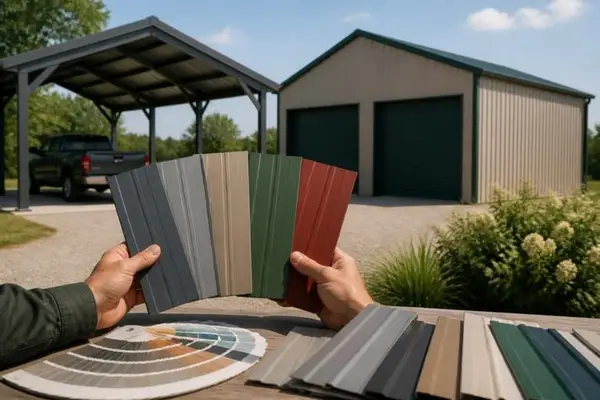
Modern enclosed metal carports transcend purely utilitarian appearances, offering design flexibility that complements existing architecture and enhances property aesthetics. Color selection plays a crucial role, with most manufacturers offering 15-20 standard paint options plus custom color matching for premium applications.
Coordinating your enclosed metal carport color scheme with your home's exterior creates visual harmony across your property. Popular approaches include matching roof colors, selecting complementary accent tones, or choosing neutral shades that blend seamlessly with surrounding structures.
Architectural Enhancement Features
Beyond basic color choices, several design elements elevate enclosed metal carport aesthetics:
- Gable end additions creating covered entryways and architectural interest
- Wainscoting panels adding horizontal accent lines at different heights
- Ridge caps and trim in contrasting colors highlighting structural lines
- Extended overhangs providing additional weather protection and shadow lines
- Window placement balancing natural light with privacy considerations
Properties marketed in service areas across multiple states demonstrate how thoughtfully designed metal structures enhance rather than detract from overall property appeal, often becoming distinctive features that differentiate homes in competitive markets.
Permitting and Zoning Compliance
Navigating local regulations represents a critical step in enclosed metal carport installation. Building codes vary substantially by jurisdiction, with some municipalities treating these structures as accessory buildings while others classify them as garages requiring more stringent compliance.
Typical permit requirements include:
- Site plan drawings showing structure placement relative to property lines
- Engineering certifications documenting wind and snow load ratings
- Foundation specifications detailing anchor systems and load distribution
- Electrical plans if adding power service to the structure
- Setback compliance verification meeting distance requirements from boundaries
Homeowner associations may impose additional restrictions on size, placement, color, and design features. Reviewing HOA covenants before ordering prevents costly modifications or removal requirements after installation. Many metal building resources provide guidance on navigating common regulatory challenges.
Working With Building Departments
Successful permit acquisition begins with early communication with local building officials. Many departments offer pre-application consultations identifying specific requirements before formal submission. This proactive approach prevents application rejections and costly redesigns.
Professional installers familiar with regional regulations streamline the permitting process through established relationships with building departments and comprehensive documentation packages. Their experience navigating jurisdiction-specific requirements saves time and reduces approval complications.
Energy Efficiency and Insulation Options
Uninsulated enclosed metal carports provide substantial protection from weather elements but offer limited temperature control. Adding insulation transforms these structures into climate-controlled environments suitable for workshops, home gyms, or storage requiring specific temperature ranges.
Insulation options include:
- Foam board panels installed between frame members and wall panels
- Spray foam application creating seamless thermal barriers with moisture resistance
- Fiberglass batts offering cost-effective thermal performance
- Reflective barriers reducing radiant heat transfer in hot climates
Insulation Value Comparison:
| Insulation Type | R-Value Range | Cost Per Sq Ft | Installation Complexity |
|---|---|---|---|
| Foam Board | R-3.6 to R-6.5 | $0.50-$1.50 | Moderate |
| Spray Foam | R-6 to R-7 | $1.00-$2.50 | Professional |
| Fiberglass | R-13 to R-30 | $0.40-$1.20 | DIY-Friendly |
| Reflective | R-3 to R-10 | $0.25-$0.75 | Easy |
Climate control systems integrate easily into insulated enclosed metal carports, with mini-split heat pumps offering efficient heating and cooling without ductwork requirements. Proper insulation reduces energy consumption by 40-60% compared to uninsulated structures, making climate control economically viable for year-round use.
An enclosed metal carport provides comprehensive protection, versatility, and long-term value that open structures cannot match, making it an excellent investment for property owners seeking durable, customizable solutions. Whether you need secure vehicle storage, weather-resistant equipment protection, or adaptable workspace, these structures deliver professional results at costs significantly below traditional construction. Metal Structure Sales LLC offers high-quality enclosed metal carports with complete customization options, professional installation, and delivery included, helping you find the perfect structure tailored to your specific needs and budget.
Article written using RankPill.