

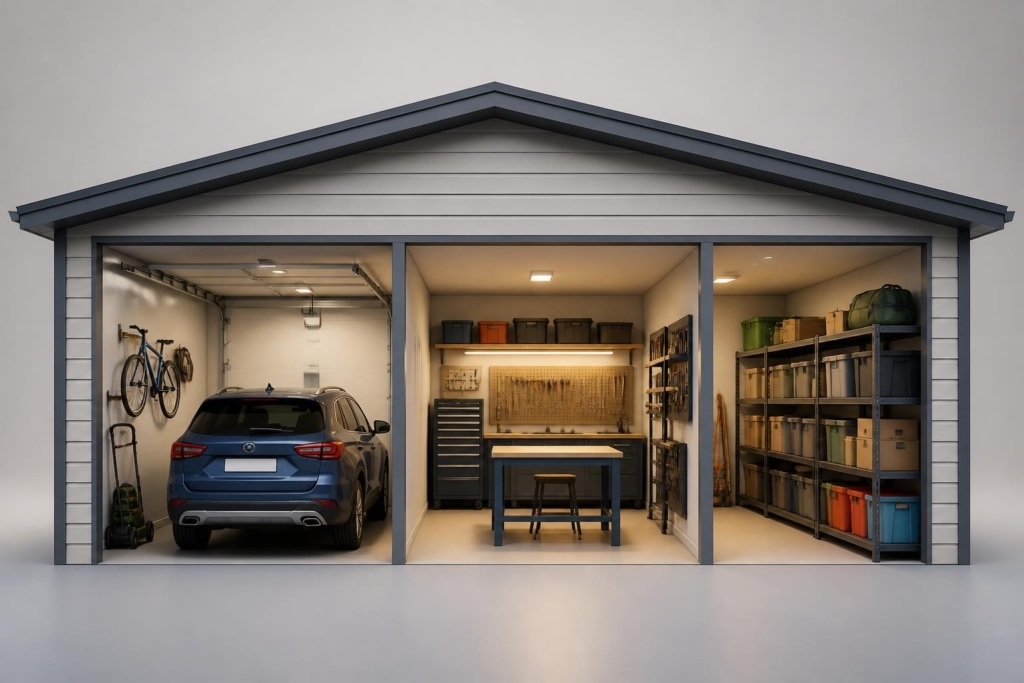
Garage buildings have evolved far beyond simple vehicle storage spaces. Today, they represent versatile structures that serve as workshops, storage facilities, home offices, and valuable extensions of residential and commercial properties. Whether you're planning a new construction or upgrading an existing structure, understanding the various aspects of garage buildings will help you make informed decisions about design, materials, construction methods, and long-term functionality. The right garage building can enhance property value, provide essential storage solutions, and adapt to changing needs over time.
Planning Your Garage Building Project
Before breaking ground on any garage building project, careful planning establishes the foundation for success. Start by assessing your specific needs and how the structure will serve your household or business operations. Consider current requirements alongside potential future uses, as flexibility can add tremendous value to your investment.
Determining Size and Configuration
The dimensions of your garage buildings depend on several critical factors. Vehicle quantity and type play the primary role, but workshop space, storage needs, and future expansion possibilities also matter significantly.
Standard garage building dimensions include:
- Single-car: 12 x 20 to 14 x 22 feet
- Double-car: 20 x 20 to 24 x 24 feet
- Three-car: 30 x 20 to 36 x 24 feet
- Workshop combinations: 24 x 30 feet and larger
Height considerations become particularly important for truck owners, RV enthusiasts, or those storing equipment with vertical clearance requirements. Standard eight-foot ceilings work for most passenger vehicles, but vehicles with lift kits or commercial equipment may require ten to twelve feet or more.
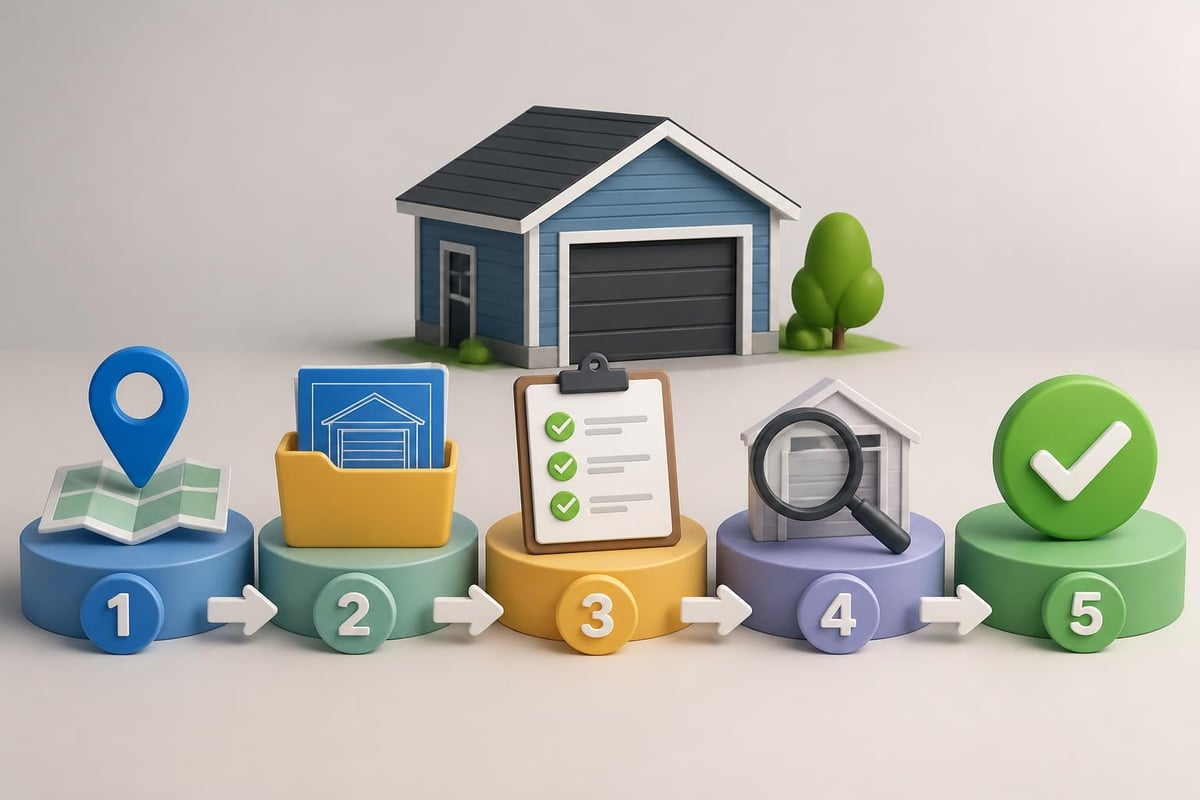
Understanding Zoning and Building Codes
Navigating local regulations ensures your garage building project proceeds smoothly without costly delays or modifications. Building codes vary significantly across jurisdictions, making research essential before finalizing plans.
Contact your local building department to verify:
- Setback requirements from property lines
- Maximum allowable structure height
- Foundation specifications
- Electrical and plumbing code compliance
- Permit application procedures and fees
Understanding these requirements early prevents expensive redesigns and ensures your garage buildings meet all legal standards. Some municipalities impose specific aesthetic guidelines, particularly in planned communities or historic districts, which may influence material choices and exterior design elements.
Design Trends Shaping Modern Garage Buildings
Contemporary garage buildings reflect broader architectural movements toward sustainability, functionality, and aesthetic integration with primary structures. Current architecture trends emphasize natural materials, energy efficiency, and seamless indoor-outdoor transitions that influence garage design decisions.
Aesthetic Considerations
Modern garage buildings increasingly match or complement main residence styling rather than appearing as afterthought structures. Garage design trends for 2025 showcase wood panel walls, mixed material facades, and architectural details that create visual cohesion across properties.
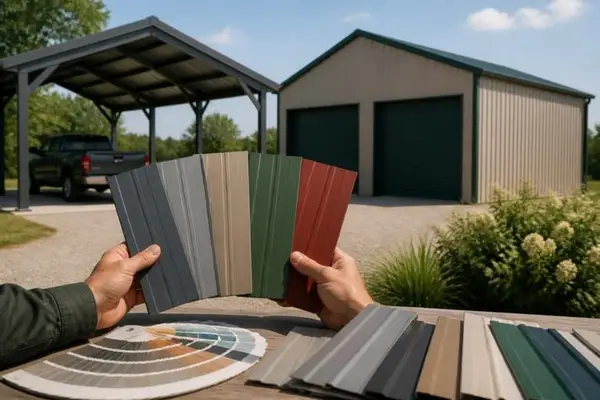
Color selection plays a crucial role in overall appearance. Warm, natural, and calming hues dominate current preferences, moving away from stark industrial grays toward earth tones, soft neutrals, and colors that harmonize with landscaping.
| Design Element | Traditional Approach | Modern Trend |
|---|---|---|
| Doors | Basic sectional, white | Custom panels, textures, colors |
| Siding | Vinyl or basic metal | Mixed materials, wood accents |
| Windows | Minimal or none | Strategic placement for natural light |
| Roofing | Standard asphalt shingles | Architectural shingles, metal roofing |
Functional Innovations
Beyond appearance, latest garage design trends emphasize multifunctional spaces that adapt to diverse needs. Smart technology integration allows remote monitoring, automated climate control, and advanced security systems that transform basic storage into sophisticated facilities.
Workshop zones benefit from dedicated electrical circuits, proper ventilation systems, and organized tool storage solutions. Climate control considerations extend structure usability year-round, particularly in regions experiencing temperature extremes. Proper insulation transforms garage buildings from seasonal spaces into comfortable environments suitable for hobbies, exercise, or work activities.
Construction Materials and Methods
Material selection fundamentally impacts garage building durability, maintenance requirements, and long-term costs. Each option presents distinct advantages and considerations based on climate, budget, and intended use.
Metal Construction Benefits
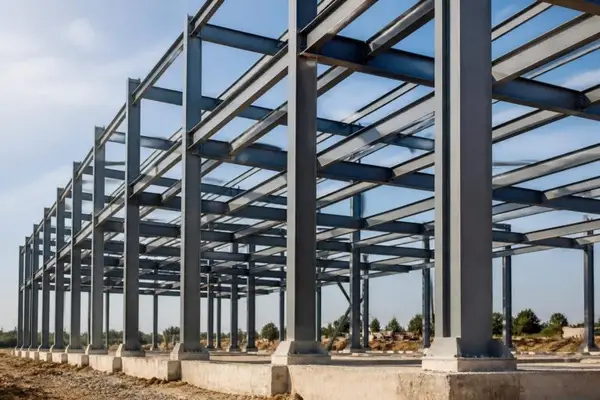
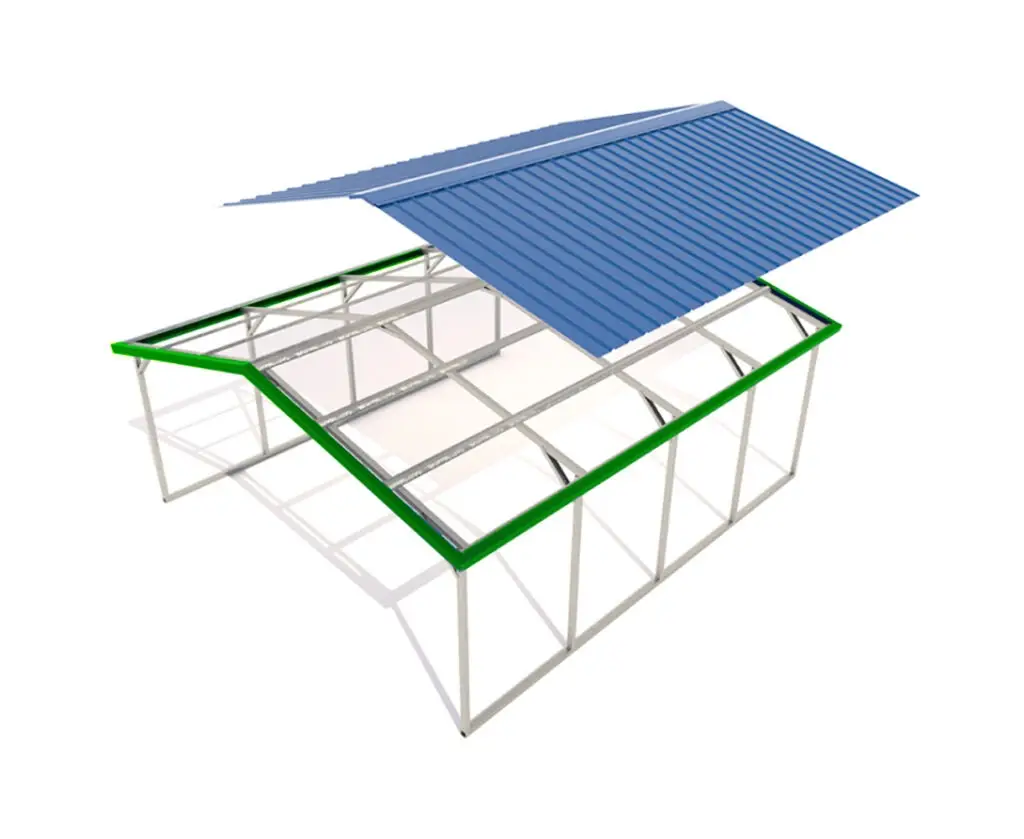
Metal garage buildings offer exceptional durability and require minimal maintenance compared to traditional wood frame construction. Steel resists rot, termites, warping, and fire damage while providing superior strength-to-weight ratios that allow for wider spans without intermediate support columns.
Key advantages of metal garage buildings:
- Longevity exceeding 40-50 years with proper care
- Lower insurance premiums due to fire resistance
- Faster construction timelines
- Reduced pest-related concerns
- Recyclable materials supporting sustainability goals
When considering building with steel frame construction, examine gauge thickness, panel quality, and coating systems that protect against corrosion. Galvanized steel with appropriate paint finishes withstands harsh weather conditions while maintaining structural integrity over decades.
Wood Frame Construction
Traditional wood framing remains popular for garage buildings, particularly when matching existing residential architecture. Lumber offers design flexibility, familiar construction methods for contractors, and straightforward modification potential for future changes.
However, wood requires ongoing maintenance including paint or stain reapplication, pest inspections, and moisture management. Regional factors significantly influence wood structure performance, with humid climates accelerating deterioration compared to arid environments.
Foundation Options
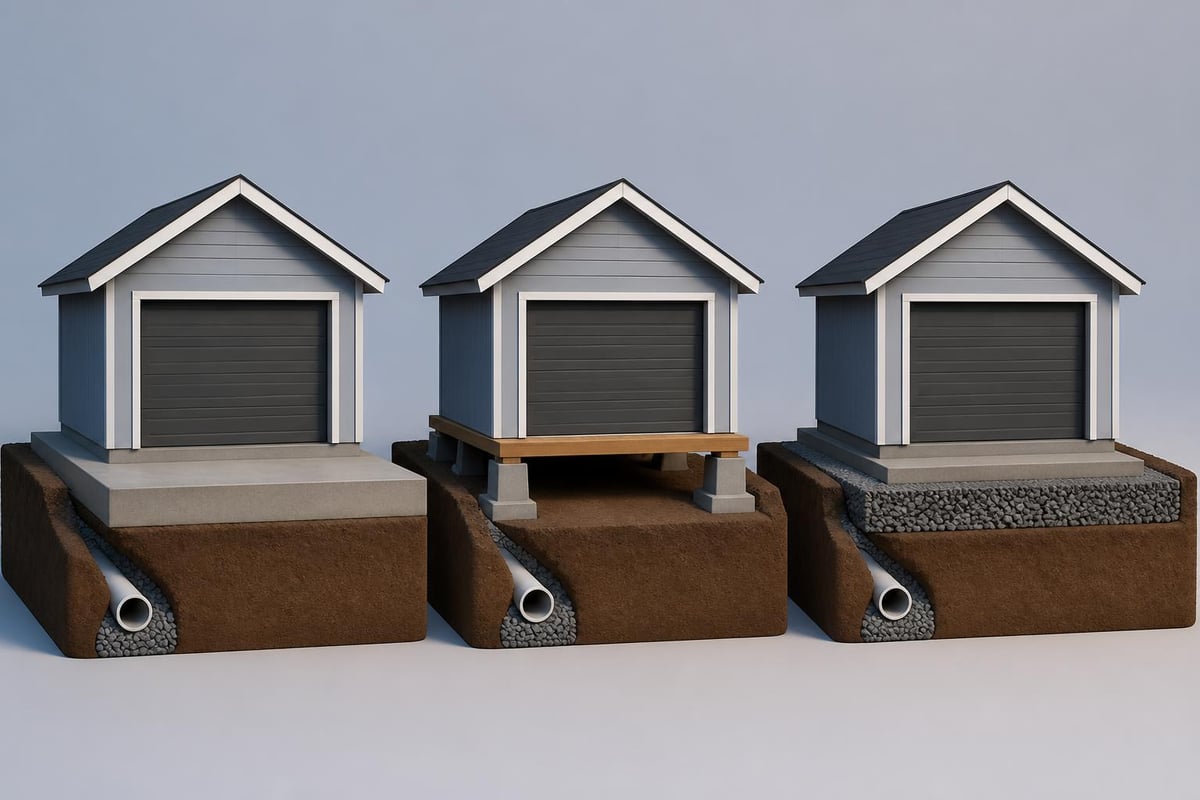
Proper foundation work prevents settling, moisture intrusion, and structural problems that compromise garage buildings over time. Foundation type depends on soil conditions, local frost depth requirements, and budget considerations.
- Concrete slab: Most common, provides integrated floor surface
- Pier and beam: Elevated design suitable for sloped lots or flood zones
- Gravel base: Cost-effective option for some metal structures
- Frost-protected shallow foundation: Specialized design for cold climates
Proper drainage systems directing water away from foundations protect against erosion and moisture damage. French drains, gutters, and grading considerations prevent water accumulation that threatens structural stability.
Customization Options for Enhanced Functionality
Modern garage buildings accommodate diverse customization possibilities that enhance utility and property value. Thoughtful additions transform basic structures into highly functional spaces tailored to specific requirements.
Door and Window Configurations
Entry points significantly impact convenience and workflow efficiency. Overhead doors come in various styles, materials, and operating mechanisms suitable for different applications.
| Door Type | Best For | Considerations |
|---|---|---|
| Sectional | Standard vehicle access | Most common, various insulation levels |
| Roll-up | Commercial applications | Space-efficient, durable |
| Slide-to-side | Limited overhead clearance | Requires wall clearance |
| Carriage-style | Traditional aesthetics | Higher cost, decorative value |
Garage door design trends emphasize minimalist aesthetics with texture incorporation, moving beyond plain surfaces toward dimensional interest through panel configurations and material combinations.
Window placement balances natural light benefits against security concerns and climate control efficiency. Strategic positioning provides illumination for work areas while maintaining privacy and minimizing heat gain or loss.
Interior Organization Systems
Maximizing usable space within garage buildings requires thoughtful storage solutions and organizational systems. Wall-mounted racks, overhead storage platforms, and modular cabinet systems keep tools, equipment, and seasonal items accessible yet organized.
Effective storage strategies include:
- Vertical wall space utilization with pegboards and slat systems
- Ceiling-mounted platforms for infrequently accessed items
- Mobile workbenches providing flexible workspace
- Climate-controlled cabinets for sensitive tools or materials
- Dedicated zones for different activity types
For those seeking comprehensive solutions, fully enclosed metal buildings provide secure storage while offering customization options that meet specific organizational needs. These structures protect valuable equipment and tools from weather exposure while providing the flexibility to configure interior spaces according to individual requirements.
Electrical and Utility Installations
Proper electrical planning prevents inadequate power supply issues that limit garage building functionality. Calculate current and future electrical demands, then design capacity exceeding minimum requirements to accommodate expansion.
Essential electrical considerations:
- Sufficient outlet quantity and placement
- Dedicated circuits for power tools and equipment
- Adequate lighting including task and ambient sources
- GFCI protection in appropriate locations
- Proper electrical panel sizing
Plumbing additions enable sink installations for cleanup convenience, particularly valuable in workshop applications. HVAC systems extend comfort and usability across seasons, though proper insulation maximizes efficiency and reduces operating costs.
Energy Efficiency and Sustainability
Environmental considerations and operating cost reduction drive increasing interest in energy-efficient garage buildings. Energy-efficient garage designs incorporate insulated metal panels, reflective roofing materials, and strategic window placement that reduces heating and cooling demands.
Insulation Strategies
Thermal barriers prevent conditioned air loss while blocking exterior temperature extremes from impacting interior comfort. Insulation value varies by material type, with higher R-values indicating superior thermal resistance.
Common insulation options:
- Fiberglass batts: Economical, DIY-friendly installation
- Spray foam: Superior air sealing, highest R-value per inch
- Rigid foam panels: Moisture-resistant, consistent performance
- Reflective barriers: Radiant heat reduction in warm climates
Understanding insulated carports helps identify appropriate thermal protection levels for your climate zone and intended use. Properly insulated structures reduce energy consumption while improving year-round comfort.
Sustainable Material Choices
Environmentally conscious builders increasingly select materials minimizing environmental impact throughout production, use, and eventual disposal or recycling. Metal garage buildings excel in sustainability metrics through recyclability, longevity, and reduced material waste during construction.
Reclaimed wood, recycled metal content, and low-VOC finishes contribute to healthier indoor air quality while reducing ecological footprints. Solar panel installations on garage roofs generate renewable energy, offsetting electrical consumption and potentially providing surplus power for household use.
Alternative Uses and Conversions
Garage buildings serve purposes extending well beyond vehicle storage, adapting to changing household needs and lifestyle priorities. Understanding conversion possibilities expands structure utility and investment value.
Workshop and Hobby Spaces
Dedicated workshop environments provide ideal settings for woodworking, automotive repair, crafting, or other hands-on activities. Proper ventilation, dust collection systems, and organized tool storage create efficient, safe work environments separated from living areas.
Hobby-focused garage buildings benefit from climate control maintaining consistent temperatures and humidity levels protecting materials and projects. Natural lighting through strategically placed windows reduces eye strain while creating pleasant working conditions.
Home Office Conversions
Remote work trends drive increasing interest in converting garage buildings into office spaces offering separation from household distractions. Converting garages requires attention to building codes, permits, and zoning regulations governing habitable space standards.
Successful office conversions address:
- Adequate insulation and climate control
- Professional-grade electrical and data infrastructure
- Appropriate lighting for computer work
- Sound insulation minimizing noise transmission
- Emergency egress requirements per local codes
Living Space Transformations
Some homeowners transform garage buildings into guest quarters, rental units, or accessory dwelling units (ADUs) that provide supplemental living space. These conversions involve extensive modifications including plumbing additions, enhanced insulation, proper HVAC systems, and compliance with residential building codes.
Zoning regulations strictly govern living space conversions, with many jurisdictions requiring separate permits, inspections, and adherence to minimum room size, ceiling height, and safety standards. Professional guidance ensures legal compliance while creating comfortable, functional living environments.
Maintenance and Longevity
Proper maintenance extends garage building lifespan while preserving appearance and functionality. Maintenance requirements vary by construction material, with metal structures generally demanding less attention than wood frame alternatives.
Routine Inspection Schedules
Regular examinations identify minor issues before they escalate into expensive repairs. Create a seasonal inspection routine addressing critical structural elements and systems.
Quarterly inspection checklist:
- Roof condition and leak evidence
- Gutter and drainage system functionality
- Door operation and weather seal integrity
- Foundation settling or crack development
- Pest intrusion signs
- Electrical system performance
Addressing identified problems promptly prevents progressive damage that compromises structural integrity or safety. Documentation of inspections and repairs creates valuable records for insurance purposes and future property transactions.
Material-Specific Care
Metal garage buildings require periodic cleaning, fastener tightening, and coating inspections to maintain corrosion resistance. Touch-up paint applications address scratches or damaged areas preventing rust development. When considering metal for garage construction, understand that quality materials and proper installation significantly reduce long-term maintenance demands.
Wood structures need regular paint or stain maintenance, rot inspection particularly around ground contact points, and pest monitoring. Caulking and weather sealing around openings prevents moisture intrusion that accelerates deterioration.
Seasonal Preparations
Climate-appropriate seasonal maintenance protects garage buildings against weather-related damage. Winter preparations in cold regions include:
- Snow load capacity verification
- Heating system inspection and servicing
- Weather stripping replacement
- Ice dam prevention measures
- Emergency kit stocking
Summer readiness focuses on ventilation optimization, air conditioning system servicing, and protection against excessive heat buildup that damages stored items or creates uncomfortable working conditions.
Cost Considerations and Budget Planning
Garage building projects involve various cost components beyond basic structure expenses. Comprehensive budget planning accounts for all phases from initial design through final completion, preventing financial surprises that delay or compromise projects.
Initial Construction Expenses
Base construction costs vary dramatically based on size, materials, customization level, and regional labor rates. Metal garage buildings often provide cost advantages through reduced construction time and lower material expenses compared to traditional stick-built alternatives.
| Cost Category | Budget Range | Variables |
|---|---|---|
| Foundation | $4-$8 per sq ft | Soil conditions, frost depth |
| Basic structure | $15-$40 per sq ft | Material quality, complexity |
| Electrical | $2,000-$5,000+ | Circuit quantity, panel upgrades |
| HVAC | $3,000-$8,000+ | Climate zone, insulation quality |
Site preparation expenses including grading, utility extensions, and access improvements add to project costs. Obtaining multiple contractor quotes ensures competitive pricing while verifying that estimates include comparable scope and quality levels.
Long-Term Financial Impacts
Beyond initial investment, garage buildings affect ongoing expenses through property tax increases, insurance premiums, and maintenance costs. However, they simultaneously enhance property values, often returning 60-80 percent of construction costs in added home equity.
Energy-efficient designs reduce utility expenses through decreased heating and cooling demands. Durable construction materials minimize repair and replacement costs over structure lifespan, improving total cost of ownership calculations.
Financing options including home equity loans, construction loans, or manufacturer financing programs make projects more accessible. Compare interest rates, terms, and repayment flexibility when evaluating financing alternatives.
Working with Contractors and Manufacturers
Selecting qualified professionals ensures garage building projects meet quality standards, timeline expectations, and budget parameters. Thorough vetting processes identify contractors with appropriate experience, licensing, and reputation.
Contractor Selection Criteria
Verify contractor credentials including current licensing, insurance coverage, and bonding appropriate for project scope. Request references from recent clients with similar projects, then contact them regarding workmanship quality, communication effectiveness, and budget adherence.
Questions for potential contractors:
- How many similar projects have you completed?
- What warranty coverage do you provide?
- Who supervises daily operations and handles questions?
- How do you manage timeline delays or cost overruns?
- What payment schedule do you require?
Detailed written contracts protect both parties by clearly defining scope, materials, timelines, payment terms, and change order procedures. Review contracts carefully before signing, seeking legal counsel for complex or high-value projects.
Direct Purchase from Manufacturers
Some property owners choose purchasing pre-engineered garage buildings directly from manufacturers, potentially reducing costs through eliminated middlemen. This approach works well for metal structures where manufacturers provide delivery and installation services.
When exploring options for creating your own garage through manufacturer partnerships, examine warranty terms, installation quality guarantees, and customer service reputation. Established manufacturers offer design assistance, permitting support, and post-installation service addressing any issues that arise.
Understanding delivery logistics, site preparation requirements, and installation timelines helps coordinate projects smoothly. Clear communication with manufacturers regarding specifications, customizations, and local code requirements prevents misunderstandings that delay completion.
Garage buildings represent versatile investments that enhance property functionality, value, and storage capacity when properly planned and executed. Understanding design options, material choices, regulatory requirements, and maintenance needs empowers property owners to create structures serving immediate needs while adapting to future requirements. Whether you need vehicle protection, workshop space, or additional storage, Metal Structure Sales LLC offers customizable metal garage solutions with delivery and installation included, helping you create the perfect structure for your property and budget.