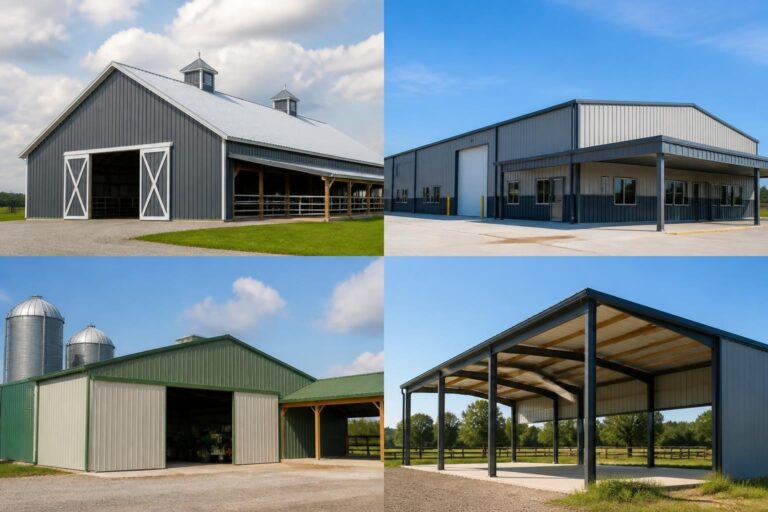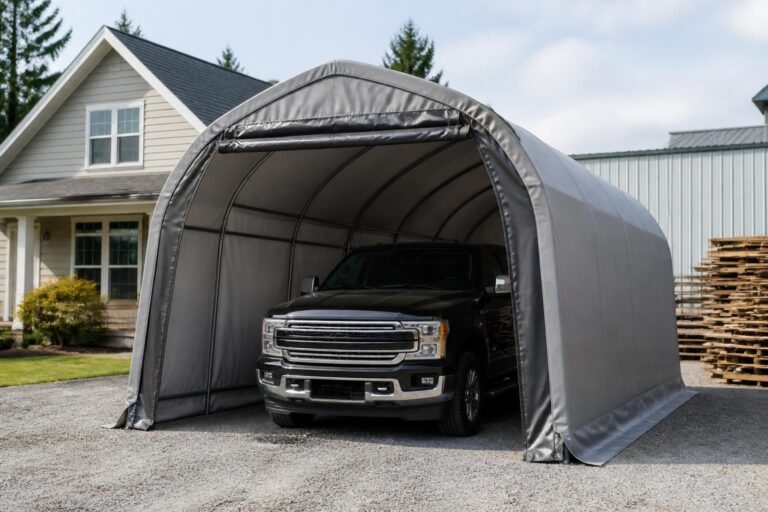


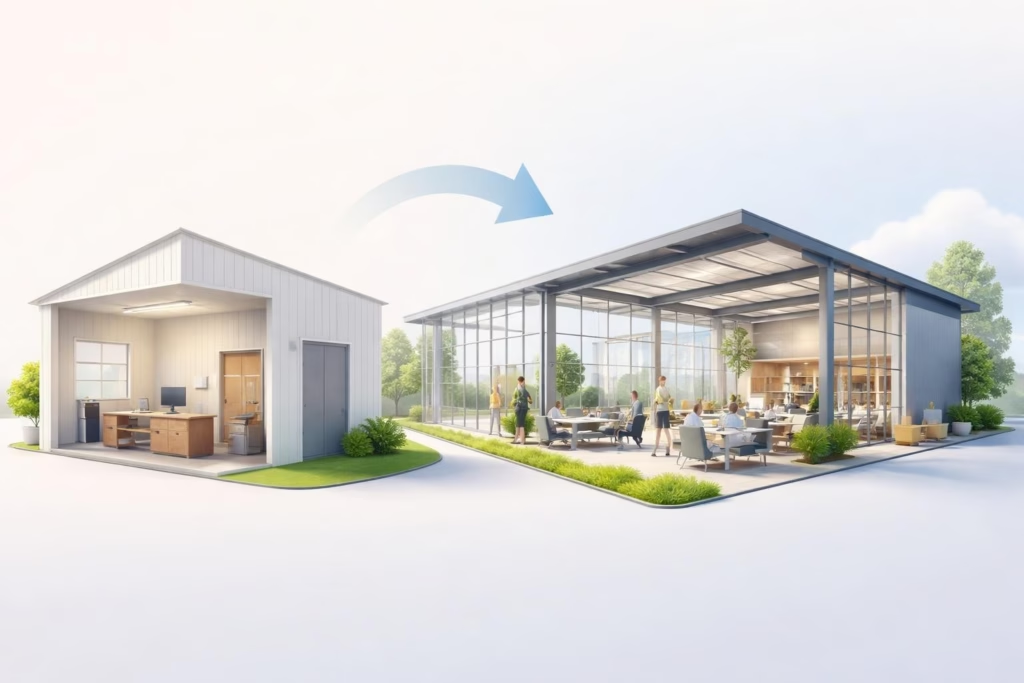
The modern workplace continues to evolve, and businesses increasingly seek flexible, cost-effective solutions for their office space needs. A metal building office represents an innovative approach that combines durability, affordability, and customization in ways traditional construction simply cannot match. Whether you're launching a startup, expanding operations, or establishing a remote site office, metal structures offer compelling advantages that deserve serious consideration in your planning process.
Why Choose a Metal Building Office for Your Business
Metal structures have transformed from purely industrial applications into sophisticated commercial spaces suitable for professional office environments. The shift reflects both technological advances in metal building design and a broader recognition of their practical benefits.
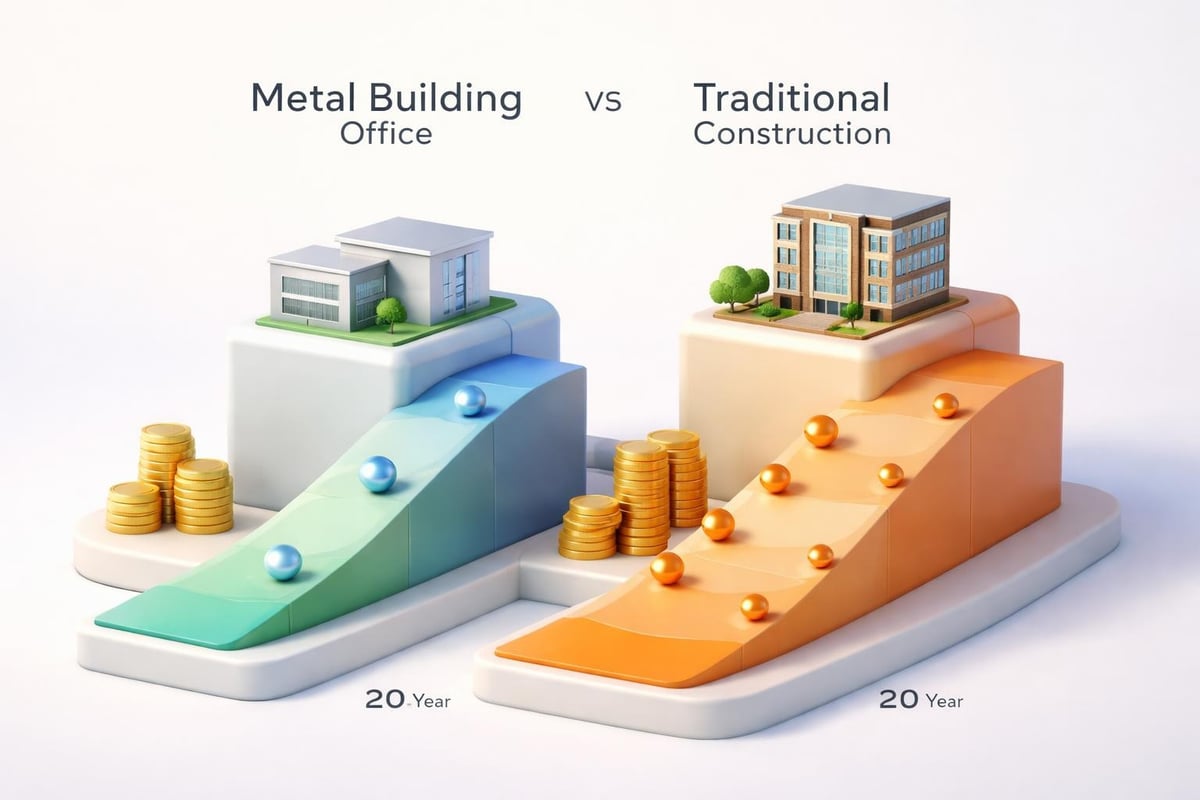
Cost efficiency stands out as a primary advantage. Metal building offices typically cost 30-50% less than conventional construction methods, allowing businesses to allocate resources toward equipment, personnel, and operations rather than excessive building expenses. This affordability extends beyond initial construction to include lower insurance premiums and reduced maintenance costs over the structure's lifespan.
The construction timeline presents another significant benefit. While traditional office buildings may require six months to a year for completion, a metal building office can be delivered and erected within weeks. This rapid deployment proves particularly valuable for businesses needing immediate space solutions or those working within tight operational deadlines.
Durability and Low Maintenance Requirements
Metal building offices withstand environmental challenges that compromise traditional structures. Steel frames resist rot, mold, termites, and fire damage while maintaining structural integrity through decades of service. The galvanized steel coating protects against rust and corrosion, even in harsh weather conditions.
Maintenance demands remain minimal compared to wood-frame construction. Annual inspections and occasional cleaning typically suffice to keep your metal building office in excellent condition. This reliability translates to predictable operating costs and fewer unexpected repairs that disrupt business operations.
Design Considerations for Your Metal Building Office
Creating an effective office space within a metal structure requires thoughtful planning that addresses both functional requirements and employee comfort. Understanding key design factors helps ensure your finished space meets current needs while accommodating future growth.
Layout and Space Planning
Open floor plans work exceptionally well in metal building offices due to the column-free interior spans these structures provide. Without load-bearing interior walls, you gain complete flexibility in arranging workstations, conference rooms, and collaborative spaces according to your operational workflow.
Consider these layout options:
- Modular workstation clusters that can be reconfigured as team sizes change
- Private offices along perimeter walls preserving open collaboration zones in central areas
- Multi-purpose spaces serving dual functions for meetings and presentations
- Dedicated zones for different work modes (focused work, collaboration, casual interaction)
Standard ceiling heights in metal building offices range from 10 to 16 feet, creating an airy atmosphere that reduces the closed-in feeling some associate with prefabricated structures. Higher ceilings also improve air circulation and provide space for efficient HVAC systems and professional lighting installations.
Interior Finishing and Aesthetics
The interior of your metal building office doesn't need to look industrial unless that aesthetic serves your brand. Modern finishing techniques transform steel shells into polished professional environments indistinguishable from traditional offices.
| Finishing Element | Options | Benefits |
|---|---|---|
| Wall Systems | Drywall, wood paneling, metal panels | Sound dampening, professional appearance |
| Flooring | Polished concrete, carpet tiles, vinyl plank | Durability, comfort, easy maintenance |
| Ceiling | Drop ceiling, exposed beam, spray foam | Acoustic control, utility access |
| Insulation | Spray foam, fiberglass batts, rigid board | Temperature control, energy efficiency |
Interior finishing approaches vary based on climate, budget, and intended use. Spray foam insulation provides superior thermal performance and moisture control, creating comfortable year-round working conditions. Many businesses find that investing in quality insulation pays dividends through reduced energy costs within the first few years of operation.
Customization Options for Professional Office Environments
Metal building offices offer extensive customization possibilities that allow businesses to create spaces precisely matching their requirements. This flexibility extends to structural dimensions, exterior finishes, and integrated features.
Exterior Design and Curb Appeal
Professional appearance matters for client-facing businesses. Modern metal building offices incorporate architectural elements that enhance visual appeal while maintaining the structural and economic advantages of steel construction.
Window placement significantly impacts both aesthetics and functionality. Large windows flood interior spaces with natural light, reducing electricity costs while creating more pleasant work environments. Strategic window positioning also frames attractive views while minimizing glare on computer screens.
The color selection for your metal building office influences both appearance and performance. Lighter colors reflect heat in warmer climates, reducing cooling costs, while darker tones may be preferred in northern regions for heat absorption. Contemporary color schemes can incorporate multiple complementary shades for trim, walls, and roofing that align with corporate branding.
Essential Features and Amenities
A functional metal building office requires thoughtful integration of modern workplace amenities. Electrical systems should include ample outlets, dedicated circuits for equipment, and structured cabling for data networks. Planning these elements during initial design proves far easier than retrofitting after construction.
Consider incorporating:
- Climate control systems sized appropriately for your square footage and local climate
- Restroom facilities meeting code requirements for your expected occupancy
- Break room or kitchen area supporting employee wellness and convenience
- Separate entrance and reception area creating professional first impressions for visitors
- Secure storage spaces for documents, supplies, and equipment
Metal Building Office Setup Process
Understanding the development process helps businesses plan effectively and avoid common design mistakes that create delays or additional expenses.
Pre-Construction Planning Steps
- Site selection and preparation – Evaluate accessibility, utilities availability, drainage, and local building codes
- Size determination – Calculate required square footage based on current staff plus 20-30% growth capacity
- Budget establishment – Account for structure costs, foundation, utilities, interior finishing, and permits
- Design finalization – Work with suppliers to specify dimensions, features, and customization elements
- Permitting and approvals – Submit plans to local authorities and obtain necessary building permits
Foundation requirements vary based on soil conditions and building size. Concrete slab foundations work well for most metal building offices, providing a level floor surface while anchoring the structure securely. Some locations may require additional footings or specialized foundation systems to address specific soil or environmental conditions.
Construction and Installation
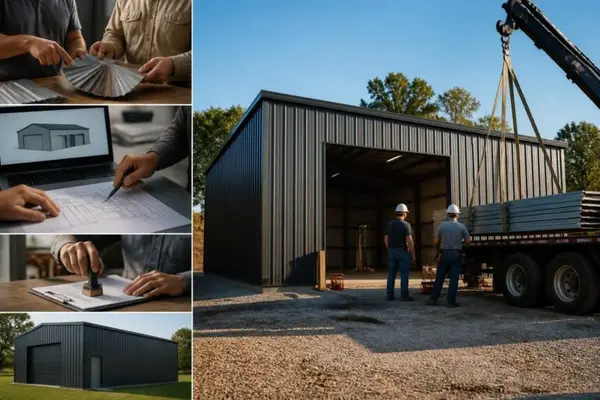
Professional installation ensures your metal building office goes together correctly and performs as designed. Experienced crews typically complete the structural erection within days, though total project timelines depend on size and complexity.
The construction sequence generally follows this pattern:
- Foundation curing and preparation
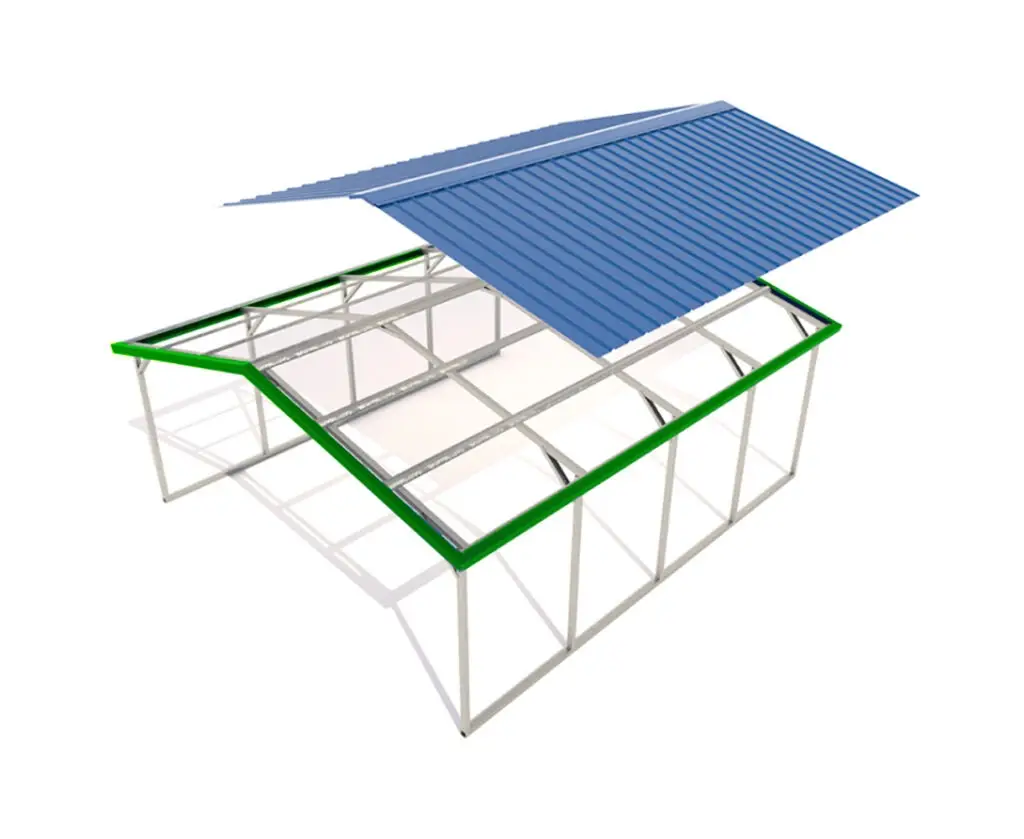
- Primary frame assembly and anchoring
- Secondary framing and bracing installation
- Roof and wall panel attachment
- Trim, flashing, and weatherproofing
- Door and window installation
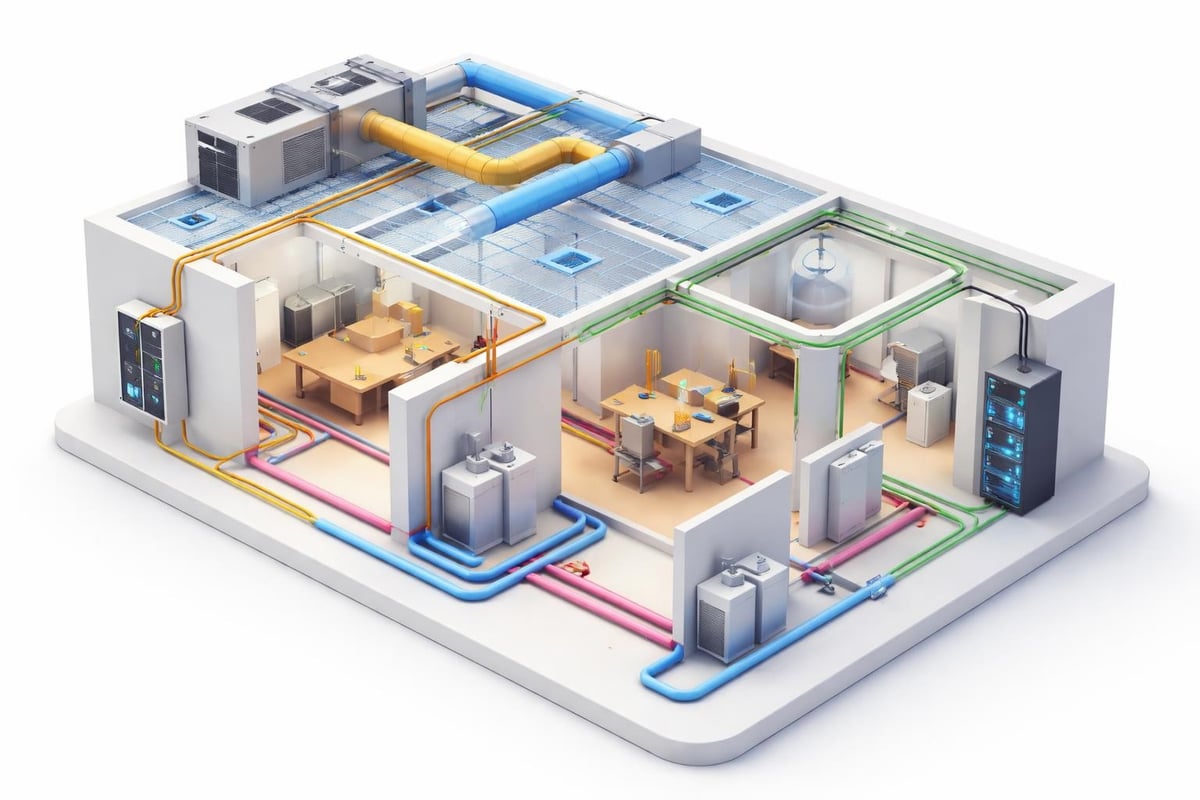
Interior work proceeds once the structure is weather-tight. Electrical, plumbing, and HVAC rough-ins occur before insulation and wall finishing. This sequencing allows inspection of systems before they become concealed behind finished surfaces.
Adapting Metal Buildings for Office Use
Converting metal carport structures or agricultural buildings into office space offers budget-conscious businesses another pathway to acquiring functional workspace. The process requires careful planning but can deliver substantial savings compared to new construction.
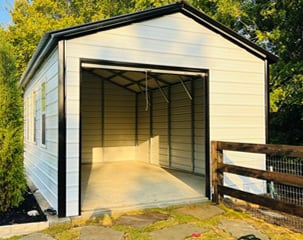
Many businesses start with fully enclosed metal buildings designed initially for storage or equipment protection. These structures provide weatherproof shells that can be systematically finished into comfortable office environments through strategic improvements.
Conversion Considerations
Transforming an existing metal structure into office space involves addressing several key areas:
Climate control becomes the first priority. Uninsulated metal buildings experience extreme temperature swings that make them unsuitable for year-round occupation. Adding spray foam or rigid board insulation creates a thermal barrier that enables efficient heating and cooling.
Natural lighting improvements dramatically enhance the workspace quality. Installing windows, skylights, or translucent panel sections reduces reliance on artificial lighting while creating more inviting interiors. Proper placement prevents excessive heat gain while maximizing beneficial daylight.
Utility integration requires planning electrical service, plumbing connections, and internet infrastructure. Many businesses find that working with experienced contractors familiar with metal building retrofits streamlines this process and ensures code compliance.
Zoning, Codes, and Legal Considerations
Regulatory compliance represents a critical aspect of any metal building office project. Requirements vary significantly by jurisdiction, making research essential before committing to specific plans or purchases.
Building Codes and Permits
Local building codes establish minimum standards for structural integrity, fire safety, accessibility, and energy efficiency. Your metal building office must meet or exceed these requirements to obtain necessary permits and pass inspections.
Key code areas affecting metal building offices include:
- Structural load requirements for snow, wind, and seismic forces
- Fire safety provisions including sprinklers, alarms, and exit requirements
- Accessibility standards ensuring ADA compliance for employees and visitors
- Energy codes mandating insulation values and HVAC efficiency levels
Working with suppliers familiar with local requirements helps navigate these complexities. Many metal building manufacturers provide engineered drawings stamped by licensed professionals, simplifying the permit approval process.
Zoning Compliance
Zoning regulations determine where businesses can locate office facilities and what activities are permitted. Industrial parks and commercial zones typically welcome metal building offices, while residential and agricultural areas may impose restrictions or require special use permits.
Verify zoning compliance early in your planning process to avoid investing time and resources in sites that ultimately prove unsuitable. Local planning departments can provide zoning maps and guidance on permitted uses within specific districts.
Energy Efficiency and Sustainability
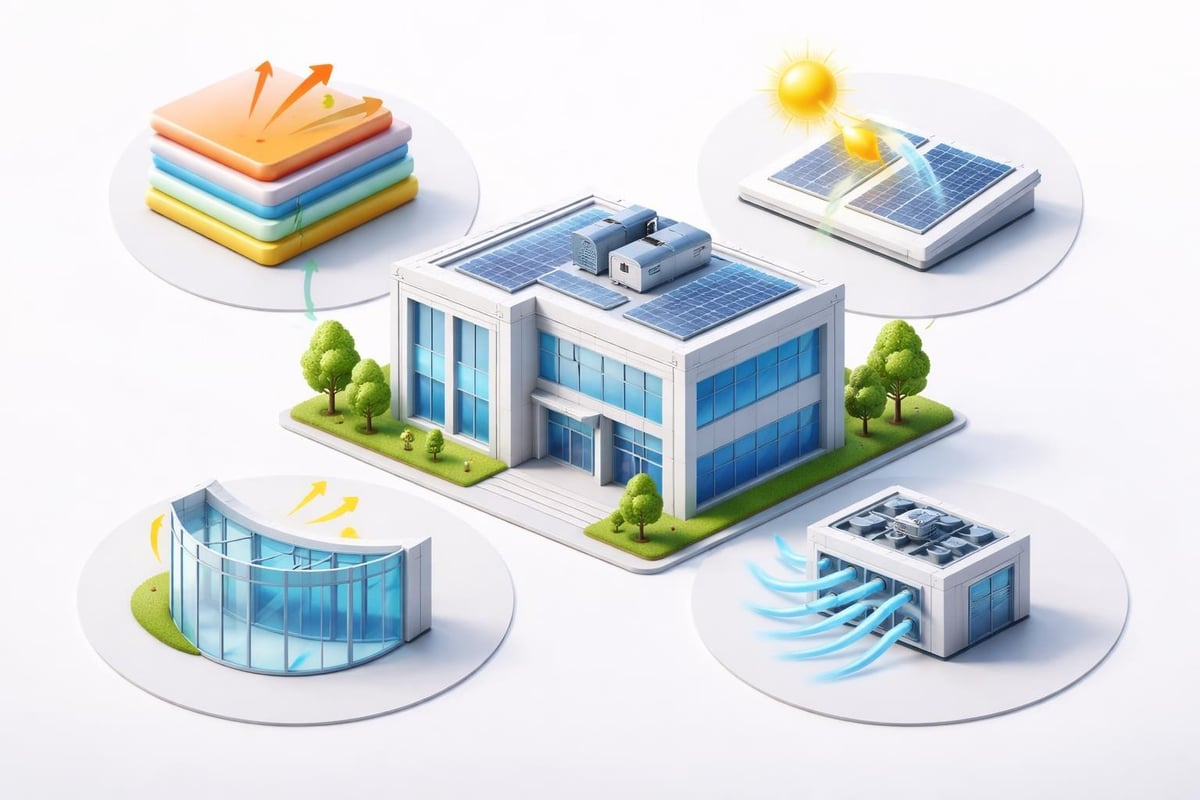
Modern metal building offices can achieve impressive energy performance through proper design and material selection. These improvements reduce operating costs while supporting corporate sustainability goals.
Insulation Strategies
Effective insulation creates the foundation for energy-efficient metal building offices. The thermal performance difference between uninsulated and properly insulated metal structures is dramatic, often reducing heating and cooling costs by 50% or more.
| Insulation Type | R-Value Range | Best Applications | Installation Notes |
|---|---|---|---|
| Spray Foam | R-6 to R-7 per inch | All climates | Excellent air sealing |
| Fiberglass Batts | R-13 to R-38 | Moderate climates | Cost-effective option |
| Rigid Board | R-4 to R-6 per inch | Exterior applications | Continuous coverage |
| Reflective Barriers | R-3 to R-17 | Hot climates | Works with air gaps |
Combining insulation types often yields superior results. A common approach pairs spray foam for air sealing with additional fiberglass batts for enhanced thermal resistance, optimizing both performance and cost.
Sustainable Design Features
Metal building offices inherently offer sustainability advantages. Steel manufacturing incorporates high percentages of recycled content, and the buildings themselves are fully recyclable at end of life. This circularity reduces environmental impact compared to construction methods generating substantial landfill waste.
Cool roof coatings reflect solar radiation, reducing heat absorption and lowering cooling demands. These specialized finishes can decrease roof surface temperatures by 50-60 degrees compared to conventional dark roofing, translating to measurable energy savings in warm climates.
Cost Analysis and Budgeting
Understanding the complete financial picture helps businesses make informed decisions about metal building office investments. Costs extend beyond the initial structure purchase to include site work, utilities, finishing, and ongoing operations.
Initial Investment Breakdown
A comprehensive budget for your metal building office should account for these expense categories:
- Building structure – Frame, panels, roof, doors, and windows (typically 40-50% of total)
- Foundation – Concrete slab, footings, and site preparation (15-25% of total)
- Interior finishing – Insulation, walls, ceiling, flooring, and paint (20-30% of total)
- Utilities – Electrical service, plumbing, HVAC systems (15-20% of total)
- Permits and fees – Building permits, impact fees, inspections (2-5% of total)
Per-square-foot costs for finished metal building offices typically range from $50 to $100, depending on location, finishing level, and customization. This compares favorably to traditional office construction averaging $150 to $300 per square foot in most markets.
Long-Term Value Proposition
The financial advantages of metal building offices extend well beyond initial savings. Lower maintenance requirements reduce ongoing expenses, while energy-efficient design minimizes utility costs. Insurance companies often offer favorable rates for steel structures due to their fire resistance and durability.
Businesses exploring financing options can access various programs supporting commercial metal building purchases. Some find that monthly financing payments cost less than comparable commercial space leases while building equity in a business asset.
Location-Specific Considerations
Climate, local regulations, and regional construction practices influence metal building office planning. Understanding these variables helps ensure your project succeeds regardless of where your business operates.
Climate Adaptations
Different regions demand specific design adjustments. Heavy snow areas require reinforced roof systems rated for appropriate load capacities, while coastal locations need upgraded corrosion protection against salt air exposure. Wind-prone regions benefit from additional anchoring and structural bracing meeting local wind load requirements.
The planning resources available through industry associations provide climate-specific guidance helping businesses optimize their metal building office designs for local conditions. Taking advantage of these resources during initial planning prevents costly modifications later.
Regional Building Practices
Construction methods and material availability vary by region, affecting both timelines and costs. Areas with established metal building industries typically offer more competitive pricing and faster installation schedules due to experienced contractor availability.
Businesses can explore regional service options to understand what's available in their specific locations and how local factors might influence their metal building office projects.
Future Flexibility and Expansion
Business needs evolve, and your metal building office should accommodate growth without requiring complete reconstruction. Planning for future expansion during initial design proves far more cost-effective than attempting to retrofit later.
Modular Expansion Strategies
Metal buildings excel at incremental expansion. Additional bays can be added to existing structures, effectively doubling or tripling office space when needed. This modular approach allows businesses to invest in capacity as revenue grows rather than overbuilding initially.
Expandable designs typically incorporate these elements:
- Removable end walls allowing new sections to connect seamlessly
- Utility systems oversized to serve future expansion areas
- Foundation extensions planned during initial site work
- Matching architectural elements ensuring visual continuity
The ability to transform carports into enclosed garages demonstrates the inherent flexibility of metal structures. Similar conversion principles apply to office spaces, where open areas can be subdivided or enclosed zones opened as needs change.
Multi-Use Potential
Smart businesses design metal building offices with multi-functional capacity. Spaces serving as conference rooms during weekdays might accommodate training sessions, community events, or product demonstrations at other times. This versatility maximizes return on your building investment.
High-bay areas within your metal building office can serve equipment storage, product displays, or future expansion into light manufacturing. Maintaining some unfinished space provides options for adapting to opportunities that emerge as your business develops.
Metal building offices deliver an exceptional combination of affordability, durability, and flexibility that traditional construction cannot match. By understanding design considerations, customization options, and local requirements, businesses can create professional workspaces supporting their operations for decades. Metal Structure Sales LLC specializes in customizable metal structures with delivery and installation included, helping you transform your office space vision into reality with quality materials and expert support tailored to your specific business needs.