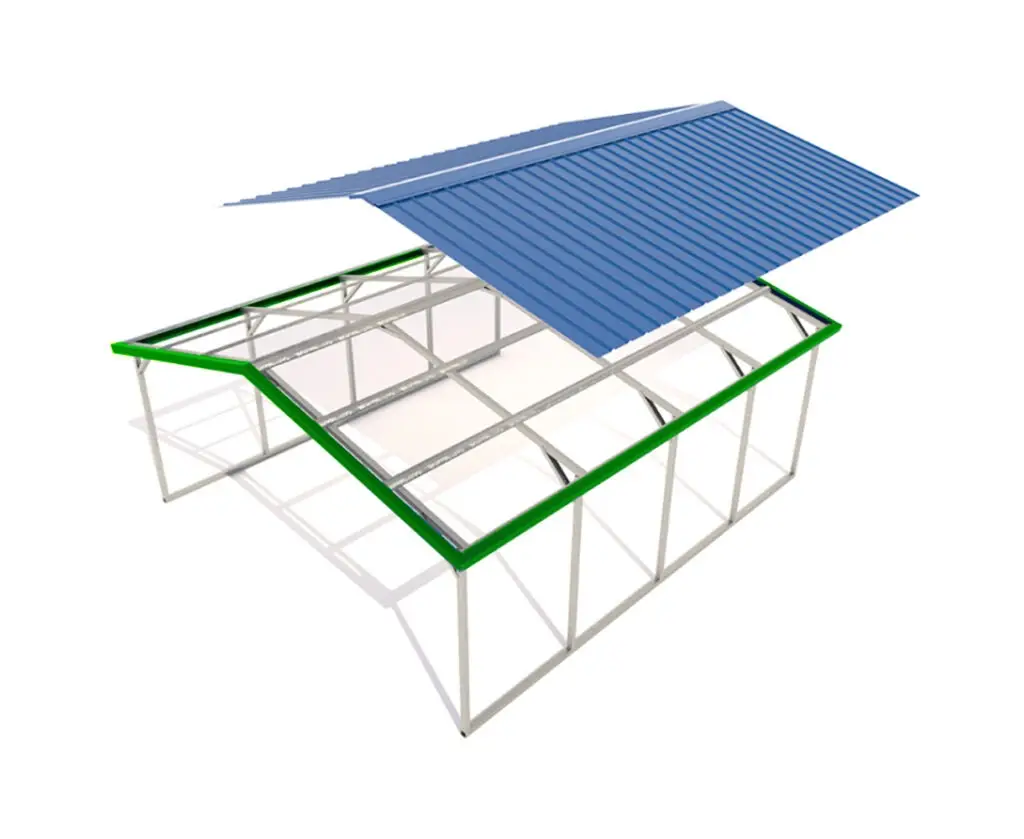



Investing in a metal garage represents a significant decision for property owners seeking durable, cost-effective storage solutions. Understanding metal garage prices requires examining multiple factors that influence the final cost, from structural specifications to regional variations. This comprehensive guide breaks down the pricing landscape for 2026, helping you make informed decisions about your metal building investment.
Understanding Base Metal Garage Prices
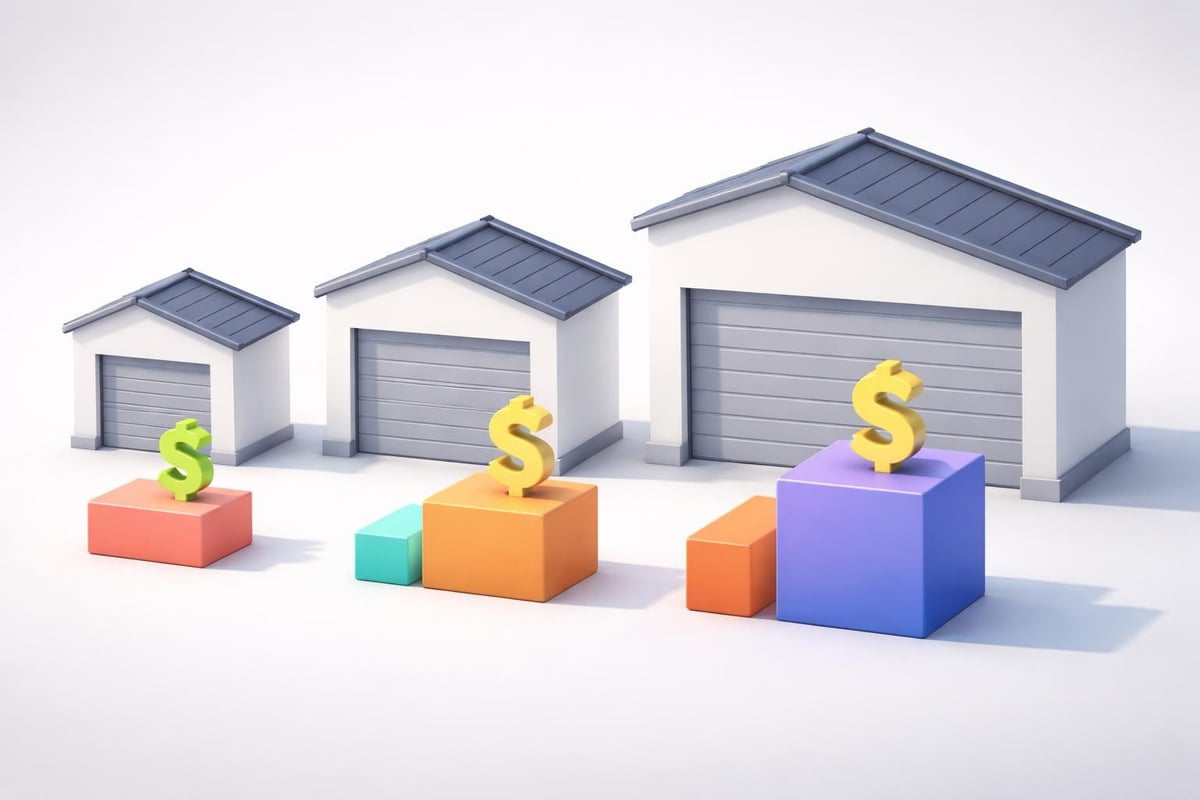
Metal garage prices start with baseline costs that vary significantly based on size and style. A standard 12×21-foot single-car metal garage typically ranges from $1,995 to $3,200, while a 18×21-foot structure accommodating one vehicle comfortably falls between $2,795 and $4,500. Double-car garages measuring 22×21 feet generally cost between $4,295 and $6,800, depending on specifications.
Size and Dimension Impact
The most significant factor affecting metal garage prices involves the structure's dimensions. Width, length, and height each contribute differently to total costs. Wider spans require additional structural support, increasing material and engineering costs proportionally.
Building sizes commonly available include:
- 12-18 feet wide: Single-car options ideal for compact vehicles or storage
- 20-24 feet wide: Double-car configurations for two vehicles or workshop space
- 26-30 feet wide: Triple-car or multi-purpose facilities
- 30+ feet wide: Commercial-grade structures requiring specialized engineering
According to pricing data from Alan’s Factory Outlet, every additional foot of width typically adds $35-$75 to the base price, while length extensions cost approximately $15-$40 per linear foot. Height adjustments, particularly clearances exceeding 8 feet, can increase prices by $300-$800 depending on the total structure size.
Roof Style and Design Choices
Roof architecture significantly influences metal garage prices through both material requirements and structural complexity. Three primary roof styles dominate the market, each offering distinct advantages and price points.
Regular roof style represents the most economical option, featuring rounded eaves and horizontal roof panels. This design typically costs 15-20% less than vertical roof alternatives and works well in regions with minimal snow accumulation. However, its horizontal panel orientation makes it less suitable for areas experiencing heavy precipitation.
Boxed-eave roof style provides a middle-ground solution with A-frame horizontal panels offering improved water runoff compared to regular roofs. This option generally adds $200-$500 to base metal garage prices while maintaining reasonable structural costs. The design works effectively in moderate climate zones where occasional rain or light snow occurs.
Vertical roof style commands premium pricing but delivers superior performance. Vertical panel orientation allows rain, snow, and debris to slide off efficiently, preventing accumulation that could compromise structural integrity. Detailed comparisons from Metal Barn Central show vertical roof garages cost approximately 20-30% more than regular roof equivalents but offer substantially better longevity in harsh weather conditions.
| Roof Style | Price Premium | Best Use Case | Weather Performance |
|---|---|---|---|
| Regular | Baseline | Mild climates | Moderate |
| Boxed-Eave | +$200-$500 | Moderate weather | Good |
| Vertical | +20-30% | Heavy snow/rain | Excellent |
Understanding factors that influence metal carport prices helps buyers select appropriate roof styles for their specific regional requirements and budget constraints.
Gauge Thickness and Material Quality
Steel gauge measurements directly impact both metal garage prices and structural durability. Lower gauge numbers indicate thicker, stronger steel, with 12-gauge and 14-gauge representing industry-standard options for residential and light commercial applications.
Frame and Panel Specifications
Frame gauge determines the skeleton's strength that supports the entire structure. Most metal garages utilize 14-gauge tubing for standard residential applications, providing adequate strength for typical vehicle storage and workshop use. Upgrading to 12-gauge framing adds approximately $400-$900 to total costs but significantly increases wind and snow load capacity.
Panel gauge affects the exterior sheeting that protects contents from weather exposure. Standard 29-gauge panels suit most residential needs, while 26-gauge options offer enhanced durability for $300-$600 additional cost. Commercial applications or regions with severe weather often justify 24-gauge panels despite higher expense.
The relationship between gauge and longevity becomes particularly important when calculating long-term value. Thicker materials resist denting, corrosion, and structural fatigue more effectively than thinner alternatives. Property owners in coastal areas or snow-belt regions should prioritize heavier gauge specifications to maximize investment protection.
Customization Options and Add-Ons
Customization dramatically affects metal garage prices by adding functionality and convenience features. Standard configurations include minimal openings and basic accessibility, while customized structures incorporate specific doors, windows, and access points tailored to individual needs.
Essential Upgrades
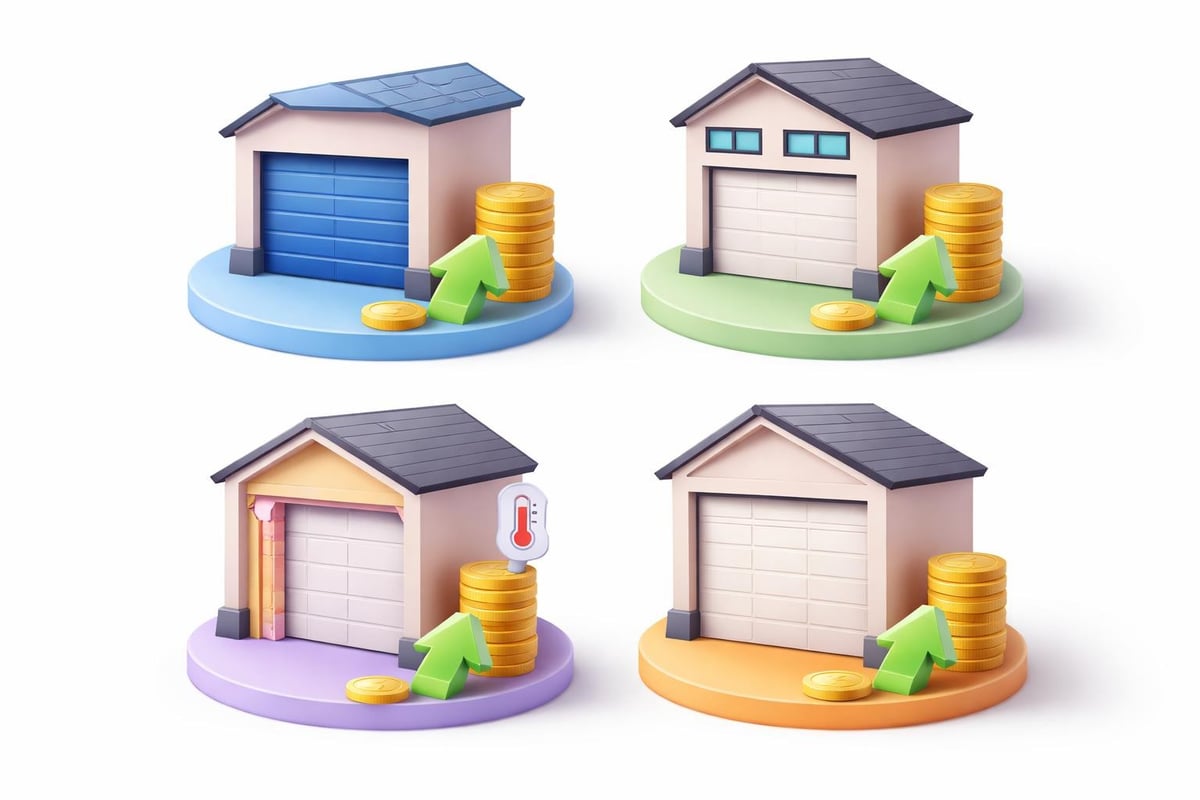
Roll-up doors represent the most common garage addition, with 9×8-foot models costing $700-$1,200 installed. Walk-in doors typically add $300-$500, while windows range from $150-$400 depending on size and number. Georgia-specific pricing from Carport Central demonstrates how regional labor rates influence installation costs for these accessories.
Insulation packages substantially increase comfort and energy efficiency. Spray foam or batt insulation adds $1.50-$3.50 per square foot, translating to $1,000-$2,500 for average-sized garages. This investment proves particularly valuable for climate-controlled workshops or heated storage spaces.
- Wainscoting: Partial wall coverage for $400-$800
- Lean-to additions: Extended coverage areas for $800-$2,000
- Gable ends: Enhanced aesthetics and ventilation for $300-$600
- Extra height: Additional clearance per foot for $200-$400
Regional Price Variations
Geographic location significantly influences metal garage prices through multiple mechanisms including transportation costs, local building codes, and regional competition among suppliers. Understanding these variations helps buyers budget accurately and identify potential savings opportunities.
Transportation and Delivery
Delivery charges typically range from $0-$500 depending on distance from manufacturing facilities. Suppliers often establish free delivery zones within 50-100 miles of distribution centers, with fees increasing $1.50-$3.00 per mile beyond those boundaries. Remote locations may incur substantial delivery surcharges that materially affect total project costs.
Installation services bundled with delivery provide significant convenience but vary regionally. Labor-intensive markets like metropolitan areas command premium installation rates, while rural regions with lower overhead often offer competitive pricing. Exploring options for affordable carports for sale can reveal regional pricing advantages.
| Region | Typical Delivery Range | Installation Premium | Permit Requirements |
|---|---|---|---|
| Southeast | Free 0-75 miles | Standard | Minimal |
| Northeast | Free 0-50 miles | +15-25% | Moderate |
| Midwest | Free 0-100 miles | Standard | Minimal |
| West Coast | Free 0-60 miles | +20-30% | Extensive |
Local building codes and permit requirements represent hidden costs that vary dramatically by jurisdiction. Some counties require extensive engineering certifications and permit fees exceeding $1,000, while others impose minimal regulatory oversight. Researching local requirements before purchasing prevents unexpected expenses during installation.
Certification and Engineering Requirements
Building certifications ensure metal garages withstand specific wind speeds and snow loads dictated by local environmental conditions. These certifications significantly impact metal garage prices but provide essential structural integrity guarantees and insurance compliance.
Wind and Snow Load Ratings
Wind certification levels typically range from 90 mph to 170 mph, with each increment requiring additional structural reinforcement. Basic 90 mph certification suits mild climate zones and adds minimal cost, while 140 mph or higher ratings necessary for hurricane-prone regions increase prices by $500-$1,500 depending on structure size.
Snow load capacity measures pounds per square foot the roof can support without structural failure. Standard 20-30 psf ratings work adequately for most regions, while mountain areas or northern climates may require 40-60 psf capabilities. Higher snow load ratings necessitate reinforced framing and additional bracing, typically adding $400-$1,000 to base metal garage prices.
Comprehensive pricing information from Metal Carports details how certification levels correlate with geographic zones and building code requirements. Property owners should verify local specifications before selecting certification levels to ensure compliance while avoiding unnecessary overengineering.
Comparing Metal Garage Configurations
Different garage configurations serve distinct purposes and command varying price points. Understanding these variations helps buyers select structures that balance functionality with budget constraints.
Fully Enclosed vs. Partially Enclosed
Fully enclosed metal garages provide complete weather protection and security, featuring walls on all four sides with designated door openings. These structures cost approximately 40-60% more than open carports of equivalent dimensions but offer superior protection for valuable vehicles, tools, and equipment. For property owners seeking comprehensive storage solutions, exploring fully enclosed metal buildings reveals customization options that maximize utility while managing costs effectively.
Partially enclosed designs include one, two, or three walls while leaving remaining sides open for access or ventilation. This configuration reduces material costs by 15-30% compared to fully enclosed options while still providing significant weather protection. Partial enclosures work particularly well for equipment storage or covered workspace applications.
Combo units combine enclosed storage with open carport sections, offering versatile functionality. A typical combo configuration might feature a 12×20-foot enclosed workshop attached to a 12×20-foot open carport, providing both secure storage and covered parking in one integrated structure.
Financing and Payment Options
Metal garage prices represent substantial investments that many buyers prefer to finance rather than pay upfront. Various financing mechanisms accommodate different financial situations and credit profiles.
Rent-to-Own Programs
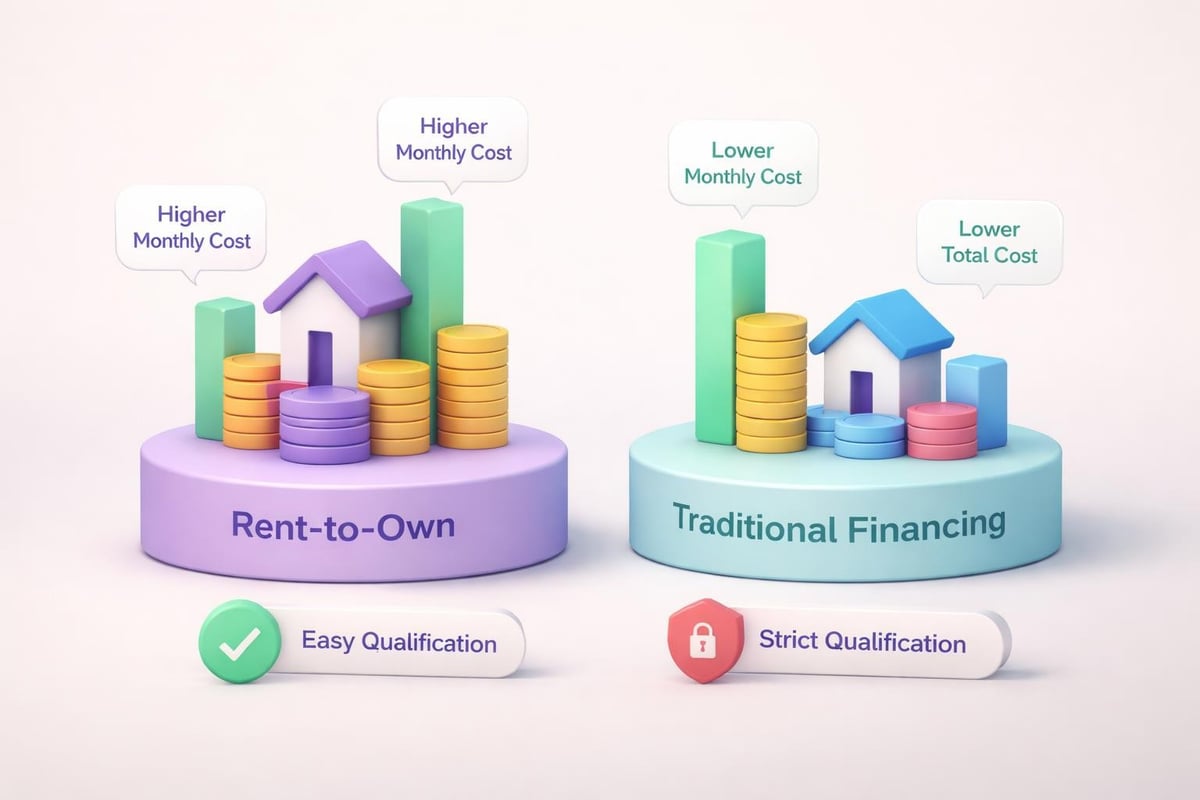
Rent-to-own (RTO) arrangements allow buyers to acquire metal garages through monthly payments without traditional credit checks or large down payments. Typical RTO terms span 36-60 months with monthly payments ranging from $150-$600 depending on structure value. While total costs typically exceed cash prices by 20-40%, this option provides accessibility for buyers with limited upfront capital or imperfect credit.
Traditional financing through banks or credit unions offers lower total costs for qualified borrowers. Interest rates typically range from 5-12% annually depending on creditworthiness, with loan terms extending 5-15 years for larger structures. Many lenders treat metal garages as home improvements, potentially qualifying buyers for home equity lines of credit with favorable rates.
Financing options detailed by Bulldog Steel Structures demonstrate how payment plans affect overall affordability and budget management for metal garage investments.
Cost-Saving Strategies
Strategic planning and informed decision-making can substantially reduce metal garage prices without compromising quality or functionality. Several approaches help buyers maximize value while staying within budget constraints.
Timing and Seasonal Considerations
Off-season purchasing during late fall or winter often yields discounts of 5-15% as manufacturers and dealers seek to maintain steady sales volumes during slower periods. Some suppliers offer promotional pricing or waived delivery fees during specific months, creating opportunities for significant savings.
Standard sizing eliminates custom engineering and fabrication costs associated with non-standard dimensions. Sticking to common sizes like 12×21, 18×21, 22×21, or 24×30 feet typically saves $300-$800 compared to custom dimensions requiring special ordering.
Buyers can reduce costs by:
- Selecting regular or boxed-eave roofs in suitable climates rather than premium vertical designs
- Choosing standard colors instead of custom paint options that add $200-$500
- Minimizing accessories initially and adding features later as budget permits
- Preparing installation sites independently rather than paying for contractor site preparation
- Comparing multiple suppliers to identify competitive pricing and promotional offers
Quality Considerations Beyond Price
While managing metal garage prices remains important, quality factors ultimately determine long-term satisfaction and value. Several indicators help identify reputable suppliers and durable structures worth the investment.
Manufacturer Reputation and Warranties
Warranty coverage reflects manufacturer confidence in product quality. Comprehensive warranties typically include 20-year rust-through coverage on panels, 10-year frame warranties, and 1-year workmanship guarantees. Suppliers offering limited warranties or excluding common failure modes may indicate inferior materials or construction standards.
Gauge verification ensures advertised specifications match delivered products. Reputable manufacturers provide documentation confirming frame and panel gauges, while less scrupulous sellers may substitute thinner materials to reduce costs. Requesting specification sheets and installation documentation protects buyers from bait-and-switch tactics.
Understanding steel building quality in Arizona and similar regional guides helps buyers evaluate construction standards appropriate for local conditions.
Building relationships with established suppliers like those offering custom steel buildings provides access to experienced teams who understand local requirements and deliver reliable installation services.
Installation and Site Preparation
Installation costs bundled into metal garage prices typically include labor, equipment, and basic site preparation, but specific requirements vary by location and soil conditions. Understanding what installation includes prevents unexpected expenses during project completion.
Foundation Requirements
Level ground represents the minimum site requirement for most installations. Suppliers generally include basic leveling within reasonable tolerances, but significant slope corrections or excavation require additional fees of $500-$2,000 depending on extent. Property owners can reduce costs by preparing sites before scheduled installation dates.
Anchoring systems secure structures against wind uplift and lateral movement. Mobile home anchors suit soft soil conditions and cost approximately $15-$25 per anchor, with most garages requiring 6-10 anchors depending on size. Concrete footings provide superior stability in stable soil conditions but increase installation costs by $800-$1,500 for average-sized structures.
Discussing site-specific requirements during initial consultations ensures accurate pricing and prevents installation delays. Many suppliers offer free site evaluations to assess conditions and recommend appropriate foundation systems.
Comparing Value Across Structure Types
Metal garage prices compare favorably to alternative building methods when evaluated comprehensively. Understanding total cost of ownership including maintenance, longevity, and versatility reveals the true value proposition.
Metal vs. Wood vs. Concrete
Metal structures offer the most cost-effective solution for most residential applications, with initial costs 30-50% lower than comparable wood buildings and 60-75% less than concrete block construction. Material durability eliminates painting, sealing, and weather protection maintenance required by wood alternatives, saving hundreds of dollars annually.
Wood garages provide traditional aesthetics but require ongoing maintenance including painting every 3-5 years, pest control, and rot prevention. Total ownership costs over 20 years typically exceed metal alternatives by 40-60% despite similar or lower initial construction costs.
Concrete block construction delivers maximum durability and security but commands premium pricing 2-3 times higher than equivalent metal structures. This option suits permanent commercial installations or high-security applications where cost considerations become secondary to longevity and protection.
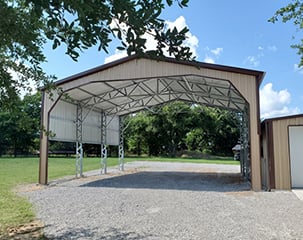
Evaluating metal buildings styles and types helps buyers understand diverse applications and configuration options that maximize utility for specific needs.
Long-Term Investment Perspective
Viewing metal garage prices through a long-term investment lens reveals value beyond simple upfront costs. Durability, maintenance requirements, and versatility significantly impact total cost of ownership and return on investment.
Property Value Enhancement
Quality metal garages enhance property values by providing functional storage space, protecting vehicles from weather damage, and offering potential workshop or hobby space. Real estate appraisers typically credit 50-75% of structure costs toward property valuations, effectively reducing net investment by thousands of dollars when properties sell.
Resale market for metal garages remains strong, with used structures commanding 40-60% of original prices when relocated to new properties. This residual value provides financial flexibility unavailable with permanent construction or deteriorating wood structures.
Maintenance costs for metal garages remain minimal compared to alternatives. Annual expenses typically include:
- Basic cleaning and debris removal: $0-$50
- Fastener inspection and replacement: $20-$50
- Optional resealing of panel seams: $100-$200 every 5-10 years
The combination of low maintenance, strong resale values, and property enhancement makes metal garages financially attractive investments that deliver returns beyond simple shelter provision.
Understanding metal garage prices empowers property owners to make informed decisions that balance budget constraints with quality requirements and long-term value. By evaluating size options, customization features, regional variations, and financing alternatives, buyers can identify structures that meet specific needs while maximizing investment returns. Metal Structure Sales LLC provides comprehensive guidance throughout the selection process, offering customizable metal garages with delivery and installation included to simplify your building project and ensure quality results.