

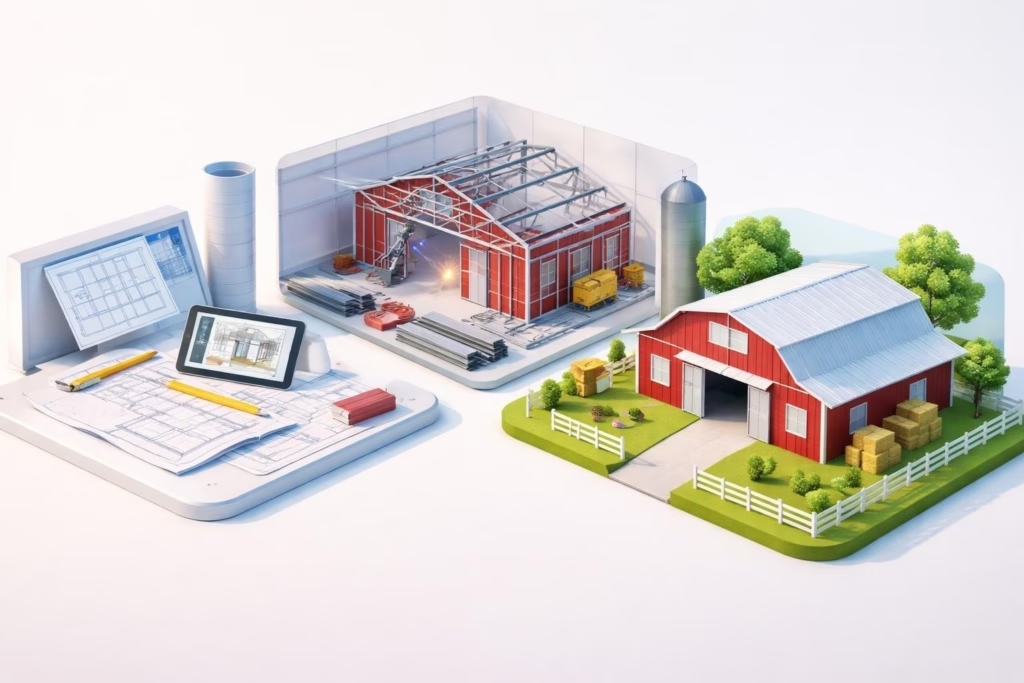
Metal prefab barns have transformed the agricultural and rural construction landscape by offering property owners a faster, more affordable, and longer-lasting alternative to traditional wooden structures. These pre-engineered buildings arrive at your site ready for assembly, eliminating months of construction time while delivering superior durability against weather, pests, and fire. Whether you need shelter for livestock, equipment storage, or a multi-purpose workspace, metal prefab barns provide customizable solutions that meet modern demands without compromising on strength or functionality. The shift toward prefabricated metal construction reflects both technological advancement and practical wisdom gained from decades of agricultural building experience.
Understanding Metal Prefab Barns and Their Advantages
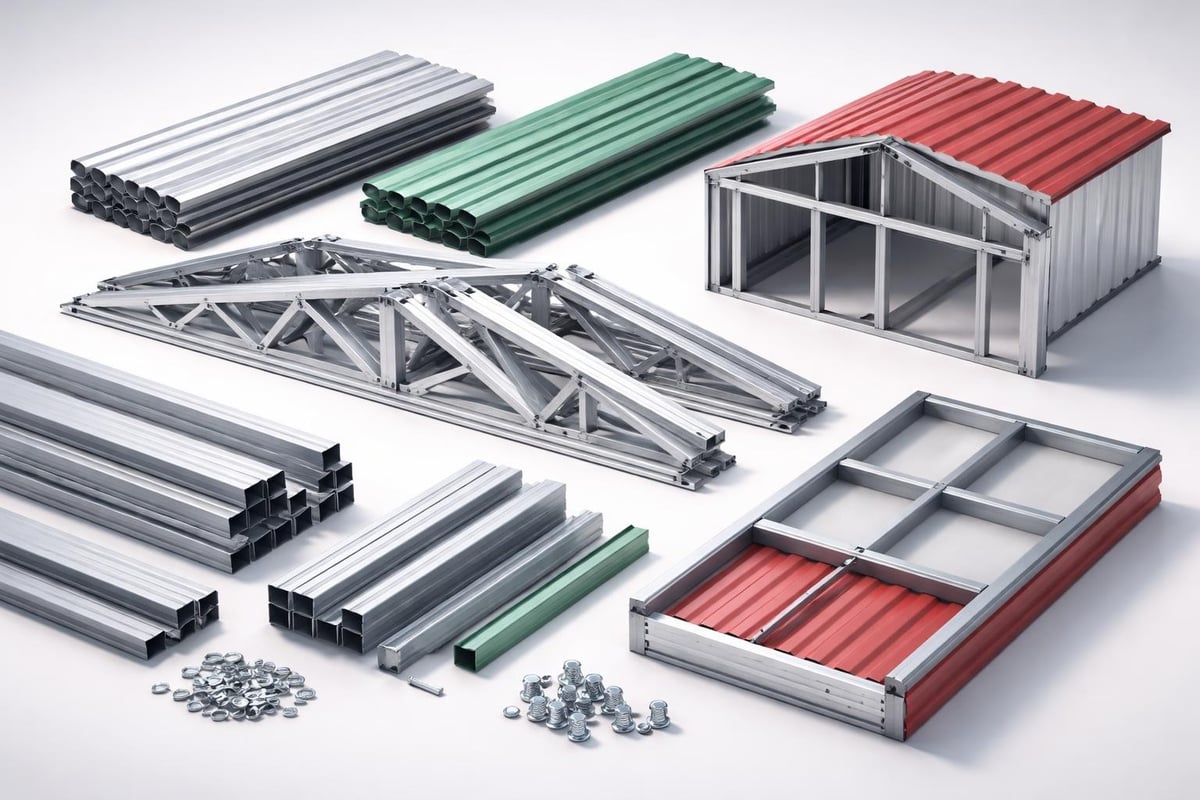
Metal prefab barns represent a fundamental shift in how we approach agricultural construction. Unlike traditional stick-built structures that require extensive on-site labor, these buildings arrive with components manufactured to exact specifications in controlled factory environments.
The manufacturing process of prefabricated metal buildings has evolved dramatically in recent years. Advanced computer-aided design systems ensure every beam, panel, and fastener fits perfectly, reducing installation time and minimizing material waste. This precision manufacturing also means your barn components withstand quality control testing before they ever reach your property.
Key advantages include:
- Speed of installation – Complete assembly in days rather than weeks or months
- Cost predictability – Factory pricing eliminates surprise expenses common in traditional construction
- Weather resistance – Steel withstands extreme temperatures, high winds, and heavy snow loads
- Pest immunity – Metal construction eliminates termite damage and rodent infiltration
- Fire safety – Non-combustible materials reduce insurance costs and fire risk
Superior Durability Compared to Traditional Materials
The structural integrity of metal prefab barns surpasses conventional wooden structures in virtually every measurable category. Steel frames engineered to withstand specific load requirements provide decades of reliable service with minimal maintenance.
Galvanized steel coating prevents rust and corrosion, even in humid climates or coastal regions where salt air accelerates deterioration. Modern coating technologies add an extra layer of protection that extends the functional lifespan of these structures well beyond fifty years with proper care.
Unlike wood that warps, cracks, or rots over time, metal maintains its dimensional stability regardless of temperature fluctuations or moisture exposure. This consistency means doors continue to operate smoothly, roof panels maintain their seal, and the entire structure preserves its original alignment year after year.
Cost Considerations and Long-Term Value
The cost-saving benefits of using prefab steel barns for storage extend far beyond the initial purchase price. While upfront costs for metal prefab barns may appear comparable to traditional construction, the total cost of ownership reveals significant advantages.
Material efficiency in factory production translates directly to lower prices. Manufacturers purchase steel in bulk, cut components with computer-controlled precision, and minimize waste through optimized design processes. These savings pass through to customers in the form of competitive pricing.
Breaking Down the Investment
| Cost Factor | Traditional Barn | Metal Prefab Barn |
|---|---|---|
| Foundation | Extensive concrete work | Lighter weight requires less foundation |
| Labor | Skilled carpenters, weeks of work | Installation crew, 2-5 days typical |
| Material waste | 15-20% typical | Less than 5% |
| Maintenance (first 10 years) | Painting, repair, pest treatment | Minimal inspection only |
| Insurance premiums | Higher due to fire risk | Lower premiums for non-combustible structure |
Energy efficiency represents another often-overlooked cost advantage. Insulated metal panels maintain consistent interior temperatures, reducing heating and cooling expenses if you use your barn as a workshop or climate-controlled storage space. Reflective metal roofing deflects solar heat, keeping the interior cooler during summer months without air conditioning.
Labor costs drop dramatically with prefab construction. Traditional barn building requires multiple specialized trades-carpenters, roofers, electricians-each adding their markup to the project. Metal prefab barns streamline installation to the point where a small crew can complete assembly in a fraction of the time.
The durability factor cannot be overstated when calculating long-term value. A traditional wooden barn requires repainting every few years, roof replacement after 15-20 years, and constant vigilance against pest damage. Metal prefab barns eliminate these recurring expenses almost entirely.
Customization Options for Every Need
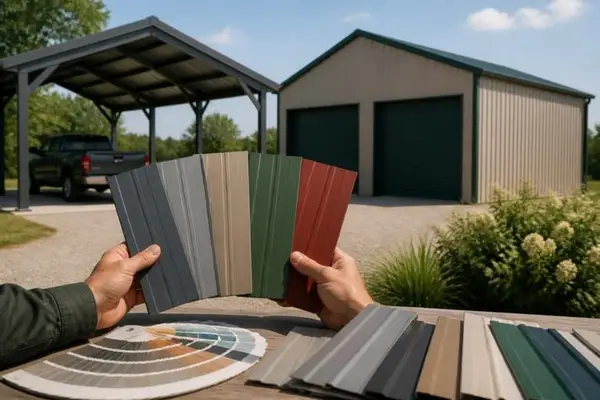
Modern metal prefab barns offer extensive customization capabilities that rival or exceed traditional construction options. Buyers can specify exact dimensions, roof styles, door configurations, and interior layouts to match their specific requirements.
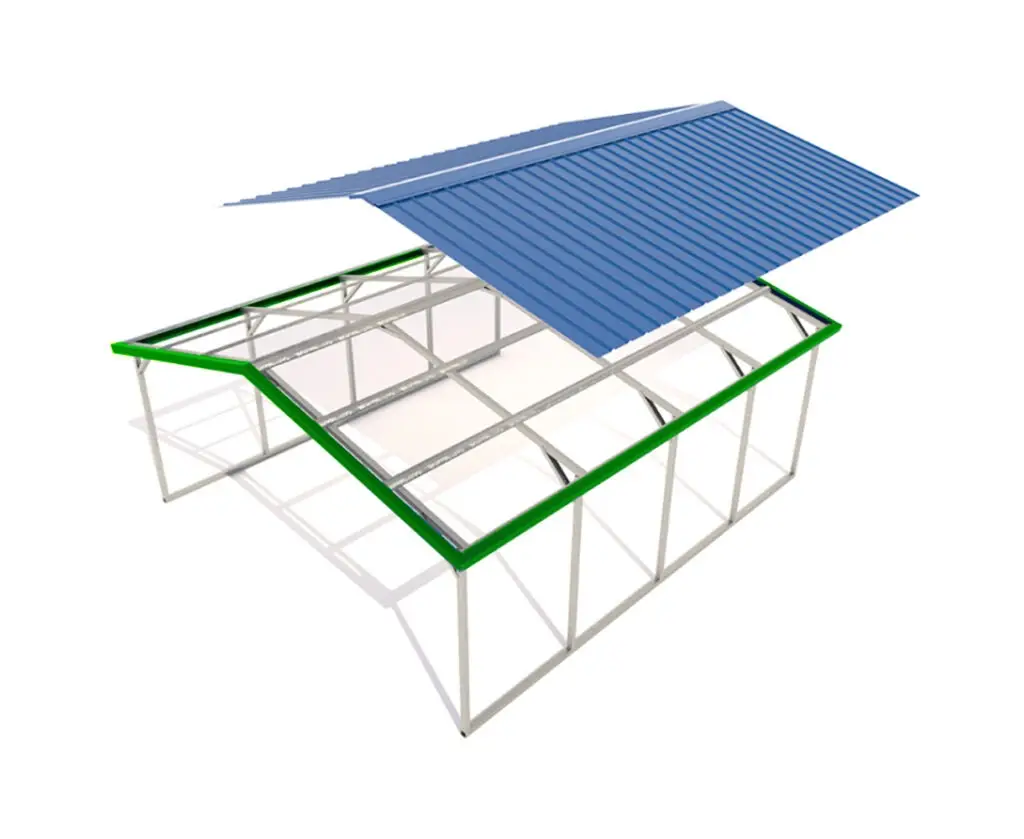
Roof style options include:
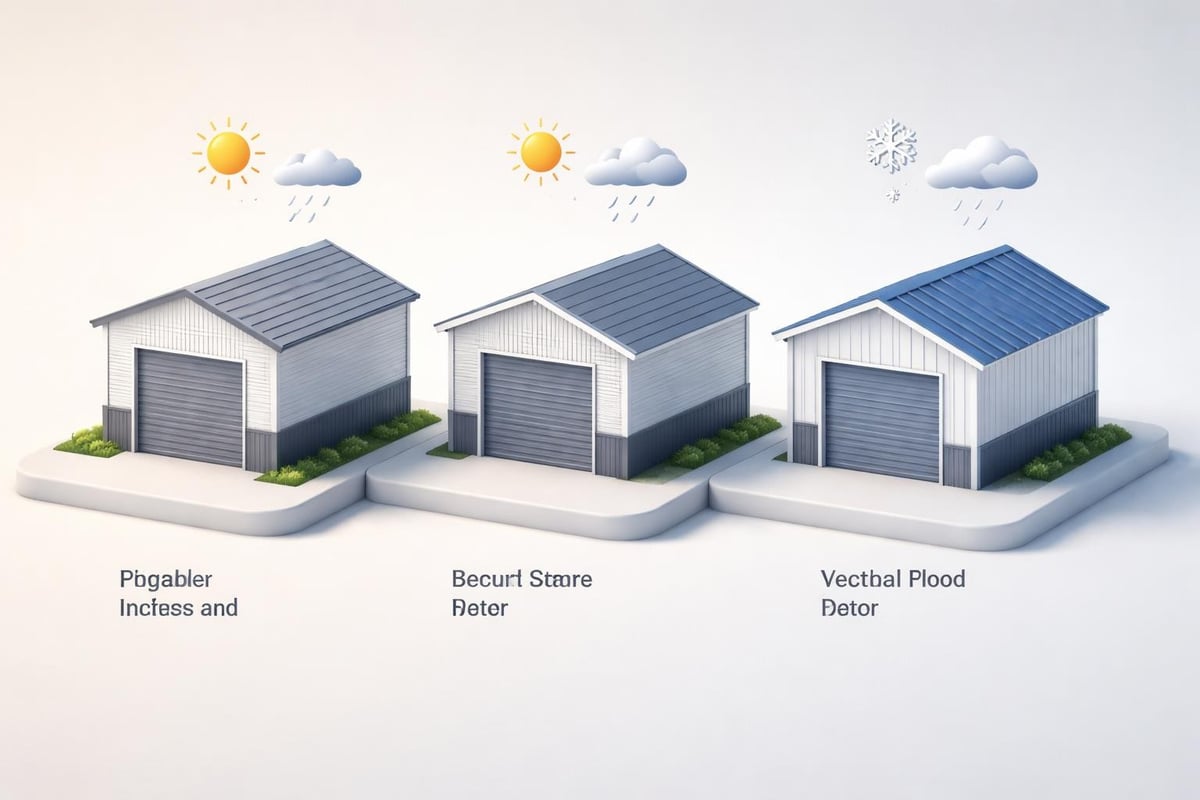
- Regular roof – Economical horizontal panel design suitable for moderate weather conditions
- Boxed eave – Horizontal roof with enclosed overhangs for enhanced aesthetics
- Vertical roof – Panels run vertically from ridge to eave, optimal for heavy snow or rain
- Gable extensions – Extended roof coverage on end walls for additional protected space
Width, length, and height specifications accommodate everything from compact equipment storage to spacious livestock facilities. Standard widths range from 12 feet to over 60 feet, with lengths customizable in one-foot increments and heights extending up to 16 feet for specialized applications.
Interior Configuration Possibilities
Metal prefab barns adapt to diverse functional requirements through strategic interior planning. Open-span designs maximize usable space for large equipment or vehicle storage, while partitioned layouts create dedicated areas for different purposes.
Adding interior walls, stall dividers, or loft spaces transforms a basic shell into a fully functional workspace. Many property owners appreciate how metal shop buildings can incorporate workbenches, tool storage, and specialized equipment without compromising structural integrity.
Door and window placement deserves careful consideration during the design phase. Roll-up doors provide convenient access for tractors and large equipment, while walk-in doors with windows create comfortable spaces for daily activities. Proper ventilation planning ensures adequate air circulation for livestock comfort or workshop safety.
Common Applications for Metal Prefab Barns
Versatility stands among the most compelling attributes of metal prefab barns. These structures serve agricultural operations, residential properties, and commercial enterprises with equal effectiveness.
Agricultural and Livestock Uses
Traditional farming operations benefit tremendously from the protective environment metal barns provide. Steel barns and farm sheds that enhance rural living shelter livestock from harsh weather while maintaining the ventilation necessary for animal health.
Dairy operations appreciate how easily metal structures accommodate milking equipment and maintain sanitary conditions. The smooth, non-porous surfaces clean quickly and resist bacterial growth better than porous wooden walls. Climate control systems integrate seamlessly when needed for temperature-sensitive operations.
Hay and feed storage requires protection from moisture that could spoil valuable resources. Metal barns keep stored feed dry through multiple seasons, preserving nutritional value and preventing mold growth that makes feed unsafe for consumption.
For those raising horses specifically, metal horse barns provide excellent shelter with customizable stall configurations, tack rooms, and wash areas that enhance both animal welfare and operational efficiency.
Equipment and Vehicle Protection
Farm machinery represents substantial financial investment that deserves proper protection. Metal prefab barns shield tractors, combines, and implements from sun damage, rust from rain exposure, and deterioration from freeze-thaw cycles.
The clear-span interior design typical of metal structures means no interior support posts obstruct movement or storage of large equipment. This open layout maximizes usable square footage and simplifies the process of parking and retrieving vehicles.
Seasonal equipment storage becomes more organized and accessible when housed in dedicated metal structures. Off-season items remain protected yet available, extending equipment lifespan and maintaining resale value.
Installation Process and Timeline
Understanding what to expect during installation helps property owners prepare adequately and avoid common complications. The process begins well before the first truck arrives at your property.
Pre-installation steps:
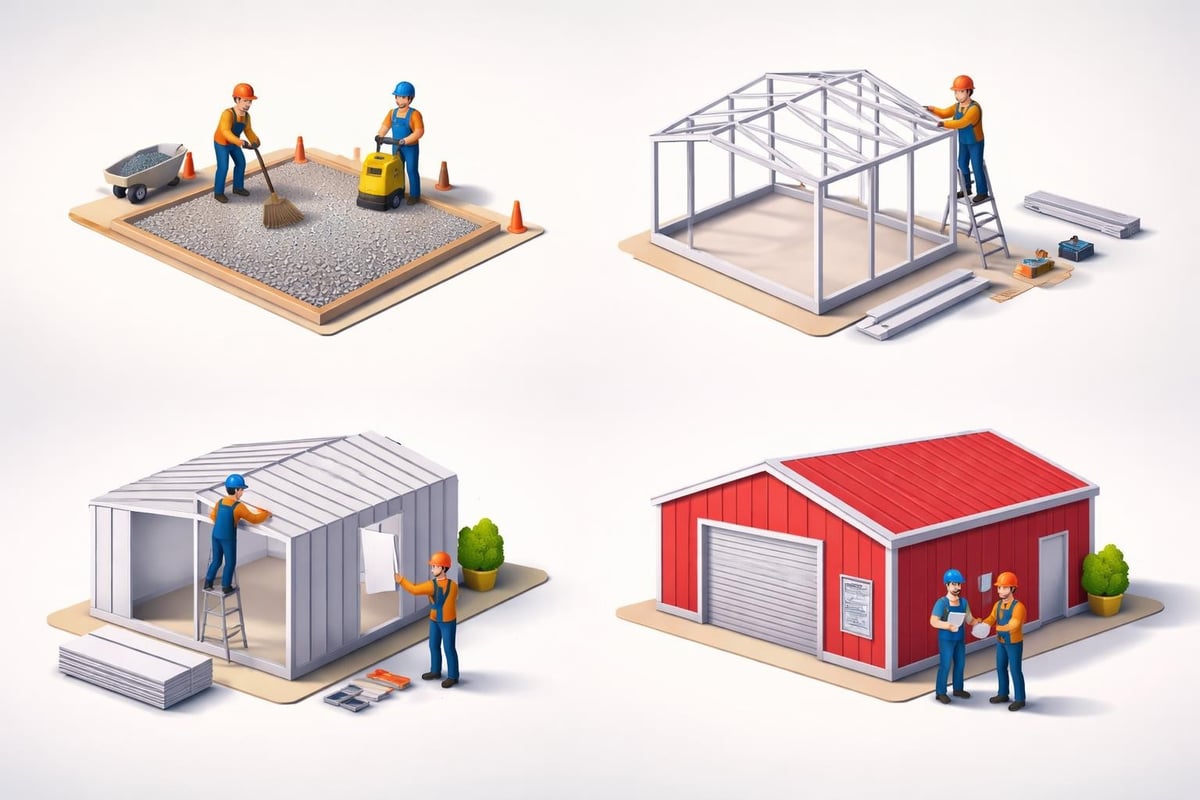
- Site preparation – Level ground, remove vegetation, address drainage
- Foundation planning – Determine anchor system appropriate for soil conditions
- Permit acquisition – Secure necessary building permits from local authorities
- Access confirmation – Ensure delivery trucks can reach installation site
Most metal prefab barns install on concrete slab foundations, though gravel with ground anchors or pier foundations work for certain applications. The foundation choice affects both cost and installation timeline, with concrete slabs requiring several days for pouring and curing before building assembly begins.
Assembly Day Expectations
Professional installation crews typically complete metal barn assembly in two to five days, depending on size and complexity. The process moves systematically from foundation anchoring through frame erection to final panel installation.
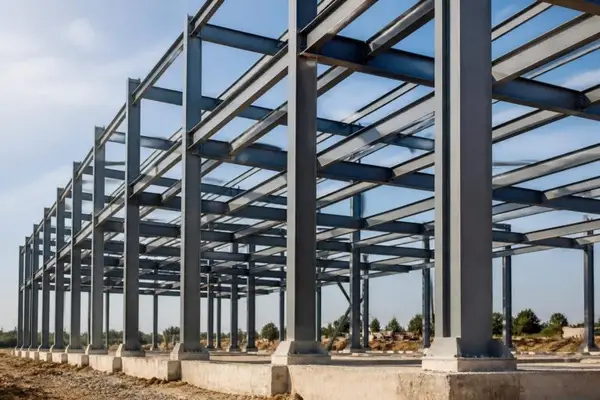
Frame components bolt together using pre-drilled holes that align precisely due to factory manufacturing tolerances. This accuracy accelerates assembly and ensures structural integrity without field modifications or custom cutting.
Roof and wall panels attach to the frame using self-tapping screws with weather-seal washers. Proper panel overlap and fastener placement create a weather-tight envelope that protects interior contents from rain, snow, and wind-driven moisture.
Trim installation and final details complete the project. Professional installers verify all fasteners are properly tightened, check door operation, and inspect the completed structure for any issues requiring attention before considering the job complete.
Maintenance Requirements Over Time
One of the most attractive features of metal prefab barns is their minimal maintenance demands compared to traditional structures. However, neglecting basic care shortens lifespan and compromises performance.
| Maintenance Task | Frequency | Purpose |
|---|---|---|
| Visual inspection | Quarterly | Identify damage, loose fasteners, or developing issues |
| Gutter cleaning | Twice yearly | Prevent water backup and foundation damage |
| Panel washing | Annually | Remove dirt and debris that could trap moisture |
| Fastener check | Annually | Tighten any loose screws or bolts |
| Touch-up paint | As needed | Address scratches or coating damage to prevent rust |
Snow removal becomes important in regions with heavy snowfall, even though vertical roof designs shed snow effectively. Excessive accumulation on roofs not designed for extreme loads could potentially cause structural stress.
Addressing Minor Issues Promptly
Small problems grow into major repairs when ignored. A single loose panel or damaged seal may seem insignificant initially, but it creates an entry point for moisture that can cause progressive deterioration.
Scratches through protective coating should receive touch-up paint quickly to prevent rust formation. Most manufacturers provide matching paint or recommend compatible products that adhere properly to galvanized surfaces.
Regular inspection of door tracks and hinges ensures continued smooth operation. A bit of lubricant on moving parts prevents binding and extends hardware life significantly.
Comparing Metal Prefab Barns to Alternative Structures
Making an informed decision requires understanding how metal prefab barns stack up against other options available to property owners. Each construction method offers distinct advantages and limitations.
Metal vs. Wood Construction
Traditional wooden barns carry nostalgic appeal and blend with historic architectural styles, but they demand substantially more maintenance and offer shorter functional lifespans. Wood requires regular painting or staining to prevent rot, attracts termites and carpenter ants, and presents higher fire risk.
Construction time favors metal prefab barns dramatically. Wooden structures require weeks or months of on-site carpentry, weather delays, and coordination among multiple trades. Metal barns arrive ready for assembly and go up in days regardless of season.
The advantages of metal barns over traditional wooden structures include superior strength-to-weight ratios, resistance to environmental damage, and lower total ownership costs over the building's lifetime.
Prefab Metal vs. Pole Barns
Pole barn construction offers a middle ground between traditional stick-built and metal prefab options. These structures use large posts set in the ground to support the roof, with metal or wooden siding completing the walls.
While pole barns install quickly and cost less than traditional construction, they lack the precision engineering and durability of fully metal prefab barns. Posts in ground contact eventually rot, regardless of treatment, requiring eventual replacement. Metal prefab barns avoid this limitation through above-ground anchor systems.
Wind resistance distinguishes properly engineered metal prefab barns from pole barn alternatives. Continuous steel frames distribute loads effectively, while pole structures rely on fewer, larger support members that concentrate stress points.
Regional Considerations and Building Codes
Geographic location significantly influences metal barn design requirements and installation approaches. Climate conditions, soil characteristics, and local building codes all factor into proper planning.
Climate-specific design elements:
- Heavy snow regions – Vertical roof orientation, increased roof pitch, reinforced framing
- High wind areas – Enhanced anchor systems, additional bracing, certified wind ratings
- Coastal zones – Upgraded corrosion protection, stainless fasteners, drainage optimization
- Seismic regions – Flexible connections, engineered foundation systems, lateral bracing
Building codes vary considerably between jurisdictions. Some rural areas impose minimal requirements, while others mandate engineered drawings, professional installation, and multiple inspections. Researching local requirements before ordering prevents costly delays or modifications.
Snow load ratings and wind speed certifications ensure your structure meets or exceeds local code minimums. Reputable manufacturers provide engineering certifications showing their buildings comply with applicable standards, simplifying the permit process.
Selecting the Right Metal Prefab Barn
Choosing the optimal structure for your needs requires careful assessment of both current requirements and future possibilities. Under-sizing saves money initially but proves expensive when expansion becomes necessary.
Start by listing everything you intend to store or house in the structure. Measure large items-tractors, RVs, boats-and add several feet of clearance space for comfortable maneuvering. Consider ceiling height requirements for any equipment with extended reach or vertical components.
Future flexibility matters more than many buyers initially recognize. A barn that barely accommodates current needs leaves no room for additional equipment, seasonal overflow, or changing operational requirements. Adding 10-20% extra space costs relatively little during initial construction but provides valuable adaptability.
Working with Reputable Suppliers
The supplier you choose affects every aspect of your metal barn experience. Companies offering comprehensive services-from design through delivery and installation-simplify the process and provide clearer accountability.
For property owners ready to explore customization options, using an interactive 3D design center allows you to visualize different configurations and receive accurate pricing before making commitments. This transparency helps budget effectively and ensures the final product matches expectations.
Warranty coverage reveals manufacturer confidence in their products. Strong warranties on both materials and workmanship indicate quality construction and stand behind the investment you're making. Review warranty terms carefully, noting what's covered, for how long, and what actions might void coverage.
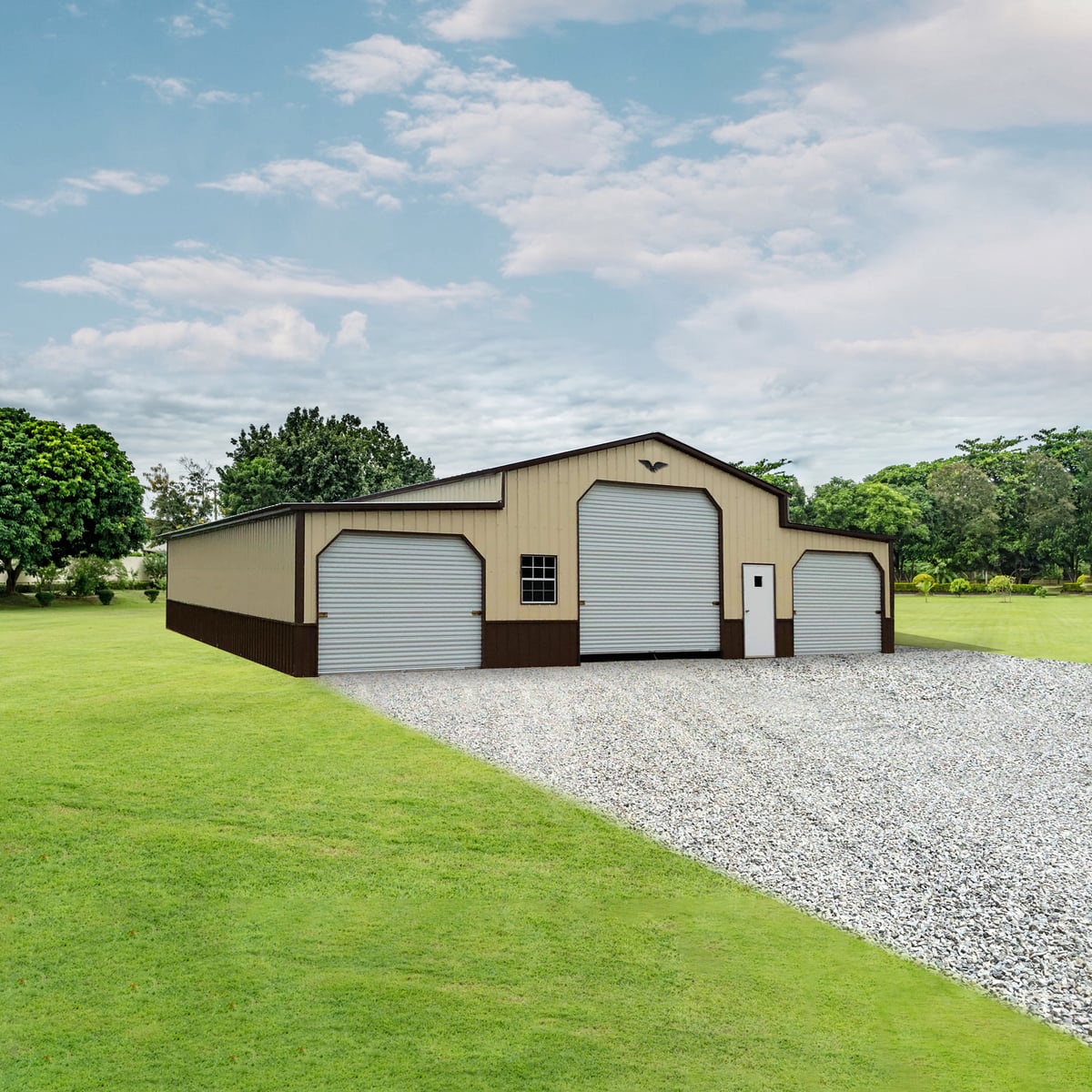
Customer reviews and references provide insight into real-world experiences with both products and service. Companies with established track records demonstrate their ability to deliver quality structures and support customers through the entire process.
Environmental Benefits of Metal Construction
Sustainability considerations increasingly influence building decisions across all sectors. Metal prefab barns offer several environmental advantages that appeal to eco-conscious property owners.
Steel ranks among the most recycled materials globally. Metal buildings often contain significant recycled content, and they remain fully recyclable at end of life. This closed-loop recyclability reduces environmental impact compared to materials that end up in landfills.
Manufacturing efficiency minimizes waste during production. Computer-controlled cutting and forming equipment optimizes material usage, while factory settings enable careful waste management and recycling of metal scraps.
Energy Efficiency Throughout the Lifecycle
The reflective properties of metal roofing reduce cooling loads by deflecting solar radiation rather than absorbing it. This passive cooling effect lowers energy consumption if you condition the barn interior or reduces heat stress for livestock.
Insulation options further improve energy performance when needed. Metal panels readily accommodate insulation packages that meet or exceed residential building standards, creating comfortable interior environments while minimizing heating and cooling costs.
Longevity itself represents environmental benefit. Buildings that last fifty-plus years with minimal maintenance avoid the resource consumption and waste generation associated with reconstruction or major renovation projects required by shorter-lived alternatives.
Maximizing Your Metal Barn Investment
Strategic planning and thoughtful implementation ensure your metal prefab barn delivers maximum value throughout its service life. Small decisions during the design and installation phases compound into significant long-term benefits.
Adequate foundation preparation prevents settling issues that could affect door operation or create water pooling problems. Investing in proper site grading and drainage saves money by avoiding remedial work later.
Value-adding considerations:
- Extra height – Minimal upcharge provides storage flexibility for taller items
- Additional doors – Multiple access points improve workflow and convenience
- Gutters and downspouts – Protect foundation and control water runoff
- Insulation packages – Transform raw storage into comfortable workspace
- Electrical service – Wiring during construction costs less than retrofitting later
Professional installation pays dividends through proper assembly and warranty compliance. While some property owners possess the skills for DIY installation, professional crews complete the work faster and ensure all components integrate correctly.
Proper anchoring systems appropriate for your soil conditions and wind exposure prevent structural movement during severe weather. Consulting with engineers about foundation requirements in challenging soil conditions represents wise investment in long-term stability.
Expanding Beyond Basic Storage
Modern metal prefab barns transcend simple storage functions to serve diverse purposes limited only by imagination and local zoning. Creative property owners transform these versatile structures into workshops, studios, entertainment spaces, and income-generating facilities.
Temperature-controlled workshops enable year-round projects regardless of weather. Insulated metal buildings maintain comfortable conditions for woodworking, metalworking, vehicle restoration, or any hobby requiring protected space and power tools.
Agricultural entrepreneurs convert metal barns into processing facilities, packaging centers, or direct-sales farm stores. The open floor plans accommodate equipment layouts efficiently while maintaining the clean, professional appearance customers expect.
For comprehensive information about different metal structure options and applications, the Metal Carport University provides educational resources that help property owners make informed decisions about their specific needs.
Metal prefab barns deliver unmatched value through their combination of durability, cost-effectiveness, and installation speed that traditional construction simply cannot match. Whether you need livestock shelter, equipment protection, or versatile workspace, these engineered structures provide long-lasting solutions customized to your exact specifications. Metal Structure Sales LLC specializes in high-quality metal buildings with comprehensive customization options, and includes both delivery and professional installation in every project, ensuring your barn investment delivers decades of reliable service from day one.