

A portable carport offers vehicle owners a flexible, cost-effective solution for protecting cars, trucks, RVs, and equipment from weather damage without the commitment of a permanent structure. Unlike traditional garages or fixed metal carports, these temporary shelters can be relocated, disassembled, and adapted to changing needs throughout their lifespan. In 2026, advances in materials and design have made portable carports more durable and weather-resistant than ever before, providing homeowners and businesses with reliable protection that balances affordability with functionality. Understanding the different types, materials, installation requirements, and maintenance needs will help you select the right portable carport for your specific situation.
Understanding Portable Carport Types and Structures
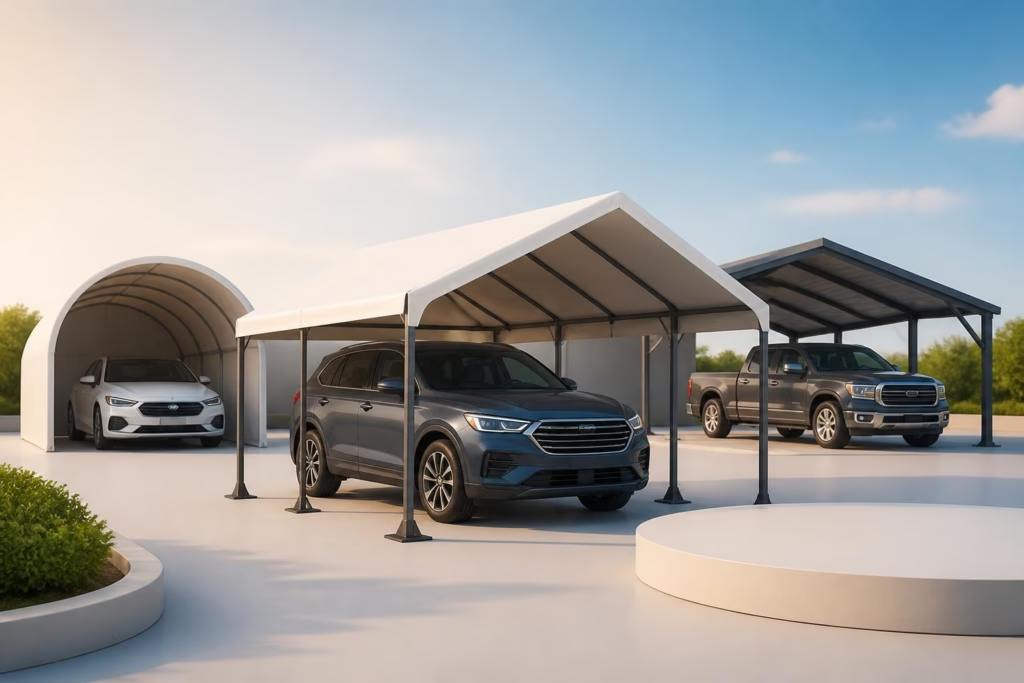
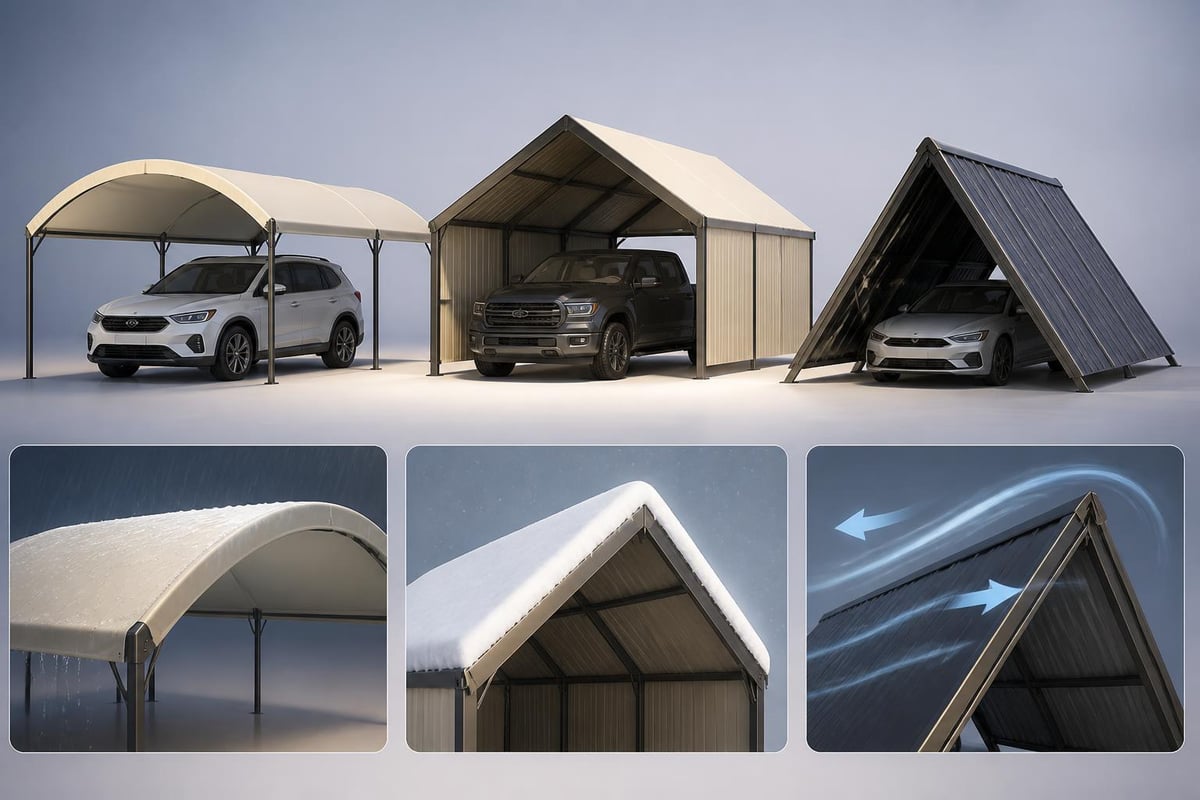
Portable carports come in several distinct configurations, each designed to serve specific protection needs and space requirements. The most common types include canopy-style models, which feature a simple overhead fabric or metal cover supported by a framework, and more robust A-frame or peak-roof designs that offer enhanced snow and rain runoff capabilities.
Canopy-Style Portable Carports
Canopy models represent the most basic portable carport design, utilizing a stretched fabric cover over a metal frame. These structures typically feature:
- Quick assembly times, often requiring just a few hours
- Lightweight aluminum or steel tubing frames
- UV-resistant polyethylene or vinyl fabric covers
- Height-adjustable legs to accommodate different vehicle sizes
- Ground anchoring systems for stability
The simplicity of canopy designs makes them ideal for temporary use or seasonal protection. Many homeowners deploy these structures during winter months to protect vehicles from snow and ice, then disassemble them during milder seasons.
Peak and A-Frame Designs
Peak-roof portable carports offer superior weather resistance through their sloped design. The pitched roof allows rain, snow, and debris to slide off naturally, preventing accumulation that could damage the cover or collapse the structure.
| Feature | Canopy Style | Peak/A-Frame |
|---|---|---|
| Weather resistance | Moderate | High |
| Assembly time | 2-4 hours | 4-8 hours |
| Snow load capacity | Low to moderate | Moderate to high |
| Wind resistance | Moderate | High |
| Price range | $200-$800 | $500-$2,000 |
Material Choices and Durability Considerations
The longevity and performance of a portable carport depend heavily on the materials used in both the frame and cover. Understanding these components helps buyers make informed decisions based on their climate, budget, and protection needs.
Frame Materials
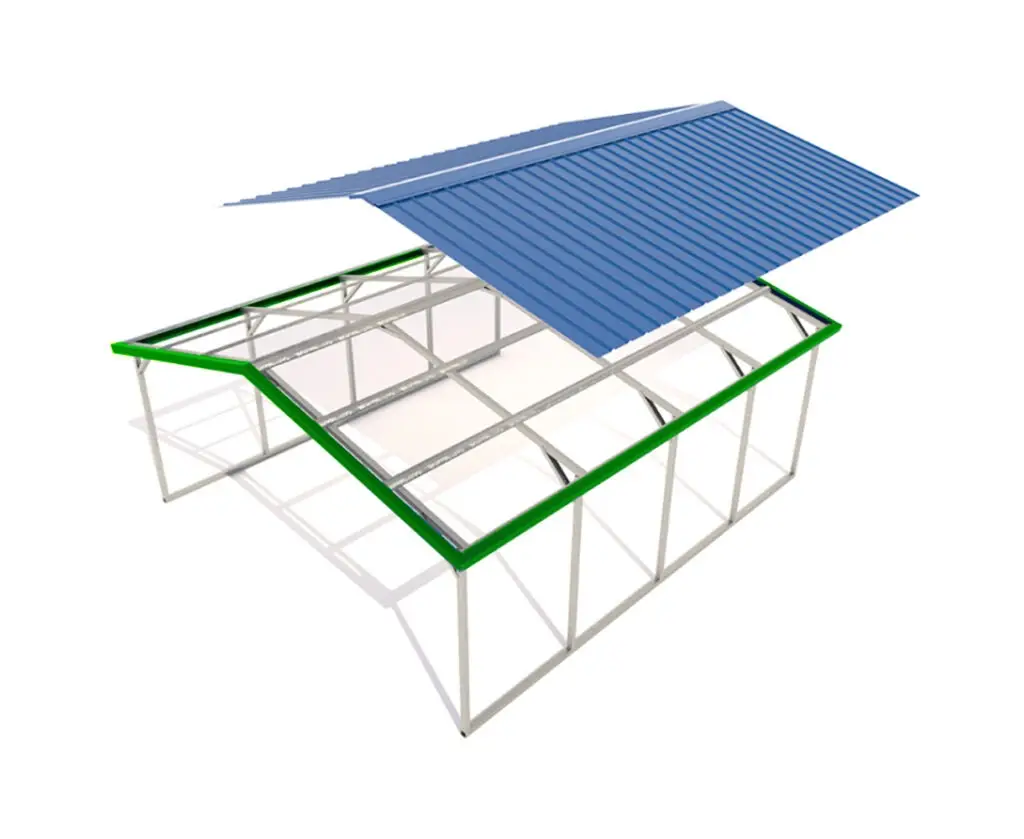
Steel frames provide the strongest support and typically outlast aluminum alternatives. Powder-coated steel resists rust and corrosion, making it suitable for humid or coastal environments. Aluminum frames offer lighter weight for easier installation and relocation but may require thicker tubing to match steel's strength.
High-quality portable carports utilize cross-bracing and reinforced corner joints to enhance stability. These structural elements become particularly important in regions experiencing high winds or heavy snowfall. According to comprehensive portable carport guides, frame gauge and joint design significantly impact long-term durability.
Cover Material Options
Modern portable carport covers utilize several material types:
- Polyethylene (PE): The most common option, offering good UV resistance and waterproofing at an affordable price point
- Polyvinyl chloride (PVC): Superior durability and weather resistance with enhanced tear strength
- Heavy-duty canvas: Breathable material that reduces condensation but requires waterproof treatment
- Vinyl-laminated polyester: Premium option combining strength with weather resistance
The cover's thickness, measured in mils or denier rating, directly affects its lifespan. Budget covers typically range from 5-8 mils, while commercial-grade options exceed 12 mils for extended outdoor exposure.
Installation Methods and Site Preparation
Proper installation ensures a portable carport remains secure and functional throughout its service life. While these structures offer easier setup than permanent buildings, following correct procedures prevents common issues like instability, water pooling, and premature wear.
Site Selection and Ground Preparation
Choosing the right location involves evaluating several factors:
- Level ground: Slope variations exceeding 2-3 inches across the installation area require grading or shimming
- Drainage patterns: Position the structure where water naturally flows away from the covered area
- Overhead clearance: Ensure no tree branches, power lines, or other obstacles interfere with the structure
- Ground composition: Soil type affects anchoring methods and stability
Concrete pads or gravel bases provide the most stable foundation. Grass or dirt surfaces work for temporary installations but may require additional anchoring. The proper site preparation makes the difference between a portable carport that withstands years of use versus one requiring constant adjustment.
Anchoring Systems
Different ground types require specific anchoring approaches:
- Earth anchors (auger-style): Screw into soil and provide strong holding power in dirt or clay
- Concrete anchors: Bolt directly into concrete slabs for maximum stability
- Weight plates: Attach to legs for temporary installations on hard surfaces
- Rebar stakes: Drive through leg base plates into firm ground
Wind ratings become critical when selecting an anchoring system. A properly anchored portable carport should withstand winds of 50-70 mph, though this varies based on design and local building codes.
Assembly Process and Professional Installation Options
Most portable carport manufacturers design their products for DIY assembly, but the complexity varies significantly based on size and style. Understanding the assembly process helps determine whether professional installation makes sense for your situation.
DIY Assembly Steps
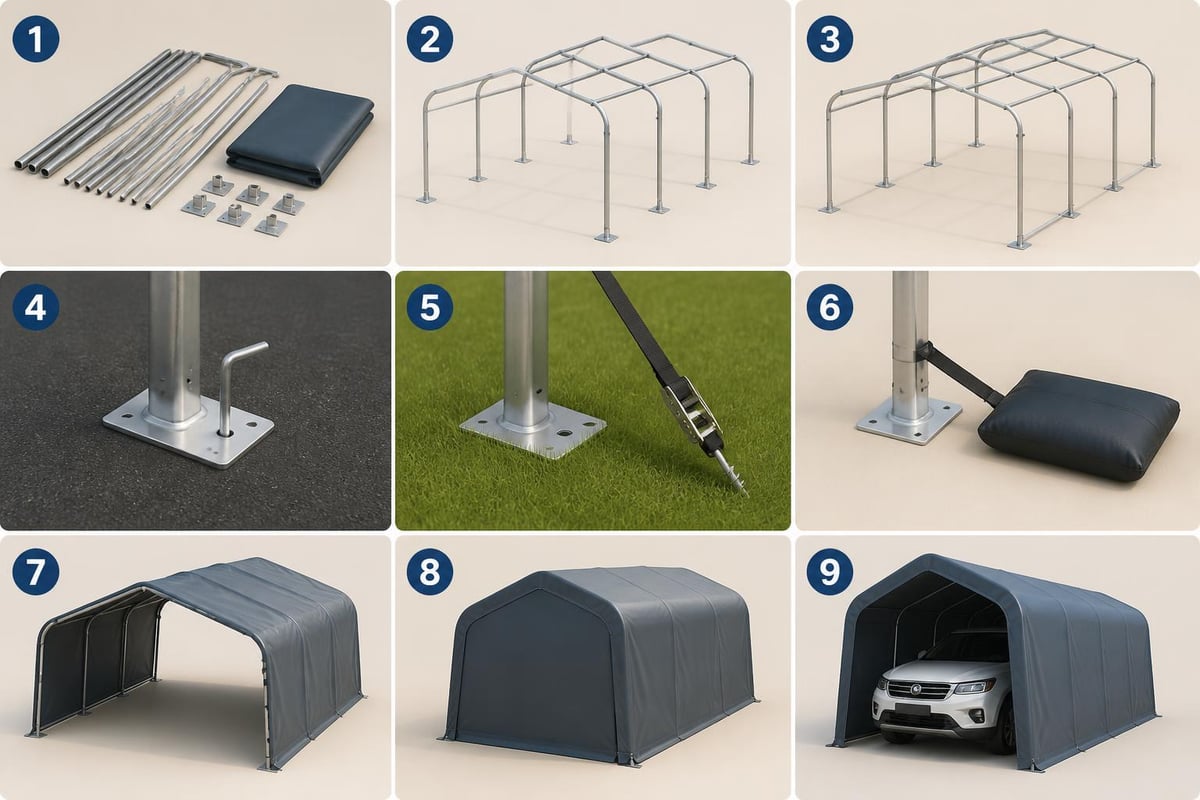
Standard portable carport assembly follows this general sequence:
- Lay out all components and verify the parts list
- Assemble the frame sections on the ground
- Connect cross-bracing and reinforcement elements
- Position and level the assembled frame
- Install anchoring system components
- Attach the cover material and tension it properly
- Make final adjustments and secure all connections
Smaller units (10×20 feet or less) typically require two people and 3-5 hours. Larger structures may need three or more people and a full day of work. Reading the manufacturer’s installation instructions thoroughly before starting prevents costly mistakes.
When to Consider Professional Installation
Professional installation services provide expertise and efficiency that DIY approaches cannot match. Consider professional help when:
- The portable carport exceeds 20×30 feet in size
- Local building codes require permitted installations
- Ground conditions necessitate special anchoring
- Physical limitations prevent safe assembly
- Time constraints make DIY impractical
Professional assembly services ensure proper frame alignment, optimal drainage, and secure anchoring that extends the structure's lifespan. The additional cost often proves worthwhile through avoided mistakes and warranty protection.
Comparing Portable Carports to Permanent Metal Structures
While portable carports offer flexibility and lower initial costs, understanding how they compare to permanent metal structures helps buyers choose the right protection solution. Each option presents distinct advantages depending on long-term plans, budget, and property considerations.
Cost Analysis
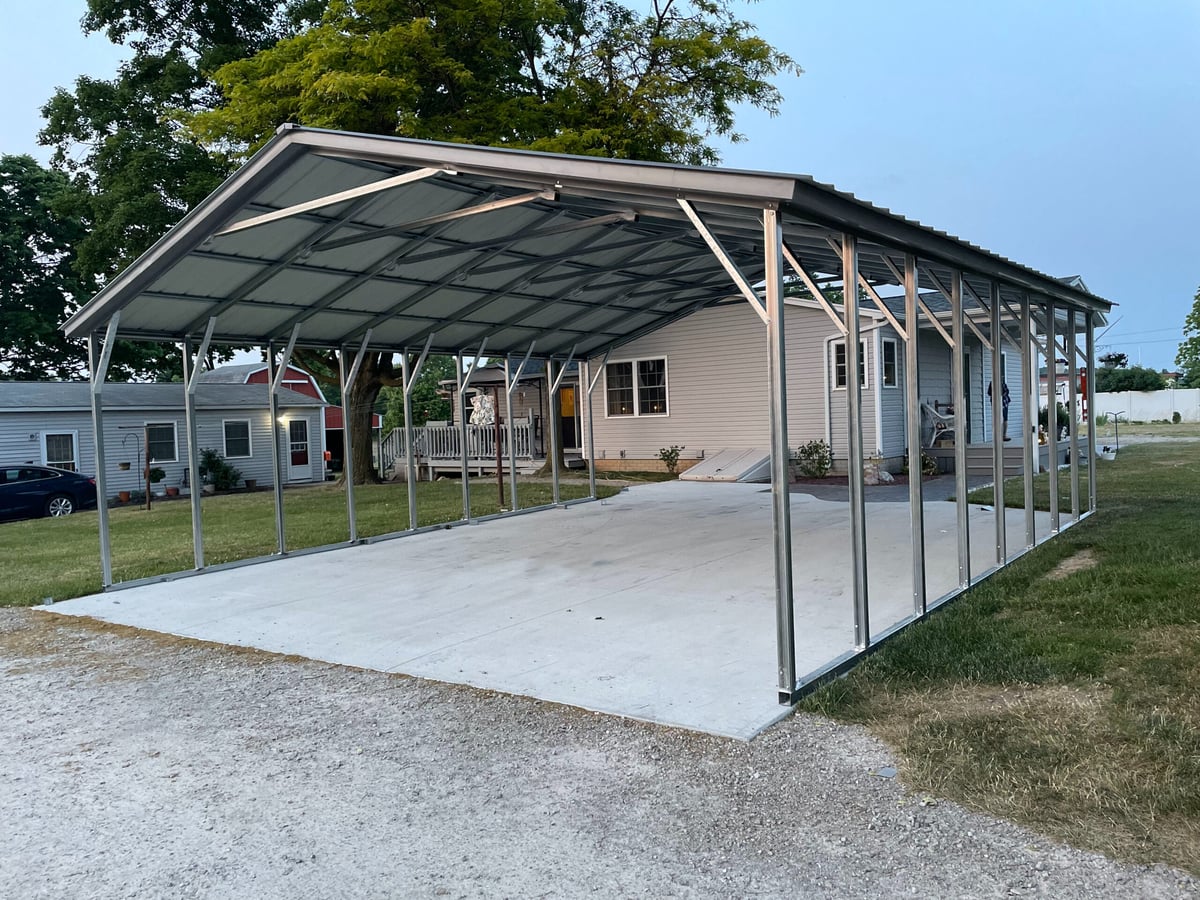
Portable carports typically cost 40-60% less than comparable permanent metal structures. A standard 12×20-foot portable unit ranges from $400-$1,200, while a similar-sized permanent metal carport starts around $2,000-$3,000 installed. However, portable units generally require replacement every 5-10 years, whereas permanent structures last 20-30 years or longer with proper maintenance.
The total cost of ownership calculation should include:
- Initial purchase price
- Installation or assembly costs
- Maintenance requirements
- Replacement frequency
- Potential property value impact
For properties requiring vehicle protection for extended periods, permanent metal carports often prove more economical over time. Metal Structure Sales LLC specializes in durable metal structures that provide long-term value with customizable options to meet specific needs.
Durability and Weather Resistance
Permanent metal carports outperform portable alternatives in harsh weather conditions. Steel or aluminum permanent structures with proper engineering withstand:
- Snow loads exceeding 35 pounds per square foot
- Wind speeds above 100 mph
- Heavy rain without fabric degradation
- Extreme temperature fluctuations
- Corrosive coastal environments
Portable carports serve better in moderate climates or seasonal applications. Their fabric covers require periodic replacement, and frames may need reinforcement in high-wind areas. Understanding the pros and cons of portable carports helps set realistic expectations.
| Comparison Factor | Portable Carport | Permanent Metal Carport |
|---|---|---|
| Initial cost | $400-$2,000 | $2,000-$8,000+ |
| Lifespan | 5-10 years | 20-30+ years |
| Relocation ability | High | Very low |
| Permit requirements | Usually none | Often required |
| Customization options | Limited | Extensive |
| Property value impact | Minimal | Moderate to high |
Maintenance Requirements and Longevity Tips
Extending a portable carport's service life requires regular maintenance and seasonal care. Simple preventive measures significantly impact durability and weather resistance.
Routine Inspection Schedule
Establish a quarterly inspection routine that includes:
- Checking all connection points for looseness or wear
- Examining the cover for tears, UV damage, or weak spots
- Verifying anchor integrity and adjusting as needed
- Removing debris accumulation from the roof
- Tightening frame bolts that may have worked loose
After severe weather events, conduct immediate inspections to identify and address damage before it worsens. Small tears in fabric covers can be patched with repair kits, preventing complete replacement.
Seasonal Maintenance Tasks
Different seasons present specific maintenance needs:
Winter: Remove snow accumulation exceeding 6-8 inches to prevent structural stress. In heavy snow regions, consider temporarily removing the cover to protect the frame.
Spring: Clean the cover with mild soap and water, inspect for winter damage, and re-tension the fabric as needed.
Summer: Check for UV degradation, ensure adequate ventilation to prevent heat buildup, and verify anchoring remains secure.
Fall: Clear leaves and debris, check drainage patterns, and prepare for winter weather by reinforcing anchors.
Size Selection and Space Planning
Choosing the correct portable carport size involves more than simply measuring your vehicle. Proper space planning ensures adequate clearance, accommodates future needs, and maximizes the structure's utility.
Standard Size Options
Common portable carport dimensions include:
- Single vehicle: 12×20 feet (suitable for sedans and small SUVs)
- Large vehicle: 12×24 feet (accommodates trucks and full-size SUVs)
- Two vehicles: 20×20 feet or 18×24 feet
- RV/boat storage: 14×30 feet to 20×40 feet
Add 2-3 feet beyond your vehicle's length and width for comfortable access and protection. For RV protection needs, consider height clearance of at least 14 feet for larger recreational vehicles.
Multi-Purpose Planning
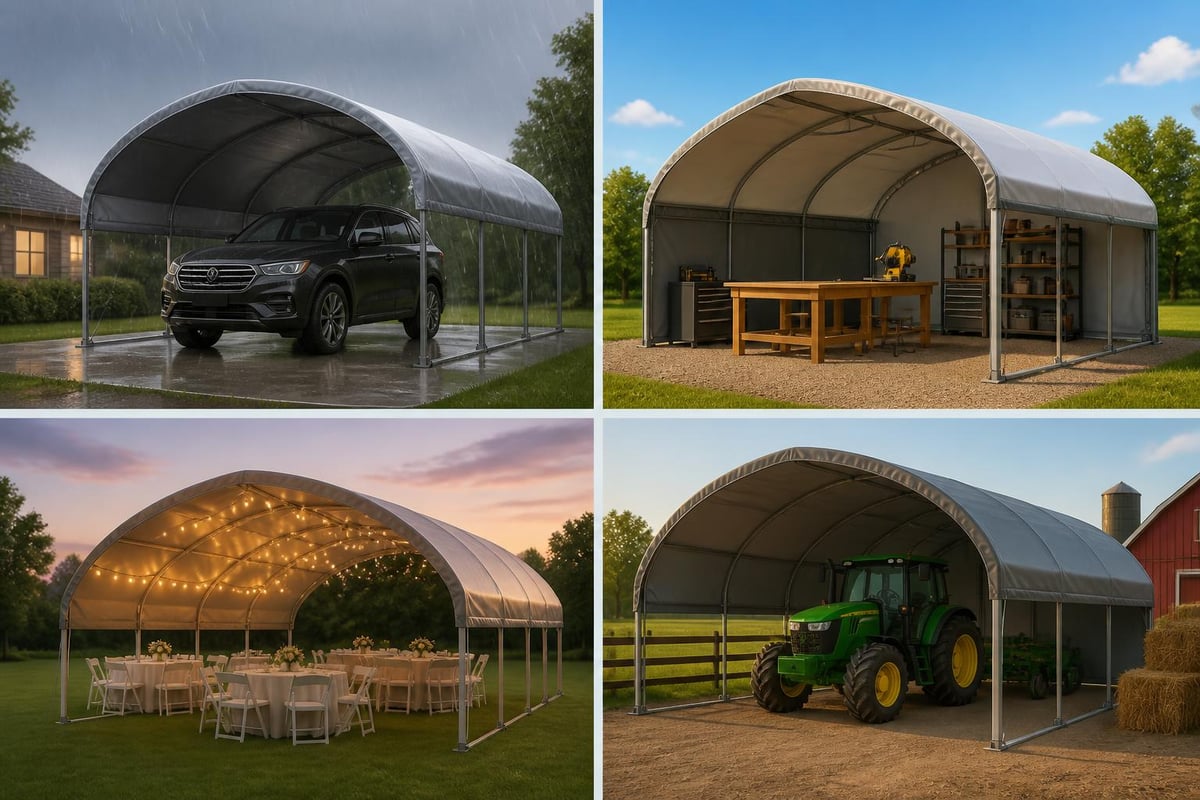
Consider using portable carport space for purposes beyond vehicle storage:
- Outdoor workshop areas during fair weather
- Equipment storage for lawn mowers, ATVs, or motorcycles
- Covered entertaining space for gatherings
- Temporary boat or trailer protection
- Seasonal market or display areas for businesses
This versatility justifies investing in slightly larger dimensions than minimum requirements suggest.
Legal Considerations and HOA Regulations
Before purchasing a portable carport, verify local regulations and restrictions that may affect installation and use. Compliance prevents costly removal or modification requirements.
Building Codes and Permits
Many jurisdictions classify temporary structures differently than permanent buildings. Portable carports often avoid permit requirements if they:
- Remain unfixed to permanent foundations
- Stay below specific square footage limits (commonly 200-400 square feet)
- Maintain proper setback distances from property lines
- Meet height restrictions for temporary structures
Contact your local building department to verify requirements. Some areas mandate engineered plans even for portable structures, particularly in high-wind or heavy-snow regions.
Homeowners Association Rules
HOA regulations frequently impose stricter limitations than municipal codes. Common restrictions include:
- Prohibited placement in front yards or visible from streets
- Required architectural approval before installation
- Specified color schemes matching neighborhood aesthetics
- Seasonal use limitations (winter-only or summer-only)
- Complete prohibition of portable structures
Review your HOA covenants and submit requests for approval with detailed plans and photographs of your intended portable carport. Documentation of compliance helps avoid conflicts and potential fines.
Specialized Applications and Commercial Uses
Portable carports serve numerous applications beyond residential vehicle protection. Their flexibility and affordability make them valuable for temporary and specialized needs across various industries.
Event and Business Applications
Commercial portable carport uses include:
- Farmers markets: Vendor stall coverage and product protection
- Construction sites: Tool and equipment shelter
- Outdoor events: Temporary shade and weather protection
- Landscaping businesses: Mobile equipment storage
- Emergency services: Rapid-deployment shelter for disaster response
Businesses benefit from portability when operations shift between locations or seasonal demands fluctuate. The ability to relocate protection as needs change provides operational flexibility permanent structures cannot match.
Agricultural and Livestock Protection
Farms and ranches utilize portable carports for:
- Temporary hay and feed storage
- Equipment protection during harvest seasons
- Livestock shade in pasture rotations
- Workshop space for equipment repairs
- Market stand coverage for farm stands
The agricultural sector particularly values the relocation capability, allowing shelter to move with crop rotations or seasonal grazing patterns. This application demonstrates how a portable carport adapts to changing functional requirements.
Climate-Specific Selection Guidelines
Regional weather patterns significantly influence portable carport selection. Matching structure specifications to your climate ensures adequate protection and longevity.
Hot and Sunny Climates
Desert and tropical regions require portable carports with:
- UV-resistant covers: Minimum 12-mil thickness with UV inhibitors
- Reflective colors: White or light colors reduce heat absorption
- Ventilation features: Peak designs allowing hot air escape
- Reinforced stitching: Enhanced seam strength against UV degradation
Sun exposure breaks down fabric covers faster than any other weather factor. In intense sunlight regions, expect cover replacement every 3-5 years even with quality materials.
Cold and Snowy Regions
Northern climates and mountain areas need portable carports featuring:
- Steep roof pitches: 20-degree or greater slope for snow shedding
- Reinforced frames: Heavier gauge steel with additional cross-bracing
- Higher weight ratings: Structures rated for 25+ pounds per square foot snow load
- Removable covers: Option to remove fabric during extreme snow events
Some owners in heavy snow areas install portable carports seasonally, storing the cover during winter months to prevent damage while maintaining the frame for use in milder seasons.
Coastal and High-Wind Areas
Oceanfront and plains regions demand:
- Heavy-duty anchoring: Earth anchors combined with concrete footings
- Wind-rated structures: Certification for sustained winds of 60+ mph
- Corrosion-resistant frames: Powder-coated or galvanized steel
- Reinforced corners: Double-bolted connections at stress points
Coastal environments present dual challenges of salt air corrosion and high winds. Investing in premium materials and professional installation becomes particularly important in these demanding conditions.
Budget Optimization Strategies
Maximizing value when purchasing a portable carport involves balancing initial costs against long-term performance and durability. Strategic buying decisions extend your investment's useful life while controlling expenses.
Quality Versus Price Comparison
Entry-level portable carports under $500 typically feature:
- Thinner fabric covers (5-8 mils)
- Lighter-gauge frames
- Basic anchoring systems
- Limited warranties (1-2 years)
Mid-range options ($500-$1,500) offer:
- Heavier covers (10-12 mils)
- Reinforced frame construction
- Better anchoring hardware
- Extended warranties (3-5 years)
Premium models exceeding $1,500 provide:
- Commercial-grade materials
- Professional-level engineering
- Comprehensive warranty coverage
- Enhanced weather resistance
For temporary needs (1-3 years), budget options suffice. Long-term applications justify investing in mid-range or premium portable carports that withstand years of exposure.
Timing Your Purchase
Portable carport prices fluctuate seasonally:
- Fall: Retailers clear inventory before winter, offering discounts of 20-40%
- Winter: Lowest prices occur during slow sales periods
- Spring: Prices rise as demand increases for summer protection
- Summer: Peak pricing coincides with maximum demand
Planning purchases during off-peak months saves significant money. However, balance savings against immediate protection needs to avoid weather damage costs that exceed purchase savings.
Enhancing Your Portable Carport
Aftermarket accessories and modifications improve portable carport functionality and extend their utility beyond basic vehicle coverage. Strategic upgrades customize structures for specific applications.
Popular Accessory Options
Common portable carport enhancements include:
- Side panels: Add weather protection from wind and rain
- End walls: Create enclosed storage areas
- Ground stakes: Supplement anchoring for extra stability
- LED lighting: Illuminate covered areas for nighttime access
- Ventilation panels: Improve airflow and reduce condensation
Side and end wall panels transform open portable carports into semi-enclosed structures, dramatically improving weather protection. These additions prove particularly valuable in regions with wind-driven rain or snow.
DIY Modification Ideas
Creative portable carport owners implement custom modifications:
- Installing rainwater collection systems at downspout points
- Adding storage shelving along perimeter support poles
- Mounting tool racks to frame members
- Creating divided spaces for multiple vehicles or uses
- Incorporating solar panels on south-facing roof slopes
Before modifying your portable carport, verify that changes won't void manufacturer warranties or violate local codes. Simple additions that don't alter structural integrity generally pose no issues.
Selecting the right portable carport requires careful consideration of your climate, budget, intended use, and long-term plans. Whether you need temporary seasonal protection or a flexible solution that adapts to changing needs, understanding the various types, materials, and installation requirements ensures you choose a structure that delivers reliable performance. Metal Structure Sales LLC provides high-quality metal carports and buildings with customizable options, professional installation, and the durability to protect your vehicles and equipment for years to come.