

Selecting the right cover for carport structures requires understanding materials, installation methods, and long-term durability considerations. Whether you're building a new carport or replacing an existing cover, the choices you make today will impact protection quality, maintenance requirements, and overall investment value for years to come. Modern carport covers range from basic metal panels to advanced polycarbonate systems, each offering distinct advantages depending on your climate, budget, and aesthetic preferences.
Understanding Carport Cover Materials
The foundation of any successful carport project starts with choosing the appropriate cover material. Metal remains the most popular choice for durability and weather resistance, but several alternatives deserve consideration based on specific requirements.
Metal Roofing Systems
Steel and aluminum dominate the market for cover for carport applications due to their exceptional strength-to-weight ratios and longevity. Steel versus aluminum carports present different maintenance profiles and cost structures that influence long-term ownership experience.
Steel Cover Advantages:
- Superior structural strength for wide spans
- Cost-effective for large installations
- Excellent wind and impact resistance
- Available in multiple gauge thicknesses
Aluminum Cover Benefits:
- Naturally rust-resistant without coatings
- Lighter weight reduces structural requirements
- Ideal for coastal or high-humidity environments
- Lower long-term maintenance needs
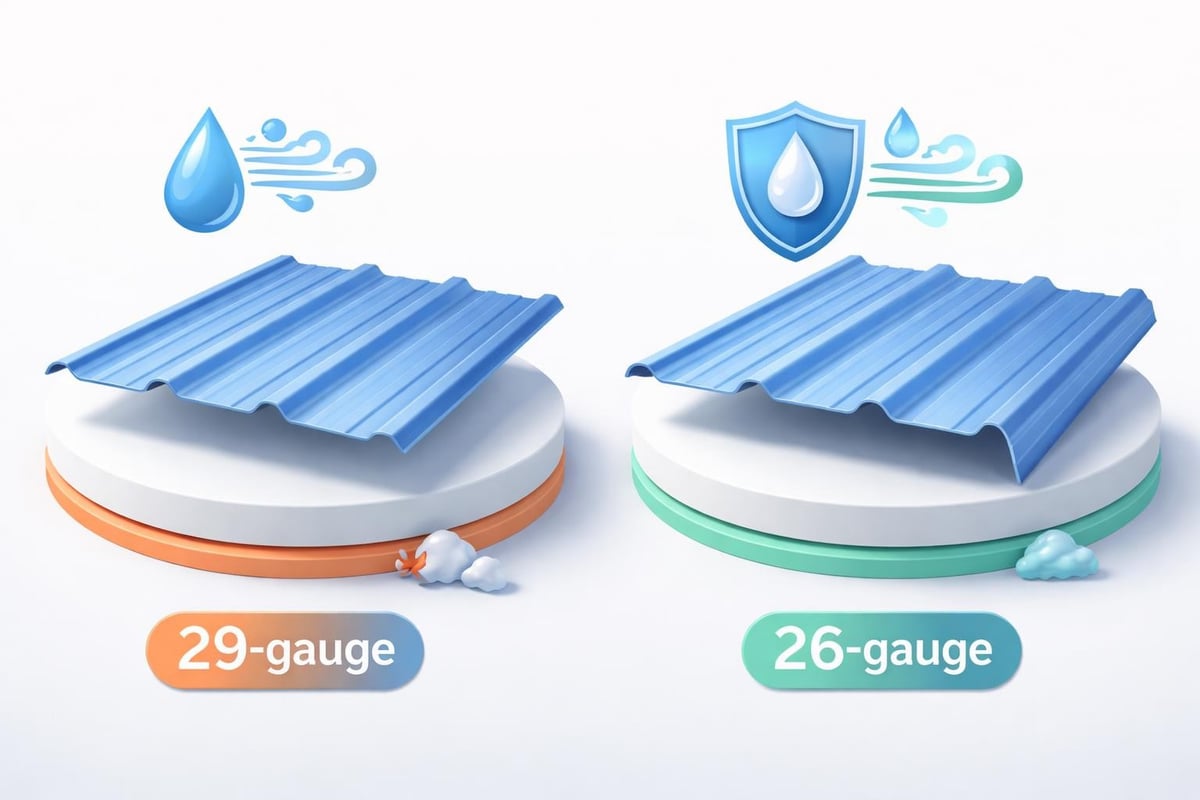
Metal covers typically utilize 29-gauge or 26-gauge panels, with thicker gauges providing enhanced durability. The gauge specification directly affects the cover's ability to withstand hail, fallen branches, and accumulated snow loads.
Alternative Cover Materials
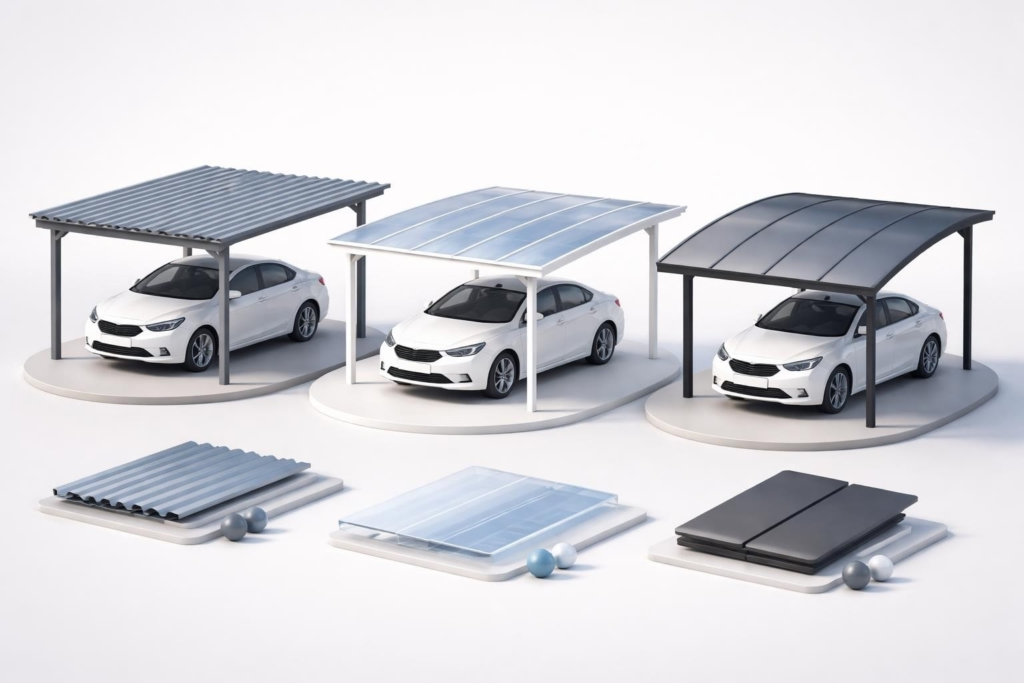
Beyond traditional metal, several materials offer specialized benefits for specific applications. Polycarbonate panels have gained popularity for their light transmission properties while maintaining weather protection. These clear or translucent covers work exceptionally well in areas where natural lighting enhances usability.
| Material | Lifespan | Maintenance | Light Transmission | Cost Range |
|---|---|---|---|---|
| Steel | 25-40 years | Low | None | $$ |
| Aluminum | 30-50 years | Very Low | None | $$$ |
| Polycarbonate | 15-25 years | Medium | High | $$$ |
| Wood | 15-20 years | High | None | $$ |
| Fabric | 5-10 years | Medium | Partial | $ |
Various carport building materials each present unique trade-offs between initial investment and ongoing maintenance requirements. Wood covers appeal to those seeking natural aesthetics but demand regular sealing and treatment to prevent rot and insect damage.
Fabric covers represent the most economical option for temporary or seasonal protection. While significantly less expensive initially, these covers require replacement every five to ten years and offer minimal protection against severe weather events.
Roof Style Configurations
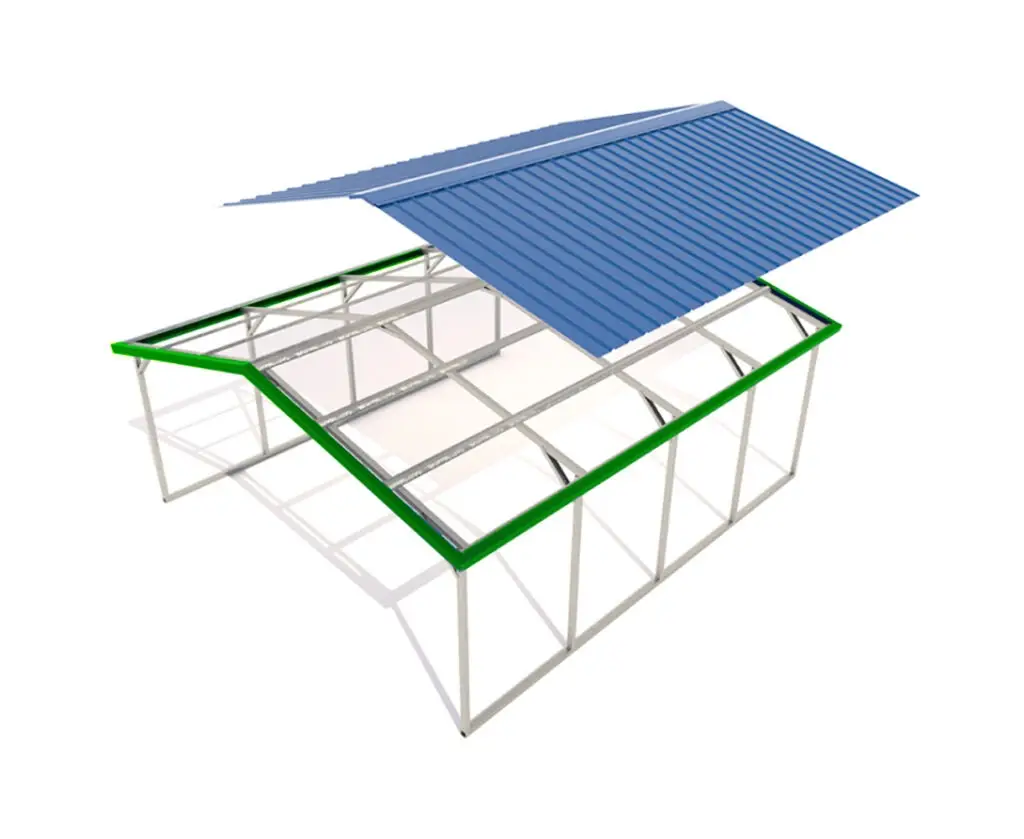
The cover for carport design extends beyond material selection to encompass roof style, which affects both functionality and appearance. Three primary roof configurations dominate residential and commercial installations.
Regular Roof Style
Standard or regular roof styles feature horizontal panels with rounded edges. This economical option works well in areas with moderate weather conditions. Water runoff occurs along the sides, making proper gutter placement essential for foundation protection.
The simplicity of regular roof installation reduces labor costs and construction time. However, these covers perform less effectively in regions with heavy snowfall since the rounded design doesn't encourage rapid snow shedding.
Vertical Roof Style
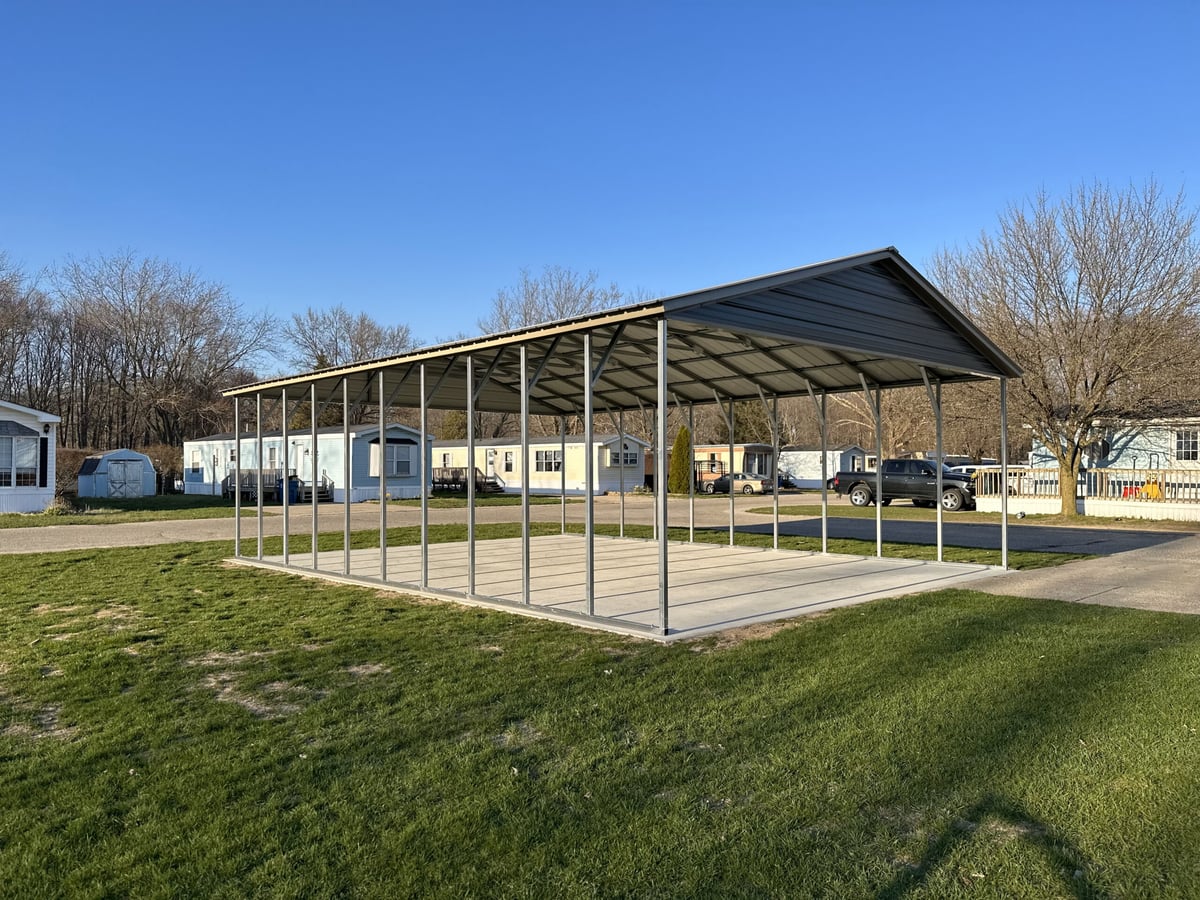
Vertical roof systems orient panels from peak to eaves, creating channels that accelerate water and snow runoff. This configuration represents the premium choice for cover for carport applications in areas experiencing harsh weather conditions.
Vertical Roof Advantages:
- Maximum snow and debris shedding capability
- Enhanced structural integrity under heavy loads
- Reduced maintenance from faster water drainage
- Extended lifespan through improved ventilation
- Better protection against wind uplift
Metal Structure Sales LLC offers customizable metal carports with vertical roof options that provide superior weather protection while maintaining aesthetic appeal. These structures include delivery and installation, simplifying the entire purchase and setup process.
A-Frame and Boxed Eave Designs
A-frame covers create the traditional peaked appearance that complements residential architecture. The symmetrical design provides excellent water runoff on both sides while offering increased headroom in the center.
Boxed eave styles combine elements of regular and vertical designs, featuring horizontal panels on the roof deck with additional trim pieces creating a more finished appearance. This option balances cost and performance for moderate climate zones.
Installation Methods and Considerations
Proper installation determines whether a cover for carport delivers promised performance and longevity. The process involves multiple critical steps that impact structural integrity and local code compliance.
Foundation and Anchoring Systems
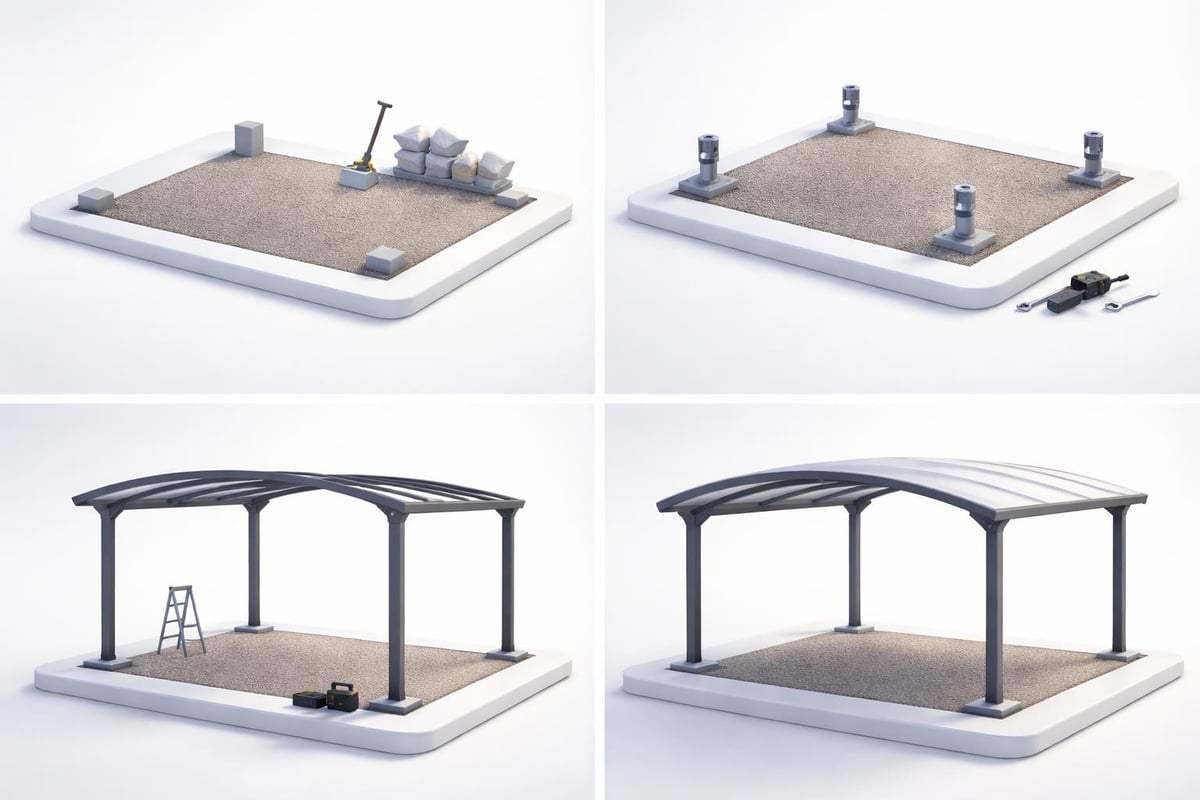
Ground preparation establishes the foundation for successful installation. Three primary anchoring methods accommodate different soil conditions and permanent versus temporary installation needs:
- Concrete footings: Permanent solution providing maximum stability
- Mobile home anchors: Flexible option for relocatable structures
- Asphalt anchors: Specialized fasteners for existing paved surfaces
Building a carport properly requires understanding local frost lines and wind load requirements. Many municipalities mandate building permits for permanent structures, including specifications for foundation depth and anchoring strength.
Professional versus DIY Installation
While some homeowners possess the skills for self-installation, professional installation ensures proper engineering and warranty compliance. Expert installers understand local building codes, wind zone requirements, and optimal water drainage configurations.
Professional installation typically includes:
- Site evaluation and preparation
- Permit acquisition and approval management
- Precise measurements and level verification
- Proper panel overlap and fastener placement
- Final inspection coordination
The complexity increases significantly for wide-span structures exceeding 30 feet, where engineering calculations become critical for safety and code compliance.
Customization Options for Enhanced Protection
Modern cover for carport solutions extend far beyond basic shelter, incorporating features that maximize functionality and property value. Understanding available customization options helps create structures that serve multiple purposes efficiently.
Height and Clearance Specifications
Standard carport heights accommodate regular passenger vehicles, but customization becomes essential for RVs, boats, or commercial equipment. Additional leg height options range from 8 feet for standard cars to 16 feet for large recreational vehicles.
Increased height considerations include:
- Wind load calculations for taller structures
- Additional bracing requirements
- Local zoning restrictions on structure height
- Aesthetic proportions relative to building width
Enclosed Panels and Storage Solutions
Converting open carport covers into partially or fully enclosed structures dramatically expands utility. Side panels protect against wind-driven rain and snow while creating secure storage space for tools, equipment, and outdoor furniture.
Enclosed metal carports transform basic vehicle protection into versatile buildings serving as workshops, storage facilities, or hobby spaces. Strategic panel placement maintains ventilation while blocking prevailing weather patterns.
Weather-Specific Cover Selection
Regional climate patterns should drive cover for carport material and design choices. What works exceptionally well in arid Arizona may fail prematurely in humid coastal regions or snowy mountain areas.
Hot and Dry Climates
Desert environments demand covers that withstand intense UV radiation and extreme temperature fluctuations. Light-colored metal reflects solar heat, reducing interior temperatures by 15-20 degrees compared to dark colors.
Quality paint systems with UV inhibitors prevent chalking and fading. Factors affecting metal carport durability in arid regions include thermal expansion tolerance and paint adhesion under temperature extremes.
High-Humidity and Coastal Areas
Salt air and constant moisture accelerate corrosion in standard steel covers. Aluminum or galvanized steel with additional protective coatings extends lifespan in these challenging environments.
Coastal Climate Recommendations:
- Marine-grade aluminum construction
- Stainless steel or coated fasteners
- Enhanced drainage systems
- Regular maintenance inspections
Snow and Ice Regions
Areas experiencing significant snowfall require vertical roof designs with appropriate load ratings. Most building codes specify minimum snow load requirements measured in pounds per square foot.
Cover selection must account for:
| Snow Load Zone | Minimum Rating | Recommended Gauge | Design Style |
|---|---|---|---|
| Light (0-20 psf) | 20 psf | 29-gauge | Regular acceptable |
| Moderate (20-40 psf) | 35 psf | 26-gauge | Vertical preferred |
| Heavy (40-70 psf) | 50 psf | 26-gauge | Vertical required |
| Extreme (70+ psf) | 70+ psf | 22-gauge | Vertical with bracing |
Maintenance and Longevity Optimization
Proper maintenance extends cover for carport lifespan and preserves aesthetic appeal. While metal covers require minimal attention compared to wood or fabric alternatives, systematic care prevents small issues from becoming costly repairs.
Regular Inspection Schedule
Quarterly inspections identify potential problems before they escalate. Key inspection points include:
- Panel fasteners for loosening or rust
- Gutter systems for clogs and proper drainage
- Frame connections for corrosion or movement
- Ground anchors for stability and soil erosion
- Paint or coating condition for chips or fading
Tips for maintaining metal carports emphasize the importance of addressing minor issues immediately rather than deferring repairs.
Cleaning and Surface Protection
Annual cleaning removes accumulated dirt, pollen, and organic material that can trap moisture against metal surfaces. Mild detergent and water applied with soft brushes preserves paint finishes without causing scratches.
Touch-up paint addresses minor scratches before rust develops. Quality manufacturers provide matching paint formulations that restore protective coatings and maintain appearance.
Cost Factors and Value Assessment
Understanding the complete investment picture for cover for carport projects helps set realistic budgets and evaluate competing options objectively. Common carport buying mistakes often stem from focusing exclusively on initial price rather than total cost of ownership.
Initial Investment Components
Base pricing includes material costs, but complete projects encompass multiple additional factors:
- Cover material and gauge selection: Thicker materials increase upfront costs
- Roof style and design complexity: Vertical roofs cost 15-25% more than regular styles
- Dimensions and square footage: Larger structures carry higher per-unit costs
- Height and clearance additions: Each foot of extra height adds material and engineering costs
- Enclosed panels and customization: Side walls and end closures increase total investment
- Site preparation requirements: Challenging terrain or access limitations affect installation costs
- Permit and engineering fees: Local jurisdictions charge varying permit costs
Long-Term Value Considerations
Quality covers deliver return on investment through reduced vehicle maintenance, extended paint life, and protection from weather damage. Premium materials cost more initially but provide superior performance over decades.
Affordable carport options balance initial budget constraints with long-term durability requirements. The lowest-priced option rarely delivers optimal lifetime value when accounting for replacement costs and maintenance expenses.
Engineering and Load Requirements
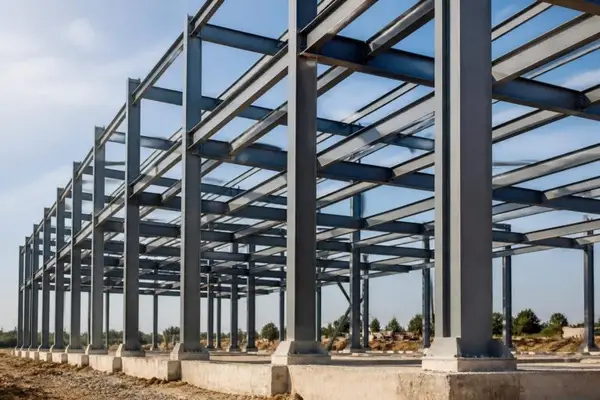
Structural engineering ensures cover for carport installations meet safety standards and withstand environmental forces. Professional design considers multiple load types simultaneously to prevent failure under combined stress conditions.
Wind Load Calculations
Wind zones across the United States range from 90 mph basic wind speeds in sheltered areas to 200+ mph in hurricane-prone coastal regions. Cover designs must resist both uplift forces trying to lift the structure and lateral forces pushing horizontally.
Proper engineering includes:
- Site-specific wind zone identification
- Exposure category assessment based on surrounding terrain
- Importance factor for essential versus standard structures
- Fastener spacing and connection strength verification
When specialized metalwork needs arise during installation or customization, partnering with experienced fabrication specialists like LTJ Industrial Services ensures precision welding and custom modifications meet structural requirements.
Dead Load and Live Load Factors
Dead loads represent the permanent weight of the cover structure itself, including panels, framing, and attached components. Live loads encompass temporary forces like snow accumulation, maintenance personnel, and hanging equipment.
Engineers combine these factors using load combination formulas specified in international building codes. This ensures structures safely support all reasonably foreseeable conditions without excessive deflection or failure risk.
Certification and Warranty Protection
Reputable cover for carport manufacturers provide certifications and warranties demonstrating confidence in product quality. Understanding these protections helps assess manufacturer credibility and long-term support availability.
Industry Certifications
Third-party engineering certifications verify that designs meet specified wind and snow load requirements. These documents prove essential for:
- Building permit approval
- Insurance coverage eligibility
- Resale value documentation
- Financing application support
Certified structures undergo rigorous testing and analysis confirming their ability to withstand rated environmental conditions. Non-certified covers may fail to meet local building codes regardless of claimed specifications.
Warranty Coverage Types
Comprehensive warranties cover multiple components with varying terms:
| Component | Typical Coverage | What's Protected |
|---|---|---|
| Structural Frame | 20-30 years | Manufacturing defects, weld failures |
| Roof Panels | 20-40 years | Rust-through, material degradation |
| Paint Finish | 10-15 years | Fading, chalking, peeling |
- Installation | 1-2 years | Workmanship defects, improper assembly |
Quality manufacturers honor warranties without excessive restrictions or hidden exclusions. Assessing metal carports for sale requires reviewing warranty terms carefully before making purchase commitments.
Design Integration with Property Aesthetics
While functionality drives cover for carport selection, visual integration with existing structures enhances overall property appeal. Thoughtful design coordination creates cohesive appearances that complement architectural styles.
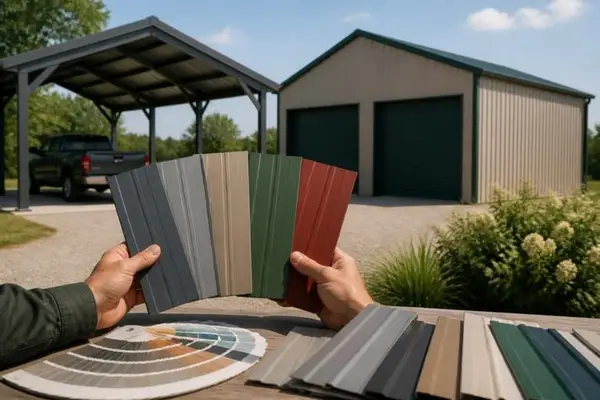
Color Selection Strategy
Metal covers come in numerous colors matching or contrasting with home exteriors. Popular choices include:
- Neutral tones: White, beige, and gray blend with most color schemes
- Earth colors: Brown and tan harmonize with natural surroundings
- Bold accents: Red, blue, and green create striking focal points
- Metallic finishes: Galvanized and pewter provide industrial aesthetics
Reviewing a comprehensive color chart helps visualize how different shades complement existing buildings and landscaping elements.
Architectural Style Matching
Modern homes pair well with clean-lined metal covers featuring vertical panels and minimal ornamentation. Traditional architecture benefits from A-frame designs with boxed eaves that echo residential rooflines.
Matching roof pitch between primary structures and carport covers creates visual continuity. While perfect pitch matching isn't always structurally feasible, approximate angles maintain aesthetic harmony across the property.
Comparing Roofing Material Performance
Different roofing materials for carports deliver varying levels of performance across multiple evaluation criteria. Understanding these differences supports informed decision-making aligned with specific priorities.
Sustainability and Environmental Impact
Metal covers rank highly for environmental friendliness due to recyclability and energy efficiency. Steel and aluminum contain significant recycled content and remain fully recyclable at end of service life.
Reflective metal surfaces reduce heat island effects in urban areas while lowering cooling costs for adjacent structures. Some property owners integrate solar panels with metal carport covers, generating renewable energy while protecting vehicles.
Noise and Insulation Properties
Exposed metal covers amplify rain noise, which some find soothing while others consider disruptive. Adding insulation layers reduces noise transmission while improving temperature control for enclosed structures.
Material selection for lasting carports balances acoustic properties with durability and cost considerations. Polycarbonate panels naturally dampen sound compared to bare metal while still providing excellent weather protection.
Specialized Applications and Multi-Use Designs
Beyond standard vehicle protection, cover for carport structures serve diverse functions that maximize property utility and investment returns. Strategic planning during initial design phase accommodates multiple uses without requiring future modifications.
Workshop and Hobby Space Integration
Enclosed carport covers transform into functional workshops with proper electrical service and lighting additions. Climate-controlled spaces support year-round hobbies, equipment maintenance, and DIY projects.
Converting covers to multi-purpose spaces requires:
- Adequate electrical capacity for power tools
- Proper ventilation for fumes and dust
- Insulation for temperature regulation
- Security features protecting valuable equipment
Equipment and Boat Storage
Recreational equipment demands protection from UV damage and weather exposure. Carport covers sized appropriately for boats, jet skis, or campers preserve these investments while keeping them readily accessible.
Understanding the nuances of metal buildings and their applications helps identify optimal configurations for specialized storage needs beyond basic vehicle protection.
Permitting and Regulatory Compliance
Navigating local building codes and permit requirements prevents costly delays and ensures legal compliance. Requirements vary significantly between jurisdictions, making early research essential for project planning.
Common Permit Requirements
Most municipalities require permits for permanent carport installations, though specific thresholds differ. Typical permit triggers include:
- Structure size exceeding minimum square footage
- Permanent foundation installation
- Electrical service additions
- Enclosed wall construction
- Property line setback considerations
Essential carport purchase considerations include understanding local regulations before finalizing design specifications or making deposits.
HOA and Covenant Restrictions
Homeowner associations frequently impose additional requirements beyond municipal codes. Common HOA concerns include:
- Approved color palettes limiting exterior finishes
- Architectural review board approval processes
- Size and placement restrictions
- Minimum quality or material standards
- Screening requirements from street view
Reviewing HOA covenants early in the planning process prevents design conflicts requiring expensive modifications or complete redesigns.
Making the Final Selection
Choosing the optimal cover for carport involves balancing multiple competing priorities including budget constraints, aesthetic preferences, and functional requirements. Systematic evaluation ensures decisions align with long-term satisfaction and practical needs.
Prioritizing Decision Factors
Creating a weighted priority list helps navigate trade-offs when perfect solutions exceed budget limitations:
High Priority Factors:
- Weather protection adequacy for local climate
- Structural safety and engineering certification
- Budget alignment including installation costs
- Warranty coverage and manufacturer reputation
Medium Priority Factors:
- Aesthetic integration with existing structures
- Additional height for oversized vehicles
- Partial enclosure for enhanced protection
- Color and finish options
Lower Priority Factors:
- Cutting-edge design features
- Premium gauge materials beyond code requirements
- Extensive customization for unique preferences
Understanding which factors matter most for your specific situation guides productive discussions with suppliers and prevents decision paralysis from excessive options.
Selecting the right cover for carport requires careful consideration of materials, design styles, and long-term performance expectations in your specific climate zone. Whether you prioritize maximum weather protection, budget efficiency, or aesthetic integration with existing structures, understanding the available options empowers confident decision-making. Metal Structure Sales LLC specializes in customizable metal carport solutions with vertical and regular roof options, delivering quality structures with installation included to protect your vehicles for decades to come.