

Choosing the right metal carport design involves more than just picking a structure to protect your vehicle. The design you select impacts durability, functionality, and how well the carport meets your specific needs. From roof styles and frame configurations to width options and customization features, understanding the various metal carport designs available helps you make an informed decision that balances aesthetics, budget, and long-term performance.
Understanding Core Roof Styles in Metal Carport Designs
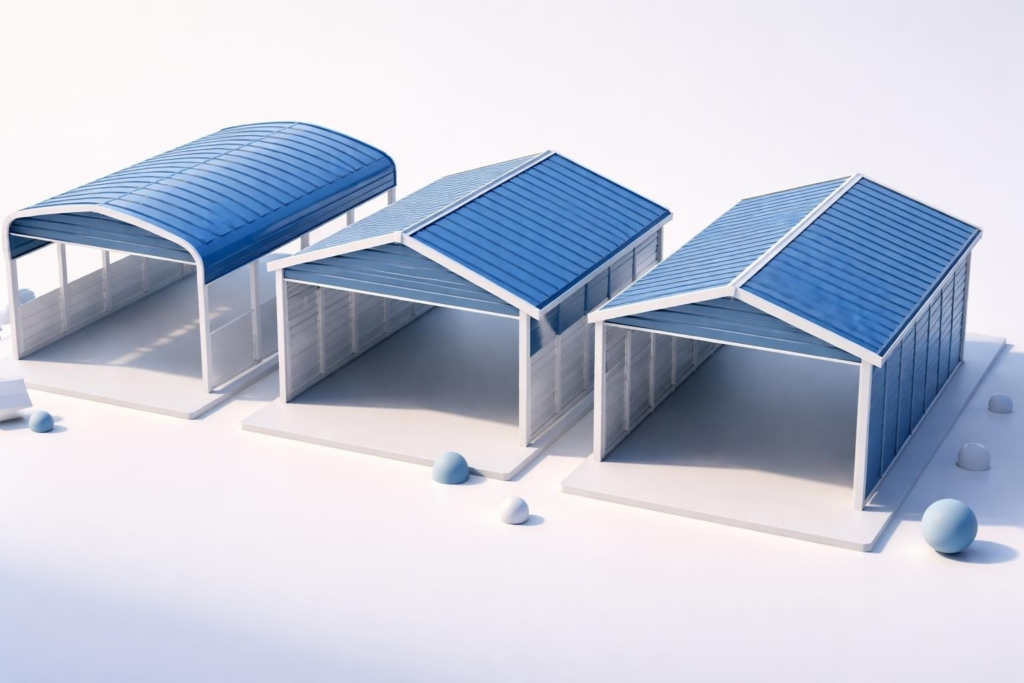
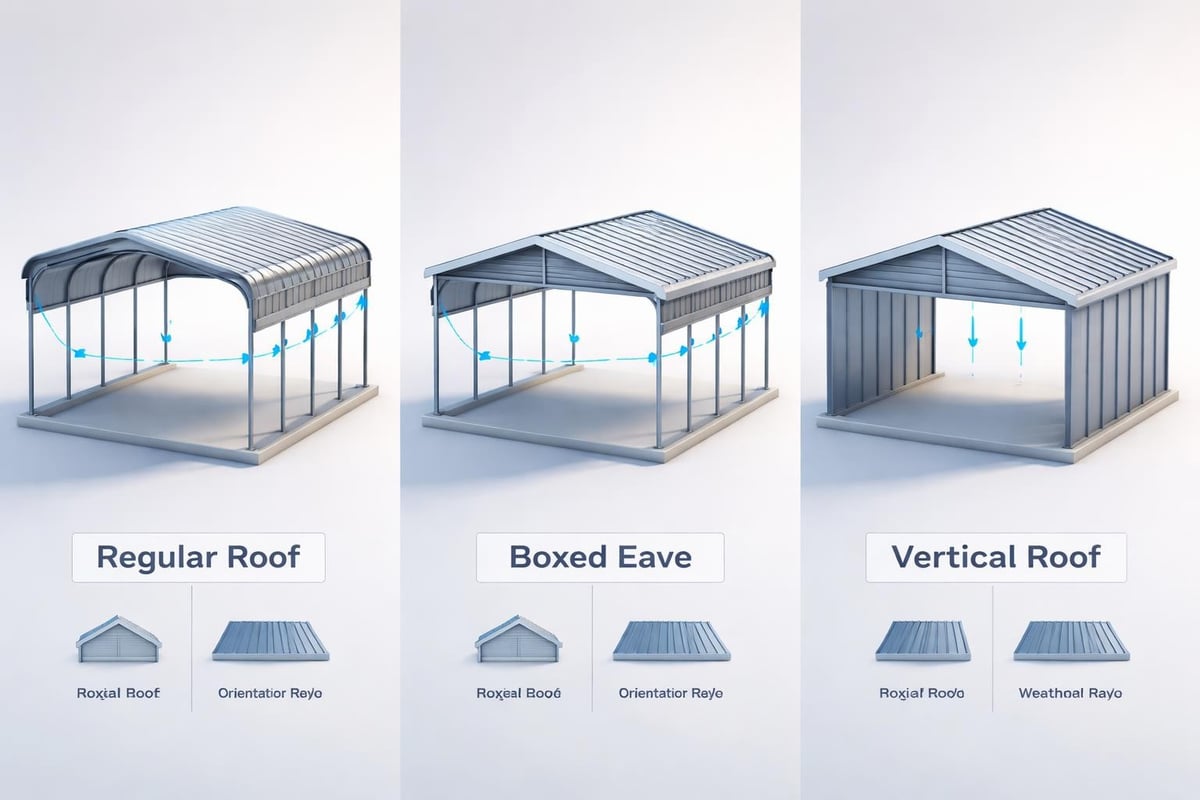
The roof style forms the foundation of any metal carport design and significantly affects both appearance and functionality. Three primary roof styles dominate the market, each offering distinct advantages.
Regular Roof Style
The regular roof style, also known as a rounded roof, features horizontal panels that run from side to side. This economical option works well in areas with minimal weather challenges.
Key characteristics include:
- Horizontal panel orientation
- Rounded eave design
- Cost-effective construction
- Suitable for light to moderate weather conditions
- Standard leg height options
This design represents the most budget-friendly choice, making it ideal for customers prioritizing affordability over maximum weather resistance.
Boxed Eave Roof Design
Boxed eave metal carport designs offer a middle ground between economy and durability. The horizontal panels receive added protection from boxed edges that create a more finished appearance.
| Feature | Regular Roof | Boxed Eave | Vertical Roof |
|---|---|---|---|
| Panel Direction | Horizontal | Horizontal | Vertical |
| Wind Resistance | Good | Better | Best |
| Snow Shedding | Moderate | Moderate | Excellent |
| Price Point | Lowest | Mid-range | Highest |
| Aesthetic Appeal | Basic | Enhanced | Premium |
The boxed eave design provides improved aesthetics while maintaining reasonable pricing, making it popular for residential applications where curb appeal matters.
Vertical Roof Configuration
Vertical roof metal carport designs represent the premium tier, featuring panels that run vertically from peak to eave. This configuration allows rain, snow, and debris to slide off easily, providing superior weather protection.
According to industry standards for durable metal carports, vertical roofs perform best in regions with heavy precipitation or strong winds. The vertical panel orientation reduces accumulation and stress on the structure.
Benefits of vertical roof designs:
- Maximum weather resistance
- Enhanced structural integrity
- Longer lifespan
- Required for wind/snow certifications
- Professional appearance
When evaluating affordable carport options, consider that vertical roof designs command higher initial costs but deliver better long-term value through reduced maintenance and superior durability.
Configuration Options for Different Needs
Metal carport designs extend beyond roof styles to include various configurations that serve specific purposes.
Single Car Carports
Single-car designs typically measure 12 to 14 feet wide and 20 to 24 feet long. These compact structures fit standard residential driveways and provide economical protection for one vehicle.
- Width: 12-14 feet
- Length: 20-24 feet
- Height: 6-12 feet standard
- Ideal for sedans, trucks, or SUVs
Double and Triple Carports
Wider metal carport designs accommodate multiple vehicles or provide workspace alongside parking. Double carports range from 18 to 24 feet wide, while triple units extend to 26-30 feet.
These configurations work well for families with multiple vehicles or homeowners needing covered workspace. The modern steel carport design trends show increasing demand for wider structures that serve multiple purposes.
Custom Width Applications
Beyond standard sizes, custom metal carport designs address unique requirements. Agricultural applications, RV storage, and commercial uses often demand specialized dimensions.
Common custom applications include:
- RV covers (14-16 feet tall, 14-18 feet wide)
- Equipment storage (variable dimensions)
- Commercial fleet parking
- Workshop combinations
- Agricultural machinery protection
Frame and Support Design Elements
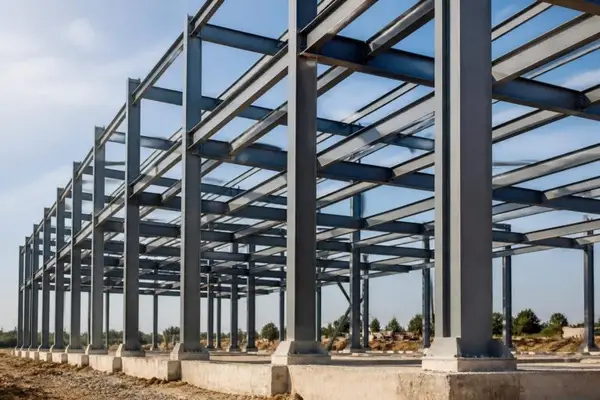
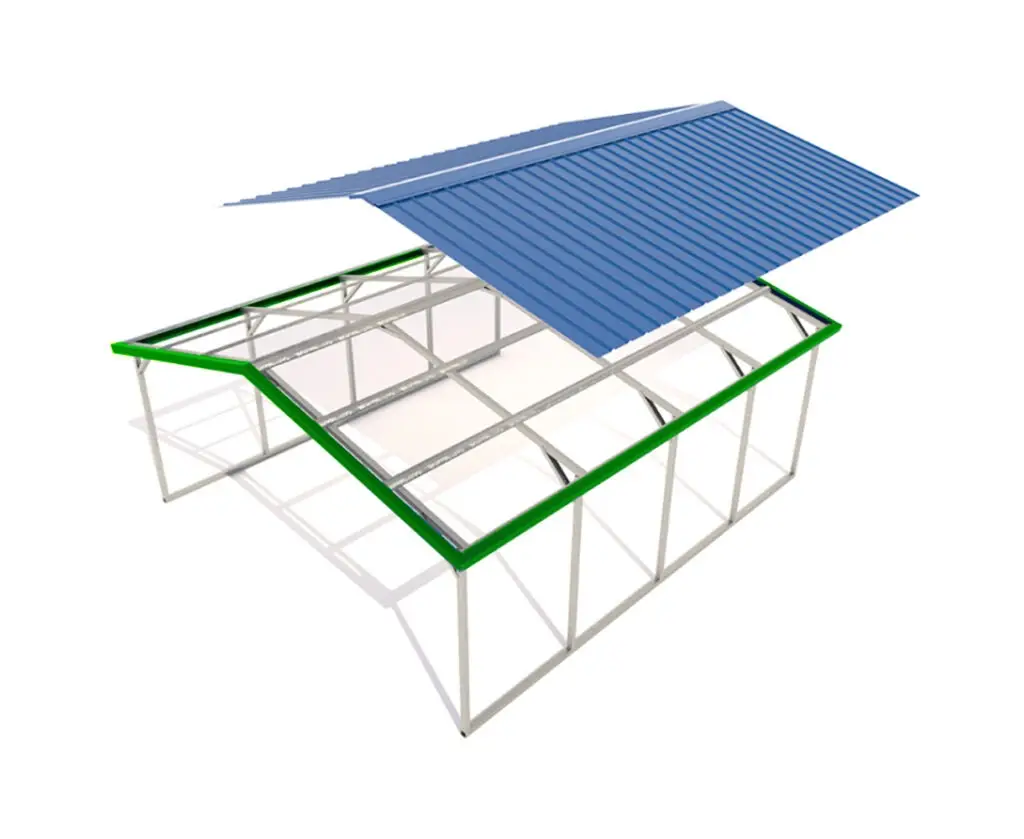
The structural framework determines a metal carport's strength and longevity. Understanding frame design helps you evaluate quality and suitability.
Gauge Thickness Standards
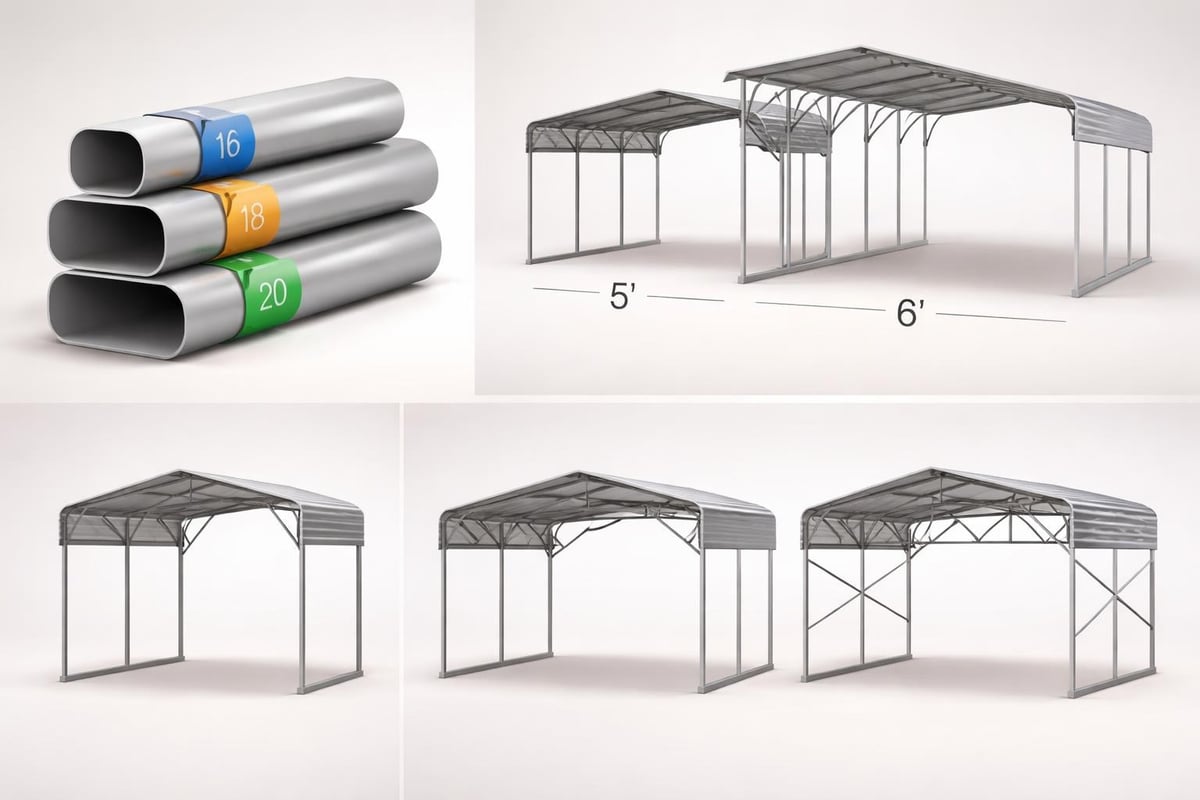
Frame tubes come in various gauge thicknesses, with lower numbers indicating thicker, stronger steel. Standard metal carport designs use 14-gauge tubing, while premium structures employ 12-gauge or heavier materials.
| Gauge | Wall Thickness | Application | Durability |
|---|---|---|---|
| 14-gauge | 0.075 inches | Standard residential | Good |
| 12-gauge | 0.105 inches | Heavy-duty/commercial | Excellent |
| 10-gauge | 0.135 inches | Industrial/extreme weather | Maximum |
Leg Placement and Spacing
Strategic leg placement enhances stability without creating obstacles. Most metal carport designs space support legs 10 to 12 feet apart, balancing structural integrity with usable space.
Increased leg height accommodates taller vehicles like RVs or commercial trucks. Standard heights range from 6 to 8 feet, with custom options extending to 16 feet or more for specialized applications.
Anchor and Foundation Systems
Proper anchoring ensures stability during severe weather. Metal carport designs incorporate various anchoring methods based on installation surface and local conditions.
- Mobile home anchors: Auger-style anchors for soft ground
- Concrete anchors: Expansion bolts for existing slabs
- Asphalt anchors: Specialized fasteners for paved surfaces
- Rebar anchors: Driven stakes for maximum holding power
The U.S. metal carport installation workflow emphasizes proper anchoring as critical for long-term performance and warranty compliance.
Customization Features and Add-Ons
Modern metal carport designs offer extensive customization to enhance functionality and appearance.
Wall Panels and Enclosures
Adding wall panels transforms an open carport into semi-enclosed or fully enclosed space. This customization protects against wind-driven rain, provides security, and creates usable storage or workspace.
Panel placement options:
- Gable ends only
- Side walls (partial or full)
- Complete enclosure with doors
- Strategic wind barriers
For customers seeking maximum versatility, Metal Structure Sales LLC offers customizable options that allow you to start with a basic design and add enclosures as needs evolve. Their Metal Carport configurations include delivery and installation, simplifying the process from design through completion.
Trim and Aesthetic Enhancements
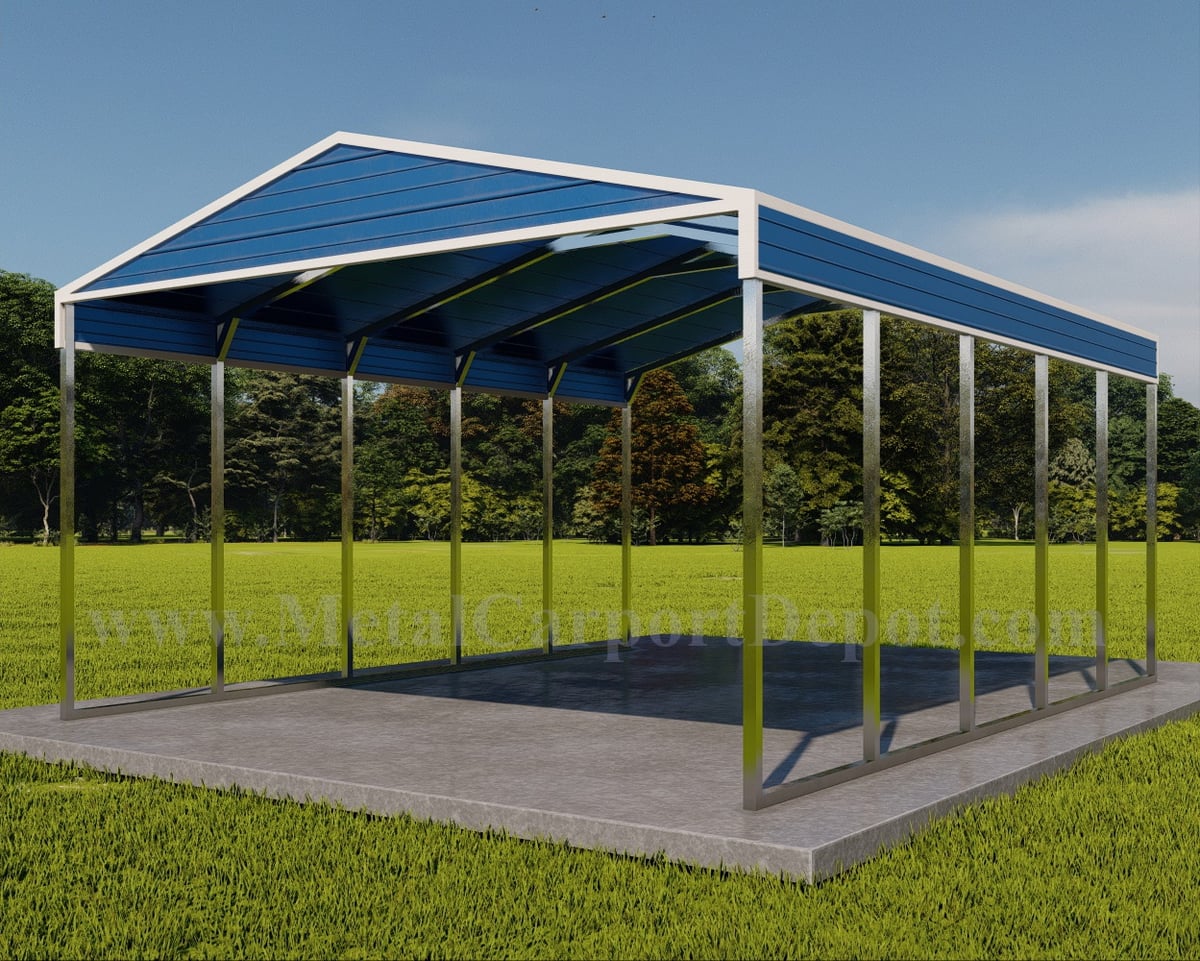
Trim packages enhance curb appeal while protecting exposed edges. Color-matched trim creates a finished appearance and extends material lifespan by sealing vulnerable joints.
- Ridge caps for roof peaks
- Corner trim for professional edges
- Fascia panels for clean lines
- Matching color coordination
Functional Additions
Beyond aesthetics, practical add-ons increase utility. Consider these popular enhancements when planning your metal carport design:
- Gutters and downspouts: Direct water away from the foundation
- Lighting packages: Improve visibility and security
- Insulation: Regulate temperature for workspace applications
- Windows: Add natural light to enclosed designs
- Walk-in doors: Provide convenient access to enclosed areas
Width Classifications and Applications
Metal carport designs span a range of widths, each suited to specific applications and vehicle types.
Standard Width Carports (12-24 feet)
These dimensions cover most residential needs, from single vehicles to double-car configurations. Standard widths keep costs reasonable while providing adequate coverage.
Mid-Range Structures (26-30 feet)
Mid-range metal carport designs accommodate larger vehicles, multiple cars, or combined parking and storage. These versatile structures serve growing families and small business applications.
According to diverse metal carport design examples, 26 to 30-foot widths represent the sweet spot for versatility and value in residential settings.
Wide Span Buildings (32+ feet)
Structures exceeding 30 feet width require specialized engineering and construction techniques. These metal carport designs serve agricultural, commercial, and industrial applications.
Common wide-span uses include:
- Farm equipment storage
- Commercial vehicle fleets
- Manufacturing workspace
- Aircraft hangars
- Large RV storage facilities
Understanding metal building fundamentals helps clarify when standard designs suffice versus when wide-span structures become necessary.
Regional Considerations and Weather Resistance
Climate and local building codes significantly influence appropriate metal carport designs for your location.
Wind Rating Requirements
Coastal regions and tornado-prone areas require certified wind ratings. Metal carport designs must meet specific wind speed ratings, typically ranging from 90 to 170 mph depending on location.
| Region Type | Wind Rating | Design Requirements |
|---|---|---|
| Inland/Low Risk | 90-110 mph | Standard construction |
| Moderate Risk | 115-140 mph | Enhanced anchoring |
| Coastal/High Risk | 145-170 mph | Certified vertical roof |
Snow Load Capacity
Northern climates demand metal carport designs engineered for snow accumulation. Snow load ratings, measured in pounds per square foot (psf), determine structural adequacy.
- Light snow regions: 20-30 psf
- Moderate snow areas: 35-50 psf
- Heavy snow zones: 55+ psf
Vertical roof designs naturally shed snow, reducing structural stress and maintenance requirements in winter climates.
Local Code Compliance
Building permits and code requirements vary by jurisdiction. Some areas mandate specific metal carport designs, foundation types, or setback distances.
Researching regional metal building requirements before finalizing your design prevents costly modifications and ensures legal compliance.
Material Selection and Coating Systems
The materials comprising your metal carport design directly impact longevity and maintenance requirements.
Steel Grade Options
Most residential metal carport designs use galvanized steel, which resists corrosion through zinc coating. Commercial applications may specify higher-grade alloys for extreme conditions.
Common steel specifications:
- 29-gauge sheet metal (standard residential)
- 26-gauge sheet metal (premium durability)
- 24-gauge sheet metal (commercial grade)
- Galvanized coating (standard protection)
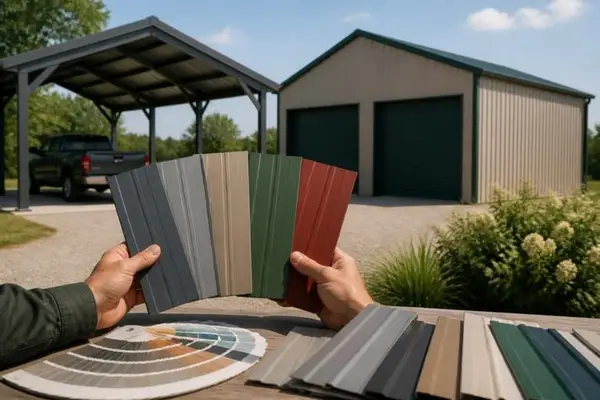
Color and Finish Choices
Modern coating systems offer both protection and aesthetics. Powder-coated finishes resist fading, chipping, and weathering while providing extensive color options.
Popular color choices include:
- Earth tones (browns, tans, greens)
- Classic neutrals (white, gray, black)
- Bold accents (red, blue, burgundy)
- Metallic finishes (silver, copper)
The comprehensive carport design guide details how material selection affects both initial costs and lifetime value.
Planning and Layout Optimization
Strategic planning maximizes the functionality and value of your metal carport design.
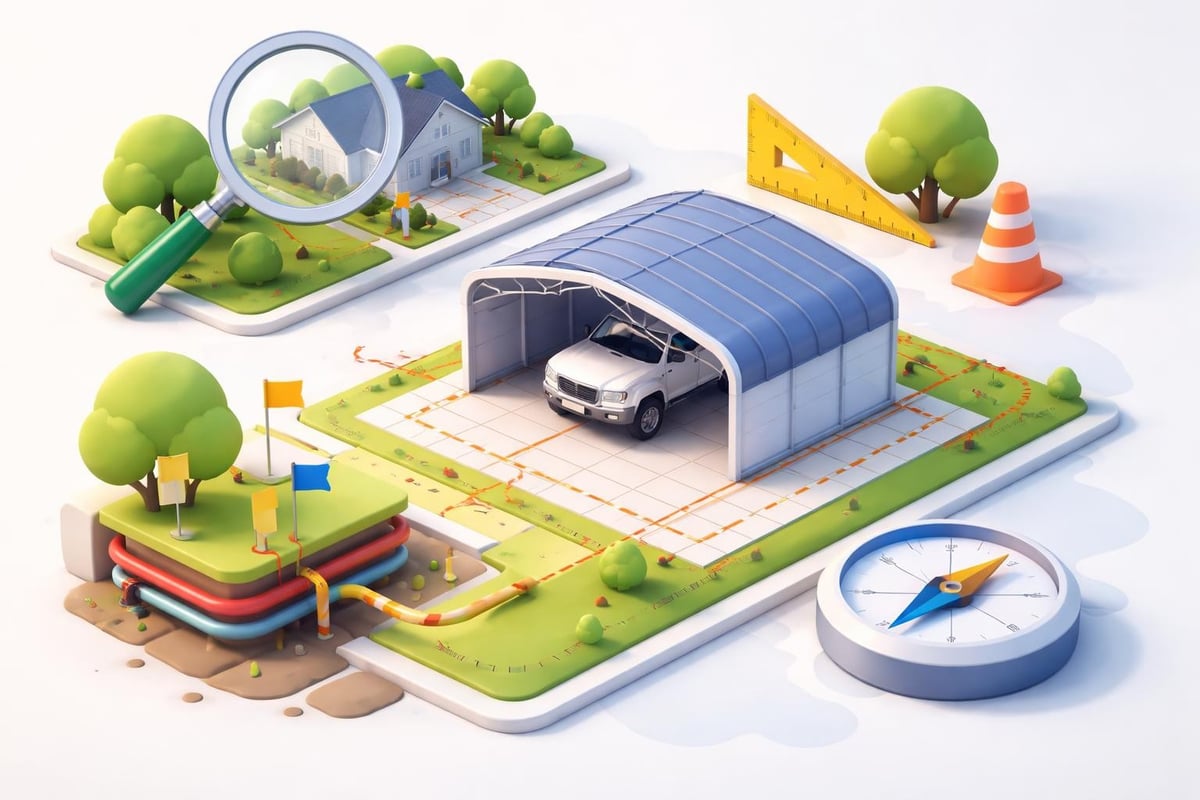
Site Assessment Factors
Before selecting a design, evaluate your installation site for:
- Ground slope and drainage
- Underground utilities
- Property line setbacks
- Sun exposure and shade patterns
- Prevailing wind direction
- Access for delivery and installation
Clearance and Dimension Planning
Account for adequate clearance around vehicles and within the structure. Standard door clearances require 2-3 feet of extra width beyond vehicle dimensions.
Dimension planning checklist:
- Measure vehicle(s) including mirrors and accessories
- Add 2 feet minimum side clearance per vehicle
- Include 3-4 feet for front/rear access
- Consider future vehicle upgrades
- Plan for storage or workspace needs
Future Expansion Considerations
Smart metal carport designs accommodate future modifications. Modular construction allows adding length, enclosing sides, or connecting additional structures.
When reviewing metal building styles and types, consider how your current design might evolve with changing needs.
Installation Methods and Timeline
Understanding installation approaches helps set realistic expectations and budget appropriately.
Professional Installation Benefits
Factory-trained installers ensure proper assembly, anchoring, and warranty compliance. Professional installation typically completes in one to three days depending on size and complexity.
Advantages include:
- Engineered foundation preparation
- Certified anchoring methods
- Warranty protection
- Building permit assistance
- Quality assurance
DIY Considerations
Some metal carport designs accommodate self-installation, though this requires significant skill and proper equipment. The detailed metal carport buyer’s guide outlines what DIY installers should know before attempting installation.
Factor additional time for permit acquisition, site preparation, and assembly learning curves when considering self-installation.
Cost Factors and Budget Planning
Multiple variables influence metal carport design costs, from basic specifications to premium upgrades.
Base Price Determinants
Standard pricing reflects:
- Overall dimensions (width, length, height)
- Roof style selection
- Frame gauge thickness
- Geographic location
- Certification requirements
Customization Cost Impact
Each modification adds to the base price. Common upgrades and their relative cost impact include:
| Upgrade Type | Cost Impact | Value Consideration |
|---|---|---|
| Vertical roof upgrade | 15-25% increase | Essential for certification |
| Side wall panels | $300-800 per section | Weather protection |
| Gable end enclosure | $400-1,000 | Security and storage |
| Extra height | $100-300 per foot | Necessary for tall vehicles |
| Color customization | $200-500 | Aesthetic preference |
Understanding pricing factors for metal structures helps establish realistic budgets and identify where customization delivers the best value.
Financing and Payment Options
Many providers offer financing programs that make higher-quality metal carport designs accessible. Rent-to-own arrangements and installment plans spread costs over time while providing immediate vehicle protection.
Exploring purchasing options for metal buildings reveals flexible payment structures that accommodate various budgets.
Maintenance Requirements for Different Designs
Proper maintenance extends the life of any metal carport design and preserves its appearance.
Routine Care Schedules
Regular inspections and basic cleaning prevent minor issues from becoming major problems. Establish a maintenance routine that includes:
Monthly tasks:
- Remove debris from roof and gutters
- Check for loose panels or trim
- Inspect anchors and connections
Seasonal maintenance:
- Wash exterior surfaces
- Touch up scratched or chipped paint
- Tighten bolts and fasteners
- Clear snow accumulation (winter)
Design-Specific Considerations
Different metal carport designs require varying maintenance attention. Vertical roof styles need minimal snow removal, while horizontal panels may require periodic clearing in heavy snow regions.
Enclosed designs benefit from additional attention to doors, windows, and seals. Learning proper maintenance techniques prevents premature wear and maintains warranty coverage.
Selecting the Right Design for Your Needs
Matching metal carport designs to specific requirements ensures satisfaction and optimal performance.
Assessment Questions
Answer these questions to narrow design choices:
- What vehicles require coverage?
- What climate challenges exist in your area?
- Will the structure serve additional purposes beyond parking?
- What is your realistic budget range?
- How important is aesthetic appeal?
- Do you anticipate future expansion needs?
Comparing Design Options
Create a comparison matrix evaluating each potential design against your priorities. Weight factors according to importance, such as weather protection, budget constraints, and functionality requirements.
The visual gallery of metal carport designs provides inspiration and helps clarify preferences when comparing options.
Working with Reputable Providers
Choosing an experienced provider ensures access to quality designs and professional support throughout the process. Evaluate providers based on:
- Industry experience and reputation
- Design customization capabilities
- Installation service quality
- Warranty coverage
- Customer support responsiveness
Reading guidance on selecting the right dealer helps identify trustworthy partners for your metal carport project.
Emerging Trends in Metal Carport Design
The metal carport industry continues evolving, incorporating new technologies and responding to changing customer preferences.
Solar Integration
Modern metal carport designs increasingly incorporate solar panel mounting systems. The robust framework and optimal roof orientation make carports ideal for renewable energy generation while serving their primary protective function.
Smart Features
Technology integration brings convenience and security to metal carport designs. Popular additions include:
- LED lighting with motion sensors
- Security camera mounts
- Electric vehicle charging stations
- Automated door systems for enclosed designs
- Weather monitoring equipment
Architectural Styling
Contemporary metal carport designs emphasize aesthetics alongside functionality. Manufacturers offer architectural enhancements that complement modern home designs while maintaining the practical benefits of metal construction.
Exploring metal building design blogs reveals current trends and innovative applications gaining popularity in residential and commercial markets.
Environmental Impact and Sustainability
Metal carport designs offer environmental advantages over alternative construction methods.
Recyclability Benefits
Steel ranks among the most recycled materials globally. Metal carports can be completely recycled at the end of their service life, reducing environmental impact and conserving resources.
Energy Efficiency Potential
Reflective roof coatings reduce heat absorption, lowering cooling costs for adjacent structures. Enclosed metal carport designs with proper insulation create energy-efficient workspace or storage environments.
Longevity and Resource Conservation
Durable metal carport designs lasting 20-30 years or longer reduce the need for replacement and associated resource consumption. This longevity represents sustainable building practice compared to materials requiring more frequent replacement.
Understanding custom steel building options helps identify sustainable features that align with environmental priorities.
Selecting from the diverse range of metal carport designs available requires balancing practical needs, budget considerations, and aesthetic preferences while accounting for climate challenges and future requirements. The right design protects your investment while enhancing property functionality and value. Metal Structure Sales LLC specializes in helping customers navigate these decisions, offering customizable metal carport designs with professional installation included, ensuring you receive a structure perfectly suited to your specific needs and built to last for decades.