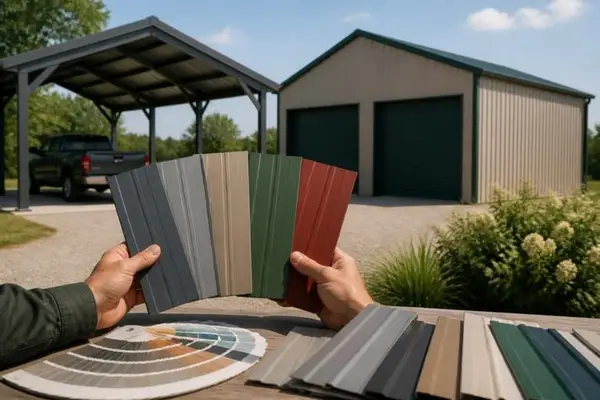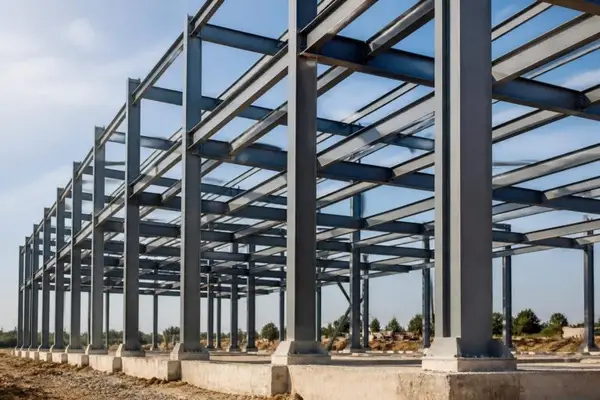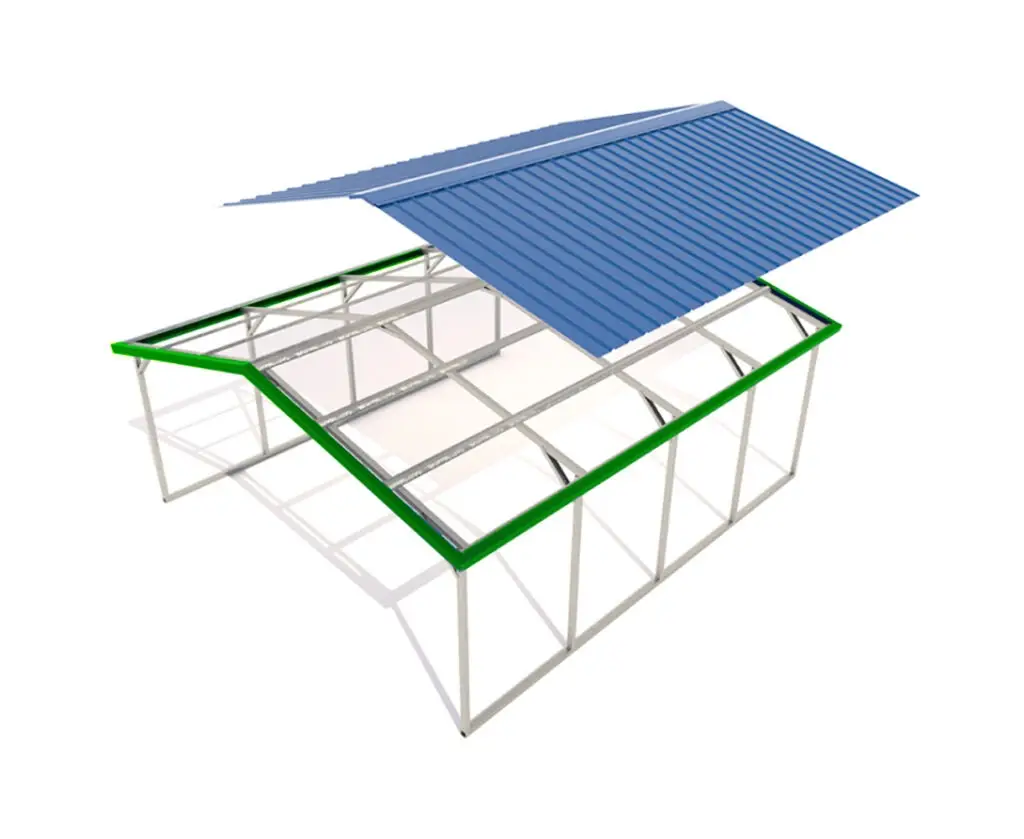


When you search for a "metal storage building near me," you're taking the first step toward solving storage challenges that plague homeowners, business owners, and property managers across America. Metal storage buildings have evolved dramatically over the past decade, offering solutions that combine durability, affordability, and customization options that traditional wooden structures simply can't match. Whether you need protection for vehicles, equipment, livestock, or general storage, understanding what makes a quality metal storage building and how to find the right local provider will save you time, money, and future headaches.
Why Location Matters for Metal Storage Buildings
Finding a metal storage building near me isn't just about convenience during the buying process. Local providers offer distinct advantages that impact everything from pricing to long-term satisfaction.
Reduced Delivery and Installation Costs
Transportation costs represent a significant portion of your total investment. When you source a metal storage building from a local or regional provider, you eliminate excessive shipping fees that can add thousands to your project budget. Providers who service your specific area have established delivery routes and regional partnerships that translate to competitive pricing.
Local installation teams also possess critical knowledge about your region's soil conditions, weather patterns, and building challenges. This expertise ensures proper anchoring and foundation preparation specific to your geography.
Compliance with Local Building Codes
Every municipality enforces unique building codes, zoning regulations, and permit requirements. A provider experienced in your area understands these regulations and can guide you through the approval process. They know which jurisdictions require engineered drawings, what setback distances apply, and how to expedite permit acquisition.
Working with companies familiar with local regulations in states like Georgia or Virginia streamlines the entire process and prevents costly compliance issues down the road.
Understanding Metal Storage Building Options
The term "metal storage building near me" encompasses a wide range of structures, each designed for specific applications and requirements.
| Building Type | Best For | Typical Size Range | Key Features |
|---|---|---|---|
| Open Carports | Vehicle shade, basic coverage | 12' x 21' to 24' x 36' | Economical, quick install, minimal enclosure |
| Partially Enclosed | Equipment storage, workshops | 18' x 21' to 30' x 40' | Two or three enclosed sides, balanced protection |
| Fully Enclosed | Secure storage, climate control | 12' x 21' to 60' x 100'+ | Complete weather protection, lockable access |
| Combo Units | Mixed use applications | 20' x 31' to 44' x 51' | Carport section plus enclosed storage |
Roof Style Considerations
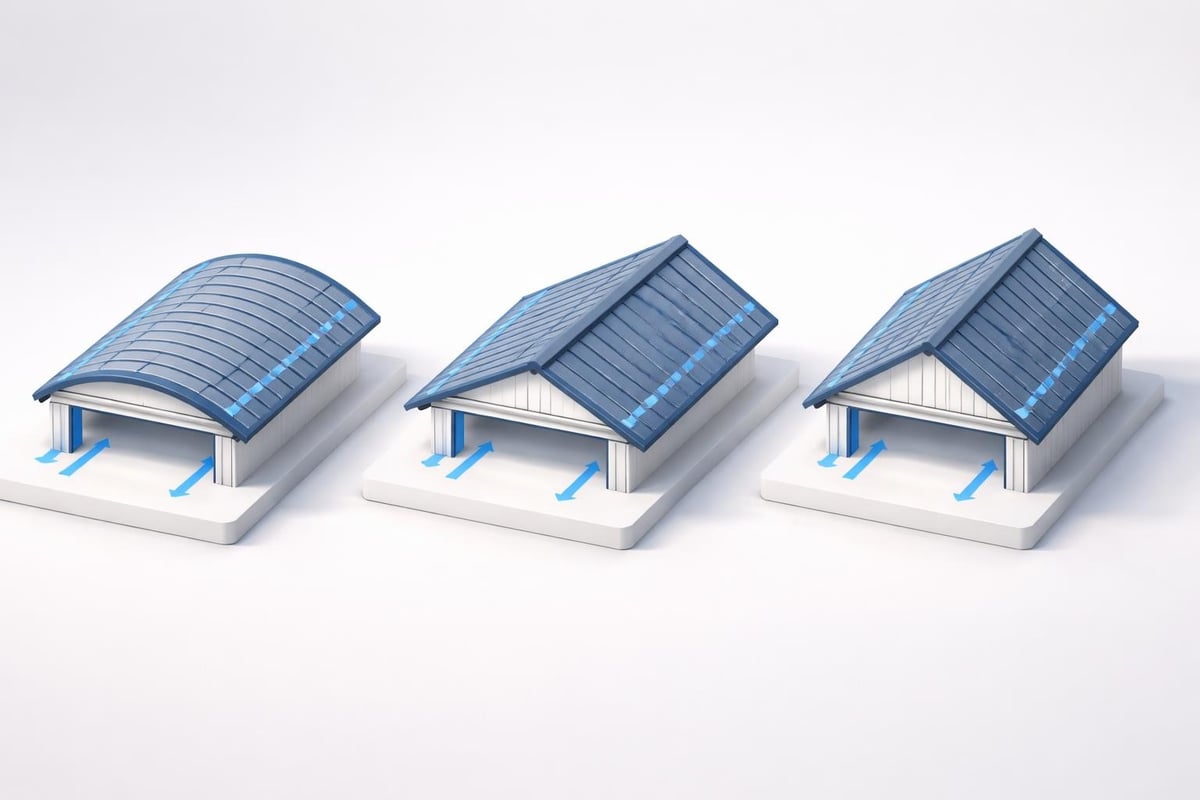
Your roof selection impacts both functionality and long-term performance. Regular roof styles feature horizontal panels with rounded eaves, offering the most economical option for basic shelter needs. A-frame horizontal roofs provide a steeper pitch with better water runoff but maintain the horizontal panel orientation.
Vertical roof systems represent the premium choice, with panels running vertically from ridge to eave. This configuration allows rain, snow, and debris to slide off efficiently, making vertical roofs essential in areas with significant precipitation or snow accumulation. Understanding A-frame design principles helps you make informed decisions about roof geometry for your specific climate.
Determining the Right Size for Your Needs
Size planning separates successful projects from frustrating ones. When searching for a metal storage building near me, resist the temptation to minimize square footage to reduce costs.
Calculate Your Actual Space Requirements
Start by measuring what you plan to store. Add minimum clearances of 3-5 feet on all sides for accessibility and future needs. Consider vertical space requirements, especially if you're storing recreational vehicles, boats, or equipment with extended heights.
The comprehensive metal building size guide provides detailed calculations for various applications, helping you avoid the most common mistake: building too small.
- Single vehicle storage: Minimum 12' x 21', recommended 14' x 24'
- Two vehicles: Minimum 18' x 21', recommended 20' x 26'
- RV or boat coverage: Minimum 14' x 31', with height considerations
- Workshop applications: 20' x 31' minimum for functional workspace
- Commercial storage: 30' x 40' and larger depending on inventory
Account for Future Growth
Your storage needs will expand. Plan for at least 20-30% additional capacity beyond current requirements. Adding length to a metal building typically costs less per square foot than width increases, making a 20' x 36' structure often more economical than a 24' x 30' building of similar square footage.
Customization Features That Add Value
Modern metal storage buildings offer extensive customization options that transform basic structures into precisely tailored solutions.
Essential Structural Upgrades
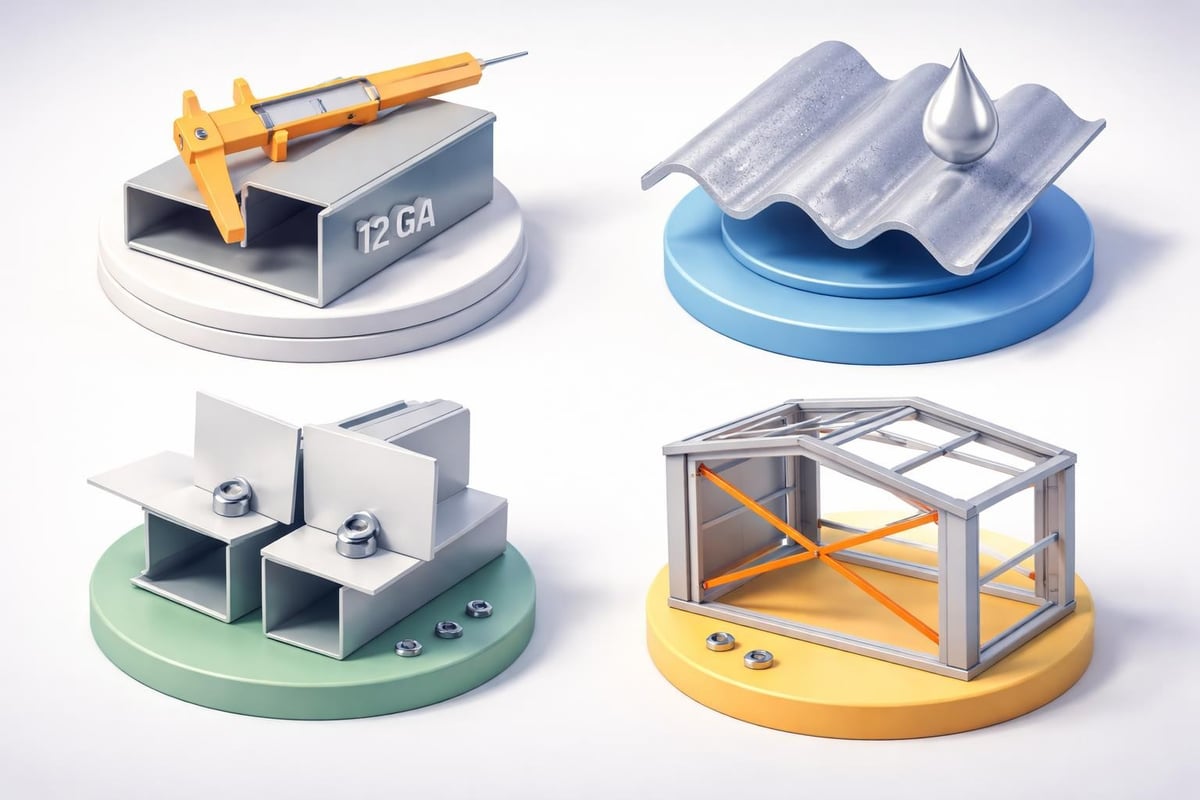
Frame gauge selection directly impacts longevity and load-bearing capacity. Standard 14-gauge tubing works for most residential applications, while 12-gauge framing provides enhanced strength for areas with higher snow loads or wind requirements. Certified buildings engineered for specific wind speeds and snow loads ensure compliance with local building codes and insurance requirements.
Panel thickness represents another critical decision. Standard 29-gauge panels offer adequate protection for most applications, while upgrading to 26-gauge sheeting provides superior dent resistance and extended lifespan.
Functional Add-Ons
The right accessories transform basic metal storage buildings into highly functional spaces:
- Walk-in doors: 36" x 80" standard entry doors for secure access
- Windows: Natural light and ventilation without compromising security
- Garage doors: Roll-up or sectional doors in various sizes for vehicle access
- Insulation: R-value panels for climate control and condensation prevention
- Gutters and downspouts: Proper water management to protect foundations
- Enclosed gables: Complete weather protection at building ends
If you're exploring ways to maximize utility, learning how to effectively convert a carport into a garage provides insights into transformation possibilities for existing structures.
Quality Indicators in Metal Storage Buildings
Not all metal storage buildings offer equal quality. Understanding construction standards helps you evaluate providers when searching for a metal storage building near me.
Frame Construction Standards
Quality begins with the frame. Look for all-welded frames rather than bolt-together systems, which can loosen over time. Continuous steel members without splices provide superior strength. Corner bracing and cross-bracing ensure lateral stability during wind events.
Galvanized steel components resist rust and corrosion far better than painted-only metal. Ask specifically about galvanization processes, as hot-dipped galvanizing offers superior protection compared to galvannealed treatments.
Panel Quality and Attachment
Panel attachment methods significantly affect long-term performance. Screws should penetrate structural members rather than relying on self-tapping connections to thin metal. Proper overlap between panels prevents water intrusion, while quality trim pieces seal vulnerable edges and transitions.
Avoiding common construction mistakes during installation preserves structural integrity and ensures your investment delivers decades of reliable service.
Installation Process and Site Preparation
Understanding what happens after you order a metal storage building near me helps you prepare your property and set realistic timelines.
Site Preparation Requirements
Most metal buildings require level, compacted ground or a concrete foundation. The installation team typically needs:
- Clear access for delivery vehicles (minimum 12' wide, 14' high clearance)
- Level building area extending 2-3 feet beyond structure footprint
- Utility clearance (overhead power lines, underground utilities marked)
- Proper drainage to prevent water pooling around the structure
Some jurisdictions mandate concrete foundations for enclosed buildings, while others accept compacted gravel or ground anchors. Your local provider understands these requirements and can advise on the most appropriate preparation method.
Installation Timeline Expectations
Standard installation of a basic metal storage building typically requires 1-3 days depending on size and complexity. Larger enclosed structures with multiple doors, windows, and custom features may require 5-7 days for complete installation.
Weather plays a crucial role in scheduling. High winds, heavy rain, or extreme temperatures can delay installations to ensure proper assembly and safety. Professional installers maintain quality standards regardless of timeline pressures.
Long-Term Maintenance Requirements
One compelling advantage of metal storage buildings involves minimal maintenance compared to wooden alternatives. However, understanding proper care extends lifespan and preserves appearance.
Routine Inspection Schedule
Implement a quarterly inspection routine focusing on these critical areas:
- Panel connections: Check for loose screws or fasteners
- Trim pieces: Verify all trim remains secure and sealed
- Doors and access points: Lubricate hinges, test latches
- Foundation area: Ensure proper drainage, check for erosion
- Roof surface: Remove debris, check for damage or wear
Following effective maintenance strategies for metal buildings prevents minor issues from becoming costly repairs.
Cleaning and Protection
Annual cleaning maintains appearance and identifies potential issues early. Use mild detergent with soft brushes or low-pressure washing to remove dirt, pollen, and environmental contaminants. Avoid high-pressure washing that can damage protective coatings or force water into sealed connections.
Touch-up paint addresses scratches or areas where galvanization may be compromised. Prompt attention to small rust spots prevents expansion and maintains structural integrity.
| Maintenance Task | Frequency | Time Required | Skill Level |
|---|---|---|---|
| Visual inspection | Quarterly | 15-30 minutes | Beginner |
| Debris removal | Monthly | 10-20 minutes | Beginner |
| Washing/cleaning | Annually | 1-2 hours | Beginner |
| Fastener check | Annually | 30-45 minutes | Intermediate |
| Touch-up painting | As needed | Varies | Intermediate |
The comprehensive metal building maintenance guide provides detailed procedures for each maintenance category.
Cost Factors and Budget Planning
Price represents a primary concern when searching for a metal storage building near me. Understanding cost components helps you budget accurately and identify genuine value.
Base Price Components
Standard pricing typically includes:
- Manufacturing costs for frame and panels
- Regional delivery within service area
- Professional installation and setup
- Basic anchoring system
- Standard color selection
Entry-level carports begin around $1,200-$1,800 for a 12' x 21' regular roof structure. Vertical roof systems of similar size typically cost $2,000-$2,800. Fully enclosed metal buildings start around $4,500-$6,000 for a 12' x 21' vertical roof building with one roll-up door.
Customization Cost Additions
Budget for these common upgrades:
- Roof style upgrade (regular to vertical): $400-$1,200 depending on size
- Frame gauge upgrade (14-gauge to 12-gauge): 10-15% increase
- Walk-in door: $350-$600 installed
- Windows: $200-$400 each
- 9' x 7' garage door: $800-$1,400 installed
- Insulation packages: $1.50-$3.00 per square foot
- Concrete foundation: $4-$8 per square foot
For customers needing flexible payment options, exploring available financing solutions makes quality metal buildings accessible regardless of budget constraints.
Regional Considerations Across the United States
When you search for a metal storage building near me, geographic location significantly impacts design requirements and available options.
Snow Load Requirements
Northern states require engineered buildings certified for specific snow loads. Michigan, New Hampshire, and Vermont typically require 35-70 PSF (pounds per square foot) snow load certifications. Buildings in these regions need vertical roof systems, enhanced frame strength, and proper engineering documentation.
Southern states like Arkansas and Mississippi have minimal snow load requirements but may require higher wind ratings due to severe weather and hurricane exposure. Understanding regional requirements ensures code compliance and insurance approval.
Wind Speed Certifications
Coastal areas and tornado-prone regions require certified wind ratings, typically ranging from 90 MPH to 170 MPH. These certifications involve engineered drawings, specific anchoring systems, and enhanced frame construction. Buildings without proper wind certification may face permitting denial or insurance coverage issues.
The Metal Buildings Guide offers comprehensive information about code requirements across different jurisdictions and climate zones.

Evaluating Local Providers
Not all companies offering metal storage buildings deliver equal value or service quality. Apply these criteria when evaluating providers in your area.
Experience and Reputation Indicators
Look for companies with:
- Minimum 5-10 years in the metal building industry
- Verifiable customer reviews and testimonials
- Physical office locations or established service areas
- Responsive customer service before the sale
- Clear warranty information and terms
Ask potential providers about their manufacturing partnerships, installation crews (employee vs. subcontractor), and post-installation support. Companies that manufacture their own buildings often provide better quality control than pure resellers.
Service Area Coverage
Confirm the provider actively services your specific location. Some companies advertise nationally but have limited delivery areas or charge premium rates for distant locations. Regional specialists typically offer better pricing and faster installation scheduling than distant providers.
Check whether the company maintains established service coverage in your state with regular delivery routes and local installation teams.
Specialized Applications for Metal Storage Buildings
While basic storage represents the primary use case, metal buildings serve diverse specialized purposes worth considering.
Agricultural and Livestock Applications
Farmers and ranchers rely on metal buildings for hay storage, equipment protection, and livestock shelter. Proper ventilation becomes critical for animal housing, requiring strategic placement of windows, vents, or open sides. Horse barn configurations typically include stall dividers, tack room enclosures, and feed storage areas integrated into the overall structure.
Commercial and Business Uses
Small businesses increasingly turn to metal buildings for cost-effective expansion. Landscaping companies use them for equipment storage and maintenance facilities. Contractors value secure, weatherproof spaces for tools and materials. Retail operations employ metal buildings for overflow inventory or distribution operations.
The versatility of fully enclosed metal buildings makes them suitable for workshop spaces, mini-storage facilities, or retail storefronts with proper finishing and insulation.
Recreational Vehicle and Boat Protection
RVs, boats, and specialty vehicles require protection from UV degradation, weather damage, and environmental exposure. Metal buildings designed for RV storage typically feature 12-14 foot leg heights, wider entry points, and extended lengths up to 40-50 feet. Proper clearance prevents damage during parking and allows for seasonal maintenance activities.
Making Your Final Decision
After researching metal storage building options, narrowing your choices, and evaluating providers, you're ready to move forward with confidence.
Questions to Ask Before Ordering
Clarify these critical details before finalizing your purchase:
- What exactly is included in the quoted price? (delivery, installation, anchoring)
- What is the complete timeline from order to installation?
- Are engineered drawings included for permit applications?
- What warranty coverage applies to materials and workmanship?
- Can I see examples of completed installations in my area?
- What happens if weather delays installation?
- Do you handle permit applications or is that my responsibility?
Reviewing the provider's frequently asked questions often addresses common concerns and provides valuable insight into their service approach.
Permit and HOA Approval Process
Start permit applications early in your planning process. Most municipalities require site plans, engineered drawings, and proof of property ownership. Processing times vary from a few days to several weeks depending on jurisdiction.
Homeowners association (HOA) approval represents a separate requirement in many planned communities. Review your HOA covenants for size restrictions, setback requirements, and aesthetic standards before ordering. Some HOAs prohibit metal buildings entirely or require specific colors and architectural features.
Understanding Warranty Coverage
Warranty terms protect your investment and provide peace of mind about long-term performance.
Standard Warranty Components
Quality metal building providers typically offer:
- Frame warranty: 20-year to lifetime coverage against rust-through
- Panel warranty: 20-40 year warranties against fading and chalking
- Workmanship guarantee: 1-5 years covering installation defects
Read warranty terms carefully. Some warranties are prorated, reducing coverage value over time. Others require specific maintenance activities to remain valid. Understanding exclusions prevents surprise denial of warranty claims.
What Warranties Don't Cover
Standard warranties typically exclude:
- Damage from severe weather events (tornadoes, hurricanes)
- Alterations or modifications by owners
- Neglected maintenance or abuse
- Normal wear from environmental exposure
- Color fading beyond specified limits
Separate insurance coverage protects against catastrophic weather damage and other excluded perils. Verify your homeowners or property insurance includes coverage for metal structures before installation.
Finding the right metal storage building near me requires careful consideration of size, quality, customization options, and provider reputation, but the result is a durable, low-maintenance structure that serves your needs for decades. When you're ready to explore customizable solutions with delivery and installation included, Metal Structure Sales LLC offers the expertise, quality products, and professional service to turn your storage vision into reality. Their team understands regional requirements across their service areas and provides personalized guidance throughout the entire process from initial design to final installation.