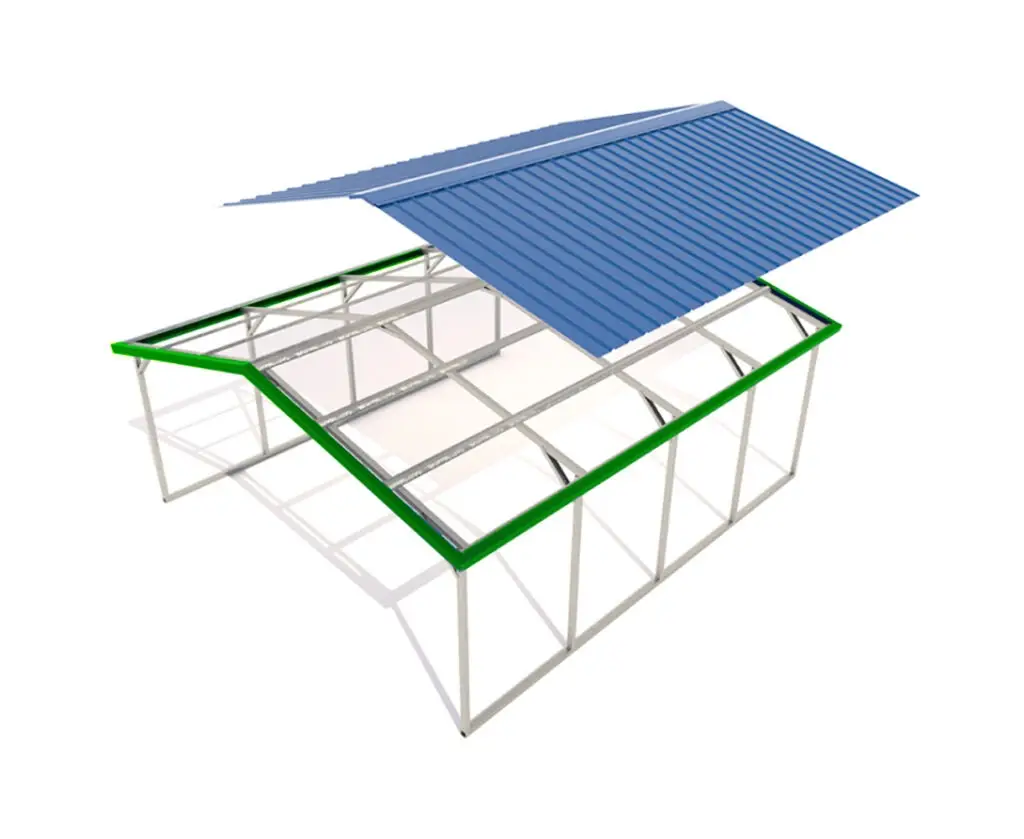


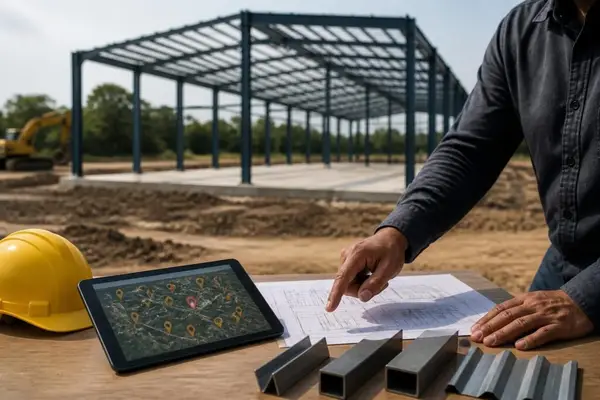
Finding reliable steel buildings near me requires more than a quick online search. Whether you need a structure for vehicle protection, equipment storage, or agricultural purposes, the local market offers numerous options with varying quality, pricing, and service levels. Understanding how to evaluate providers, compare specifications, and select the right building for your specific needs ensures you make a smart investment that delivers long-term value and performance.
Understanding the Local Steel Building Market
The steel building industry has evolved significantly, with local dealers and manufacturers offering increasingly sophisticated options. When you search for steel buildings near me, you're entering a competitive marketplace where regional providers compete on price, quality, customization, and service.
Local availability matters because it affects delivery costs, installation timelines, and ongoing support. Providers within your region understand local building codes, weather patterns, and soil conditions that influence structural requirements. This regional expertise translates into buildings designed specifically for your area's environmental challenges.
Key Factors in Local Provider Selection
Finding the right provider involves evaluating several critical dimensions:
- Manufacturing quality and materials standards
- Installation capabilities and professional crews
- Warranty coverage and long-term support
- Customization options and design flexibility
- Delivery timeframes and geographical coverage
- Pricing transparency and financing options
The 2022 AISC Code of Standard Practice for Steel Buildings and Bridges provides important guidelines that reputable manufacturers follow. These standards ensure structural integrity and safety compliance across the industry.
Types of Steel Buildings Available Locally
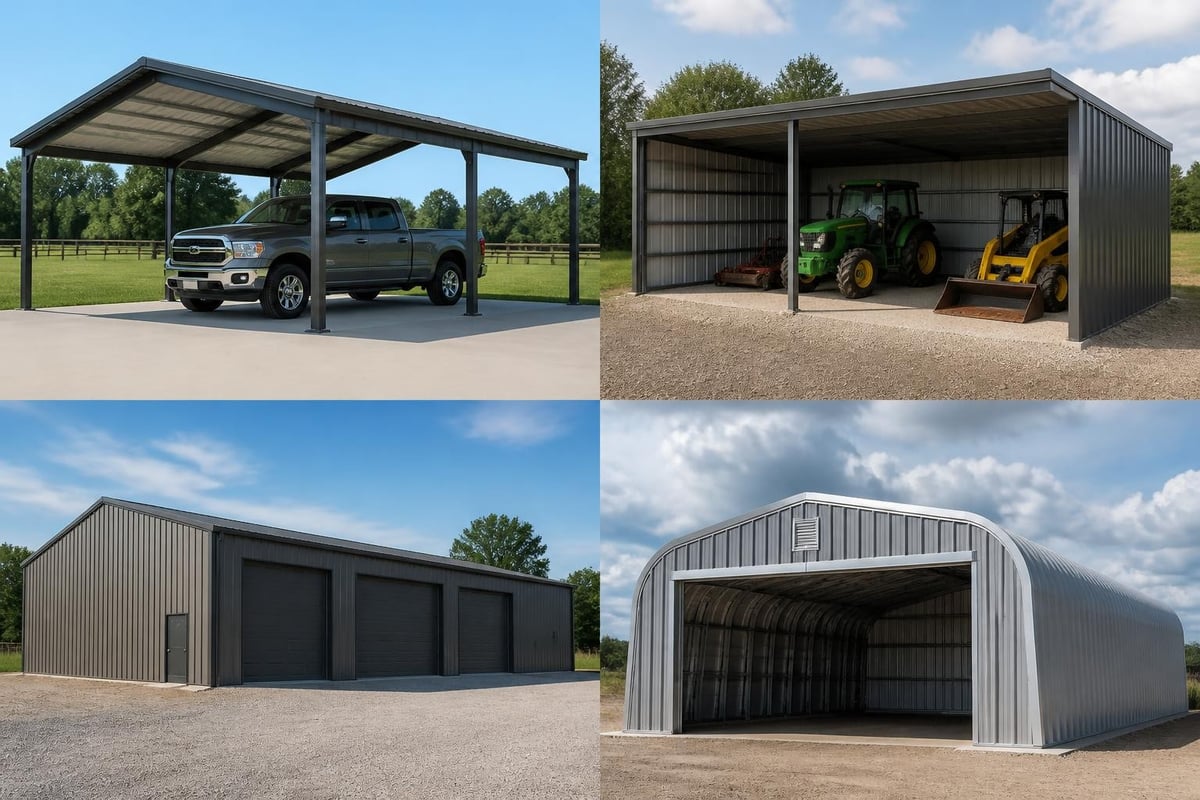
When researching steel buildings near me, you'll encounter several structural categories, each serving different purposes and budgets.
Open Carport Structures
Open carports represent the most economical entry point into steel building ownership. These structures feature a roof supported by posts without enclosed walls, providing excellent protection from sun and rain while maintaining airflow.
| Feature | Regular Roof | A-Frame Roof | Vertical Roof |
|---|---|---|---|
| Water runoff | Moderate | Good | Excellent |
| Snow load capacity | Basic | Better | Best |
| Price point | Lowest | Mid-range | Premium |
| Recommended use | Mild climates | Most regions | Heavy weather areas |
Partially Enclosed Buildings
Partially enclosed structures combine open bays with enclosed storage areas. These versatile designs work exceptionally well for properties needing both vehicle parking and secure storage space. The carports and storage combination approach maximizes functionality without the expense of fully enclosing the entire footprint.
Fully Enclosed Metal Buildings
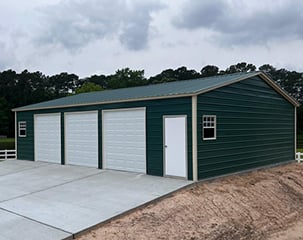
For maximum protection and security, fully enclosed buildings provide climate-controlled environments suitable for workshops, offices, or valuable equipment storage. These structures feature complete wall systems, entry doors, and optional windows. Understanding metal garage buildings options helps clarify the range of enclosed solutions available.
Enclosed buildings excel in situations requiring:
- Protection from theft or vandalism
- Climate control for temperature-sensitive items
- Dust-free environments for detailed work
- Professional workspace presentation
- Long-term vehicle or equipment preservation
Evaluating Build Quality and Materials
Not all steel buildings deliver equivalent quality. When comparing options for steel buildings near me, material specifications separate exceptional structures from mediocre ones.
Frame Gauge and Structural Integrity
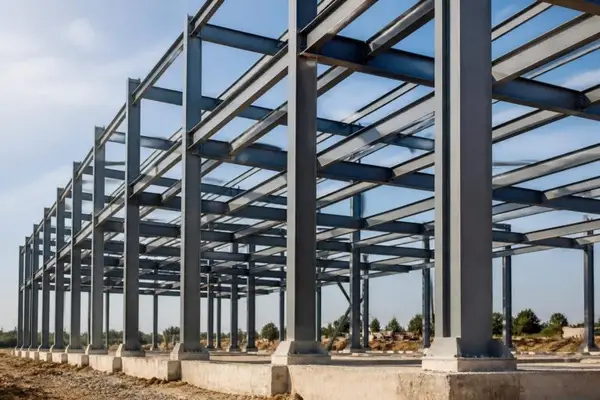
The frame gauge determines structural strength and longevity. Standard frames typically use 14-gauge tubing, while premium options feature 12-gauge construction. Heavier gauge metal provides superior resistance to wind loads, snow accumulation, and long-term stress.
Frame spacing also impacts strength. Commercial-grade buildings space support posts every 5 feet rather than the 10-12 foot spacing common in economy models. Closer spacing distributes loads more effectively and reduces flexing during severe weather events.
Roofing and Siding Panel Quality
Panel thickness directly influences durability and weather resistance. Quality providers offer 29-gauge panels as standard, with upgrades to 26-gauge for enhanced protection. The thicker material resists denting, stands up better to hail, and maintains appearance over decades.
Panel coating systems matter equally:
- Galvanized steel provides basic rust protection
- Galvalume coating offers superior corrosion resistance
- Premium finishes add UV protection and color retention
The energy efficiency benefits of quality metal buildings include reflective surfaces that reduce cooling costs during summer months.
Sizing Considerations for Your Property
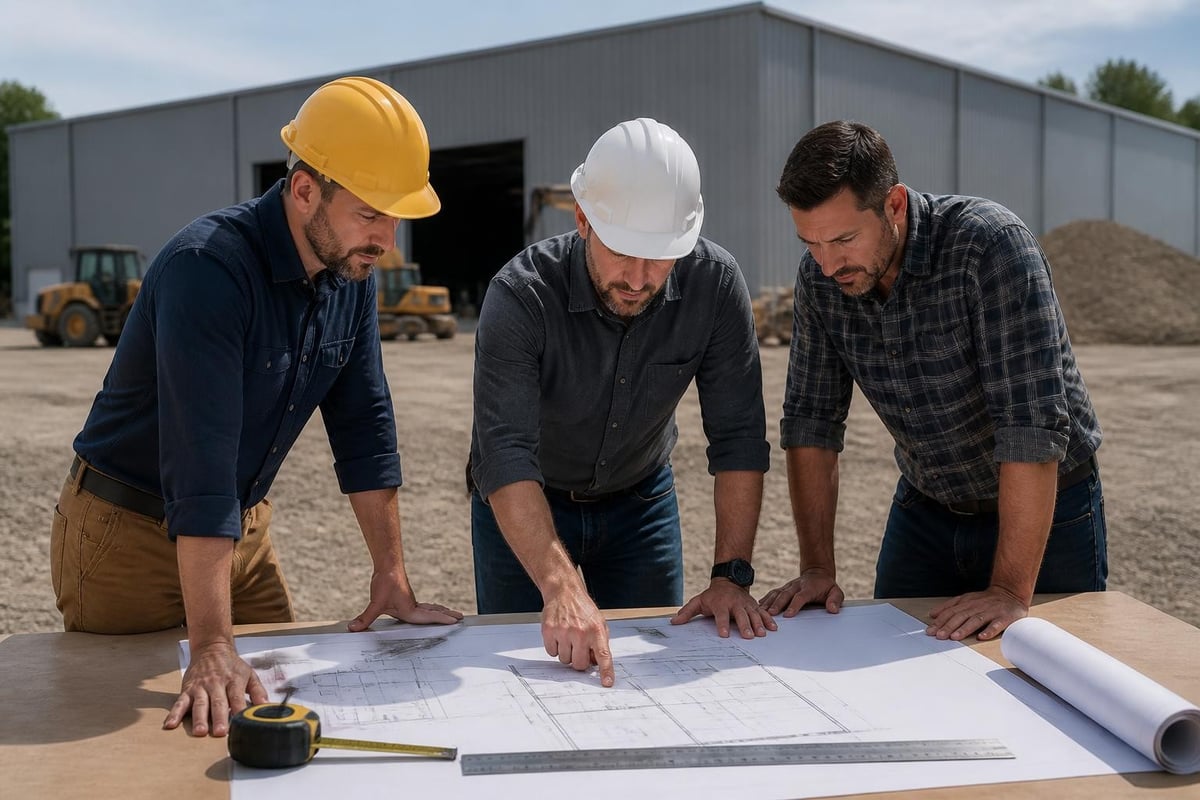
Choosing the right size prevents expensive modifications later. When evaluating steel buildings near me, careful measurement and planning ensure your investment meets both current and future requirements.
Width and Length Calculations
Begin by measuring your largest vehicle or equipment piece. Add minimum clearances: 2 feet on each side for comfortable door opening, 3-4 feet beyond front and rear for maneuvering space. For multiple vehicles, account for space between each unit plus walking room.
Standard widths run 12, 18, 20, 22, 24, and 26 feet for single and double carports. Wider structures exceeding 30 feet accommodate RVs, boats, and commercial equipment. Properties requiring exceptional coverage should explore wide span metal structures that extend up to 60 feet in width, providing solutions for agricultural equipment, multiple vehicle storage, or commercial applications.
Height Requirements
Standard leg height measures 6-7 feet for basic car coverage. Taller vehicles demand upgrades: 8-10 feet for trucks, 12-14 feet for RVs or equipment, and 16 feet for commercial vehicles or workshop overhead clearance.
Consider future needs when selecting height. An additional 2 feet of clearance costs relatively little during initial construction but proves expensive to add later. Storage lofts, overhead hoists, or ceiling fans all require adequate vertical space.
Permitting and Code Compliance
Local regulations govern steel building installation, making compliance essential before ordering. Researching steel buildings near me includes understanding jurisdictional requirements that vary significantly by location.
Building Permit Requirements
Most municipalities require permits for permanent structures. The process typically involves submitting engineered drawings, site plans, and specifications for review. Processing times range from days to weeks depending on jurisdiction complexity.
State-by-state permit regulations vary considerably. Some rural areas have minimal requirements, while urban jurisdictions enforce detailed specifications. Working with providers familiar with local codes streamlines approval.
Engineering Certifications
Professional engineering stamps validate that structures meet applicable building codes. Certifications specify snow loads, wind ratings, and seismic requirements for your region. Reputable providers include engineering at no additional cost, while budget operators may charge extra or skip certification entirely.
Wind and snow load ratings prove particularly important. Coastal areas require higher wind resistance, while northern climates demand greater snow load capacity. Your provider should deliver specifications matching or exceeding local code minimums.
Installation Methods and Timelines
Understanding installation processes helps set realistic expectations when ordering steel buildings near me. Professional installation ensures structural integrity and warranty compliance.
Professional Installation Services
Experienced crews complete typical carport installations in 1-2 days, while larger enclosed buildings may require 3-5 days. The process includes site preparation, anchor setting, frame assembly, panel installation, and trim finishing.
Proper installation demands specific expertise. Steel building installation costs vary based on structure size, site conditions, and regional labor rates. Investing in professional installation protects your investment and ensures warranty validity.
Installation includes critical steps:
- Site leveling and preparation
- Foundation or anchor installation
- Frame assembly and squaring
- Roof and wall panel attachment
- Trim installation and weatherproofing
- Final inspection and cleanup
Site Preparation Requirements
Your property needs proper preparation before installation crews arrive. Level ground within 3 inches across the entire footprint prevents structural stress. Remove obstacles, underground utilities require marking, and access routes must accommodate delivery trucks.
Foundation options include concrete slabs, gravel pads, or ground anchors depending on local codes and soil conditions. Permanent structures typically require concrete footings or full slabs, while portable options may use mobile home anchors or earth augers.
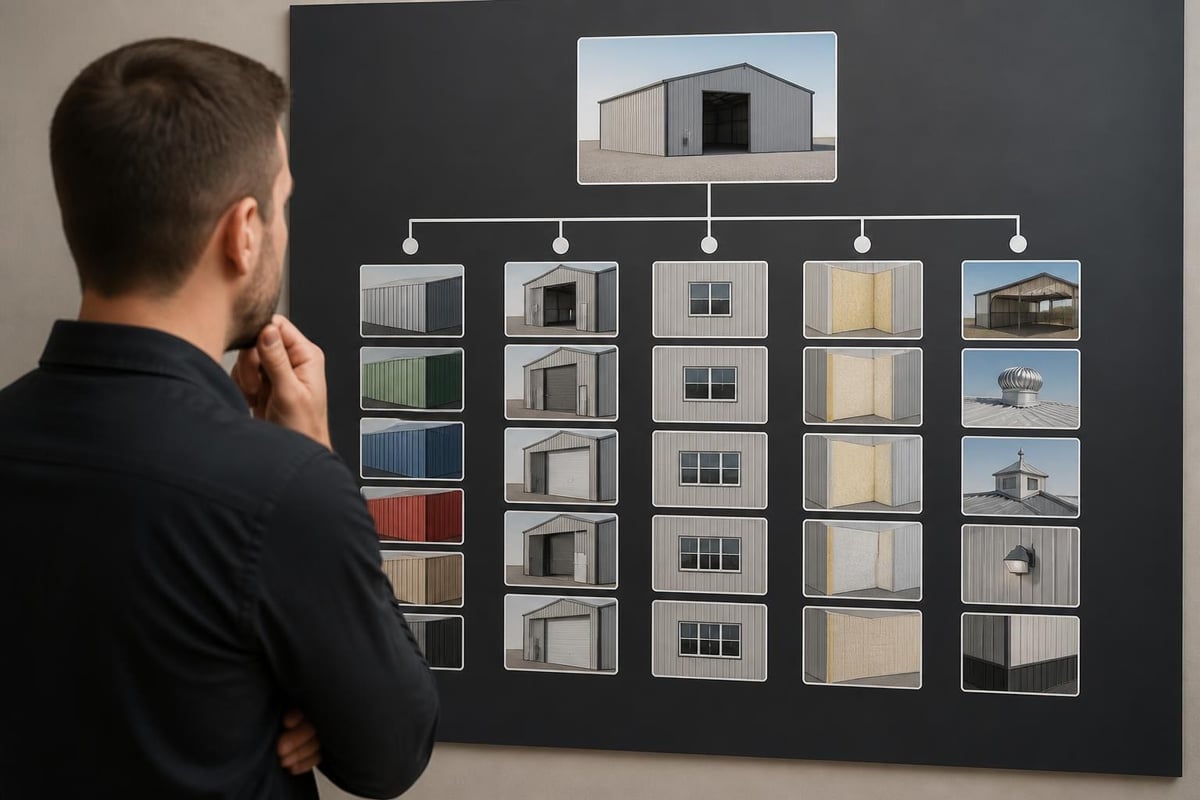
Customization Options and Upgrades
Modern steel buildings offer extensive customization beyond basic dimensions. When shopping for steel buildings near me, understanding available options helps create structures perfectly suited to your needs.
Color and Aesthetic Choices
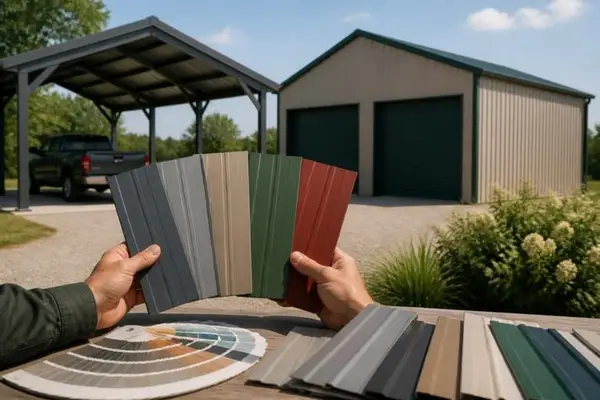
Contemporary buildings feature diverse color palettes extending far beyond traditional white or tan. Mix and match roof and wall colors, add trim accents, or coordinate with existing structures. Quality paint systems resist fading and maintain appearance for 20+ years.
Functional Enhancements
Upgrade options transform basic structures into highly functional spaces:
- Enclosed gable ends for improved weather protection
- Extra doors and windows for accessibility and natural light
- Insulation packages for climate control and energy efficiency
- Gutters and downspouts for water management
- Lean-to extensions for additional covered area
- Roll-up doors for flexible access configurations
Energy efficiency improvements deliver ongoing savings. Strategies to minimize energy loss include proper insulation, reflective roofing, and strategic ventilation design.
Comparing Pricing and Value
Price comparison requires looking beyond initial quotes to understand total ownership costs. Different providers structure pricing differently when you search for steel buildings near me.
Understanding Quote Components
Comprehensive quotes should itemize:
- Base structure with specified gauge and dimensions
- Roof style and panel gauge
- Installation labor and travel
- Engineering and permits
- Anchoring system
- Delivery within service area
- Optional upgrades and customizations
Beware of quotes omitting installation or engineering. These unbundled prices appear attractive initially but inflate significantly when adding required services separately. Transparent providers include all necessary components in base pricing.
| Price Factor | Economy Option | Standard Option | Premium Option |
|---|---|---|---|
| Frame gauge | 14-gauge | 14-gauge | 12-gauge |
| Panel gauge | 29-gauge | 29-gauge | 26-gauge |
| Installation | Extra charge | Included | Included |
| Engineering | Not certified | State-certified | Multi-state cert |
| Warranty | 10 years | 20 years | 30-40 years |
Long-Term Value Considerations
Cheapest rarely means best value. Quality materials and construction deliver decades of service with minimal maintenance. Premium structures featuring heavier gauge frames and panels withstand extreme weather better and maintain appearance longer.
Factor in maintenance costs over 20+ years. Quality buildings require occasional cleaning but avoid rust repair, panel replacement, or structural reinforcement needed by inferior products. The modest upfront premium for better construction pays dividends through reduced lifecycle costs.
Regional Weather Considerations
Your local climate significantly influences appropriate building specifications. Providers specializing in steel buildings near me should recommend designs suited to regional conditions.
Wind Load Requirements
Coastal areas and open plains experience higher wind forces than sheltered inland locations. Buildings must meet minimum wind ratings specified by local codes, typically ranging from 90-170 mph depending on location and exposure category.
Vertical roof systems provide superior wind performance compared to regular or A-frame designs. The streamlined profile allows wind to flow over rather than catching underneath. Consider upgrading to vertical roofing in high-wind regions even if codes don't mandate it.
Snow and Ice Management
Northern climates demand adequate snow load capacity to prevent collapse during heavy accumulation. Vertical roofing again proves superior by shedding snow rather than allowing buildup. Roof pitch and frame strength work together to handle anticipated loads safely.
Understanding energy efficiency for metal buildings helps combat heat loss during winter and heat gain during summer, reducing climate control costs year-round.
Warranty Coverage and Support
Warranty terms separate reputable manufacturers from questionable operators. Strong warranties indicate confidence in product durability and company stability.
Frame and Panel Warranties
Quality manufacturers warrant frames against rust-through for 20+ years, with premium options extending to 40 years. Panel warranties typically cover rust, fading, and chalking for similar periods. Verify warranty terms cover both materials and workmanship.
Read warranty exclusions carefully. Some void coverage for installations near saltwater, industrial environments, or agricultural chemicals. Others exclude normal weathering, minor fading, or superficial scratches that don't affect functionality.
Installation Workmanship Guarantees
Reputable installers guarantee workmanship for 1-2 years minimum. This coverage addresses installation defects separate from manufacturing warranties. Combined manufacturer and installer guarantees provide comprehensive protection.
Making the Final Decision
Selecting from available steel buildings near me requires balancing multiple factors. Create a decision matrix weighing your priorities.
Priority ranking considerations:
- Budget constraints and payment terms
- Size requirements and future expansion
- Quality and longevity expectations
- Customization needs and aesthetic preferences
- Installation timeline and site readiness
- Warranty coverage and provider reputation
Request multiple quotes from providers serving your area. Compare specifications carefully rather than focusing solely on price. Visit completed installations if possible to assess quality firsthand.
Check references and online reviews. Established providers with years of local business demonstrate reliability and commitment to customer satisfaction. Newer companies may offer attractive pricing but lack proven track records.
Working With Local Dealers
Local dealers provide valuable services beyond product sales. They navigate permitting, coordinate installation, and offer ongoing support. Understanding the dealer relationship helps maximize your building investment.
Service Area Coverage
Most dealers define specific service territories based on economical delivery and installation logistics. Verify you fall within their standard service area to avoid surcharges. Some providers extend coverage for premium fees while others maintain strict geographical limits.
Communication and Support
Responsive communication during the design and ordering process typically continues through post-installation support. Providers who answer questions promptly, provide clear documentation, and follow through on commitments deliver better overall experiences.
Expect professional dealers to:
- Provide detailed written quotes
- Explain options and recommendations clearly
- Coordinate permits and engineering
- Schedule installation with reasonable timelines
- Follow up to ensure satisfaction
- Address any issues promptly and professionally
Finding quality steel buildings near me connects you with durable solutions designed for your specific requirements and local conditions. From selecting appropriate dimensions and materials to navigating permits and installation, informed decisions ensure lasting satisfaction with your investment. Metal Structure Sales LLC delivers customizable metal structures throughout their service area with delivery and installation included, helping you protect vehicles, equipment, and valuable assets with professionally engineered buildings backed by comprehensive warranties.