

American steel car ports have become the preferred choice for property owners seeking reliable, long-lasting vehicle protection across the United States. These robust structures combine engineering excellence with practical design, offering superior durability compared to traditional alternatives. With customizable options and professional installation, steel carports provide a cost-effective solution that withstands harsh weather conditions while requiring minimal maintenance over their lifetime.
Understanding American Steel Car Port Construction
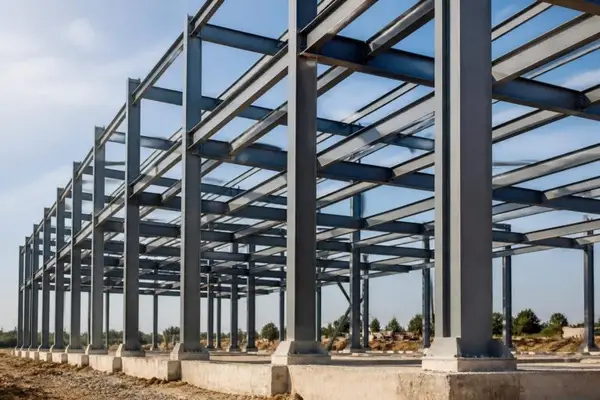
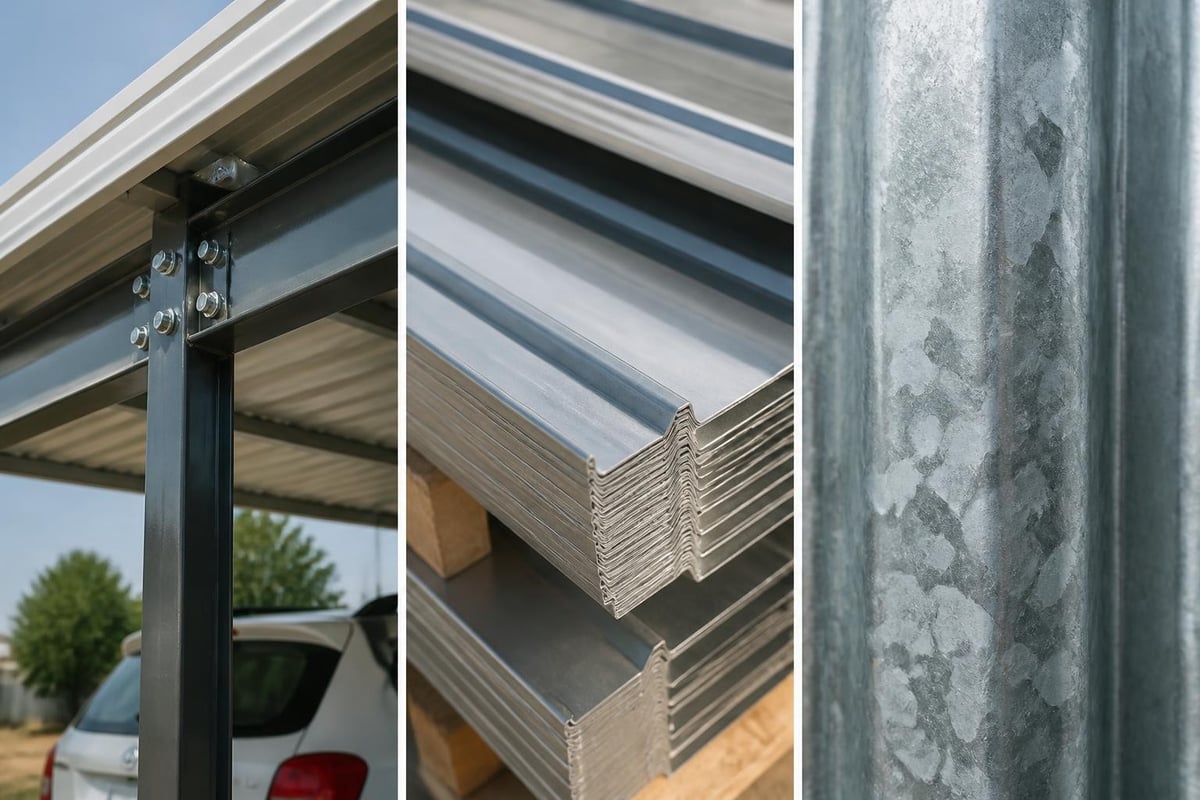
The foundation of quality american steel car ports lies in their manufacturing process and material selection. High-grade steel components form the backbone of these structures, typically utilizing 12-gauge or 14-gauge steel framing that meets rigorous industry standards. The galvanized coating applied to steel members provides exceptional corrosion resistance, extending the structure's lifespan well beyond 20 years in most climates.
Material Specifications and Standards
Modern american steel car ports adhere to comprehensive safety regulations that ensure structural integrity and occupant protection. These standards cover everything from load-bearing capacity to fastener specifications.
Key material characteristics include:
- Frame gauge thickness: Ranging from 12-gauge (thicker) to 14-gauge steel
- Roof paneling: Typically 29-gauge or 26-gauge steel sheeting
- Coating systems: Hot-dipped galvanization or powder coating
- Fastener quality: Corrosion-resistant bolts and self-tapping screws
- Anchor systems: Certified ground anchors or concrete mounting brackets
The steel manufacturing process for these structures involves precision cutting, bending, and welding operations that create consistent, high-quality components. Comparing materials for carports reveals that steel outperforms wood, aluminum, and fabric alternatives in nearly every metric that matters to long-term owners.
Design Options and Customization Features
American steel car ports offer remarkable versatility in design configurations, allowing property owners to match their specific needs and aesthetic preferences. The three primary roof styles each serve distinct purposes and regional requirements.
Roof Style Variations
| Roof Type | Best For | Snow Load | Water Drainage | Cost Level |
|---|---|---|---|---|
| Regular (Rounded) | Moderate climates | Low to moderate | Good | Budget-friendly |
| A-Frame Horizontal | Standard weather | Moderate | Very good | Mid-range |
| Vertical Roof | Heavy snow/rain | High | Excellent | Premium |
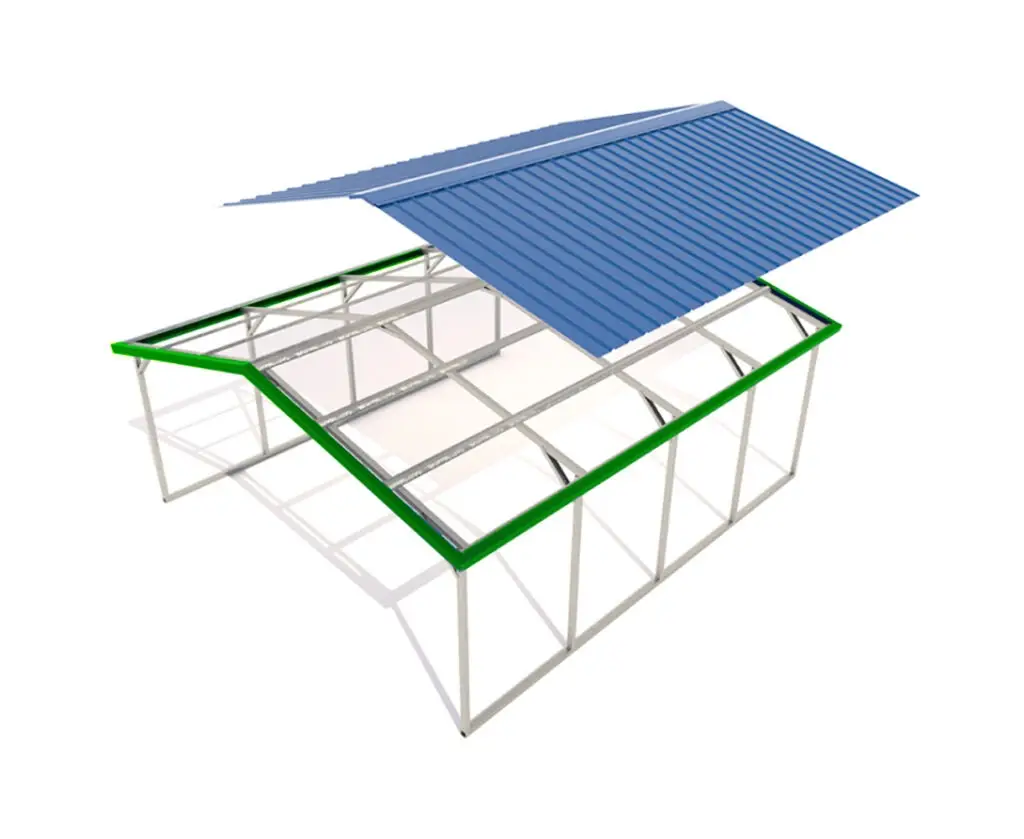
Regular roof carports feature horizontal paneling with rounded edges, making them economical choices for areas with minimal snow accumulation. A-frame horizontal designs incorporate a peaked center ridge while maintaining horizontal panel orientation, improving water runoff. Vertical roof systems position panels vertically from ridge to eave, creating the strongest configuration that sheds snow and debris most effectively.
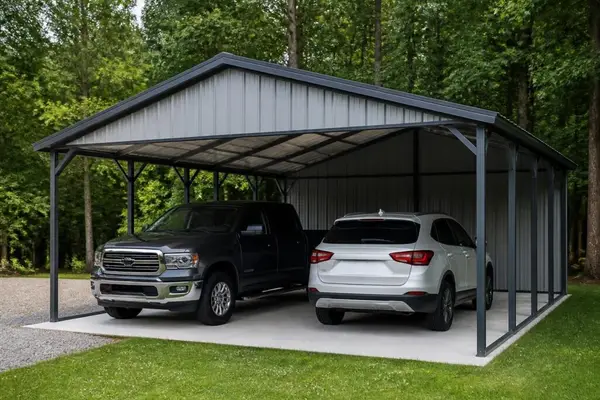
Width options for american steel car ports typically start at 12 feet for single-vehicle coverage and extend to 60 feet for commercial applications. Standard single-car units measure 12×21 feet, while double-car configurations commonly span 18×21 feet or 20×21 feet. Custom dimensions accommodate virtually any requirement.
Height and Clearance Considerations
Leg height determines usable interior space and vehicle compatibility. Standard configurations offer:
- 6-foot legs: Compact cars and standard vehicles
- 8-foot legs: Tall vehicles and improved ventilation
- 10-foot legs: RVs, boats, and commercial equipment
- 12-foot+ legs: Large recreational vehicles and machinery
Taller structures require additional engineering considerations and bracing systems to maintain stability during wind events. When searching for carports near me, local building codes often dictate maximum allowable heights without special permits.
Installation and Permitting Requirements
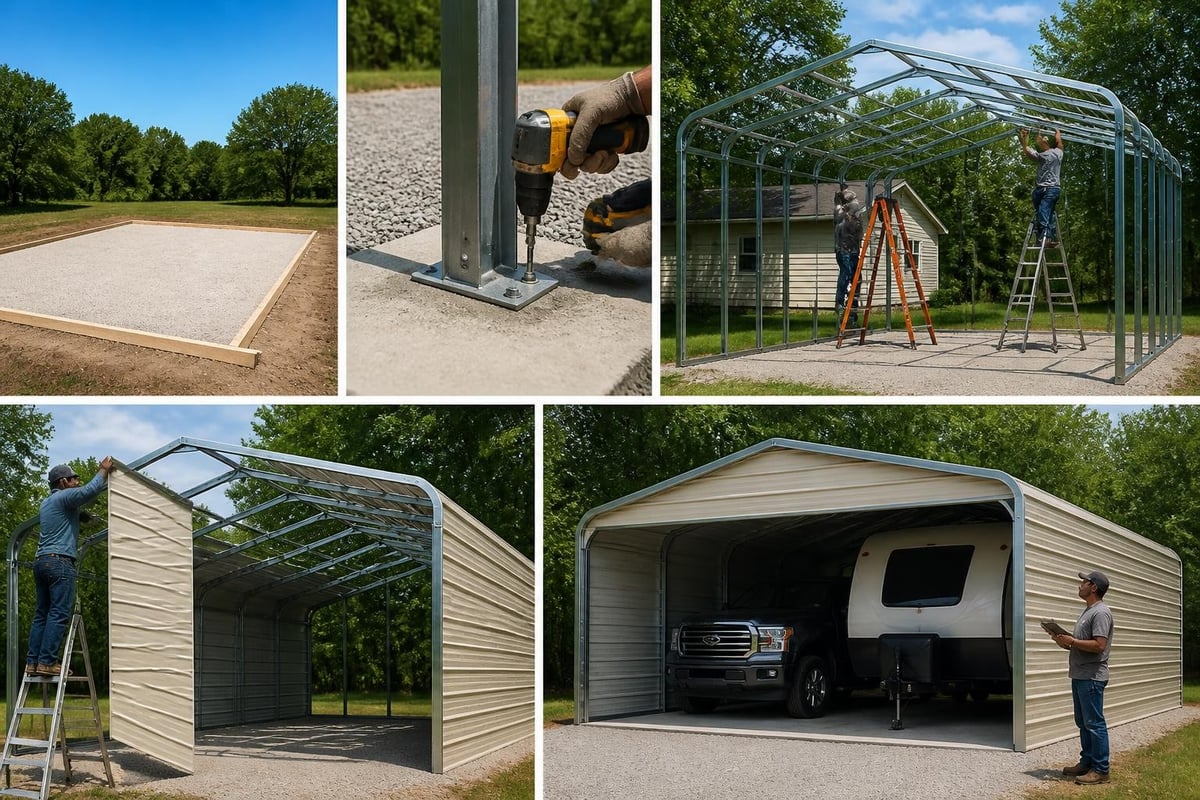
Professional installation of american steel car ports ensures structural integrity and compliance with local regulations. The process typically spans 1-3 days depending on size, site conditions, and customization complexity.
Site Preparation Steps
- Survey and measurement: Verify dimensions and confirm property boundaries
- Ground leveling: Create a flat, stable foundation surface
- Utility location: Mark underground lines and avoid conflicts
- Access clearance: Ensure installation equipment can reach the site
- Anchor point preparation: Excavate or prepare concrete pads as needed
Understanding permit requirements for metal carports is crucial before installation begins. Most jurisdictions require permits for permanent structures, though regulations vary significantly by municipality. Setback requirements, height restrictions, and engineering certifications may apply depending on local ordinances.
Foundation and Anchoring Systems
American steel car ports utilize several anchoring methods based on soil conditions and local requirements:
- Ground anchors: Auger-style or driven anchors for stable soil
- Concrete footings: Poured piers for maximum stability
- Asphalt anchors: Specialized fasteners for existing paved surfaces
- Mobile home anchors: Certified systems meeting manufactured home standards
- Rebar anchors: Driven rebar with welded attachment points
The foundation choice significantly impacts long-term performance and compliance with wind load requirements. Coastal areas and tornado-prone regions often mandate concrete footings with engineered specifications.
Comparing American Steel Car Ports to Alternative Materials
When evaluating vehicle protection options, steel carports versus wood structures reveals substantial differences in maintenance, longevity, and total ownership costs.
Material Performance Comparison
Steel advantages include resistance to rot, insect damage, and warping. Unlike wood carports that require regular staining, sealing, and inspection for structural deterioration, american steel car ports maintain their integrity with minimal intervention. The material won't split, crack, or absorb moisture that leads to structural weakening.
Aluminum carports present another alternative worth considering. Comparing steel and aluminum options highlights that while aluminum resists corrosion naturally, it lacks steel's superior strength-to-weight ratio and impact resistance. Steel structures better withstand falling branches, hail, and accidental vehicle contact.
Long-Term Value Assessment
Initial investment represents only part of the total cost equation. Consider these ownership factors:
- Maintenance frequency: Steel requires minimal upkeep versus regular wood treatment
- Replacement timeline: Quality steel structures last 20-30+ years
- Insurance rates: Some insurers offer discounts for steel construction
- Resale value: Steel structures often increase property values
- Energy efficiency: Reflective steel roofing reduces heat absorption
The total cost of ownership typically favors steel over a 15-year period, even when initial installation costs run slightly higher than wood alternatives. If you're exploring options for your property, Metal Structure Sales LLC provides detailed pricing information and customization tools that help you understand exactly what fits your budget and requirements.
Regional Considerations Across America
Climate zones throughout the United States demand different specifications for american steel car ports. Understanding regional weather patterns ensures proper structure selection.
Snow Load Requirements
Northern states experience significant snow accumulation that demands vertical roof configurations and reinforced framing. States like Colorado, Utah, and mountainous regions require engineering certifications for snow loads ranging from 30 to 70 pounds per square foot. Properties in Colorado and Utah benefit from vertical roof systems that shed snow naturally.
Wind Rating Specifications
Coastal regions and tornado alley states need structures engineered for high wind speeds. Certifications typically range from 90 mph to 170 mph depending on location. Additional bracing, thicker gauge steel, and concrete foundation requirements become mandatory in these areas. Buyers in North Carolina and South Carolina should verify hurricane-rated specifications.
Temperature Extremes and UV Exposure
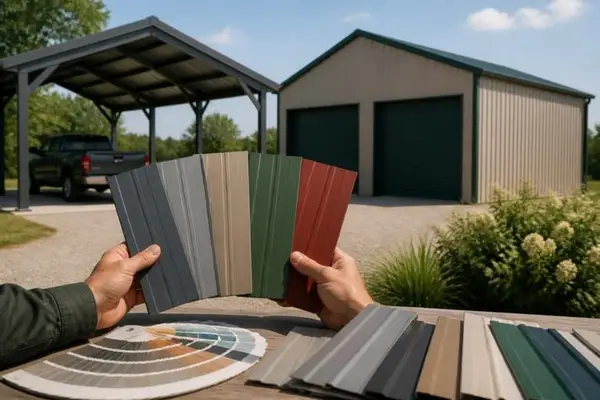
Desert climates in Arizona and Nevada subject carports to intense UV radiation and temperature swings exceeding 100 degrees. High-quality coating systems with UV inhibitors prevent premature fading and material degradation. Lighter colors reflect solar radiation, reducing heat transfer to vehicles parked underneath.
Pacific Northwest regions like Washington and Oregon face constant moisture exposure requiring superior rust prevention measures. Enhanced galvanization and sealed fastener points combat corrosion in these wet environments.
Customization Features That Add Value
Beyond basic dimensions, american steel car ports offer numerous enhancement options that increase functionality and aesthetic appeal.
Enclosure and Panel Options
Partial or full enclosure transforms open carports into protected storage spaces:
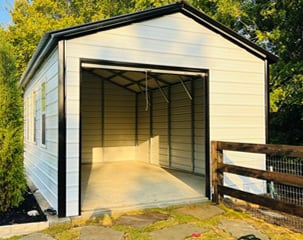
- Gable end panels: Close triangular roof sections
- Side panels: Protect from lateral weather exposure
- Front/back walls: Create fully enclosed buildings
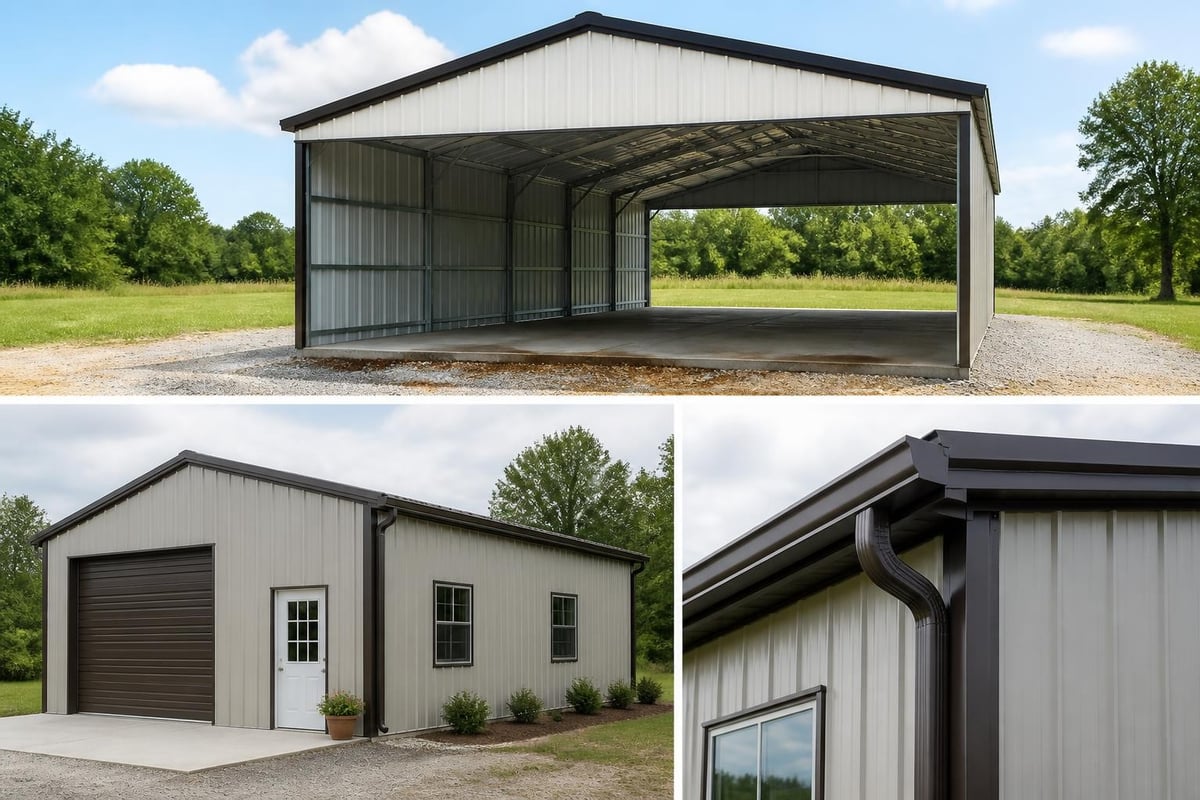
- Walk-in doors: Provide pedestrian access
- Roll-up doors: Enable vehicle entry to enclosed sections
Additional Structural Features
| Feature | Purpose | Typical Cost Addition |
|---|---|---|
| Windows | Natural lighting | $150-$300 per window |
| Insulation | Temperature control | $0.50-$1.50 per sq ft |
| Gutters/Downspouts | Water management | $4-$8 per linear foot |
| Lean-to additions | Extended coverage | $800-$2,000 |
| Extended roof overhang | Extra protection | $200-$500 per side |
Installing gutters and downspouts represents one of the most valuable additions, directing water away from the structure's perimeter and preventing erosion around anchor points. This relatively modest investment protects both the carport foundation and surrounding landscape.
Maintenance and Care Best Practices
American steel car ports require significantly less maintenance than wood or fabric alternatives, yet simple routine care extends their service life and preserves appearance.
Regular Inspection Schedule
Monthly checks should include visual inspection for loose fasteners, panel damage, or debris accumulation on the roof. Quarterly maintenance involves washing panels with mild soap and water to remove dirt, pollen, and environmental contaminants that can degrade protective coatings over time.
Annual inspections should thoroughly examine:
- Anchor points for ground movement or loosening
- Frame connections for any separation or stress cracks
- Roof panels for dents, scratches, or coating damage
- Gutters and downspouts for blockages or detachment
- Ground perimeter for erosion or drainage issues
Protecting the Coating System
The galvanized or powder-coated finish provides primary corrosion protection. Avoid abrasive cleaners, wire brushes, or harsh chemicals that scratch protective layers. Touch-up paint designed for metal structures repairs minor scratches before rust develops.
In coastal environments with salt air exposure, increasing wash frequency to monthly prevents salt accumulation that accelerates corrosion. Similarly, properties near industrial areas benefit from more frequent cleaning to remove acidic pollutants.
Sizing Guidelines for Different Vehicle Types
Selecting appropriate dimensions ensures adequate coverage while avoiding unnecessary expense for unused space.
Standard Vehicle Coverage
Compact cars fit comfortably under 12×21-foot carports with 6-foot leg height. Full-size sedans and SUVs work well with 12×26-foot or 14×26-foot configurations providing front and rear clearance. Pickup trucks with extended cabs typically require at least 12×30 feet, while crew cab long-bed trucks need 12×35 feet minimum.
Multiple Vehicle and Specialty Applications
Two-car carports commonly measure 18×21 feet or 20×26 feet, though 24-foot widths provide more generous side clearance for door opening. Three-car layouts typically start at 30 feet wide, extending to 36 feet for comfortable spacing.
For those with recreational vehicles, specialized RV carports accommodate heights up to 14-16 feet and lengths exceeding 40 feet. Class A motorhomes require the largest configurations, sometimes reaching 14×45 feet or larger.
Cost Factors and Budget Planning
Understanding price components helps buyers make informed decisions about american steel car ports that balance features with budget constraints.
Base Price Determinants
Primary cost drivers include:
- Size: Larger footprints and greater heights increase material and labor costs
- Roof style: Vertical roof systems cost 15-25% more than regular styles
- Gauge thickness: Heavier steel adds strength and expense
- Certification level: Engineered drawings and higher wind/snow ratings increase costs
- Delivery distance: Transportation fees vary with distance from manufacturing facility
Optional Features Impact
Each customization adds to the base price:
- Enclosed sides or ends: $500-$1,500 per section
- Doors and windows: $150-$800 per opening
- Color upgrades: $100-$300 for non-standard colors
- Extra height beyond standard: $100-$200 per additional foot
- Gutters and trim: $300-$700 for complete systems
Installation is typically included with reputable suppliers, though site-specific challenges like steep slopes, rocky soil, or limited access may incur additional charges. Always confirm whether quoted prices include delivery and installation or represent structure-only costs.
Environmental Benefits and Sustainability
American steel car ports offer environmental advantages that appeal to eco-conscious property owners and contribute to sustainable building practices.
Recyclability and Resource Efficiency
Steel ranks among the most recycled materials globally, with recycling rates exceeding 90% for structural steel products. When american steel car ports eventually reach end-of-life, the material retains full value for reprocessing into new steel products without quality degradation.
Manufacturing processes have improved dramatically, with modern steel production using significantly less energy and producing fewer emissions than historical methods. Many steel suppliers incorporate recycled content exceeding 25% in new structural components.
Energy Performance Characteristics
Reflective steel roofing reduces solar heat gain, keeping vehicles cooler during summer months. This passive cooling effect extends to adjacent structures when carports are positioned near homes or garages. Light-colored or specially coated panels maximize this benefit, reflecting up to 70% of solar radiation.
During winter, enclosed or partially enclosed american steel car ports protect vehicles from frost formation, reducing morning warm-up times and associated fuel consumption. This protection also extends battery life and prevents weather-related wear on exterior components.
Legal and Insurance Considerations
Property owners must navigate regulatory requirements and insurance implications when installing american steel car ports.
Zoning and Code Compliance
Local zoning ordinances govern structure placement, size limitations, and aesthetic requirements. Setback rules mandate minimum distances from property lines, often 5-10 feet for accessory structures. Height restrictions may limit total structure height or require special permits for taller configurations.
Homeowner associations frequently impose additional requirements beyond municipal codes, including:
- Approved color palettes matching community standards
- Architectural review board approval processes
- Restrictions on visible locations from streets
- Prohibited enclosed or commercial-use structures
Property Insurance Impacts
Adding american steel car ports can affect homeowner's insurance in multiple ways. Some policies automatically cover detached structures up to 10% of dwelling coverage, while others require specific riders for full protection. Liability coverage becomes relevant if structures cause property damage during severe weather events.
Informing insurance carriers about new structures often proves beneficial, as some companies offer modest premium reductions for protected vehicle storage that reduces comprehensive claim risks. Conversely, failure to report significant property additions may result in coverage gaps or claim denials.
American steel car ports deliver unmatched durability, customization flexibility, and long-term value for property owners throughout the United States. Their superior weather resistance, minimal maintenance requirements, and extensive design options make them the practical choice for protecting vehicles and equipment. Whether you need a basic single-car shelter or a large multi-vehicle structure, Metal Structure Sales LLC provides expert guidance, custom design tools, and professional installation services that ensure your investment delivers decades of reliable protection.