

Protecting your recreational vehicle from the elements is one of the most important investments you can make as a camper or RV owner. A camper carport provides reliable shelter that extends the lifespan of your vehicle while maintaining its value and appearance. Whether you own a travel trailer, motorhome, or fifth wheel, choosing the right protection solution requires understanding the various options, features, and specifications that match your specific needs. This comprehensive guide explores everything you need to know about selecting, installing, and maintaining the perfect shelter for your recreational vehicle.
Understanding the Importance of Camper Protection
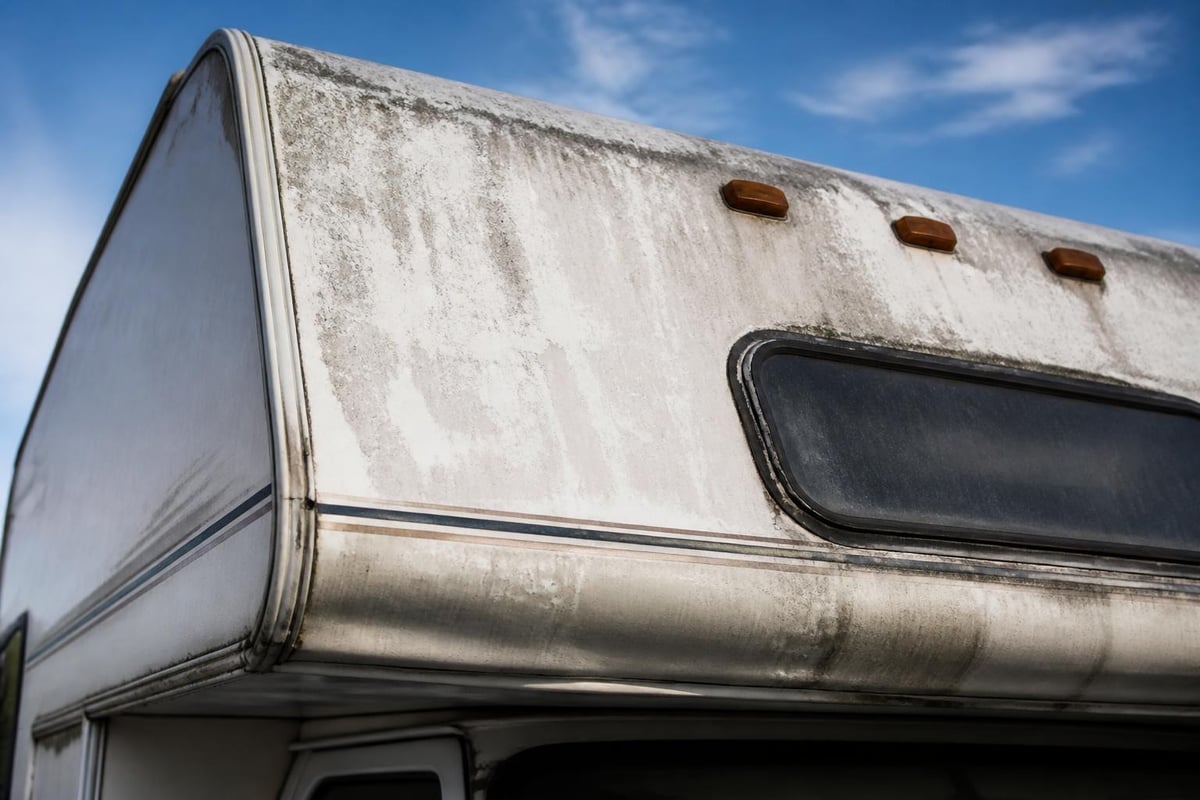
Your recreational vehicle represents a significant financial investment that deserves proper protection. Exposure to harsh weather conditions, intense UV radiation, and environmental debris can cause substantial damage over time. Paint oxidation, rubber seal deterioration, and interior fading are just a few consequences of leaving your camper unprotected.
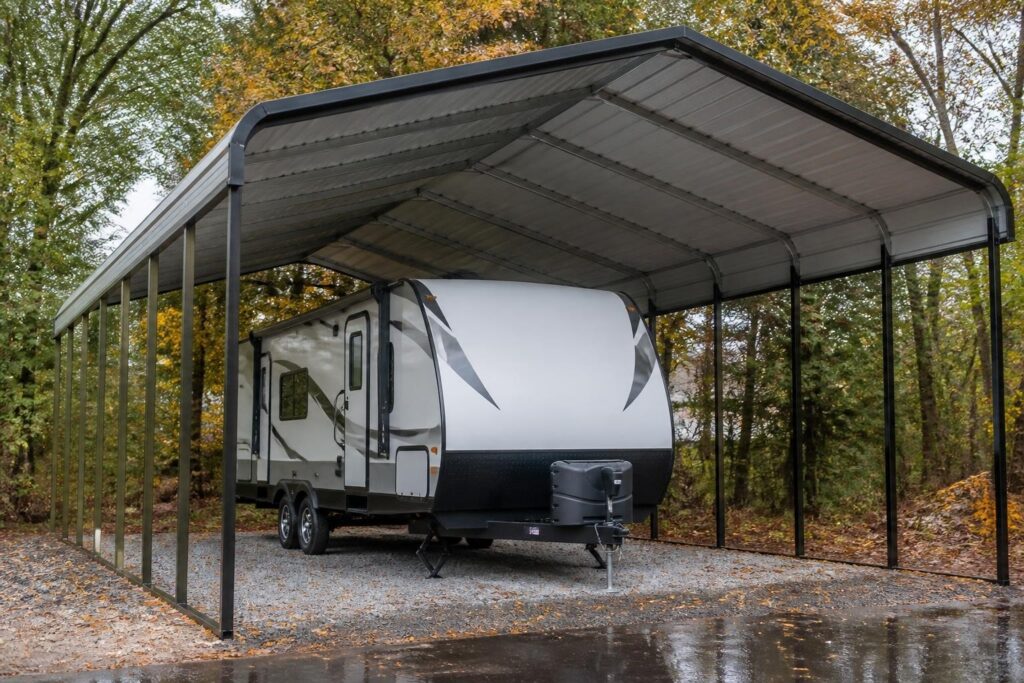
A dedicated camper carport offers year-round protection that goes beyond basic coverage. The structure shields your vehicle from rain, snow, hail, and sun damage while preventing the accumulation of leaves, tree sap, and bird droppings. This protection translates directly into reduced maintenance costs and preserved resale value.
Financial Benefits of Covered Storage
The cost savings associated with proper camper storage extend far beyond avoiding weather damage. Regular exposure to the elements requires more frequent washing, waxing, and detailing services. Roof repairs, seal replacements, and paint restoration can cost thousands of dollars when UV damage and water intrusion take their toll.
Insurance companies often recognize the value of covered storage by offering premium discounts for protected recreational vehicles. Additionally, the preserved condition of a sheltered camper commands higher resale prices when the time comes to upgrade or sell.
Types of Camper Carports
Selecting the appropriate style depends on your specific needs, budget, and the level of protection required. Each design offers distinct advantages for different situations and climates.
Regular Roof Style
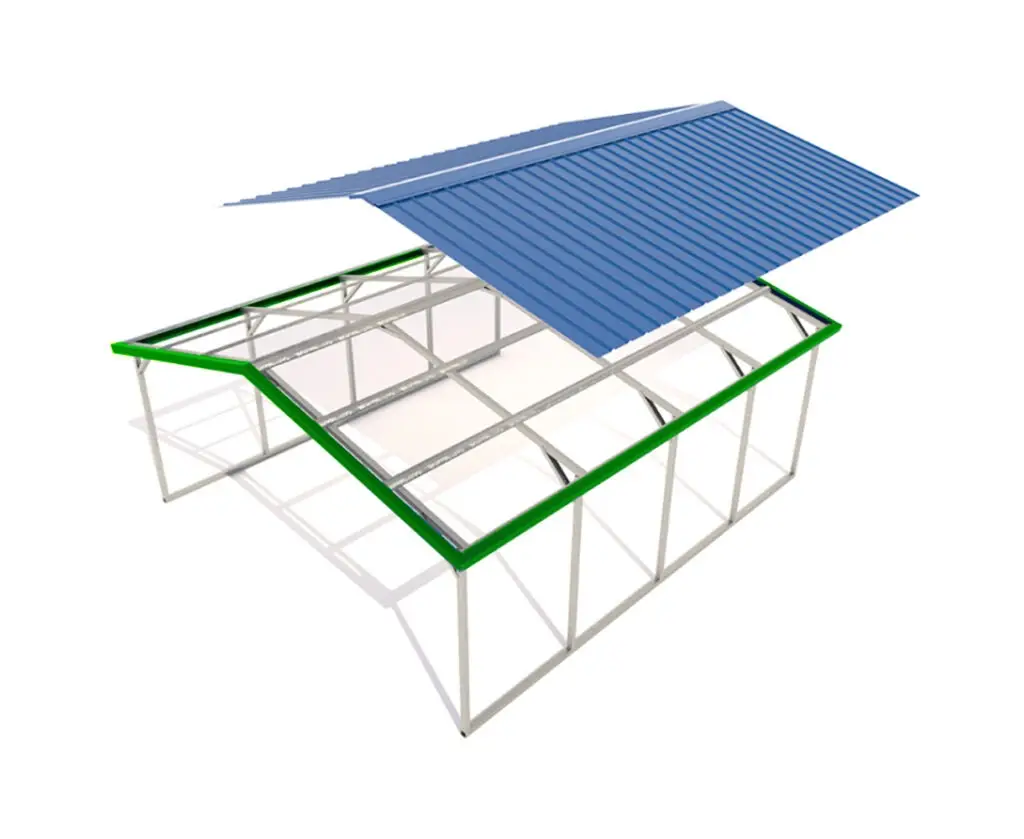
This economical option features rounded roof panels that allow water and snow to run off the sides. The regular roof style provides excellent basic protection at an affordable price point, making it ideal for moderate climates with less severe weather conditions.
- Cost-effective solution for budget-conscious buyers
- Adequate protection in areas with minimal snowfall
- Quick installation process
- Available in various widths and lengths
Boxed Eave Style
The horizontal roof paneling of boxed eave carports offers improved structural integrity compared to regular roof designs. This style provides better resistance against moderate wind and snow loads while maintaining an attractive appearance.
Key advantages include:
- Enhanced strength for windier locations
- Cleaner, more finished aesthetic
- Better water runoff on the sides
- Suitable for most climate conditions
Vertical Roof Style
For maximum protection and durability, vertical roof carports represent the premium choice. The vertical orientation of roof panels allows rain, snow, and debris to slide off efficiently without accumulation. This design provides superior strength and is highly recommended for areas experiencing heavy snowfall or severe weather.
| Feature | Regular Roof | Boxed Eave | Vertical Roof |
|---|---|---|---|
| Snow Load Capacity | Light | Moderate | Heavy |
| Price Point | $ | $$ | $$$ |
| Recommended Regions | Mild | Most Areas | All Climates |
| Structural Strength | Good | Better | Best |
| Certification Available | Limited | Yes | Yes |
Sizing Your Camper Carport Correctly
Proper measurements ensure your structure provides adequate coverage while allowing comfortable access. Undersizing your carport creates frustration and reduces protective benefits, while oversizing increases costs unnecessarily.
Width Considerations
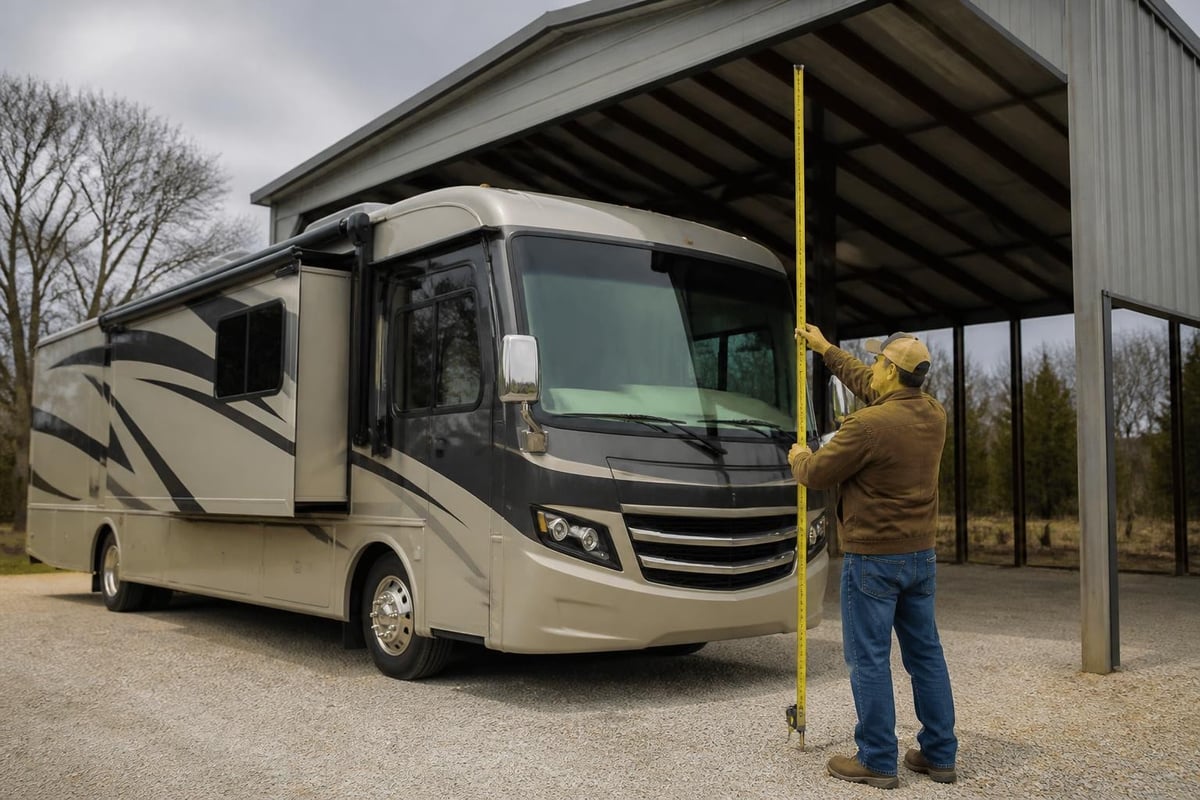
Measure your camper at its widest point, including slide-outs if extended during storage. Add at least two feet on each side to allow comfortable walking space and accommodate mirrors, awnings, or other protrusions. Standard widths range from 12 feet to 30 feet, with custom options available for exceptionally wide vehicles.
Most travel trailers and smaller motorhomes fit comfortably under 14 to 18-foot wide structures. Larger Class A motorhomes with multiple slide-outs may require 20 feet or more of width.
Length Requirements
Measure your camper from the front bumper to the rear, including any ladder racks, spare tire carriers, or hitch extensions. Adding three to four feet of extra length provides room for maneuvering and ensures complete coverage of all components.
Height Specifications
Standard carport heights start at 10 feet for leg clearance, but many RVs require 12 feet or taller structures. Measure your camper at its highest point, typically the air conditioning unit or satellite dish, and add at least one foot of clearance for safe parking.
Essential Features and Customization Options
Modern camper carports offer numerous customization possibilities that enhance functionality and protection. Understanding these options helps you create the perfect shelter for your specific requirements.
Frame Gauge and Tubing
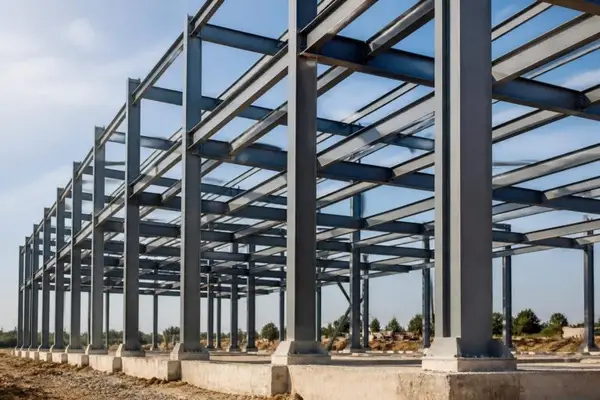
The structural framework determines the overall strength and longevity of your carport. Standard 14-gauge steel tubing provides adequate support for most applications, while 12-gauge tubing offers enhanced durability for harsh weather zones or larger structures. The thickness of metal directly impacts wind and snow load ratings.
Roof Pitch and Slope
Steeper roof pitches facilitate better drainage and reduce the likelihood of water pooling or snow accumulation. A minimum pitch of 3:12 (three inches of rise per twelve inches of run) works well for most climates, while steeper pitches benefit areas with heavy precipitation.
Anchoring Systems
Proper anchoring ensures your structure remains secure during high winds and storms. Common anchoring methods include:
- Concrete footings: Most permanent and stable option
- Rebar anchors: Driven deep into the ground for soil applications
- Mobile home anchors: Auger-style anchors for softer ground
- Asphalt anchors: Specialized expansion bolts for paved surfaces
Panel Options and Colors
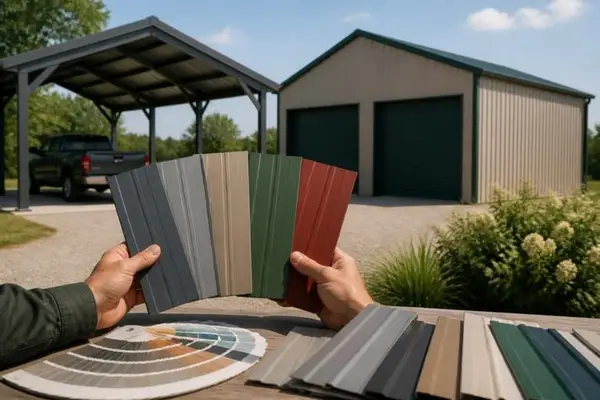
Metal panels come in various gauges, with 29-gauge serving as the standard economical choice and 26-gauge providing premium thickness and durability. Color selection goes beyond aesthetics, as lighter colors reflect heat while darker shades may absorb more solar radiation. Many manufacturers offer a range of color choices to match your home or personal preferences.
Installation Considerations
Professional installation ensures your camper carport meets all structural requirements and local building codes. Understanding the process helps you prepare your site and timeline appropriately.
Site Preparation Requirements
Level ground provides the best foundation for any metal structure. The installation area should be cleared of debris, vegetation, and obstacles. While perfectly level terrain is ideal, experienced installers can accommodate slight slopes with proper adjustments.
Accessibility matters significantly during installation. Ensure installation crews can access the site with their equipment and materials. Check for overhead power lines, underground utilities, or other potential hazards that might complicate the process.
Permits and Regulations
Local building codes and zoning regulations vary considerably across jurisdictions. Some areas require permits for structures over certain dimensions, while others have setback requirements from property lines. Researching these requirements early prevents delays and potential legal issues.
Homeowner associations may impose additional restrictions on structure appearance, placement, or size. Reviewing your HOA guidelines before purchasing ensures compliance and avoids conflicts.
When considering your investment, exploring options for metal carports helps you understand the full range of customization possibilities available for your specific needs.
Maintenance Best Practices
Regular maintenance preserves the appearance and functionality of your camper carport for decades. Establishing a systematic care routine prevents minor issues from developing into costly repairs.
Seasonal Inspections
Conducting thorough inspections at least twice yearly identifies potential problems early. Check all connection points, anchors, and fasteners for tightness. Look for signs of rust, damage, or wear that require attention. The comprehensive maintenance guide from Outback Builders provides excellent insights into keeping your structure in optimal condition.
Spring inspection checklist:
- Examine roof panels for damage or loose fasteners
- Check gutter systems and drainage
- Inspect anchoring systems for stability
- Remove debris from roof and gutters
- Touch up any paint chips or scratches
Fall preparation steps:
- Clear leaves and organic material
- Verify structural integrity before winter
- Ensure proper drainage before heavy rains
- Check for pest nests or infestations
- Tighten connections and hardware
Cleaning Procedures
Keeping your structure clean enhances its appearance and longevity. Simple soap and water suffice for most cleaning tasks. Avoid abrasive cleaners or harsh chemicals that might damage protective coatings. The cleaning tips from Portable Garage Depot offer practical guidance for maintaining your structure's appearance.
A soft-bristle brush or low-pressure washer removes dirt, pollen, and environmental grime effectively. Pay special attention to areas where moisture accumulates, as these spots are more prone to developing rust or corrosion over time.
Rust Prevention and Treatment
While quality metal structures feature protective coatings, vigilance prevents rust formation. Address any scratches, chips, or damaged areas promptly with touch-up paint designed for metal surfaces. Regular application of protective wax creates an additional barrier against moisture and oxidation.
For those in coastal regions or areas with high humidity, additional rust prevention measures become particularly important. Consider applying rust-inhibiting sprays to connection points and exposed metal edges annually.
Climate-Specific Considerations
Different weather patterns and environmental conditions influence which features and specifications provide optimal protection for your camper.
Snow Load Requirements
Regions experiencing heavy snowfall require structures certified to withstand significant snow loads. Vertical roof designs excel in snowy climates by preventing accumulation. Building codes in snow-prone areas typically specify minimum load ratings, measured in pounds per square foot.
| Snow Load Rating | Suitable Region | Roof Style Recommended |
|---|---|---|
| 20 PSF | Light snow areas | Any style acceptable |
| 35 PSF | Moderate snowfall | Boxed eave or vertical |
| 50+ PSF | Heavy snow zones | Vertical roof required |
Understanding construction requirements from The Home Depot helps appreciate the engineering behind structures designed for your specific climate.
Wind Resistance
Coastal areas and tornado-prone regions demand enhanced wind ratings. Certified structures undergo engineering analysis to verify their ability to withstand specified wind speeds. Look for certifications matching your local building code requirements, typically ranging from 90 mph to 170 mph wind ratings.
Additional anchoring and reinforced framing provide peace of mind in high-wind zones. Some manufacturers offer engineered certifications that document the structure's tested capabilities.
UV Protection Benefits
Intense sunlight in southern climates causes significant damage to RV exteriors, interiors, and mechanical components. A quality camper carport blocks harmful UV radiation that fades paint, cracks rubber seals, and deteriorates plastic components. This protection proves especially valuable in states like Arizona, Texas, Florida, and California, where sun exposure is intense year-round.
Enclosed vs. Open Carport Designs
Deciding between an open carport and fully enclosed building depends on your security needs, budget, and intended usage.
Open Carport Advantages
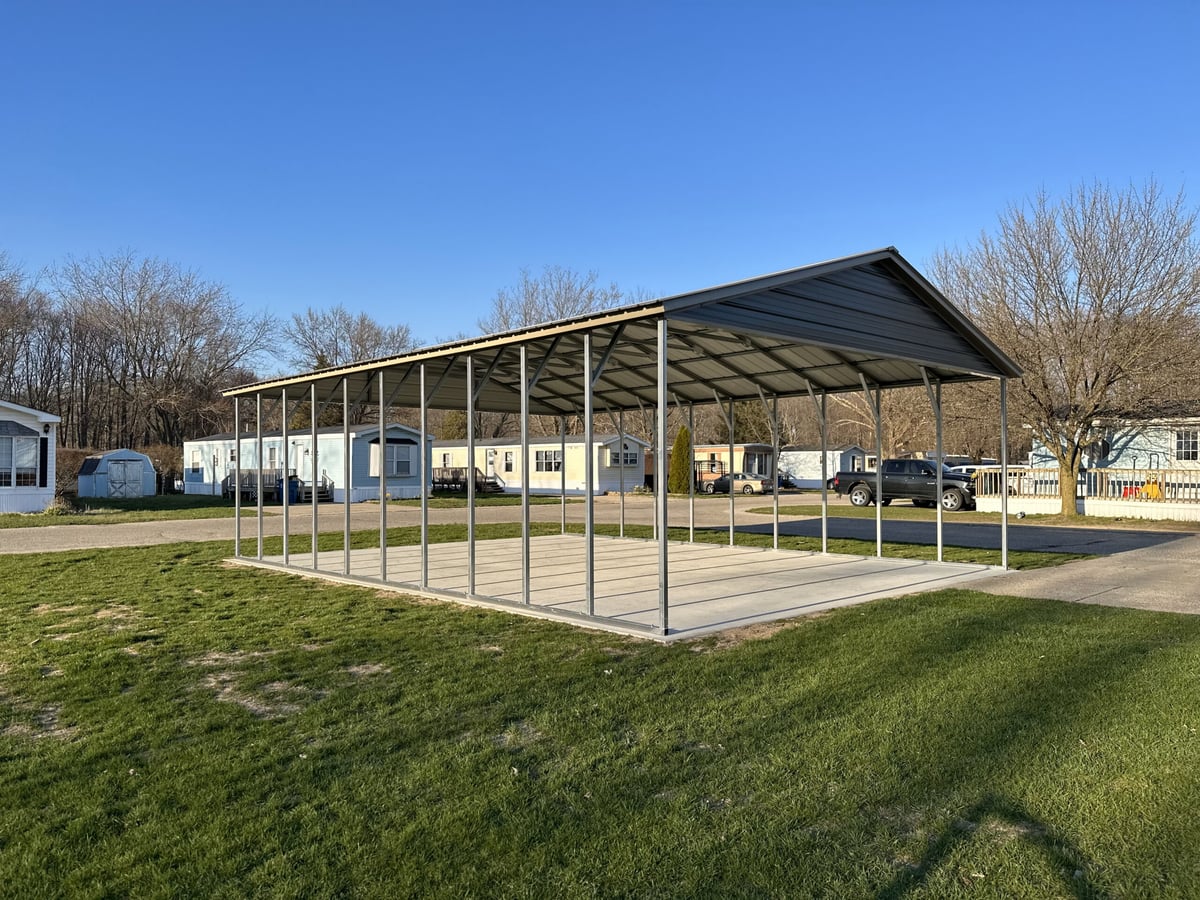
Traditional open-sided carports provide excellent weather protection while maintaining affordability and easy access. These structures allow natural ventilation that prevents moisture buildup and condensation inside your camper. The open design facilitates quick visual inspections and immediate access to your vehicle whenever needed.
Cost-effectiveness makes open carports attractive for many RV owners. The simpler construction requires fewer materials and less installation time compared to enclosed alternatives.
Enclosed Building Benefits
Fully enclosed metal buildings offer maximum security and protection. Walls and doors shield your camper from wind-driven rain, blowing dust, and theft. The enclosed environment maintains more stable temperature and humidity levels, further protecting your investment.
Consider enclosed options if you plan to use the space for maintenance work, winter projects, or additional storage beyond just vehicle shelter. The versatility of enclosed structures increases their value despite higher initial costs.
Comparing Steel to Alternative Materials
Understanding material differences helps you appreciate why steel dominates the RV shelter market.
Steel vs. Wood
Traditional wooden carports require significant maintenance including regular painting, staining, and treatment for rot and insect damage. Wood is susceptible to termites, decay, and warping from moisture exposure. While wood offers aesthetic appeal, its maintenance demands and shorter lifespan make it less practical for most situations.
Steel structures require minimal maintenance, resist pests completely, and typically last decades longer than wood alternatives. The initial cost difference narrows considerably when accounting for ongoing maintenance expenses and replacement cycles.
Steel vs. Fabric Covers
Portable fabric shelters provide temporary protection at minimal cost but cannot match the durability and longevity of steel structures. Fabric deteriorates under UV exposure, typically requiring replacement every few years. Strong winds can damage or destroy fabric covers, and they offer no security against theft or vandalism.
Steel carports withstand severe weather, provide decades of reliable service, and require virtually no maintenance beyond occasional cleaning. The superior longevity and protection justify the higher initial investment for most long-term RV owners.
Financial Planning and Value
Budgeting appropriately for your camper carport involves understanding both initial costs and long-term value.
Price Factors
Several variables influence the total cost of your structure:
- Size dimensions: Larger structures require more materials and labor
- Roof style: Vertical roofs cost more than regular roof designs
- Gauge thickness: Premium 12-gauge framing increases prices
- Certification requirements: Engineered structures for snow or wind loads add cost
- Customization options: Additional features and upgrades affect pricing
- Installation complexity: Difficult sites or extensive site preparation increase labor costs
Financing Options
Many suppliers offer financing programs that make quality structures accessible through manageable monthly payments. Comparing financing terms, interest rates, and payment schedules helps you find the best arrangement for your budget.
Return on Investment
A quality camper carport pays for itself through reduced maintenance costs, preserved vehicle value, and avoided repair expenses. Insurance savings, elimination of storage facility rental fees, and the convenience of home storage contribute to the overall financial benefits.
Additional Uses and Versatility
Beyond RV storage, your camper carport offers valuable versatility for other purposes and seasons.
Multi-Purpose Applications
When your camper is traveling, the structure provides covered space for vehicles, boats, or outdoor equipment. The shelter works perfectly for hosting outdoor gatherings, protecting materials during projects, or storing seasonal items. This flexibility maximizes your investment throughout the year.
Future Expansion Possibilities
Many property owners start with a basic carport and later add walls, doors, or extensions as needs evolve. The modular nature of quality metal structures accommodates future modifications and upgrades. Planning for potential expansion during initial installation simplifies later enhancements.
Working with Reputable Suppliers
Selecting a trusted manufacturer and supplier ensures quality products, professional installation, and reliable customer support.
Quality Indicators
Look for companies offering substantial warranties on materials and workmanship. Established businesses with positive customer reviews and documented installations demonstrate reliability. Certification capabilities for wind and snow loads indicate engineering expertise and quality construction.
Customer Service Importance
Responsive customer support helps you navigate the selection process, answer technical questions, and address any concerns. Companies that provide detailed specifications, clear pricing, and comprehensive installation information demonstrate commitment to customer satisfaction.
The systematic maintenance approach outlined by GetMyShed and planning considerations from Coast to Coast Carports highlight the importance of choosing quality structures that will serve you well for years to come.
Regional Availability and Service
Nationwide suppliers serve most areas of the continental United States, though service availability varies by location. Research providers serving your specific region to understand delivery timeframes and installation scheduling. Some areas, including states like Arkansas, benefit from extensive dealer networks and faster installation timelines.
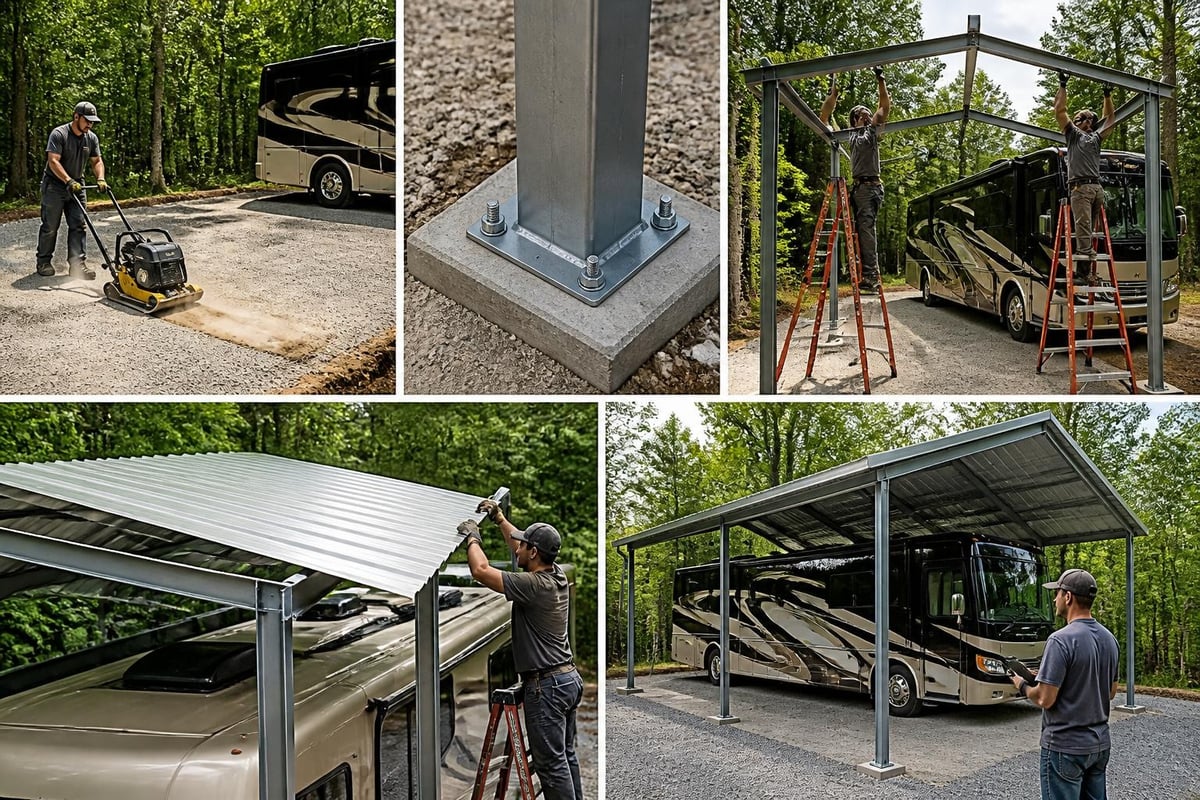
A camper carport represents a smart investment that protects your recreational vehicle while providing versatile covered space for multiple uses throughout the year. By carefully considering size requirements, climate factors, and quality features, you ensure maximum value and decades of reliable service. Metal Structure Sales LLC specializes in customizable metal structures designed specifically for your needs, offering professional installation and comprehensive support to help you select the perfect protection solution for your valuable camper.