

A car port represents one of the most practical investments property owners can make for vehicle protection and property enhancement. Unlike traditional garages that require significant construction time and expense, a car port provides immediate shelter from weather elements while maintaining accessibility and versatility. Property owners across the United States increasingly recognize that these structures deliver exceptional value through their combination of affordability, quick installation, and customizable features. Whether protecting a family sedan, work truck, or recreational vehicle, understanding the full scope of car port benefits, materials, and design options empowers informed decision-making.
Understanding Car Port Fundamentals
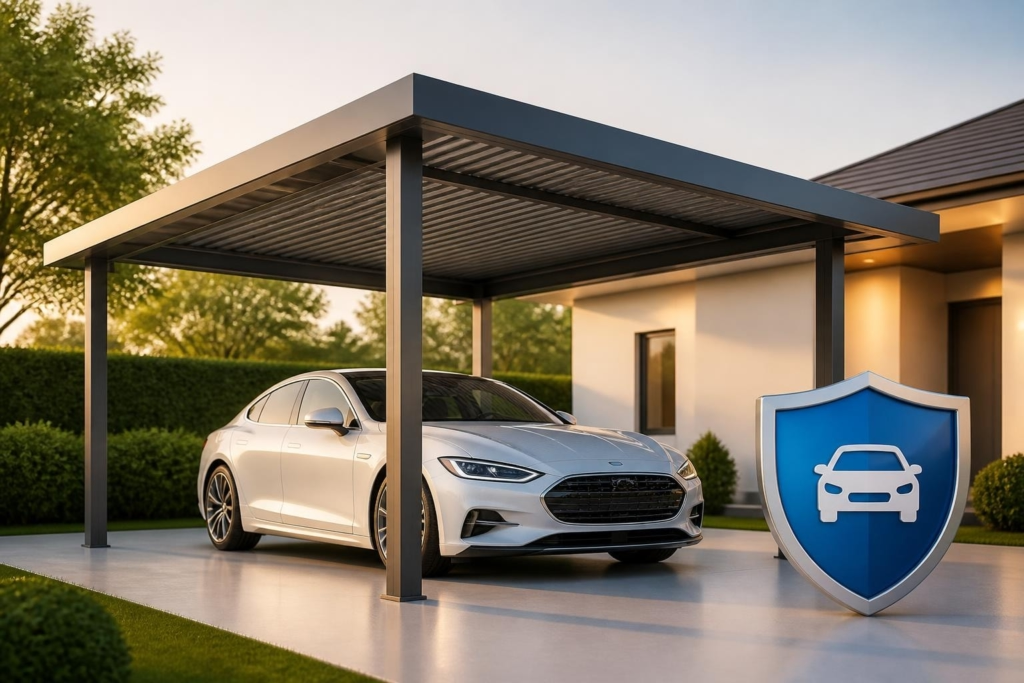
A car port serves as a covered structure designed primarily to shelter vehicles from environmental elements including rain, snow, hail, and intense sunlight. The basic design typically features a roof supported by posts or columns, with open sides that distinguish it from fully enclosed garages.
Core Design Elements
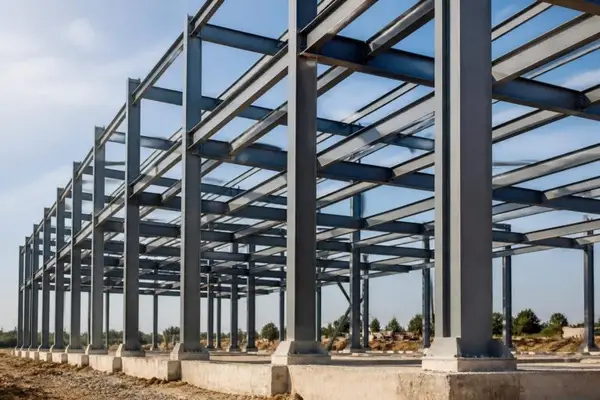
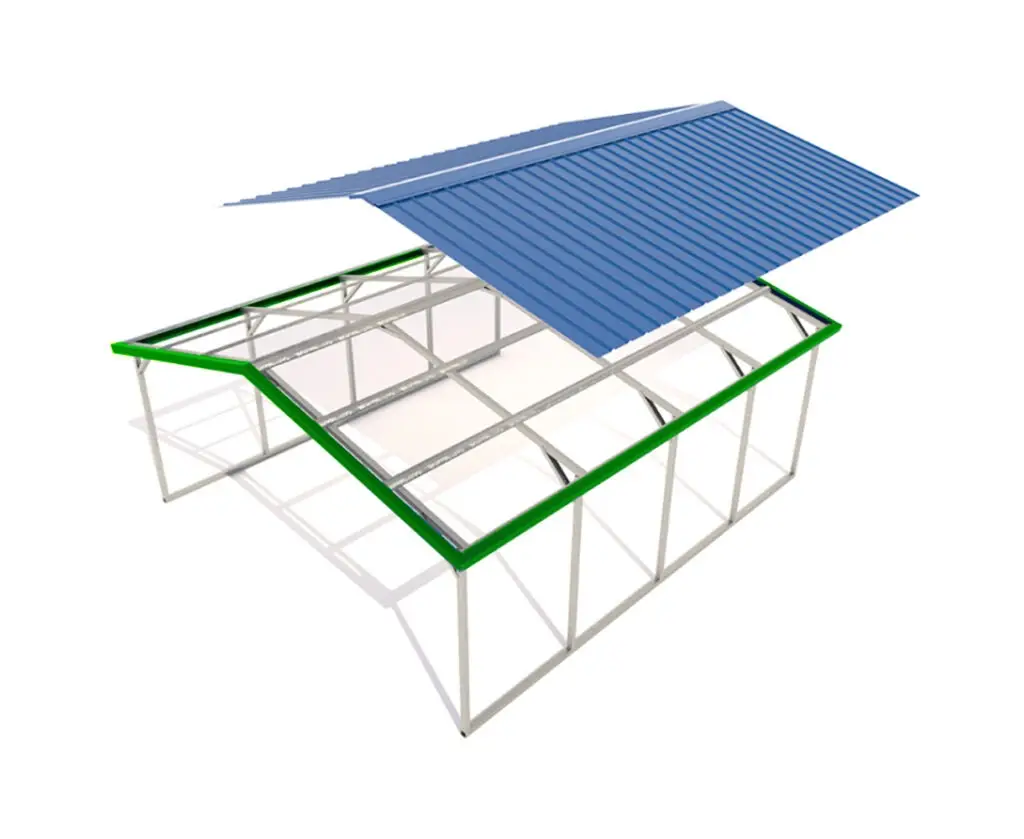
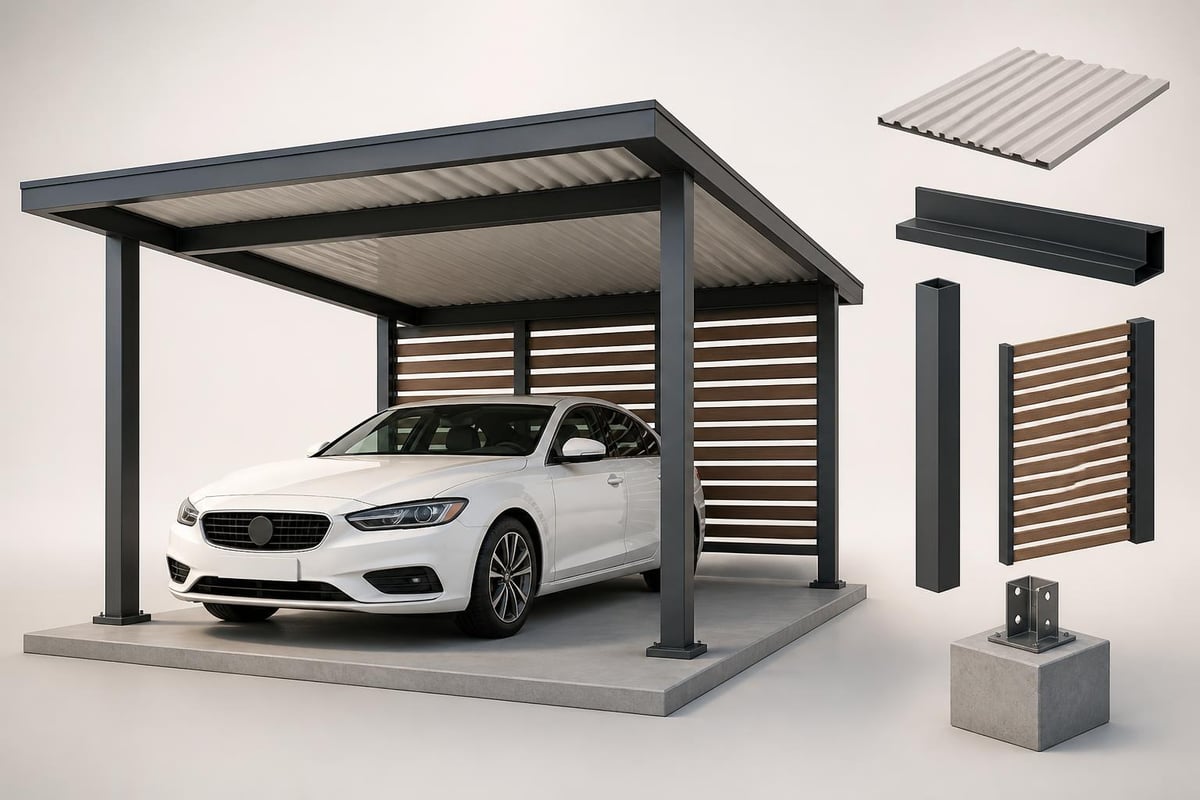
The structural framework of a car port consists of several essential components that work together to provide stable coverage. The roof system protects against overhead weather conditions, while support posts bear the weight and transfer loads to the foundation. The spacing between posts determines the covered area and influences the overall aesthetic appearance.
Key structural components include:
- Vertical support posts or columns
- Horizontal roof trusses or beams
- Roof panels or covering material
- Foundation anchoring systems
- Optional side panels or enclosures
Understanding these fundamental elements helps property owners evaluate different car port configurations and select designs that meet specific requirements.
Material Selection Considerations
The choice of construction materials significantly impacts durability, maintenance requirements, and long-term value. Metal stands out as the preferred material for modern car port construction due to its exceptional strength-to-weight ratio and resistance to common deterioration factors.
| Material Type | Durability | Maintenance | Weather Resistance | Cost Range |
|---|---|---|---|---|
| Steel/Metal | Excellent (30+ years) | Low | Superior | Moderate-High |
| Wood | Good (15-20 years) | High | Moderate | Moderate |
| Aluminum | Excellent (25+ years) | Low | Good | High |
| Vinyl/Composite | Fair (10-15 years) | Medium | Good | Low-Moderate |
Metal construction offers particular advantages in terms of fire resistance, pest immunity, and structural integrity under heavy snow loads or high winds.
Car Port Style Variations
Different architectural styles accommodate varying needs, aesthetic preferences, and site-specific requirements. Understanding available configurations helps match structures to intended purposes.
Regular Roof Style
The regular roof style features a rounded or slightly curved roof panel orientation that provides effective water runoff while maintaining economical pricing. This traditional design works well for standard vehicle protection needs and represents the most budget-friendly option.
Panels run horizontally across the roof surface, creating a distinctive appearance that many property owners find appealing. The curved profile helps shed water and prevents standing moisture that could lead to corrosion over time.
Vertical Roof Style
Vertical roof designs orient panels from ridge to eave, creating channels that facilitate superior water and snow drainage. This premium option delivers enhanced structural strength and weather resistance, making it the recommended choice for areas experiencing significant snowfall or heavy rainfall.
The vertical orientation prevents debris accumulation and reduces maintenance requirements. Many building codes in snow-prone regions specifically require vertical roof construction for car port installations.
A-Frame and Gable Designs
A-frame and gable roof styles provide the most traditional appearance, closely resembling conventional residential architecture. These designs offer maximum headroom at the center and excellent drainage characteristics through their peaked construction.
The triangular roof profile creates additional vertical clearance for taller vehicles while enhancing overall aesthetic appeal. Property owners seeking structures that complement existing buildings often prefer these traditional roof styles.
Size and Dimension Planning
Selecting appropriate dimensions ensures adequate vehicle coverage while optimizing space utilization and budget allocation. Careful measurement and planning prevent costly modifications after installation.
Single Vehicle Coverage
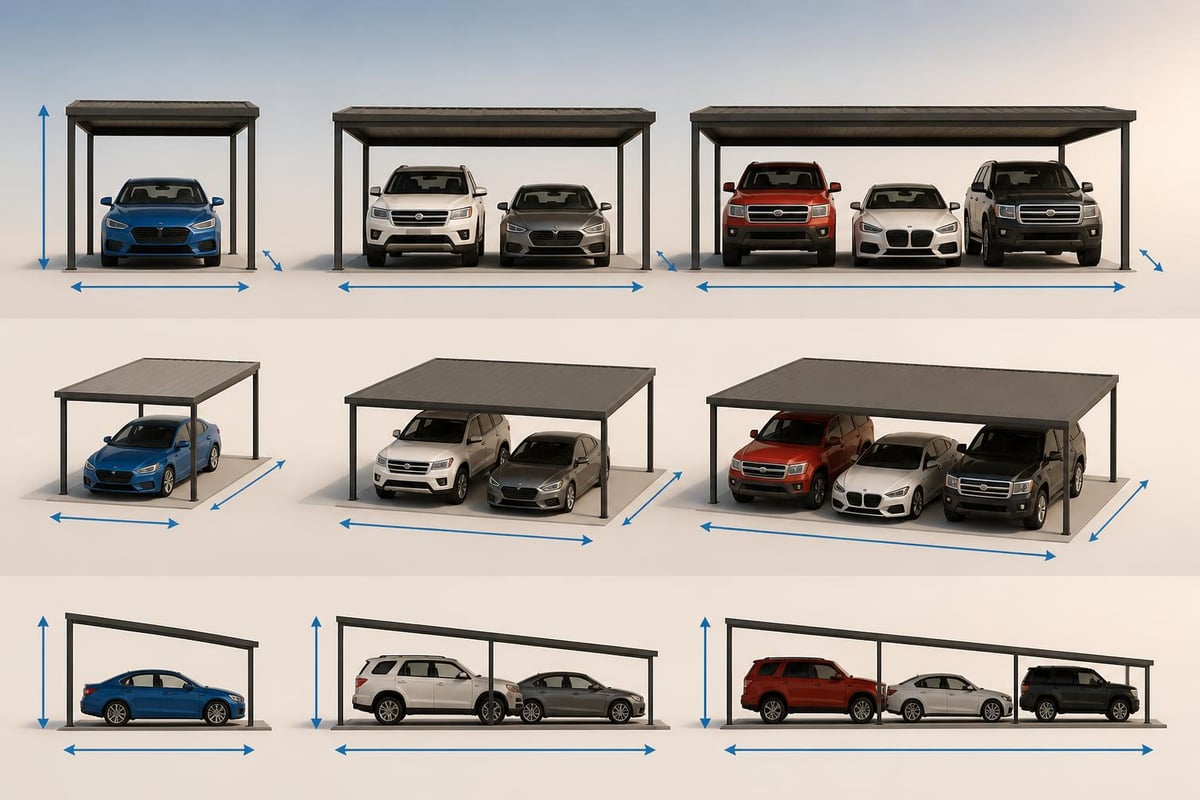
Standard single-car port dimensions typically measure 12 feet wide by 20 feet long, providing sufficient coverage for most passenger vehicles with room for door opening clearance. Height considerations vary based on vehicle type, with standard clearances starting at 6 feet for sedans.
Taller vehicles including trucks and SUVs benefit from increased height specifications. Understanding carport heights helps ensure adequate clearance for specific vehicle requirements.
Multiple Vehicle Configurations
Double and triple car port designs accommodate multiple vehicles under a single structure, offering better value per covered vehicle compared to separate single units. Standard double configurations measure 18 to 24 feet wide, while triple units extend to 30 feet or wider.
Popular multiple-vehicle dimensions:
- Double car port: 18' x 20' minimum
- Double car port: 20' x 24' standard
- Triple car port: 30' x 30' recommended
- Triple car port: 32' x 36' premium
Spacing between vehicles should allow comfortable door opening and passenger access on both sides.
Height Specifications
Vertical clearance directly impacts usability, particularly for RVs, boats, and commercial vehicles. Standard car port heights begin at 6 feet for basic passenger vehicle coverage, with incremental increases available to accommodate specific needs.
Many property owners select 8 to 10-foot heights for general-purpose coverage that accommodates most vehicle types. Specialized applications including RV storage may require 12 to 16 feet of clearance, ensuring adequate space for rooftop equipment and air conditioning units.
Installation and Foundation Requirements
Proper installation ensures structural stability and longevity while meeting local building code requirements. Foundation preparation represents a critical phase that influences overall performance.
Site Preparation Steps
Successful car port installation begins with thorough site evaluation and preparation. Level ground provides the ideal installation surface, though slight grades can be accommodated through foundation adjustments.
Clear the installation area of vegetation, debris, and obstacles that could interfere with construction. Mark utility lines and verify that no underground services run through the proposed footprint. Local building departments often require permits for car port installation, particularly for structures exceeding specific size thresholds.
Foundation Options
Several foundation approaches accommodate different soil conditions, budget considerations, and structural requirements:
- Concrete footers: Poured concrete pads at each post location provide maximum stability
- Asphalt anchoring: Mobile home anchors secure posts to existing asphalt surfaces
- Gravel beds: Compacted gravel with ground anchors offers economical installation
- Concrete slabs: Full slabs create usable floor surfaces and maximum structural support
The chosen foundation method should align with local soil conditions and anticipated load requirements. Steel building installation costs vary based on foundation complexity and site conditions.
Professional Installation Benefits
While some property owners attempt DIY installation, professional services deliver significant advantages. Experienced installers understand proper anchoring techniques, ensure code compliance, and complete projects efficiently. Most reputable manufacturers include delivery and installation in their pricing, eliminating coordination challenges and ensuring warranty validity.
Professional installation typically requires one to two days for standard configurations, minimizing disruption to property use. Certified installers carry appropriate insurance coverage and understand regional building requirements that vary by jurisdiction.
Customization and Enhancement Options
Modern car port designs offer extensive customization possibilities that enhance functionality and aesthetic appeal. Strategic additions transform basic coverage into comprehensive protection systems.
Enclosure Additions
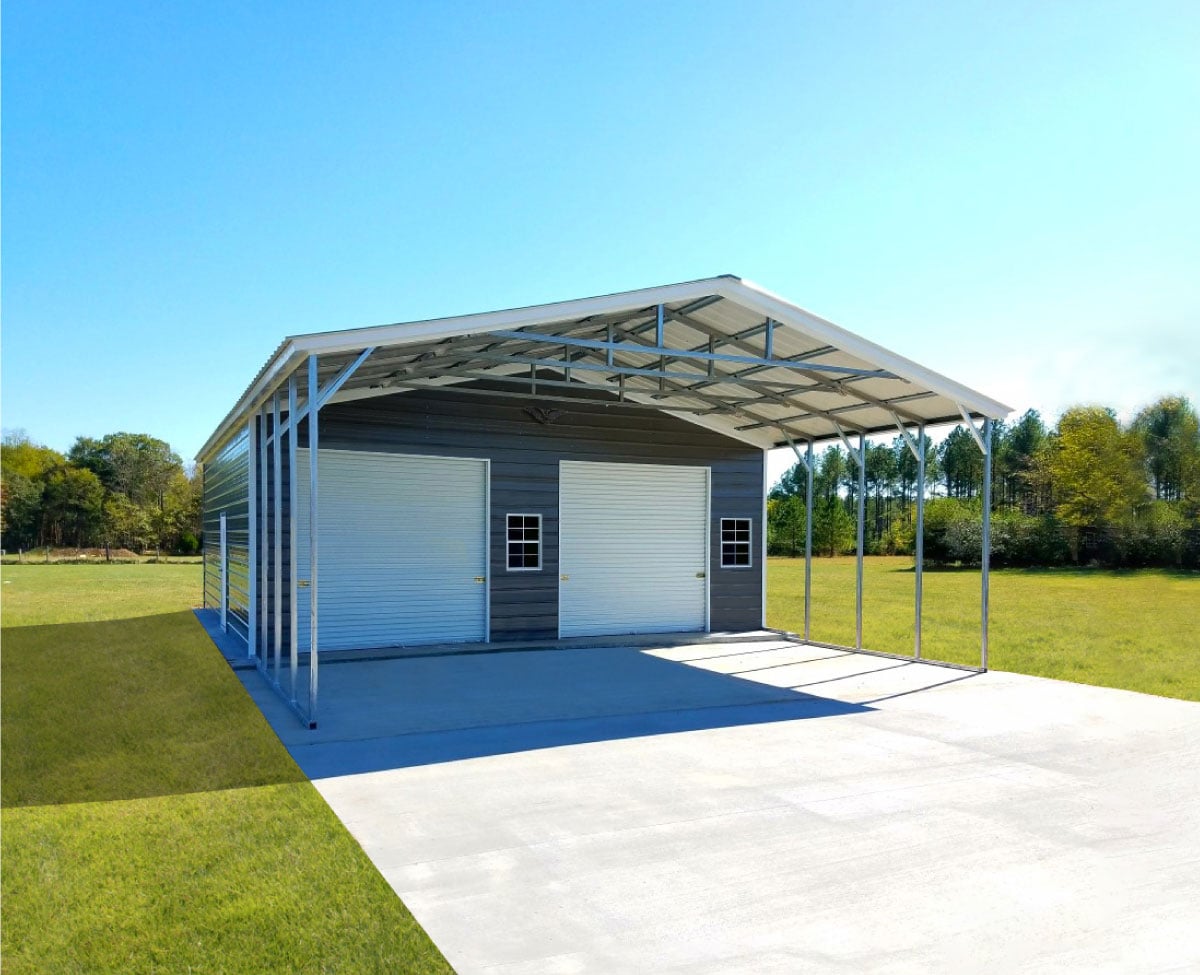
Partial or complete enclosure options convert open car ports into more secure storage facilities. Side panels block wind-driven rain and snow while reducing debris accumulation. Full enclosure creates weather-tight storage similar to traditional garages.
For property owners seeking versatile solutions, enclosed structures provide protected workspace or additional storage capacity. Metal combo units combine open car port sections with enclosed storage areas in a single integrated structure, maximizing utility while controlling costs.
Color and Finish Options
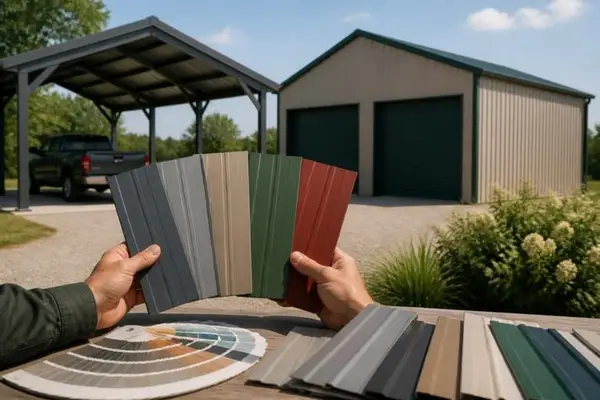
Contemporary metal car port construction offers diverse color selections that complement existing structures or reflect personal preferences. Standard colors include white, beige, tan, and gray, with premium colors available for enhanced customization.
Two-tone designs combine different colors for roof and trim elements, creating distinctive appearances that enhance property aesthetics. High-quality paint finishes resist fading and maintain appearance through years of weather exposure.
Functional Additions
Practical enhancements extend car port utility beyond basic vehicle coverage:
- Gable ends: Enclosed peak areas prevent wind and debris entry
- Side panels: Partial walls block prevailing weather from specific directions
- Gutters and downspouts: Channel water away from foundation areas
- Lighting fixtures: Improve visibility and security during nighttime hours
- Electrical outlets: Support power tools and equipment charging
These additions transform basic shelter into fully functional outdoor workspace or comprehensive vehicle protection systems.
Maintenance and Longevity
Proper maintenance preserves structural integrity and extends service life, protecting the initial investment through decades of use. Metal car port structures require minimal upkeep compared to wood alternatives, though regular attention prevents minor issues from developing into significant problems.
Regular Inspection Practices
Quarterly visual inspections identify potential concerns before they escalate. Regular maintenance routines should examine key areas including roof panels, support posts, anchor points, and fastener connections.
Essential inspection checklist items:
- Roof panel alignment and condition
- Fastener tightness at connection points
- Foundation stability and anchor integrity
- Drainage system functionality
- Paint or coating condition
Document inspection findings and address identified issues promptly to prevent deterioration.
Cleaning Procedures
Periodic cleaning removes accumulated dirt, leaves, and debris that can trap moisture and accelerate wear. Maintenance approaches typically involve simple washing with mild detergent and water, followed by thorough rinsing.
Avoid abrasive cleaners or wire brushes that could damage protective coatings. Soft-bristle brushes effectively remove stubborn deposits without scratching metal surfaces. Focus particular attention on areas where debris tends to accumulate, including roof valleys and connection points.
Weather-Related Considerations
Heavy snow accumulation requires prompt removal to prevent excessive structural loading. Use plastic shovels or soft brooms to clear snow without scratching protective finishes. Avoid sharp implements that could puncture or dent roof panels.
Following severe weather events, conduct thorough inspections to identify any damage requiring immediate attention. Building maintenance tips emphasize proactive approaches that prevent small issues from becoming major repairs.
Value and Investment Return
Car port installations deliver measurable returns through vehicle protection, property value enhancement, and versatile functionality. Understanding these benefits helps property owners appreciate the full scope of their investment.
Vehicle Protection Benefits
Direct sunlight causes paint fading, interior deterioration, and dashboard cracking over time. A car port shields vehicles from these damaging UV rays while preventing weather-related wear including acid rain exposure and oxidation. Protected vehicles maintain better appearance and higher resale values compared to those stored outdoors without coverage.
Hail damage represents a significant concern in many regions, with repair costs often reaching thousands of dollars. Covered parking eliminates this risk entirely, providing peace of mind during severe weather events.
Property Value Enhancement
Well-designed car port structures increase property marketability and appeal to potential buyers. Real estate professionals recognize that covered parking represents a desirable feature that differentiates properties in competitive markets.
The investment typically returns 50 to 80 percent of installation costs in increased property value, with higher returns in regions where weather protection carries particular importance. Properties offering multiple covered parking spaces command premium pricing compared to those with limited or no vehicle protection.
Versatility and Multi-Purpose Use
Beyond vehicle coverage, car port structures serve numerous alternative purposes including outdoor entertaining spaces, equipment storage, and workshop areas. This flexibility extends value well beyond simple vehicle protection.
Seasonal uses include protecting outdoor furniture during winter months, creating shaded gathering spaces for summer events, and storing lawn equipment and recreational items. Some property owners convert car port spaces into hobby workshops or seasonal market stalls, demonstrating remarkable versatility.
Regional and Climate Considerations
Geographic location influences optimal car port specifications, with different regions requiring specific features to address local weather patterns and environmental conditions.
Snow Load Requirements
Areas receiving significant snowfall require robust structural specifications capable of supporting accumulated weight. Building codes specify minimum snow load ratings based on regional weather data and historical patterns.
Vertical roof designs provide superior snow shedding compared to horizontal orientations, reducing accumulation and minimizing structural stress. Increased gauge thickness in roof panels and framing members enhances load-bearing capacity in snow-prone regions.
Wind Resistance Standards
Coastal areas and regions experiencing high winds require enhanced anchoring systems and structural reinforcement. Engineering certifications verify that specific car port designs meet wind resistance requirements for particular locations.
Ground anchor specifications increase in areas subject to severe weather, with deeper installations and additional anchor points providing necessary stability. Many manufacturers offer wind-rated designs certified for specific maximum wind speeds.
Coastal and Salt Exposure
Properties near saltwater environments benefit from enhanced corrosion protection through specialized coating systems. Galvanized steel provides basic corrosion resistance, while powder coating and other advanced finishes deliver superior protection in harsh coastal conditions.
Regular washing removes salt deposits that accelerate corrosion if left untreated. Properties within one mile of coastal areas should implement monthly cleaning schedules during periods of salt spray exposure.
Permitting and Regulatory Compliance
Local building codes and zoning regulations govern car port installation in most jurisdictions. Understanding these requirements prevents costly violations and ensures legal compliance.
Building Permit Requirements
Most municipalities require building permits for permanent car port structures, particularly those exceeding specific size thresholds or requiring concrete foundations. Learning about construction techniques provides helpful background, though professional contractors typically handle permitting processes.
Permit applications generally require site plans showing structure placement, property boundaries, and setback distances. Building departments review submissions to verify code compliance and may conduct inspections during and after installation.
Setback and Placement Regulations
Zoning codes specify minimum distances between structures and property lines, known as setbacks. These requirements vary by jurisdiction and property type, with residential areas typically requiring greater setbacks than commercial or agricultural properties.
Homeowner associations often impose additional restrictions governing structure appearance, placement, and design specifications. Review association covenants thoroughly before finalizing car port plans to avoid conflicts requiring costly modifications.
HOA and Deed Restrictions
Properties subject to homeowner association governance or deed restrictions may face limitations on car port installation regardless of municipal code compliance. Submit detailed plans to HOA architectural review committees well in advance of proposed installation dates.
Some associations restrict structure colors, require specific roof styles, or limit overall dimensions. Working within these parameters during the design phase prevents rejection and ensures smooth approval processes.
Comparing Car Port Solutions to Alternatives
Property owners weighing vehicle protection options benefit from understanding how car port structures compare to alternative approaches in terms of cost, functionality, and long-term value.
Car Port Versus Traditional Garage
Traditional garage construction costs significantly more than car port installation due to foundation requirements, wall construction, and finishing work. Garages provide complete enclosure and security but require substantially longer construction timelines.
| Feature | Car Port | Traditional Garage |
|---|---|---|
| Installation Time | 1-2 days | 4-8 weeks |
| Cost per Square Foot | $8-$15 | $40-$80 |
| Weather Protection | Good | Excellent |
| Security | Basic | High |
| Ventilation | Excellent | Requires systems |
Car port structures excel in situations prioritizing quick installation, budget consciousness, and natural ventilation for equipment storage.
Portable Versus Permanent Structures
Portable fabric car ports offer temporary solutions at minimal cost but lack the durability and weather resistance of permanent metal installations. Wind damage and fabric deterioration limit portable structure longevity to just a few seasons in most climates.
Permanent metal car port installations provide decades of reliable service with minimal maintenance. The higher initial investment delivers substantially better long-term value through extended service life and superior performance.
DIY Versus Professional Installation
While some property owners possess skills for DIY car port installation, professional services deliver important advantages. Experienced installers complete projects efficiently, ensure proper anchoring, and understand regional code requirements that vary significantly between jurisdictions.
Warranty coverage often requires professional installation, protecting the investment against defects or premature failure. The modest additional cost for professional services delivers peace of mind and ensures proper construction from the outset.
A car port represents a smart investment that protects vehicles, enhances property value, and provides versatile coverage for multiple purposes. By selecting appropriate materials, dimensions, and customization options, property owners create solutions perfectly matched to their specific needs. Metal Structure Sales LLC specializes in high-quality metal car port installations with delivery and professional setup included, helping customers across the country protect their vehicles and maximize their property's potential. Contact their team today to explore customizable options tailored to your requirements.