

Choosing the correct carport height is one of the most critical decisions when investing in a metal structure to protect your vehicles and equipment. While width and length are important, the vertical clearance determines whether your carport will adequately shelter everything from compact cars to RVs and commercial equipment. Understanding carport heights involves more than simply measuring your vehicle and adding a few inches. You need to account for vertical clearance, roof pitch, entry angles, and potential future needs to ensure your investment provides long-term value and functionality.
Understanding Carport Height Measurements
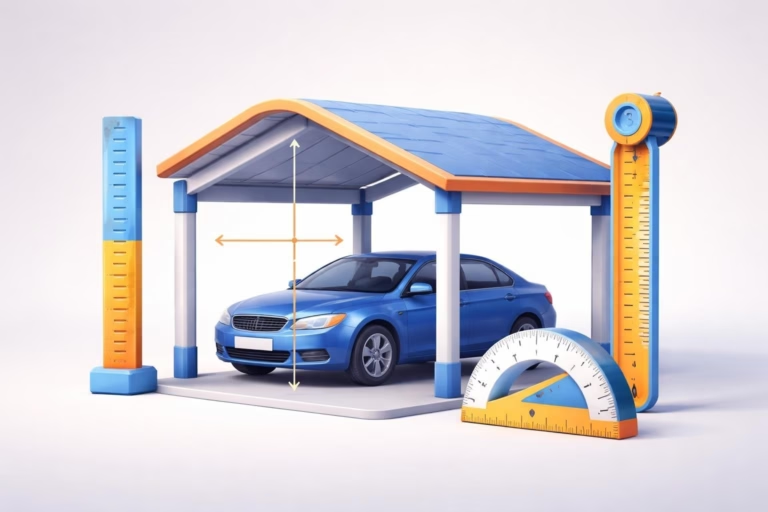
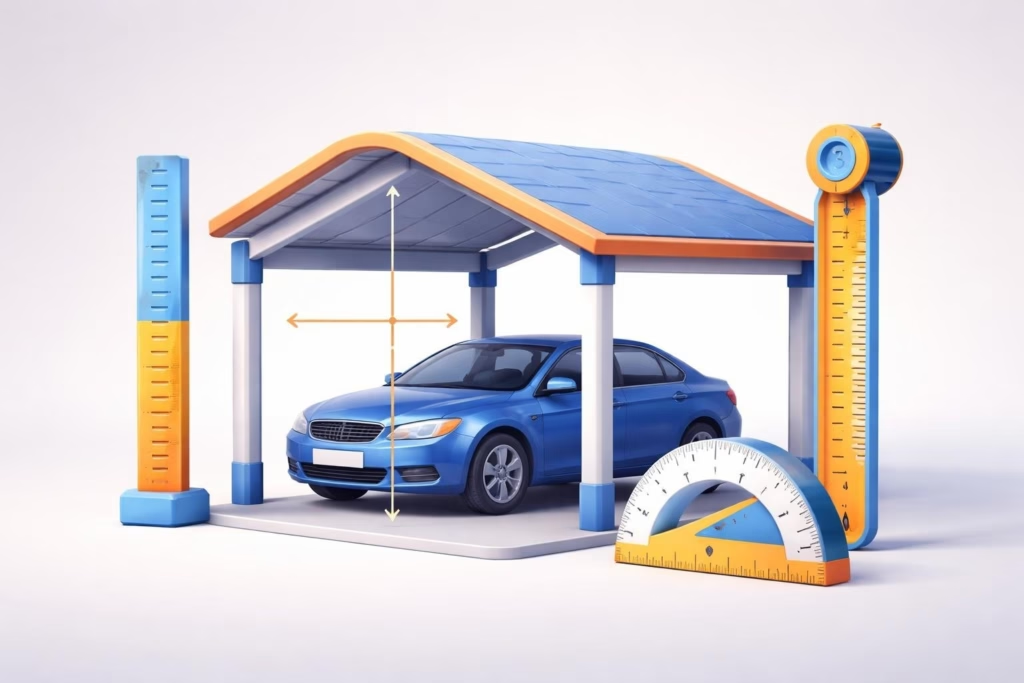
When discussing carport heights, three distinct measurements define the structure's dimensions. Each measurement serves a specific purpose and impacts how well the carport accommodates your vehicles.
Eave height refers to the measurement from ground level to the point where the roof begins. This is also called leg height or side height, representing the vertical distance of the support posts. The eave height determines the actual clearance your vehicle has when pulling into the carport. Most standard carports offer eave heights ranging from 6 to 12 feet, though custom options extend up to 16 feet or more for specialized applications.
Peak height measures from the ground to the highest point of the roof. This measurement depends on both the eave height and the roof pitch. A steeper pitch creates a higher peak, which becomes important in areas with heavy snow loads or for aesthetic preferences. The peak height calculations vary based on carport width and roof style, with vertical roof designs typically offering the greatest peak heights.
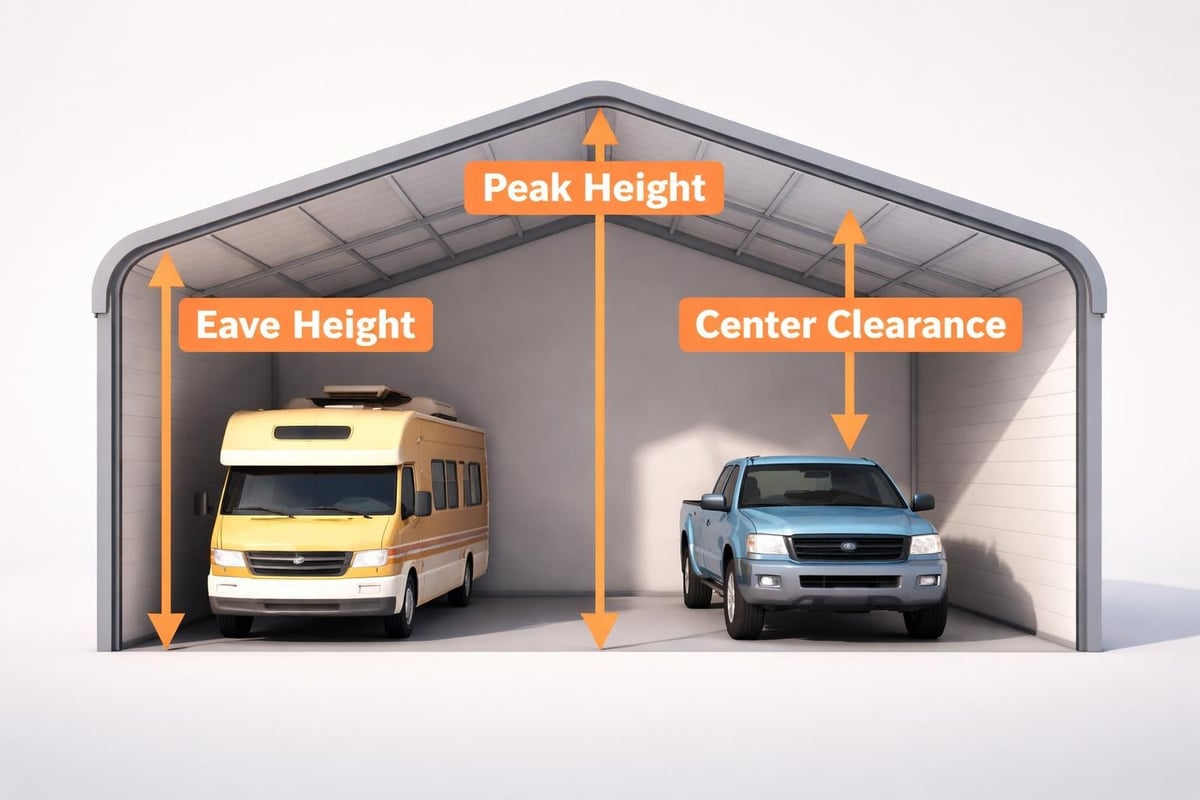
Center clearance represents the usable height in the middle of the carport, particularly relevant for A-frame and regular roof styles where the roof slopes from the center peak. This measurement matters most for taller vehicles that need to park in the central area of the structure.
Standard Height Options
Metal carports typically come in several standard side height configurations to accommodate different vehicle types and purposes:
- 6 feet: Suitable for compact cars and sedans with minimal clearance
- 7 feet: Standard height for most passenger vehicles
- 8 feet: Comfortable clearance for SUVs and small trucks
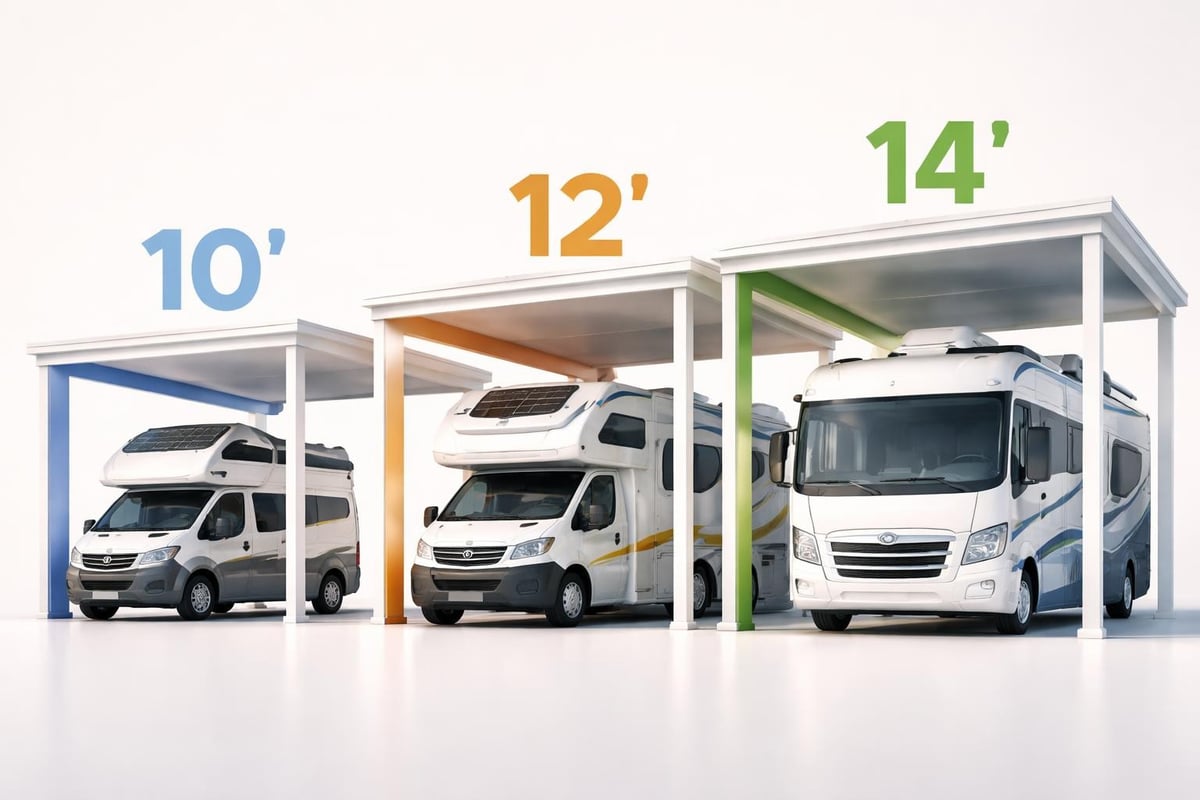
- 10 feet: Ideal for lifted trucks and small RVs
- 12 feet: Accommodates most Class C RVs and boats on trailers
- 14 feet: Works for larger motorhomes and commercial vehicles
- 16 feet: Maximum standard height for oversized equipment
The right choice depends on your specific vehicles and how much clearance you prefer above them. Many customers find that adding two to three feet of clearance above their tallest vehicle provides comfortable entry and exit while allowing for roof-mounted accessories.
Vehicle-Specific Height Requirements
Different vehicle types require different minimum carport heights to ensure adequate protection and easy access. Selecting the appropriate height prevents clearance issues and potential damage to both the vehicle and the structure.
Standard Passenger Vehicles
Most sedans, coupes, and hatchbacks measure between 4.5 and 5.5 feet in height. For these vehicles, a 7-foot eave height provides sufficient clearance. However, many owners prefer an 8-foot height to accommodate roof racks, cargo carriers, or simply to create a more open feel when parking.
Standard passenger vehicles rarely require custom height considerations unless you plan to add aftermarket accessories. The additional cost for an 8-foot versus 7-foot carport is minimal and provides valuable flexibility.
SUVs and Trucks
Sport utility vehicles and pickup trucks typically range from 6 to 7 feet tall. Full-size SUVs like Chevrolet Suburbans or Ford Expeditions may exceed 6.5 feet, while lifted trucks can easily reach 7 to 8 feet or more.
For these vehicles, a minimum 8-foot eave height is recommended, though 10 feet has become increasingly popular. The appropriate carport height for trucks and SUVs should account for modifications like lift kits, oversized tires, or roof-mounted accessories such as light bars and cargo boxes.
| Vehicle Type | Typical Height | Minimum Carport Height | Recommended Height |
|---|---|---|---|
| Sedan | 4.5-5.5 ft | 7 ft | 8 ft |
| SUV | 6-7 ft | 8 ft | 10 ft |
| Pickup Truck | 6-7 ft | 8 ft | 10 ft |
| Class B RV | 8-9 ft | 10 ft | 12 ft |
| Class C RV | 10-11 ft | 12 ft | 14 ft |
| Class A RV | 11-13 ft | 14 ft | 16 ft |
RVs and Motorhomes
Recreational vehicles present the most challenging height requirements due to their considerable size variations. Class B camper vans typically measure 8 to 9 feet tall, Class C motorhomes range from 10 to 11 feet, and Class A motorhomes can exceed 13 feet.
When determining carport dimensions for RVs, remember that many owners install air conditioners, satellite dishes, and solar panels on the roof, adding another 12 to 18 inches to the total height. A 12-foot carport works well for most Class B and smaller Class C units, while 14 to 16 feet better accommodates larger motorhomes.
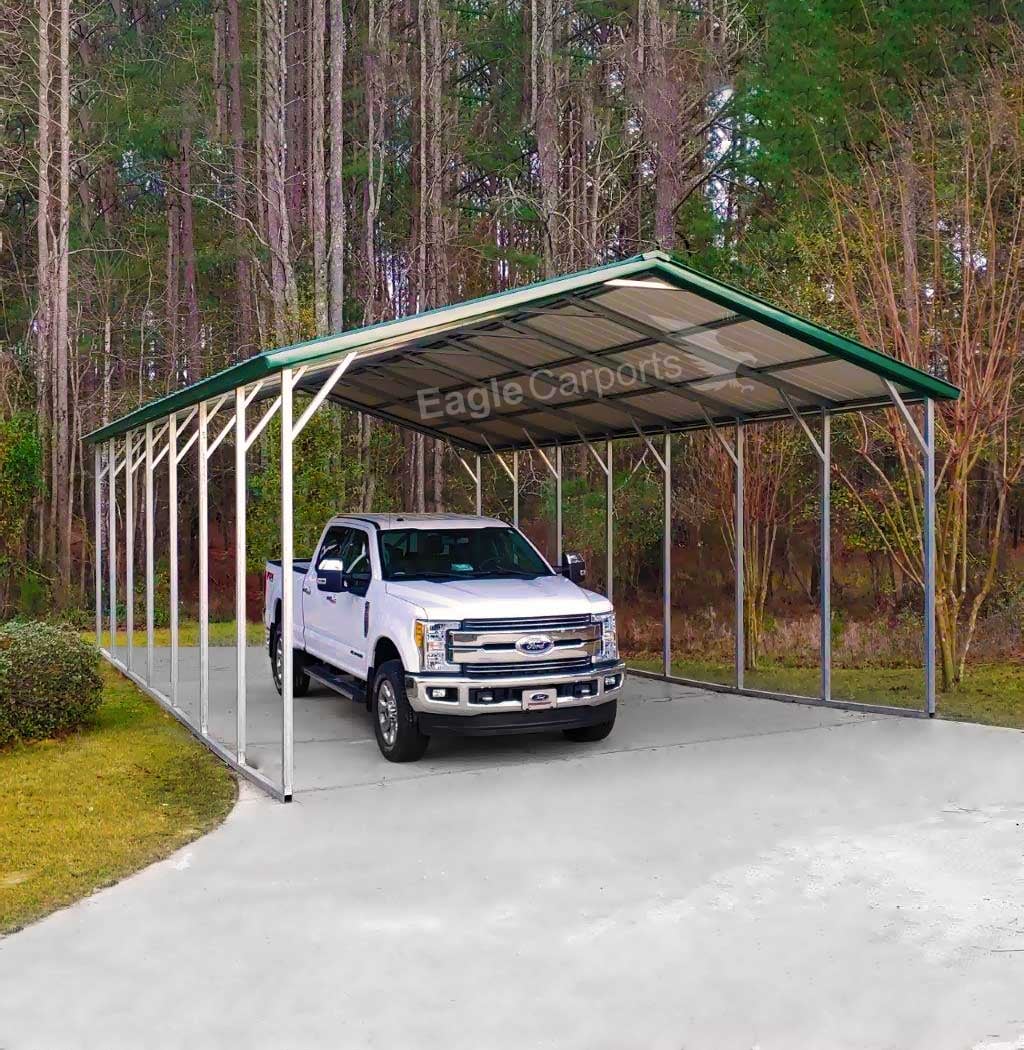
For RV owners, investing in proper protection is essential given the significant value of these vehicles. Metal Structure Sales LLC offers specialized structures designed specifically for these applications, with Metal RV covers available in custom heights to ensure your investment stays protected from sun, hail, and weather damage year-round.
Factors Influencing Carport Height Selection
Beyond simply measuring your vehicle, several additional factors should influence your decision on carport heights. These considerations ensure your structure meets current needs while providing flexibility for future requirements.
Local Building Codes and Regulations
Many municipalities have specific regulations governing accessory structure heights. Some areas restrict carports to a maximum height of 12 or 14 feet without special permits, while others impose setback requirements that vary based on structure height.
Before finalizing your carport specifications, research local building codes or consult with local authorities. Your metal carport supplier should be familiar with common requirements in your area, but ultimate responsibility for compliance rests with the property owner. Understanding these regulations upfront prevents costly modifications or permit issues later.
Snow Load and Weather Considerations
Geographic location significantly impacts optimal carport heights through snow load requirements and wind exposure. Areas with heavy snowfall require steeper roof pitches to prevent accumulation, which automatically increases peak height even with standard eave heights.
Regions prone to high winds may benefit from lower profile structures that present less surface area to wind forces. However, extremely low carports with minimal pitch can trap snow and ice, potentially causing structural stress. Balancing these factors requires understanding your local climate patterns and selecting appropriate roof styles.
The vertical roof style offers the best snow shedding characteristics and is often recommended for areas receiving more than 20 inches of annual snowfall. This roof design also maximizes peak height for a given eave height, providing excellent clearance throughout the structure.
Future Vehicle Considerations
Many carport buyers eventually acquire taller vehicles than they currently own. A sedan owner might later purchase an SUV, or a truck owner might invest in an RV for retirement travel. Planning for these potential changes prevents the need for costly structural modifications or complete replacement.
Adding extra height during initial construction costs significantly less than raising a carport later. Most buyers find that selecting one height category above their current minimum requirement provides excellent long-term value. For example, if you currently drive a standard SUV requiring 8 feet, choosing 10 feet accommodates future vehicle changes without significant additional expense.
Slope and Grade Adjustments
Properties with sloped terrain require special attention to carport heights. When installing on a grade, the low side of the carport may need additional leg height to maintain level roof structure. This can result in one side having significantly more clearance than designed measurements suggest.
Conversely, excavation or grading might lower the ground level, effectively increasing your clearance. Work with your installation team to assess your specific site conditions and adjust specifications accordingly. Some situations benefit from split-level designs or stepped foundations that work with the natural terrain rather than against it.
Roof Style Impact on Effective Height
The roof style you select for your metal carport significantly influences the relationship between eave height and usable clearance. Each design offers distinct advantages regarding height, aesthetics, and functionality.
Regular Roof Style
Regular roof carports feature a rounded or slightly curved roof that slopes from one side to the other. This economical option works well for basic vehicle protection but provides the least vertical clearance of the three main styles.
With regular roof designs, the highest point occurs at one side, with the roof sloping downward to the opposite side. Vehicles parked on the low side have less clearance than the eave height might suggest. This style works best for areas with minimal snow and for shorter vehicles that don't require maximum clearance throughout the structure.
A-Frame Horizontal Roof
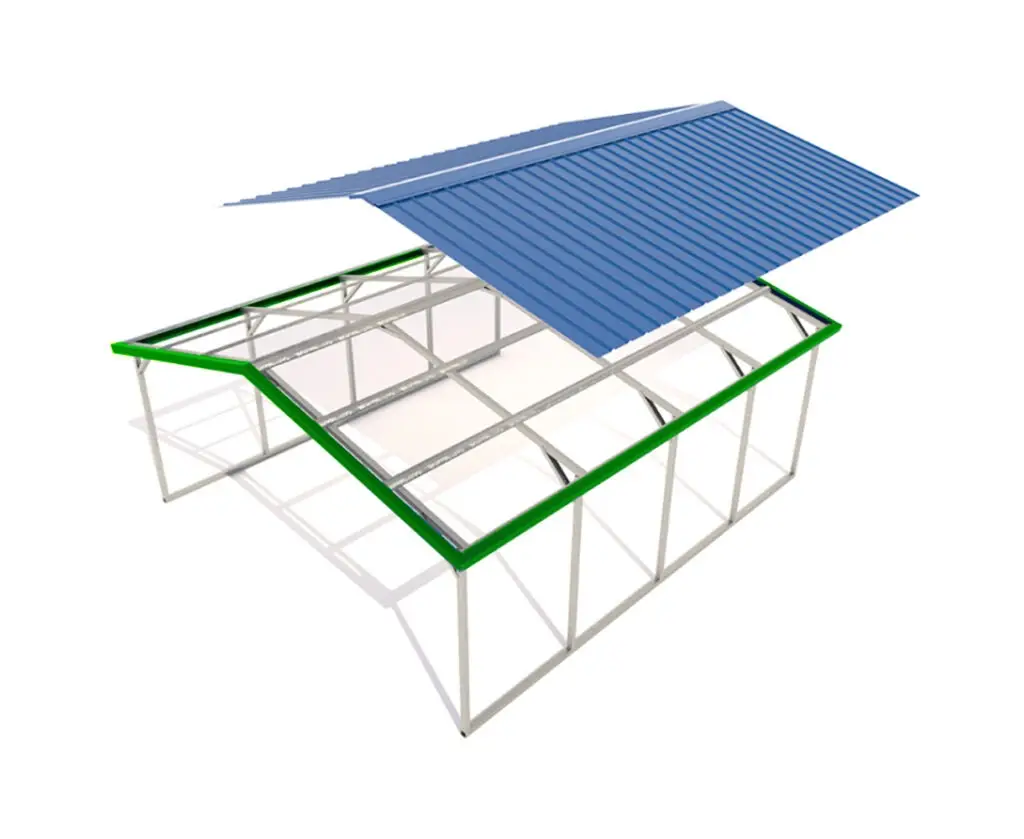
The A-frame or boxed eave roof features horizontal panels that run perpendicular to the structure's length, creating a peaked roof similar to traditional construction. This intermediate option provides better water and snow runoff than regular roofs while offering improved center clearance.
Peak height with A-frame designs depends on the carport width and eave height. Narrower structures create steeper pitches for a given width, while wider carports may have gentler slopes. Understanding how A-frame carport designs affect your clearance helps ensure adequate space for taller vehicles.
Vertical Roof Style
Vertical roof carports feature panels that run parallel to the structure's length from peak to eave, creating the most efficient water and snow shedding design. This premium option provides maximum strength and is required for most certified installations in areas with significant snow loads.
The vertical roof style also delivers the highest effective clearance throughout the structure. The steeper pitch creates more headroom even near the sides, making this the best choice when vertical space is critical. While slightly more expensive than other roof styles, the superior protection and clearance often justify the investment.
Customizing Carport Heights for Specific Uses
Different applications may require unique height specifications beyond standard vehicle protection. Understanding these specialized needs helps you design the most functional structure for your situation.
Workshop and Storage Applications
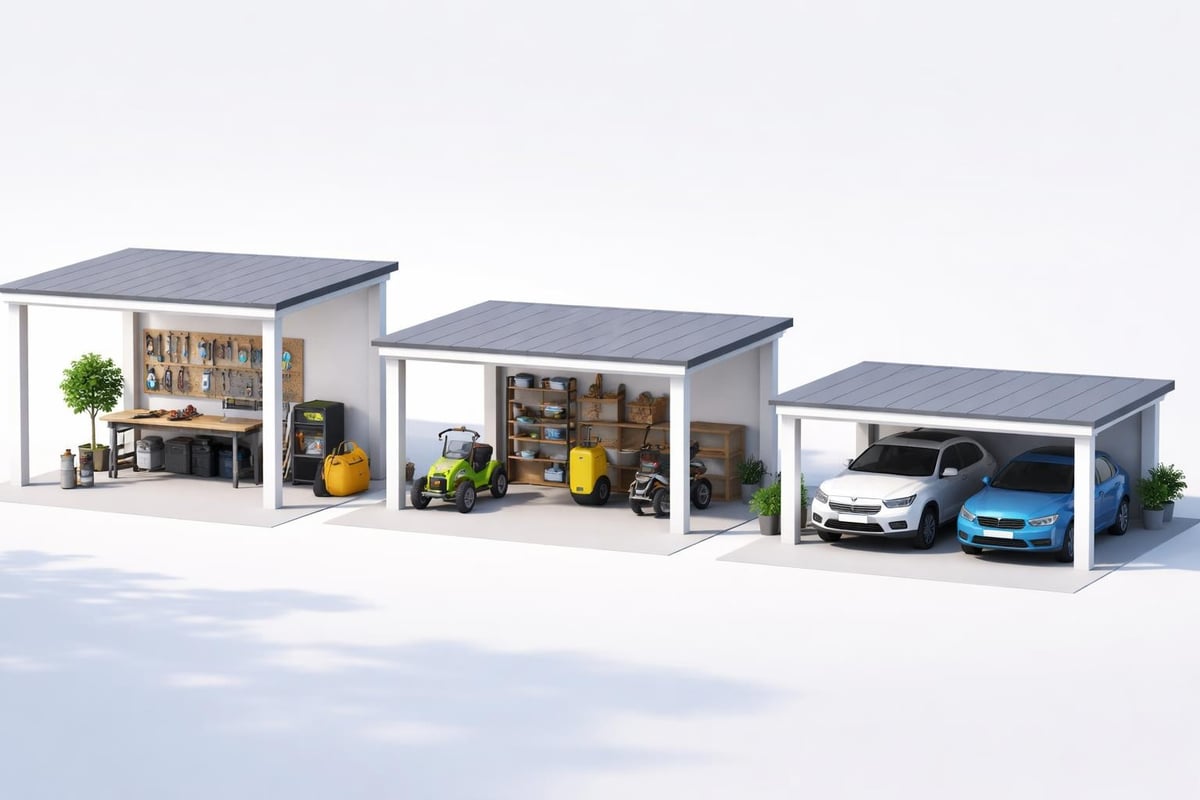
When using a carport as a workshop or enclosed storage area, ceiling height affects usability and comfort. An 8-foot eave height provides adequate clearance for most people and equipment, but 10 or 12 feet creates a more spacious environment that accommodates shelving, overhead storage, and comfortable movement.
For structures that will be fully enclosed with walls and doors, consider that adding insulation, HVAC ducts, or lighting fixtures reduces effective interior height. Starting with additional clearance prevents the finished space from feeling cramped. Many customers who convert their carports to metal buildings appreciate the extra height for storage racks and workspace organization.
Boat and Equipment Storage
Boats on trailers, farm equipment, and construction machinery often have irregular shapes with tall points that require specific clearance calculations. Measure the highest point of your equipment when positioned on its trailer or transport vehicle, then add at least 2 feet for safe clearance.
Sailboats with masts present unique challenges, as do fishing boats with T-tops or towers. Some owners choose to store these items with removable components detached, while others prefer structures tall enough to accommodate everything assembled. Equipment storage may also require wide-span metal structures that combine generous width with adequate height for large machinery.
Commercial and Agricultural Use
Commercial applications such as equipment maintenance, agricultural operations, or business vehicle storage often require taller structures than residential uses. Delivery trucks, tractors, combines, and other commercial equipment may need 14 to 16 feet or more of clearance.
Agricultural buildings benefit from additional height for ventilation and air circulation, particularly when storing hay, grain, or housing livestock. The extra vertical space helps regulate temperature and moisture, protecting stored materials and creating healthier environments for animals.
Installation and Structural Considerations
Proper installation ensures your carport delivers the designed clearance and remains stable for decades. Several structural elements directly impact how height specifications translate to real-world performance.
Foundation and Anchoring
The foundation method affects final structure height because anchor types determine how much of the leg extends below ground level or into the mounting surface. Mobile home anchors, concrete anchors, and rebar anchoring each have different depth requirements that can alter effective height by several inches.
On uneven terrain, some legs may require longer lengths to reach solid anchoring points while maintaining a level roof structure. Professional installers assess these variations during site preparation and adjust leg lengths accordingly. Always verify final measurements before installation if precise clearance is critical for your application.
Leg Bracing and Structural Support
Taller carports require additional bracing to maintain stability and meet engineering specifications. Structures with 12-foot or higher legs typically include horizontal and diagonal bracing that provides wind resistance and prevents swaying.
While necessary for structural integrity, these braces may reduce clearance in specific areas of the carport. Review engineering drawings to understand where braces will be positioned and ensure they don't interfere with vehicle entry or movement within the structure. Most designs place bracing strategically to minimize impact on usable space.
Header Beam Clearance
The header beam connecting the legs at the roofline adds depth that slightly reduces clearance below the eave height measurement. Standard header beams add 6 to 8 inches of depth, which matters most for vehicles requiring maximum clearance.
When absolute clearance is essential, verify whether quoted eave heights represent ground-to-header measurements or ground-to-roof-panel measurements. This distinction can make the difference between comfortable clearance and a tight fit for tall vehicles.
Cost Implications of Height Selections
Understanding how carport heights affect pricing helps you make informed decisions that balance budget with functionality. Several factors influence the cost relationship between height and overall structure price.
Material and Labor Increases
Taller structures require longer steel legs, additional bracing, and more extensive anchoring systems. Each foot of additional height adds material costs and increases installation complexity. However, the incremental cost between adjacent height options is typically modest compared to the total structure price.
For example, upgrading from 8 to 10 feet might add 10 to 15 percent to the base price, while jumping from 7 to 12 feet could increase costs by 25 to 30 percent. The exact pricing varies by region, structure size, and selected features. Many buyers find the additional investment worthwhile for the flexibility and future-proofing that extra height provides.
Regional Pricing Variations
Carport costs vary significantly by location due to factors like steel prices, installation labor rates, and permit requirements. Some areas have higher baseline prices but smaller incremental increases for height upgrades, while others show the opposite pattern.
Customers in regions with heavy snow loads may find that taller structures with vertical roofs cost relatively less than in areas where these specifications aren't required for code compliance. The engineering and manufacturing processes are already optimized for these heights, making upgrades more economical. Whether you're looking at options in Georgia or Indiana, understanding regional factors helps you budget appropriately.
Value Versus Cost Analysis
When evaluating carport heights, consider long-term value rather than solely focusing on upfront cost. A structure that accommodates your vehicles for decades provides better value than one requiring modification or replacement as needs change.
Additionally, proper height selection protects your investment in vehicles and equipment. Inadequate clearance increases the risk of damage during entry and exit, potentially costing thousands in repairs. The few hundred dollars extra for appropriate height represents cheap insurance against these risks.
Common Height Selection Mistakes
Even experienced buyers sometimes make errors when specifying carport heights. Awareness of these common mistakes helps you avoid costly issues and ensures your structure meets expectations.
Measuring Only Current Vehicles
The most frequent mistake is designing exclusively for vehicles currently owned without considering future changes. Vehicle ownership patterns change over 10 to 20-year timeframes, and most families eventually acquire taller vehicles than they currently drive.
A carport designed with minimal clearance for a sedan becomes inadequate when the family purchases an SUV or truck. Adding just 2 feet during initial construction costs far less than the inconvenience of an undersized structure or the expense of replacement.
Ignoring Roof Accessories
Many vehicle owners forget to account for roof-mounted accessories when calculating required clearance. Roof racks, cargo boxes, kayak carriers, and aftermarket lighting can add 6 to 18 inches to vehicle height. Antenna installations, satellite dishes, and solar panels on RVs present similar considerations.
Measure your vehicle with all accessories installed and positioned as they would be during normal use. This ensures adequate clearance in real-world conditions rather than just the base vehicle specifications.
Overlooking Entry Angles
Vehicles don't enter carports perfectly level, particularly on sloped driveways or approaches. The entry angle can cause the front or rear of taller vehicles to temporarily exceed the measured vehicle height, especially for motorhomes and other long vehicles with limited ground clearance.
This effect, called approach angle clearance, requires adding extra height beyond the static vehicle measurement. Most experts recommend at least 18 to 24 inches of additional clearance for RVs and other long vehicles to prevent contact during entry and exit.
Underestimating Future Modifications
Vehicle modifications like lift kits, larger tires, or suspension upgrades increase height beyond factory specifications. Truck owners frequently add these modifications over time, potentially outgrowing carports that seemed adequately sized initially.
Similarly, future enclosed conversions or the addition of storage lofts requires consideration during initial height selection. Adding walls and ceiling finishes to convert a carport into an enclosed metal building reduces effective interior height by several inches to over a foot depending on insulation and finish materials.
Optimizing Carport Height Selection
Making the optimal choice for carport heights involves balancing immediate needs with future flexibility while respecting budget constraints and site limitations. Several strategies help you arrive at the best decision for your specific situation.
The Two-Foot Rule
A reliable guideline suggests adding two feet to your tallest vehicle's height for comfortable clearance. This provides adequate space for normal variations in approach angle, roof accessories, and minor vehicle changes without excessive costs for unused vertical space.
For example, if your tallest vehicle measures 6.5 feet, an 8.5-foot carport would meet the two-foot rule. In practice, most buyers round up to the next standard height option, resulting in a 10-foot structure that provides generous clearance and excellent future flexibility.
Consulting Local Experts
Working with experienced metal building professionals who understand regional requirements, climate considerations, and common applications provides valuable insights. These experts have installed hundreds or thousands of structures and can recommend optimal specifications based on your described needs.
Don't hesitate to ask about the most popular height selections for your vehicle type and intended use. While every situation is unique, patterns emerge in what works well for different applications. Professional installers can also identify site-specific factors that might influence height requirements that aren't obvious to first-time buyers.
Planning for Multi-Vehicle Use
Many carports shelter multiple vehicles of different heights. In these situations, design for the tallest vehicle rather than averaging heights. The incremental cost difference is minimal, and the structure will accommodate any combination of vehicles you own now or in the future.
For families with both standard cars and an RV, choosing the height needed for the RV ensures the structure serves all uses. The extra clearance for smaller vehicles creates no functional disadvantages and actually improves airflow and aesthetics.
Reviewing Real-World Examples
Looking at installed carports similar to what you're considering helps visualize how different heights appear and function. Many manufacturers provide photo galleries showing various height options, and visiting nearby installations gives firsthand perspective on proportions and clearance.
Pay attention to how the structure relates to nearby buildings and how vehicles fit within the space. This real-world context helps you move beyond abstract measurements to understand what different height options actually mean for your specific application and aesthetic preferences.
Selecting appropriate carport heights requires careful consideration of current vehicles, future needs, and site-specific factors to ensure long-term satisfaction with your investment. Understanding the relationship between eave height, peak height, and effective clearance helps you make informed decisions that protect your vehicles while providing flexibility for changing needs. Metal Structure Sales LLC specializes in customizable metal carports designed to meet your exact specifications, with expert guidance on height selection and professional installation services that ensure your structure delivers optimal protection for years to come.