

Car ports have become an increasingly valuable investment for property owners across America, offering practical solutions for vehicle protection without the substantial cost and commitment of traditional garage construction. These versatile structures provide shelter from harsh weather conditions, UV damage, and environmental debris while maintaining accessibility and ventilation. As property values continue to rise and vehicles represent significant financial investments, understanding the various options, benefits, and considerations for car ports has never been more relevant for homeowners, business owners, and property managers seeking effective vehicle protection strategies.
Understanding Car Port Fundamentals
Car ports represent a distinct category of vehicle shelter that combines functionality with cost-effectiveness. Unlike fully enclosed garages, these structures feature open sides that allow for easy access and natural airflow while protecting vehicles from overhead elements such as rain, snow, hail, and intense sunlight.
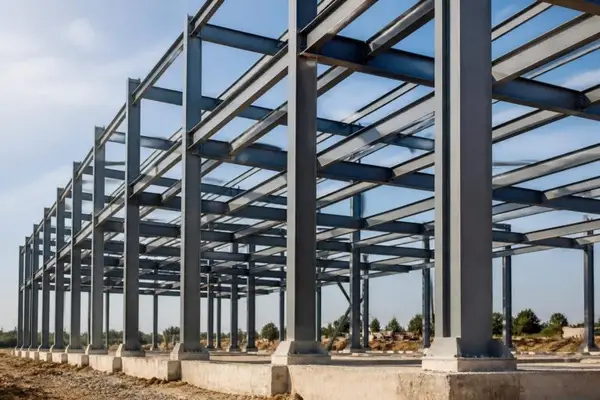
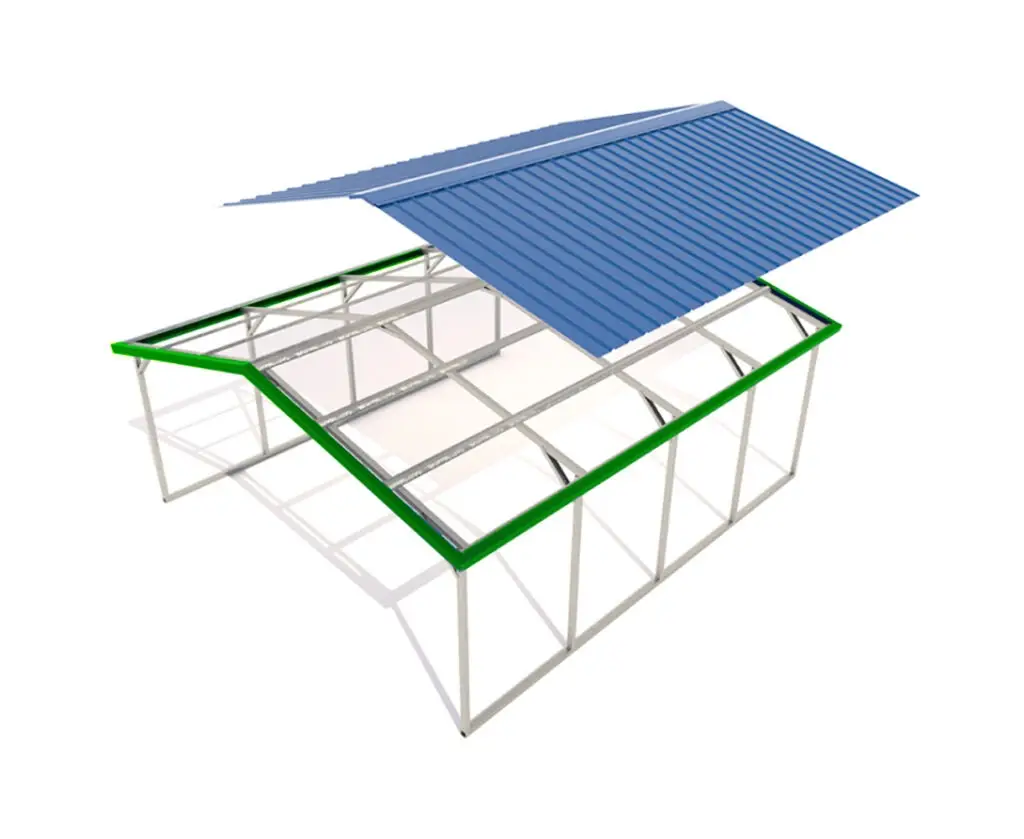
The basic anatomy of car ports includes several critical components that determine their durability and performance. The framework typically consists of vertical support posts anchored to the ground, horizontal beams that create the structural skeleton, and a roof system designed to shed water and resist wind loads. Modern car ports utilize advanced engineering principles to maximize strength while minimizing material costs.
Material Considerations for Long-Term Performance
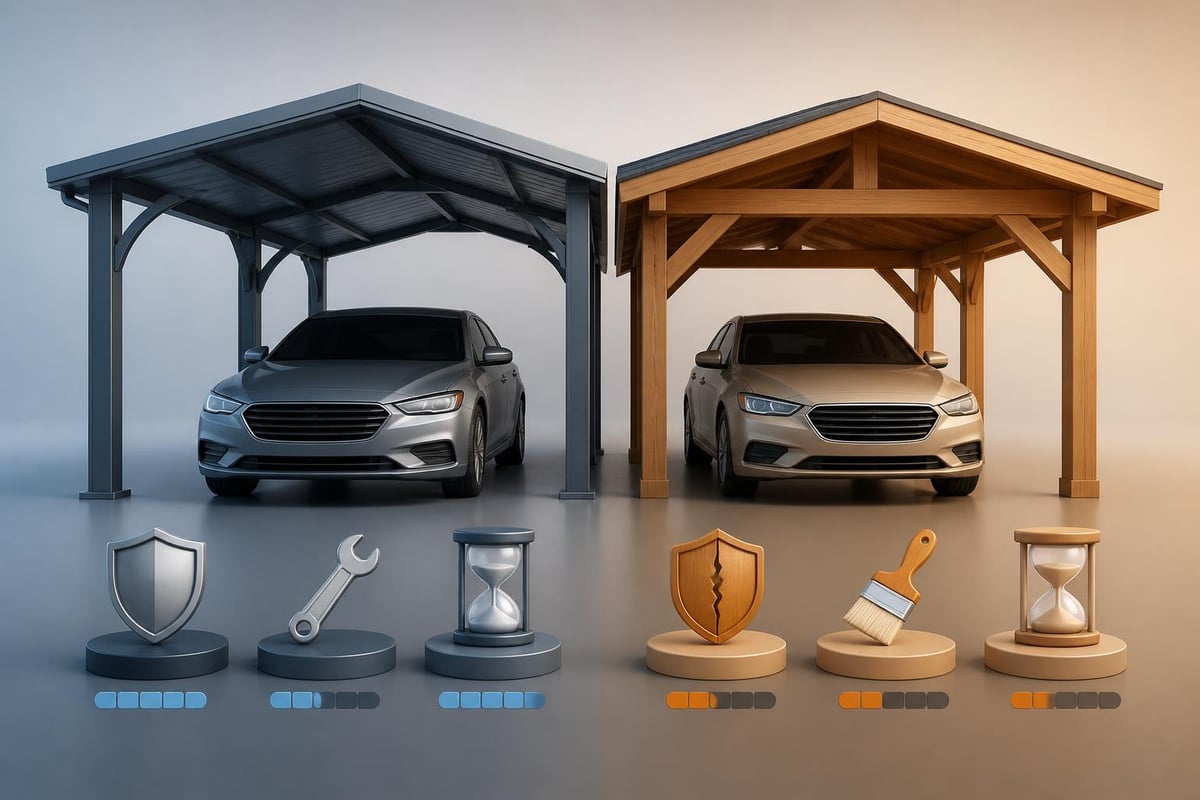
Material selection significantly impacts the longevity and maintenance requirements of car ports. Steel and metal structures have emerged as the predominant choice for residential and commercial applications due to their superior strength-to-weight ratio, resistance to rot and pest damage, and minimal upkeep needs compared to wood alternatives.
Metal car ports offer several distinct advantages:
- Corrosion resistance through galvanized steel or specialized coatings
- Fire resistance that provides added safety for property protection
- Dimensional stability that prevents warping or twisting over time
- Recyclability that aligns with sustainable building practices
- Factory precision that ensures consistent quality and fit
Wood car ports maintain appeal in certain architectural contexts but require regular staining, sealing, and inspection for rot or insect damage. The choice between materials should factor in local climate conditions, aesthetic preferences, and long-term maintenance capacity.
Design Variations and Structural Configurations
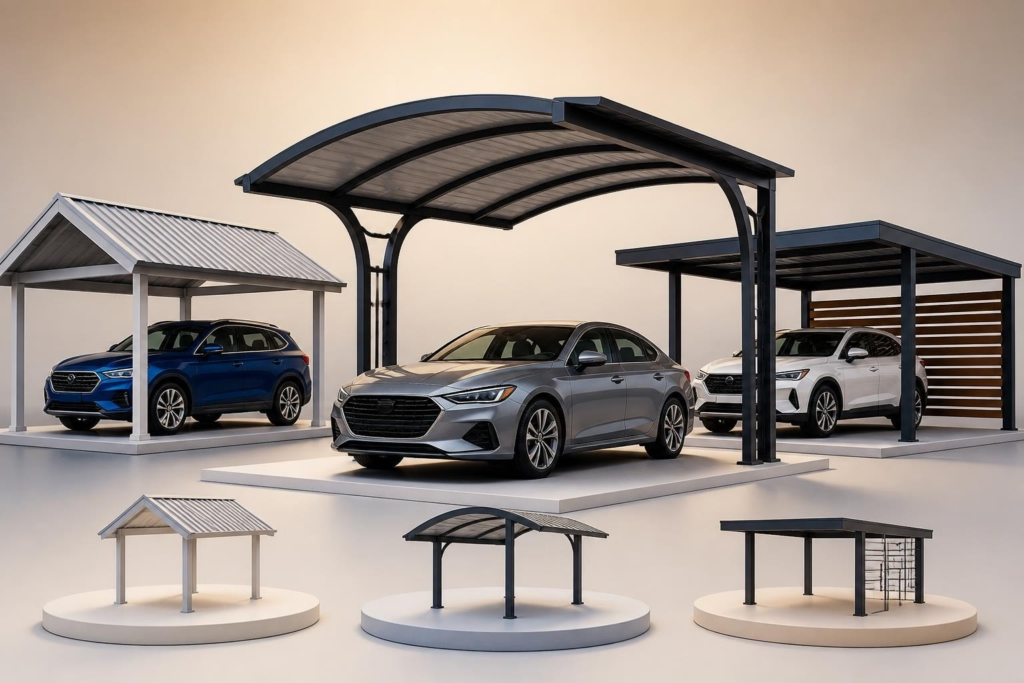
The variety of car port designs available in 2026 accommodates diverse needs ranging from single-vehicle coverage to expansive multi-bay installations. Understanding these configurations helps property owners select structures that align with their specific requirements and spatial constraints.
Roof Styles and Their Functional Implications
Roof design represents one of the most critical decisions in car port selection, as it directly affects water drainage, snow load capacity, and overall structural integrity. Different roof configurations serve specific purposes based on climate and aesthetic considerations.
| Roof Style | Water Drainage | Snow Load Capacity | Wind Resistance | Aesthetic Appeal |
|---|---|---|---|---|
| Regular (Rounded) | Good | Moderate | Excellent | Traditional |
| A-Frame (Boxed Eave) | Excellent | Good | Very Good | Classic |
| Vertical | Superior | Excellent | Good | Modern |
Regular roof styles feature a slightly rounded profile that allows for adequate water runoff in moderate climates. The curved design creates inherent strength against wind forces, making these car ports ideal for regions with frequent storms but minimal snow accumulation.
A-frame or boxed eave configurations provide enhanced water channeling through distinct roof slopes that meet at a central ridge. This traditional design effectively handles moderate snow loads while offering a more conventional appearance that complements residential architecture.
Vertical roof systems represent the premium option for car ports, featuring panels that run vertically from ridge to eave rather than horizontally across the structure. This orientation allows snow and debris to slide off more readily, making vertical roofs the recommended choice for areas experiencing heavy snowfall or accumulation of leaves and branches.
Size and Spacing Considerations
Proper sizing ensures car ports provide adequate coverage while accommodating vehicle dimensions and usage patterns. Standard single-car units typically measure 12 feet wide by 20 feet long, though customization allows for virtually any dimension to suit specific needs.
Width requirements depend on vehicle type and clearance preferences:
- Compact cars: 10-12 feet minimum
- Full-size sedans and trucks: 12-14 feet recommended
- Large trucks or vehicles with mirrors: 14-16 feet optimal
- Side-by-side parking: 18-24 feet for two vehicles
Length specifications should account for vehicle overhang and potential storage:
- Standard coverage: 20-22 feet for most vehicles
- Extended coverage: 24-30 feet for trucks or rear storage
- Full protection: 30-40 feet for recreational vehicles or boats
Height clearance becomes particularly important for trucks, SUVs, and vehicles with roof racks or toppers. Standard leg height ranges from 6 to 8 feet, while taller structures accommodate recreational vehicles, equipment, or simply provide a more spacious feel.
Installation Methods and Site Preparation
Proper installation determines the structural integrity and longevity of car ports. Whether opting for professional installation or tackling the project independently, understanding site requirements and anchoring methods proves essential for success.
Ground Preparation and Foundation Options
Site evaluation should assess drainage patterns, soil composition, and local building codes before installation begins. Level ground simplifies the process, though proper site preparation techniques can adapt car ports to sloped terrain with appropriate adjustments.
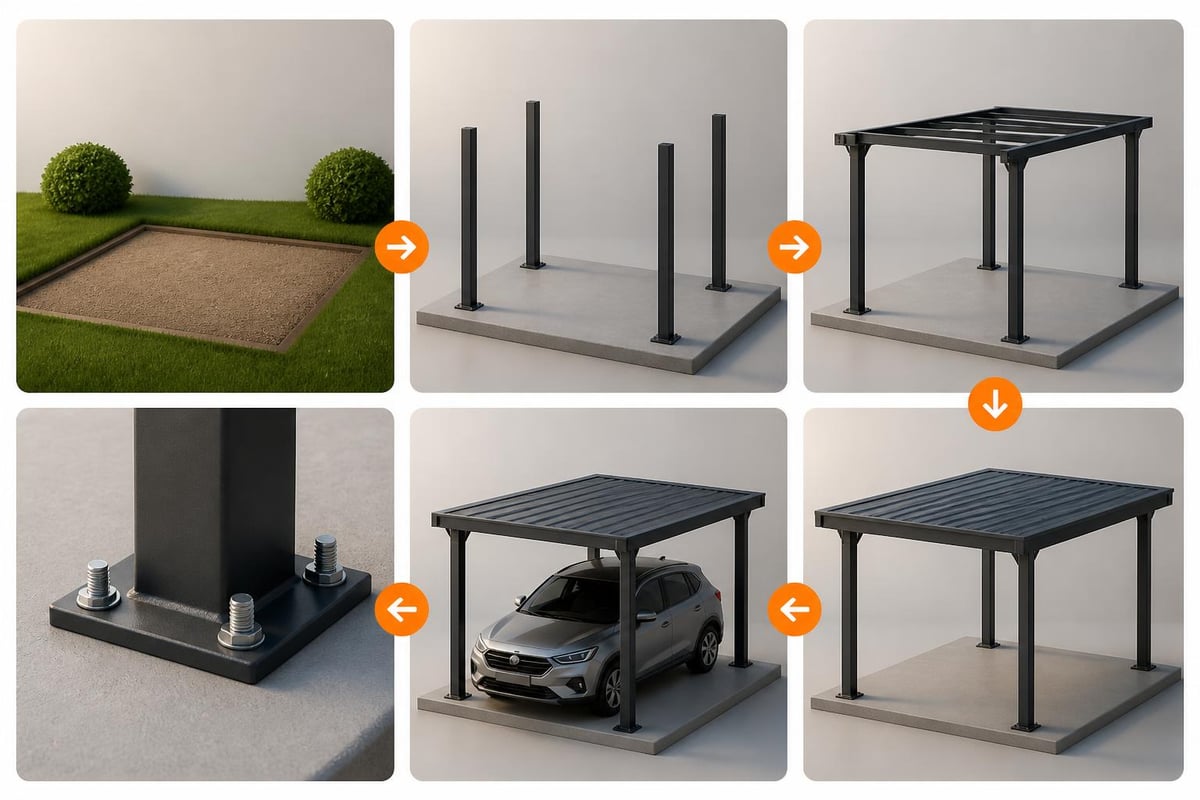
Foundation choices include:
- Concrete footers – Poured concrete pillars at each post location provide maximum stability
- Asphalt anchoring – Mobile home anchors or expansion bolts secure structures to existing pavement
- Ground anchors – Auger-style anchors twist into soil for temporary or semi-permanent installations
- Rebar stakes – Driven deep into ground and attached to frame rails for portable configurations
Concrete foundations offer superior permanence and resistance to uplift forces but require more extensive site work and curing time. Ground anchors provide adequate security for many applications while maintaining portability if relocation becomes necessary.
Permitting and Code Compliance
Local building departments regulate car port construction through zoning ordinances and building codes designed to ensure structural safety and neighborhood compatibility. Requirements vary significantly by jurisdiction, making it essential to research specific regulations before purchasing or installing structures.
Common permitting considerations include:
- Setback requirements from property lines and easements
- Height restrictions based on zoning classifications
- Wind and snow load specifications for structural engineering
- Homeowner association approval for properties within governed communities
- Utility clearance from overhead power lines or underground services
Obtaining necessary permits before installation avoids potential fines, required removal, or complications during property sales. Many suppliers can assist with code compliance and engineering specifications to streamline the approval process. You can explore various metal coverings options that meet local building standards.
Customization Options and Enhanced Features
Modern car ports offer extensive customization possibilities that extend functionality beyond basic vehicle coverage. These enhancements address specific needs while adding value and versatility to the investment.
Enclosure and Side Panel Configurations
While car ports traditionally feature open sides, partial or full enclosures transform these structures into hybrid buildings that provide enhanced protection. Enclosed carports offer superior vehicle protection against wind-driven rain, dust, and unauthorized access.
Partial enclosure options include:
- Gable end panels that close the narrow ends while maintaining side access
- Single side panels that block prevailing weather directions
- Windbreak panels positioned strategically for maximum protection with minimal cost
Full enclosure converts car ports into metal buildings suitable for workshop space, equipment storage, or climate-controlled environments. Adding garage doors, walk-in doors, and windows creates functional workspaces while maintaining the cost advantages of pre-engineered metal structures.
Sizing for Specialized Vehicles and Equipment
Standard car port dimensions suit most passenger vehicles, but specialized needs require custom sizing. For property owners with larger vehicles or multiple storage requirements, wide span metal structures provide exceptional coverage without requiring internal support posts that restrict usable space. These configurations accommodate recreational vehicles, boats, equipment, and commercial vehicles while maintaining structural integrity through advanced engineering.
Additional customization features include:
- Extended height for tall recreational vehicles or equipment storage
- Extra length for boats, trailers, or rear storage areas
- Multiple bays for side-by-side vehicle parking
- Lean-to attachments that connect to existing buildings
- Integrated gutters for controlled water management
Maintenance and Longevity Strategies
Proper maintenance maximizes the service life of car ports while preserving their protective capabilities and aesthetic appearance. Metal structures require minimal upkeep compared to wood alternatives, though periodic attention ensures optimal performance.
Routine Inspection and Care
Regular maintenance practices prevent minor issues from developing into costly repairs while extending structural lifespan. Quarterly inspections should examine key components for signs of wear or damage.
Inspection checklist includes:
- Roof panels for loose fasteners or damaged sections
- Framework for scratches that expose bare metal to corrosion
- Anchor points for secure attachment and proper tension
- Gutter systems for clogs or separation from structure
- Ground area for drainage problems or soil erosion
Cleaning requirements remain minimal for metal car ports. Annual washing with mild detergent removes accumulated dirt, pollen, and environmental debris that can retain moisture against metal surfaces. Avoid pressure washers at close range, as excessive force may damage protective coatings.
Addressing Weather-Related Concerns
Snow accumulation poses the primary weather-related concern for car ports in northern climates. While properly engineered structures meet local snow load requirements, removing heavy accumulations during extreme events reduces stress on the framework and roof system.
Wind resistance depends on proper anchoring and roof design. In hurricane-prone regions, additional tie-downs and engineered certifications ensure structures withstand specified wind speeds. Vertical roof systems generally perform better in high winds due to reduced surface area for uplift forces.
Hail damage typically affects appearance rather than structural integrity. Minor dents rarely compromise protective coatings or water-shedding capabilities, though significant impact may require panel replacement to maintain optimal performance.
Comparing Car Ports to Alternative Vehicle Protection
Understanding how car ports differ from garages and other shelter options helps property owners make informed decisions based on budget, needs, and long-term objectives. Each approach offers distinct advantages depending on specific circumstances.
Structural and Cost Differences
The comparison between carports and traditional garage construction reveals significant differences in complexity, cost, and timeline. Car ports utilize pre-engineered components that arrive ready for assembly, dramatically reducing installation time and labor costs compared to stick-built structures.
| Factor | Car Ports | Traditional Garages |
|---|---|---|
| Average Cost | $2,000-$8,000 | $15,000-$40,000+ |
| Installation Time | 1-3 days | 2-8 weeks |
| Foundation Requirements | Minimal | Extensive |
| Customization Flexibility | High | Moderate |
| Property Tax Impact | Minimal | Significant |
| Maintenance Needs | Low | Moderate |
Traditional garages provide complete enclosure, climate control potential, and integrated security but require substantial investment in foundation work, electrical systems, and finishing materials. The enclosed nature also necessitates ventilation for vehicle emissions and moisture control.
Portable car ports offer maximum flexibility for temporary needs or rental properties where permanent structures may not be feasible. These units feature lighter-gauge materials and simplified anchoring systems that allow for relocation or seasonal removal.
Functional Applications Beyond Vehicle Storage
While vehicle protection represents the primary purpose, car ports serve multiple functional roles that enhance property utility and value. These versatile structures adapt to various uses throughout the year.
Alternative applications include:
- Outdoor entertaining spaces for gatherings and events
- Equipment storage for lawn care, recreational gear, or tools
- Workspace areas for hobbies, repairs, or projects
- Livestock shelter for animals requiring weather protection
- Market or sale spaces for seasonal business activities
The open design facilitates airflow and natural light while protecting from overhead elements, making car ports ideal for activities requiring covered outdoor space. This versatility increases the return on investment by serving multiple purposes beyond vehicle coverage.
Essential Design Features for Maximum Protection
Key features for carport functionality extend beyond basic coverage to include elements that enhance usability, durability, and aesthetic integration with existing property improvements. Careful consideration of these aspects during the planning phase ensures long-term satisfaction.
Drainage and Water Management
Proper water management prevents pooling around the structure and protects vehicle undercarriages from splash-back and mud. Roof pitch directs water to designated drainage points, while optional gutter systems channel runoff away from the covered area.
Integrated gutters add minimal cost while providing significant benefits:
- Controlled water direction away from vehicles and foundation
- Reduced soil erosion around anchor points and perimeter
- Extended framework life by minimizing water contact with metal components
- Improved usability during rainstorms by eliminating roof runoff curtains
Downspouts should direct water to proper drainage areas or collection systems. In regions with water restrictions, captured runoff serves landscape irrigation or other non-potable applications.
Lighting and Electrical Integration
While car ports typically lack electrical infrastructure, adding lighting enhances safety and functionality for nighttime use. Solar-powered options eliminate wiring requirements while providing adequate illumination for vehicle access and security.
Hardwired electrical systems require conduit installation and proper outlets positioned for convenience without creating trip hazards. Consulting with licensed electricians ensures code compliance and safe integration with existing electrical services. Browse options in the Metal Structure Sales LLC shop to find structures that accommodate electrical enhancements.
Regional Considerations and Climate Adaptation
Geographic location significantly influences car port specifications, as structures must withstand local weather patterns and environmental conditions. Understanding regional requirements ensures appropriate design choices that provide reliable protection throughout the year.
Northern Climate Requirements
Cold climates with significant snowfall demand robust engineering to handle substantial roof loads. Vertical roof systems excel in these environments by shedding snow naturally rather than accumulating weight on the structure.
Frame gauge selection should prioritize strength, with 12-gauge or heavier steel tubing providing the necessary load-bearing capacity. Additional bracing and cross-members distribute forces evenly across the framework. Understanding steel building materials helps buyers select appropriate components for harsh winter conditions.
Ground anchoring must extend below frost lines to prevent heaving during freeze-thaw cycles. Concrete footers provide the most stable foundation in areas with deep frost penetration.
Southern and Coastal Applications
Hot, humid climates prioritize ventilation and corrosion resistance. Open-sided car ports naturally provide superior airflow compared to enclosed garages, reducing heat buildup and moisture accumulation that accelerates rust formation.
Galvanized steel with additional protective coatings withstands salt air exposure in coastal regions. Regular washing removes salt deposits before they compromise protective layers. In hurricane zones, engineer-certified structures with enhanced anchoring systems meet stringent wind resistance requirements.
UV protection becomes paramount in southern climates where intense sunlight degrades vehicle finishes and interior materials. Car ports effectively block damaging ultraviolet radiation while maintaining natural ventilation that prevents heat concentration.
Investment Value and Property Enhancement
Car ports represent strategic property improvements that deliver both functional benefits and financial returns. Understanding the value proposition helps justify the investment and guides decision-making regarding size, features, and quality levels.
Return on Investment Considerations
Property improvements that enhance functionality and curb appeal generally increase market value, though the magnitude varies by location and property type. Car ports typically add 50-80% of their cost to property value in areas where vehicle protection is highly desired.
Beyond direct property value, car ports deliver measurable savings through:
- Extended vehicle lifespan by protecting paint, seals, and mechanical components
- Reduced insurance premiums in regions prone to hail damage
- Lower maintenance costs for vehicles protected from environmental exposure
- Avoided damage expenses from falling branches, bird droppings, and weather events
- Increased usable space for storage, work, or recreational activities
The combination of upfront affordability and long-term value makes car ports among the most cost-effective property improvements available to homeowners and business owners alike.
Aesthetic Integration with Existing Structures
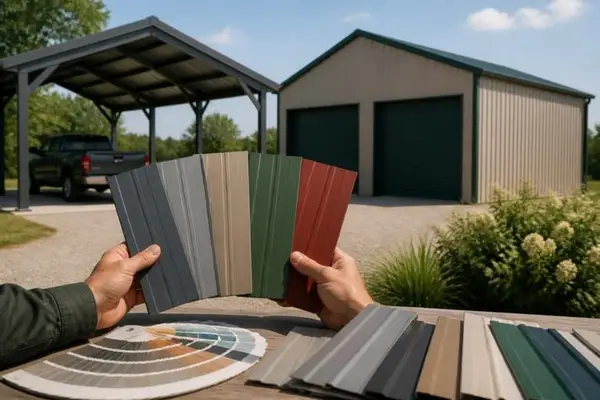
Modern car ports offer extensive color and finish options that complement existing architecture. Matching roof colors to primary structures creates visual continuity, while contrasting selections can highlight the car port as a distinct feature.
Architectural style alignment ensures car ports enhance rather than detract from property appearance. Traditional homes benefit from A-frame roofs and conventional proportions, while contemporary properties pair well with vertical roof systems and clean, minimalist lines.
Landscaping around car ports softens the transition between structure and surroundings. Strategic plantings provide privacy screening, define space boundaries, and integrate metal components into the overall property aesthetic.
Car ports deliver exceptional value through practical vehicle protection, versatile functionality, and cost-effective installation that suits diverse budgets and property types. Whether you need basic coverage for a single vehicle or extensive shelter for multiple cars and equipment, selecting the right design and features ensures long-term satisfaction and maximum return on investment. Metal Structure Sales LLC specializes in customizable metal car ports with delivery and installation included, helping you find the perfect solution tailored to your specific needs and local conditions.