

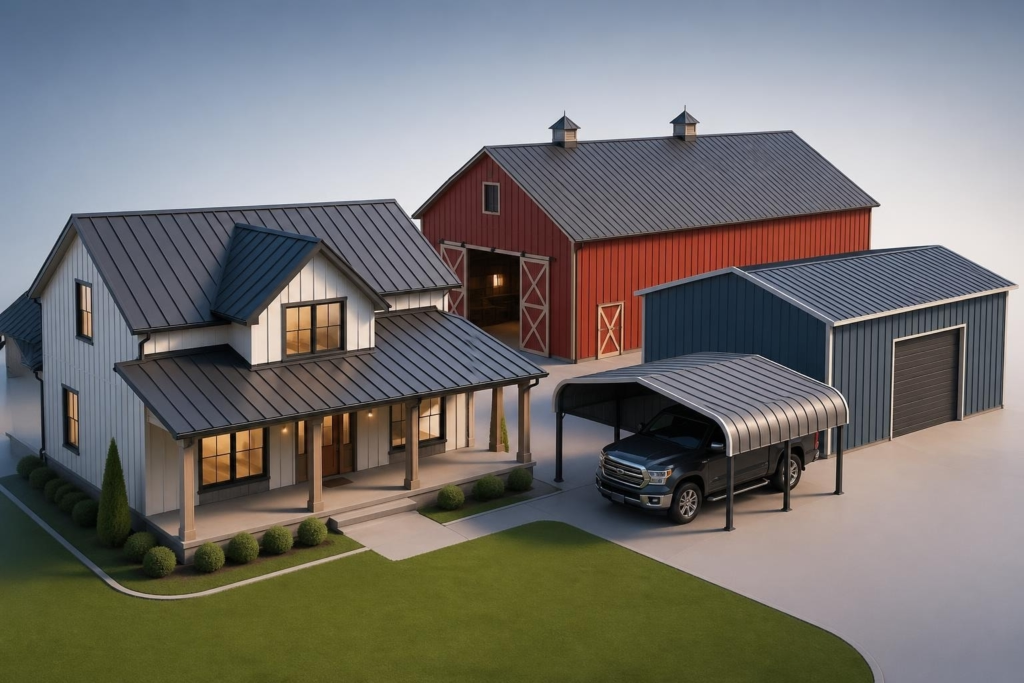
Metal coverings have transformed the way we protect and shelter our valuable assets, from vehicles to equipment to entire structures. These durable, weather-resistant solutions offer property owners a cost-effective way to extend the lifespan of their investments while enhancing aesthetic appeal. Whether you're considering a protective covering for your vehicle, seeking a reliable roofing solution, or planning a comprehensive metal structure, understanding the full scope of metal coverings can help you make informed decisions that serve you for decades to come.
Understanding Metal Coverings and Their Applications
Metal coverings encompass a broad range of protective solutions designed to shield structures, vehicles, and equipment from environmental elements. These versatile systems extend beyond traditional roofing applications to include carports, canopies, awnings, and specialized storage structures.
The fundamental purpose of metal coverings is to provide a barrier against weather-related damage. Rain, snow, hail, UV radiation, and wind can deteriorate exposed surfaces over time, leading to costly repairs or replacements. By installing appropriate metal coverings, property owners create a protective shield that maintains structural integrity and preserves the condition of whatever lies beneath.
Primary Categories of Metal Coverings
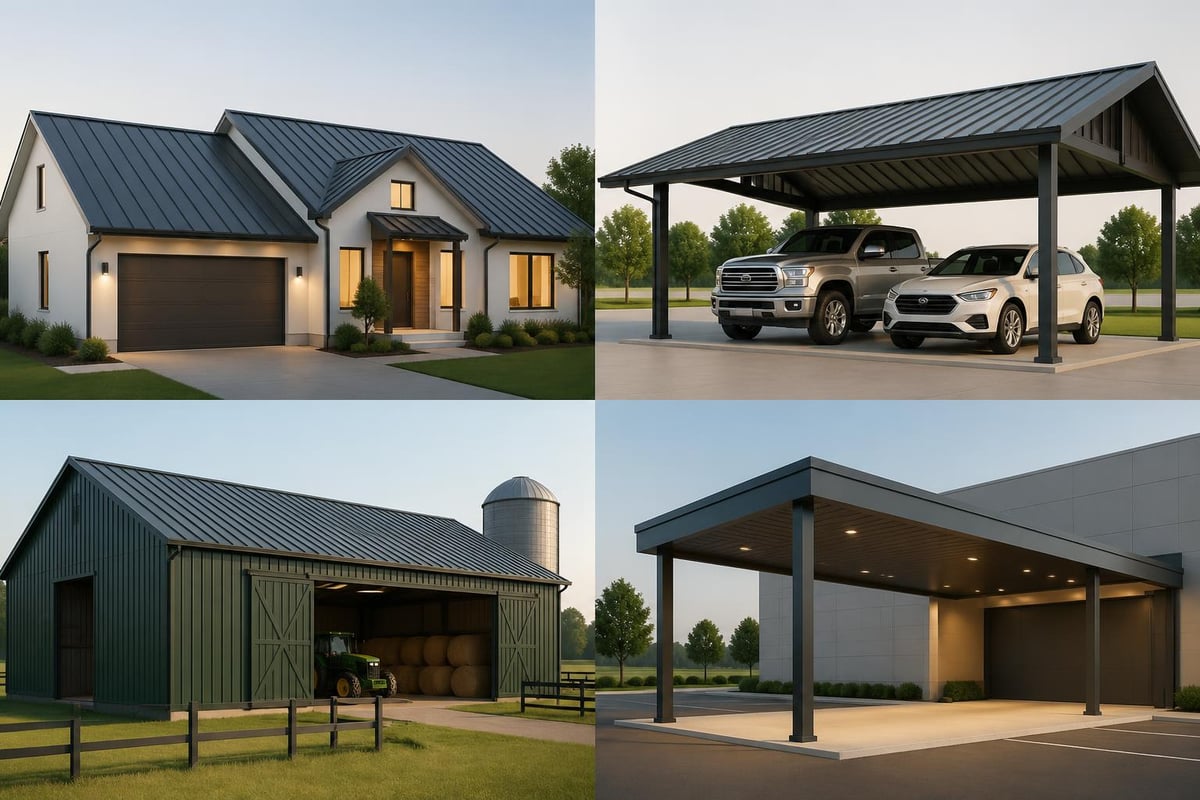
Roofing Systems represent the most traditional application, where metal panels or tiles protect buildings from top-down weather exposure. These systems vary in complexity from simple corrugated panels to sophisticated standing-seam installations.
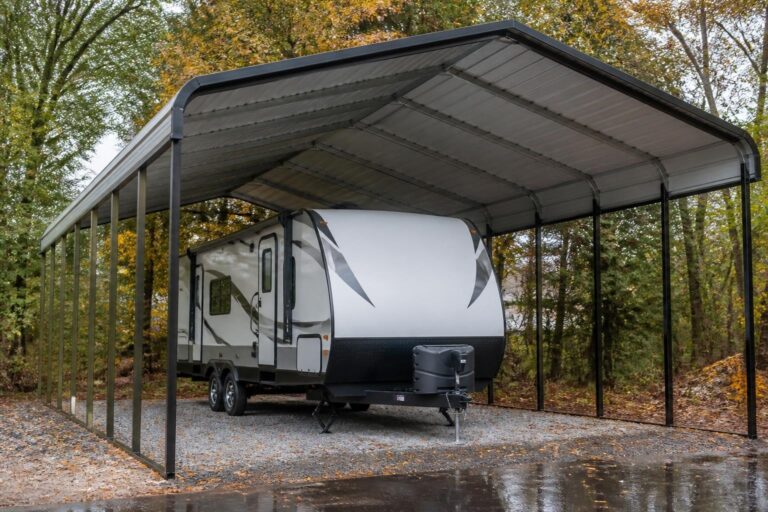
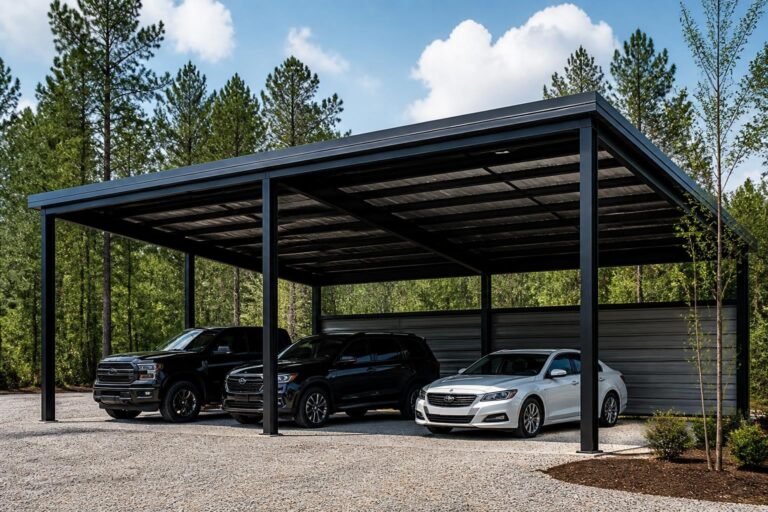
Carport and Vehicle Covers provide dedicated protection for automobiles, RVs, boats, and other vehicles without requiring fully enclosed garage construction. These structures offer weather protection while maintaining accessibility and ventilation.
Agricultural and Livestock Shelters include barn coverings, hay storage roofs, and equipment shelters that withstand harsh outdoor conditions while protecting valuable farming assets.
Commercial and Industrial Canopies serve businesses requiring covered loading areas, outdoor storage, or customer protection zones in retail environments.
Material Options for Metal Coverings
Selecting the right material for metal coverings significantly impacts performance, longevity, and maintenance requirements. Each metal type offers distinct advantages suited to specific applications and environmental conditions.
| Material | Lifespan | Weight | Corrosion Resistance | Cost Range |
|---|---|---|---|---|
| Galvanized Steel | 30-50 years | Moderate | Good | $$ |
| Galvalume Steel | 40-60 years | Moderate | Excellent | $$$ |
| Aluminum | 50+ years | Light | Excellent | $$$$ |
| Copper | 100+ years | Moderate | Superior | $$$$$ |
| Zinc | 60-100 years | Heavy | Superior | $$$$$ |
Steel-Based Metal Coverings
Galvanized steel remains one of the most popular choices for metal coverings due to its strength-to-cost ratio. The zinc coating protects the underlying steel from rust and corrosion, making it suitable for most climates. Steel building materials have evolved considerably, with modern coatings extending service life well beyond earlier generations.
Galvalume steel, a combination of aluminum and zinc coating, offers enhanced corrosion resistance compared to traditional galvanized options. According to Sheffield Metals International, Galvalume-coated steel can last 2-4 times longer than galvanized steel in similar conditions, making it an excellent choice for coastal or high-humidity environments.
Lightweight Metal Options
Aluminum metal coverings provide exceptional corrosion resistance without protective coatings, making them ideal for coastal installations where salt air accelerates deterioration of other materials. The lighter weight reduces structural load requirements, potentially lowering installation costs for existing buildings.
However, aluminum's softer nature makes it more susceptible to denting from hail or falling debris. Property owners in areas prone to severe weather should weigh this vulnerability against aluminum's corrosion benefits.
Design Considerations for Metal Coverings
Proper design ensures metal coverings perform optimally throughout their service life. Several factors influence the effectiveness and longevity of these protective systems.
Roof Pitch and Drainage
The slope of metal coverings directly affects water drainage efficiency. Steeper pitches shed water more quickly, reducing the risk of standing water and potential leak points. Most metal covering installations benefit from a minimum 3:12 pitch, though some specialized systems can function on lower slopes with appropriate sealing techniques.
Recommended pitch ranges include:
- Minimum pitch: 1:12 with special sealing considerations
- Standard pitch: 3:12 for general applications
- Optimal pitch: 4:12 or greater for maximum drainage
- Steep pitch: 6:12 or higher for snow-prone regions
Panel Orientation and Overlapping
Vertical panel orientation, where ribs run from peak to eave, facilitates natural water flow and prevents moisture accumulation. Proper overlap at panel joints creates weathertight seals that resist wind-driven rain penetration.
The standard overlap varies by panel type, with corrugated panels typically requiring one full corrugation overlap while standing-seam systems utilize specialized interlocking profiles. InspectAPedia’s comprehensive resource details specific overlap requirements for various metal covering configurations.
Installation Methods for Metal Coverings
Professional installation ensures metal coverings deliver their full protective potential. Installation approaches vary based on structure type, panel design, and intended application.
Through-Fastened Installation
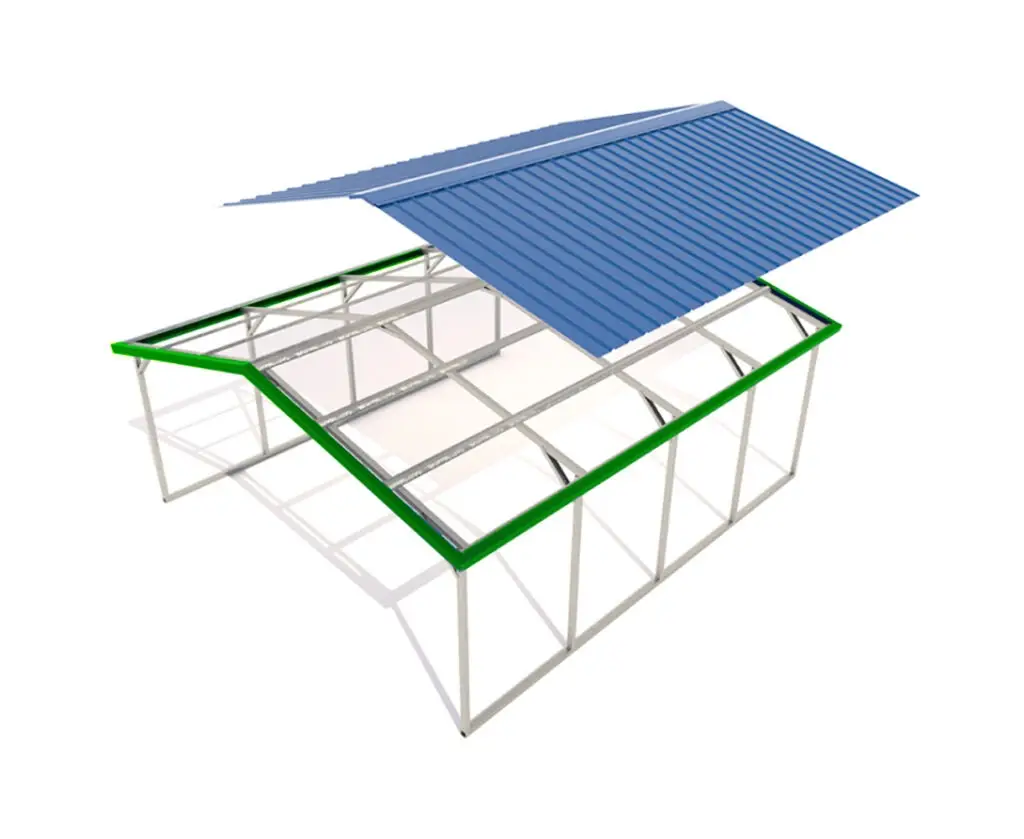
This traditional method secures metal panels directly to the underlying structure using exposed fasteners that penetrate the panel face. Through-fastened systems offer simplicity and cost-effectiveness, making them popular for carports, barns, and utility buildings.
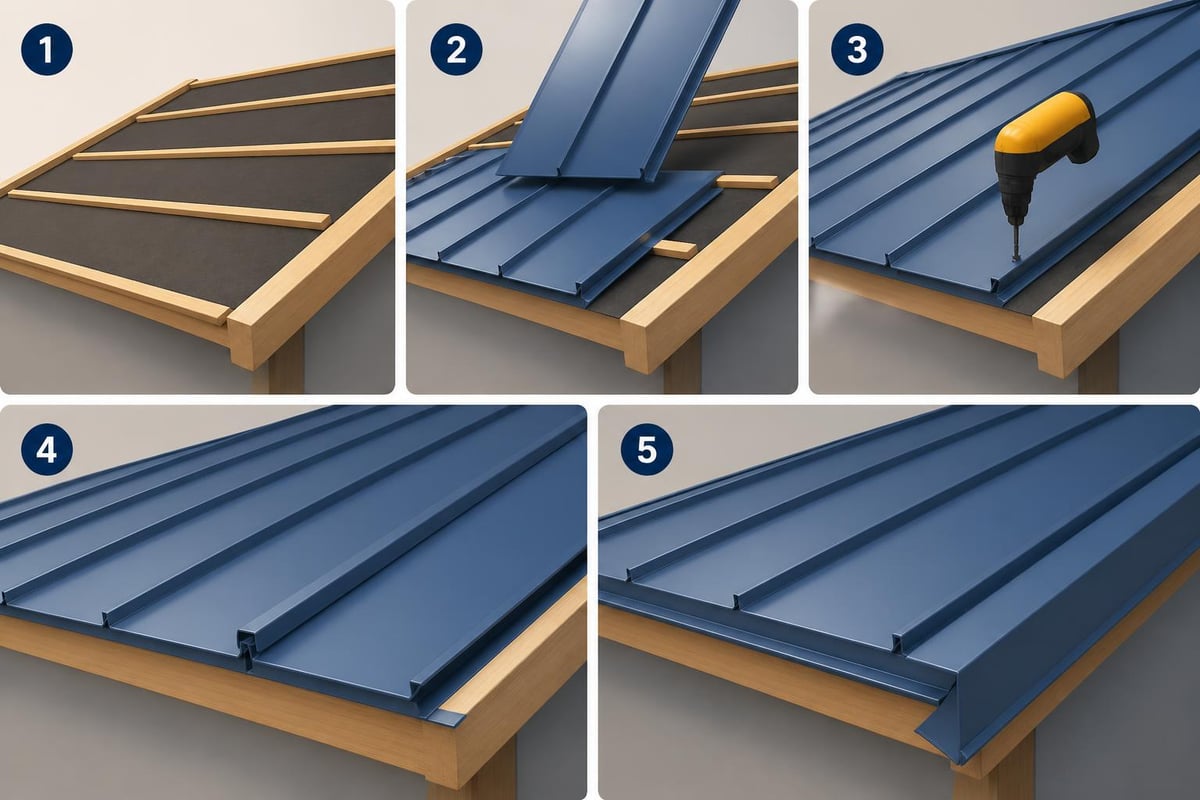
Key installation steps include:
- Installing underlayment and trim components
- Positioning the first panel with proper overhang
- Securing panels with corrosion-resistant fasteners
- Overlapping subsequent panels according to manufacturer specifications
- Installing ridge caps and finishing trim
The Home Depot installation guide provides detailed instructions for through-fastened panel installation, including fastener spacing and sealing requirements.
Standing-Seam Systems
Standing-seam metal coverings feature concealed fasteners that attach to clips beneath the panel seams. This approach eliminates penetrations through the panel face, reducing potential leak points and creating a cleaner appearance.
These premium systems expand and contract with temperature changes without stressing fastener points, contributing to extended service life. The installation complexity requires specialized tools and training, typically necessitating professional installation services.
Benefits of Metal Coverings for Property Protection
Property owners choosing metal coverings gain numerous advantages over traditional roofing materials and alternative protective structures. These benefits extend beyond simple weather protection to encompass financial, environmental, and practical considerations.
Durability and Longevity
Metal coverings resist common deterioration factors that plague organic roofing materials. They don't rot, warp, or support mold growth, maintaining structural integrity decades after installation. Unlike asphalt shingles that require replacement every 15-20 years, quality metal coverings can protect structures for 40-60 years or more with minimal maintenance.
Weather resistance characteristics include:
- Wind resistance up to 140 mph when properly installed
- Impact resistance against hail and falling debris
- Fire resistance with Class A fire ratings
- Snow-shedding capability reducing structural load
- UV resistance preventing degradation from sun exposure
Energy Efficiency Advantages
Reflective metal coverings reduce cooling costs by bouncing solar radiation away from the structure beneath. Light-colored metal roofing can reflect up to 70% of solar energy, significantly lowering attic temperatures compared to darker asphalt shingles. Homes & Gardens research indicates that metal roofing can reduce cooling costs by 10-25% in warm climates.
The thermal performance extends beyond mere reflection. Many metal covering systems incorporate ventilation channels or air spaces that promote heat dissipation, further enhancing energy efficiency throughout hot summer months.
Customization Options for Metal Coverings
Modern metal coverings offer extensive customization possibilities that allow property owners to match aesthetic preferences while meeting functional requirements. These options transform utilitarian protection into attractive architectural features.
Color and Finish Selections
Contemporary coating technologies provide metal coverings in virtually any color imaginable. High-performance paint systems resist fading, chalking, and peeling while maintaining vibrant appearance for decades. Popular finish options include:
- Matte finishes for understated elegance
- Glossy finishes for contemporary appeal
- Textured finishes simulating traditional materials
- Metallic finishes for industrial or modern aesthetics
Profile and Pattern Variations
Beyond flat panels, metal coverings are available in numerous profiles that create visual interest and enhance performance characteristics. Corrugated profiles add strength through their wave pattern, while ribbed panels provide clean linear aesthetics. Specialty profiles can replicate the appearance of traditional tile, shake, or slate roofing while delivering metal's superior durability.
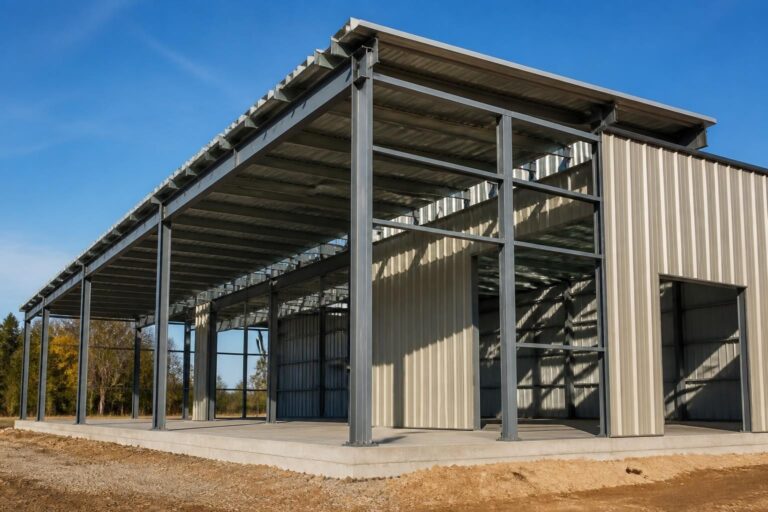
For vehicle protection specifically, metal carport designs can incorporate various roof styles including regular, boxed-eave, and vertical roof configurations. Fully enclosed metal buildings combine metal coverings with wall panels to create comprehensive weather protection for valuable equipment or storage needs.
Maintenance Requirements for Metal Coverings
One of metal coverings' most attractive features is their minimal maintenance demands compared to alternative materials. However, periodic attention ensures optimal performance throughout their extended service life.
Routine Inspection and Cleaning
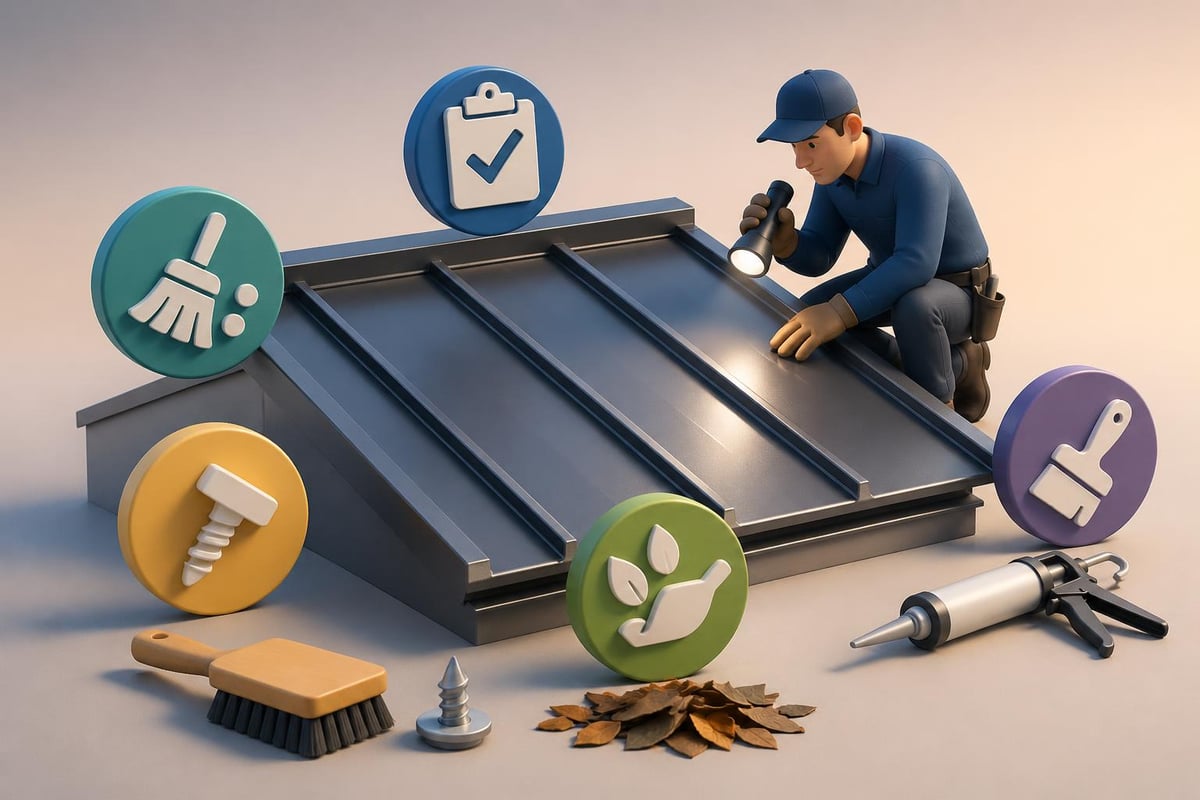
Annual inspections identify potential issues before they escalate into costly repairs. Property owners should examine fastener tightness, check for panel damage or displacement, and verify that drainage systems remain clear of debris.
Seasonal maintenance tasks include:
- Removing accumulated leaves, branches, and debris
- Clearing gutters and downspouts
- Inspecting and tightening loose fasteners
- Checking sealant condition around penetrations
- Examining panel condition for scratches or corrosion
Gentle washing with mild detergent and water removes dirt, pollen, and organic growth that can diminish appearance. Avoid abrasive cleaners or tools that might damage protective coatings.
Addressing Minor Damage
Small scratches or coating damage should receive prompt attention to prevent corrosion from developing. Touch-up paint matching the original coating color protects exposed metal surfaces. More significant damage may require panel replacement, though modular metal covering designs make selective replacement straightforward.
Cost Considerations for Metal Coverings
Understanding the financial aspects of metal coverings helps property owners make informed investment decisions. While initial costs may exceed some alternatives, the long-term value proposition often favors metal solutions.
Initial Investment Factors
Several variables influence the upfront cost of metal coverings, including material selection, structure size, design complexity, and installation requirements. Steel-based systems generally cost less than aluminum or specialty metals, while standing-seam installations command premium pricing over through-fastened alternatives.
| Cost Factor | Impact Level | Typical Range |
|---|---|---|
| Material type | High | $4-$15 per sq ft |
| Installation complexity | Moderate | $3-$8 per sq ft labor |
| Structure size | High | Economies of scale apply |
| Custom features | Moderate | 10-30% premium |
| Regional variations | Moderate | ±20% by location |
Understanding installation costs for steel buildings provides valuable context when budgeting for comprehensive metal covering projects.
Long-Term Value Analysis
The true cost of metal coverings emerges over decades of service rather than at initial purchase. When comparing lifetime costs, metal coverings often prove more economical than materials requiring frequent replacement or extensive maintenance.
A metal covering lasting 50 years eliminates the need for 2-3 asphalt shingle replacements during the same period. Add reduced maintenance costs, lower energy bills, and potential insurance discounts for fire-resistant roofing, and the total cost of ownership frequently favors metal solutions despite higher initial investment.
Regional Considerations for Metal Coverings
Geographic location influences material selection, design requirements, and performance expectations for metal coverings. Understanding regional factors ensures optimal results suited to local conditions.
Climate-Specific Requirements
Coastal regions demand enhanced corrosion resistance, making aluminum or high-grade Galvalume steel preferable to standard galvanized options. The salt-laden air accelerates deterioration of lesser coatings, potentially compromising protection within years rather than decades.
Snow-prone areas benefit from steeper roof pitches and reinforced structural support to handle increased load. Metal's smooth surface facilitates snow shedding, but designers must account for potential avalanche effects near building entries or pedestrian areas. For property owners in areas like Texas, considerations differ significantly from northern climates, emphasizing heat reflection and storm resistance over snow load capacity.
Wind considerations matter tremendously for metal covering performance. Hurricane-prone regions require enhanced fastening specifications, impact-resistant materials, and potentially more robust structural support. According to KK Roofing and Construction, proper installation techniques become even more critical in high-wind zones, where inadequate fastening can lead to catastrophic panel failure during severe weather events.
Local Building Code Compliance
Metal coverings must satisfy local building codes addressing fire resistance, wind uplift, snow load, and structural requirements. These regulations vary significantly by jurisdiction, with some areas imposing strict limitations on materials or installation methods.
Working with experienced installers familiar with regional codes ensures compliance and prevents costly modifications after installation. Professional metal structure providers typically handle permitting and inspections as part of their comprehensive service offerings.
Specialized Applications for Metal Coverings
Beyond standard roofing and basic carport structures, metal coverings serve numerous specialized purposes that leverage their unique performance characteristics.
Agricultural and Equestrian Facilities
Farm operations rely on metal coverings to protect valuable equipment, stored crops, and livestock. The non-combustible nature of metal reduces fire risk in hay storage areas, while the durability withstands the harsh conditions typical of agricultural environments.
Horse barns benefit particularly from metal coverings that resist moisture accumulation and associated mold growth. Proper ventilation integration with metal covering systems creates healthy environments for animals while protecting structures from weather damage.
Vehicle Protection Solutions
Dedicated vehicle protection represents one of the fastest-growing applications for metal coverings. Standard automobiles, recreational vehicles, boats, and commercial equipment all benefit from weather protection that metal carports provide.
For RV owners specifically, tall clearances and wide spans accommodate oversized vehicles that won't fit in standard garages. Metal carports designed for vehicle protection can be customized with specific dimensions, roof styles, and additional features like enclosed storage sections.
Commercial and Industrial Uses
Businesses utilize metal coverings for loading docks, outdoor storage, equipment shelters, and customer protection areas. The low maintenance requirements appeal to commercial operators seeking to minimize ongoing facility costs while maintaining professional appearance.
Manufacturing facilities often incorporate metal coverings over outdoor work areas, creating weather-protected spaces for operations that don't require fully enclosed buildings. The quick installation timeline minimizes business disruption compared to traditional construction approaches.
Future Trends in Metal Coverings
The metal coverings industry continues evolving with technological advances and changing consumer preferences shaping new developments.
Sustainable Material Innovations
Environmental consciousness drives demand for recycled-content metal coverings and more sustainable coating technologies. Many manufacturers now offer panels containing significant recycled steel or aluminum content without compromising performance characteristics.
Advanced coating formulations reduce environmental impact during manufacturing while maintaining or improving protective qualities. Some systems now incorporate photocatalytic coatings that actively break down air pollutants, creating environmental benefits beyond simple durability.
Integrated Technology Systems
Smart building integration extends to metal coverings with embedded sensors monitoring structural integrity, moisture intrusion, and temperature conditions. These monitoring systems alert property owners to potential issues before they become visible problems.
Solar integration represents another frontier, with metal covering systems designed to accommodate photovoltaic panels or incorporating solar technology directly into the roofing material. This dual-purpose approach maximizes roof surface utility while generating renewable energy.
Advances in installation technology continue improving efficiency and quality. Computer-aided design tools allow precise customization before fabrication begins, while specialized installation equipment reduces labor time and improves consistency. Resources like Arka Energy’s guide showcase modern approaches to metal covering installation that leverage contemporary tools and techniques.
Comparing Metal Coverings to Alternative Solutions
Understanding how metal coverings stack up against competing options helps property owners make confident decisions aligned with their specific needs and priorities.
Metal Versus Asphalt Shingles
Traditional asphalt shingles dominate residential roofing due to low initial cost and widespread contractor familiarity. However, their 15-25 year lifespan pales compared to metal's multi-decade durability. Shingles also absorb heat rather than reflect it, increasing cooling costs in warm climates.
The environmental impact differs substantially, with millions of tons of asphalt shingles entering landfills annually during roof replacements. Metal's recyclability and extended lifespan reduce this waste stream dramatically.
Metal Versus Wood Structures
Traditional wood framing covered with various materials remains popular for certain applications, particularly residential construction. Wood offers aesthetic warmth and ease of modification but requires regular maintenance including painting, staining, and treatment against rot and insects.
Metal coverings over steel or wood framing combine structural benefits with superior weather protection. The non-combustible nature provides fire resistance that wood cannot match, potentially lowering insurance premiums in fire-prone areas.
Metal Versus Fabric or Temporary Covers
Portable fabric carports and temporary shelters cost less initially but typically last only 5-10 years before requiring replacement. UV degradation weakens fabric materials, while wind can tear or displace entire structures during storms.
Metal coverings provide permanent protection that appreciates property value rather than deteriorating over time. The investment in quality metal structures pays dividends through decades of reliable service without repeated replacement costs.
Metal coverings deliver exceptional versatility and value across residential, agricultural, and commercial applications, protecting everything from vehicles to equipment to entire structures. Whether you need a carport to shelter your daily driver, an RV cover for your recreational vehicle, or a comprehensive metal building for storage and workspace, Metal Structure Sales LLC offers customizable solutions with delivery and installation included, ensuring your investment provides decades of reliable protection.