

A 16 x 20 carport represents one of the most versatile mid-sized options for vehicle protection, offering 320 square feet of covered space that accommodates multiple configurations. This dimension strikes an ideal balance between affordability and functionality, making it a popular choice for homeowners, small business owners, and property managers who need reliable shelter without the footprint of larger structures. Whether you’re protecting daily drivers, storing equipment, or creating a covered workspace, understanding the specifications and possibilities of this size can help you make an informed investment decision.
Understanding 16 x 20 Carport Dimensions and Coverage
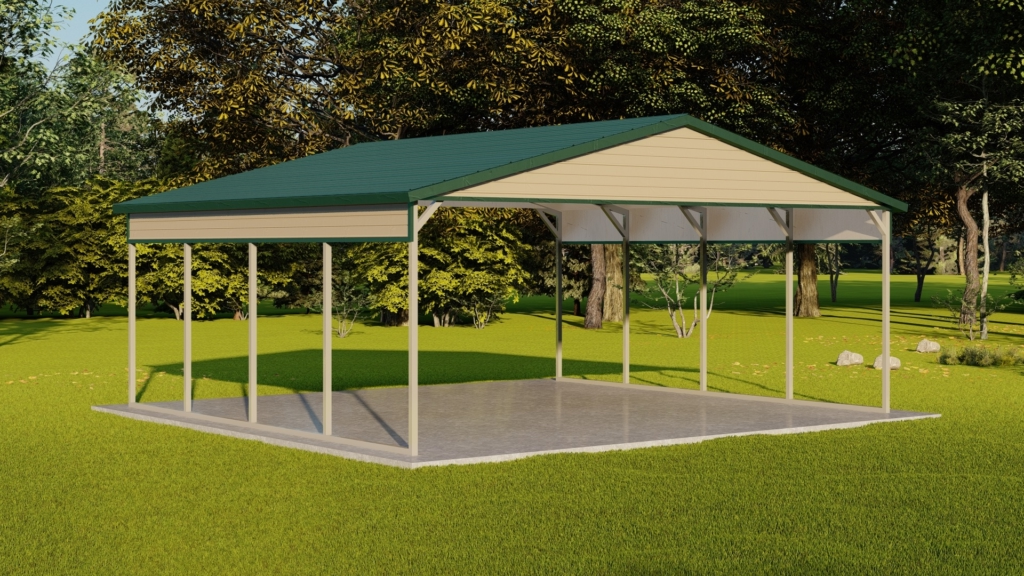
The footprint of a 16 x 20 carport provides substantial coverage for various applications. With 16 feet of width and 20 feet of length, this structure delivers 320 square feet of protected space that can shelter two compact vehicles, one full-size truck, a boat and trailer, or multiple motorcycles and ATVs.
When planning your installation, consider that the actual usable space depends on several factors including leg placement, roof style, and clearance requirements. Standard vertical clearance typically ranges from 6 to 12 feet, though customization allows for heights up to 16 feet for oversized vehicles or equipment.
Spatial Planning Considerations
The 16-foot width comfortably accommodates:
- Two compact or mid-size sedans side by side
- One full-size pickup truck with room for opening doors
- One SUV with adjacent storage space
- Workshop equipment with vehicle coverage
The 20-foot length provides adequate coverage for most standard vehicles while leaving space at either end for storage bins, tools, or workbenches. Building a carport requires careful consideration of these spatial relationships to maximize functionality.
Material Options and Construction Quality
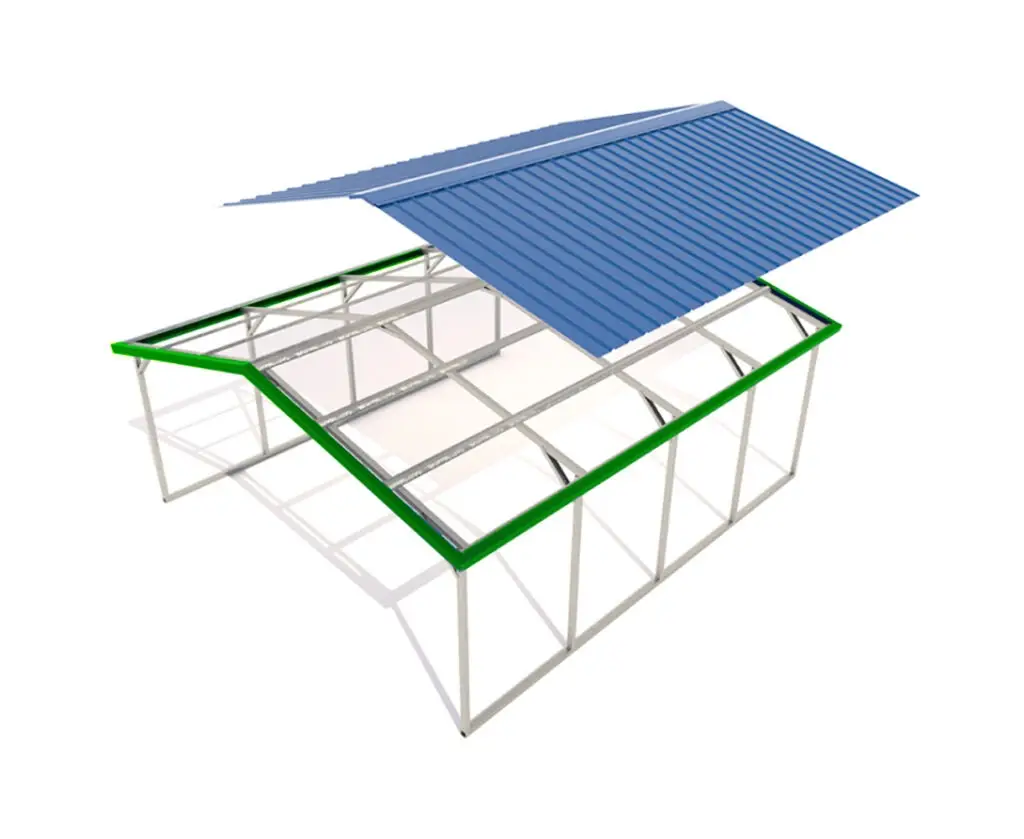
Metal construction dominates the carport industry for compelling reasons. Steel and aluminum frameworks offer superior durability, weather resistance, and longevity compared to wood alternatives. A 16 x 20 carport built with 12-gauge or 14-gauge steel tubing provides structural integrity that withstands high winds, heavy snow loads, and decades of weather exposure.
| Material Type | Gauge Thickness | Best Application | Lifespan |
|---|---|---|---|
| 12-Gauge Steel | 2.25mm | High wind/snow areas | 30+ years |
| 14-Gauge Steel | 1.9mm | Standard residential | 25+ years |
| Aluminum | Varies | Coastal/corrosive environments | 20+ years |
Roof Panel Specifications
The roof panels on quality metal structures typically come in 29-gauge or 26-gauge steel. The thicker 26-gauge option provides enhanced durability and better resistance to hail damage, making it worth the modest price increase for long-term protection.
Galvanized coating and powder-coated finishes protect against rust and corrosion. Most manufacturers apply multiple protective layers, starting with galvanization followed by color-coated finishes available in various standard colors. You can explore available color options to match your existing buildings or personal preferences.
Roof Style Selection for Your 16 x 20 Carport
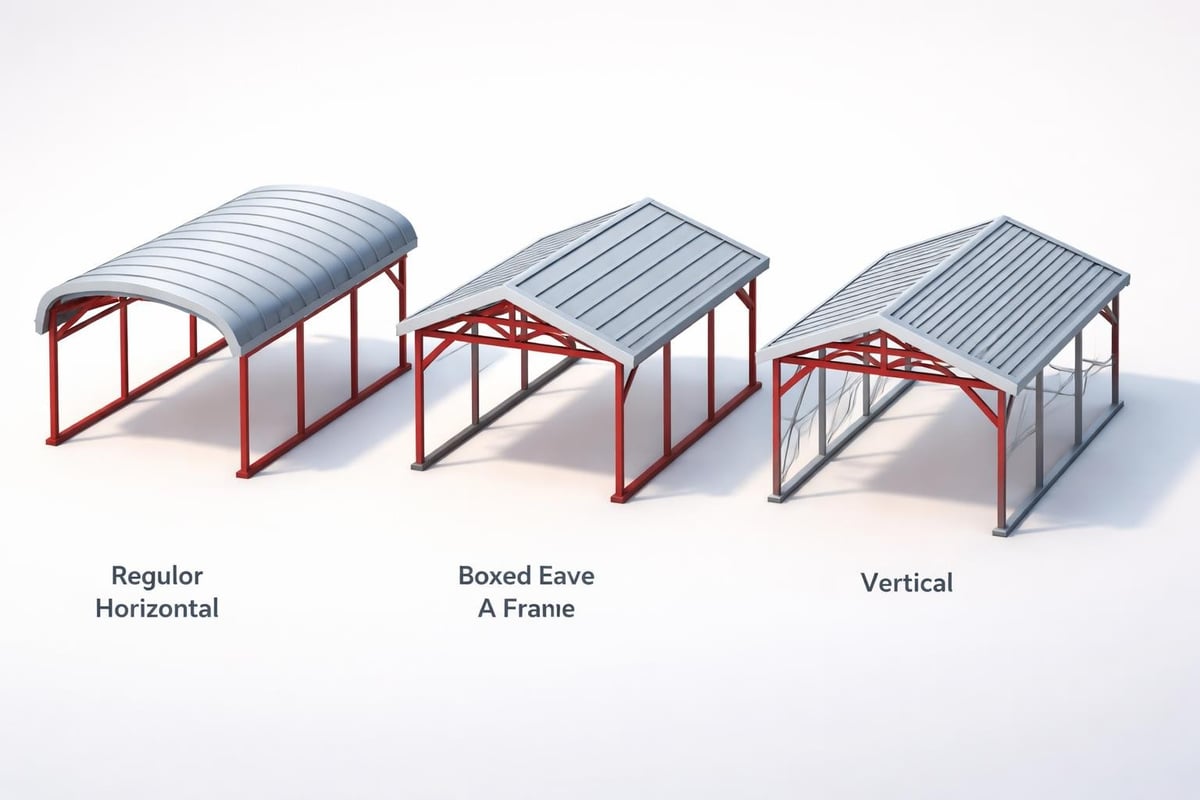
Choosing the appropriate roof style significantly impacts both aesthetics and functionality. Three primary styles dominate the market, each offering distinct advantages depending on your climate, budget, and intended use.
Regular Roof Style
The most economical option features horizontal roof panels with rounded edges. This style works well in areas with minimal snow accumulation and moderate weather conditions. The panels run side to side, creating a simple, cost-effective design suitable for basic vehicle protection.
Boxed Eave Roof Style
An upgraded option from the regular style, boxed eave roofs feature horizontal panels with an A-frame design. This configuration provides better water runoff and a more finished appearance. The boxed ridges add structural strength while maintaining moderate pricing.
Vertical Roof Style
The premium choice features panels running vertically from ridge to eave, allowing rain, snow, and debris to slide off efficiently. Vertical roofs excel in areas with heavy precipitation or snowfall, as the design prevents accumulation that could stress the structure. This style also qualifies for most manufacturer warranties and building code requirements in areas with strict regulations.
For structures requiring maximum durability and weather resistance, the vertical roof configuration represents the best investment. Understanding carport types helps clarify which roof style matches your specific climate conditions.
Pricing Factors and Budget Considerations
The cost of a 16 x 20 carport varies based on multiple factors, with prices typically ranging from $2,500 to $6,000 depending on specifications and regional variations. Understanding these cost drivers helps you budget appropriately and identify the best value for your needs.
Primary price influencers include:
- Gauge thickness of frame and panels
- Roof style selection
- Leg height and clearance requirements
- Certification for wind and snow loads
- Installation complexity and site preparation
- Geographic location and delivery distance
Certification and Engineering Requirements
Structures requiring certified wind ratings or engineered snow load calculations cost more due to additional materials and engineering documentation. However, these certifications ensure compliance with local building codes and provide peace of mind in severe weather regions.
If you’re working within tight financial constraints, explore affordable carport options that maintain quality while optimizing cost efficiency. Many manufacturers offer financing programs and rent-to-own arrangements that make ownership accessible.
Installation Methods and Site Preparation
Proper installation ensures your 16 x 20 carport performs reliably for decades. Three primary anchoring methods accommodate different ground conditions and permanence requirements.
Anchoring Options
- Ground anchors – Ideal for soil-based installations, these auger-style anchors screw deep into the earth, providing stability without concrete
- Mobile home anchors – Designed for areas with regulations against permanent structures, allowing for potential relocation
- Concrete anchors – The most permanent and stable option, involving pouring footings or attaching to existing concrete slabs
Site preparation requirements vary by installation method. Level ground provides the best foundation, though slight slopes can be accommodated with adjustments. Professional installation typically includes site evaluation and preparation as part of the service.
Most reputable providers include delivery and installation in the total price, eliminating the need for DIY construction or hiring separate contractors. This comprehensive service ensures proper assembly and often comes with warranty coverage.
Common Applications for 16 x 20 Carports
The versatility of this size makes it suitable for numerous residential and commercial applications beyond basic vehicle storage. Understanding these diverse uses can help you maximize your investment.
Residential Uses
- Multi-vehicle protection – Park two daily drivers or one vehicle plus a motorcycle
- RV and boat storage – Shelter travel trailers, small RVs, or boats during off-seasons
- Outdoor workshop – Create covered workspace for projects, repairs, or hobbies
- Equipment storage – Protect lawn mowers, ATVs, garden tools, and seasonal equipment
- Entertainment area – Transform into a covered patio for gatherings and outdoor activities
Commercial Applications
Small businesses find significant value in 16 x 20 carports for operational needs. Landscaping companies use them for equipment protection, mobile service businesses shelter work vehicles, and retail operations create covered loading zones. The structure provides professional appearance while delivering practical weather protection.
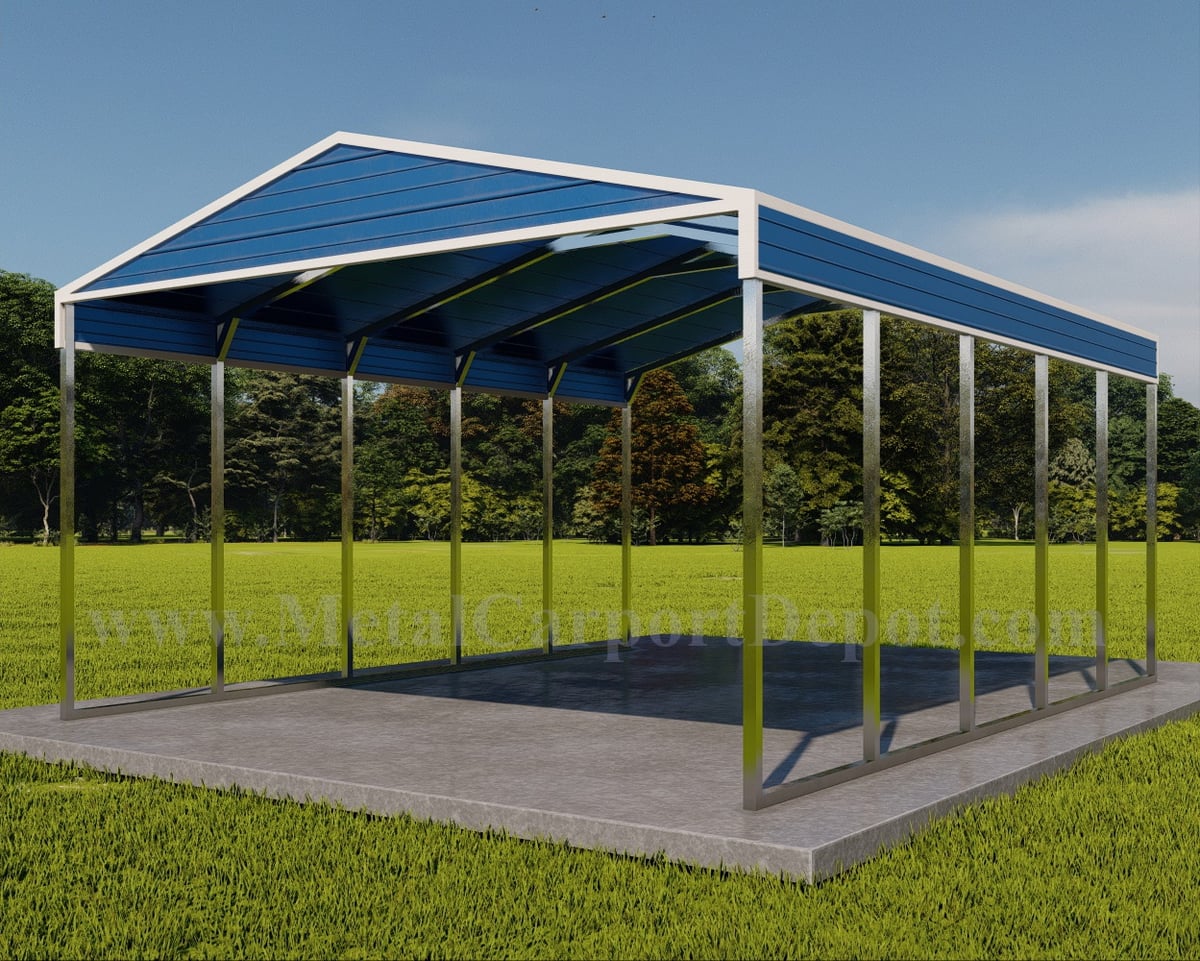
For those needing customization flexibility, the Metal Carport design center allows you to configure specifications, visualize the structure, and receive instant pricing tailored to your exact requirements.
Customization Options to Enhance Functionality
Standard 16 x 20 carports offer solid protection, but customization transforms them into precisely tailored solutions. Modern manufacturers provide extensive modification options that adapt structures to specific needs without requiring completely custom fabrication.
Popular Enhancements
Enclosed walls – Adding panels to one, two, or three sides provides directional wind protection and enhanced security. Partial enclosure works particularly well for areas with prevailing winds from specific directions.
Gable ends – These A-frame enclosures on the short ends prevent rain and snow from blowing through while adding structural rigidity and aesthetic appeal.
Extra height – Increasing leg height from standard 6-7 feet to 10-12 feet or higher accommodates tall vehicles, provides better air circulation, and creates comfortable workspace clearance.
| Enhancement | Typical Cost Increase | Primary Benefit |
|---|---|---|
| One side wall | 20-30% | Wind/rain protection |
| Gable ends (both) | 15-25% | Weather seal, aesthetics |
| Extra 3ft height | 10-20% | Clearance, versatility |
| Full enclosure | 60-80% | Maximum security, storage |
Doors and Windows
Fully or partially enclosed structures can incorporate walk-in doors, garage doors, and windows. Roll-up doors provide convenient vehicle access, while standard entry doors facilitate foot traffic. Windows add natural light to enclosed workshops or storage areas.
Permitting and Building Code Compliance
Most municipalities regulate permanent structures including carports. Understanding local requirements before purchase prevents costly delays or modifications. Regulations typically address setback distances from property lines, maximum heights, and structural engineering specifications.
Common permit requirements:
- Minimum distance from property boundaries (often 5-10 feet)
- Maximum structure height restrictions
- Wind and snow load certifications
- Zoning compliance for intended use
- HOA architectural approval (if applicable)
Selecting heavy-duty carports that meet local building codes ensures compliance and long-term structural integrity. Many manufacturers provide engineered drawings and certification documentation specifically for permitting purposes.
Before ordering, check with your local building department about specific requirements in your area. Some jurisdictions distinguish between temporary and permanent structures based on anchoring methods, which may influence your installation choice.
Maintenance Requirements and Longevity
Metal carports require minimal maintenance compared to wood structures, contributing to their total cost-effectiveness over decades of use. However, periodic inspections and basic upkeep extend lifespan and maintain appearance.
Annual Maintenance Checklist
- Inspect all bolts and connections for tightness
- Check anchors for stability and ground shifting
- Remove debris from roof and gutters
- Clean panels with mild soap and water
- Touch up any scratched or damaged coating
- Verify drainage away from legs and footings
Snow and ice management in winter climates involves removing heavy accumulations from regular or boxed eave roofs. Vertical roof styles shed snow naturally, requiring less intervention. Never use sharp tools that could damage protective coatings.
Most quality metal structures carry warranties ranging from 10 to 20 years on framework and 20 to 40 years on roof panels. Proper maintenance ensures you realize the full lifespan potential of these warranties.
Comparing 16 x 20 to Alternative Sizes
Understanding how this size relates to other common dimensions helps confirm it meets your needs or suggests alternatives worth considering.
Smaller options (12 x 20) – Reduces cost by approximately 25% but limits width to single-vehicle coverage or narrow dual parking. Works well for compact cars or motorcycle storage.
Larger alternatives (18 x 20 or 20 x 20) – Adds 40-80 square feet at 15-30% price increase. Provides more comfortable dual-vehicle parking or additional storage space alongside vehicles.
Extended length (16 x 25 or 16 x 30) – Keeps width manageable while adding length for longer vehicles, boats, or rear storage areas. Typically costs 20-40% more than base 16 x 20.
The 16 x 20 configuration hits a sweet spot for many buyers, balancing affordability with versatility. Frequently asked questions about sizing help clarify which dimensions best match specific vehicle types and usage patterns.
DIY vs. Professional Installation Considerations
While some experienced builders tackle carport installation independently, professional installation offers significant advantages that often justify the cost. Understanding both approaches helps you make an informed decision based on skills, time, and risk tolerance.
DIY Installation Challenges
Building a carport yourself requires:
- 2-4 people for safe assembly
- Specialized tools including levels, drills, and wrenches
- Understanding of structural principles and local codes
- 16-30 hours of labor for complete installation
- Risk of improper assembly affecting warranty coverage
DIY carport plans provide detailed instructions, but metal structure assembly differs significantly from wood construction and requires precision.
Professional Installation Benefits
- Guaranteed proper assembly and structural integrity
- Included in total price from many manufacturers
- Warranty coverage without installation concerns
- Efficient completion (typically 4-8 hours)
- Experience with site-specific challenges
- Proper permitting and code compliance
Professional installers encounter various site conditions regularly and adapt installation techniques accordingly. Their expertise prevents common mistakes that could compromise structural performance or void warranties.
Regional Considerations and Climate Adaptation
Your geographic location significantly influences optimal specifications for a 16 x 20 carport. Different climates present unique challenges that proper design addresses effectively.
High Wind Areas
Coastal regions and plains states experience sustained high winds requiring certified ratings. Look for structures certified to withstand 130-170 mph winds through reinforced framing, additional anchoring, and specific engineering. Vertical roof styles perform better in extreme wind conditions.
Heavy Snow Regions
Northern climates with significant snowfall need structures engineered for snow loads of 30-60 pounds per square foot. Vertical roofs prevent dangerous accumulation, while reinforced frameworks support temporary loads. Increased leg height allows snow to slide off without creating ground-level barriers.
Extreme Heat and Sun
Southern regions benefit from reflective roof coatings that reduce heat absorption and protect panel finishes. Light colors reflect more solar radiation, maintaining cooler conditions underneath. UV-resistant coatings prevent fading and degradation from constant sun exposure.
Understanding different carport types and their regional suitability ensures your investment performs optimally in local conditions for decades.
Adding Value to Your Property
A well-designed 16 x 20 carport enhances property value through both functional and aesthetic contributions. Real estate professionals note that covered parking ranks among top buyer preferences, particularly in regions with harsh weather.
Value-adding factors include:
- Protected parking increases appeal to vehicle-conscious buyers
- Additional storage space addresses common property limitations
- Professional appearance enhances curb appeal
- Versatile structures demonstrate property functionality
- Quality construction suggests overall property maintenance
Matching carport colors and styles to existing buildings creates cohesive aesthetics that maximize visual appeal. Modern metal structures offer clean lines and professional appearance that complement various architectural styles from traditional to contemporary.
Making the Final Decision
Selecting the right 16 x 20 carport involves balancing immediate needs with long-term goals. Consider how your requirements might evolve over 5-10 years. A structure that accommodates current vehicles while allowing for potential changes in fleet composition or storage needs provides the best value.
Prioritize quality over minimal price. The difference between budget and premium options often amounts to $500-$1,000 but dramatically affects longevity, weather resistance, and satisfaction. High-quality materials and construction easily justify modest cost increases through decades of reliable performance.
Work with reputable manufacturers who provide comprehensive warranties, professional installation, and responsive customer service. Research customer reviews to understand real-world experiences with specific providers and their products.
A 16 x 20 carport delivers exceptional versatility and value for protecting vehicles, equipment, and creating functional outdoor spaces. By carefully considering materials, customization options, and installation requirements, you ensure your investment serves reliably for decades. Metal Structure Sales LLC specializes in high-quality metal carports with customizable features, professional installation, and comprehensive warranties to meet your specific needs. Their expert team helps you design the perfect structure with delivery and installation included, making vehicle protection both affordable and hassle-free.