

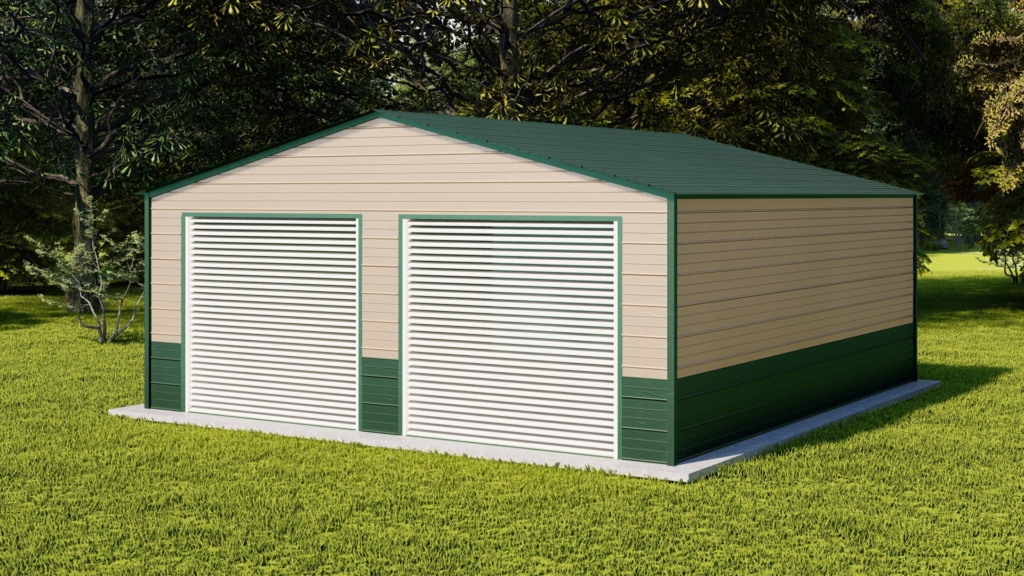
Metal shop buildings have become essential structures for professionals, hobbyists, and businesses seeking durable workspace solutions. These versatile steel structures combine the functionality of traditional workshops with modern construction techniques, offering customizable spaces that protect valuable equipment while providing ample room for projects. Whether you’re a contractor needing secure equipment storage, a woodworker requiring ventilated workspace, or an automotive enthusiast seeking a professional garage environment, metal shop buildings deliver practical solutions that withstand decades of use. Understanding the design options, construction considerations, and customization possibilities helps property owners make informed decisions that align with their specific operational needs.
Understanding Metal Shop Building Construction
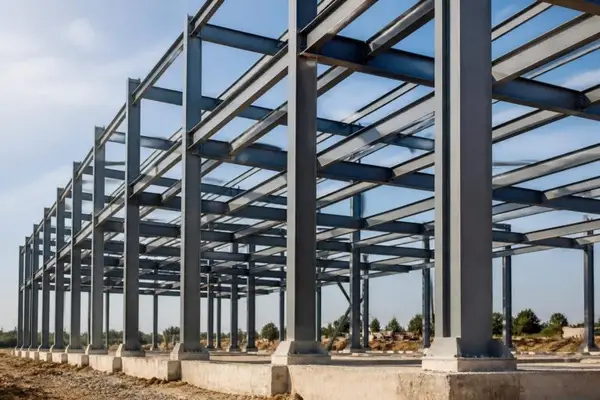
The fundamental construction of metal shop buildings relies on engineered steel framing systems that provide superior strength-to-weight ratios compared to conventional building materials. Most modern structures utilize rigid frame design or post-frame construction methods, each offering distinct advantages depending on clear span requirements and intended use. Rigid frame systems employ welded or bolted connections between vertical columns and horizontal rafters, creating continuous load paths that eliminate the need for interior support columns in spans up to 60 feet wide.
The Metal Building Manufacturers Association establishes comprehensive industry standards that govern design, fabrication, and construction practices, ensuring consistent quality across manufacturers. These standards address critical factors including wind load resistance, snow load capacity, seismic considerations, and connection details that directly impact structural performance.
Primary Framing Components
Metal shop buildings incorporate several essential structural elements that work together to create stable, long-lasting facilities:
- Primary frames consisting of columns and rafters spaced 20 to 30 feet apart
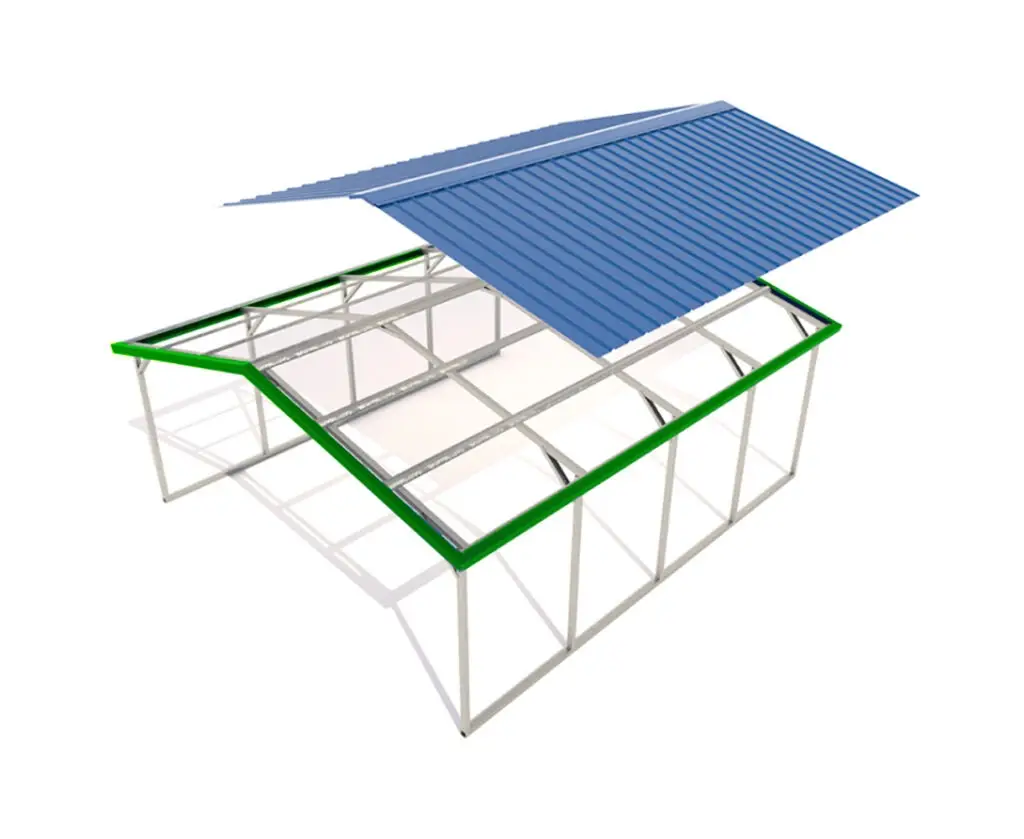
- Secondary framing including purlins and girts that support roof and wall panels
- Bracing systems providing lateral stability against wind and seismic forces
- Foundation anchor points transferring building loads to concrete footings
- Roof and wall panels serving as both structural diaphragms and weather barriers
The gauge thickness of steel framing members typically ranges from 12-gauge to 16-gauge, with heavier gauges used in primary load-bearing components. Panel selection involves choosing between 26-gauge, 29-gauge, or heavier materials based on local weather exposure and desired lifespan.
Design Configurations for Workshop Spaces
Metal shop buildings accommodate diverse operational requirements through flexible floor plan configurations and customizable dimensions. Clear-span designs ranging from 20 feet to 60 feet wide eliminate interior columns, maximizing usable floor space for equipment placement and workflow efficiency. This open design proves particularly valuable for automotive shops, woodworking facilities, and equipment maintenance operations where unobstructed access supports productivity.
When designing your shop layout, consider the relationship between building width, length, and ceiling height. Standard sidewall heights begin at 8 feet but commonly extend to 12, 14, or 16 feet to accommodate lift equipment, overhead cranes, or tall machinery. The International Code Council provides model building codes that establish minimum height requirements based on occupancy classification and intended use.
| Building Width | Typical Applications | Standard Height Range |
|---|---|---|
| 20-30 feet | Personal workshops, small repair shops | 8-12 feet |
| 30-40 feet | Automotive shops, equipment storage | 10-14 feet |
| 40-60 feet | Manufacturing facilities, large workshops | 12-16 feet |
Door and Access Point Planning
Proper door placement significantly impacts workflow efficiency and equipment access. Walk doors measuring 3 feet by 7 feet provide personnel entry, while overhead doors ranging from 8×8 feet to 12×14 feet accommodate vehicles and large equipment. Many shop owners install multiple door configurations along sidewalls and endwalls, creating flexible access points that support various operational scenarios.
Roll-up doors, sectional overhead doors, and hydraulic doors each offer different advantages. Roll-up doors maximize header clearance and prove ideal for frequent access, while insulated sectional doors provide superior thermal performance for climate-controlled environments. Consider positioning doors to facilitate efficient material flow and equipment movement throughout your daily operations.
Roof System Options and Considerations
Roof design significantly influences both structural performance and interior functionality of metal shop buildings. Three primary roof styles dominate the market, each offering distinct benefits for workshop applications. Regular roof style buildings feature horizontal roof panels with rounded corners, providing economical construction while accommodating moderate snow and rain loads. This style suits temperate climates where extreme weather events occur infrequently.
Boxed-eave roof systems incorporate enclosed eaves and horizontal roof panels, creating a more finished appearance while improving weather resistance at vulnerable roof-wall junctions. These systems direct water runoff more effectively than regular roof styles, reducing the risk of leaks and extending panel lifespan.
The vertical roof design represents the premium option for metal shop buildings, featuring panels oriented vertically along the roof slope. This configuration delivers superior performance in heavy snow regions and areas experiencing severe weather conditions. Vertical roof systems shed precipitation more efficiently, minimize debris accumulation, and qualify for higher wind and snow load ratings. For professional workshops requiring maximum durability and weather protection, vertical roof construction provides long-term value despite higher initial investment.
The Metal Construction Association offers extensive resources on roofing systems and panel specifications that help property owners select appropriate materials for their regional climate. Roof pitch selection typically ranges from 3:12 to 4:12 slope ratios, balancing interior headroom with water shedding performance.
Insulation and Climate Control Strategies
Thermal management directly impacts both comfort and operational costs in metal shop buildings. Fiberglass blanket insulation installed between framing members provides cost-effective thermal resistance, with R-values ranging from R-10 to R-30 depending on thickness and density. Properly installed insulation reduces heating and cooling expenses while minimizing condensation issues that can damage tools and equipment.
Spray foam insulation delivers superior performance by sealing air gaps and providing both thermal resistance and vapor barrier properties in a single application. Although more expensive initially, spray foam systems reduce long-term energy consumption and create tighter building envelopes that maintain consistent interior temperatures. The U.S. Department of Energy’s Building Energy Codes Program provides comprehensive guidance on insulation requirements and energy-efficient building envelope design.
Ventilation System Integration
Adequate ventilation prevents moisture buildup, removes fumes, and maintains air quality in workshop environments. Ridge vents installed along roof peaks create passive ventilation through natural convection, while sidewall louvers introduce fresh air at lower elevations. For shops generating welding fumes, paint vapors, or dust, mechanical ventilation systems incorporating exhaust fans rated for specific airflow volumes ensure safe working conditions.
Consider installing ceiling fans to promote air circulation throughout the workspace. Fans measuring 8 to 12 feet in diameter effectively distribute heated air during winter months while creating cooling breezes during summer operations. Combining passive and mechanical ventilation strategies optimizes air quality while controlling energy costs.
Customization Features for Functional Workshops
Modern metal shop buildings accommodate extensive customization options that transform basic structures into purpose-built facilities. Electrical system planning should occur during the design phase, with dedicated circuits for high-amperage equipment, adequate lighting placement, and strategically positioned outlets throughout the workspace. Most professional shops require 200-amp or larger electrical service, with separate circuits for welders, compressors, and other power-intensive tools.
Interior finishing options include insulated wall panels, painted surfaces, and protective wainscoting that resists impacts and abrasion. Many shop owners install wall-mounted storage systems, overhead racks, and built-in workbenches that maximize vertical space utilization. When planning interior layouts, maintain clear pathways for equipment movement and ensure adequate clearances around machinery as specified by manufacturer guidelines.
Windows provide natural lighting that reduces electricity costs and creates more pleasant working environments. Insulated window units with impact-resistant glazing protect against accidental damage while improving thermal performance. Position windows to maximize daylight penetration without compromising wall space needed for storage or equipment installation.
For those seeking comprehensive workshop solutions that combine covered work areas with enclosed storage, considering fully enclosed metal buildings provides the versatility to accommodate both protected workspace and secure equipment storage within a single structure.
Foundation Requirements and Site Preparation
Proper foundation design ensures long-term structural stability and prevents costly problems associated with settlement or movement. Metal shop buildings typically utilize one of three foundation types: concrete slab foundations, pier and beam systems, or continuous perimeter footings. Concrete slabs measuring 4 to 6 inches thick provide integrated floor surfaces and structural support, proving ideal for shops requiring smooth, level work areas.
Site preparation begins with soil testing to determine bearing capacity and identify potential drainage issues. Professional soil analysis identifies expansive clays, high water tables, or other conditions requiring specialized foundation designs. Proper site grading directs surface water away from the building perimeter, preventing moisture infiltration and foundation undermining.
Code Compliance and Permitting
Building permit requirements vary significantly by jurisdiction, with local authorities enforcing combinations of international model codes and regional amendments. Most locations require sealed engineering drawings for metal shop buildings, particularly structures exceeding certain square footage thresholds or height limits. The permitting process typically addresses:
- Structural calculations demonstrating code compliance for wind, snow, and seismic loads
- Foundation plans showing footing dimensions, reinforcement details, and frost protection
- Electrical and mechanical systems meeting current National Electrical Code standards
- Zoning compliance confirming permitted uses and setback requirements
- Fire safety provisions including exits, fire suppression, and separation distances
Working with experienced metal building contractors familiar with local requirements streamlines the approval process and prevents costly design revisions. Review ARCAT’s comprehensive manufacturer listings to identify suppliers providing engineered drawings and technical support throughout the permitting phase.
Safety Considerations and Structural Integrity
Understanding potential failure modes helps property owners specify appropriate design loads and maintenance procedures. The OSHA investigation report analyzing a metal building collapse identifies several critical factors including inadequate bracing, improper connections, and insufficient foundation anchorage. These findings emphasize the importance of engaging qualified professionals for both design and construction phases.
Regular structural inspections should address connection integrity, foundation settlement, panel condition, and bracing system effectiveness. Pay particular attention to base plates and anchor bolts, as these critical components transfer lateral loads to foundations. Loose or corroded fasteners compromise structural performance and require prompt replacement using grade-appropriate hardware.
Weather-related loads deserve special consideration in shop building design. Snow accumulation, wind pressure, and combined loading scenarios create complex stress patterns that properly engineered structures accommodate through adequate member sizing and connection capacity. Consulting services from firms like Exponent provide valuable insights into potential risks and appropriate mitigation strategies for specific geographic locations.
Cost Factors and Budget Planning
Metal shop building expenses encompass multiple cost categories beyond initial purchase price. Site preparation costs including grading, drainage improvements, and foundation work typically represent 15 to 25 percent of total project budgets. Electrical service installation, concrete slab placement, and utility connections add substantial expenses that vary based on site conditions and local labor rates.
Building size directly impacts total investment, with price per square foot generally decreasing as building dimensions increase. A 30×40-foot shop building costs more per square foot than a 40×60-foot structure due to fixed costs distributed over smaller areas. However, oversizing buildings beyond immediate needs wastes resources and increases ongoing expenses for heating, cooling, and maintenance.
| Cost Category | Typical Percentage | Key Variables |
|---|---|---|
| Building kit | 40-50% | Size, gauge, features |
| Foundation | 15-25% | Soil conditions, slab thickness |
| Installation | 20-30% | Site access, complexity |
| Electrical/mechanical | 10-15% | Service capacity, fixtures |
Long-term Value Considerations
Evaluating metal shop buildings requires examining lifecycle costs beyond initial construction expenses. Steel structures require minimal maintenance compared to wood-framed alternatives, with properly finished panels lasting 40 years or more without significant deterioration. Galvanized steel framing resists rust and corrosion, eliminating rot and termite damage common in traditional construction.
Energy efficiency directly impacts operating costs throughout building lifespan. Investing in adequate insulation, efficient lighting, and properly sealed doors reduces monthly utility expenses while creating more comfortable work environments. For those exploring affordable options, resources on carports for sale cheap demonstrate how strategic feature selection balances cost and functionality.
Specialized Applications and Industry Uses
Metal shop buildings serve diverse industries beyond general workshop applications. Automotive repair facilities benefit from clear-span designs accommodating multiple vehicle bays, overhead door configurations, and adequate ceiling heights for lifts and diagnostic equipment. Specialized ventilation systems remove exhaust fumes while compressed air systems and electrical infrastructure support professional repair operations.
Woodworking shops require dust collection integration, adequate natural lighting, and climate control protecting lumber inventory and finished products. Many woodworkers install dedicated spray finishing rooms within metal shop buildings, utilizing separate ventilation systems and explosion-proof electrical components meeting fire code requirements. Commercial roofing operations often utilize metal buildings for equipment storage and maintenance facilities, with companies like GM Roofing Services relying on durable structures that protect valuable roofing materials and specialized tools from weather exposure.
Manufacturing operations increasingly choose metal shop buildings for light industrial applications including fabrication, assembly, and quality control functions. The flexibility of steel construction accommodates overhead crane systems, mezzanine platforms, and modular office spaces integrated within production areas.
Agricultural workshops combine equipment repair, parts storage, and maintenance activities under single roof structures designed for rural settings. Metal horse barns demonstrate how versatile steel construction adapts to specialized agricultural requirements while providing durable, cost-effective shelter solutions.
Finishing Touches and Aesthetic Options
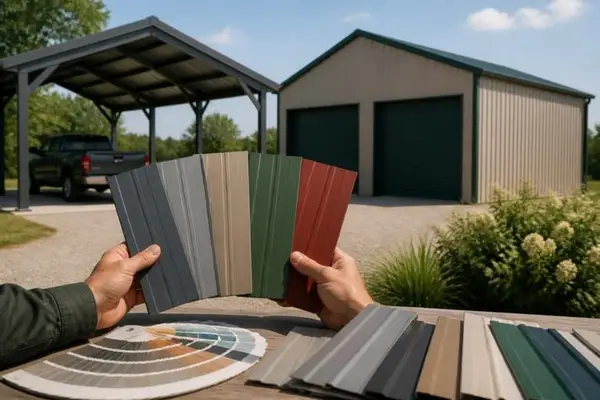
Modern metal shop buildings offer extensive aesthetic customization that complements surrounding architecture while maintaining professional appearance. Color selection extends beyond basic white or tan, with manufacturers offering 20 or more standard colors plus custom-matched options coordinating with existing structures. Trim packages in contrasting colors accent roof lines, corners, and door frames, creating visual interest without additional structural costs.
Exterior wainscoting applied to lower wall sections provides impact resistance while adding dimensional variety to building facades. These protective panels withstand damage from equipment, vehicles, and general workshop activities better than standard wall panels. Interior finishing options include painted surfaces, wall-mounted panels, and protective coatings that enhance both appearance and maintenance efficiency.
Upgrading to architectural-grade panels with concealed fastener systems creates cleaner exterior surfaces resembling commercial construction. While increasing initial costs, these premium panel systems deliver superior weather resistance and extended lifespan through improved sealing and reduced maintenance requirements.
Regional Considerations and Climate Adaptation
Geographic location significantly influences metal shop building specifications and performance requirements. Coastal regions demand enhanced corrosion protection through galvanized-plus-painted finish systems that resist salt spray deterioration. Additional fastener sealing and premium panel coatings extend service life in harsh marine environments where standard finishes fail prematurely.
Northern climates require increased roof loads to accommodate heavy snow accumulation, often necessitating steeper roof pitches and reinforced framing members. Proper insulation becomes critical in cold regions, with R-values of R-19 or higher recommended for maintaining comfortable temperatures and preventing ice dam formation. Heated shops benefit from vapor barriers installed on interior surfaces, controlling moisture migration that causes condensation and potential structural damage.
Wind-prone areas including tornado alleys and hurricane zones require engineered designs meeting elevated load standards. Enhanced anchorage systems, reinforced connections, and potentially heavier gauge framing ensure buildings withstand extreme weather events. The July 2023 issue of Metal Builder Magazine discusses AC472 accreditation standards that verify manufacturer quality and design capabilities, providing confidence when selecting suppliers for challenging installations.
For detailed information about regional variations and local building requirements, exploring Metal Structure Sales LLC service areas helps identify specific considerations for your geographic location.
Maintenance Procedures for Longevity
Implementing routine maintenance schedules preserves structural integrity and appearance throughout building lifespan. Annual inspections should examine panel condition, fastener tightness, door operation, and weather seal integrity. Touch up scratches or chips in painted surfaces promptly to prevent rust development, using manufacturer-matched paint for consistent appearance and protection.
Roof maintenance includes removing debris, clearing drainage paths, and inspecting for panel damage or fastener backing out. Accumulated leaves, branches, and other materials trap moisture against panels, accelerating corrosion and reducing coating lifespan. Simple cleaning procedures performed twice annually prevent deterioration and identify minor issues before they require expensive repairs.
- Clean gutters and downspouts quarterly to maintain proper drainage
- Lubricate door hardware annually for smooth operation and reduced wear
- Inspect foundation perimeter for settling or cracking requiring attention
- Test electrical systems to identify potential issues before equipment failure
- Verify ventilation function ensuring adequate airflow and moisture control
Documenting maintenance activities creates valuable records demonstrating building care for insurance purposes and future property transactions. Photograph building conditions annually, capturing overall appearance and specific areas showing wear or requiring attention.
Metal shop buildings deliver exceptional value through versatile design, durable construction, and customizable features that adapt to diverse operational requirements. Whether you need secure workspace for professional operations or hobby facilities supporting personal projects, selecting appropriate specifications ensures decades of reliable performance. Metal Structure Sales LLC offers comprehensive solutions including expert design assistance, quality materials, and complete installation services that transform your workshop vision into functional reality.