

Understanding the full scope of steel building installation cost requires looking beyond the structure itself. While the steel components represent a significant portion of your investment, installation expenses can add 30-60% to your total project budget. Professional installation ensures structural integrity, proper anchoring, and compliance with local building codes. This comprehensive guide examines every factor that influences installation costs, from site preparation to regional labor rates, helping you budget accurately for your metal building project in 2026.
Breaking Down Installation Labor Costs
Installation labor represents the largest component of your steel building installation cost. Professional crews typically charge between $5 and $12 per square foot for erection services, though this varies significantly based on building complexity and regional market conditions.
Labor costs fluctuate based on several key factors:
- Building size and height
- Roof style complexity (standard vs. vertical)
- Number of customizations and accessories
- Crew experience and certification level
- Project timeline and scheduling
Larger buildings often benefit from economies of scale, reducing per-square-foot installation costs. A 1,200-square-foot structure might cost $8 per square foot to install, while a 3,000-square-foot building could drop to $6 per square foot. The Wikipedia overview of steel buildings explains how prefabricated components simplify installation compared to traditional construction methods.
Regional Labor Rate Variations
Geographic location dramatically impacts steel building installation cost. Coastal regions and major metropolitan areas typically command premium rates, with installation crews charging 25-40% more than rural areas. California, New York, and Massachusetts consistently rank among the highest-cost states for installation services.
Conversely, Midwestern and Southern states often offer more competitive labor rates. The availability of experienced installation crews in your area directly affects pricing and scheduling. Areas with robust metal building markets generally have more competitive rates due to higher crew availability.

Foundation and Site Preparation Expenses
Foundation work constitutes a critical element of your total steel building installation cost. Unlike the steel structure itself, foundation requirements vary dramatically based on soil conditions, local building codes, and intended building use.
| Foundation Type | Cost Per Square Foot | Best Applications |
|---|---|---|
| Gravel pad | $2-$4 | Light-duty carports, temporary structures |
| Asphalt | $3-$7 | Residential carports, moderate traffic |
| Concrete slab (4-inch) | $5-$10 | Enclosed buildings, workshops, storage |
| Pier and beam | $8-$15 | Uneven terrain, areas requiring drainage |
Site preparation adds another layer to installation expenses. Clearing vegetation, grading land, and ensuring proper drainage can cost $1,500 to $5,000 depending on lot conditions. Properties with significant slopes or rocky soil require additional excavation work, potentially doubling site preparation costs.
Professional site assessment before installation prevents costly surprises. Many property owners underestimate the importance of proper ground preparation, leading to structural issues and additional expenses down the line. The steel building planning guide emphasizes how proper foundation work ensures long-term structural integrity.
Soil Testing and Engineering Requirements
Soil composition directly influences foundation design and cost. Clay-heavy soils expand and contract with moisture changes, requiring deeper footings. Sandy soils offer excellent drainage but may need reinforcement for larger structures.
Professional soil testing costs $500 to $2,000 but prevents foundation failures that could cost tens of thousands to repair. Engineering stamps and permit fees add $800 to $3,500 to your steel building installation cost, varying by jurisdiction and building size.
Accessibility and Site Logistics
Jobsite accessibility significantly influences installation expenses. Crews need space for equipment, material staging, and safe working conditions. Properties with limited access require smaller equipment or additional labor hours, increasing costs by 15-30%.
Site challenges that increase installation costs:
- Narrow driveways or gates
- Overhead power lines requiring relocation
- Steep terrain limiting equipment access
- Remote locations requiring extended crew travel
- Tight urban sites with restricted delivery windows
Installation crews typically use cranes, forklifts, or telehandlers for larger buildings. These machines need firm, level ground and adequate clearance. Properties requiring special equipment arrangements or multiple material deliveries face higher logistics costs.
The detailed cost analysis for metal buildings outlines how site-specific factors can add 10-40% to base installation estimates.
Customization Impact on Installation Complexity
Every customization added to your steel building affects installation time and cost. Walk-in doors, windows, insulation, and interior partitions require additional labor hours. While these features enhance functionality, they increase the steel building installation cost accordingly.
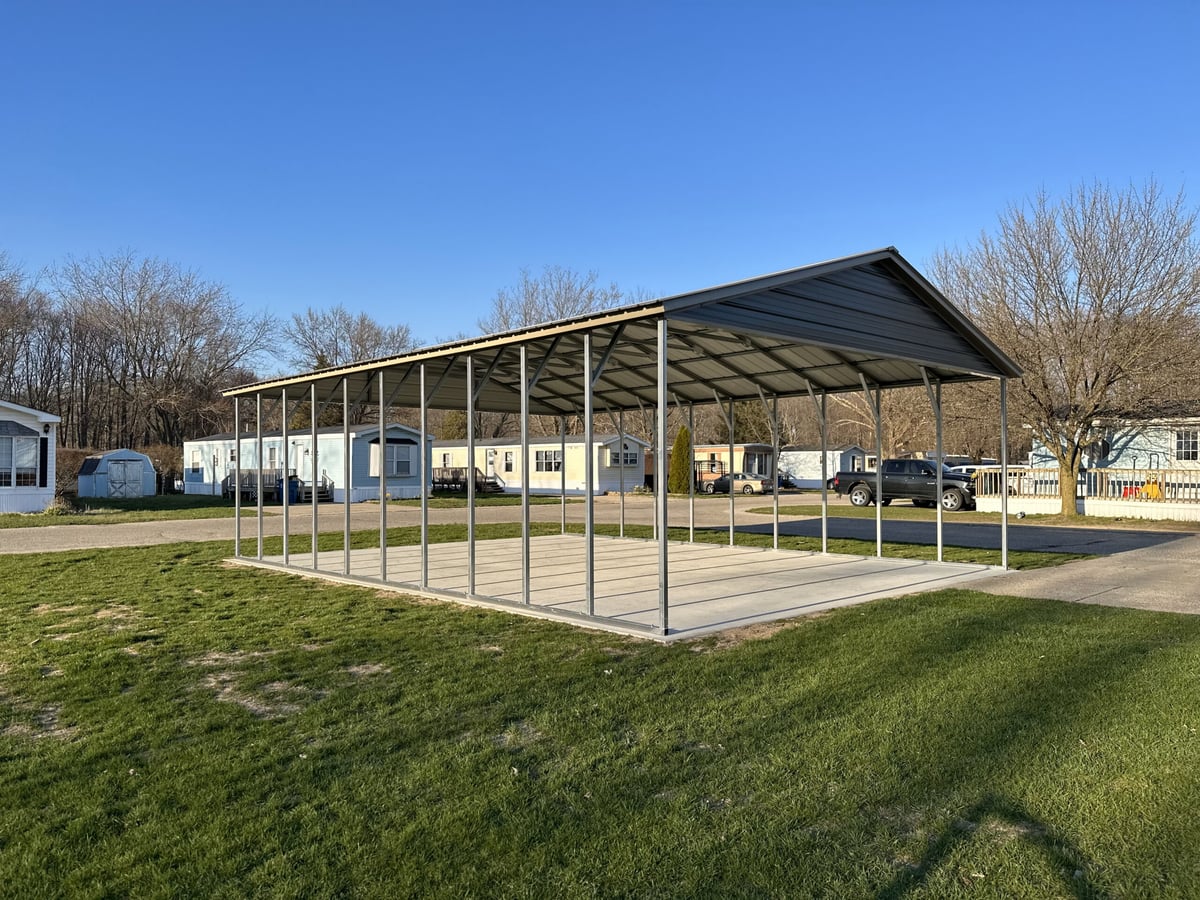
Standard configurations install most efficiently. A basic carport with no enclosed walls might take 1-2 days to install, while a fully enclosed building with windows, doors, and interior features could require 4-6 days. Labor costs scale directly with installation time.
Common Customizations and Installation Time
Simple additions (minimal cost impact):
- Extra bracing or reinforcement
- Standard color upgrades
- Basic trim and flashing
- Standard gutter systems
Moderate complexity (10-20% cost increase):
- Walk-in doors and framed openings
- Window installations
- Electrical conduit preparation
- Basic insulation packages
Complex features (20-40% cost increase):
- Interior partitions and walls
- Upgraded HVAC considerations
- Premium insulation systems
- Custom architectural elements
When you're ready to design a structure that balances features with budget, the Metal Carport configuration tool lets you visualize customizations and understand their impact on overall project costs, with installation included in transparent pricing.
Seasonal Considerations and Project Timing
Installation scheduling affects both availability and pricing. Spring and fall represent peak seasons for metal building installation, when weather conditions optimize working conditions but demand drives higher rates. Summer heat and winter cold present challenges that may extend installation timelines.
Winter installations in northern climates can save 10-20% on labor costs, though concrete work becomes challenging below freezing temperatures. Foundation work requires specific temperature ranges for proper curing, limiting cold-weather projects.
| Season | Installation Advantages | Cost Considerations |
|---|---|---|
| Spring | Ideal weather, optimal concrete curing | Peak pricing, longer scheduling lead times |
| Summer | Extended daylight hours, fast material handling | Heat stress, potential weather delays |
| Fall | Comfortable temperatures, quality workmanship | Shorter days, increasing demand |
| Winter | Lower labor rates, faster scheduling | Weather delays, foundation challenges |
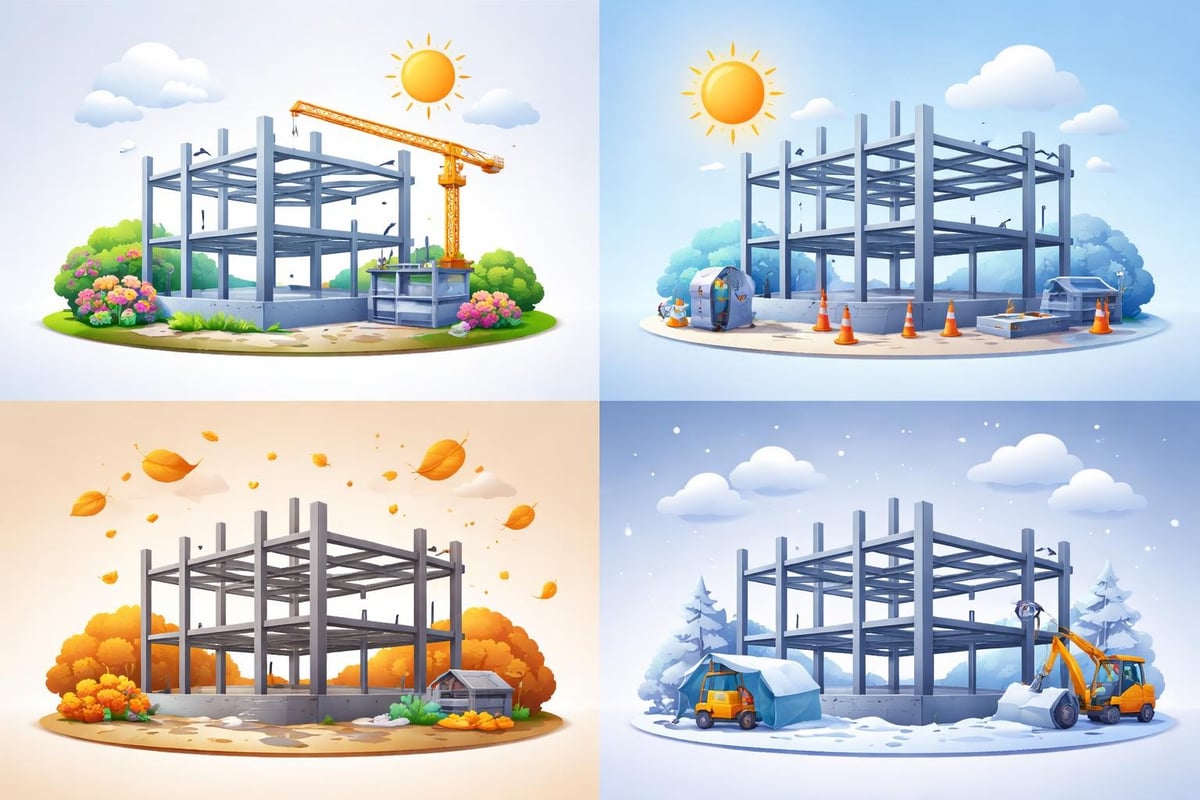
Planning your installation during shoulder seasons (early spring or late fall) often provides the best balance of favorable weather and competitive pricing. Experienced installation crews maintain year-round schedules, offering flexibility for property owners with timeline constraints.
Permit Requirements and Inspection Costs
Building permits add necessary expenses to your steel building installation cost. Permit fees range from $200 for simple carports to $2,500 or more for large enclosed structures. Requirements vary dramatically by jurisdiction, with some counties requiring engineered drawings and multiple inspections.
Most municipalities require permits for permanent structures, though temporary carports under certain sizes may be exempt. Professional installers typically handle permit applications, including this service in their installation quotes or charging $300-$800 separately.
Inspection requirements extend project timelines. Foundation inspections occur before concrete pouring, with final inspections after completion. Each inspection visit represents a potential delay if corrections are needed. Factor 1-2 weeks into your timeline for permit approval and inspection scheduling.
The comprehensive look at steel structure building costs highlights how regulatory compliance impacts total project expenses across different regions and building types.
HOA and Zoning Compliance
Homeowner associations and zoning boards impose additional requirements beyond municipal permits. HOAs may restrict building colors, require architectural review, or mandate specific placement locations. These processes add no direct cost but can delay projects by weeks or months.
Zoning setback requirements determine how close structures can be built to property lines. Violating setbacks results in costly relocations or legal issues. Professional site plans ensure compliance before installation begins, preventing expensive corrections.
Crane and Equipment Rental Expenses
Large steel buildings require specialized equipment for safe, efficient installation. Crane rental costs $200-$600 per day for standard residential projects, with larger commercial structures requiring equipment costing $1,000-$2,500 daily. Most installations need equipment for 1-3 days depending on building size.
Equipment needs based on building size:
- Under 1,000 sq ft: Telehandler or small crane, 1-day rental
- 1,000-2,500 sq ft: Mid-size crane, 1-2 day rental
- 2,500-5,000 sq ft: Full-size crane, 2-3 day rental
- Over 5,000 sq ft: Multiple equipment pieces, 3-5 day rental
Professional installers include equipment costs in their quotes, but understanding these expenses helps you evaluate proposals. Weather delays extend rental periods, potentially adding hundreds to thousands in unexpected costs. The detailed analysis of metal building costs includes equipment considerations for different building configurations.
Utility Connections and Electrical Work
Electrical service installation represents a separate expense beyond structural installation. Running power to your steel building costs $500-$3,000 depending on distance from existing service and capacity requirements. This includes trenching, conduit installation, and connection to your main panel.
Interior electrical work requires licensed electricians. Basic lighting and outlet circuits cost $1,500-$4,000 for standard buildings, while workshops with 220-volt service for tools can reach $5,000-$8,000. Electrical work must meet National Electrical Code standards and pass inspection.
HVAC considerations impact both installation and long-term costs. Mini-split systems offer efficient climate control for $2,000-$6,000 installed, while traditional units cost more but provide whole-building comfort. Insulation packages reduce energy costs but add $1.50-$3.00 per square foot to installation expenses.
Comparing DIY vs. Professional Installation
DIY installation can reduce your steel building installation cost by 30-50%, but requires significant expertise, time, and equipment access. Manufacturer-provided instructions guide the process, yet structural knowledge and construction experience are essential for safe, code-compliant assembly.
DIY installation requirements:
- 3-6 people for safe material handling
- Basic construction tools and equipment
- Understanding of structural principles
- Time flexibility for multi-day projects
- Ability to secure necessary permits
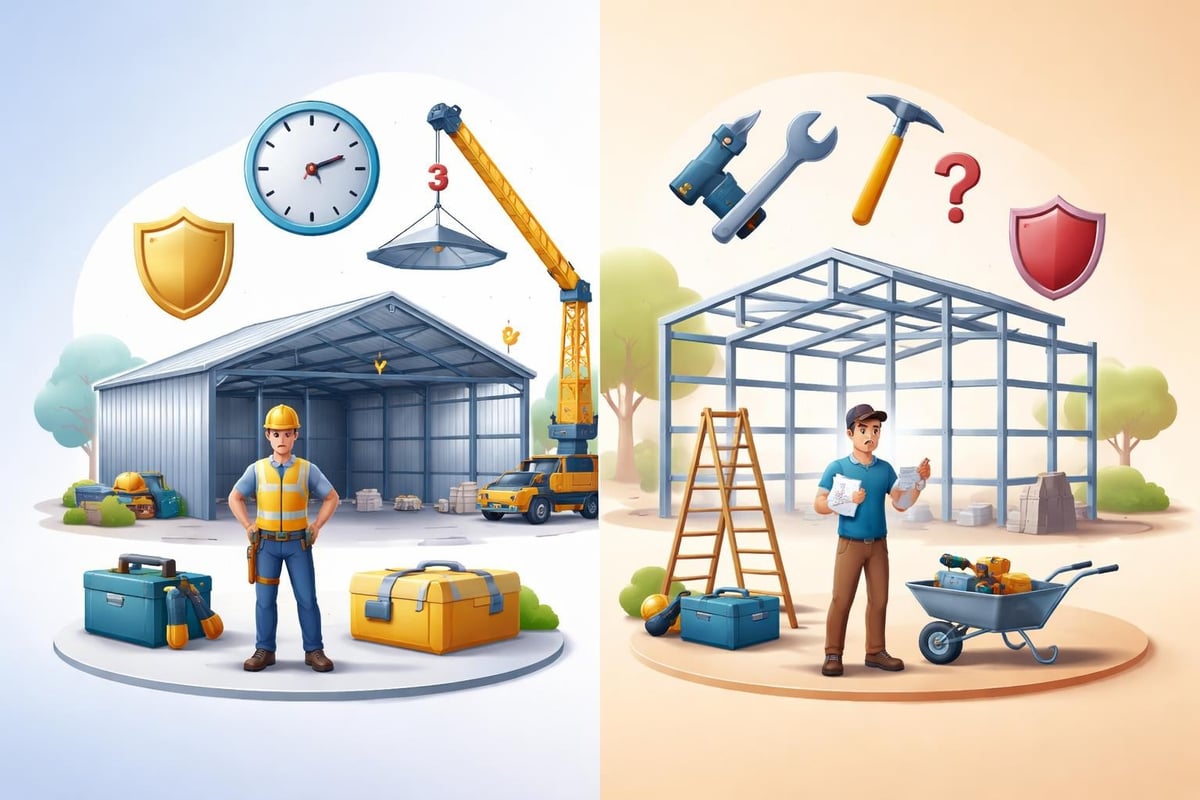
Professional installation provides warranty protection, code compliance assurance, and liability coverage. Most manufacturers void structural warranties on DIY installations unless performed by certified installers. Insurance implications also favor professional installation, as homeowner policies may not cover self-installed structures.
The information on steel workshop buildings emphasizes how professional installation ensures structural integrity while avoiding common assembly mistakes that compromise building performance.
Anchoring Systems and Wind Resistance
Proper anchoring ensures your steel building withstands wind loads and weather events. Anchoring costs vary from $300 for simple ground anchors to $2,500 for engineered foundation tie-downs. Local wind speed requirements determine anchoring specifications, with coastal and tornado-prone regions requiring enhanced systems.
| Anchoring Method | Cost Range | Wind Rating | Best Applications |
|---|---|---|---|
| Mobile home anchors | $200-$500 | 90-110 mph | Standard carports, low-wind areas |
| Concrete footings | $800-$1,500 | 120-140 mph | Enclosed buildings, moderate wind |
| Engineered tie-downs | $1,500-$3,000 | 140-170 mph | High-wind zones, coastal regions |
| Foundation anchors | $2,000-$4,000 | 170+ mph | Commercial, extreme weather areas |
Building codes specify minimum wind ratings based on regional conditions. Exceeding minimum requirements provides additional security but increases steel building installation cost. Engineering certifications for high-wind designs add $500-$1,500 to project expenses but ensure compliance with stringent local requirements.
Long-Term Value and Installation Quality
Quality installation protects your investment for decades. Professional installation ensures proper panel alignment, secure fastener placement, and effective weatherproofing. These details prevent water infiltration, structural stress, and premature component failure.
Warranty coverage depends on installation quality. Most manufacturers require certified installers for warranty validation. This protection covers material defects and structural performance, potentially saving thousands in future repairs. The cost-effectiveness analysis of metal buildings demonstrates how proper installation maximizes long-term value.
Maintenance Access and Installation Details
Professional installers design access points for future maintenance. Proper flashing installation, sealed penetrations, and accessible fasteners simplify routine upkeep. These details seem minor during installation but significantly impact maintenance costs over your building's 30-40 year lifespan.
Documentation from professional installation includes as-built drawings, anchor locations, and load specifications. This information proves invaluable for insurance claims, property sales, or future modifications. DIY installations rarely include this documentation, creating challenges for future owners or renovations.
Insurance and Liability Considerations
Professional installers carry liability insurance and workers' compensation coverage, protecting property owners from accidents and damage during construction. This coverage typically represents 8-12% of installation costs but provides essential protection. Verify insurance certificates before work begins to ensure adequate coverage.
Self-installation transfers liability to the property owner. Homeowner insurance may not cover construction-related injuries or property damage during assembly. Even minor accidents can result in significant medical expenses or property claims, eliminating any cost savings from DIY installation.
Permit compliance affects insurance coverage long-term. Unpermitted structures may not be covered under homeowner policies, creating expensive gaps in protection. Professional installers ensure permit compliance, maintaining full insurance coverage for your investment.
Final Cost Estimates and Budget Planning
Comprehensive steel building installation cost budgeting includes multiple components beyond basic labor rates. Create detailed estimates that account for every expense category to avoid budget overruns and project delays.
Complete budget checklist:
- Steel structure base price
- Foundation materials and labor
- Site preparation and grading
- Installation labor and equipment
- Permits and inspection fees
- Utility connections
- Anchoring systems
- Customization installation
- Contingency fund (10-15%)
Request itemized quotes from multiple installers, comparing not just total price but specific line items. The lowest bid may exclude essential services, leading to unexpected costs during construction. Detailed proposals prevent misunderstandings and ensure accurate project budgeting.
Market conditions in 2026 show steel prices stabilizing after recent volatility, with installation labor rates increasing 3-5% annually in most markets. Planning installations 3-6 months ahead allows for better pricing and contractor availability, particularly during peak construction seasons.
Understanding every component of steel building installation cost helps you make informed decisions and budget effectively for your project. From foundation work and site preparation to professional labor and customization complexity, each factor contributes to your total investment. Metal Structure Sales LLC simplifies this process by providing transparent pricing that includes both the structure and professional installation, ensuring you receive a quality building that meets your needs without unexpected expenses. Their experienced team handles every detail from permitting to final inspection, delivering durable metal structures backed by comprehensive warranties and expert craftsmanship.