

A carport for backyard installation offers homeowners a practical solution for vehicle protection while maximizing available space on their property. Unlike traditional front-facing carports that occupy prime curb appeal real estate, backyard carports provide shelter for vehicles, equipment, and recreational toys while keeping your front yard open and visually appealing. These versatile structures have evolved from simple overhead coverings to sophisticated architectural elements that complement your home's design while serving multiple functional purposes. Whether you need protection for daily drivers, seasonal vehicles, or outdoor equipment, understanding the benefits and considerations of backyard carport placement helps you make an informed investment in your property.
Strategic Placement and Site Assessment
Choosing the right location for a carport for backyard installation requires careful evaluation of your property's unique characteristics. Access points play a critical role in determining where your structure should sit, as you need adequate clearance for vehicles to enter and exit comfortably.
Before breaking ground, consider these essential factors:
- Property slope and drainage patterns to prevent water accumulation
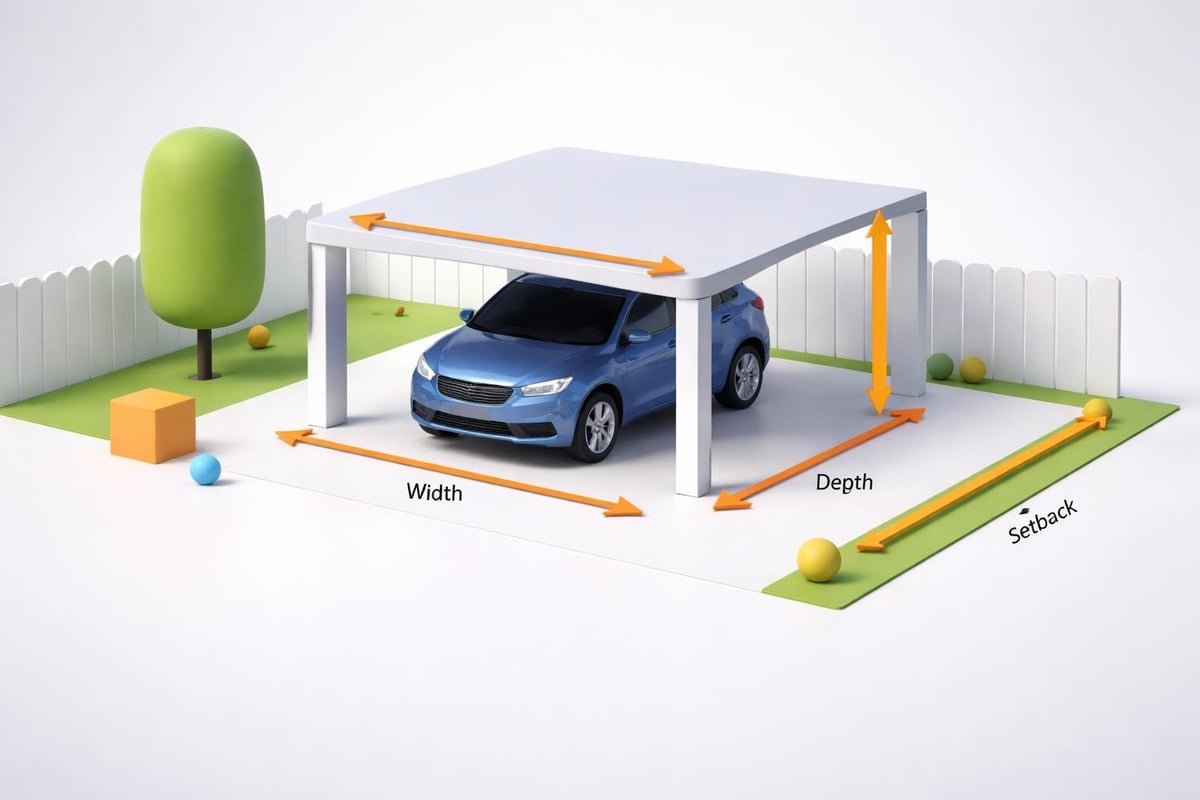
- Distance from property lines and local setback requirements
- Underground utilities including water, gas, and electrical lines
- Existing landscaping and trees that may interfere with construction
- Solar exposure for natural lighting and temperature management
The ideal site provides level ground or minimal grading requirements, reducing installation complexity and costs. Most municipalities require permits for permanent structures, so consulting local building codes ensures your carport for backyard placement meets all regulatory standards. You can explore resources about driveway and access planning to understand how carport placement affects overall property flow.
Measuring Your Space Requirements
Accurate measurements prevent costly mistakes and ensure your structure accommodates current and future needs. Standard single-car carports measure 12 feet wide by 20 feet deep, while double-car versions typically span 18 to 24 feet in width.
Consider these dimension factors:
- Vehicle size including mirrors, roof racks, and door clearance
- Turning radius needed to maneuver into the space safely
- Storage space for lawn equipment, bicycles, or seasonal items
- Vertical clearance especially for trucks, SUVs, or recreational vehicles
- Future expansion possibilities as your needs evolve
Design Options and Structural Styles
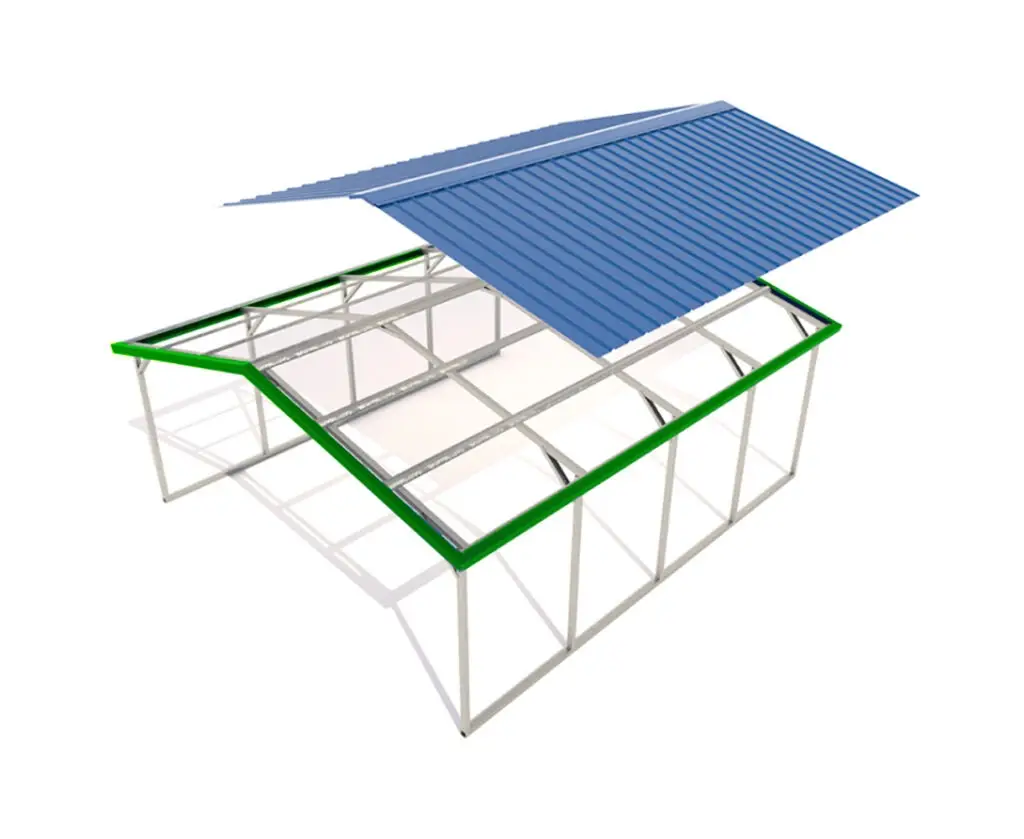
Modern carport for backyard designs offer remarkable flexibility in both form and function. The three primary roof styles each deliver distinct advantages depending on your climate, budget, and aesthetic preferences.
Regular roof carports feature horizontal panels running from front to back, creating the most economical option for basic protection. These work well in areas with moderate weather conditions and provide adequate rain and sun protection.
Boxed eave carports upgrade the regular style with panels running horizontally across the sides while the center panel runs from front to back. This design offers improved water runoff and slightly better wind resistance.
Vertical roof carports represent the premium option, with panels running vertically from peak to edges. This configuration provides superior snow shedding, enhanced durability, and the most effective protection against severe weather conditions.
| Roof Style | Best For | Snow Rating | Cost Level |
|---|---|---|---|
| Regular Roof | Light weather, budget-conscious | Basic | $ |
| Boxed Eave | Moderate weather, balanced needs | Moderate | $$ |
| Vertical Roof | Heavy snow, high wind areas | Superior | $$$ |
Customization Features That Add Value
A carport for backyard installation becomes more functional with strategic customization. Enclosed sides transform open structures into protected workshops, while gable ends add architectural interest and extra storage space. If you're considering more extensive enclosure, you might explore options for converting a carport into a garage for maximum versatility.
Additional height accommodates RVs, boats, or equipment trailers. Metal carports can be engineered with leg heights ranging from standard 6 feet to 16 feet or more, depending on your specific requirements. Extra length provides room for multiple vehicles or dedicated workspace beyond parking areas.
Consider these popular enhancement options:
- Reinforced framing for areas with high wind or snow loads
- Insulation packages to regulate temperature for workspace usage
- Walk-in doors and roll-up garage doors for secure access
- Windows for natural light in enclosed sections
- Gutters and downspouts for controlled water management
For homeowners with unique vision, exploring architectural hardscaping features can inspire how your carport integrates with broader landscape design.
Material Selection and Durability Considerations
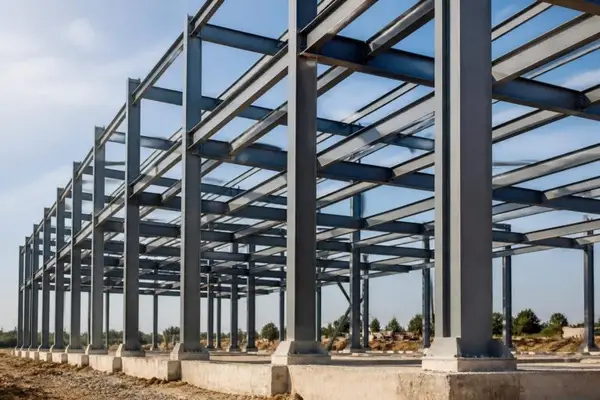
Metal construction dominates the carport for backyard market due to superior longevity, low maintenance requirements, and cost effectiveness. Steel framing provides structural integrity that withstands decades of use, while metal panels resist rot, pest damage, and fire hazards that compromise wooden alternatives.
Gauge thickness determines panel strength and durability. Standard 29-gauge panels suit most residential applications, while 26-gauge options deliver enhanced protection for areas experiencing severe weather. Frame tubes typically range from 12-gauge to 14-gauge steel, with thicker gauges offering greater load-bearing capacity.
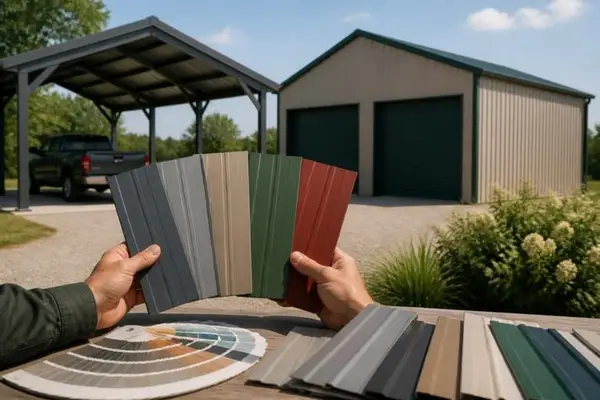
Galvanized steel coating prevents rust and corrosion, extending structure lifespan well beyond 20 years with minimal maintenance. Many manufacturers add powder-coated finishes in various colors, allowing your carport to complement your home's exterior palette while providing additional protective layers against the elements.
Comparing Construction Materials
| Material | Lifespan | Maintenance | Weather Resistance | Initial Cost |
|---|---|---|---|---|
| Metal/Steel | 20-30+ years | Minimal | Excellent | Moderate |
| Wood | 10-15 years | High | Fair | Higher |
| Aluminum | 15-25 years | Low | Good | Higher |
| Fabric/Canvas | 5-10 years | Moderate | Poor | Lower |
Metal structures offer the best overall value proposition when factoring longevity, maintenance costs, and protection capabilities. The initial investment pays dividends through decades of reliable service without painting, sealing, or structural repairs that wooden carports demand.
Installation Process and Timeline
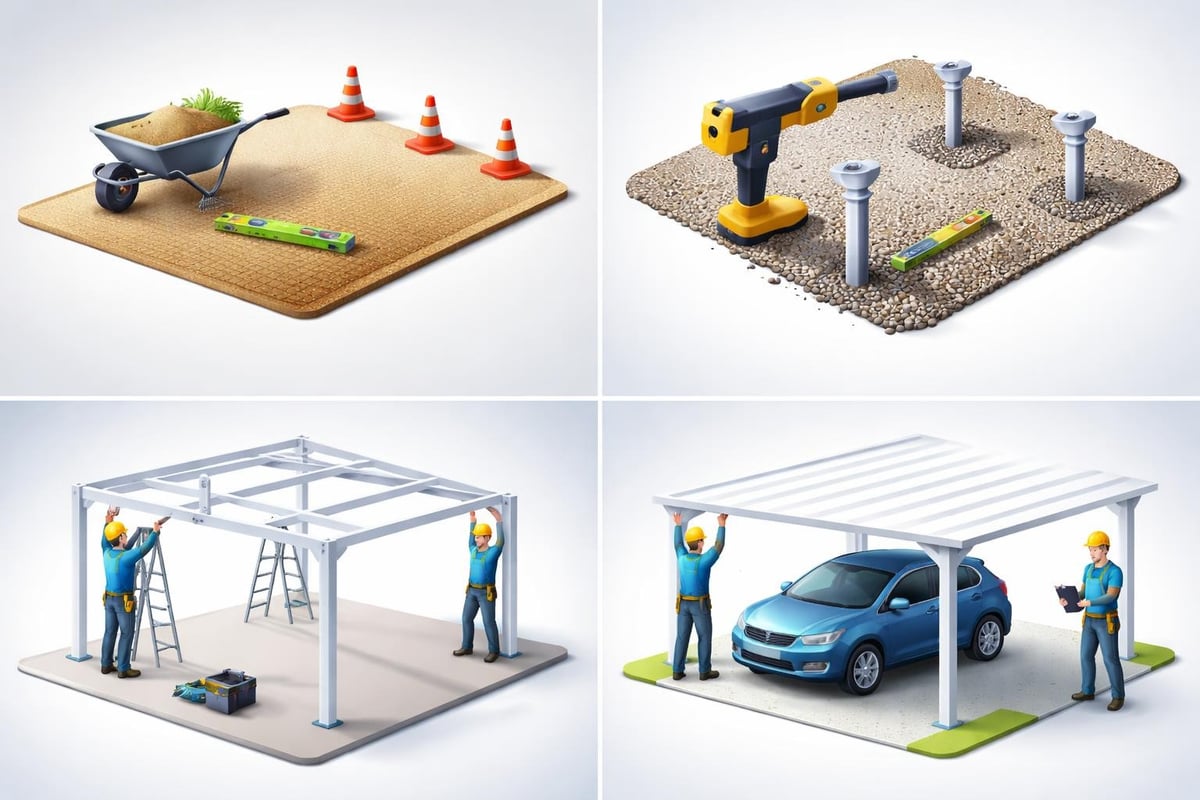
Professional installation of a carport for backyard spaces typically completes within one to three days, depending on size, customization level, and site preparation requirements. The process begins with site preparation, which includes clearing vegetation, leveling ground, and marking anchor points according to engineering specifications.
Foundation options vary based on soil conditions, local codes, and structure size. Mobile home anchors work well for smaller carports on stable ground, while concrete footers or full slabs provide maximum stability for larger structures or areas with challenging soil composition.
Installation follows this general sequence:
- Foundation installation with anchor points positioned precisely
- Frame assembly starting with corner posts and ridge beams
- Roof panel installation from bottom to top courses
- Trim and flashing to seal edges and joints
- Final inspection ensuring structural integrity and code compliance
Many providers include delivery and installation in quoted prices, eliminating the complexity of coordinating separate contractors. Reputable manufacturers often provide comprehensive service information addressing common questions about the installation process.
Preparing Your Backyard for Installation
Clear the installation area at least two feet beyond the carport footprint on all sides. This provides installers adequate workspace and prevents damage to landscaping or existing structures during assembly.
Mark underground utilities by contacting your local utility notification service several days before the scheduled installation date. This free service prevents dangerous encounters with buried lines and costly damage to essential services.
Ensure equipment access by removing obstacles along the path from street to installation site. Large delivery trucks and installation crews need clearance to transport materials and equipment safely to your backyard location.
Functional Benefits Beyond Vehicle Protection
A carport for backyard installation delivers value extending far beyond simple vehicle coverage. Multi-purpose usage transforms these structures into outdoor entertainment spaces, equipment storage facilities, and weather-protected work areas that enhance your property's functionality throughout the year.
Outdoor living expansion becomes possible with enclosed sides or partial walls creating comfortable spaces for hobbies, DIY projects, or recreational activities. Many homeowners add lighting, electrical outlets, and even heating elements to create three-season workshops or storage areas that remain accessible regardless of weather conditions.
The property value increase from professional carport installation typically ranges from 5% to 8% of the structure's cost, making it a sound investment that pays returns when selling your home. Potential buyers appreciate the immediate usability and low-maintenance protection these structures provide.
Protecting Assets and Reducing Costs
Vehicle preservation extends automobile lifespan significantly by shielding paint, interiors, and mechanical components from UV damage, precipitation, and temperature extremes. Cars stored under cover require less frequent washing, waxing, and detailing while maintaining better resale value.
Equipment longevity improves when lawn mowers, power tools, recreational gear, and seasonal decorations stay dry and protected from the elements. This protection prevents rust, mildew, and deterioration that shortcut the useful life of valuable equipment.
Insurance savings may apply when vehicles and stored items receive covered protection. Some insurance providers offer reduced premiums for properly sheltered vehicles, recognizing the decreased risk of weather-related damage claims. Metal carports available through providers with customizable design options allow you to specify features that match your protection priorities.
Design Integration with Existing Architecture
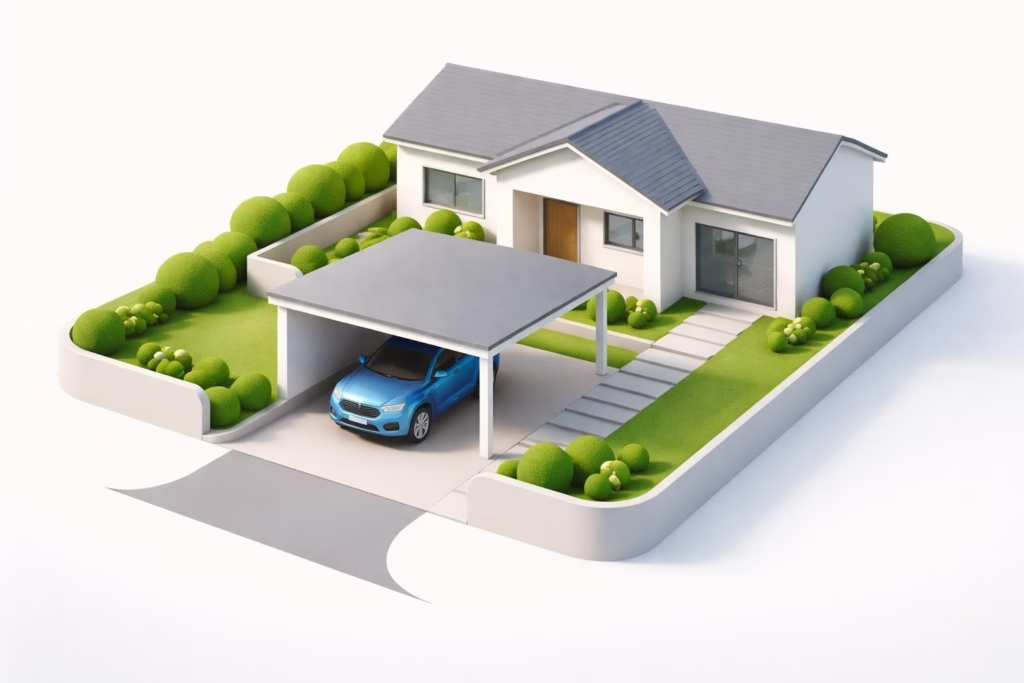
Successful carport for backyard placement requires thoughtful consideration of how the structure relates to your home's existing design language. Matching roof styles creates visual continuity, while complementary colors ensure the addition feels intentional rather than afterthought.
Architectural harmony develops when you align design elements like trim details, column styles, and material finishes with your home's character. Traditional homes pair well with classic gable ends and decorative trim, while contemporary properties benefit from clean lines and minimalist detailing.
Review diverse carport design examples to identify styles that complement your property's aesthetic while meeting functional requirements. Professional designers often recommend selecting two or three key elements from your home's exterior to incorporate into carport design, creating cohesive visual flow.
Landscaping Integration Strategies
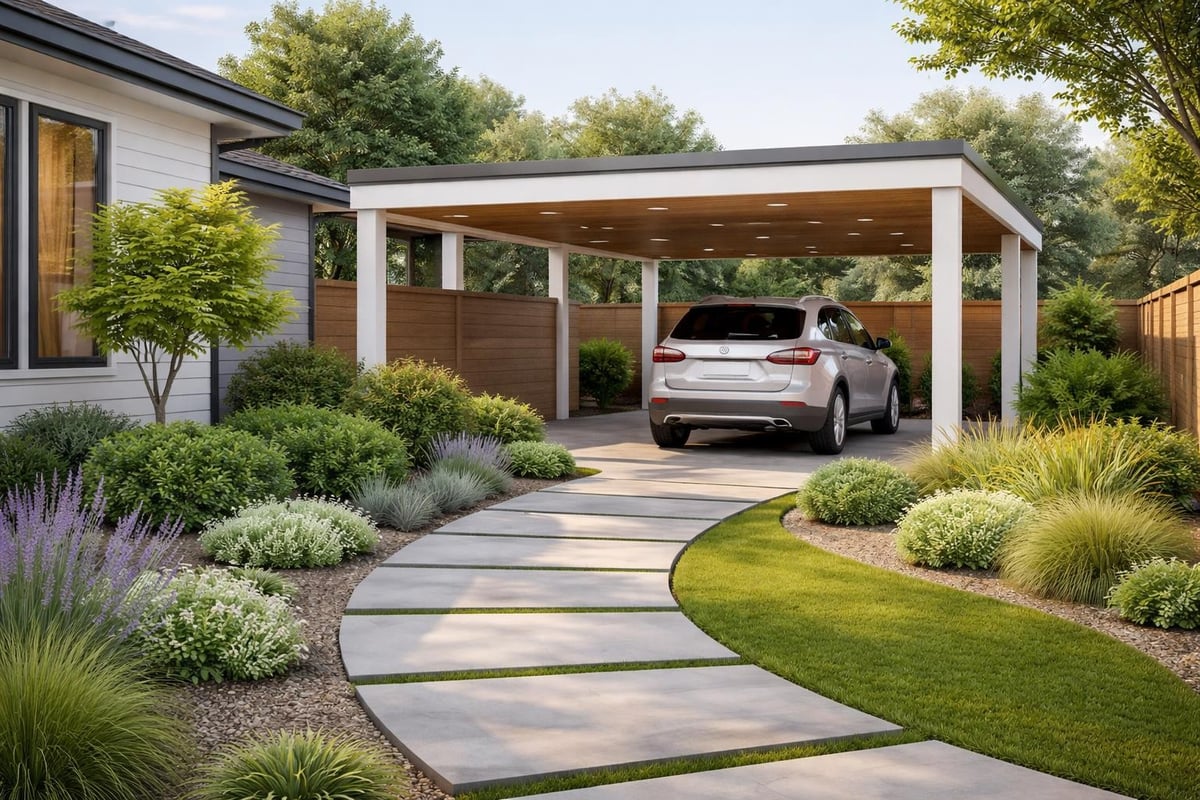
Surrounding plantings soften hard edges and blend the structure into your backyard environment. Low-maintenance shrubs, ornamental grasses, or climbing vines on support posts create natural transitions between built and natural elements.
Pathway connections linking your carport to existing walkways or patios improve functionality while enhancing property flow. Materials matching your existing hardscaping maintain design consistency throughout your outdoor spaces.
Consider incorporating ideas from garden pergola concepts that demonstrate how overhead structures integrate with landscape features to create cohesive outdoor environments.
Regulatory Compliance and Permit Requirements
Most jurisdictions require building permits for permanent carport for backyard structures, with regulations varying significantly by location. Setback requirements typically mandate minimum distances from property lines, ranging from 3 to 10 feet depending on local codes and structure height.
Height restrictions limit vertical dimensions in residential areas, often capping structures at 15 to 18 feet to maintain neighborhood sight lines and aesthetic standards. Lot coverage calculations include carport square footage toward maximum allowable impervious surface percentages.
The permit application process generally requires:
- Site plans showing structure location relative to property boundaries
- Engineering specifications confirming wind and snow load ratings
- Foundation details documenting anchor or concrete specifications
- Electrical plans if adding lighting or outlets to the structure
- Drainage plans demonstrating proper water management
Working with experienced providers familiar with regional requirements streamlines the permitting process and ensures compliance with local codes.
Homeowner Association Considerations
HOA approval represents an additional layer of oversight in many neighborhoods, with architectural review committees evaluating proposed structures for compliance with community standards. Submit detailed plans including dimensions, colors, materials, and placement diagrams well in advance of your desired installation date.
Variance requests may become necessary when your preferred design or location conflicts with standard restrictions. These require formal applications demonstrating how your project maintains community aesthetic values despite technical non-compliance with specific rules.
Cost Factors and Budget Planning
The investment required for a carport for backyard installation depends on multiple variables including size, customization level, material quality, and regional pricing differences. Basic structures protecting one or two vehicles typically range from $1,200 to $3,500 for standard roof designs with minimal customization.
Mid-range installations incorporating boxed eave roofs, enclosed sides, or additional height extend into the $3,500 to $7,500 range, offering enhanced protection and functionality. Premium vertical roof carports with full enclosure, upgraded materials, and extensive customization can exceed $10,000, delivering maximum durability and versatility.
Breaking Down Cost Components
| Component | Budget Option | Mid-Range | Premium |
|---|---|---|---|
| Roof Style | Regular | Boxed Eave | Vertical |
| Dimensions | 12×20 single | 18×25 double | 24×30+ custom |
| Gauge | 29-gauge panels | 26-gauge panels | 26-gauge + 12-gauge frame |
| Customization | Open sides | Partial enclosure | Fully enclosed |
| Total Range | $1,200-$2,500 | $3,500-$7,500 | $8,000-$15,000+ |
Delivery and installation typically represent 15% to 25% of total project costs, though many manufacturers include these services in quoted prices. Site preparation adds $200 to $1,500 depending on grading requirements, vegetation removal, and foundation complexity.
Long-term value calculations should factor maintenance savings, vehicle preservation benefits, and property value increases against initial investment costs. Metal structures require virtually no maintenance beyond occasional cleaning, eliminating ongoing expenses that wooden alternatives demand through staining, sealing, and repair work.
Maximizing Your Investment
A carport for backyard installation delivers optimal returns when designed to accommodate evolving needs rather than just current requirements. Future-proofing through slightly larger dimensions, upgraded materials, or reinforced framing costs less during initial construction than later modifications or replacement.
Multi-vehicle planning makes sense even for single-car households, as extra covered space serves countless purposes beyond automobile storage. The marginal cost increase for larger structures provides exponential functionality gains through protected areas for equipment, hobbies, or outdoor entertaining.
Phased customization allows budget-conscious homeowners to start with basic structures and add enclosures, doors, or additional features as finances permit. Most metal carports accept modifications easily, supporting incremental upgrades that spread costs across multiple years while maintaining structural integrity.
Exploring options like combination units that merge covered parking with enclosed storage demonstrates how strategic planning maximizes functionality per dollar invested.
Financing and Payment Options
Rent-to-own programs provide alternatives for homeowners preferring monthly payments over lump-sum purchases. These arrangements often require no credit checks, making quality structures accessible regardless of financial history. Understanding available financing approaches helps identify payment structures fitting your budget.
Seasonal promotions frequently reduce costs during slower construction periods, with manufacturers offering discounts or upgraded features to maintain consistent production schedules. Timing your purchase strategically can yield significant savings on identical structures.
Cash discounts sometimes apply when paying in full at order placement, reflecting reduced transaction costs and guaranteed sales for manufacturers. Inquire about available payment incentives when requesting quotes to ensure you receive best possible pricing.
Maintenance and Long-Term Care
Metal carport for backyard structures require minimal maintenance compared to alternative materials, contributing to their excellent long-term value proposition. Annual inspections checking for loose fasteners, damaged panels, or compromised anchors prevent minor issues from escalating into costly repairs.
Panel cleaning once or twice yearly maintains appearance and prevents debris accumulation that could trap moisture against metal surfaces. Simple washing with mild soap and water removes dirt, pollen, and environmental deposits that dull factory finishes over time.
Basic maintenance tasks include:
- Tightening bolts and screws that may loosen from thermal expansion cycles
- Clearing gutters if installed, preventing water backup and overflow
- Trimming vegetation that contacts or overhangs the structure
- Checking anchors ensuring foundation elements remain secure
- Inspecting sealants around penetrations or attachment points
Snow removal in heavy accumulation areas protects structures not engineered for extreme loads, though properly rated vertical roof carports shed snow naturally without intervention. Consult your structure's specifications to understand design limits and maintenance requirements specific to your installation.
Addressing Common Issues
Minor dents or scratches affect appearance more than function, with touch-up paint available from manufacturers matching factory finishes. These cosmetic repairs prevent rust development while restoring visual appeal.
Loose panels require immediate attention, as wind can catch edges and cause progressive damage to surrounding components. Re-securing fasteners or replacing damaged panels costs far less than repairing cascade failures from neglected issues.
Anchor settling occasionally occurs in areas with expansive soils or inadequate initial installation. Professional re-leveling and anchor reinforcement restore stability and prevent progressive structural stress.
Installing a carport for backyard spaces enhances property functionality while protecting valuable vehicles and equipment from environmental damage. When you're ready to explore customizable options that match your specific needs and budget, Metal Structure Sales LLC delivers high-quality metal carports with delivery and installation included, providing comprehensive solutions backed by expert guidance throughout the selection and installation process.